Attractions and Places To See in Socorro County - Top 11
Best attractions and places to see in Socorro County include a diverse array of historical landmarks, natural landscapes, and cultural sites. The region features expansive wilderness areas, significant archaeological ruins, and national wildlife refuges. Its geography encompasses mountains, canyons, and desert environments, offering varied exploration opportunities. Socorro County provides insights into ancient cultures, military history, and astronomical research.
Best attractions and places to see in Socorro County
- The most popular attractions is Apache Kid Wilderness, a forest wilderness area.…
Last updated: August 18, 2026
Gran Quivira Ruins
Highlight • Historical Site
Tip by

Sevilleta National Wildlife Refuge
Highlight (Segment) • Natural
Tip by

Sign up now to discover places like this
Get recommendations on the best single tracks, peaks, & plenty of other exciting outdoor places.
Sign up for free
San Lorenzo Canyon Recreation Area
Highlight • Canyon
Tip by
North Baldy Trail
Highlight (Segment) • Trail
Tip by
Cibola National Forest
Highlight • Forest
Tip by
Magdelena
Highlight • Settlement
Tip by
Apache Kid Wilderness
Highlight • Forest
Tip by
Withington Wilderness
Highlight • Forest
Tip by
Steep Climb with Wooden and Stone Steps
Highlight • Climb
Translated by Google •
Tip by

Santa Rita ghost town
Highlight • Historical Site
Tip by

Sign up for free to discover even more attractions in Socorro County.
Sign up for free
Already have an account?
Start today with a free account
Your next adventure awaits.
Login or Signup



Tips from the Community

Sevilleta National Wildlife Refuge spans over 230,000 acres where four major ecosystems—desert, grassland, shrub-steppe, and woodland—connect, creating fantastic biodiversity. Managed mostly for conservation and research, it supports species like pronghorn, mountain lions, and the endangered southwestern willow flycatcher, while hosting long-term ecological studies through the University of New Mexico. Most of the refuge is closed to recreation, but there are a few trails for hiking and wildlife viewing, though camping and picnicking aren’t permitted. The GET trail runs along its eastern border, allowing for a unique opportunity to catch a glimpse of some of the protected wildlife that call this area home.
0
0
The beautiful San Lorenzo Canyon Recreation Area, northwest of Socorro, is a fantastic spot, with sandstone cliffs, natural arches, and unique hoodoos, with several hiking trails, perfect for taking some memorable photos and exploring the slot canyons. Primitive camping is allowed throughout the area, with dispersed sites hidden away in quiet corners of the canyon. There are no facilities or water sources, so be prepared if you're planning to you pitch your tent under the stars here. This remote setting provides a peaceful atmosphere, breathtaking views, and a true off-the-grid experience.
0
0
Magdalena is a charming small village known as the “Trails End,” a nod to its historic role as a railhead for cattle drives and mining shipments in the late 1800s. Nestled near the Magdalena Mountains, it’s surrounded by picturesque high desert scenery and is a gateway to outdoor destinations like the Kelly ghost town, the Very Large Array, and the Magdalena Ridge Observatory. The town offers a feeling of Old West charm with a growing arts scene, hosting galleries, festivals, and stargazing events that draw visitors from all over the country.
0
0
Covering over 1.6 million acres across New Mexico, Texas, and Oklahoma, the Cibola National Forest is a diverse mix of mountains, high desert, and open grasslands—spread across four ranger districts and four national grasslands. Its landscapes range from piñon-juniper woodlands to spruce-fir forests, providing habitat for wildlife like elk, black bears, and pronghorn. With designated wilderness areas, scenic trails, and research sites like the Langmuir Laboratory and Magdalena Ridge Observatory, it’s a favorite for hikers and campers, with plenty of options to explore this vast beautiful area.
0
0
The North Baldy Trail winds along the high ridgeline between South and North Baldy Peaks, with breathtaking panoramic views of the Sandia and the Sierra Blanca ranges in the distance. The route is challenging, with over 2,600 feet of elevation gain with relatively rugged terrain, and is an ideal trek for experienced hikers ready to confront steep ascents and remote conditions. The trail connects to several others, including Copper Canyon and Hop Canyon, and is part of the Grand Enchantment Trail (GET) and is a beautiful yet challenging segment for long-distance hikers.
0
0
Tucked into the quieter northern stretch of the San Mateo Mountains, the Withington Wilderness covers nearly 19,000 acres of steep canyons, pine forests, and high ridgelines that rarely see visitors. The trails in this area are limited and often faint, and water sources can be scarce or seasonal, making this area best suited for experienced hikers with solid navigation skills. With a whole lot of silence, it’s the kind of place that rewards you if you come prepared—and don’t mind getting a little lost in the wild.
0
0
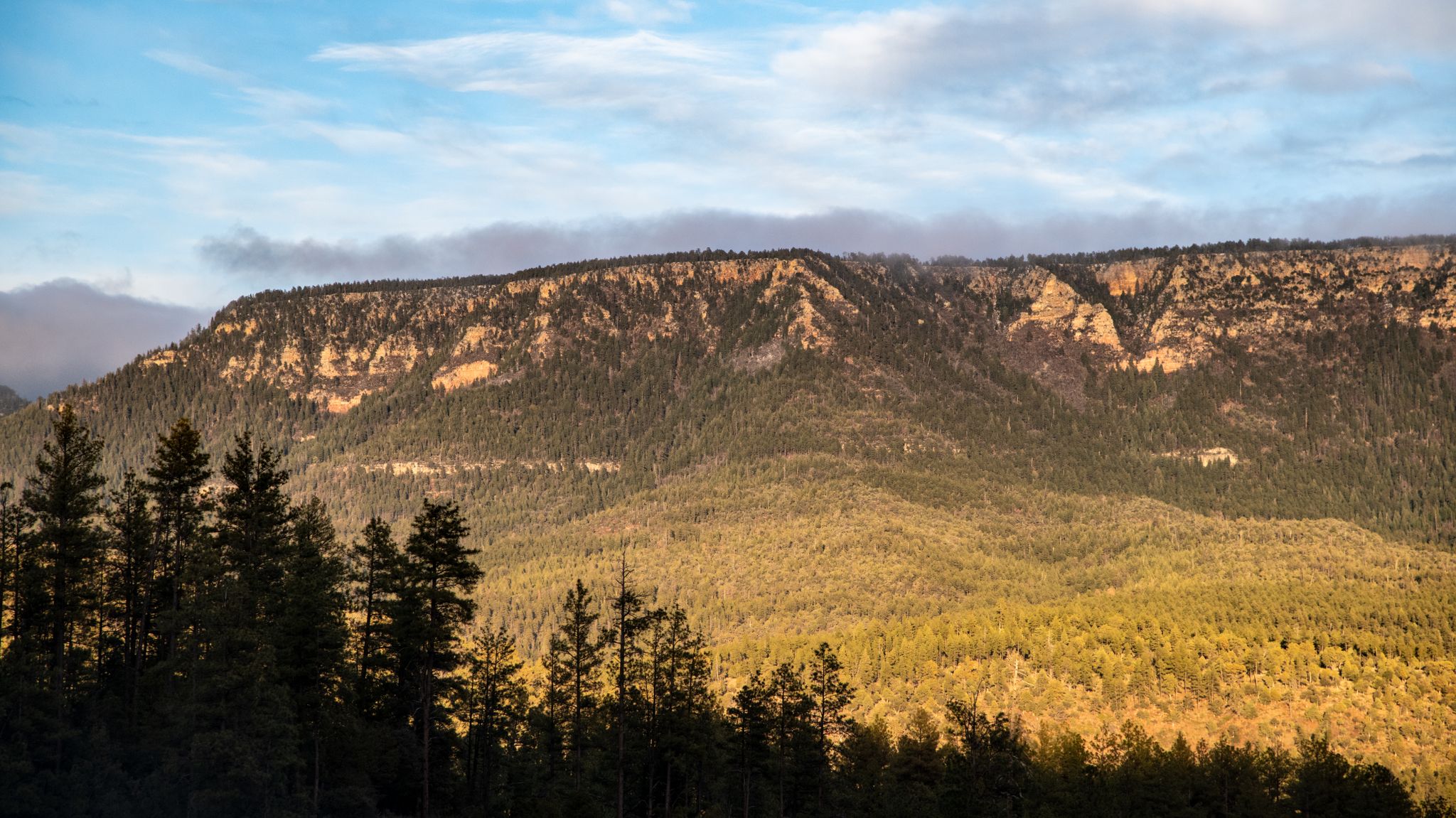
The beautiful and remote Apache Kid Wilderness stretches across more than 44,000 acres in the San Mateo Mountains, with breathtaking views and challenging trails that wind through steep canyons and lush, forested peaks. Named after a legendary Apache scout, this area is rich in history with plenty of wildlife, including elk, black bears, and the endangered Mexican spotted owl. With its lightly used trails, and limited human presence, it's a fantastic secluded sanctuary for any experienced backpacker.
0
0

A very steep climb indeed. Beautiful view at the top.
1
0
Frequently Asked Questions
What are some prominent natural features or outdoor recreation areas in Socorro County?
Socorro County boasts diverse natural landscapes. You can explore the vast Sevilleta National Wildlife Refuge, which connects four major ecosystems, or the extensive Cibola National Forest, offering mountains, high desert, and open grasslands. Other notable areas include the San Lorenzo Canyon Recreation Area with its unique rock formations and slot canyons, and the Apache Kid Wilderness in the San Mateo Mountains.
Are there opportunities for hiking in Socorro County?
Yes, Socorro County offers numerous hiking opportunities. The Cibola National Forest provides a wide range of trails. For a challenging experience, consider the Apache Kid Wilderness or Withington Wilderness. Easy trails can be found at Gran Quivira Ruins, where a 0.5-mile trail winds through ancient pueblo ruins. You can find more hiking options in the Hiking in Socorro County guide.
What historical sites can I visit in Socorro County?
Socorro County is rich in history. The Gran Quivira Ruins, part of the Salinas Pueblo Missions National Monument, offers a glimpse into ancient pueblos and Spanish mission churches. Other significant historical sites include the San Miguel Mission, Fort Craig, and the Trinity Site. The Socorro Historic District also features buildings on the National Register of Historic Places, such as the Val Verde Hotel and the Garcia Opera House.
Where can I go for wildlife viewing in Socorro County?
For exceptional wildlife viewing, visit the Bosque del Apache National Wildlife Refuge, internationally renowned for birdwatching. The Sevilleta National Wildlife Refuge also supports diverse wildlife, including pronghorn and mountain lions. The Socorro Nature Area, located in the Rio Grande Bosque, is another excellent spot for wildlife observation.
Are there family-friendly activities or attractions in Socorro County?
Yes, several attractions are suitable for families. The Cibola National Forest and San Lorenzo Canyon Recreation Area are noted as family-friendly for hiking and exploration. Escondida Lake offers fishing, camping, and a park for children. The Karl G. Jansky Very Large Array (VLA) radio observatory can also be an engaging educational visit for older children interested in astronomy.
When is the best time of year to visit Socorro County for outdoor activities?
The best time to visit Socorro County for outdoor activities is generally during the spring and fall months when temperatures are milder and more comfortable for hiking and exploring. Summers can be very hot, and winters can bring cold temperatures, especially at higher elevations in the mountains.
Are there any permit requirements for visiting natural areas like Bosque del Apache?
While the Sevilleta National Wildlife Refuge is mostly closed to recreation, with only a few trails for hiking, the Bosque del Apache National Wildlife Refuge typically requires an entrance fee or pass. It's always advisable to check the official website of any wildlife refuge or national park for current permit requirements, fees, and access rules before your visit.
Can I explore any ghost towns in Socorro County?
Yes, Socorro County offers a glimpse into its past through several ghost towns. The Santa Rita ghost town is one such location. These sites provide a unique historical experience, showcasing the remnants of former mining and ranching communities.
What kind of geological features can I explore in Socorro County?
Socorro County is known for its unique geological formations. The San Lorenzo Canyon Recreation Area features impressive sandstone cliffs, natural arches, and hoodoos. The Quebradas Backcountry Byway also offers opportunities to explore beautiful desert landforms and arroyos, showcasing the region's diverse geology. You can also visit the New Mexico Bureau of Geology Mineral Museum to see stunning minerals and fossils.
Are there dog-friendly trails or attractions in Socorro County?
Many outdoor areas in Socorro County are dog-friendly. The Cibola National Forest, San Lorenzo Canyon Recreation Area, Apache Kid Wilderness, and Withington Wilderness are all noted as dog-friendly. Always ensure your dog is on a leash and you follow Leave No Trace principles.
What cultural attractions or museums are available in Socorro County?
Beyond historical sites, Socorro County offers cultural insights. The El Camino Real International Heritage Center provides context on the historic 'Royal Road.' The Hammel Museum and Socorro Heritage Museum delve into local history and culture. Additionally, the Karl G. Jansky Very Large Array (VLA) is a significant scientific and cultural landmark, open to visitors interested in astronomy.
Are there any challenging outdoor experiences available in Socorro County?
For those seeking a challenge, the Apache Kid Wilderness and Withington Wilderness areas within the San Mateo Mountains offer demanding trails through steep canyons and forested peaks. Rock climbing opportunities can be found at Box Canyon Recreation Area, San Lorenzo Canyon, and the Magdalena Mountains. The North Baldy Trail is also categorized as challenging.
Most popular routes in Socorro County

Get inspired with the komoot mobile app


Explore more
Still not found the Highlight you’re looking for? See guides of the top attractions in other regions:
