The best walks and hikes in Socorro County
5.0
(4)
40
hikers
10
hikes
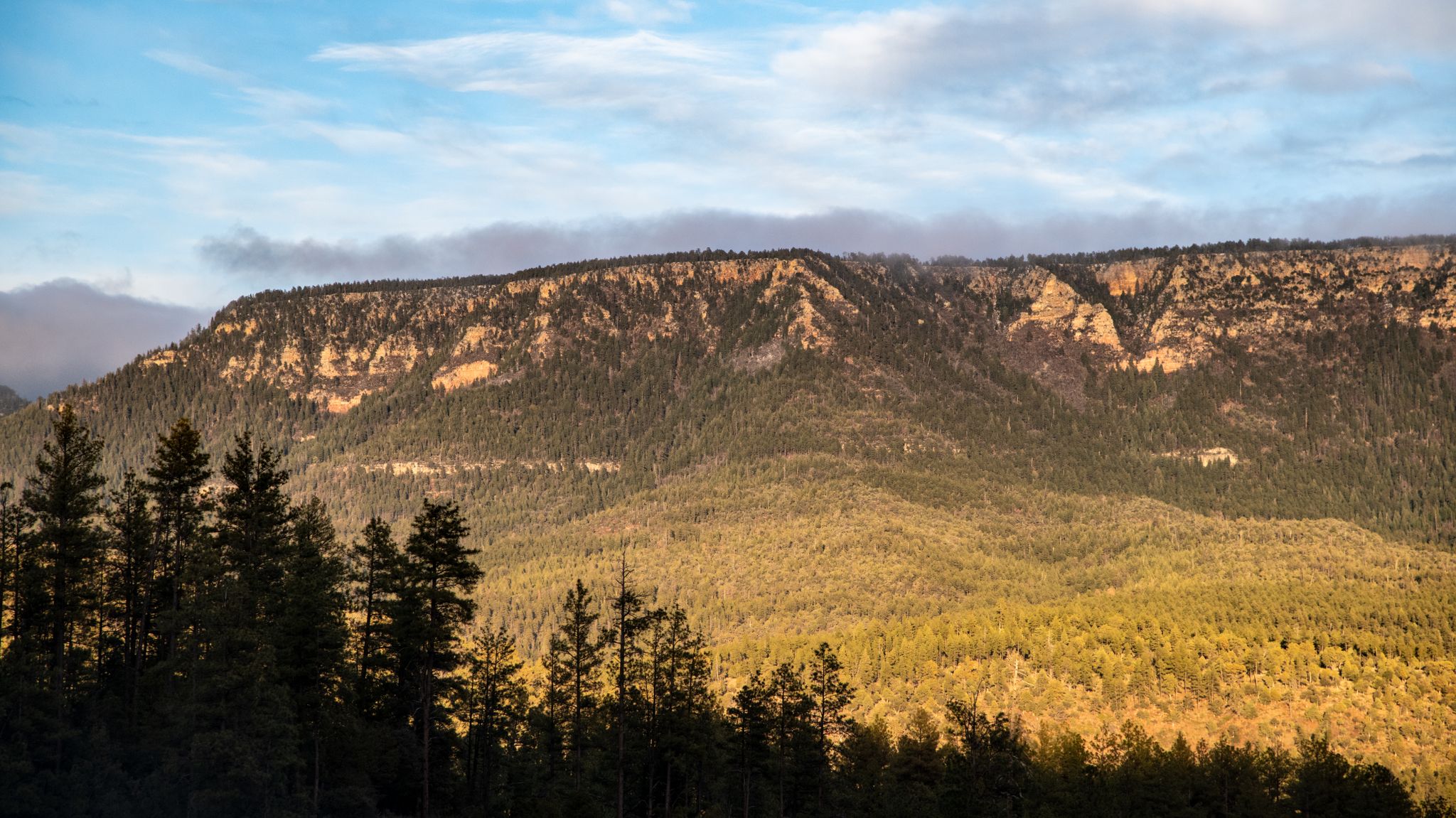
Hiking in Socorro County offers diverse landscapes, from Chihuahuan desert environments to mountainous terrain. The region features varied geological formations, including vibrant sand, limestone, and shale formations, alongside rolling canyons and expansive desert vistas. Riparian zones along the Rio Grande Bosque provide unique ecosystems with cottonwood-willow habitats. The Magdalena Mountains contribute wooded areas and alpine scenery, with peaks reaching over 10,000 feet.
Best hiking trails in Socorro County
- The most popular hiking route is Mesa View Trail, a 6.0…
Last updated: June 24, 2026
5.0
(1)
6
hikers
3.57km
01:02
60m
70m
The San Lorenzo Canyon Loop offers a rugged and visually stunning hike through a landscape dominated by dramatic sandstone cliffs, natural arches, and unique hoodoos. This difficult 2.2-mile (3.6 km)…
6
hikers
8.24km
03:24
390m
380m
Embark on the Mesa Trail #13 for a moderate hiking experience that winds through the diverse landscapes of Cibola National Forest. This route spans 5.1 miles (8.2 km) and involves…

Sign up for free
5
hikers
3.32km
00:56
70m
60m
Embark on an easy hike along the Canyon National Recreation Trail, a 2.1-mile (3.3 km) route that guides you through the unique Chihuahuan Desert ecosystem. You will gain 244 feet…
5.0
(1)
3
hikers
9.64km
02:45
160m
110m
Hike the difficult 6.0-mile Mesa View Trail in Sevilleta National Wildlife Refuge, featuring a steep climb and panoramic valley views.
2
hikers
1.13km
00:17
0m
0m
Embark on an easy hike along the Mission Ruins Interpretive Trail, a short 0.7 miles (1.1 km) loop that takes just about 17 minutes to complete. You'll experience a unique…
5.0
(1)
2
hikers
924m
00:15
10m
10m
Embark on an easy hike along the Ruins Interpretive Trail, a short and accessible path within Salinas Pueblo Missions National Monument. This route covers just 0.6 miles (0.9 km) with…
6
hikers
8.94km
03:37
420m
420m
Moderate hike. Good fitness required. Mostly accessible paths. Sure-footedness required.
5.0
(1)
4
hikers
9.57km
02:33
100m
100m
Moderate hike. Good fitness required. Mostly accessible paths. Sure-footedness required.
Get access to more routes and recommendations from other explorers.
Sign up for free
Already have an account?
Our route recommendations are based on thousands of hikes, rides, and runs completed by other people on komoot.
Start today with a free account
Your next adventure awaits.
Login or Signup



Tips from the Community

The beautiful San Lorenzo Canyon Recreation Area, northwest of Socorro, is a fantastic spot, with sandstone cliffs, natural arches, and unique hoodoos, with several hiking trails, perfect for taking some memorable photos and exploring the slot canyons. Primitive camping is allowed throughout the area, with dispersed sites hidden away in quiet corners of the canyon. There are no facilities or water sources, so be prepared if you're planning to you pitch your tent under the stars here. This remote setting provides a peaceful atmosphere, breathtaking views, and a true off-the-grid experience.
0
0

A very steep climb indeed. Beautiful view at the top.
1
0

View over the entire valley.
2
0
Beautiful stretch, but a steep climb or descent on this section, depending on whether you walk it clockwise or anticlockwise.
1
0

The Abó Unit of Salinas Pueblo Missions National Monument, located west of Mountainair, New Mexico, spans approximately 370 acres and showcases a rich history dating back to around 800 AD. The site was initially occupied by the Pueblo people, who built rectangular red sandstone masonry pueblos and engaged in farming, hunting, and trading. When the Spanish arrived in 1581, they found a thriving community. The mission of San Gregorio de Abó was established in 1622, with the first church completed by 1626. Due to a growing population, a larger church was built by 1651, the remnants of which can still be seen today. Abó was abandoned in 1673 due to disease, drought, famine, and Apache raids, but Spanish settlers briefly returned in the 1800s. Visitors to Abó can explore the .75-mile interpretive loop trail through the 17th-century mission ruins, photograph 1820s Spanish resettlement structures, enjoy the natural surroundings, picnic in the designated area, and participate in ranger-led programs and special events. The site offers a unique glimpse into the region's history and cultural heritage.
0
0
The Gran Quivira Ruins, located about 25 miles south of Mountainair, sit at an elevation of 6,500 feet. Visitors can explore the historic site via a 0.5-mile trail that winds through partially excavated pueblo ruins and the remnants of an unfinished mission church. Known as the best-preserved of the Salinas pueblos, Gran Quivira is one of the most celebrated archaeological sites in the Southwest. The ruins are steeped in mystery and romance, often linked to the legendary "Gran Quivira," a mythical city of wealth and splendor. This connection likely arose when early explorers, encountering the abandoned site, associated it with tales of a grand, lost city. The Gran Quivira Historic District was recognized on the National Register of Historic Places in 2015.
1
0

Essentially only the foundation walls can be seen. The high walls to the west belong to the mission. Amazing how 2000 people managed with so little water. Also noteworthy how small the rooms are.
0
0
Frequently Asked Questions
How many hiking trails are available in Socorro County?
Socorro County offers a diverse network of over 10 hiking routes, catering to various skill levels. These trails explore everything from desert landscapes to mountainous terrain and riparian zones.
What is the best time of year to go hiking in Socorro County?
The best time to hike in Socorro County is generally during the spring and fall months when temperatures are milder. Summers can be very hot, especially in the desert areas, while winters offer unique opportunities for hiking, particularly at lower elevations, but require checking weather conditions for higher mountain trails.
What kind of terrain can I expect on hikes in Socorro County?
Hikers in Socorro County can expect a wide variety of terrain. The region features dramatic Chihuahuan desert scenery with vibrant red, purple, and yellow sand, limestone, and shale formations. You'll also find rolling canyons, impressive towering rock formations, and expansive desert vistas. Higher elevations in the Magdalena Mountains offer wooded areas and alpine scenery. Unique riparian zones along the Rio Grande Bosque provide lush cottonwood-willow habitats.
Are there any easy hiking trails suitable for beginners or families in Socorro County?
Yes, Socorro County has several easy trails perfect for beginners and families. The Mission Ruins Interpretive Trail and the Ruins Interpretive Trail are both short and accessible. Additionally, the Socorro Nature Area offers a 1.5-mile self-guided nature walk with interpretive signs, providing an accessible outdoor experience.
Are there any challenging hikes for experienced trekkers in Socorro County?
Absolutely. For experienced trekkers, Socorro County offers challenging routes with significant elevation changes. The San Lorenzo Canyon Loop is rated as difficult, leading through rugged terrain. The Magdalena Mountains also provide routes to prominent peaks like South Baldy and North Baldy, offering strenuous ascents and alpine scenery.
What natural features or landmarks can I see while hiking in Socorro County?
Socorro County is rich in natural features. You can explore the impressive towering rock formations and narrow gorges of San Lorenzo Canyon Recreation Area, or the vibrant geological formations along the Quebradas Backcountry Byway. Water Canyon, nestled in the Magdalena Mountains, is known for its natural springs and scenic overlooks. The Sevilleta National Wildlife Refuge also offers extensive hiking and wildlife observation opportunities.
Are there any historical sites or cultural attractions near the trails?
Yes, Socorro County has historical attractions. The Gran Quivira Ruins are a significant historical site that can be explored. Additionally, the Mission Ruins Interpretive Trail provides insight into the region's past.
Are there any circular hiking routes in Socorro County?
Yes, there are several circular hiking options. The San Lorenzo Canyon Loop is a popular choice for a circular walk through impressive rock formations. Another option is the Water Canyon Mesa loop from Water Canyon Mesa, offering scenic views.
Can I bring my dog on the hiking trails in Socorro County?
Many trails in Socorro County are dog-friendly, especially those on Bureau of Land Management (BLM) land. However, it's always best to check specific regulations for each trail or protected area, such as national wildlife refuges, as rules can vary. Always keep your dog on a leash and pack out all waste.
Where can I find parking for trailheads in Socorro County?
Parking is generally available at designated trailheads throughout Socorro County. Popular areas like San Lorenzo Canyon, Water Canyon, and the Datil Well Recreation Area typically have parking facilities. For the Socorro Nature Area, you can find more information on access and parking at the BLM website.
What do other hikers enjoy the most about hiking in Socorro County?
The area is highly rated by the komoot community, with an average score of 5.0 stars. Reviewers often praise the dramatic desert scenery, the unique geological formations, and the tranquility found along its trails. The diverse landscapes, from challenging mountainous terrain to vibrant riparian zones, are also frequently highlighted as major draws.
Most popular routes in Socorro County
Most popular attractions in Socorro County

Get inspired with the komoot mobile app


Didn’t find what you were looking for?
Check out more Hikes throughout Socorro County below and find the perfect route in your destination.
Explore more
Browse the best Hikes in other regions.
