Attractions and Places To See in Carbon County - Top 20
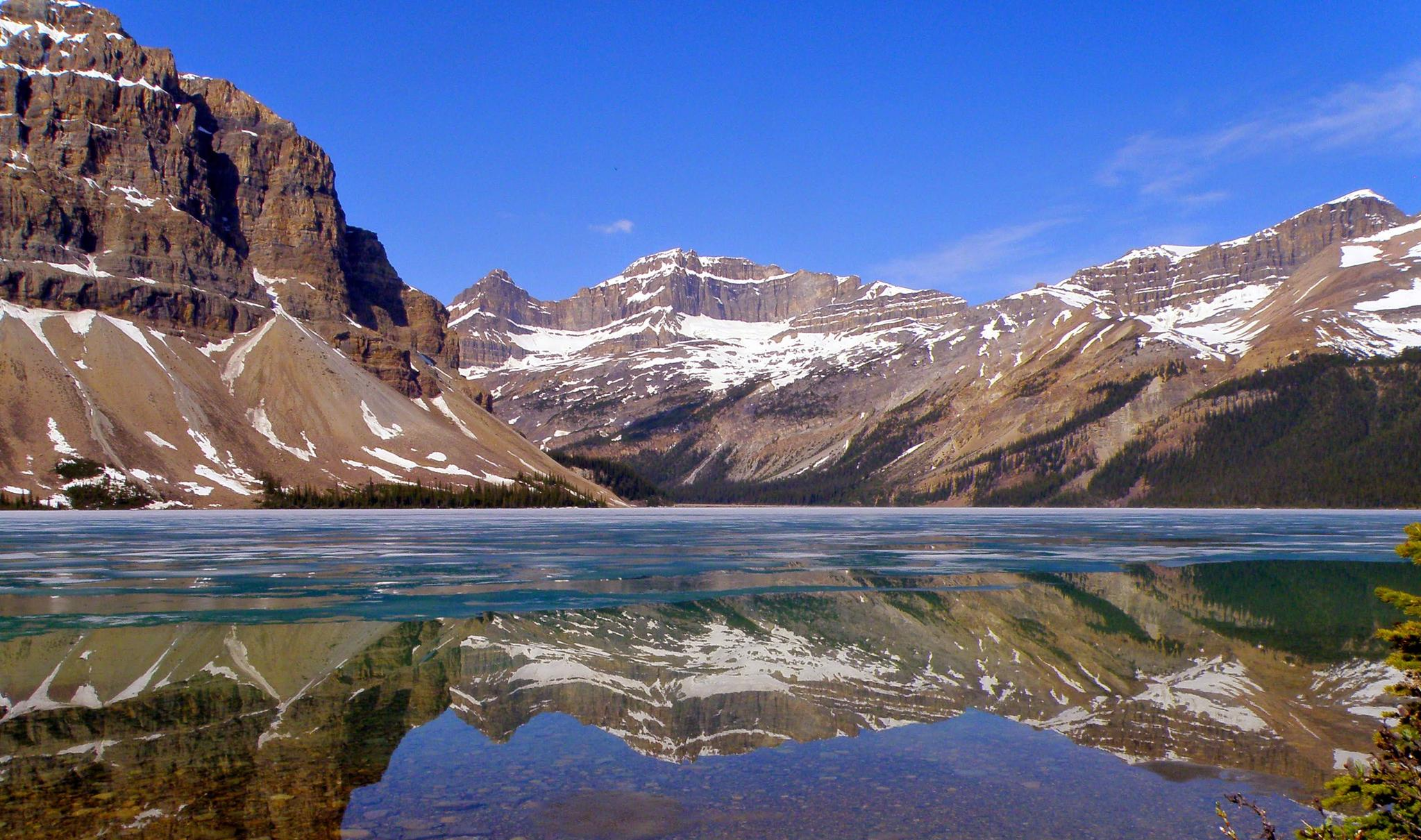
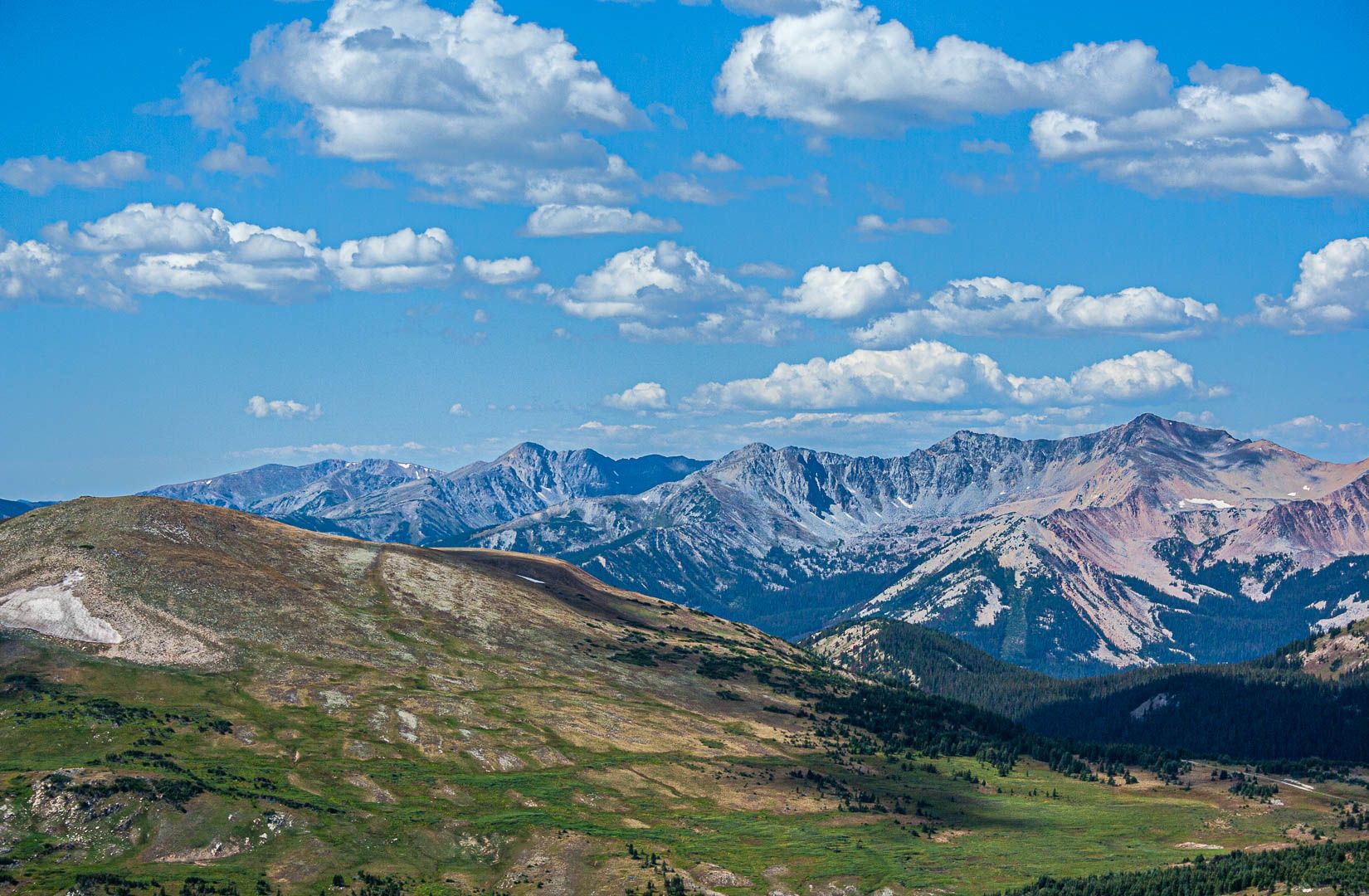
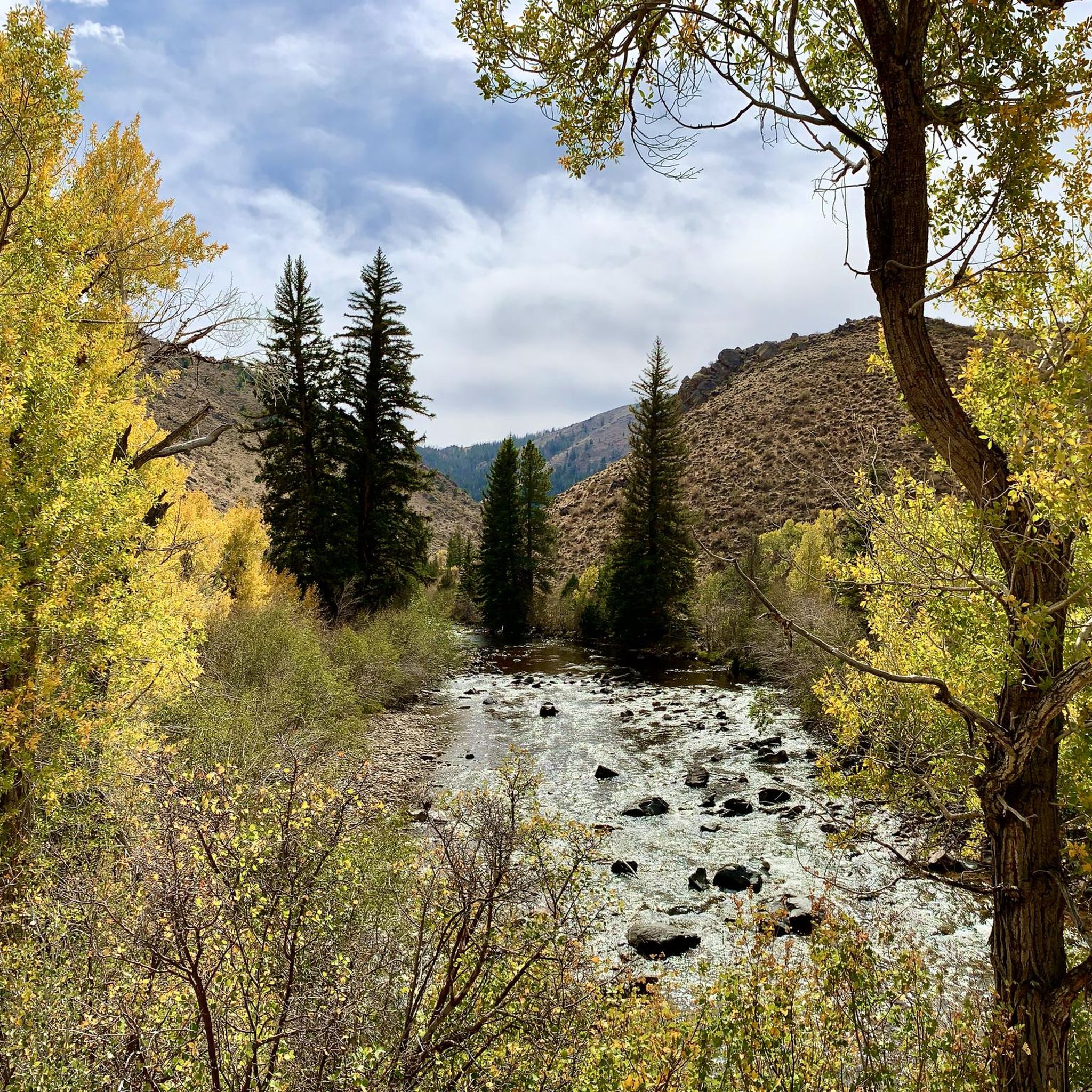
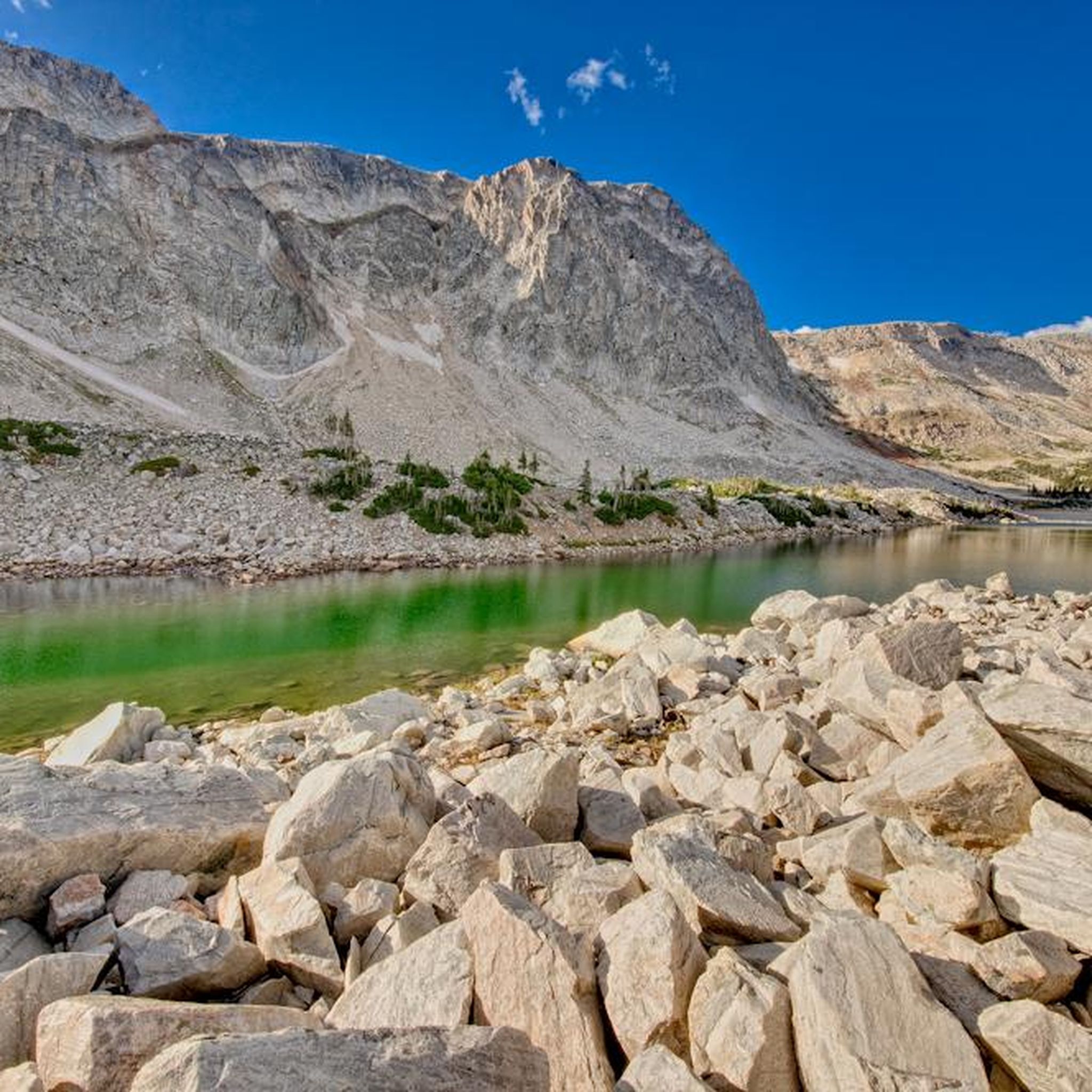
Best attractions and places to see in Carbon County include a diverse range of natural landscapes and historical sites across its various regions in the United States. The county features vast recreational areas, scenic river gorges, and significant historical landmarks. Visitors can explore extensive trail networks, unique geological formations, and sites preserving local history. This region offers opportunities for outdoor activities and cultural exploration.
Best attractions and places to see in Carbon County
- The most popular attractions is TransAmerica Trail: Encampment to Colorado State Line, a cycle_way that is a scenic road ride from Encampment and Riverside in Wyoming to the Colorado state line. This segment features one section of significant uphill/downhill grade.
- Another must-see spot is TransAmerica Trail: Rawlins to Separation Point, a cycle_way that runs from Rawlins to the turnoff for 6,965 foot (2,123 m) Separation Point. This section includes a constant, gradual incline followed by a long downhill.
- Visitors also love TransAmerica Trail, a cycle_way that runs from Saratoga, Wyoming, through Riverside and Encampment, to the Encampment River. This section offers rolling terrain suitable for a relaxed ride in varied scenery.
- Carbon County is known for its extensive cycling routes, historical sites, and natural trails. The region offers a variety of attractions for those interested in outdoor exploration and local heritage.
- The attractions in Carbon County are appreciated by the komoot community, with 4 upvotes and 5 photos shared.
Last updated: August 18, 2026
TransAmerica Trail: Rawlins to Separation Point
Highlight (Segment) • Cycleway
Tip by

TransAmerica Trail: Encampment to Colorado State Line
Highlight (Segment) • Cycleway
Tip by
Sign up now to discover places like this
Get recommendations on the best single tracks, peaks, & plenty of other exciting outdoor places.
Sign up for free
TransAmerica Trail
Highlight (Segment) • Cycleway
Tip by
Rawlins Paint Mines
Highlight • Historical Site
The hills located to the south and west (on the photo left) are part of the Rawlins Uplift, a 40 mile long. north trending fold in the earth's crust. The geologic feature rises a thousand feet above the surrounding plains. Granite rocks that range in age from 2.6 billion years to 10 million years are exposed along its crest and slopes. The reddish rocks that comprise much of the distant hills are the Flathead Sandstone (Cambrian) which is 520 million years old. The gray strata that overlie the Flathead Sandstone are part of the Madison Limestone (Mississippian Period), a 360 million year old rock unit. Both the Flathead Sandstone and Madison Limestone were deposited in shallow seas which once covered this area. The Flathead Sandstone contains hematite, a red iron mineral, that was mined in this area from 1870 to the early 1900's.
The now abandoned mines were located in the rock outcrops located a mile to the south of this sign. Some of the mined hematite was used as a "barn red" paint pigment noted for its durability and covering qualities. This popular "Rawlins Red" enjoyed the distinction of being selected in 1893, as the paint for the newly constructed Brooklyn Bridge. Hundreds of tons of ore were extracted annually between 1879 and 1886, and the paint made from it was used all across the country on a wide variety of buildings and structures. Cost Increases for extracting, shipping and processing the ore as well as technological advances in paint manufacture eventually led to permanent closure of the mines.
Tip by

Green Mountain Falls Trail
Highlight (Segment) • Waterfall
Tip by
★ Union Pacific Railroad
Highlight • Historical Site
The Lincoln Highway, America's first transcontinental highway, followed this route in 1913, even using sections of abandoned nal grade to build the road. In the following years, the corridor has been a prime highway, not only for tourists and commerce, but also for high-speed cable lines, oil pipelines, and interstate power production
Tip by
Rawlins Springs Park
Highlight • Historical Site
The Union Pacific Railroad arrived in southern Wyoming following a natural corridor around the Medicine Bow Mountains that stretched for about 30 miles. This corridor has been a place of movement for centuries. Early Native American tribes traveled from hunting areas to sacred places in southern Carbon County using the same route. The first non-native settlers also traveled along the corridor on the Overland Trail.
The Lincoln Highway, America's first transcontinental highway, followed this route in 1913, even using sections of abandoned nal grade to build the road. In the following years, the corridor has been a prime highway, not only for tourists and commerce, but also for high-speed cable lines, oil pipelines, and interstate power production.
Tip by
Continental Divide at Ninemile Hill
Highlight • Mountain Pass
Tip by
Living Snow Fence Demonstration Project
Highlight • Structure
Tip by
TransAmerica Trail: Saratoga to I-80 junction
Highlight (Segment) • Cycleway
Tip by
Sign up for free to discover even more attractions in Carbon County.
Sign up for free
Already have an account?
Start today with a free account
Your next adventure awaits.
Login or Signup


Tips from the Community

The Union Pacific Railroad arrived in southern Wyoming following natural corridor around the Medicine Bow Mountains that stretched for about 30 miles. This corridor has been a place of movement for centuries. Early Native American tribes traveled from hanting areas to sacred places in southern Carbon County using the same route. The first non-native settlers also traveled along the curridor on the Overland Trail The Lincoln Highway, America's first transcontinental highway, followed this route in 1913, even using sections of abandoned nal grade to build the road. In the following years, the corridor has been a prime highway, not only for tourists and commerce, but also for high-speed cable lines, oil pipelines, and interstate power production
0
0
Today a pleasant urban park, the springs were an important source for the early settlers of this rural town in the Wyoming plains, with some well-preserved 19th century buildings, pleasant parks and downtown. The park also offers great historical information panels. The Union Pacific Railroad arrived in southern Wyoming following a natural corridor around the Medicine Bow Mountains that stretched for about 30 miles. This corridor has been a place of movement for centuries. Early Native American tribes traveled from hunting areas to sacred places in southern Carbon County using the same route. The first non-native settlers also traveled along the corridor on the Overland Trail. The Lincoln Highway, America's first transcontinental highway, followed this route in 1913, even using sections of abandoned nal grade to build the road. In the following years, the corridor has been a prime highway, not only for tourists and commerce, but also for high-speed cable lines, oil pipelines, and interstate power production.
0
0
The historic maker provides interesting information about the mining background of this austere landscape. The hills located to the south and west (on the photo left) are part of the Rawlins Uplift, a 40 mile long. north trending fold in the earth's crust. The geologic feature rises a thousand feet above the surrounding plains. Granite rocks that range in age from 2.6 billion years to 10 million years are exposed along its crest and slopes. The reddish rocks that comprise much of the distant hills are the Flathead Sandstone (Cambrian) which is 520 million years old. The gray strata that overlie the Flathead Sandstone are part of the Madison Limestone (Mississippian Period), a 360 million year old rock unit. Both the Flathead Sandstone and Madison Limestone were deposited in shallow seas which once covered this area. The Flathead Sandstone contains hematite, a red iron mineral, that was mined in this area from 1870 to the early 1900's. The now abandoned mines were located in the rock outcrops located a mile to the south of this sign. Some of the mined hematite was used as a "barn red" paint pigment noted for its durability and covering qualities. This popular "Rawlins Red" enjoyed the distinction of being selected in 1893, as the paint for the newly constructed Brooklyn Bridge. Hundreds of tons of ore were extracted annually between 1879 and 1886, and the paint made from it was used all across the country on a wide variety of buildings and structures. Cost Increases for extracting, shipping and processing the ore as well as technological advances in paint manufacture eventually led to permanent closure of the mines.
0
0
A line of trees can be a lovely green improvement, and even a welcome shade opportunity, when biking through this austere landscape in summer. In Winter winter they hope to create a natural wind break that can catch snow that often blows across and covers the roads: Wyoming's legendary dry snow is fantastic for powder skiing but can be a dangerous nuisance on roads.
0
0
At the saddle the road crosses the Continental Divide, a slightly higher point at the summit of Ninemile Hill can be reached by the parallel gravel loop.
0
0

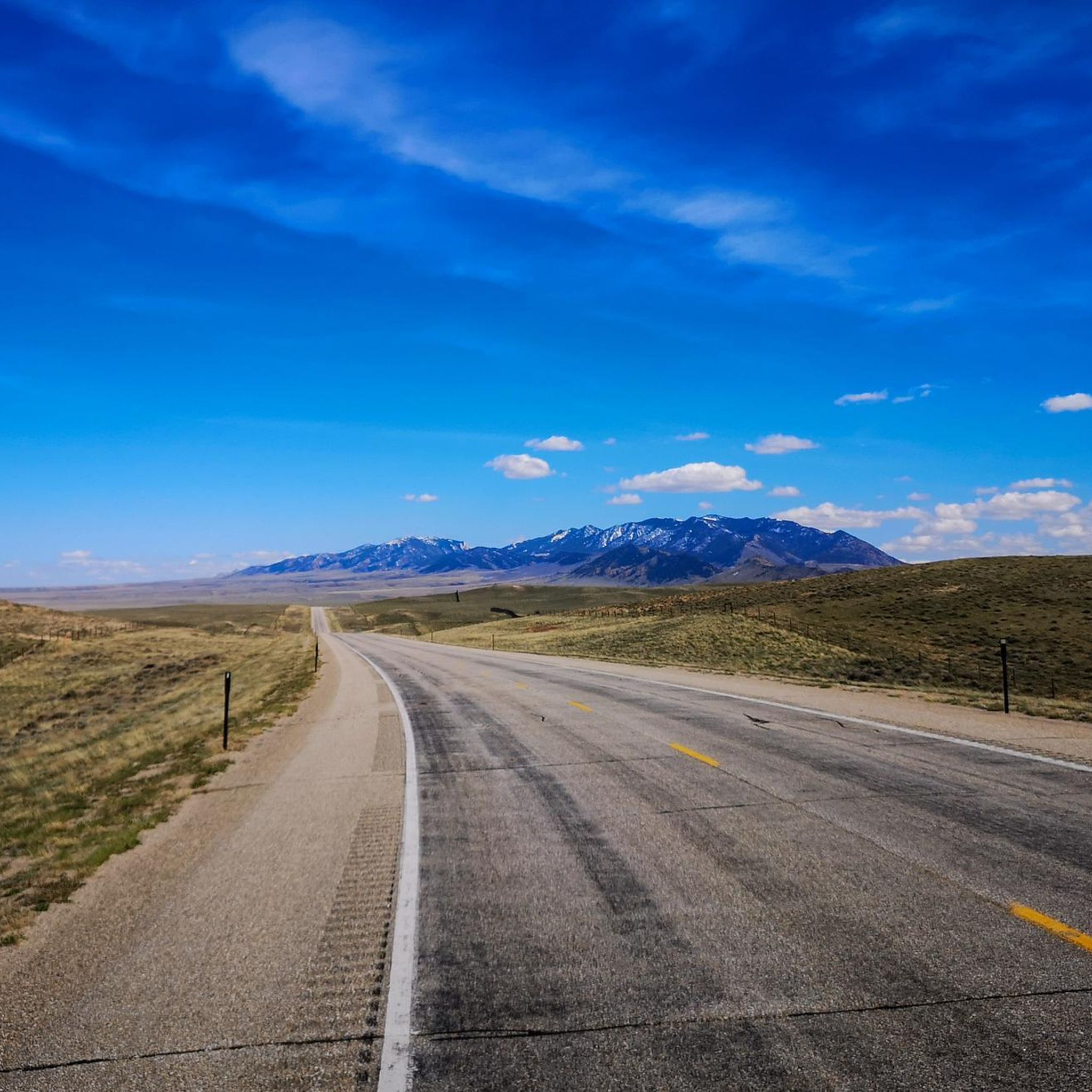
This section of the TransAmerica Trail runs from Rawlins to the turnoff for 6,965 foot (2,123 m) Separation Point. If you're heading north from Rawlins you can look forward to a constant, gradual incline, then a long downhill until you reach the flatlands. Although this is technically a road ride, you'll see lots of people with touring bikes on the paved shoulder too.
4
0
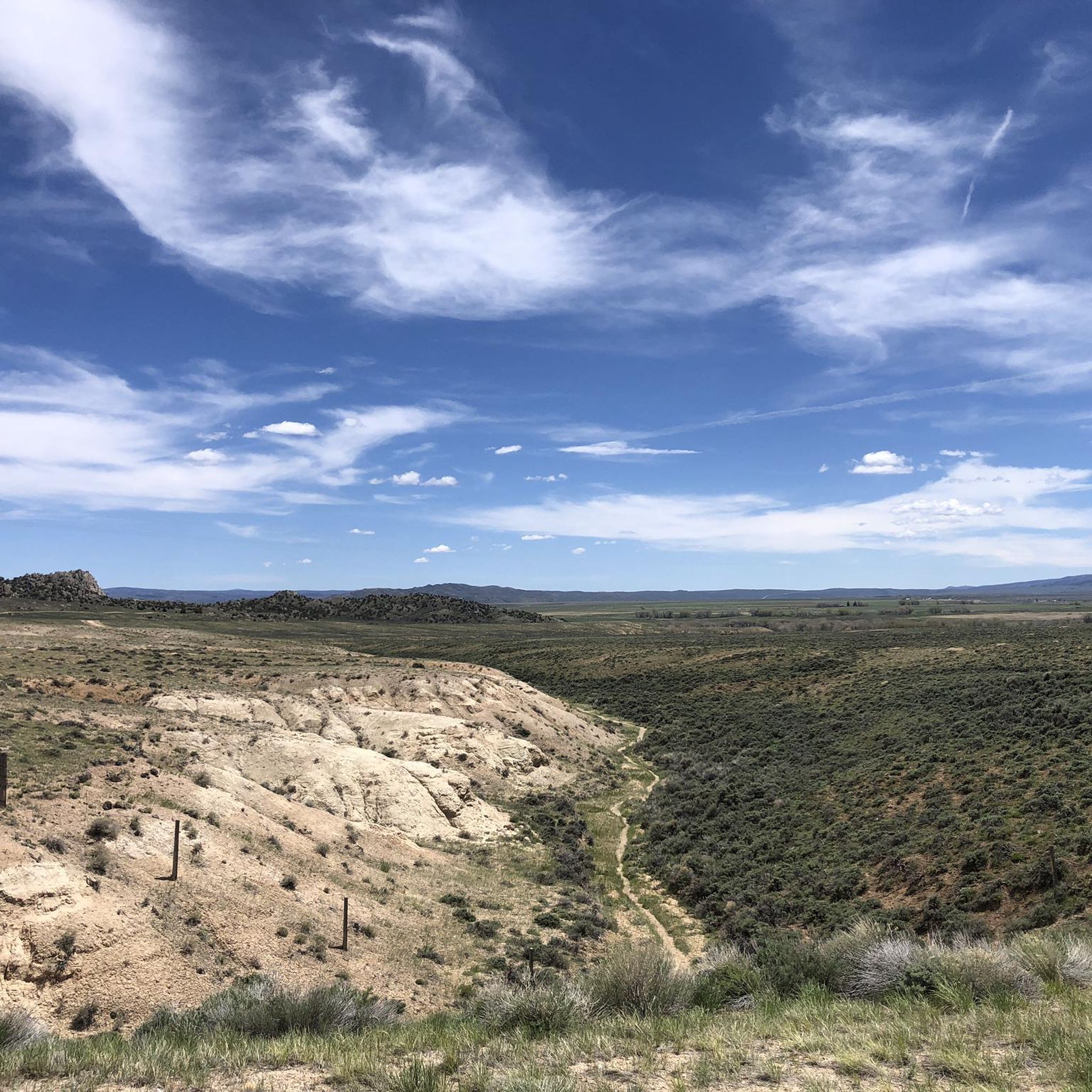
All told, the TransAmerica runs for more than 4,000 miles across the country. This section of the trail runs from Saratoga to the junction with I-80, with just one significant incline/decline as you near that junction. Although technically a road ride, it's common to see people riding the paved shoulder with their touring bikes.
2
0
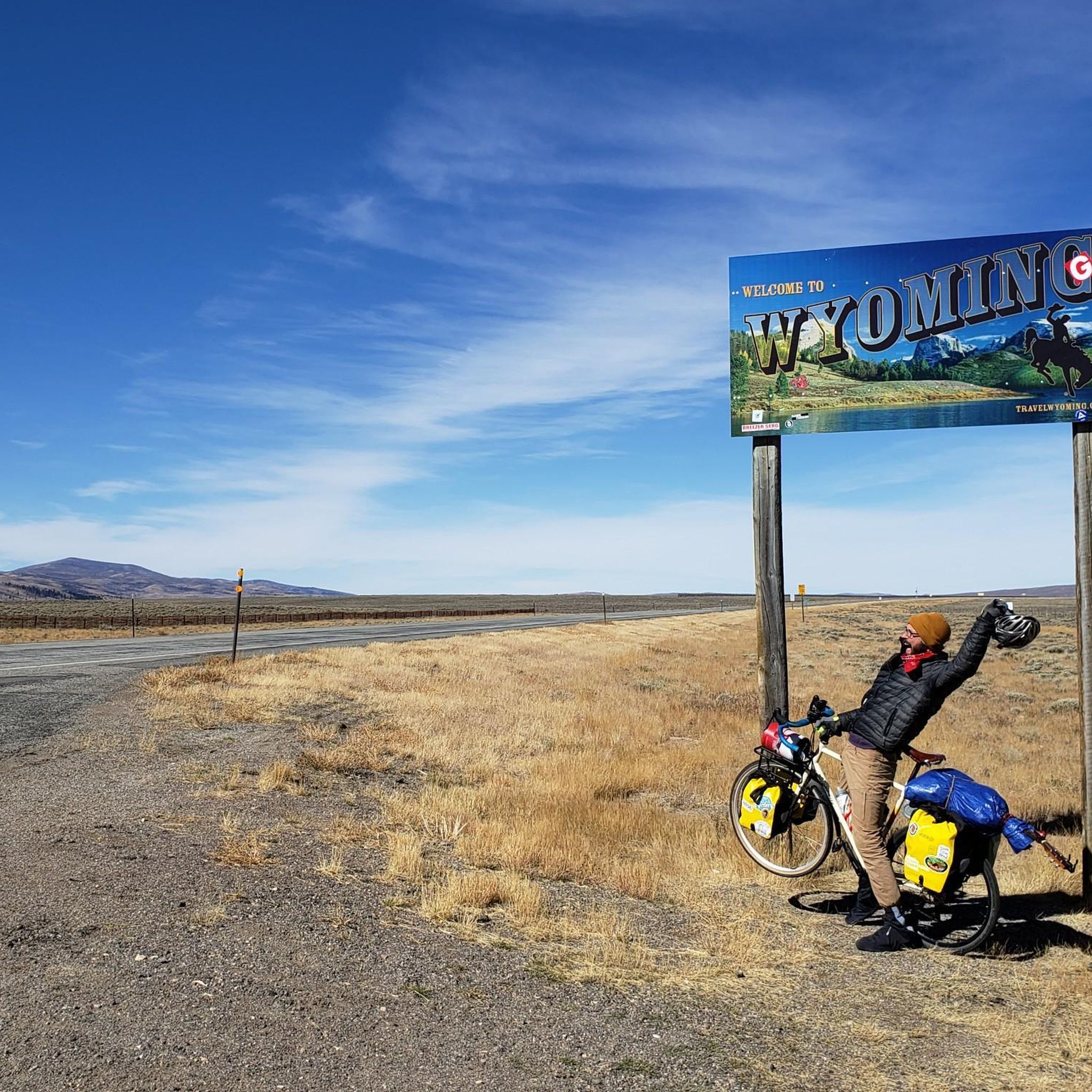
All told, the TransAmerica Trail runs for more than 4,000 miles across the country. Although it's technically a road ride, you'll also see people riding their touring bikes along the paved shoulder. Some folks even go all-in with bikepacking their way along the trail. This segment runs from the twin towns of Encampment-Riverside in Wyoming to the Colorado state line, although of course you can keep biking farther if you like.
2
0
Frequently Asked Questions
What are the primary types of attractions in Carbon County, Wyoming?
Carbon County, Wyoming, offers a blend of vast outdoor adventures and rich Western history. You'll find extensive cycling routes like the TransAmerica Trail, scenic natural areas such as Green Mountain Falls, and significant historical sites like the Rawlins Paint Mines and the Union Pacific Railroad.
Are there any notable historical sites to visit in Carbon County, Wyoming?
Yes, Carbon County, Wyoming, is rich in history. You can explore the Union Pacific Railroad, a key part of American expansion. Other significant historical locations include the Wyoming Frontier Prison in Rawlins, Fort Fred Steele State Historic Site, and various local museums like the Grand Encampment Museum and the Hanna Basin Museum, which preserve the region's past.
What kind of cycling opportunities are available in Carbon County, Wyoming?
Carbon County, Wyoming, is a popular destination for cyclists, especially along the TransAmerica Trail. Key segments include Encampment to the Colorado State Line, Rawlins to Separation Point, and the section running from Saratoga through Riverside and Encampment. These routes offer varied terrain, from rolling hills to gradual inclines, suitable for touring and bikepacking.
Where can I find hiking trails in Carbon County, Wyoming?
For hiking, you can explore trails like the Green Mountain Falls Trail in the Huston Park Wilderness Area or the Encampment River Trail, which follows the river through forested areas. The Continental Divide Trail also offers extensive hiking opportunities within the county. For more hiking options, check out the Hiking in Carbon County guide.
Are there any natural attractions or scenic viewpoints in Carbon County, Wyoming?
Absolutely. Carbon County, Wyoming, boasts several natural highlights. You can visit Green Mountain Falls Trail for a scenic waterfall experience, or explore the Rock Creek Trail which winds through a canyon with river and forest views. Medicine Bow Peak offers panoramic views, and the TransAmerica Trail: Rawlings to Cranner Rock segment provides a notable viewpoint.
What outdoor activities are available besides cycling and hiking in Carbon County, Wyoming?
Beyond cycling and hiking, Carbon County, Wyoming, offers diverse outdoor activities. The North Platte River is a blue ribbon trout stream, ideal for fishing. Seminoe State Park provides a hidden gem for various outdoor pursuits. For mountain biking enthusiasts, there are trails like the Rock Creek Trail and Brush Mountain Ranch. You can find more details in the MTB Trails in Carbon County guide.
Are there any unique natural features in Carbon County, Wyoming?
Yes, Carbon County, Wyoming, features unique natural spots. The Hobo Hot Springs in Saratoga are free and open to the public, offering a relaxing experience. Bruin Point is known as a great escape from summer heat, and Gordon Creek Falls is another notable natural feature. The Rawlins Paint Mines also present an interesting geological and historical site.
What do visitors enjoy most about the TransAmerica Trail segments in Carbon County, Wyoming?
Visitors frequently praise the scenic beauty and varied terrain of the TransAmerica Trail segments in Carbon County, Wyoming. The section from Saratoga to the Encampment River is noted for its rolling terrain and beautiful scenery, suitable for a relaxed ride. The segment from Rawlins to Separation Point is appreciated for its constant, gradual incline followed by a long downhill, offering an engaging ride.
Can I find any museums or cultural centers in Carbon County, Wyoming?
Yes, Carbon County, Wyoming, has several museums dedicated to preserving its rich history. The Grand Encampment Museum showcases the valley's timber, mining, and agricultural past. Other notable museums include the Hanna Basin Museum, Medicine Bow Museum, Elk Mountain Museum, Saratoga Museum, and the Little Snake River Museum in Savery, each offering insights into local life and the Old West.
Are there any attractions related to the Old West or outlaws in Carbon County, Wyoming?
For those interested in the Old West, Carbon County, Wyoming, offers unique attractions. The Baggs Outlaw Stop features buildings frequented by Butch Cassidy and his Wild Bunch, including the Mathews/Gaddis House. The Mormon Handcart Historic Site at Martin's Cove also honors the faith and sacrifice of early emigrants, providing a glimpse into the challenges of the frontier.
What are some of the longer cycling routes available in Carbon County, Wyoming?
For longer cycling adventures, Carbon County, Wyoming, offers several routes. The TransAmerica Trail: Encampment to Colorado State Line is a significant segment, and the TransAmerica Trail: Rawlins to Saratoga provides a substantial ride with varied elevation. These routes are part of the extensive TransAmerica Trail, offering multi-day touring opportunities. More options can be found in the Cycling in Carbon County guide.
Most popular routes in Carbon County

Get inspired with the komoot mobile app


Didn’t find what you were looking for?
Are you keen on exploring more awesome places nearby? Browse our guides:
Explore more
Still not found the Highlight you’re looking for? See guides of the top attractions in other regions:
