The best road cycling routes around Cuenca Minera
5.0
(2)
604
riders
35
rides
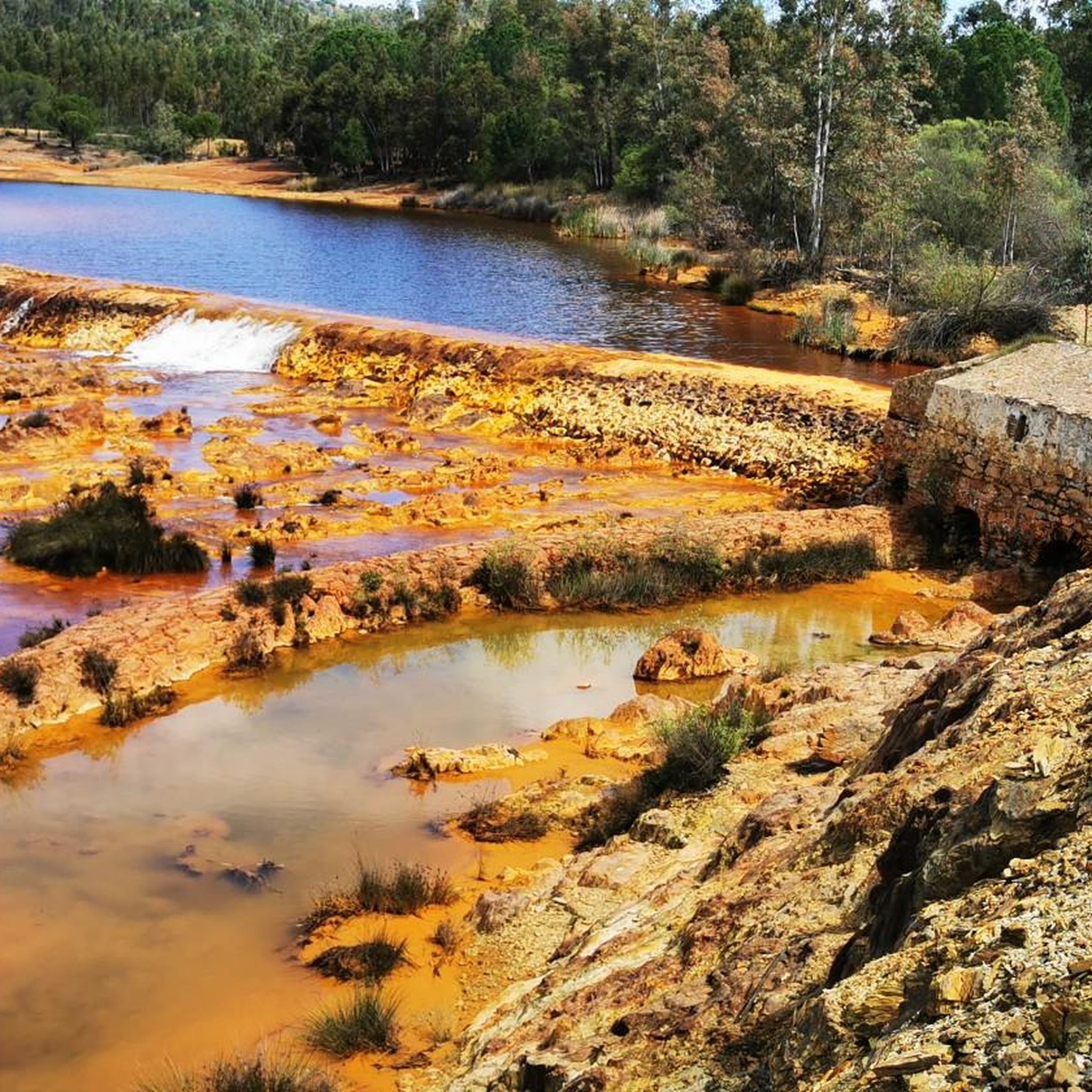
Road cycling routes around Cuenca Minera traverse a distinctive landscape shaped by centuries of mining activity, offering a unique backdrop for cyclists. The region is characterized by its "Martian landscape," particularly around the Río Tinto, where iron-rich waters create a striking reddish environment. Cyclists encounter varied terrain, including challenging climbs and descents through areas marked by historical mining heritage and natural features like the Gossán Reservoir. The routes often provide views of open-pit mines and the source of the Río…
Last updated: October 20, 2026
18
riders
87.0km
04:31
1,540m
1,540m
Hard road ride. Very good fitness required. Some segments of this route may be unpaved and difficult to ride.
18
riders
62.1km
03:06
910m
910m
Hard road ride. Very good fitness required. Some segments of this route may be unpaved and difficult to ride.

8
riders
58.5km
03:15
1,140m
1,140m
Hard road ride. Very good fitness required. Some segments of this route may be unpaved and difficult to ride.
8
riders
53.5km
03:04
950m
950m
Hard road ride. Very good fitness required. Some segments of this route may be unpaved and difficult to ride.
5
riders
96.5km
04:35
1,130m
1,130m
Hard road ride. Very good fitness required. Some segments of this route may be unpaved and difficult to ride.
5
riders
69.0km
03:35
1,250m
1,250m
Hard road ride. Very good fitness required. Some segments of this route may be unpaved and difficult to ride.
1
riders
119km
05:33
1,440m
1,440m
Hard road ride. Very good fitness required. Some segments of this route may be unpaved and difficult to ride.
51
riders
101km
05:17
1,620m
1,620m
Hard road ride. Very good fitness required. Some segments of this route may be unpaved and difficult to ride.
28
riders
104km
05:04
1,230m
1,230m
Hard road ride. Very good fitness required. Mostly well-paved surfaces and easy to ride.
23
riders
53.4km
02:26
450m
450m
Moderate road ride. Good fitness required. Mostly well-paved surfaces and easy to ride.
Get access to more routes and recommendations from other explorers.
Already have an account?
Our route recommendations are based on thousands of hikes, rides, and runs completed by other people on komoot.
Start today with a free account
Your next adventure awaits.
Popular around Cuenca Minera
Road Cycling Routes around La Granada De Río-Tinto
Road Cycling Routes around Zalamea La Real
Road Cycling Routes around Campofrío
Road Cycling Routes around Minas De Riotinto
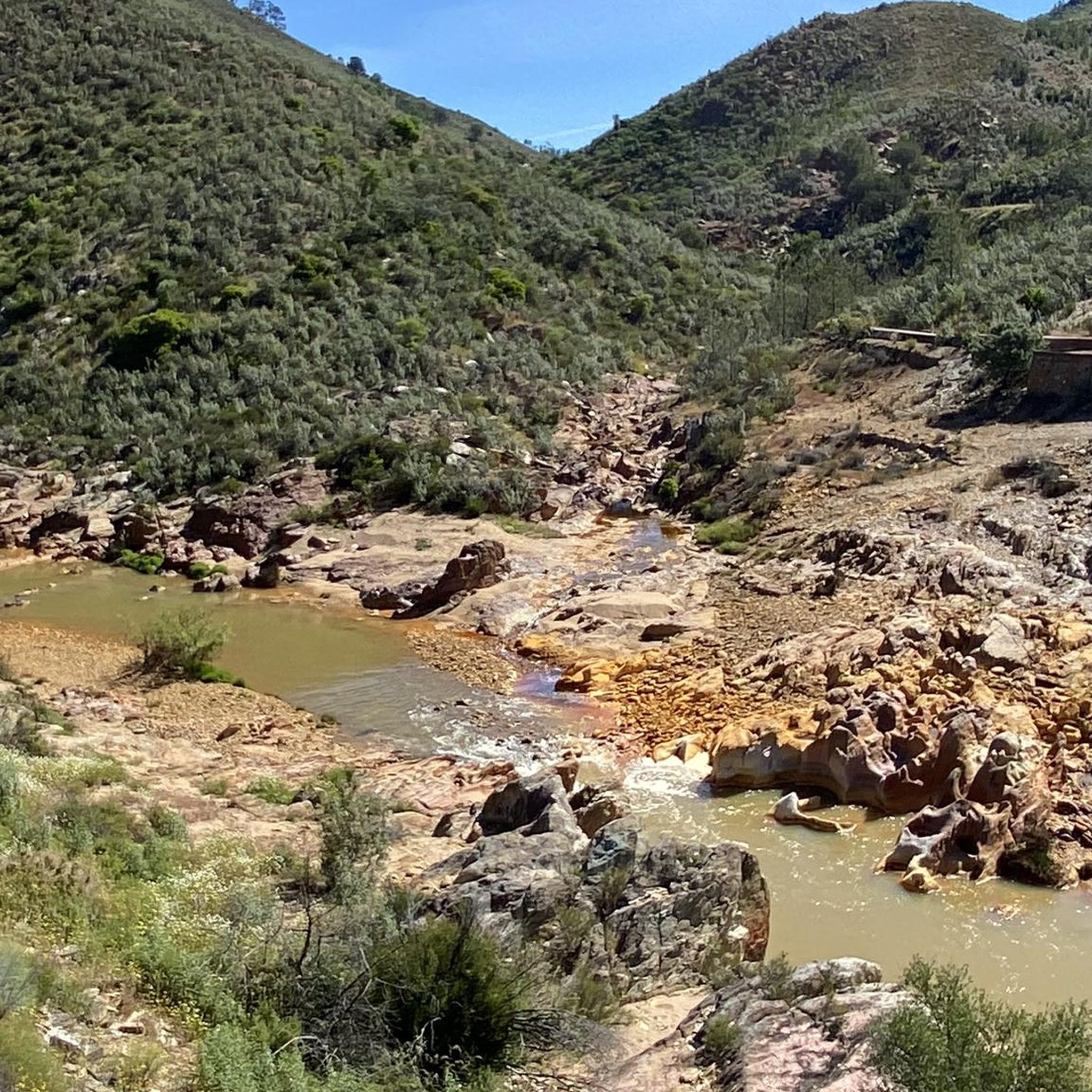
Road Cycling Routes around El Campillo
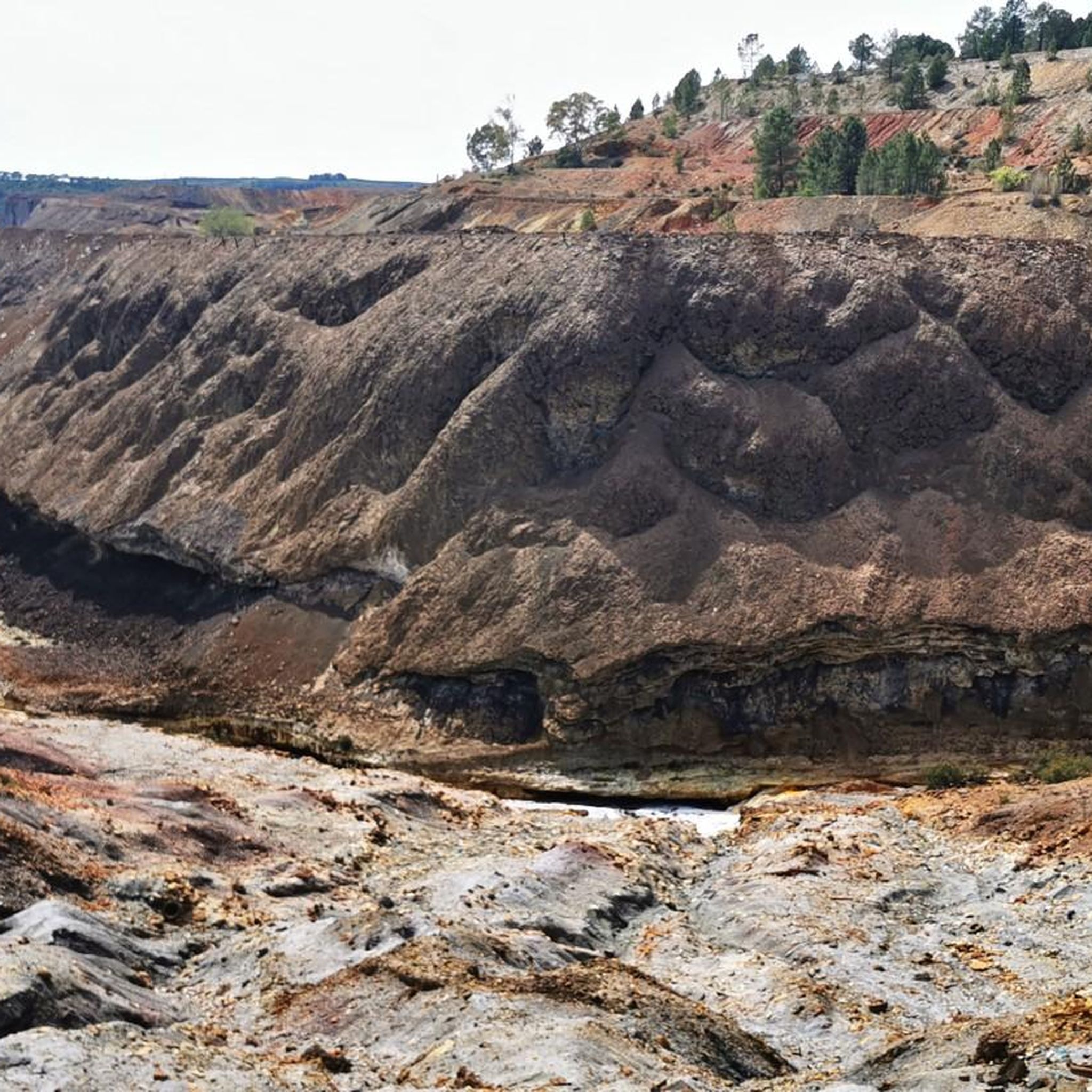
Road Cycling Routes around Nerva
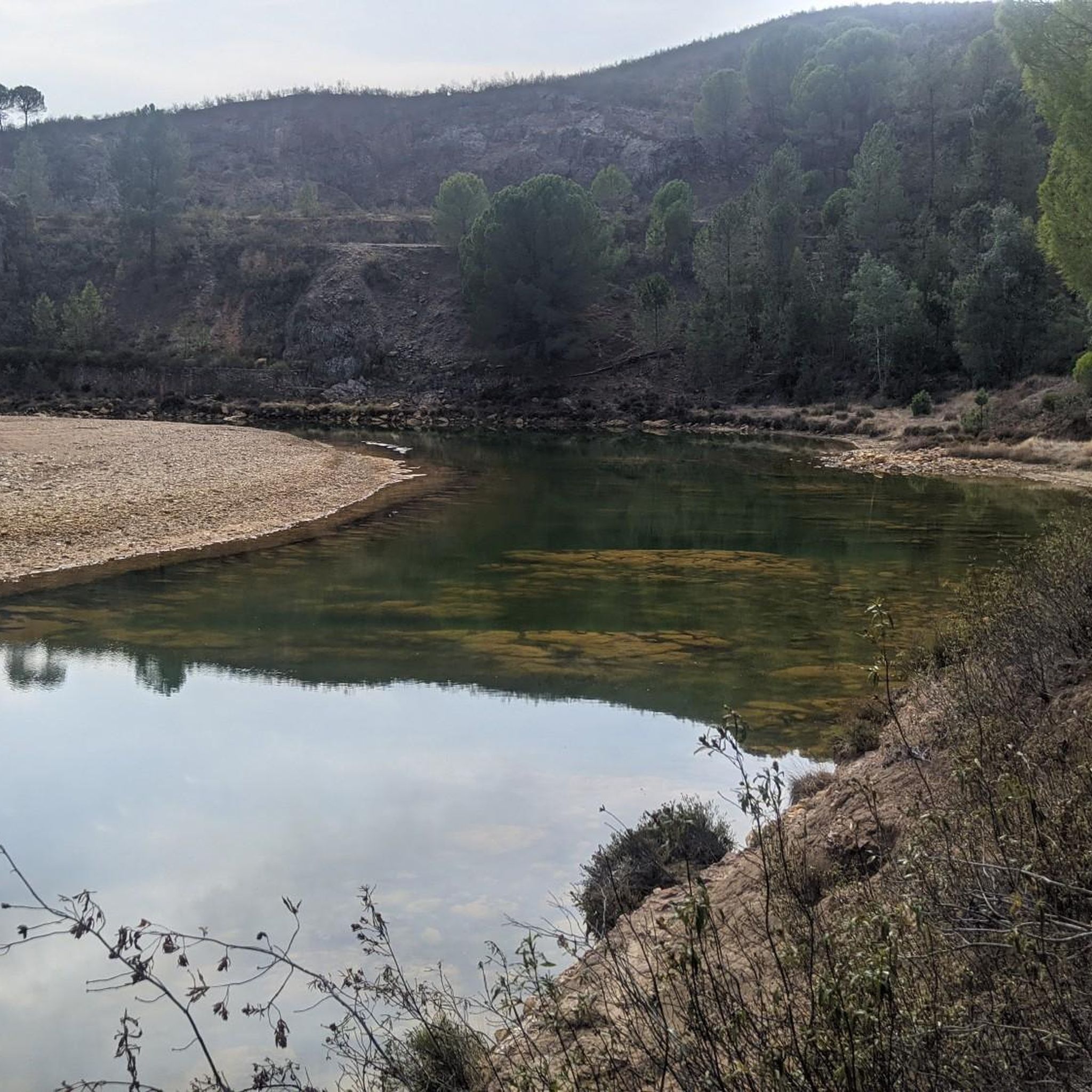
Road Cycling Routes around Valverde Del Camino
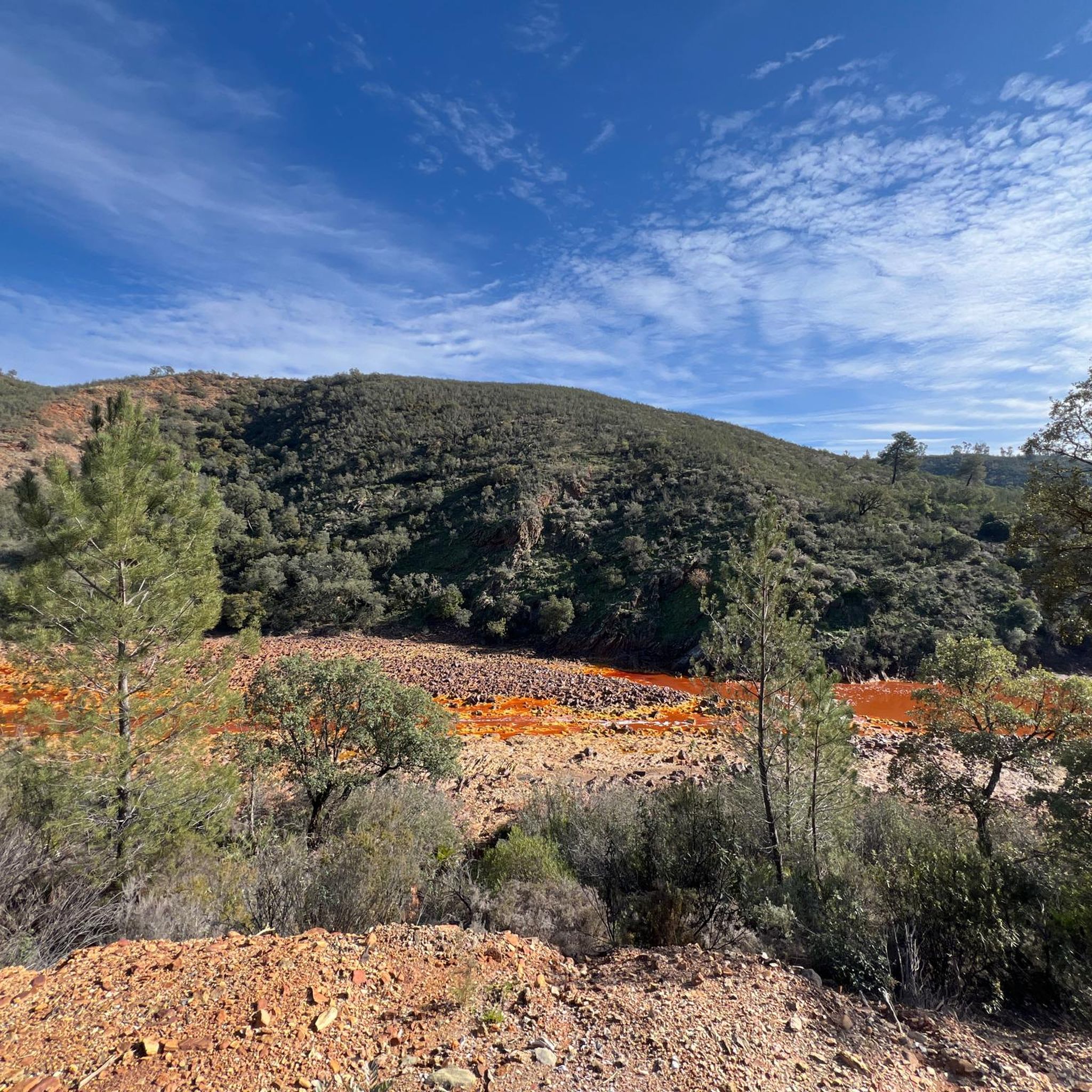
Road Cycling Routes around Berrocal
Road Cycling Routes in Corredor Ecológico Del Río Tinto
Road Cycling Routes around Calañas


Tips from the Community

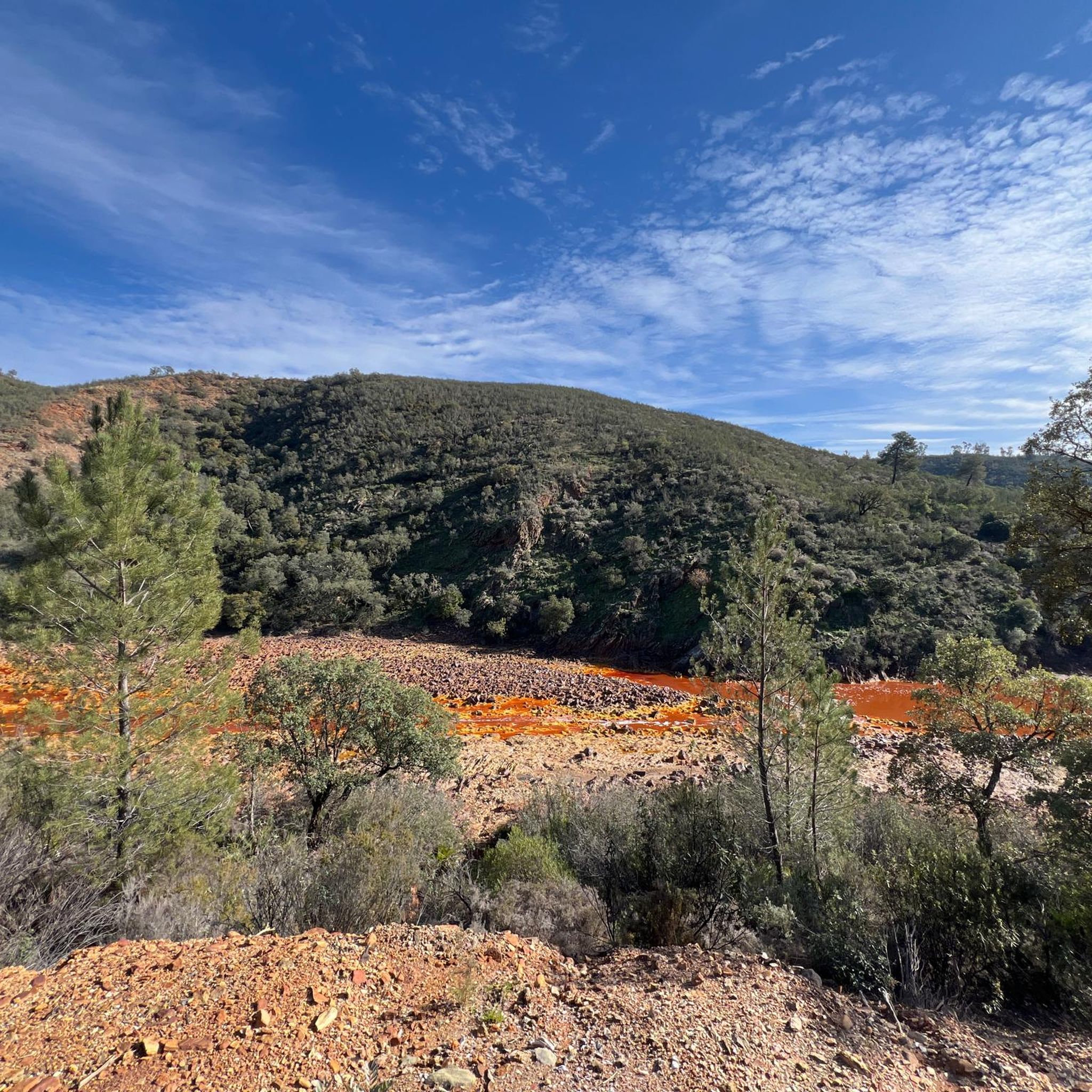
The Tinto River is famous for its intense red-colored waters and extreme acidity, caused by the oxidation of iron and sulfide minerals. It is so peculiar that NASA and other space agencies study it as a terrestrial analogue of Mars, as its extreme conditions host microorganisms capable of surviving in very hostile environments. Furthermore, the area has been mined for over 5000 years by Phoenicians, Romans, and other civilizations.
0
0

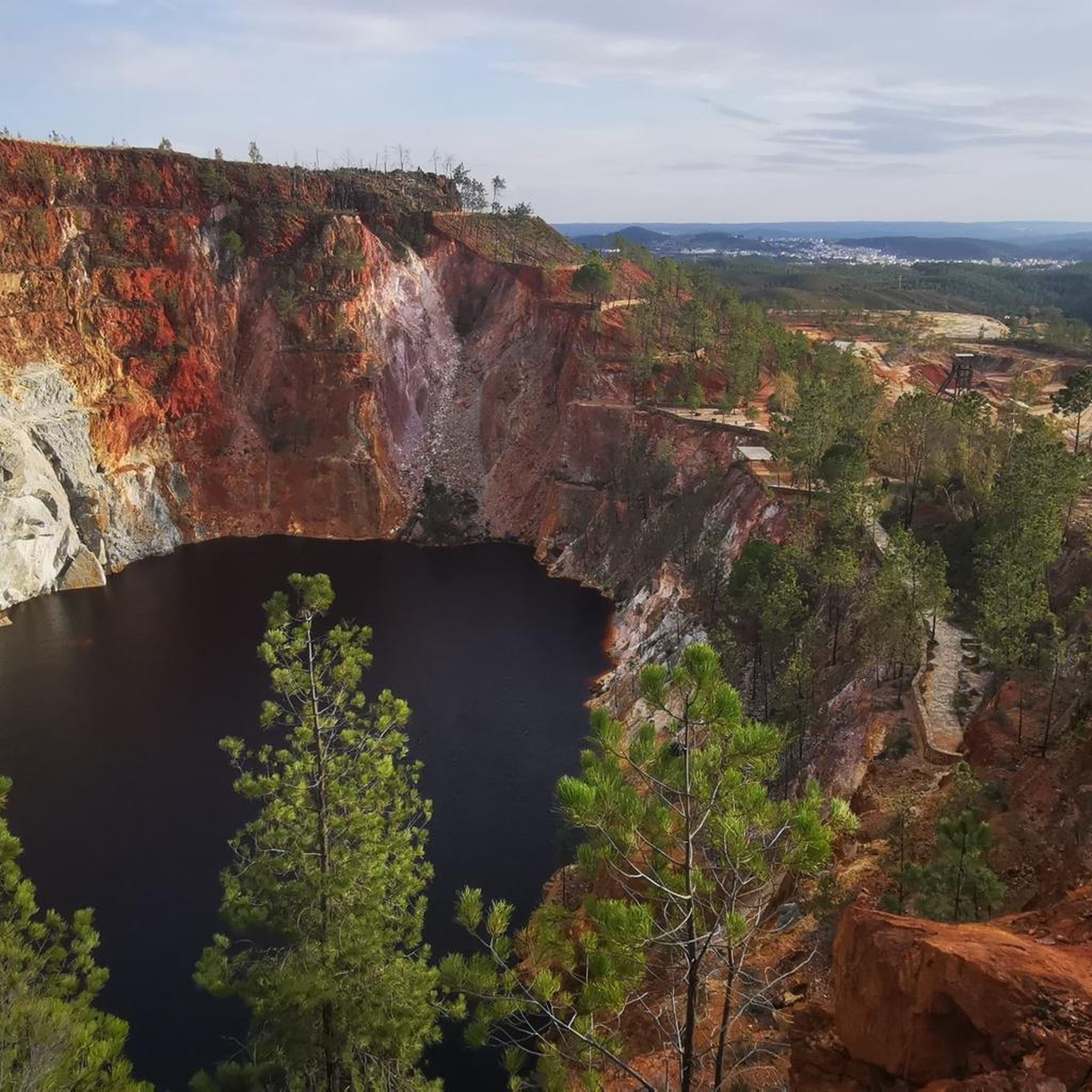
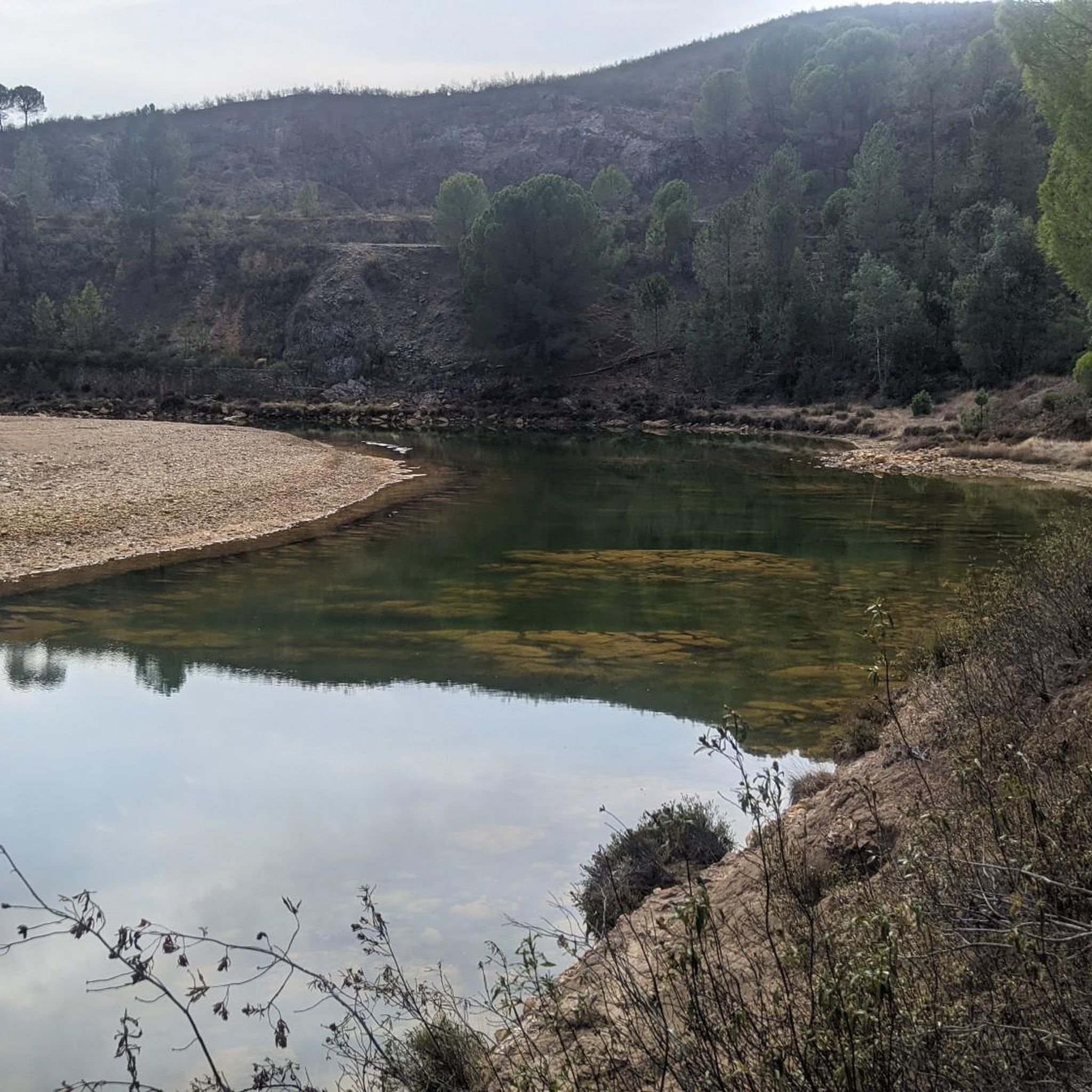
It is an open-pit mine that reached approximately 200 meters in diameter and 180 meters in depth. After mining operations ceased, the quarry filled with water, forming a kind of artificial lagoon that is now one of the most unique landscapes in the area. The mine is called Confesionarios (Confessionals) because of the gossan geological formations that resemble confessionals in churches.
1
0
The flooded Valdelamusa quarry, also known as the Corta de los Confesionarios, is one of the most striking elements of the mining heritage of this district of Cortegana, in the province of Huelva.
1
0
Places of Interest Church of Santa María de Gracia: Late Gothic with Renaissance elements (16th–17th centuries). Hermitage of Nuestra Señora de la Coronada: Built on a Roman necropolis, a center of local devotion. El Morante: A natural viewpoint with Roman remains. Odiel Mills Route: Hiking trails among old flour mills and riverside landscapes. Paseo El Real: A green area along the Odiel River, ideal for relaxing. Fuente García and La Torerera: Charming and refreshing spots.
1
0
Calañas, in the province of Huelva, is a town with a rich mining history, a privileged natural environment, and a deeply rooted culture. Ancient Origins: It was a mining enclave from the Tartessian and Roman periods, with finds at "El Morante" including amphorae, tombstones, and coins. Middle Ages: Under Muslim, then Christian, rule, it passed to the Guzmán family. Livestock farming was the main activity. 19th Century: Mining revived (pyrite, copper, iron, manganese), and the railway arrived in 1886. Calañas reached 12,000 inhabitants in 1910. 20th Century: The closure of mines and subsistence farming led to depopulation. Today, it seeks to revitalize itself through tourism and culture.
1
0
Eagle Hill offers spectacular views of the Andévalo region, the Sierra de Aracena, the Huelva coast, and even Portugal. The natural surroundings and the hill's altitude make the hermitage a privileged viewpoint.
1
0
The Hermitage of Our Lady of La Peña in Puebla de Guzmán (Huelva) is one of the most emblematic sites in the Andévalo region, both for its religious significance and its cultural and scenic importance. It is located on Cerro del Águila (Eagle Hill), about 4 km from the town center of Puebla de Guzmán. Origin: Probably built in the 16th century, although the most significant works were carried out in the 17th century. Style: Latin cross floor plan, with a single nave covered by a wooden truss roof. The crossing is crowned by a hemispherical dome on pendentives.
1
0
The Hermitage of Our Lady of La Peña in Puebla de Guzmán (Huelva) is one of the most emblematic sanctuaries in the Andévalo region of Huelva province, with a deep spiritual, artistic, and cultural tradition. Location: On Cerro del Águila (Eagle Hill), about 4 km from the town center. Origin: Probably built in the 16th century, with significant renovations in the 17th century, 1960, and 1992. Founding legend: According to tradition, the Virgin Mary appeared to the shepherd Alonso Gómez in the 15th century, who was instructed to build a hermitage on that site.
4
0
Frequently Asked Questions
How many road cycling routes are available in Cuenca Minera?
There are over 35 road cycling routes available in Cuenca Minera on komoot. These routes cater to various skill levels, with a mix of moderate and difficult options to explore the region's unique landscapes.
What kind of terrain and elevation can I expect on road cycling routes in Cuenca Minera?
Road cycling in Cuenca Minera is characterized by its hilly terrain and significant elevation changes, shaped by centuries of mining activity. You'll encounter challenging climbs and descents, with routes like the Minas de Riotinto, Aracena, Santa Ana La Real – circular route featuring over 1,500 meters of elevation gain. The landscape often includes the distinctive reddish earth of the Río Tinto area, providing a visually striking backdrop.
Are there any easy or moderate road cycling routes in Cuenca Minera suitable for less experienced riders?
While many routes in Cuenca Minera are challenging, there are 14 moderate road cycling routes available. For example, the Beas loop from Valverde del Camino is a moderate 53.4 km route with around 450 meters of elevation gain, offering a less strenuous option to enjoy the region.
What are some of the most challenging road cycling routes in the region?
For experienced cyclists seeking a challenge, Cuenca Minera offers 24 difficult routes. The Minas de Riotinto, Aracena, Santa Ana La Real – circular route is a demanding 87 km ride with over 1,500 meters of climbing. Another tough option is the Valverde del Camino, Calañas, Valdelamusa, El Cerro de Andévelo – circular route, spanning nearly 120 km with significant elevation.
Can I find circular road cycling routes in Cuenca Minera?
Yes, many road cycling routes in Cuenca Minera are designed as circular loops, allowing you to start and end in the same location. Examples include the Valverde del Camino, Calañas, and Zalamea la Real Loop and the Nerva, Minas de Riotinto, Zalamea La Real – circular route, which immerse you in the region's unique landscapes.
What unique natural features or landmarks can I see while road cycling in Cuenca Minera?
Cuenca Minera offers a truly unique landscape. You can cycle past the striking reddish waters of the Río Tinto, often described as a "Martian landscape," especially around the Gossán Reservoir. Key natural features and landmarks include the Source of the Río Tinto, the impressive Corta Atalaya Mine, and the Peña del Hierro viewpoint, which offers panoramic views of the mining crater.
Are there specific viewpoints along the road cycling routes offering panoramic views?
Absolutely. The region is dotted with viewpoints that showcase its dramatic scenery. The Peña del Hierro viewpoint in Nerva provides breathtaking panoramas of the Tinto River's source and the vast mining crater. Another notable spot is the Cerro Colorao Mine Viewpoint, where you can observe an active open-pit mine. Many routes, such as the El Berrocal Viewpoint – Río Tinto loop from Valverde del Camino, are designed to pass by these scenic spots.
What is the best time of year to go road cycling in Cuenca Minera?
The best time for road cycling in Cuenca Minera is generally during the spring (March to May) and autumn (September to November) months. During these periods, the weather is typically milder and more pleasant, avoiding the intense heat of summer and the cooler, potentially wetter conditions of winter. This allows for more comfortable exploration of the region's hilly terrain and unique landscapes.
Are there any historical sites or cultural attractions near the road cycling routes?
Yes, beyond its natural beauty, Cuenca Minera is rich in history. Cyclists can explore sites like the Roman bridge over the Odiel River in Calañas, which is integrated into various trails. Other historical points of interest include the Church of Santa María de Gracia with its late Gothic architecture, and the Hermitage of Nuestra Señora de la Coronada, built upon a Roman necropolis.
How long do road cycling routes in Cuenca Minera typically take to complete?
The duration of road cycling routes in Cuenca Minera varies significantly based on distance and elevation. Moderate routes, like the Beas loop from Valverde del Camino (53.4 km), can take around 2.5 hours. More challenging routes, such as the El Andévalo Loop (96.5 km), may require over 4.5 hours, while the longest routes can take 5-6 hours or more.
What do other road cyclists enjoy most about road cycling in Cuenca Minera?
The komoot community frequently praises the unique and dramatic "Martian landscape" created by the Río Tinto and the region's mining heritage. Cyclists often highlight the challenging yet rewarding hilly terrain, the panoramic views from various viewpoints like Peña del Hierro, and the sense of riding through a truly distinctive environment unlike anywhere else.
Most popular routes around Cuenca Minera
Most popular attractions around Cuenca Minera

Get inspired with the komoot mobile app


Didn’t find what you were looking for?
Check out more Road cycling routes throughout Cuenca Minera below and find the perfect route in your destination.
Explore more
Browse the best Road cycling routes in other regions.
