Attractions and Places To See around Merida - Top 20
Best attractions and places to see around Merida offer a blend of historical landmarks, cultural sites, and natural wonders. This region is known for its Roman heritage, featuring well-preserved ancient structures. Visitors can explore a variety of monuments, aqueducts, and temples that showcase its rich past. The area provides opportunities to discover significant historical sites and man-made monuments.
Best attractions and places to see around Merida
- The most popular attractions is Temple of Diana (Mérida), a historical site built…
Last updated: October 10, 2026
Temple of Diana (Mérida)
Highlight • Historical Site
Translated by Google •
Tip by

Los Milagros Aqueduct
Highlight • Monument
Translated by Google •
Tip by
Sign up now to discover places like this
Get recommendations on the best single tracks, peaks, & plenty of other exciting outdoor places.
Roman Theatre of Mérida
Highlight • Historical Site
Translated by Google •
Tip by
Roman Monuments of Mérida
Highlight • Historical Site
Translated by Google •
Tip by

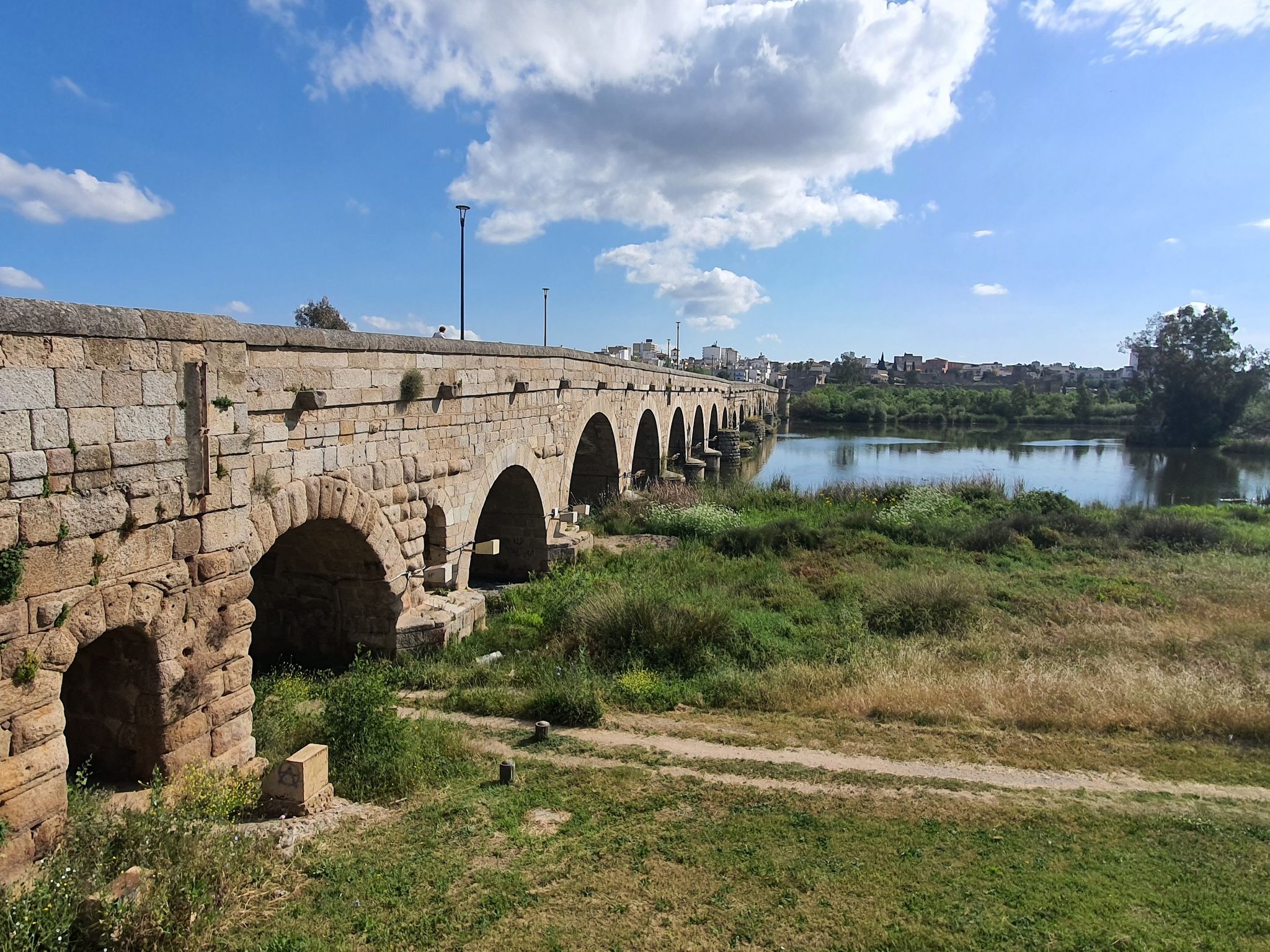
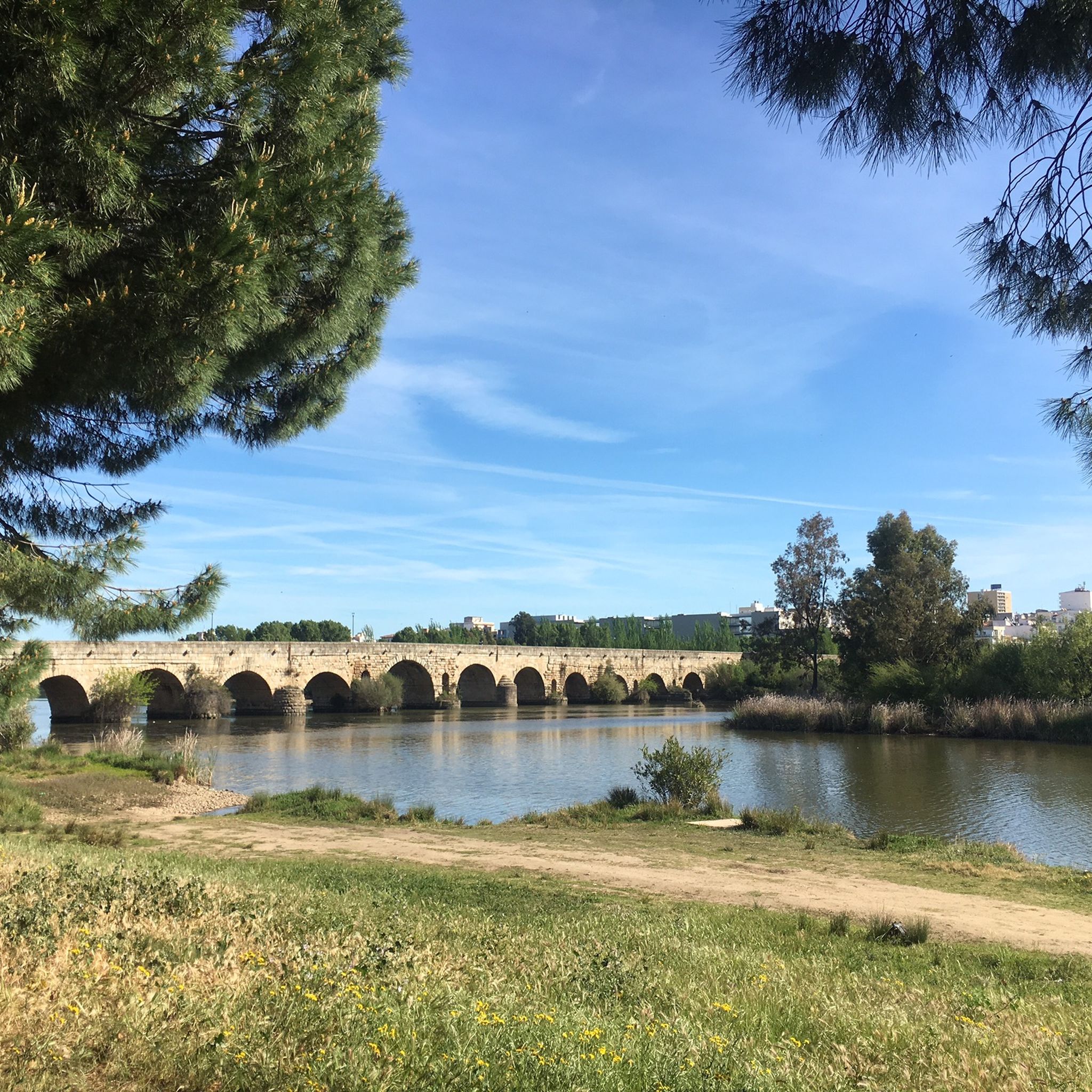
Roman Bridge of Mérida
Highlight • Bridge
Translated by Google •
Tip by
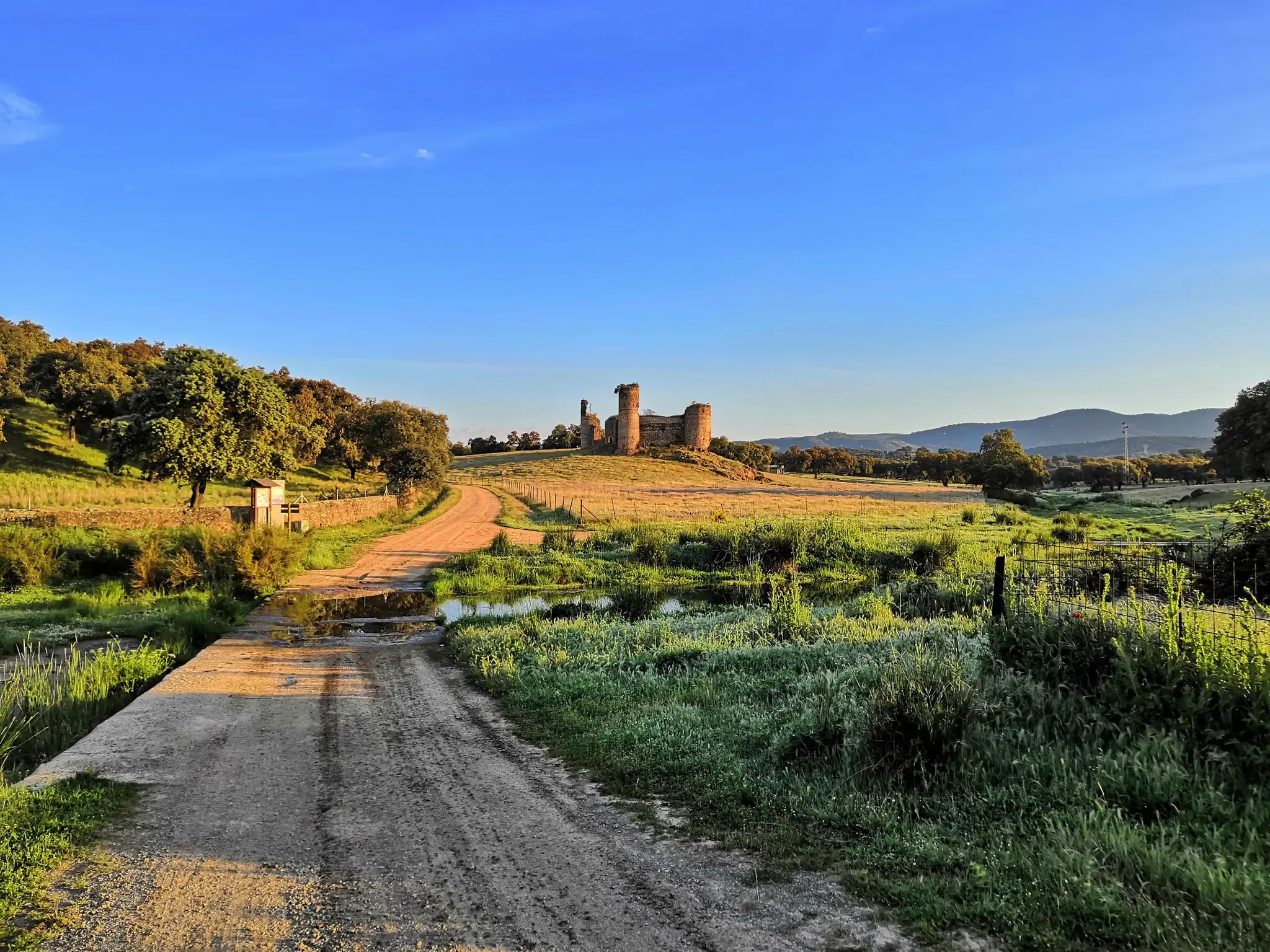
Alange Castle
Highlight • Castle
Translated by Google •
Tip by
Capitoline She-Wolf of Mérida
Highlight • Monument
Translated by Google •
Tip by
Proserpina Roman Dam
Highlight • Monument
Translated by Google •
Tip by
Cornalvo Dam
Highlight • Monument
Translated by Google •
Tip by
Fountain at Plaza de España, Mérida
Highlight • Monument
Translated by Google •
Tip by
Sign up for free to discover even more attractions around Merida.
Already have an account?
Start today with a free account
Your next adventure awaits.
Popular around Merida

Around the World in 80 Days
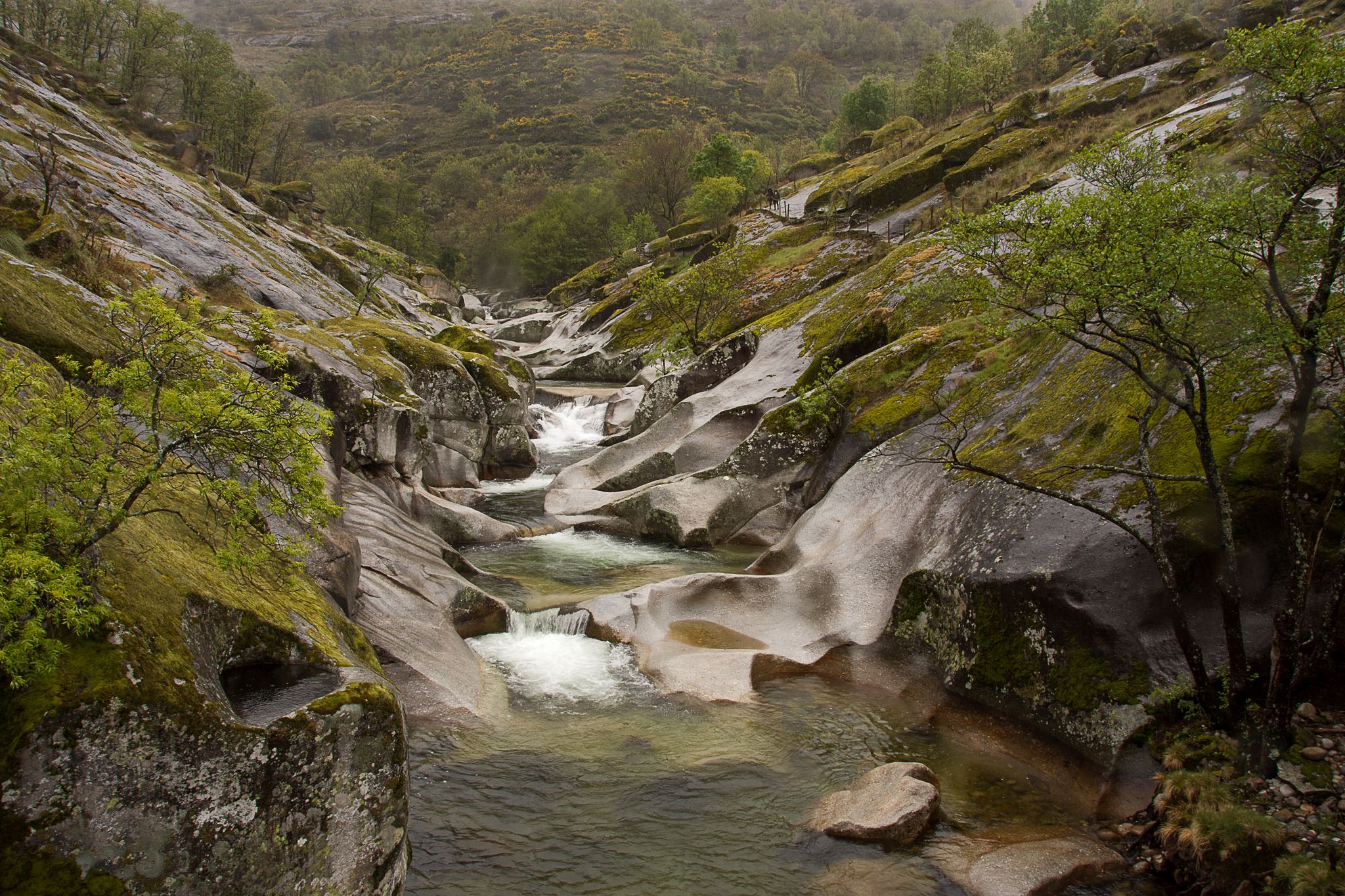
Six routes to discover Extremadura on foot
Gijón to Sevilla in Spain – Vía de la Plata (GR 100)
A romantic journey in the footsteps of the Romans – Via de la Plata
Hiking around Merida
Running Trails around Merida
Cycling around Merida
Road Cycling Routes around Merida
MTB Trails around Merida

Gravel biking around Merida
Other adventures around Merida


Tips from the Community

In Tarragona, Mérida has the most Roman remains that are worth seeing one by one. The city of Mérida is on the Unesco World Heritage List. There is so much beauty to see!!
15
0
After Tarragona, Mérida has the most Roman remains, each one worth the effort. The city of Mérida is on the UNESCO World Heritage list.
13
0

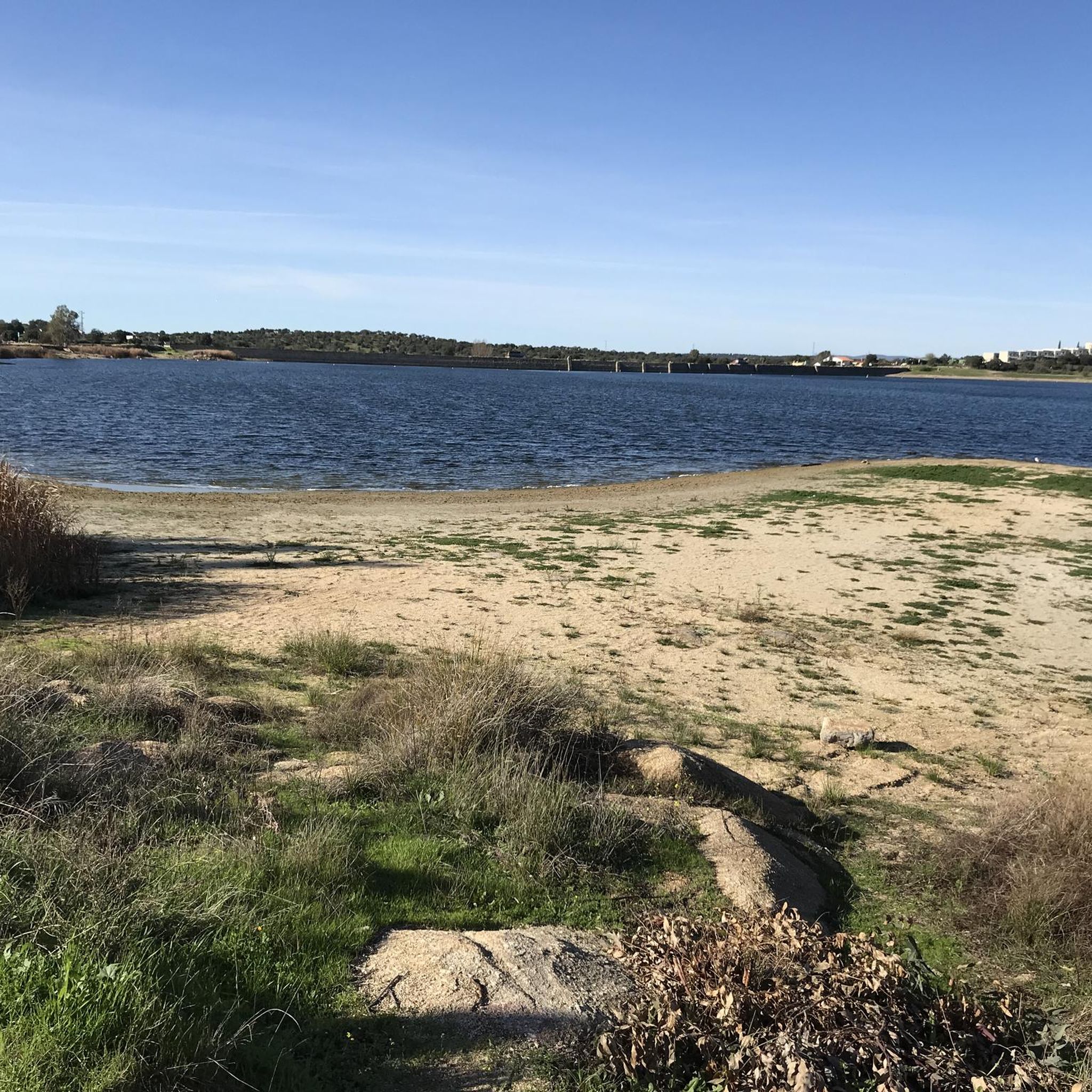
The Proserpina Dam or Reservoir is one of the oldest and best-preserved Roman hydraulic works in the world. It is located about 5 km north of Mérida, in Extremadura, and forms part of the Archaeological Ensemble of Mérida, declared a World Heritage Site by UNESCO in 1993. The name “Proserpina” was adopted in the 18th century, after the discovery of an inscription dedicated to the goddess Ataecina-Proserpina.
4
0
The Proserpina Dam or Reservoir is one of the oldest and best-preserved Roman hydraulic works in the world. It is located about 5 km north of Mérida, in Extremadura, and forms part of the Archaeological Ensemble of Mérida, declared a World Heritage Site by UNESCO in 1993.
3
0

Plasencia deserves to be walked through.
1
0
The Cornalvo Dam is an impressive Roman engineering work located about 15 km from Mérida. Built in the 1st century AD, this dam is still in use today and is part of the Cornalvo Natural Park. The reservoir is an ideal place to enjoy nature and explore Roman history.
7
0
The Alange Castle, also known as the Culebra Castle, is a medieval fortress located in the municipality of Alange. It is located on the Cerro de la Culebra, 485 meters above sea level, offering panoramic views of the region. Built in the 9th century by the Moors on an old Roman fortress. It was conquered by the Christians in the 13th century and used until the 16th century. The castle is a fascinating place to explore history and enjoy nature.
7
0
Built around 130 AD, this dam was used to supply water to the ancient Roman city of Augusta Emerita. The reservoir and its surroundings were declared a natural park in 2004, making it an ideal destination for nature and history lovers.
7
0
Frequently Asked Questions
What are the most popular historical attractions in Merida?
Merida is renowned for its rich Roman heritage. Among the most popular attractions are the Temple of Diana, an impressive Roman temple in the city center, and the Los Milagros Aqueduct, a colossal Roman aqueduct with over eight hundred meters still standing. Visitors also highly appreciate the Roman Monuments of Mérida, which collectively form a UNESCO World Heritage Site.
What do visitors enjoy most about Merida's attractions?
Visitors frequently express admiration for the well-preserved Roman structures and the immersive historical experience. Many are impressed by the sheer scale and engineering of sites like the Roman Bridge of Mérida and the Roman Theatre of Mérida. The city's ability to transport you back to Roman times, especially during cultural events, is often highlighted in visitor tips.
Are there any UNESCO World Heritage Sites in Merida?
Yes, the archaeological and monumental complex of Merida, including many of its Roman structures, is recognized as a UNESCO World Heritage Site. This designation attests to the city's importance as the capital of the Roman province of Lusitania and its exceptional preservation of Roman heritage.
Can I see ancient Roman engineering marvels in Merida?
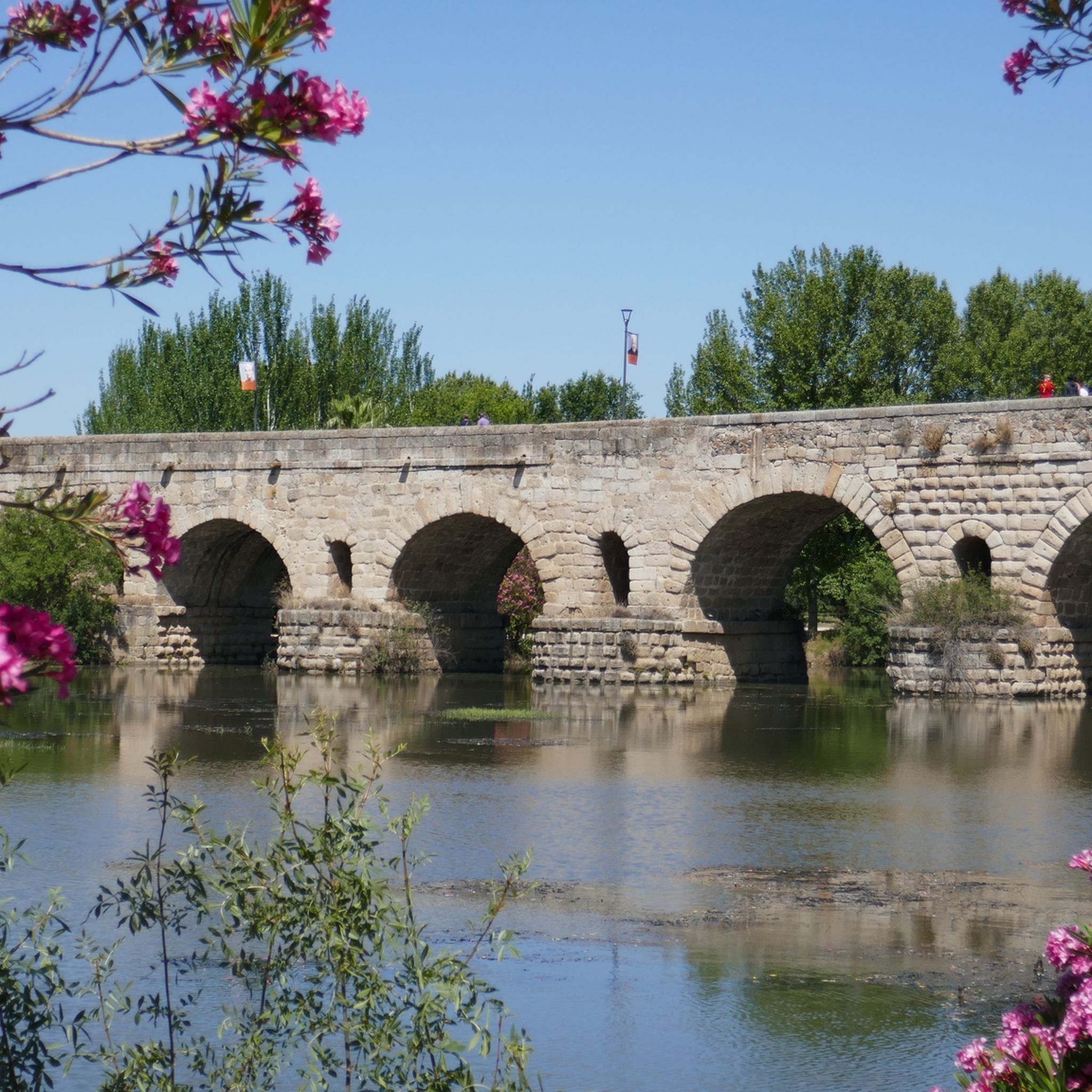
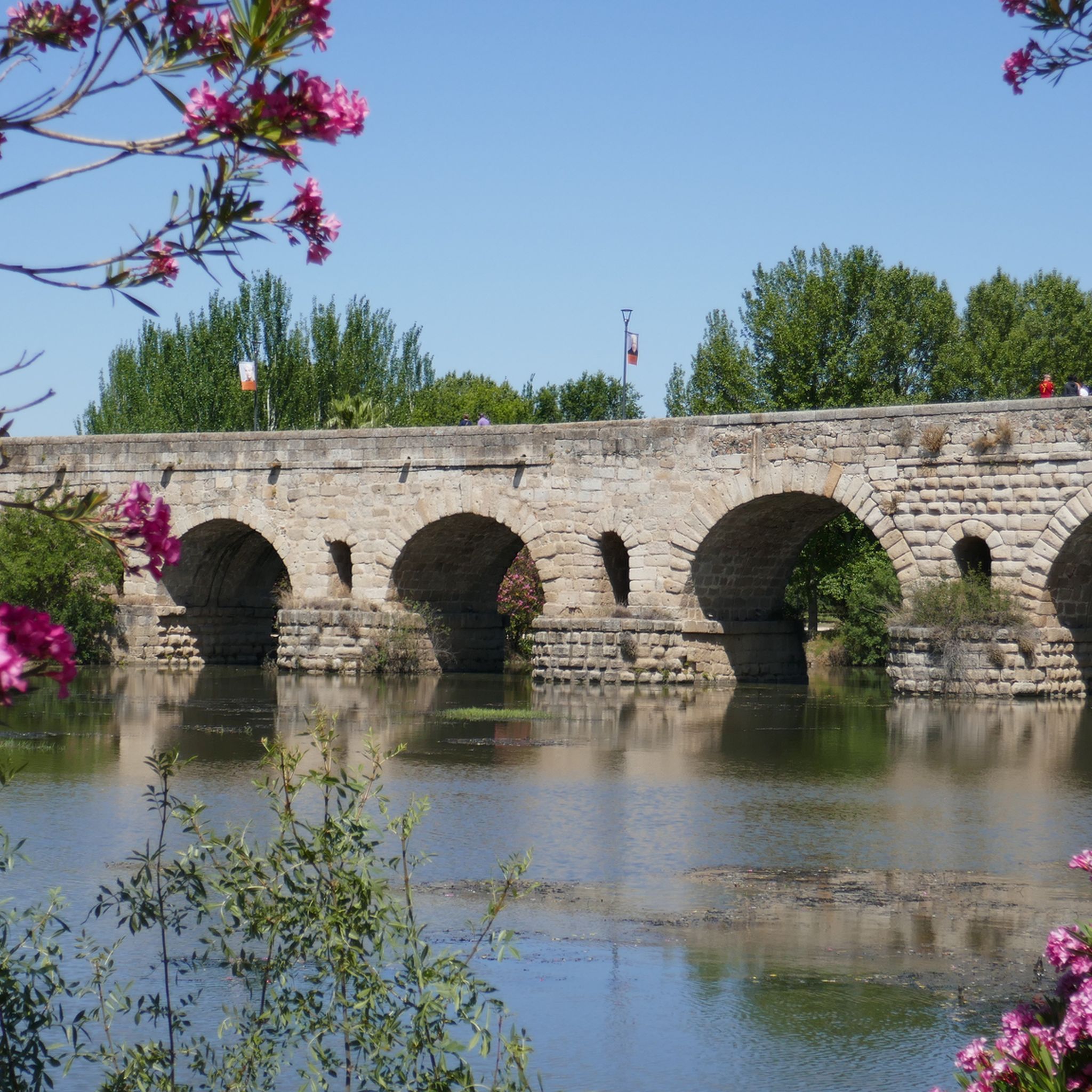
Absolutely. Merida showcases remarkable Roman engineering. You can explore the Los Milagros Aqueduct, which once supplied water from the Proserpina reservoir, and the Roman Bridge of Mérida, one of the longest Roman bridges in the Iberian Peninsula. The Proserpina Roman Dam is another impressive example of ancient hydraulic engineering.
Are there family-friendly attractions in Merida?
Many of Merida's historical sites are suitable for families. The Los Milagros Aqueduct, Roman Monuments of Mérida, Roman Bridge of Mérida, Cornalvo Dam, Roman Theatre of Mérida, and Proserpina Roman Dam are all categorized as family-friendly, offering engaging experiences for all ages to learn about history.
What outdoor activities can I do near Merida's attractions?
Beyond the historical sites, Merida offers opportunities for outdoor activities. You can enjoy hiking around the reservoirs, such as the easy circular walks around Embalse de Proserpina or the Cornalvo Dam. For more options, explore the hiking routes around Merida.
Are there hiking trails near Merida's historical sites?
Yes, there are several hiking trails that allow you to explore the natural surroundings and some historical sites. For instance, you can find easy trails around the Proserpina Roman Dam, including a circular walk. The Hiking around Merida guide provides details on various routes, including the 'Mérida Roman Heritage Trail'.
Can I go cycling near Merida's attractions?
Yes, Merida and its surroundings are suitable for road cycling. You can find routes that take you through the countryside and past some historical points of interest. For example, there are loops connecting Merida with nearby towns and reservoirs. Check out the Road Cycling Routes around Merida guide for detailed itineraries.
Are any attractions in Merida wheelchair accessible?
Yes, some attractions in Merida are noted for their accessibility. The Capitoline She-Wolf of Mérida and the Fountain at Plaza de España, Mérida are both marked as wheelchair accessible, allowing more visitors to enjoy these historical and cultural points.
What is the Alange Castle and where is it located?
The Alange Castle is a historical site offering panoramic views. It is a medieval castle located near Merida, providing a glimpse into a different historical period compared to the city's predominant Roman heritage. It's a great spot for those interested in exploring castles and enjoying scenic viewpoints.
What natural features can I explore near Merida?
While Merida is famous for its Roman history, you can also explore natural features like the Cornalvo Dam and the Proserpina Roman Dam, which are surrounded by beautiful landscapes and offer opportunities for walks and enjoying the outdoors. These areas provide a tranquil escape from the urban environment.
Most popular routes around Merida
Most popular attractions around Merida

Get inspired with the komoot mobile app


Didn’t find what you were looking for?
Are you keen on exploring more awesome places nearby? Browse our guides:
Explore more
Still not found the Highlight you’re looking for? See guides of the top attractions in other regions:
