Top 7 Castles around Torrijos
Best castles around Torrijos are found in the province of Toledo, Spain, an area rich in history. While Torrijos itself features significant palaces like the Palace of Pedro I, the surrounding region offers various castle-like structures. These historical sites provide insights into different architectural styles and past eras. Visitors can explore both palatial history and traditional defensive architecture in the Torrijos region.
Best castles around Torrijos
- The most popular castles is Barcience Castle, a castle that stands on a…
Last updated: October 11, 2026
Barcience Castle
Highlight • Castle
Translated by Google •
Tip by

View of Caudilla's church and castle
Highlight • Castle
Translated by Google •
Tip by

Sign up now to discover places like this
Get recommendations on the best single tracks, peaks, & plenty of other exciting outdoor places.
Escalona Castle Palace
Highlight • Castle
Translated by Google •
Tip by
San Silvestre Castle
Highlight • Castle
Translated by Google •
Tip by
Castillo de la Vela
Highlight • Castle
Translated by Google •
Tip by
Path to Castillo de Montalbán
Highlight (Segment) • Trail
Translated by Google •
Tip by
Start today with a free account
Your next adventure awaits.
Popular around Torrijos
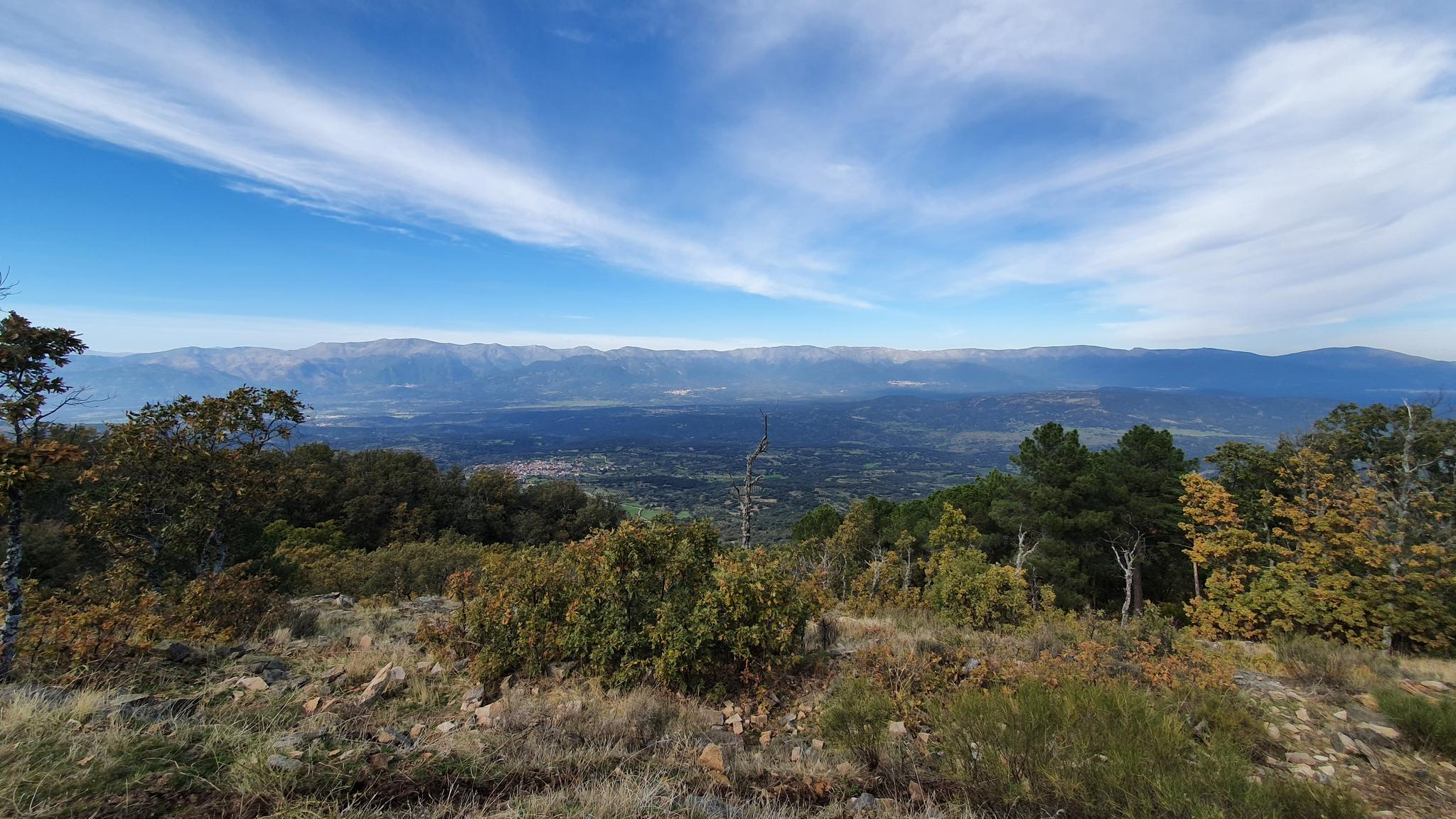
Following in the footsteps of the Lusitanian leader — Viriato Path GR 63
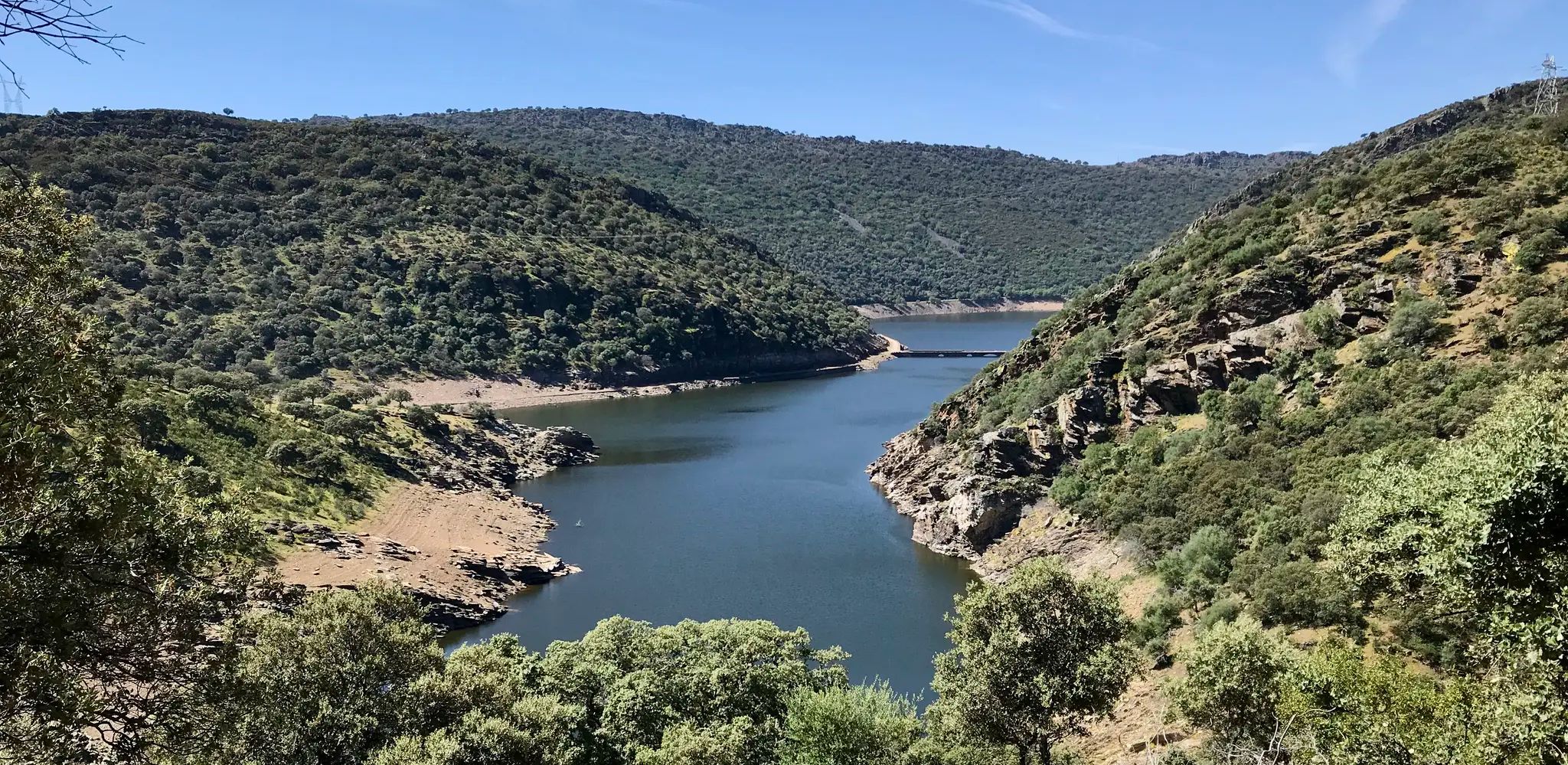
Toledo to Cedillo – Camino Natural del Tajo West
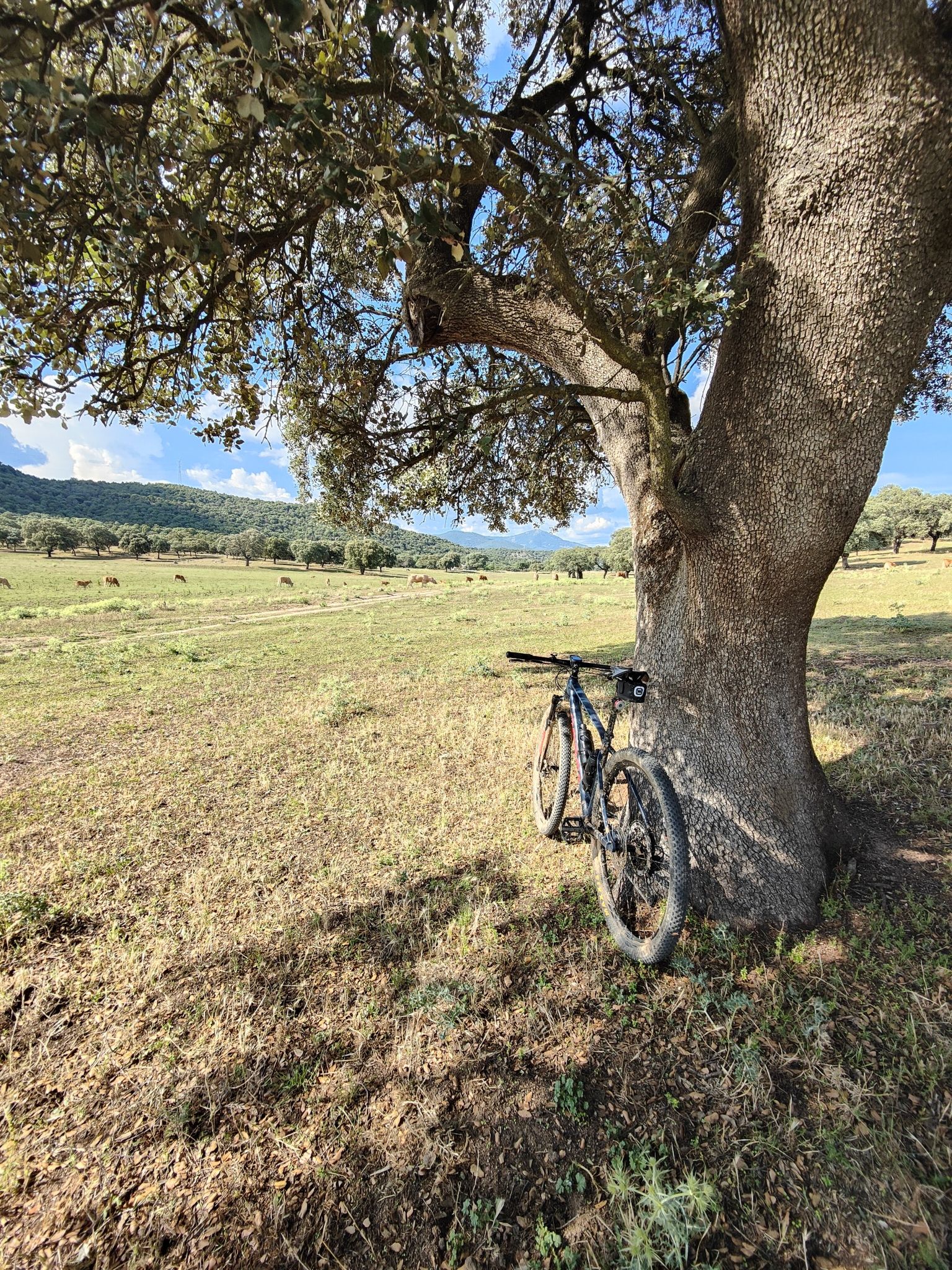
A Stronghold of Lusitania – explore the Viriato Trail on MTB
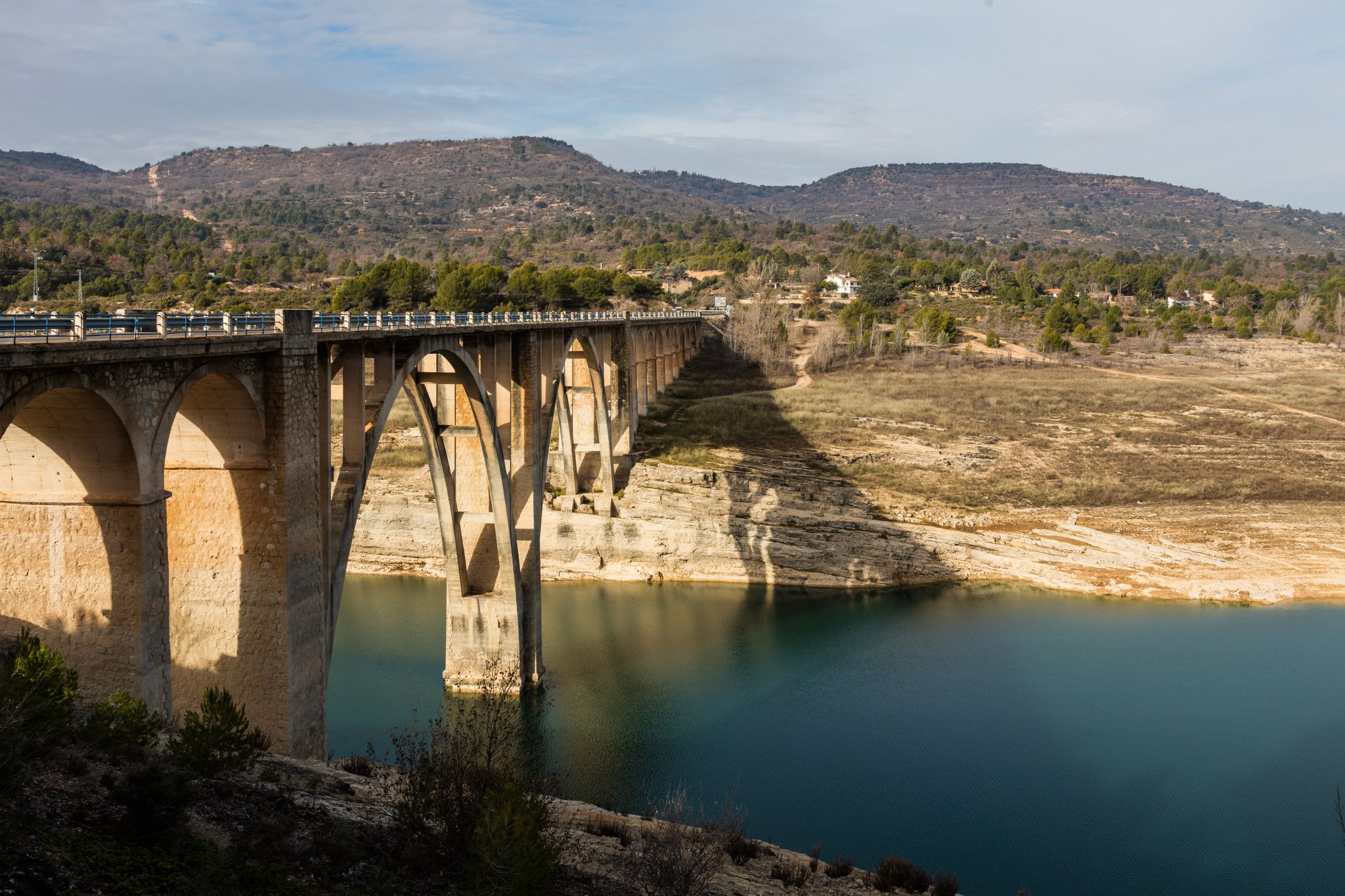
A journey on the Iberian Peninsula – Tagus Nature Trail
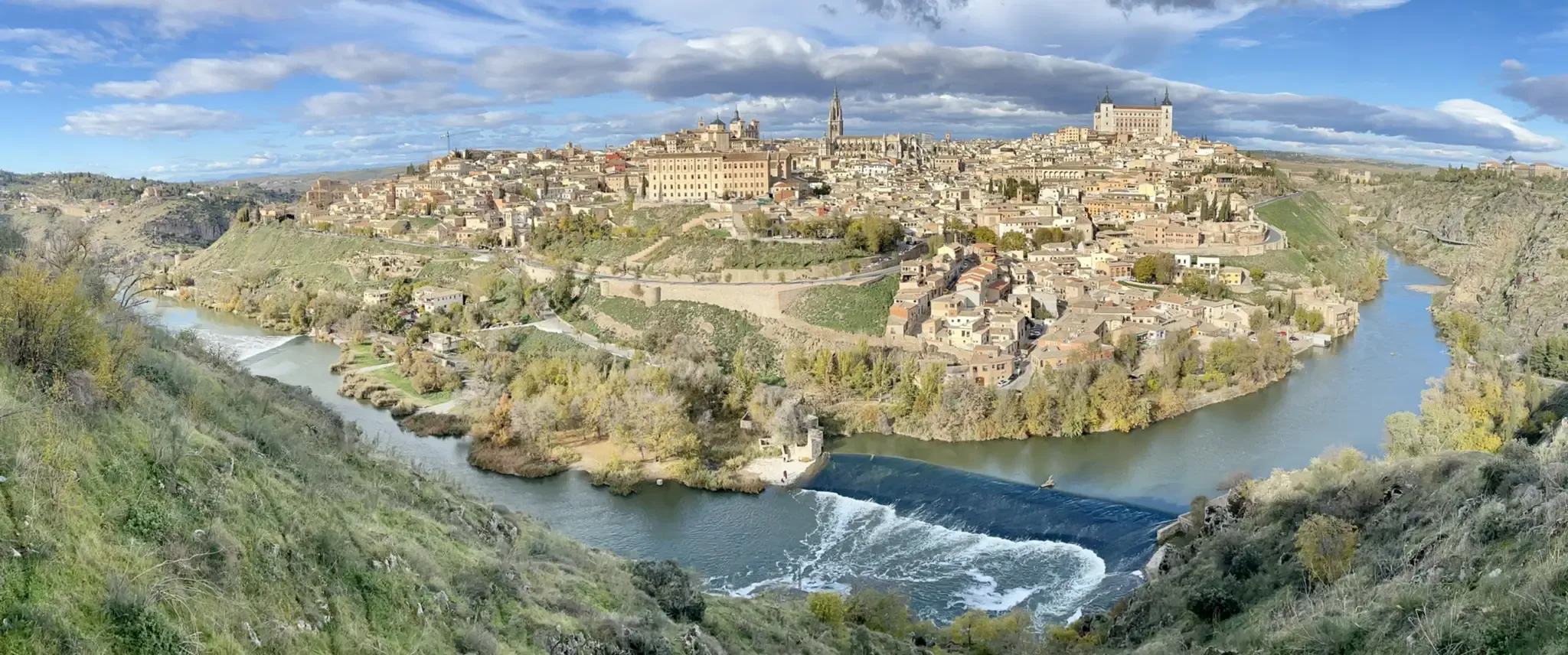
A journey to the interior of the Iberian Peninsula – Levante Way (GR 239)
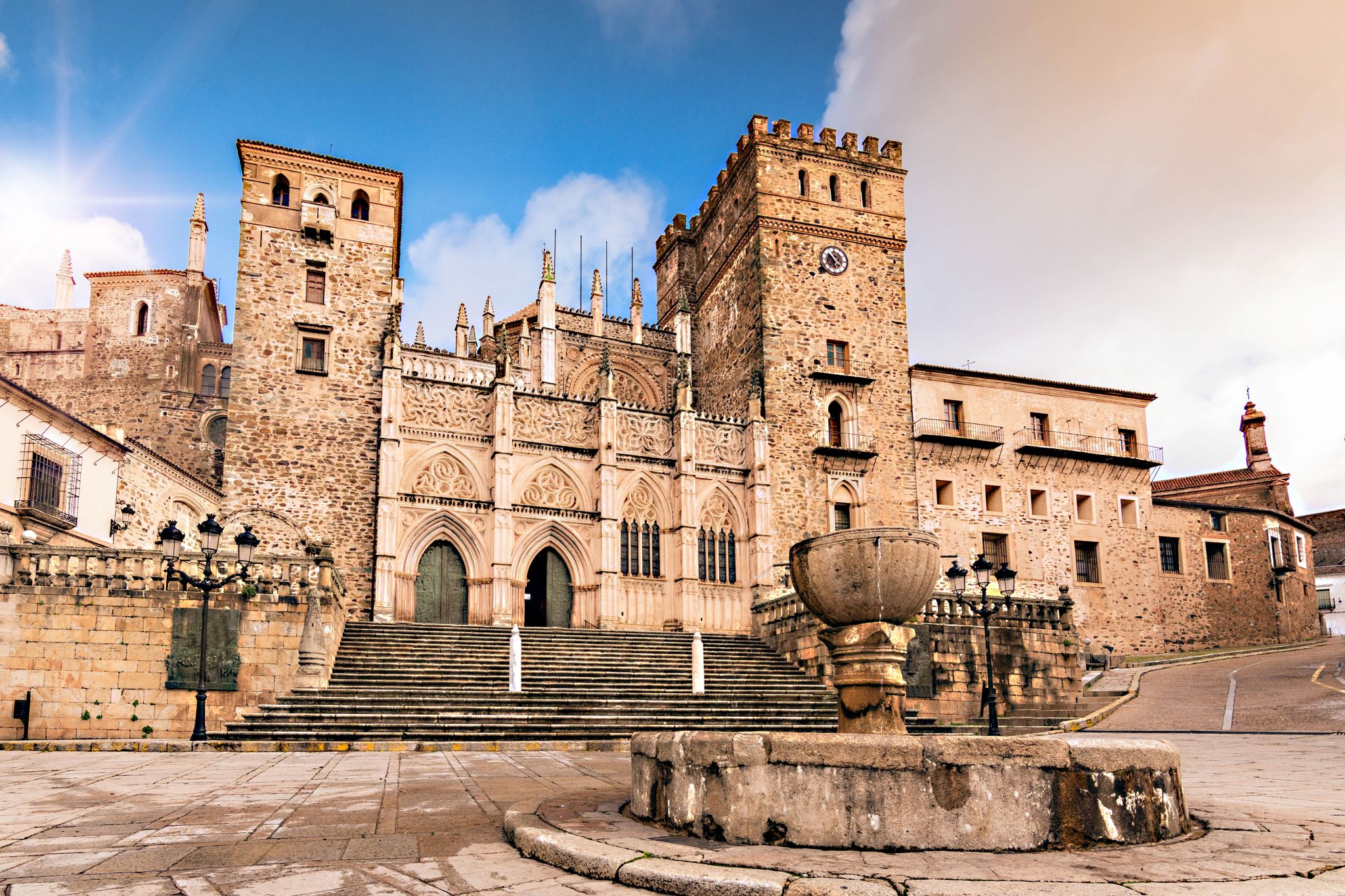
A Spanish pilgrimage by bicycle — the royal road to Guadalupe
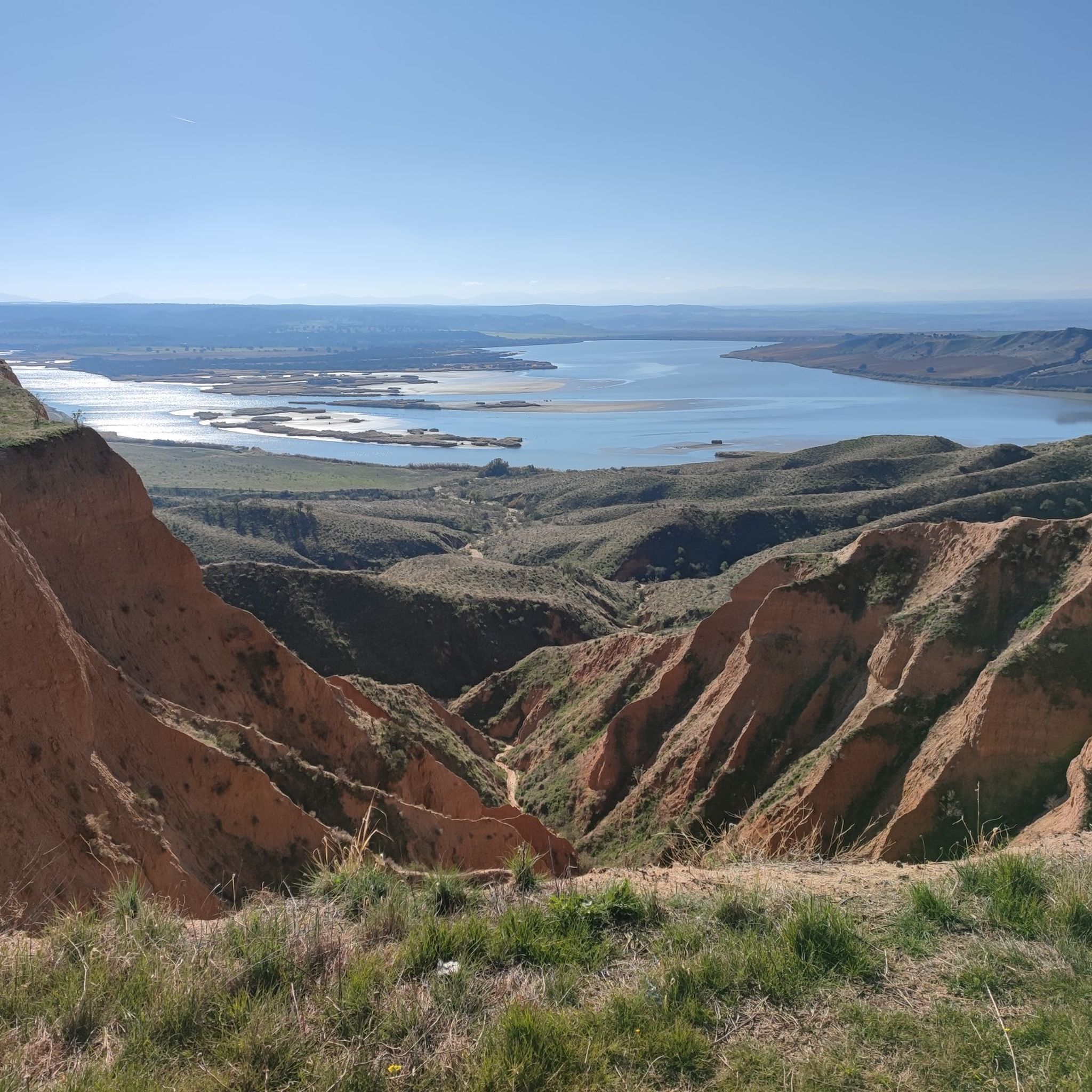
Road Cycling Routes around Torrijos
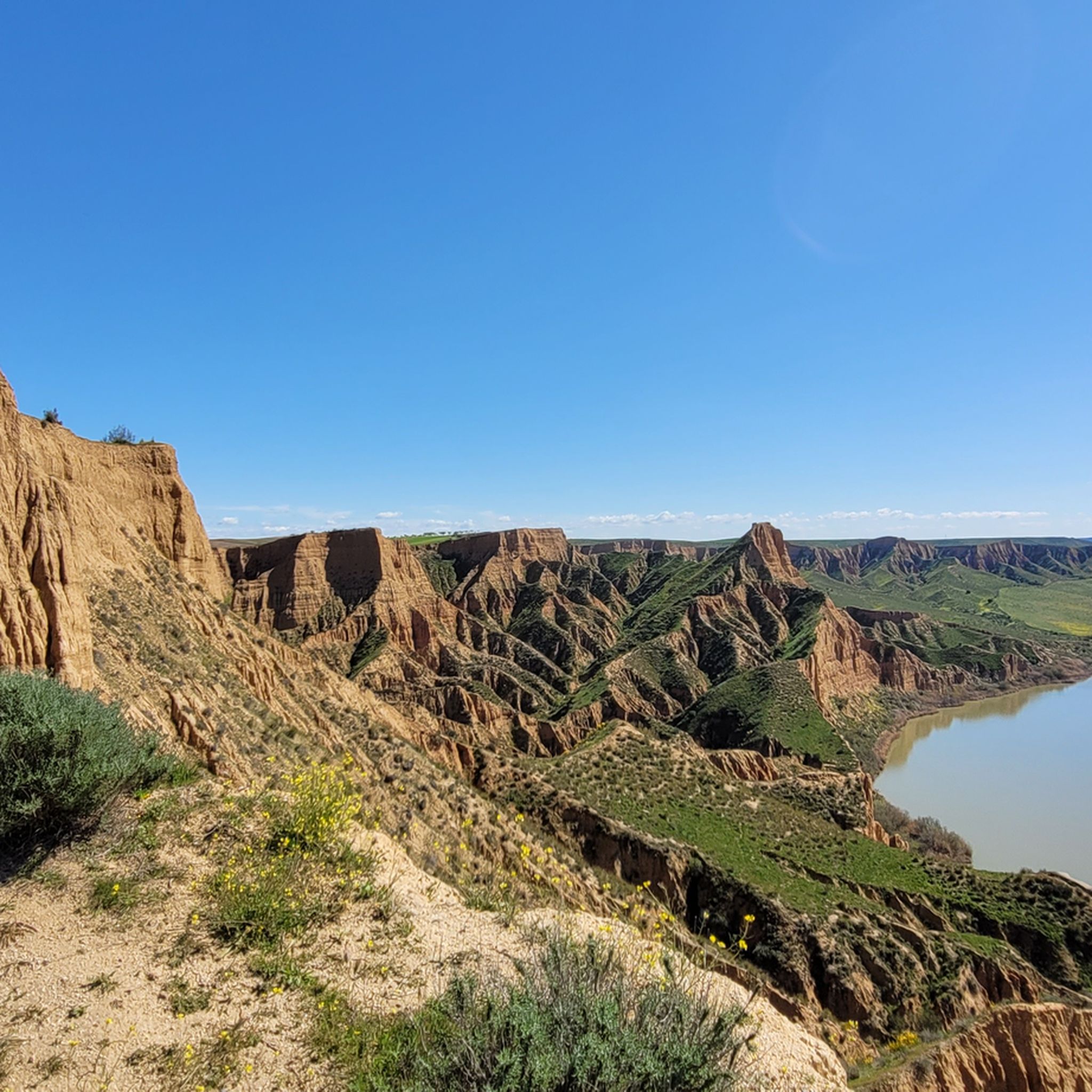
Hiking around Torrijos
MTB Trails around Torrijos
Running Trails around Torrijos
Other adventures around Torrijos


Tips from the Community

Barcience Castle is a medieval fortress located in the municipality of Barcience, in the province of Toledo. It stands on a hill that dominates the surroundings, offering a strategic view of the surrounding landscape.
5
0

Although the town of Caudilla is uninhabited, the ruins of the church remain there and even more striking are those of the Rivadeneyra castle, which was built in the 15th century and which curiously, after centuries of wars and attacks of the climate, is still standing. the figure of Christ at the top of its tower that makes it a very curious and striking place for many, especially for photography lovers looking for their best shot at night under a starry sky.
1
0
We can tour its large courtyard, and the almost square plan that it presents, indicating by its size and the time in which it was erected, that it served as a residence rather than a defensive fort. Two interesting cubes are indications of the barrier and the moat that protected the entrance door to the enclosure, and of which there are no remains. Three towers, two circular, another square, and the homage, make up the rest of the enclosure. Juan de Silva, the first Count of Cifuentes, began the construction of the fortress in the 14th century, which would be completed by his grandson, with the same name. It was endowed with artillery and garrison in the 16th century.
7
0

This fortress of Roman origin was also used by the Arabs and finally taken over by Alfonso VI of Castile. Located at a strategic point next to the Alberche river between Ávila and Toledo, it contains an imposing 22-meter-high keep and a Mudejar palace inside.
0
0
Initially conceived as a Roman fortress, it was later taken over by the Muslims to finally come under the orders of Alfonso VI of Castile and became a Gothic castle with a Mudejar-style interior palace. It is worth visiting inside and appreciating this interesting contrast of architectural styles, admission is free.
1
0
The ruins of the castle of San Silvestre date from the 15th century and it was built by Commander Gutierre de Cárdenas. Unlike the various castles that surround it, this one lacks a keep, although its façade and layout are similar to the others.
1
0
In the town of Maqueda is the Castillo de la Vela, which was built in the 10th century as a defensive fortress. After being taken over by Alfonso VI and then ceded to the Order of Calatrava, in the 15th century it was completely rebuilt and came to house Queen Isabella the Catholic.
1
0
Although the town of Caudilla is uninhabited, the ruins of the church remain there and, even more striking, those of the castle of Rivadeneyra, which was built in the 15th century and which, curiously, after centuries of wars and harsh weather, still stands the figure of Christ at the top of its tower that makes it a very curious and striking site for many, especially for photography lovers who seek their best shot at night under a starry sky.
2
0
Frequently Asked Questions
What kind of historical sites can I expect to see around Torrijos?
Torrijos itself is known for significant palaces like the Palace of Pedro I, which now serves as the Town Hall, and the historical Altamira Palace. The surrounding region offers more traditional defensive castles such as Barcience Castle, San Silvestre Castle, and Castillo de la Vela in Maqueda, providing a diverse historical experience.
What is the history behind the palaces in Torrijos itself?
Torrijos features the Palace of Pedro I, a 14th-century royal residence that later became a convent and is now the Town Hall. The Altamira Palace, built in the late 15th century by Gutierre de Cárdenas, was a grand residence known for its blend of Gothic-Isabelline, Renaissance, and Mudejar styles. While the Altamira Palace was dismantled in the early 20th century, its artistic elements are preserved in museums worldwide.
Are there any well-preserved medieval castles near Torrijos that I can visit?
Yes, Barcience Castle, built in the 15th century by the Silva family, is well-preserved and freely accessible. Its walls and the heraldic shield of the Silva family are notable features. Another significant site is Castillo de la Vela in Maqueda, a defensive fortress dating back to the 10th century, which was rebuilt in the 15th century and once housed Queen Isabella the Catholic.
What happened to the Altamira Palace in Torrijos?
The Altamira Palace, also known as the Palace of the Lords of Torrijos, was a prominent 15th-century building. Tragically, it was dismantled at the beginning of the 20th century. However, some of its magnificent coffered ceilings are preserved in museums like the National Archaeological Museum in Madrid, the Legion of Honor Museum in California, and the Victoria and Albert Museum in London. Its impressive entrance portal is also preserved in a private estate. You can learn more about its history on Wikipedia.
Are there family-friendly castles or activities around Torrijos?
Yes, Escalona Castle Palace and Castillo de la Vela are both categorized as family-friendly. Exploring these historical sites can be an engaging activity for all ages. Additionally, many of the nearby hiking routes offer easy options suitable for families.
What outdoor activities can I combine with a castle visit near Torrijos?
The region around Torrijos offers various outdoor activities. You can find numerous hiking and cycling routes. For example, there are easy hikes like the 'Barrancas de Burujón — circular' or 'Calalberche — circular along the banks of the Río Alberche' which can be found in the Easy hikes around Torrijos guide. For cycling enthusiasts, routes like 'Torrijos a Carmena – circular route' are available in the Cycling around Torrijos guide.
What makes Escalona Castle Palace a must-see spot?
Escalona Castle Palace is unique for its rich history, evolving from a Roman fortress to an Arab stronghold, and finally becoming a Gothic castle under Alfonso VI of Castile. It features a striking Mudejar-style interior palace, offering an interesting contrast of architectural styles. Its strategic location next to the Alberche river and an imposing 22-meter-high keep also make it a significant site.
Can I visit the ruins of Caudilla's castle?
Yes, you can visit the ruins of the Rivadeneyra castle in the uninhabited town of Caudilla. This 15th-century castle is particularly striking because, despite centuries of wear, the figure of Christ still stands at the top of its tower. It's a very curious and photogenic site, especially popular with photography lovers looking for unique shots, as highlighted by the View of Caudilla's church and castle.
What is the best time of year to visit the castles around Torrijos?
The region experiences hot summers and mild winters. Spring (April-May) and autumn (September-October) generally offer the most pleasant weather for exploring the castles and engaging in outdoor activities like hiking, with comfortable temperatures and less chance of extreme heat.
Are there hiking trails near San Silvestre Castle?
While specific trails directly adjacent to San Silvestre Castle are not detailed, the broader Torrijos region offers many hiking opportunities. You can find various routes, including easy to moderate options, in the Hiking around Torrijos guide, which may include trails passing near or offering views of castles in the area.
Is there parking available at the castles around Torrijos?
Specific parking information varies by castle. For freely accessible sites like Barcience Castle, you can often find parking nearby. For other sites, it's advisable to check local signage or visitor information upon arrival. In general, smaller villages hosting these castles usually have public parking areas.
What are the unique features of Barcience Castle?
Barcience Castle, known as the 'rampant lion,' was built in the 15th century by the Silva family. It stands on a hill offering strategic views and is well-preserved, with its walls and the heraldic shield of the Silva family being prominent features. Despite its abandoned interior, its large courtyard and almost square plan suggest it served more as a residence than a purely defensive fort.
Most popular routes around Torrijos
Most popular attractions around Torrijos

Get inspired with the komoot mobile app


Didn’t find what you were looking for?
Explore Torrijos’s best castles region by region:
Explore more
Looking for the best castles somewhere else? Discover other guides around Torrijos:
