Top 14 Caves around Costera
Caves around Costera Spain offer a diverse range of natural and archaeological sites. The region features caves with significant historical importance, such as those once inhabited by Neanderthals, alongside natural formations within mountain ranges like Capurutxo. These sites provide insights into ancient cultures and present varied geological features. The area's natural landscape includes river trails and cliffside locations, enhancing the exploration experience.
Best caves around Costera
- The most popular caves is Devil's Eye, a natural monument that offers majestic…
Last updated: August 18, 2026
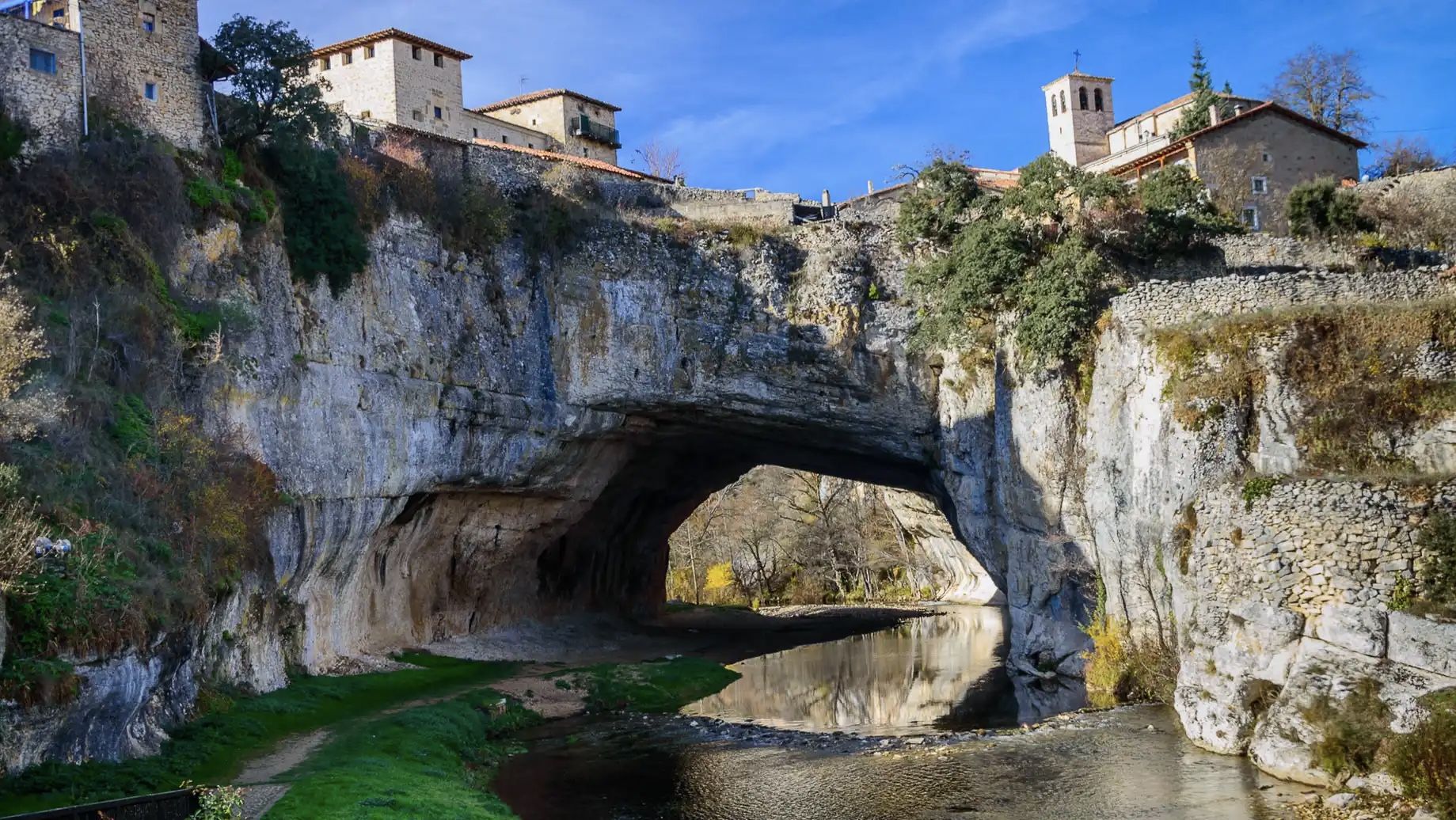
Devil's Eye
Highlight • Natural Monument
Getting …
Translated by Google •
Tip by

Somocuevas Beach
Highlight • Beach
Translated by Google •
Tip by

Sign up now to discover places like this
Get recommendations on the best single tracks, peaks, & plenty of other exciting outdoor places.
Sign up for free
Altamira Cave
Highlight • Cave
Translated by Google •
Tip by

Liencres Blowhole
Highlight • Natural Monument
Translated by Google •
Tip by

La Ojerada Caves
Highlight • Cave
Translated by Google •
Tip by

Culebre Cave
Highlight • Cave
Translated by Google •
Tip by
Aguanaz River and Frenchman’s Cave
Highlight (Segment) • River
Translated by Google •
Tip by

Menhir Yelso de Hayas
Highlight • Monument
Translated by Google •
Tip by
Cucabrera Cave
Highlight • Cave
Translated by Google •
Tip by

La Covachona Cave and Source of the Cubón River
Highlight • Cave
Translated by Google •
Tip by
Sign up for free to discover even more caves around Costera.
Sign up for free
Already have an account?
Start today with a free account
Your next adventure awaits.
Login or Signup
Popular around Costera
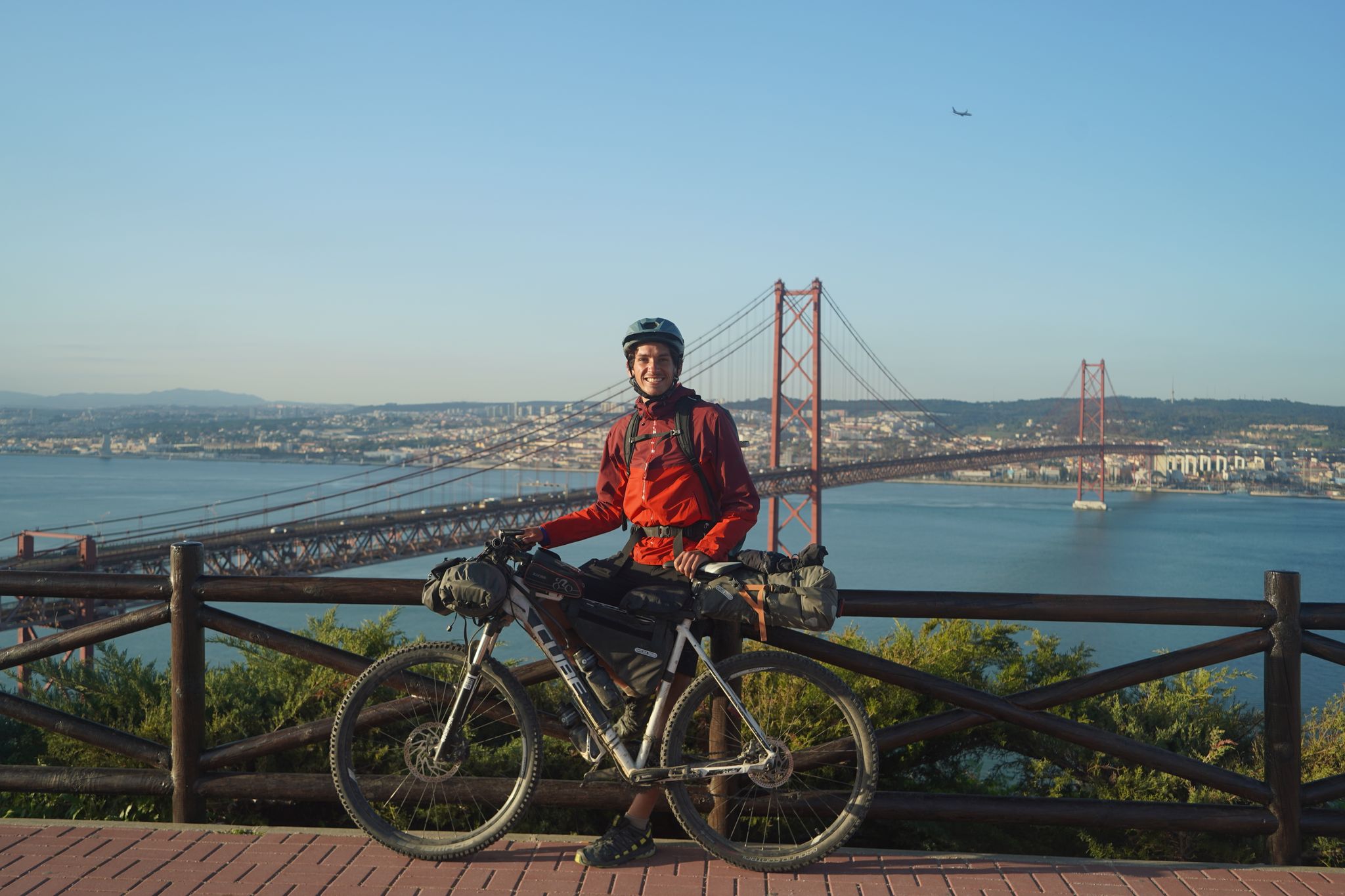
Road to Lisbon – bikepacking the Alps, Pyrenees and Picos de Europa
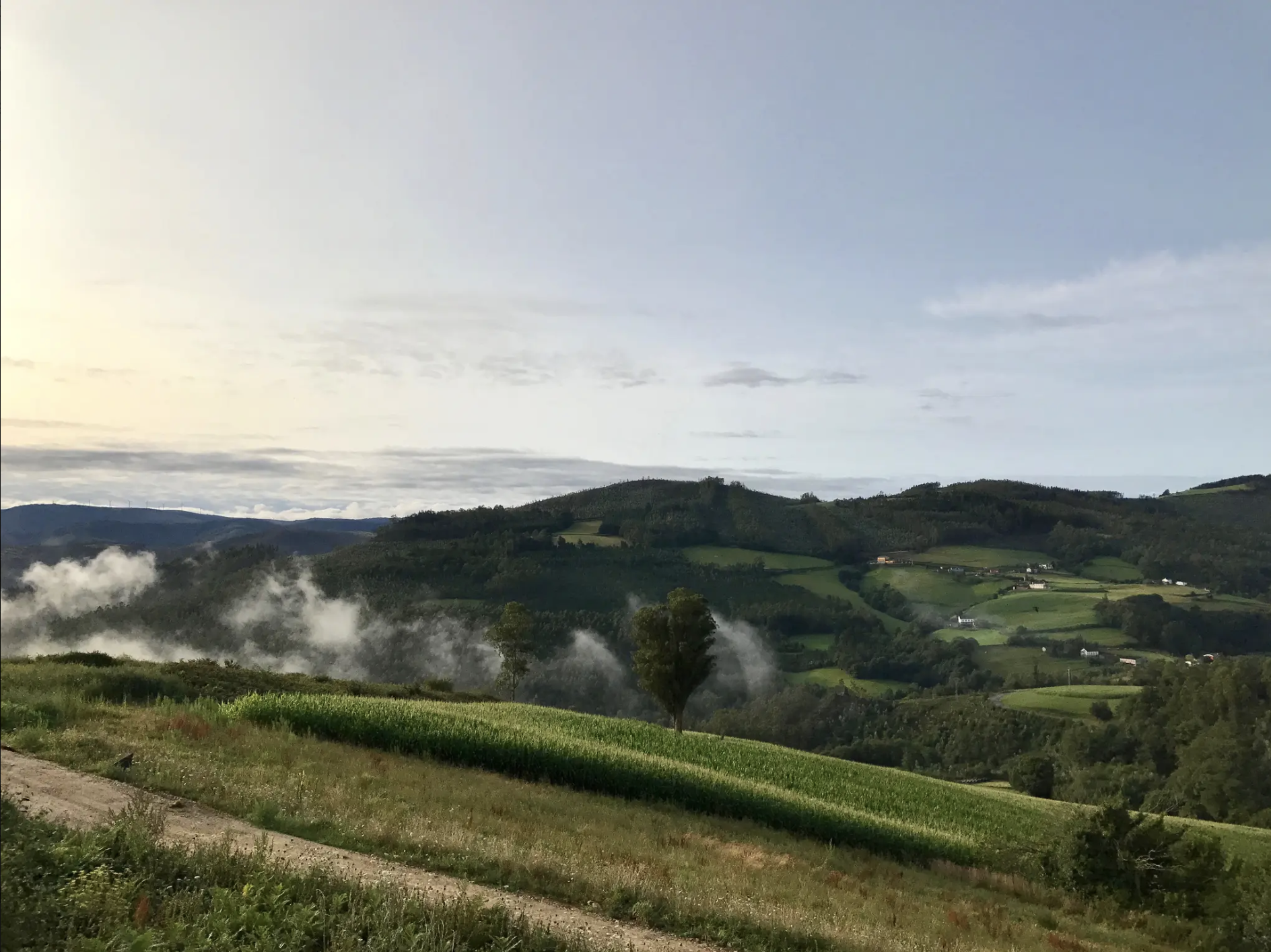
Camino del Norte (in reverse) – Discovering northern Spain's stunning coastline

Mythical Passes and Sections of La Vuelta
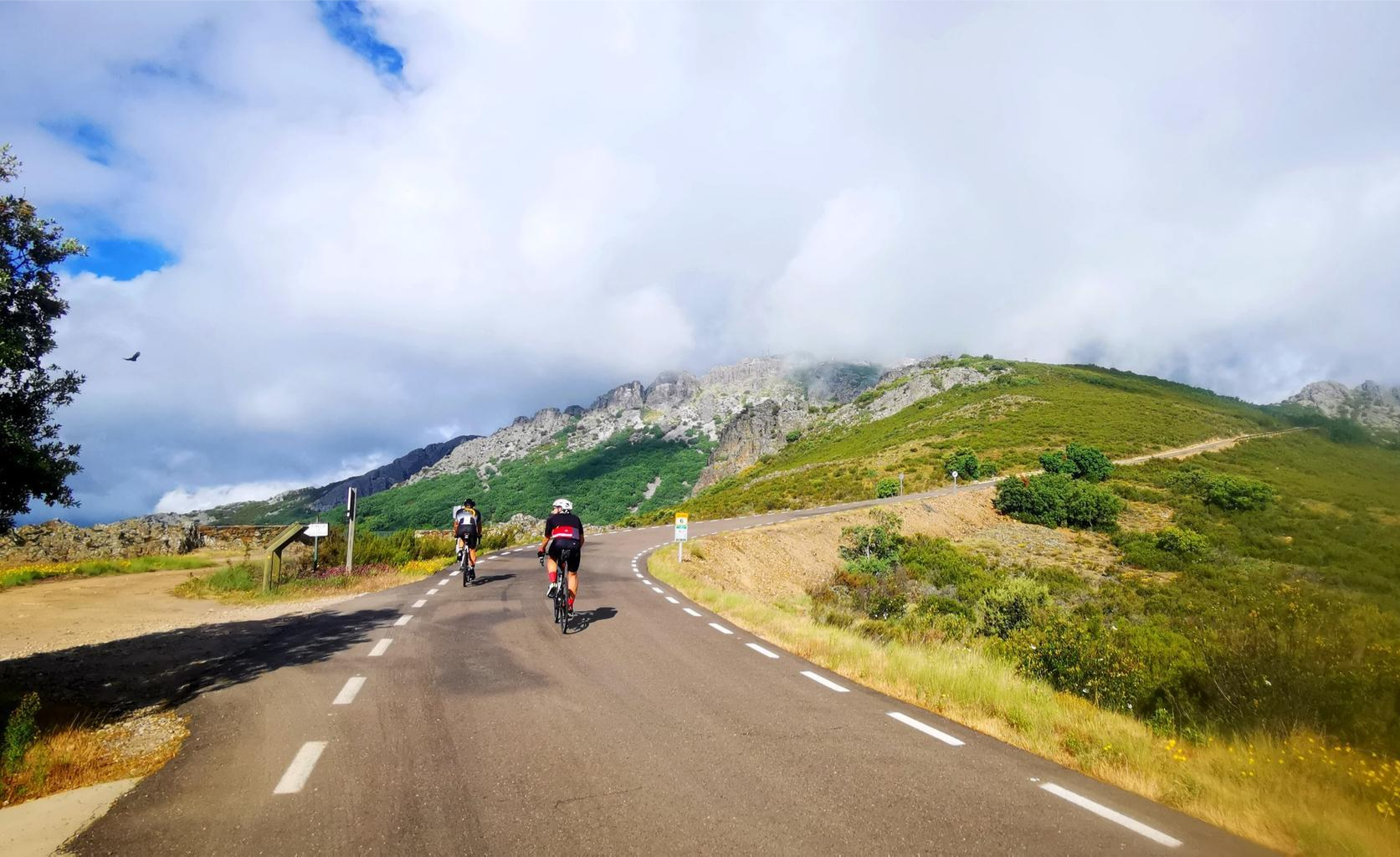
Legendary climbs - Ports of La Vuelta a España
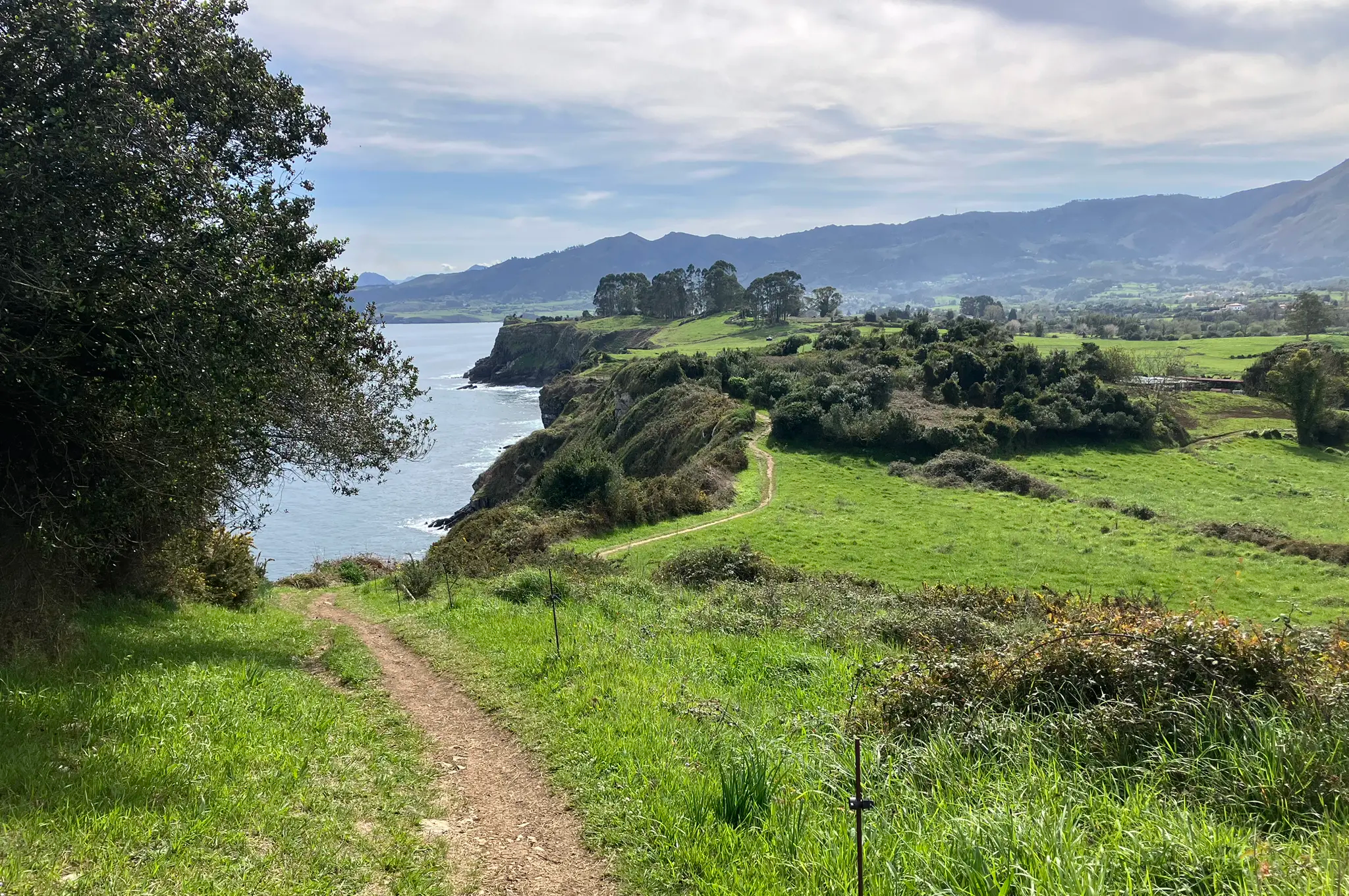
Green, Blue and Gold - Coastal Path through Asturias (GR 204)
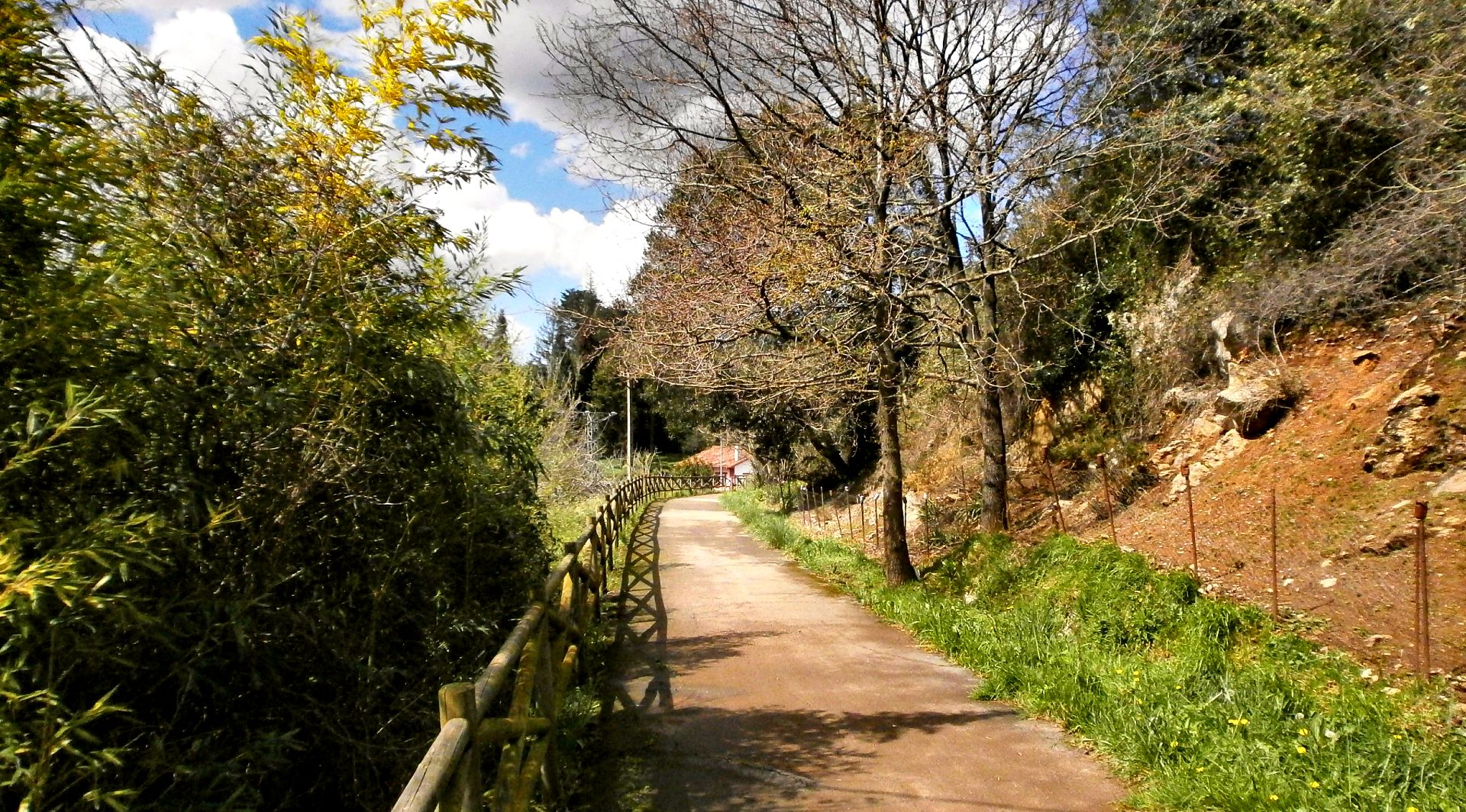
Vía Verde del Pas - Along the Riverbank through Cantabria
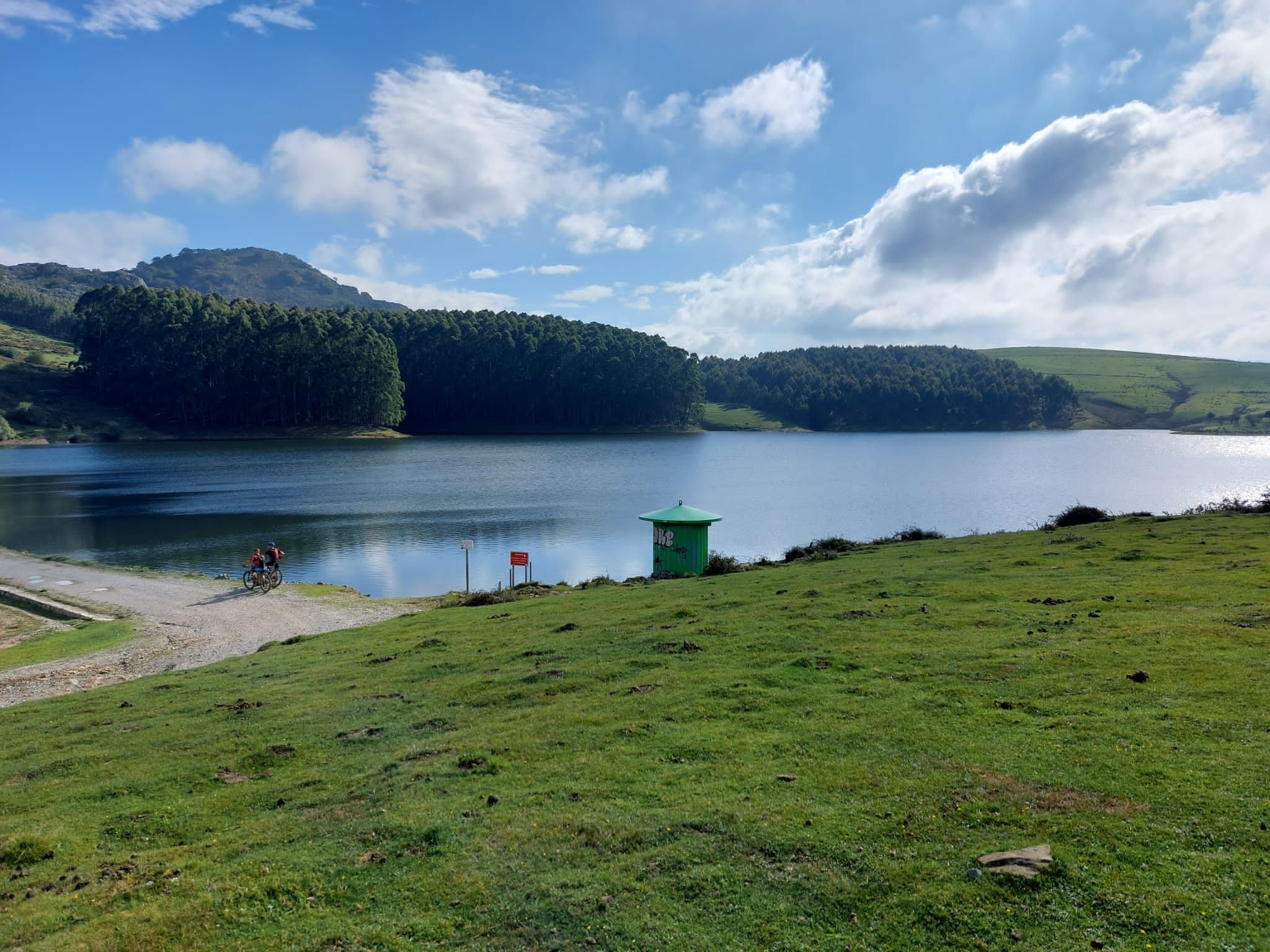
Cycle between land and sea in northern Spain – Pedales de Cantabria
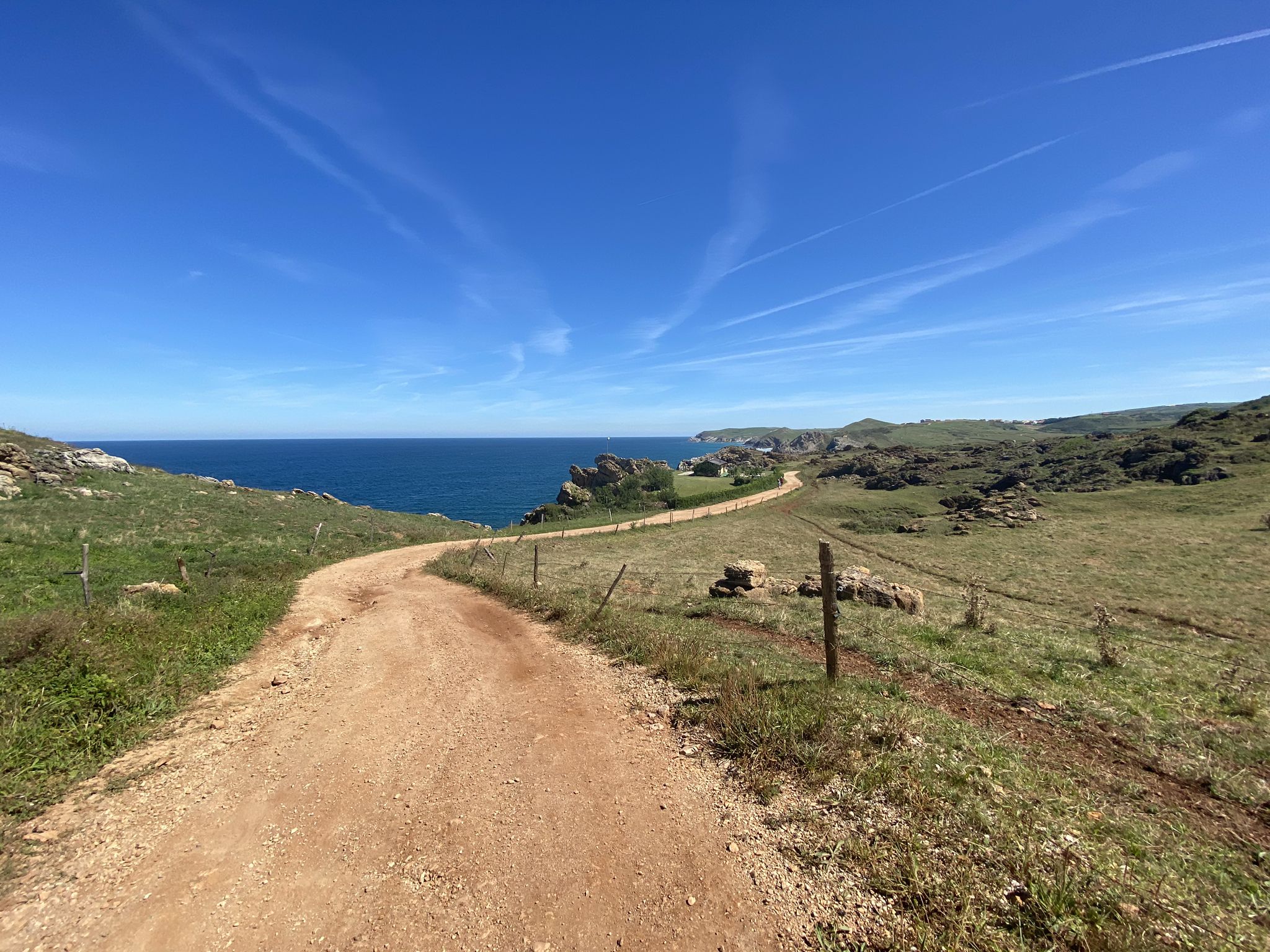
Paths and waves – surf trip by bike in Cantabria
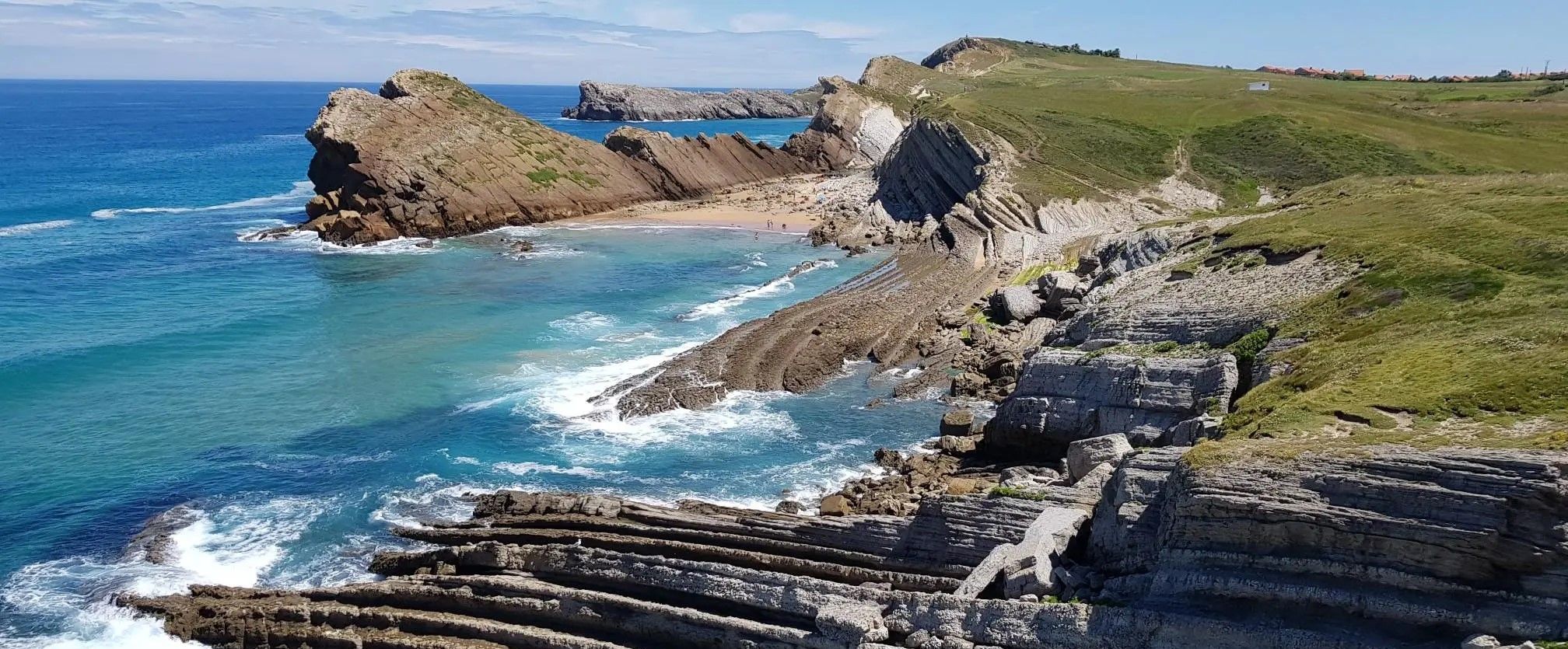
Water everywhere — Amazing routes near Santander
An epic getaway – Santander-Mediterráneo Nature Trail
Other adventures around Costera


Tips from the Community

These caves always impress me.
0
0


The Costa Quebrada is a magnificent coast for hiking. The access to the bay is currently closed (13.4.26).
1
0

I wanted to go down, but it seemed slippery and too steep.
1
0

Very good views. When there are strong waves, there is a small blowhole inside the Ojerada.
2
0

The Altamira Cave covers an area of more than 5500 m². It was used from 33,600 BC until the entrance collapsed in 11,000 BC. The particularly impressive ceiling paintings are dated to the period 16,500 to 13,000 BC.[3] The cave was discovered in 1868 by a hunter due to the disappearance of a hunting dog, who immediately reported the discovery to the lord of Santillana,[2] the naturalist Marcelino Sanz de Sautuola (1831–1888). The paintings were discovered by Sautuola's five-year-old daughter Maria, who was able to walk upright through the cave and made out images of "cattle" on the ceiling.[2] Marcelino began systematically digging in the cave in 1879[2] and published a short description of the "prehistoric objects in the province of Santander". Even the Spanish King Alfonso XII was invited into the cave. However, the academic world doubted the authenticity of the cave paintings.[2] The French prehistorian Émile Cartailhac described the paintings as a "vulgar prank by a scribbler" that he and his contemporaries did not even want to look at. The discovery had to wait almost 23 years for recognition. It was only when similar paintings were discovered in the Font-de-Gaume cave near Les Eyzies-de-Tayac-Sireuil in the Dordogne department (France) in 1901 that the attitude of French researchers and Cartailhac, who became the symbol of archaeological ignorance, changed. Cartailhac apologized posthumously to the Marquis de Sautuola in an essay in 1902 ("Mea culpa" d'un sceptique[4]).
0
0
Frequently Asked Questions
What kind of historical or archaeological significance do the caves in Costera have?
The Costera region is rich in archaeological caves. For instance, Cova Negra is a crucial Paleolithic site where Neanderthal remains and artifacts have been found, offering insights into the Mousterian period. You can also visit the National Museum and Research Center of Altamira, which focuses on prehistoric cave art and history.
Are there any caves in Costera that are easy to access or suitable for beginners?
Yes, Cueva Santa is known for its accessible initial section, requiring no technical equipment. Additionally, La Ojerada Caves are located very close to a parking area, making them easy to reach for visitors.
Which caves in the Costera region are good for families with children?
Several sites are family-friendly. La Ojerada Caves are easy to access. Somocuevas Beach offers caves between rocks and is a popular spot. The National Museum and Research Center of Altamira is also suitable for families interested in history. The Aguanaz River and Frenchman’s Cave area is another option that combines natural beauty with cave exploration.
What unique natural geological features can I expect to see in Costera's caves?
You can find diverse geological formations. Devil's Eye is a natural monument featuring a rock window framing panoramic views. La Ojerada Caves are known for their 'natural eyes' in the rock. Culebre Cave offers beautiful cave formations on cliff crests.
Are there coastal caves or blowholes to explore in Costera?
Yes, the region features coastal geological wonders. The Liencres Blowhole is a notable example, where strong waves can create spectacular water fountains through narrow openings in the cliffs, similar to geysers.
What outdoor activities or routes can I find near the caves in Costera?
The Costera region offers various outdoor activities. You can find numerous hiking trails, including routes like the 'Devil's Eyes, Solpico, and Candina Loop' or 'Caves of La Ojerada – circular from Ajo'. For more options, explore the Hiking around Costera guide. There are also road cycling routes available, such as the 'Liérganes, Río Miera, Portillo de la Sia, Asón' circular route, detailed in the Road Cycling Routes around Costera guide.
Where can I find caves with impressive viewpoints in Costera?
For breathtaking views, visit Devil's Eye, a natural monument offering majestic panoramic views from a cliff framed by a natural rock window. Culebre Cave also provides beautiful cliffside views.
Is there parking available near the popular cave sites?
Yes, for some popular sites, parking is conveniently located nearby. For example, La Ojerada Caves are situated very close to a parking area, making access straightforward.
What do visitors particularly enjoy about the caves in Costera?
Visitors frequently praise the spectacular views and unique natural formations. Sites like Devil's Eye are highlighted for their 'majestic panoramic views' and 'spectacular and picturesque route'. The 'beautiful natural eyes in the rock' at La Ojerada Caves are also a favorite.
Are there any caves that combine beach access with cave exploration?
Yes, Somocuevas Beach is known for its caves located between the rocks at the point of Somocuevas. It offers a unique experience where you can enjoy the beach and explore small cave formations.
What is the best time to visit the caves in Costera?
While specific opening hours for all caves vary, generally, the spring and autumn months offer pleasant weather for exploring both the caves and the surrounding natural landscapes. Always check local conditions and access information before your visit.
Are there any challenging cave explorations in the Costera region?
Some cave sites offer more challenging experiences. For instance, reaching Devil's Eye involves a challenging part of the route, though it rewards visitors with spectacular views. Culebre Cave is also noted for being on the crest of cliffs, suggesting a more adventurous visit.
Most popular routes around Costera
Most popular attractions around Costera

Get inspired with the komoot mobile app


Didn’t find what you were looking for?
Discover more caves around Costera region by region:
Explore more
Extend your search for the best caves by checking out these guides of the top ones around Costera:
