Top 19 Gorges around Eijsden-Margraten
Best canyons around Eijsden-Margraten are characterized by unique geological formations rather than traditional canyons. The region features steep-sided landscapes, including "grubben" (hollow paths or dry valleys) within the Savelsbos and former limestone quarries. These natural features and historical sites offer insights into the geology Eijsden-Margraten and provide engaging experiences for outdoor enthusiasts. Exploring these areas reveals the distinctive natural features Eijsden-Margraten has to offer.
Best canyons around Eijsden-Margraten
- The most popular canyons is Marl Cliff along the Geul, a…
Last updated: August 17, 2026
Marl Cliff along the Geul
Highlight • Gorge
Translated by Google •
Tip by

Savelsbos Gravel Pit
Highlight • Natural Monument
Translated by Google •
Tip by

Sign up now to discover places like this
Get recommendations on the best single tracks, peaks, & plenty of other exciting outdoor places.
Sign up for free
Blom Quarry
Highlight • Gorge
Translated by Google •
Tip by
Thier des Vignes Flint Caves
Highlight • Cave
Source: mini-ardenne.be/poi.card.php?id=6036&language=fr
Translated by Google •
Tip by

View of the Curfsgroeve
Highlight • Viewpoint
Translated by Google •
Tip by

Sign up for free to discover even more gorges around Eijsden-Margraten.
Sign up for free
Already have an account?
Start today with a free account
Your next adventure awaits.
Login or Signup
Popular around Eijsden-Margraten
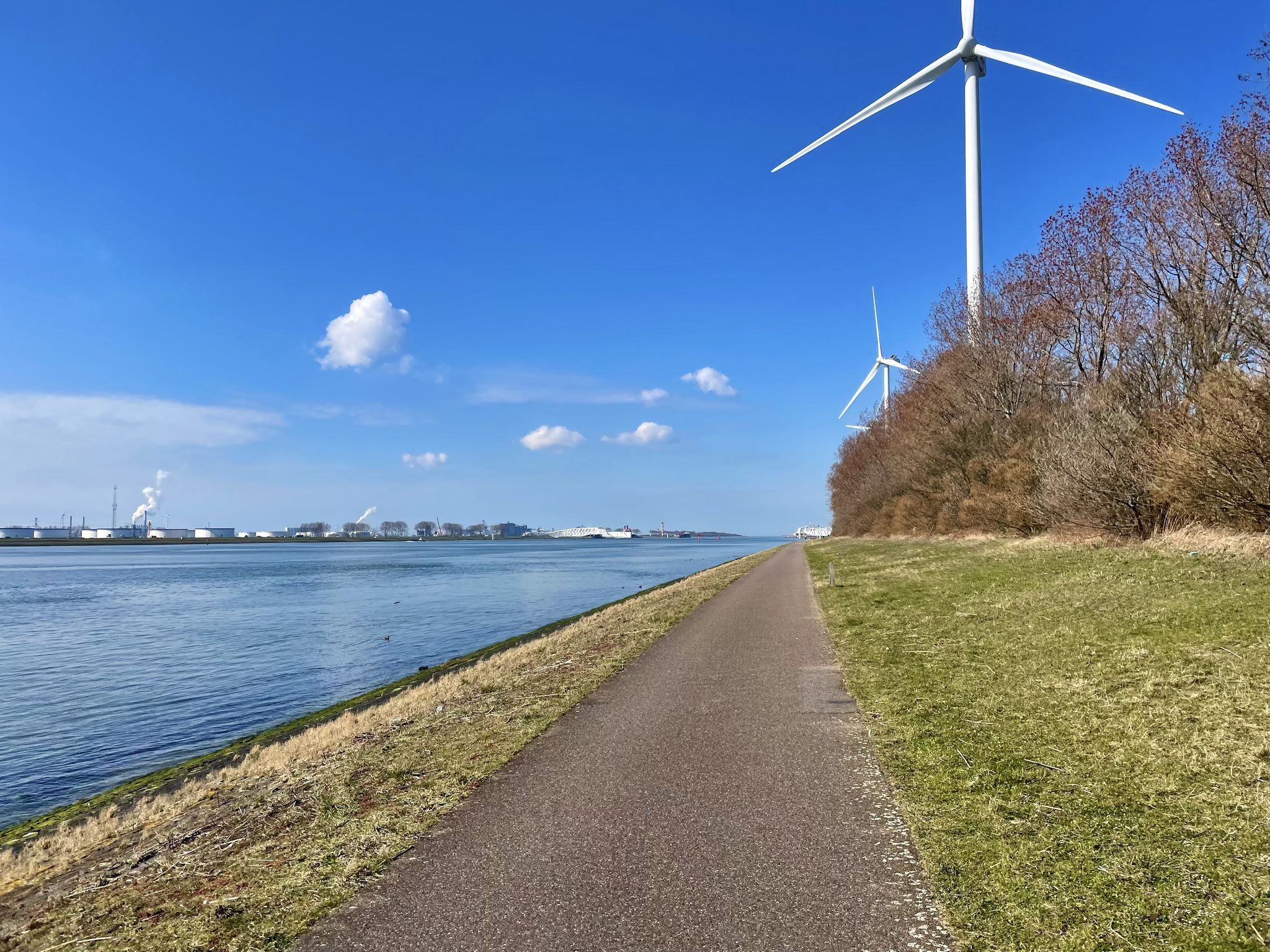
The Meuse Cycle Route - Follow the Meuse from the hills to the harbor
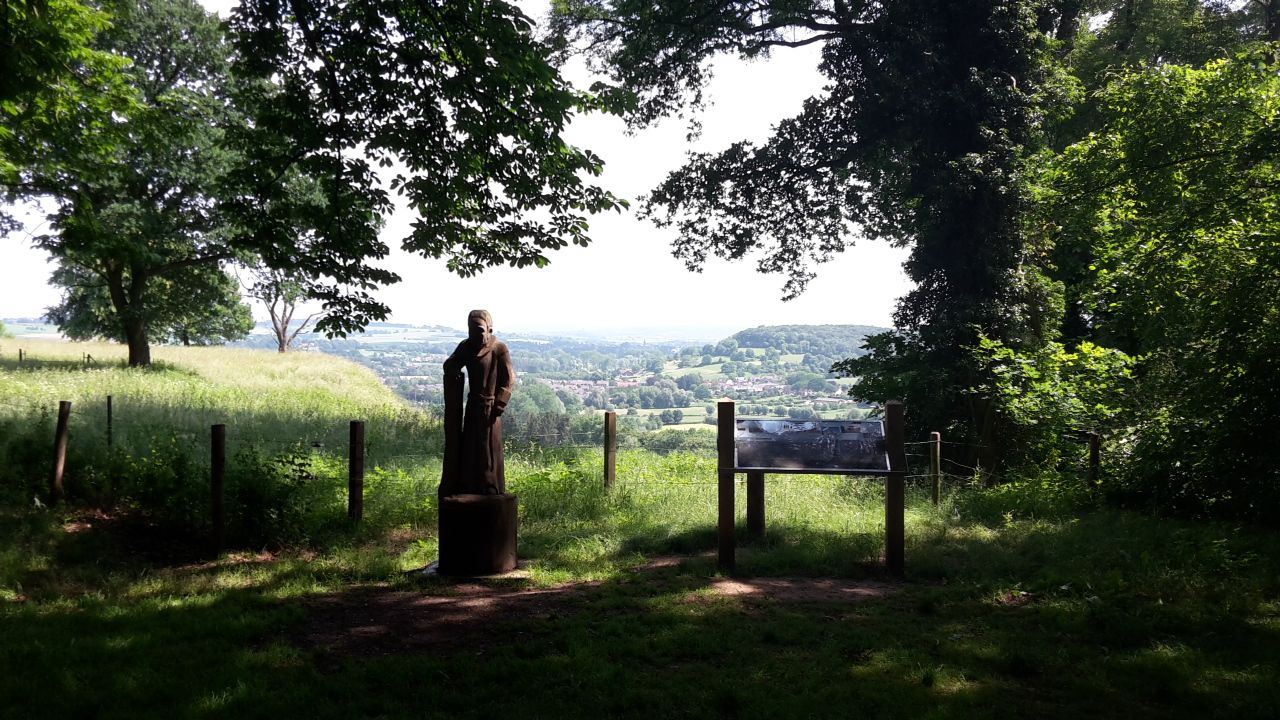
Via Coriovallum – a pilgrimage in the Dutch region of South Limburg
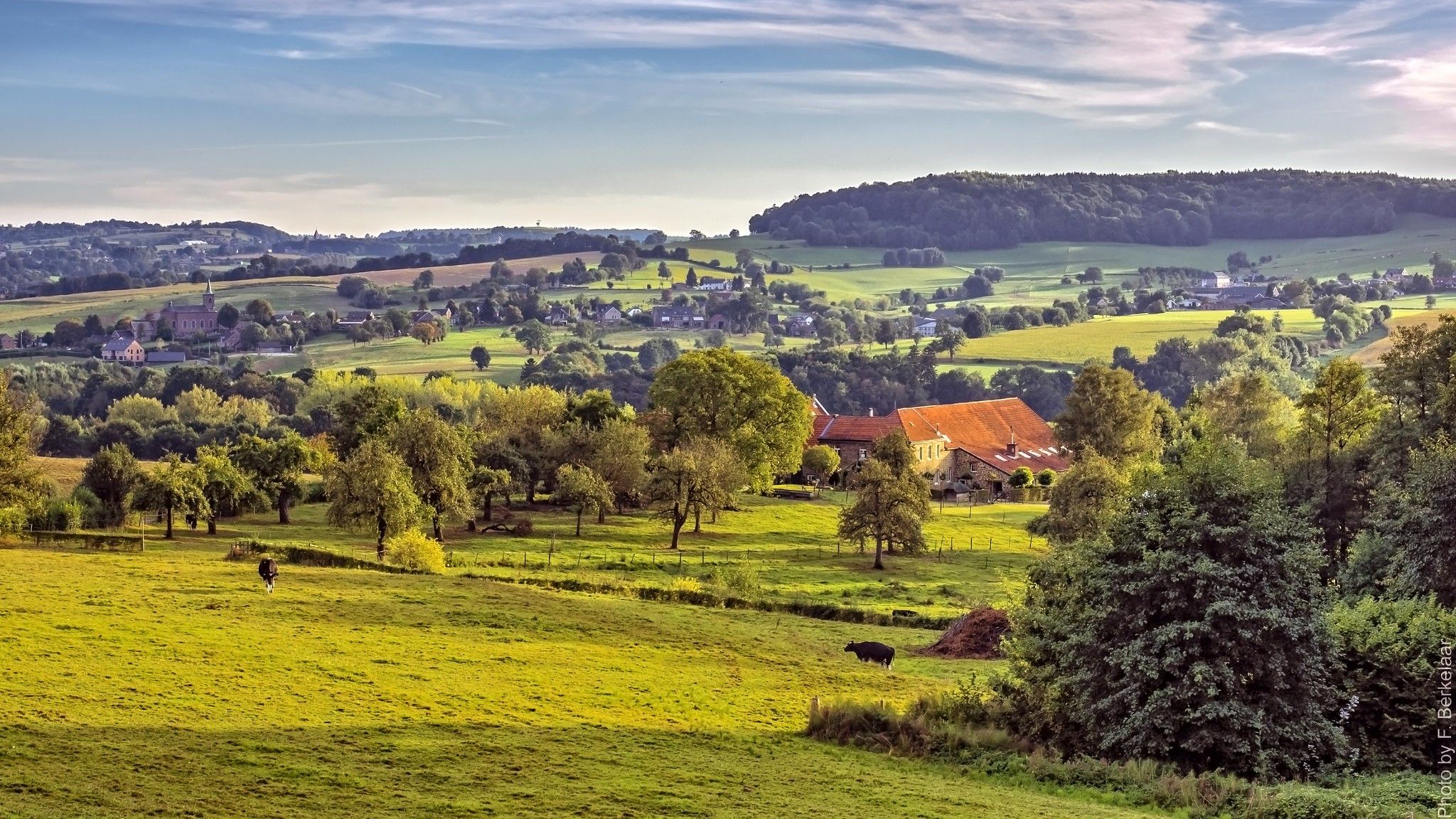
Pilgrim's Way part 2 — s-Hertogenbosch to Maastricht
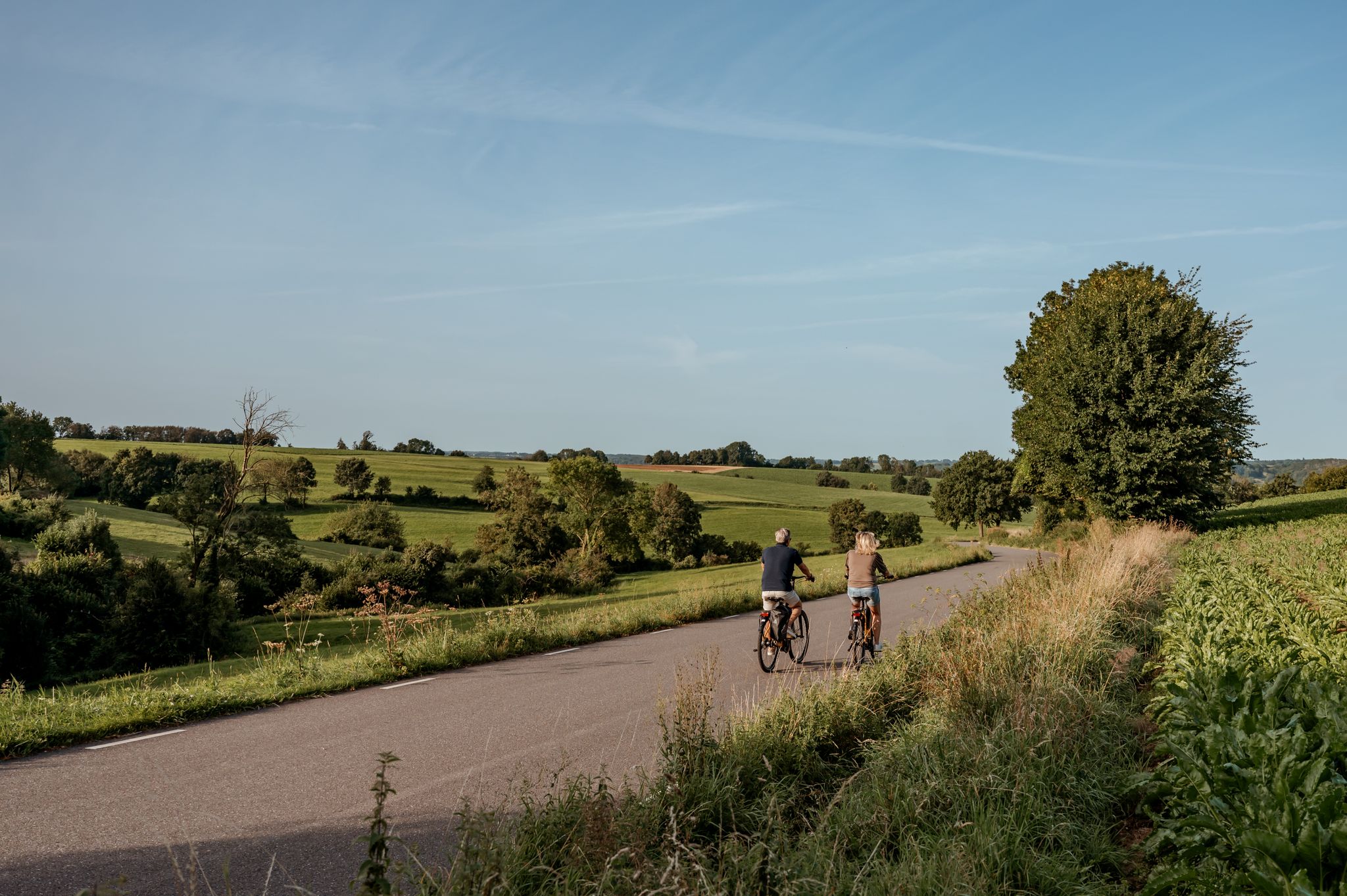
The best of South Limburg by bike
The Meuse Cycle Route - Follow the Meuse from the hills to the harbor
The Krijtlandpad trail - South Limburg at its best in five hiking stages
Outside the built-up area - 10 trail runs between stations (30-55 km)
Train your calves in the rolling hills - 10 trailruns in Limburg
Cycling around Eijsden-Margraten
Hiking around Eijsden-Margraten
Other adventures around Eijsden-Margraten


Tips from the Community

Along the road is the entrance to quarry Blom, as a hiker you have to go through the flap gate to enter the area
0
0

Along the rippling Geul River, an impressive marlstone wall rises, a silent witness to Limburg's underground landscape. These calcareous rocks were used for centuries for construction and crafts and now offer a fascinating sight for hikers and nature lovers. The wall forms a natural boundary along the water and, in some places, harbors small caves and niches where flora and fauna have found a home. The contrast of the white marl against the green foliage and the glistening water of the Geul makes this a particularly photogenic and tranquil spot during your walk.
0
0

There are old flint quarries in this area: the “Carrières de silex du Thier des Vignes”.
1
0

Beautiful part of the walk along the Geul
0
0
A mysterious flint cave on the edge of the Albert Canal, near the locks at Klein Ternaaien. You reach the entrance via a steep path through the woods. The caves are dark, cool, and full of atmosphere—perfect for those who love hidden natural spaces. Bring a flashlight and good walking shoes!
2
0

Impressive limestone quarry with viewing platform
1
0

When the path that has been running between slopes and sloping forest on one side and the Geul on the other side suddenly starts to rise a bit, you know what is coming: part of the marl crops out and offers you a glimpse of what you can discover if you take one of the paths away from the Geul: quarries and marl.
6
0

Impressive, you can see some caves.
1
0
Frequently Asked Questions
What unique geological features can I explore in Eijsden-Margraten?
Eijsden-Margraten is known for its distinctive geological formations, primarily the "grubben" (hollow paths or dry valleys) within the Savelsbos and several former limestone quarries. These features offer steep-sided landscapes and natural pathways, providing a unique outdoor experience. For example, the Marl Cliff along the Geul showcases visible marl layers, while the Trichterberggroeve Limestone Quarry features impressive steep limestone walls.
What are the "grubben" in Savelsbos, and what makes them special?
The "grubben" are narrow, steep dry valleys found in the Savelsbos, carved by rainwater erosion over centuries. They often have high, eroding walls and create an immersive, almost tunnel-like atmosphere due to dense tree cover. These ancient pathways are considerably lower than the surrounding land and offer a unique hiking experience, showcasing the area's geological history. The Savelsbos is also home to prehistoric flint mines and a rich biodiversity, including the largest badger population in the Netherlands.
Are there any former quarries to visit in the region?
Yes, Eijsden-Margraten features several former quarries that are now accessible. The Trichterberggroeve Limestone Quarry is designated as a "Geological Monument" and offers steep limestone walls and remnants of past mining. Another notable site is Blom Quarry, a former marl, sand, and gravel extraction site now transformed into a diverse nature reserve with unique plant and animal species.
What kind of wildlife can I expect to see in the Eijsden-Margraten canyon areas?
The natural areas around Eijsden-Margraten, particularly the Savelsbos, are rich in biodiversity. You might encounter various bird species, and the Savelsbos is notably home to the largest badger population in the Netherlands. Former quarries like Blom Quarry have also become havens for diverse plant and animal species.
Are there popular hiking trails that explore these unique landscapes?
Yes, the region offers many popular hiking opportunities through its unique landscapes. The Savelsbos, with its "grubben" and varied elevation, is a prime location for hiking. Trails often lead through dense forests, along steep dry valleys, and past geological formations. The Savelsbos Gravel Pit is another beautiful hiking area where you can experience significant altitude changes.
What is the difficulty level of hiking in the Eijsden-Margraten canyon areas?
Hiking in Eijsden-Margraten can range from intermediate to challenging due to the varied terrain. The "grubben" and former quarries often feature steep inclines and descents, providing opportunities for significant altitude meters. While some paths are gentle, others, like those around the Savelsbos Gravel Pit, offer more strenuous climbs and descents, keeping your journey interesting.
Are there any historical sites or caves to explore within these areas?
Yes, the region has a rich history reflected in its geological sites. The Savelsbos is known for its prehistoric flint mines. Additionally, the Thier des Vignes Flint Caves feature very old flint mines, with 13 cave entrances along the path, some of which were also used for chalk mining. These sites offer a glimpse into ancient human activity and geological processes.
What other outdoor activities are available near the canyons of Eijsden-Margraten?
Beyond exploring the unique canyon-like features, Eijsden-Margraten offers a variety of outdoor activities. You can find numerous routes for mountain biking, road cycling, and touring cycling. For detailed routes and guides, you can explore MTB Trails around Eijsden-Margraten, Road Cycling Routes around Eijsden-Margraten, and Cycling around Eijsden-Margraten.
When is the best time of year to visit the canyon areas in Eijsden-Margraten?
The canyon areas in Eijsden-Margraten, particularly the Savelsbos, are beautiful year-round. Spring brings lush greenery and blooming wildflowers, while autumn offers vibrant foliage. The dense tree cover in the "grubben" can provide shade in summer, and winter walks can be atmospheric, though some paths might be muddy or slippery. Always check local conditions before your visit.
Are the canyon areas in Eijsden-Margraten suitable for families?
Many areas, including parts of the Savelsbos and sites like the Trichterberggroeve Limestone Quarry, are suitable for families. While some trails have steep sections, there are often easier paths available. Exploring the unique geological formations and historical sites can be an engaging and educational experience for children. Always choose routes appropriate for your family's fitness level.
Can I bring my dog on the trails in Eijsden-Margraten's canyon areas?
Generally, dogs are welcome on trails in Eijsden-Margraten's natural areas, including the Savelsbos and former quarries. However, it's always advisable to keep dogs on a leash, especially in areas with wildlife or near livestock. Be mindful of any specific signage regarding dog access in nature reserves.
What do visitors enjoy most about exploring the Eijsden-Margraten canyon areas?
Visitors frequently appreciate the unique geological formations, the immersive experience of hiking through the "grubben," and the rich natural beauty of the region. The blend of natural and historical sites, such as the flint caves and former quarries, also adds to the appeal. The area is highly rated by the komoot community, with over 1000 upvotes and more than 180 photos shared, highlighting its scenic trails and interesting features.
Most popular routes around Eijsden-Margraten
Most popular attractions around Eijsden-Margraten

Get inspired with the komoot mobile app


Explore more
Already discovered everything in this region? See additional gorges around Eijsden-Margraten for your next adventure:
