The best walks and hikes around Eijsden-Margraten
4.4
(7248)
30,639
hikers
494
hikes
Hiking around Eijsden-Margraten offers diverse landscapes in the southernmost Netherlands. The region features rolling hills, ancient forests like the Savelsbos, and riverine areas along the Maas. Marlstone walls and picturesque villages add to the varied terrain, providing a range of experiences for hikers.
Best hiking trails around Eijsden-Margraten
- The most popular hiking route is Savelsbos – Savelsbos — The Henkeput loop from Savelsbos, a 4.0 miles (6.4 km) trail that takes 1 hour 45 minutes to complete. This easy…
Last updated: August 14, 2026
4.7
(311)
916
hikers
Easy hike. Great for any fitness level. Easily-accessible paths. Suitable for all skill levels.
4.7
(309)
911
hikers
7.63km
02:04
100m
100m
Moderate hike. Good fitness required. Easily-accessible paths. Suitable for all skill levels.

Sign up for free
4.8
(160)
575
hikers
10.3km
02:49
160m
160m
Moderate hike. Good fitness required. Easily-accessible paths. Suitable for all skill levels.
4.8
(157)
538
hikers
12.4km
03:30
260m
260m
Moderate hike. Good fitness required. Mostly accessible paths. Sure-footedness required.
4.6
(122)
495
hikers
Moderate hike. Good fitness required. Easily-accessible paths. Suitable for all skill levels.
Get access to more routes and recommendations from other explorers.
Sign up for free
Already have an account?
Our route recommendations are based on thousands of hikes, rides, and runs completed by other people on komoot.
Start today with a free account
Your next adventure awaits.
Login or Signup
Popular around Eijsden-Margraten
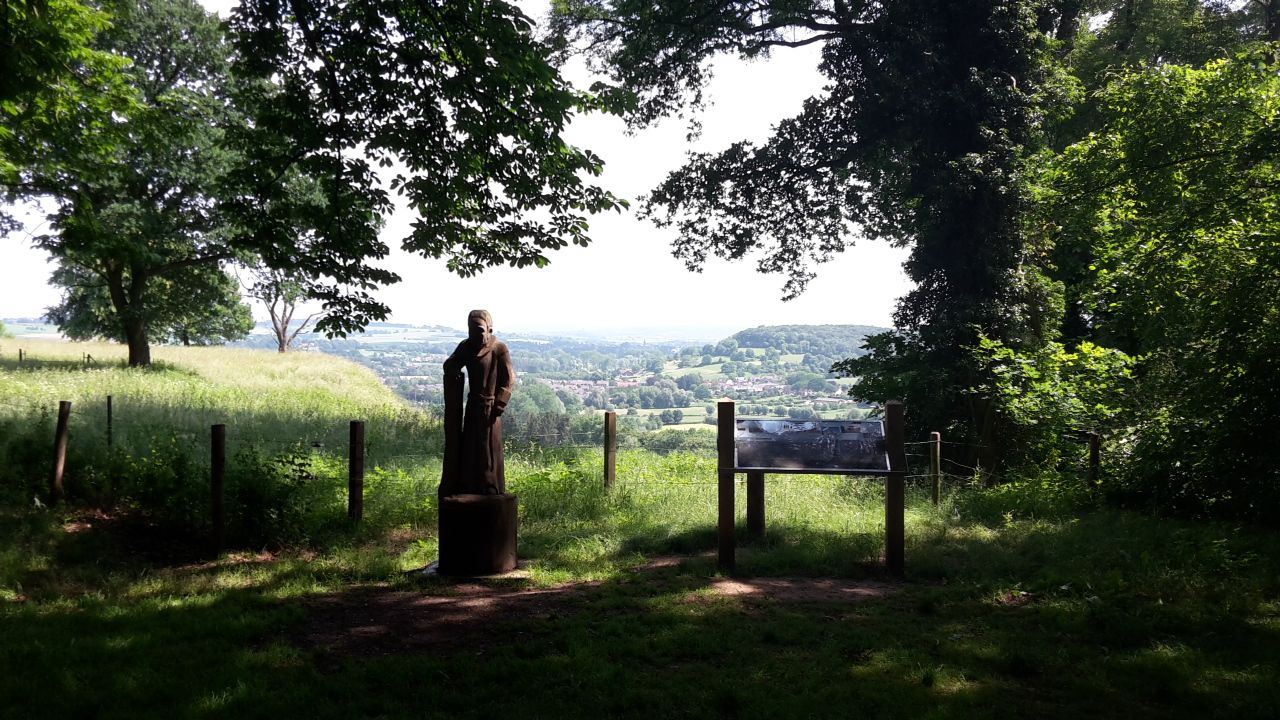
Via Coriovallum – a pilgrimage in the Dutch region of South Limburg
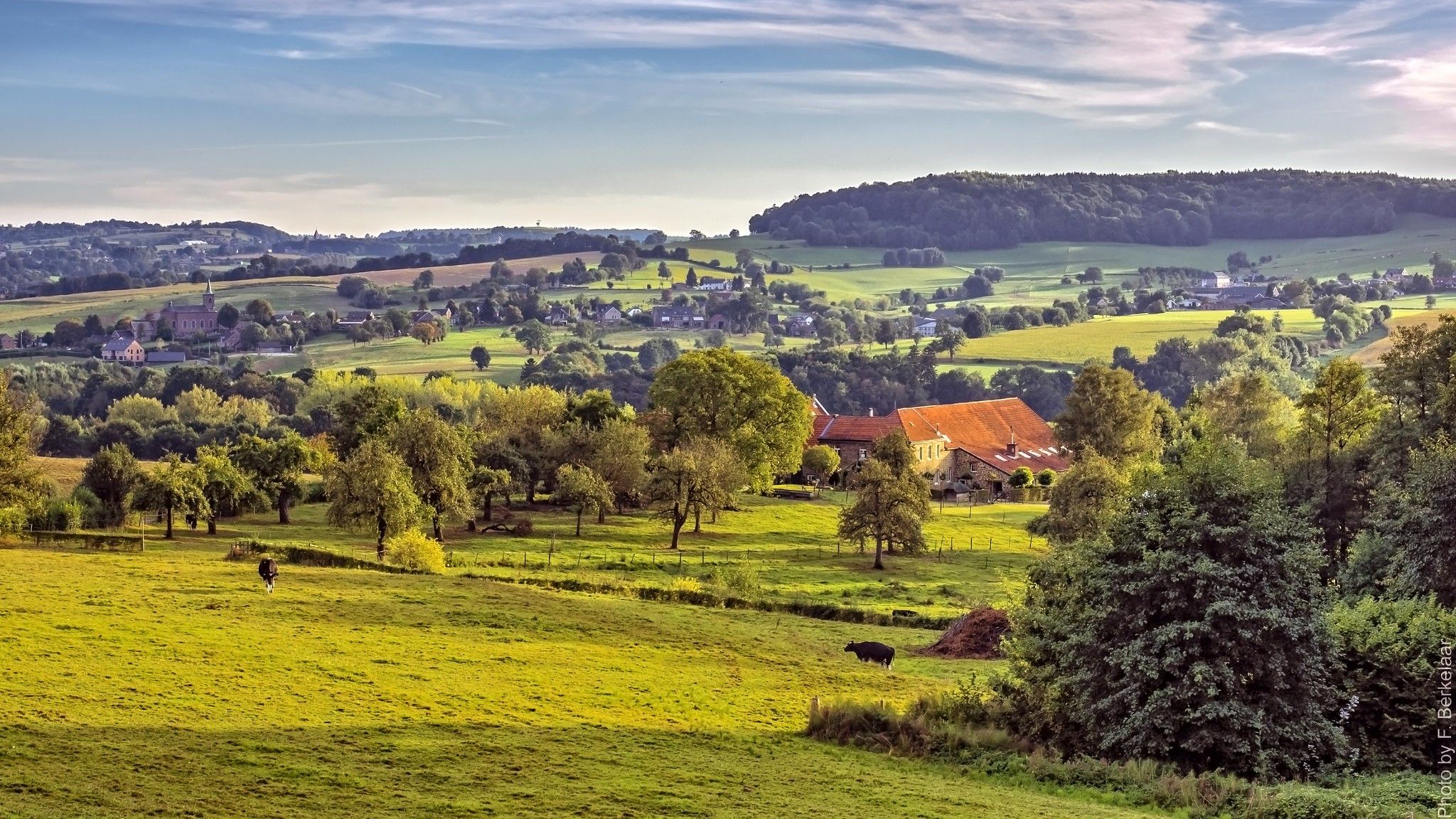
Pilgrim's Way part 2 — s-Hertogenbosch to Maastricht
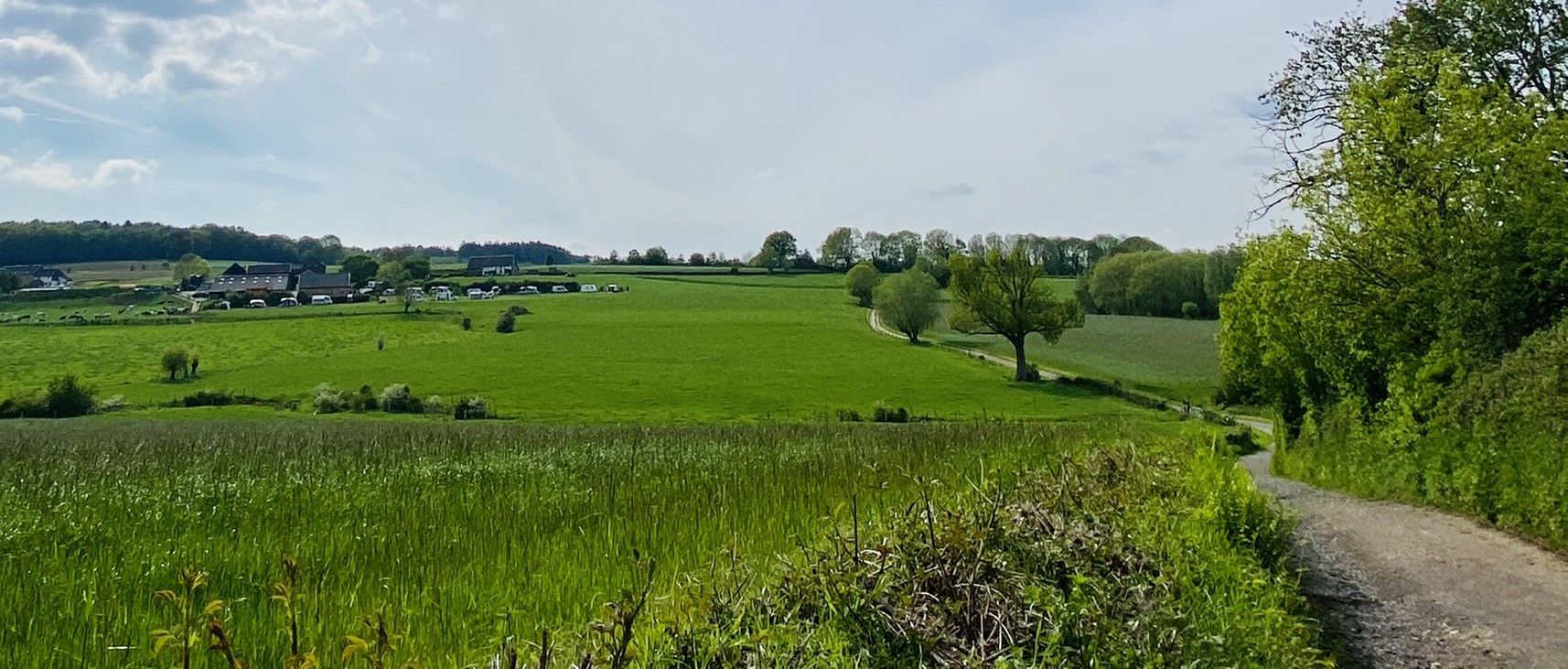
The Krijtlandpad trail - South Limburg at its best in five hiking stages
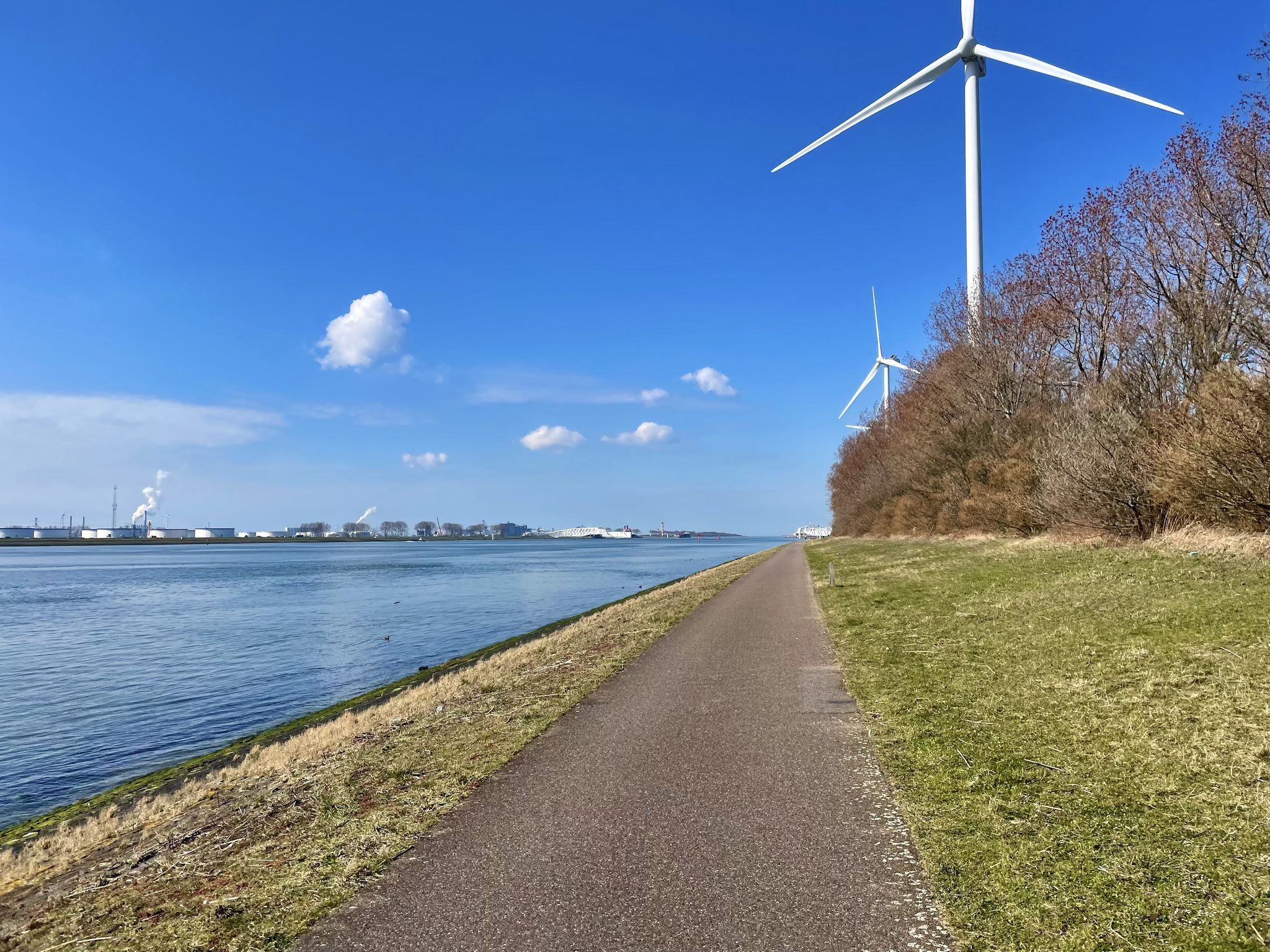
The Meuse Cycle Route - Follow the Meuse from the hills to the harbor
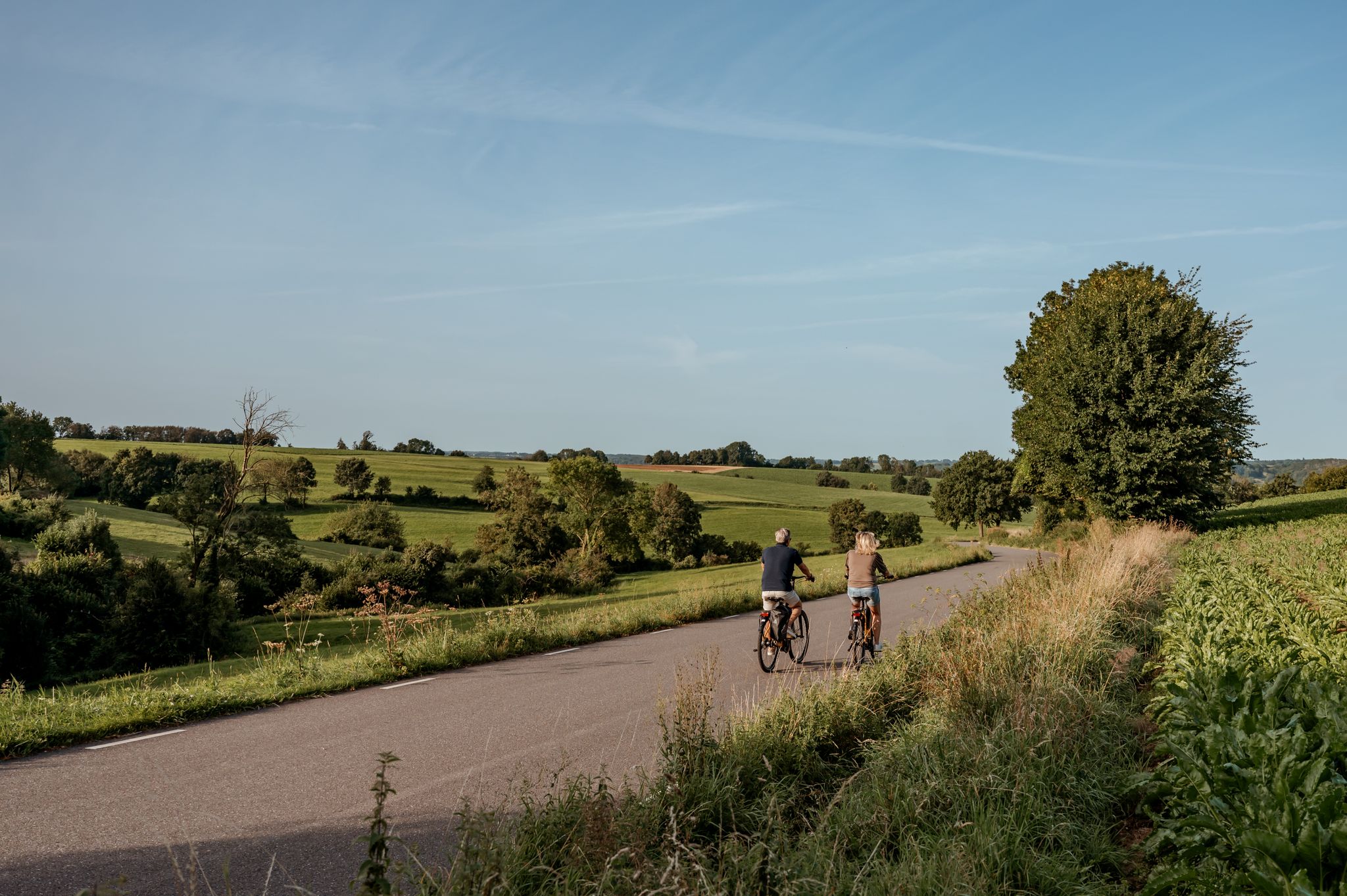
The best of South Limburg by bike
The Meuse Cycle Route - Follow the Meuse from the hills to the harbor
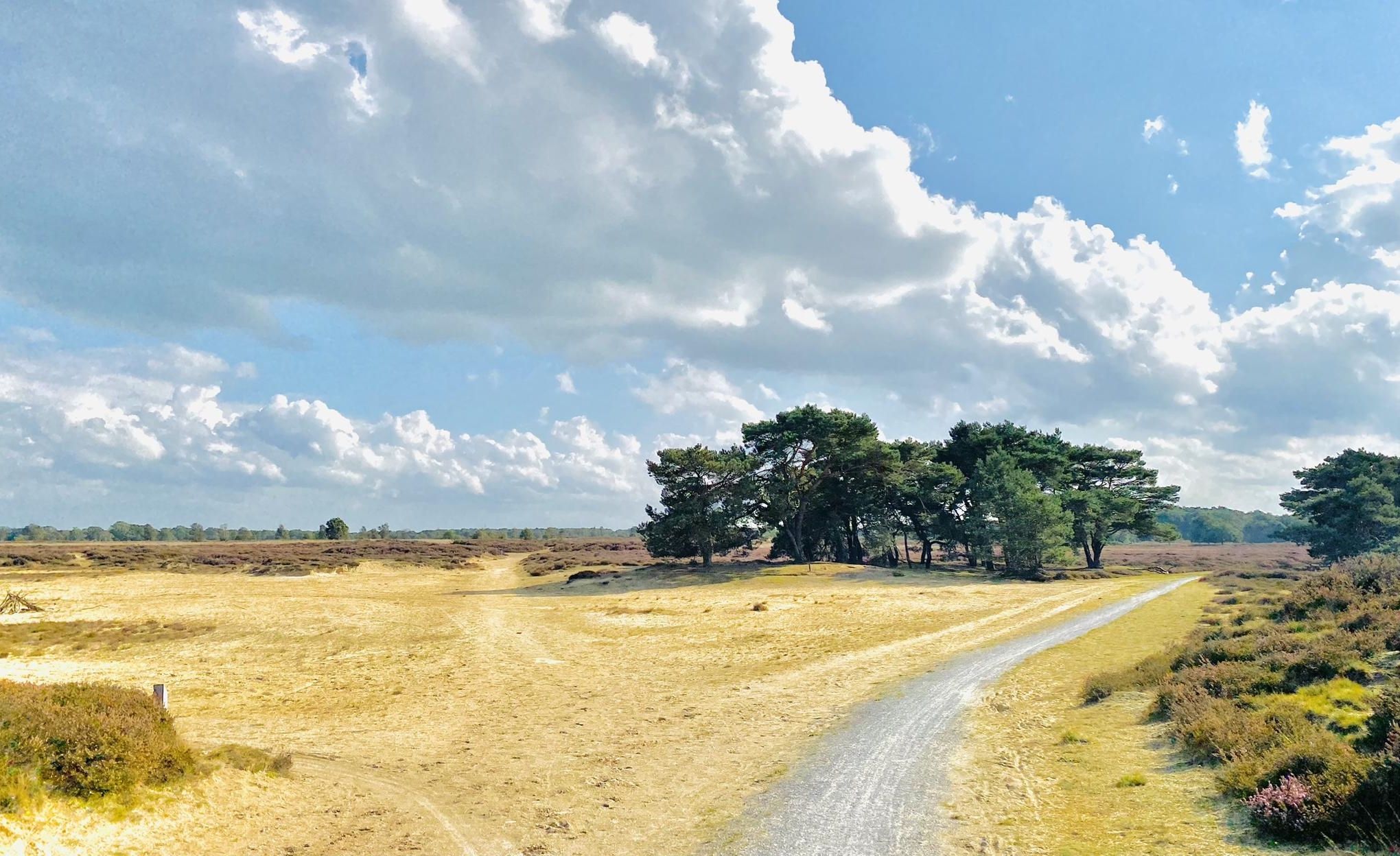
Outside the built-up area - 10 trail runs between stations (30-55 km)
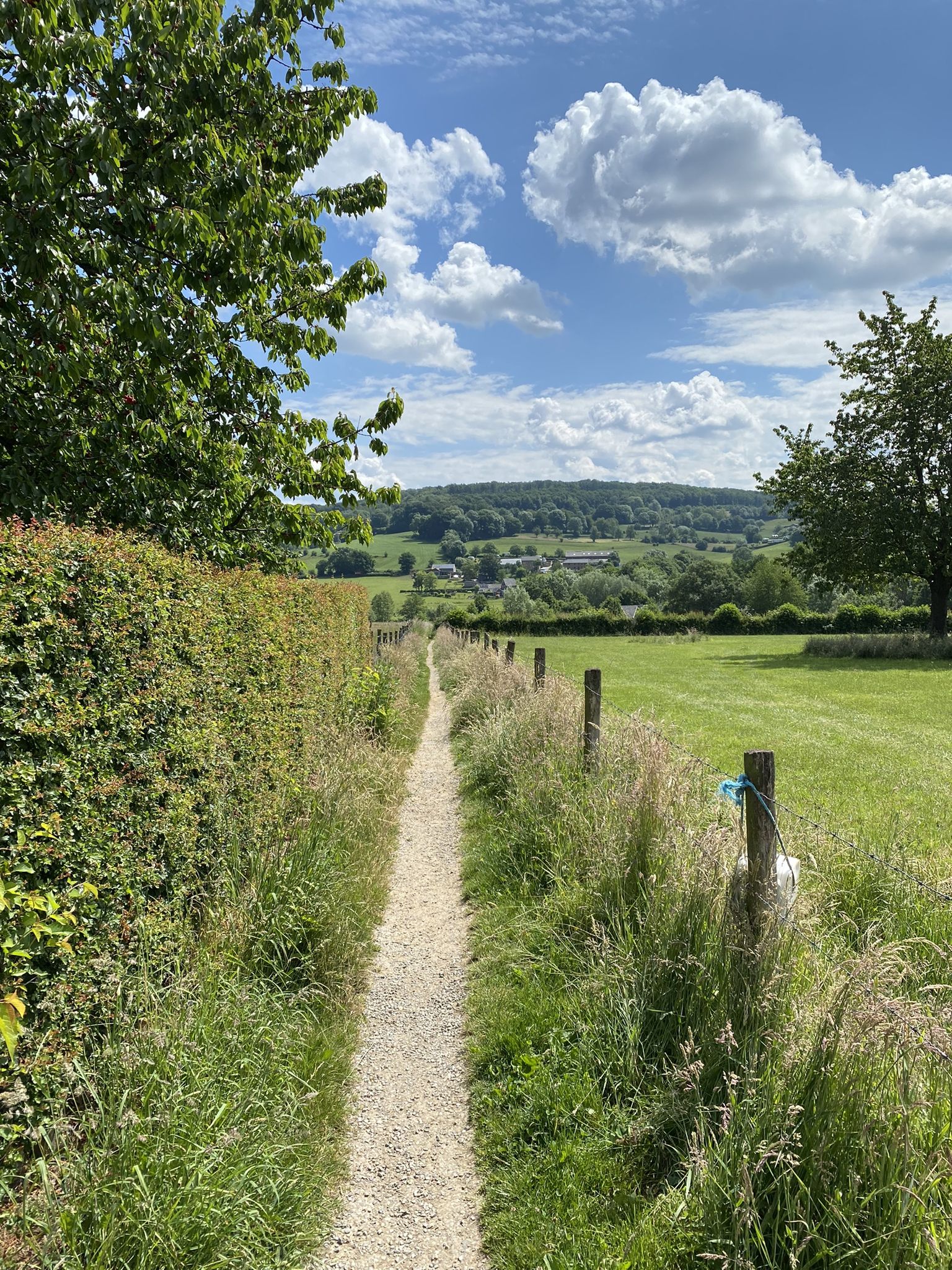
Train your calves in the rolling hills - 10 trailruns in Limburg
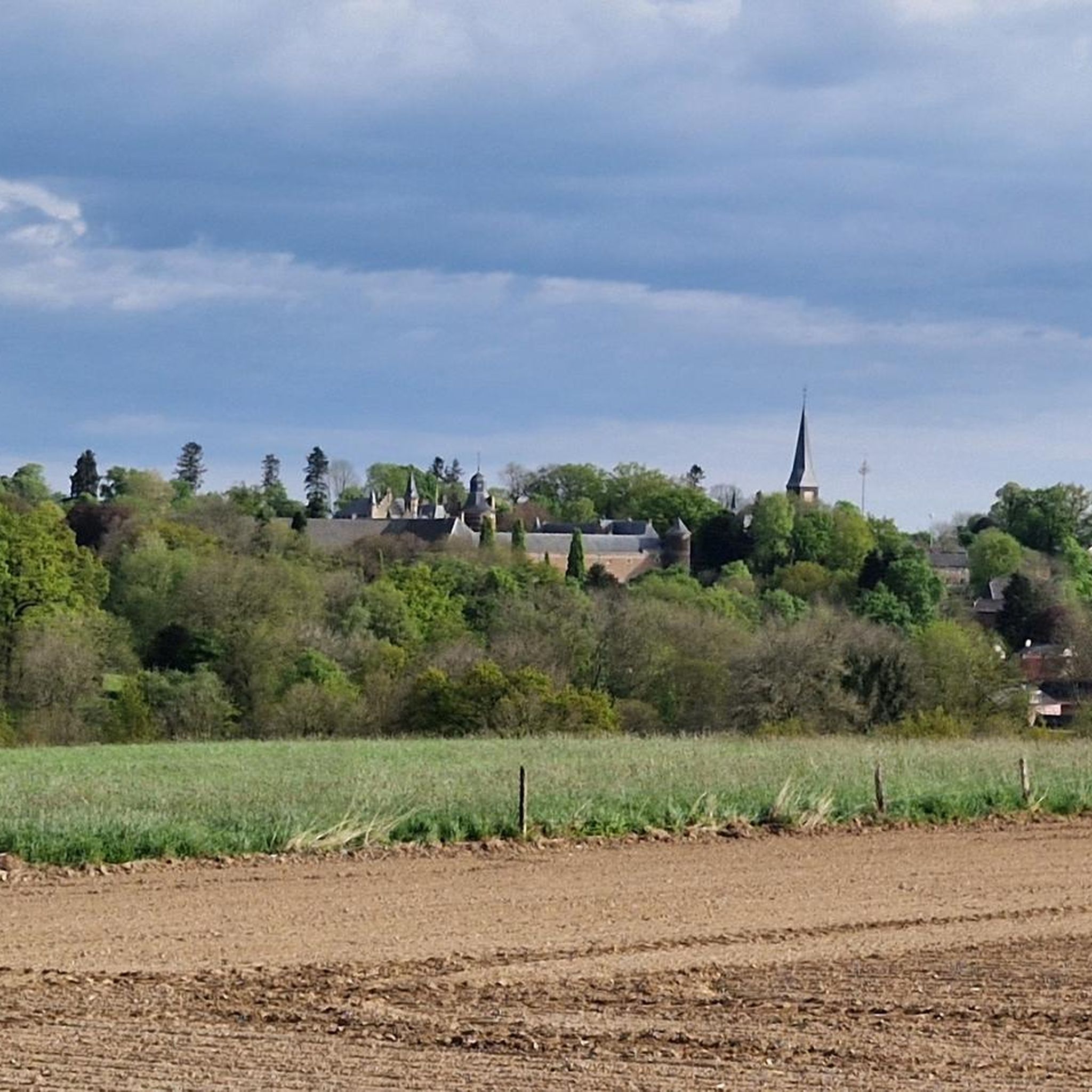
Cycling around Eijsden-Margraten
Road Cycling Routes around Eijsden-Margraten
Other adventures around Eijsden-Margraten


Tips from the Community

Top prehistoric caves and landscape
0
0

The Path along the Voer is an idyllic hiking trail that follows the winding Voer stream through the atmospheric, hilly landscape of the Voerstreek region. Walking along the babbling brook, you will pass characteristic half-timbered farmhouses, artisanal syrup distilleries, and historic water mills, such as the Molen van Hof van Onder in 's-Gravenvoeren. The unpaved hiking path meanders through lush meadows full of high-stemmed orchards, over narrow bridges, and past wooden turnstiles. Along the way, you will enjoy rustic glimpses of castle domains and the typical South Limburg border landscape where kingfishers and trout thrive in the pure stream water.
0
0
The Path along the Voer is an idyllic hiking route that follows the winding Voer stream through the atmospheric, hilly landscape of the Voerstreek. Walking along the babbling brook, you pass characteristic half-timbered farmhouses, artisanal syrup distilleries, and historic water mills, such as the Molen van Hof van Onder in 's-Gravenvoeren. The unpaved hiking path meanders through lush meadows full of high-stemmed orchards, over narrow bridges, and past wooden turnstiles. Along the way, you can enjoy rustic vistas of castle estates and the typical South Limburg border landscape where kingfishers and trout thrive in the pure stream water.
0
0
Enjoy a beautiful panoramic view over the rolling landscape of 's-Gravenvoeren. An ideal spot to pause, take photos, and experience the tranquility and nature of the Limburg hills.
0
0

There is often beautiful light at this spot.
2
0

Nowhere in Flanders will you find such a beautiful collection of half-timbered houses as in the hamlet of Veurs in Voeren. All these houses are mainly from the 18th and early 19th centuries and have for the most part been restored to their original condition. You will feel like you have traveled back a century in time as you wander around here.
4
0


This is the Trichter quarry, a former quarry where marl was extracted for agriculture.
0
0
Frequently Asked Questions
How many hiking trails are available in Eijsden-Margraten?
Eijsden-Margraten offers a vast network of hiking trails, with over 450 routes to explore. These range from easy strolls to more challenging ascents, catering to various fitness levels.
What kind of landscape can I expect when hiking in Eijsden-Margraten?
The region is known for its distinct South Limburg 'hill country' topography, featuring rolling hills, ancient forests like the Savelsbos, and picturesque riverine areas along the Maas and Voer. You'll also encounter unique Mergelstenen Muurtjes (marlstone walls) and charming villages.
Are there any unique natural or historical features to look out for on the trails?
Absolutely! The region is rich in unique features. You can explore the ancient Savelsbos forest, discover distinctive marlstone walls, and visit historical sites. For example, the Bemelerberg Marl Caves loop takes you near fascinating cave systems. You can also find highlights like Strooberg Quarry or Trichterberggroeve Limestone Quarry.
Are there family-friendly hiking options in Eijsden-Margraten?
Yes, many trails are suitable for families. The region offers numerous easy routes, perfect for a leisurely day out with children. The Savelsbos – Savelsbos — The Henkeput loop is an easy 6.4 km trail through the ancient Savelsbos forest, ideal for a family adventure.
Can I bring my dog on hikes in Eijsden-Margraten?
Many trails in Eijsden-Margraten are dog-friendly, especially those through forests and open countryside. It's always advisable to keep your dog on a leash, particularly in nature reserves or near livestock, and to check local regulations for specific areas.
Are there many circular hiking routes available?
Yes, circular routes are very common in Eijsden-Margraten, allowing you to start and end your hike at the same point without needing to retrace your steps. Many of the most popular trails, such as the Steep Path in Savelsbos – Wild Garlic Trail at Savelsbos loop, are designed as loops.
Can I combine hiking with visiting historical sites or castles?
Absolutely. The region is dotted with historical and cultural sights. You can find several castles, such as Château Neercanne or Commandery of Sint-Pieters-Voeren, and ancient water mills, particularly along the Voer river. The Between the meadows – Half-timbered Houses in Veurs loop from Noorbeek offers a glimpse of traditional architecture.
Where can I find panoramic viewpoints during my hike?
The rolling hills and elevated areas like the Plateau van Margraten offer expansive views over the South Limburg landscape. Trails such as the View of 's-Gravenvoeren – Path Along the Voer loop provide scenic vistas of the countryside.
How accessible are the hiking trails by public transport?
While some trailheads are accessible by public transport, particularly in larger villages, many routes in the more rural areas of Eijsden-Margraten are best reached by car. It's recommended to check local bus schedules if you plan to rely on public transport.
Is parking readily available near trailheads?
Parking is generally available in or near the villages and popular starting points for trails. However, during peak seasons or on busy weekends, it's advisable to arrive early, especially for well-known routes within areas like the Savelsbos.
What do other hikers enjoy the most about hiking in Eijsden-Margraten?
The area is highly rated by the komoot community, with an average score of 4.5 stars from over 6,000 reviews. Hikers often praise the diverse landscapes, from ancient forests to rolling hills, the charming villages, and the well-maintained network of trails that cater to all abilities.
Most popular routes around Eijsden-Margraten
Most popular attractions around Eijsden-Margraten

Get inspired with the komoot mobile app


Explore more
Browse the best Hikes in other regions.
