The best walks and hikes around Donhead St. Mary
4.7
(445)
2,432
hikers
16
hikes
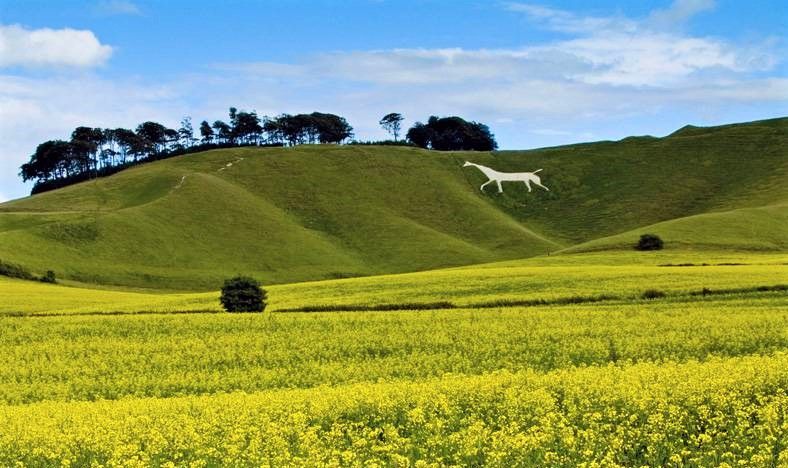
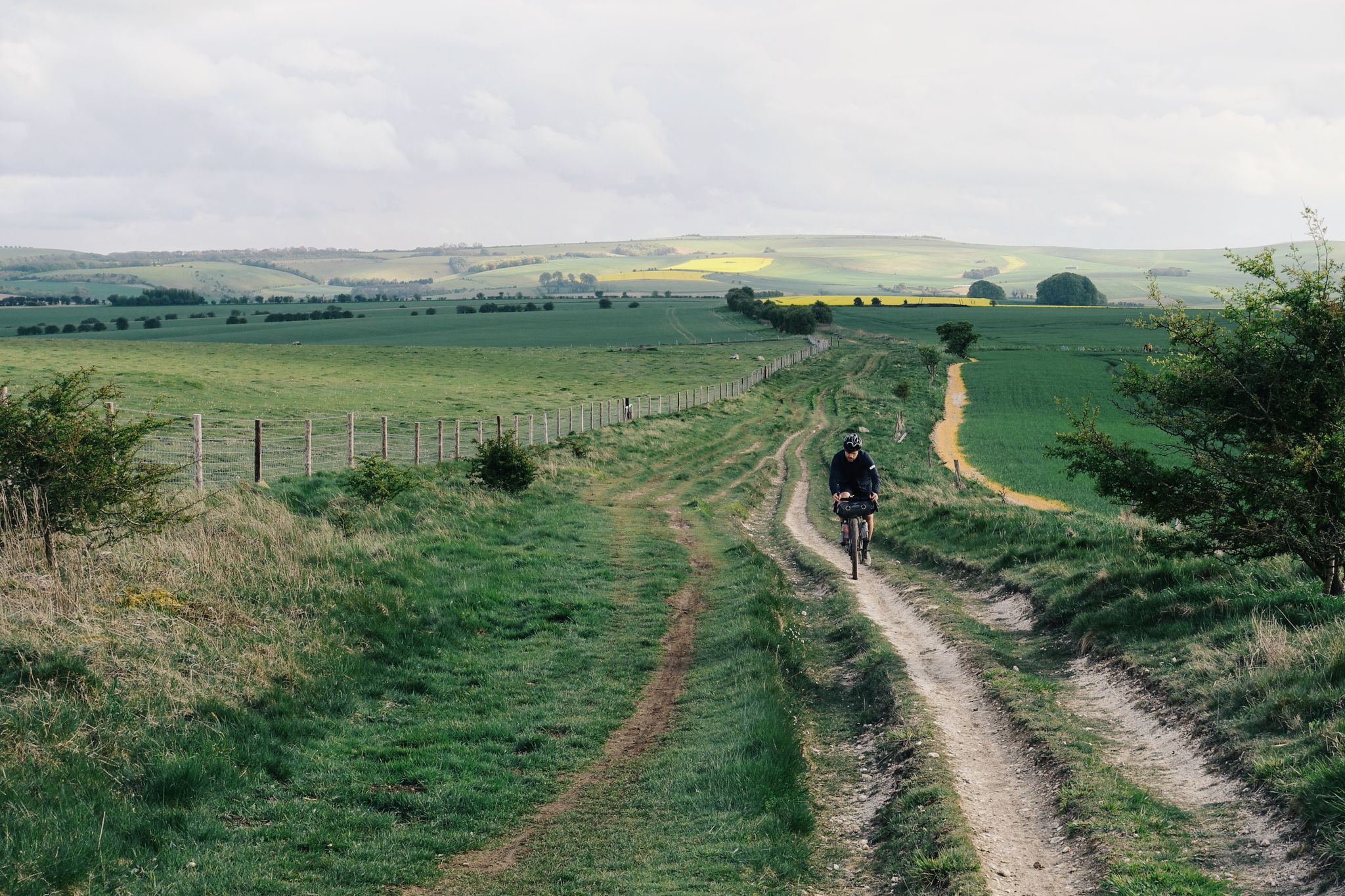
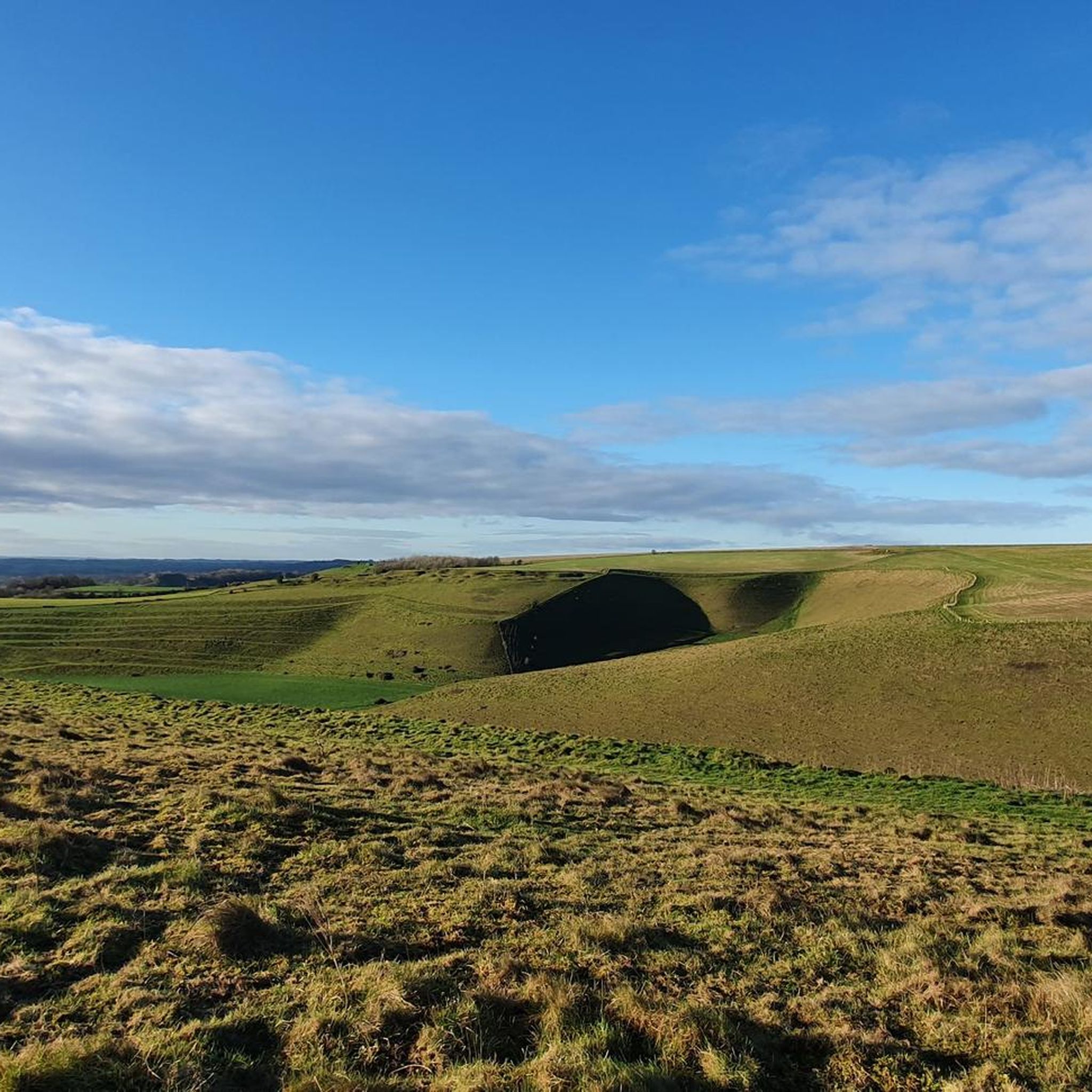
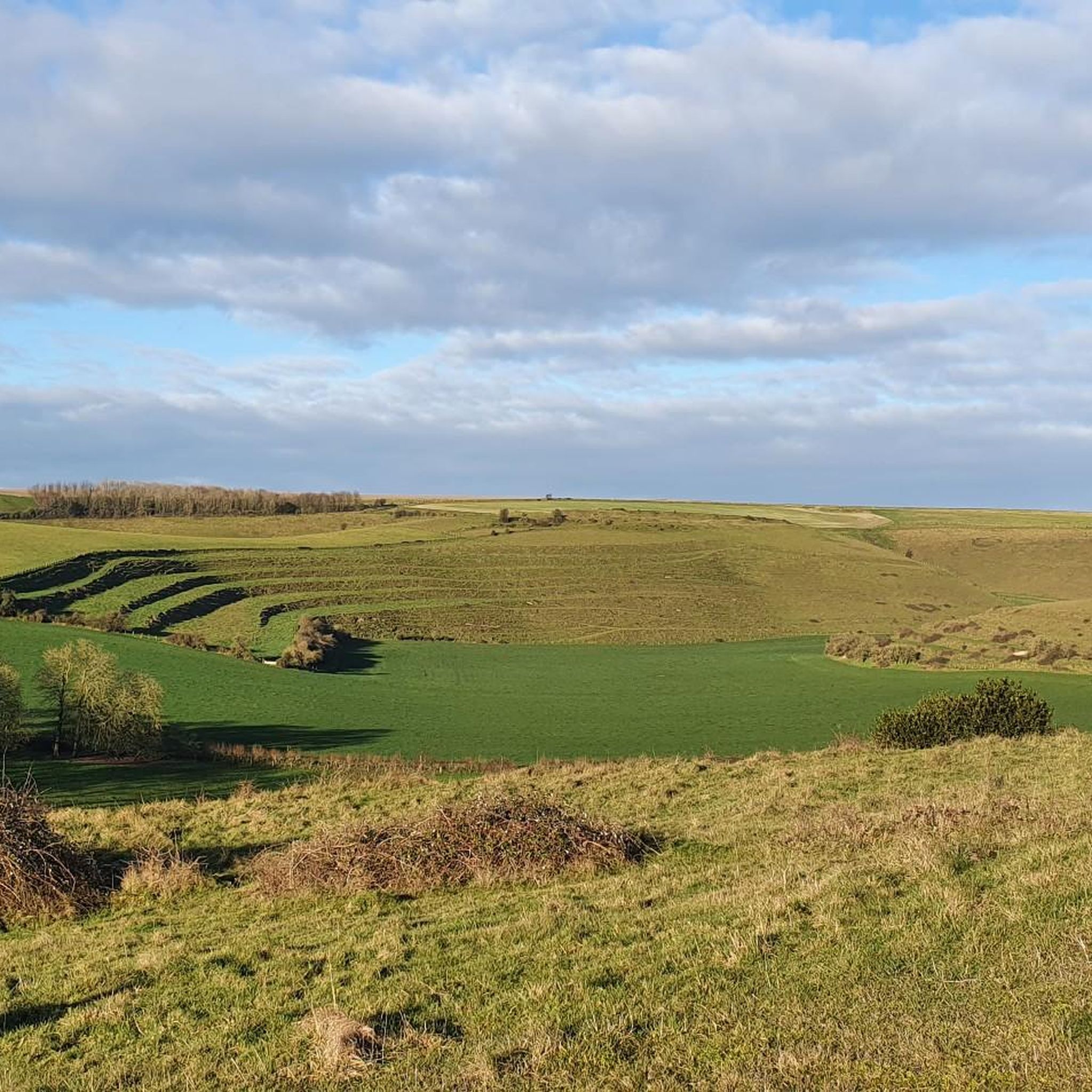
Hiking around Donhead St. Mary offers diverse landscapes within the Cranborne Chase and West Wiltshire Downs Area of Outstanding Natural Beauty (AONB). The region features a patchwork of chalk downland, Greensand ridges, and ancient woodlands. Hikers can explore varied terrain, including quiet lanes, steep hills, and tranquil riverside paths along the River Nadder. This area provides a range of trails suitable for different fitness levels, from gentle strolls to more challenging ascents.
Best hiking trails around Donhead St. Mary
- The…
Last updated: June 25, 2026
4.7
(16)
121
hikers
Embark on the Tollard Royal & Berwick Down loop from Win Green, a moderate hike spanning 5.5 miles (8.8 km) with an elevation gain of 594 feet (181 metres). This…
4.9
(8)
32
hikers
11.1km
03:09
220m
220m
Moderate hike. Good fitness required. Easily-accessible paths. Suitable for all skill levels.

Sign up for free
4.8
(4)
8
hikers
22.2km
06:11
410m
410m
Hard hike. Very good fitness required. Easily-accessible paths. Suitable for all skill levels.
3.5
(2)
10
hikers
5.34km
01:34
150m
150m
Easy hike. Great for any fitness level. Easily-accessible paths. Suitable for all skill levels.
8
hikers
9.33km
02:37
180m
180m
Moderate hike. Good fitness required. Easily-accessible paths. Suitable for all skill levels.
Get access to more routes and recommendations from other explorers.
Sign up for free
Already have an account?
Our route recommendations are based on thousands of hikes, rides, and runs completed by other people on komoot.
Start today with a free account
Your next adventure awaits.
Login or Signup

Other adventures around Donhead St. Mary


Tips from the Community

The town hall was the headquarters of Shaftesbury Borough Council for much of the 20th century but ceased to be local seat of government when the enlarged North Dorset District Council was formed in 1974. It then became the home of Shaftesbury Town Council.
1
0

St Peter's Church is the oldest church in Shaftesbury, located at the top of the famous Gold Hill, right next to the ruins of Shaftesbury Abbey. It is a key historic building and a prominent part of the town's landscape. St Peter's Church was originally built in the 14th century to serve pilgrims visiting the nearby Shaftesbury Abbey. Due to economic hardships, such as the Black Death, its construction was prolonged, resulting in a mix of architectural styles, including Decorated and Perpendicular Gothic. The lower part of the tower is the oldest section of the current building. The nave and its arcades are from the 14th century, while the clerestory and the panelled oak roofs were added in the 15th and 16th centuries. The church also features a crypt under its south aisle. Decline and Restoration: By the late 19th century, St Peter's fell into disuse and disrepair. It was even used as a grain store during World War II. In 1971, it was officially declared redundant. However, a major restoration effort was launched by local groups, and in 1977, it was rededicated and became the parish church of Shaftesbury once again. It was the first church in the country to be re-established as a full-time parish church after being declared redundant.
0
0
Holy Trinity Church in Shaftesbury is a Grade II listed building with a rich history, but it is no longer a consecrated place of worship. Today, it is known as the Trinity Centre, a vibrant community hub. The current building, designed in the Early English Gothic Revival style by the famous architect Sir George Gilbert Scott, was largely built between 1841 and 1842 on the site of an even older medieval church. The new building featured a 100-foot-tall western tower and a chancel that was added in 1908. It was the principal Anglican parish church in Shaftesbury for over a century, even as the nearby St Peter's Church fell into disuse. However, with declining congregation numbers, Holy Trinity was made redundant as a parish church in 1977. Its congregation was transferred back to the newly restored St Peter's Church, and the Holy Trinity building was sold. I find it weird how a church can be sold off to become a selection of business's, while still keeping its graveyard.
0
0
By the time of the Dissolution of the Monasteries under King Henry VIII in 1539, Shaftesbury Abbey was the second wealthiest nunnery in the country. It was the last abbey to be dissolved, and its buildings were systematically destroyed, with locals taking the stone for their own buildings. The ruins we see today are the excavated foundations of the church and other parts of the abbey complex. The current Town Hall was commissioned by Earl Grosvenor and was built in the Neoclassical style between 1826 and 1837. It is a Grade II listed building, recognized for its architectural and historical significance. I came on a thursday and it was a market day. It's wonderful to see these beautiful rural places having such attractive markets.
1
0
Once one of the most important and wealthiest nunneries in England. The abbey's ruins, consisting mainly of its foundations and remnants of walls, are located in a peaceful walled garden next to the famous Gold Hill. Shaftesbury Abbey was founded by King Alfred the Great in 888 AD. It was the first religious house in England established exclusively for women, and Alfred's daughter, Æthelgifu, was its first abbess. The abbey grew in wealth and importance, particularly after it became the burial site and shrine of St Edward the Martyr, a Saxon king who was murdered at Corfe Castle in 978 AD. His shrine attracted a large number of pilgrims, which brought significant income to the abbey. By the time of the Dissolution of the Monasteries under King Henry VIII in 1539, Shaftesbury Abbey was the second wealthiest nunnery in the country. It was the last abbey to be dissolved, and its buildings were systematically destroyed, with locals taking the stone for their own buildings. The ruins we see today are the excavated foundations of the church and other parts of the abbey complex. Entry is free, and the lovely volunteers are happy to offer a little tour with some details on the Abbey. It must have looked mightily impressive in its day.
0
0
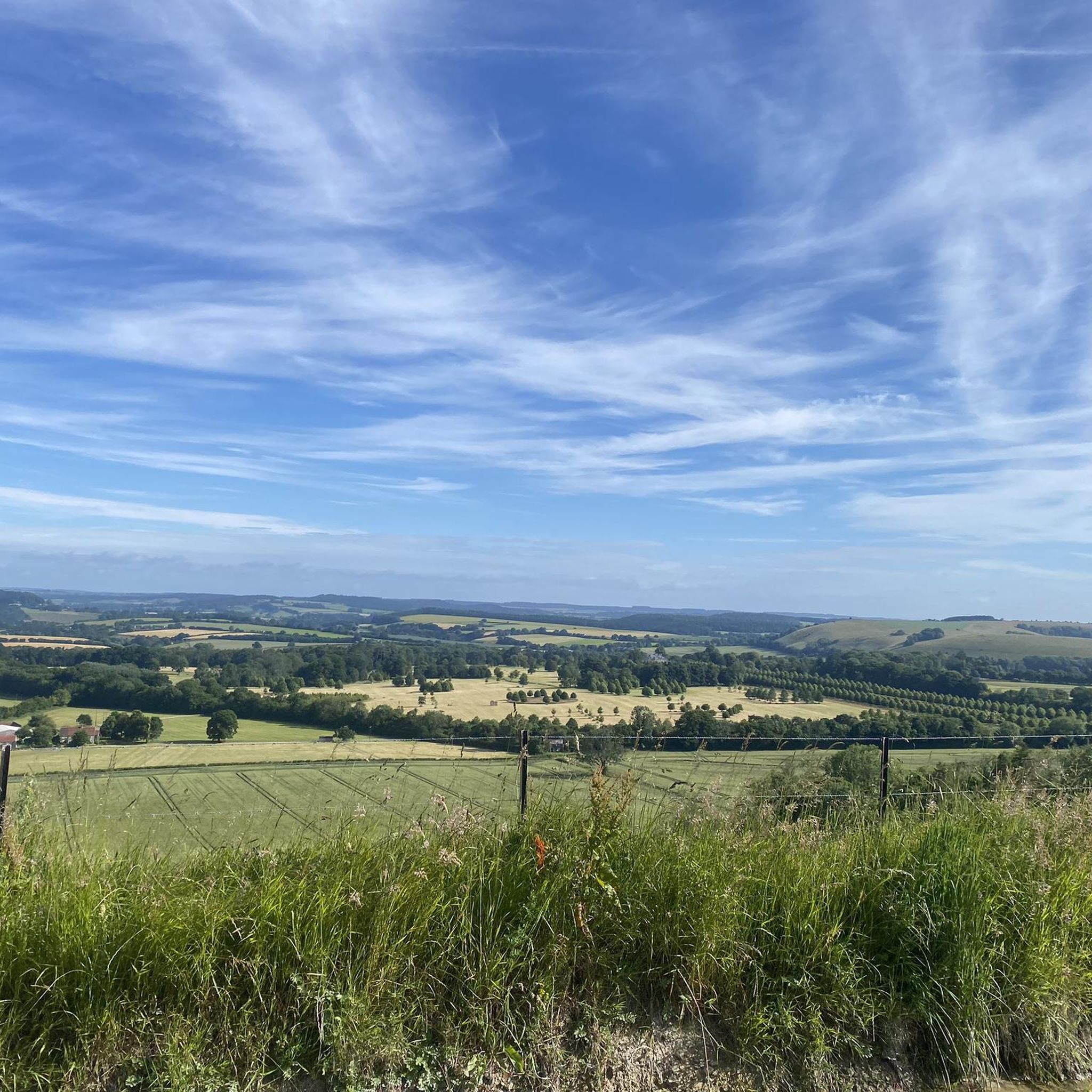
The main attraction of Park Walk is the breathtaking view. From this high vantage point, you can see for miles across the Dorset countryside, a landscape that inspired the works of author Thomas Hardy. The view is so renowned that a panoramic dial is installed on a stone plinth to point out the various landmarks you can see. Park Walk was originally laid out in the 1760s as a fashionable promenade for people to take walks and enjoy the scenery. It was given to the town in 1816 by a landowner named Robert Dyneley. Park Walk is a key part of the "Shaftesbury Loop," a walking route that takes visitors around the town and its surrounding countryside, passing by key historical and scenic spots like Gold Hill and the Abbey. It is a must-visit for anyone in Shaftesbury, offering a peaceful and beautiful place to stroll and take in the magnificent scenery.
1
0

This unlocked gate facilitates access to a little-used public footpath across the Ashdown House property. It is NOT signed as a public path but it definitely is.
0
0

One of the most beautiful places in the south of England 🏴 and amazing views of Wiltshire and Dorset 🤩
0
0
Frequently Asked Questions
How many hiking trails are there in Donhead St. Mary?
There are over 15 hiking trails around Donhead St. Mary, offering a variety of experiences for different fitness levels. The komoot community has explored more than 1100 routes in the area.
Are there any easy hiking trails suitable for beginners or families?
Yes, Donhead St. Mary offers several easy trails perfect for beginners or families. For instance, the Gore Hanging loop from Win Green is a 3.3-mile (5.3 km) easy trail that takes about 1 hour 35 minutes to complete, leading through woodlands and open areas.
What kind of terrain can I expect on hikes around Donhead St. Mary?
The region around Donhead St. Mary features a diverse 'patchwork landscape'. You can expect to encounter chalk downland, Greensand ridges, and ancient woodlands. Trails often consist of field and woodland paths, tracks, and quiet lanes, with some routes including steep gradients, particularly on the hills.
Are there any circular walks in Donhead St. Mary?
Many of the hiking routes in Donhead St. Mary are circular, allowing you to start and end at the same point. An example is the St Mary's Church loop from Semley, a moderate 9.3 km trail that offers a scenic round trip.
What are some scenic viewpoints or landmarks I can see while hiking?
The area boasts several notable viewpoints and landmarks. Win Green Summit is a highlight, offering breathtaking panoramic views over Blackmore Vale and Salisbury Plain, and even to the Isle of Wight on clear days. You can also visit Gold Hill in Shaftesbury, famous for its cobbled climb and stunning vistas, or explore the historic Hambledon Hill Iron Age hill fort.
Are there any historical sites or attractions near the hiking trails?
Absolutely. Beyond the natural beauty, you can visit the ruins of Old Wardour Castle, a 14th-century castle set in landscaped grounds. The 12th-century St Mary's Church in Donhead St. Mary itself is also a historic building worth exploring. Additionally, the nearby town of Shaftesbury offers the Shaftesbury Abbey ruins and gardens.
What do other hikers enjoy the most about hiking in Donhead St. Mary?
The area is highly rated by the komoot community, with an average score of 4.7 stars from over 150 reviews. Hikers often praise the diverse landscapes, from chalk downland to ancient woodlands, and the expansive views, especially from Win Green. The variety of trails suitable for different abilities is also frequently highlighted.
Are there any longer, more challenging hikes for experienced hikers?
Yes, for those seeking a greater challenge, there are difficult routes available. The Win Green Summit – Gold Hill, Shaftesbury loop from Win Green is a demanding 22.2 km trail with significant elevation gain, requiring very good fitness to complete.
Can I find walks that follow the River Nadder?
Yes, the River Nadder rises within the parish of Donhead St. Mary, and some walking routes follow its banks. These trails offer tranquil riverside scenery, providing a different experience from the higher ground and woodlands.
Are there any nature reserves or ancient woodlands to explore?
Donhead St. Mary is home to significant ancient woodlands and nature reserves. Oysters Coppice Nature Reserve, managed by the Wiltshire Wildlife Trust, is a beautiful ancient woodland that hikers can explore. The area is also a biological Site of Special Scientific Interest (SSSI) due to its valuable mosaic of oak, ash, and hazel woodland, supporting diverse wildlife.
Is there parking available for hikers in Donhead St. Mary?
While specific parking details for every trailhead are best checked on individual route pages, areas like Win Green, a popular starting point for many hikes, typically offer parking facilities. It's always advisable to check local signage for parking restrictions.
What is the best time of year to go hiking in Donhead St. Mary?
Donhead St. Mary offers beautiful hiking opportunities year-round. Spring brings vibrant wildflowers, including bluebells in areas like Bluebell Fields in Cranborne Chase & West Wiltshire Downs, while autumn showcases stunning foliage. Summer provides longer daylight hours, and even winter walks can be rewarding with crisp air and clear views, though some paths may be muddy.
Most popular routes around Donhead St. Mary
Most popular attractions around Donhead St. Mary

Get inspired with the komoot mobile app


Explore more
Browse the best Hikes in other regions.
