Attractions and Places To See around Shrewton - Top 20
Best attractions and places to see around Shrewton, a village located on Salisbury Plain in Wiltshire, England, offers a blend of historical landmarks and natural beauty. The area serves as a base for exploring significant cultural sites in its vicinity, including ancient monuments. Shrewton is surrounded by chalk downs, providing scenic landscapes, and is home to the River Till, a Site of Special Scientific Interest.
Best attractions and places to see around Shrewton
- The most popular attraction is Stonehenge,…
Last updated: October 9, 2026
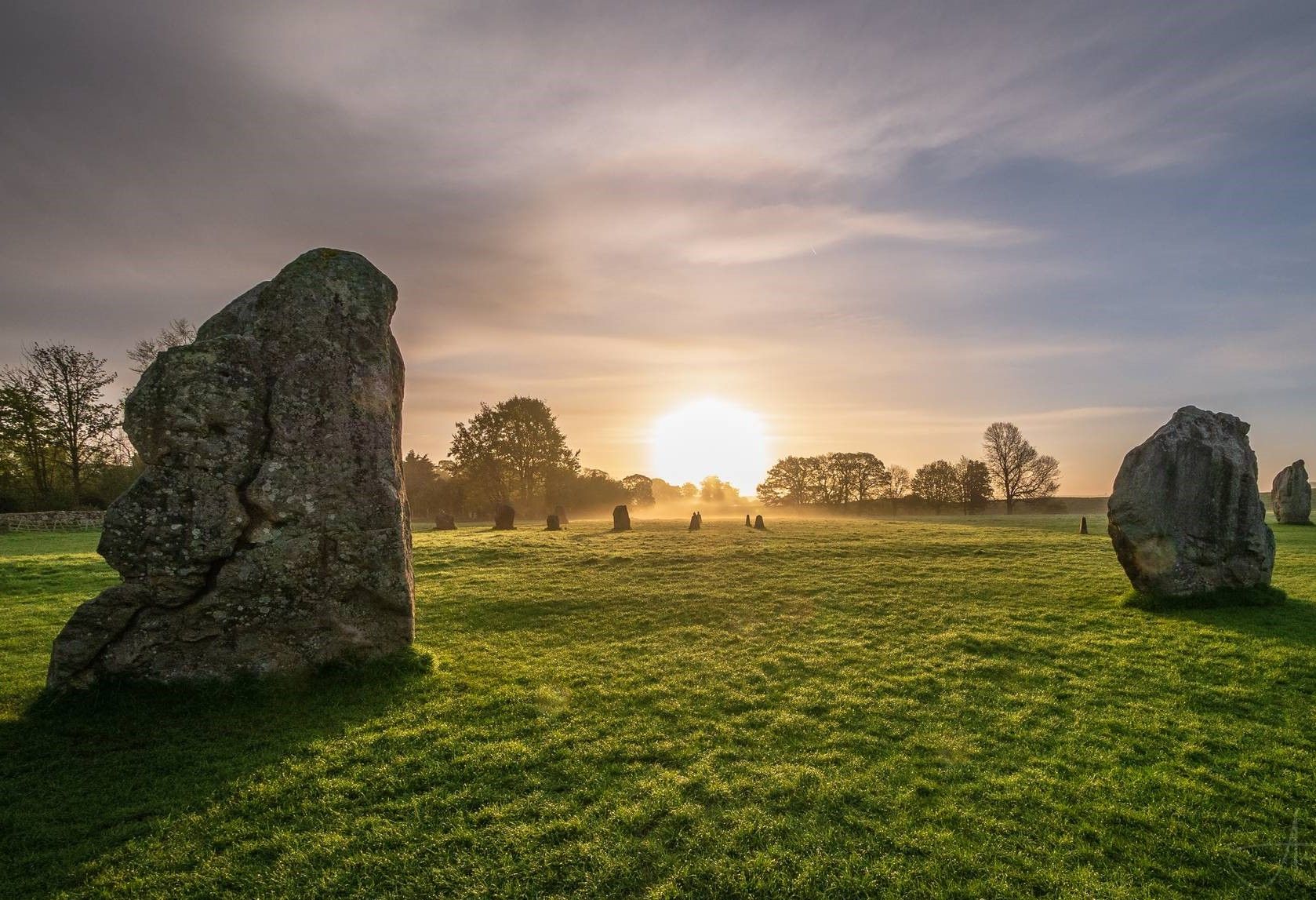
Stonehenge
Highlight • Historical Site
Tip by

Sarsen Stone at Stonehenge Visitor Centre
Highlight • Monument
Translated by Google •
Tip by

Sign up now to discover places like this
Get recommendations on the best single tracks, peaks, & plenty of other exciting outdoor places.
Woodhenge
Highlight • Monument
Tip by

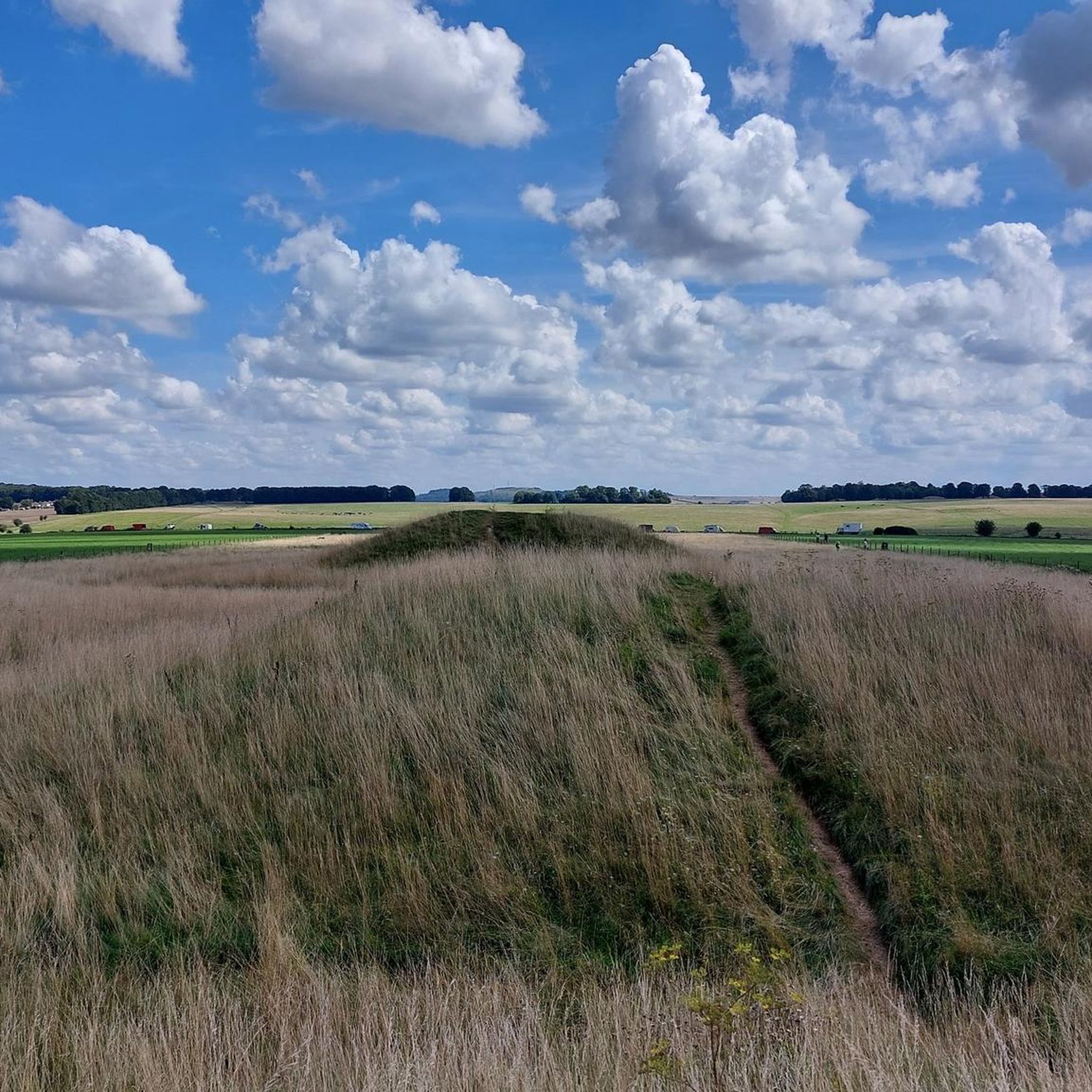
Cursus Barrows
Highlight • Natural Monument
Translated by Google •
Tip by
Church of St Peter and St Paul, Heytesbury
Highlight • Religious Site
Tip by

Sign up for free to discover even more attractions around Shrewton.
Already have an account?
Start today with a free account
Your next adventure awaits.


Other adventures around Shrewton

Tips from the Community


Why exactly there? Archaeologists suspect several reasons: Line of sight From the mounds, there is a direct view of Stonehenge. Sacred landscape The entire plain was a ritual area with paths, graves, and ceremonial sites. Status symbol Important people were buried near the famous sanctuary. Interesting fact There are over 300 burial mounds in the vicinity of Stonehenge – one of the largest prehistoric burial landscapes in Europe.
0
0
Here is a simple overview map explaining the landscape south of Stonehenge and why the burial mounds are located there. Landscape south of Stonehenge The most important range of mounds is called Normanton Down Barrows. It lies about 1 km south of Stonehenge. There are over 40 burial mounds there, dating from 2600–1600 BC. The mounds are situated on a long ridge that faces directly towards Stonehenge. Simplified diagram of the location North ↑ Stonehenge ○ | | approx. 1 km | ───────────────── Hill ridge with many burial mounds (Normanton Down) ○ ○ ○ ○ ○ ○ ○ ○ ○ ○ ↓ South Important hills there One particularly famous burial mound is Bush Barrow A richly furnished grave of a Bronze Age prince, containing gold objects and weapons, was found there.
0
0

It's unbelievable what people have achieved and built in the past (without any technology) - it's simply impressive and breathtaking
2
0

Can someone please be happy/laughing with me that Google Translate turns Amy's "henge and timber monument" into "Denkmal für Hühner 🐔" in German? - Great 😂😂😂
0
0


To the south lies a group of burial mounds called the Cursus Barrows. The footpath to the impressive stone circle leads across the fields with the burial mounds, which can be clearly seen and are well explained on a display board. Bone remains and various beads were found in the graves.
5
0
Sarsen stones are blocks of sandstone found in large numbers in England, it is a contraction of Saracen stone, where “Saracenic” is equivalent to “pagan”. In this respect, sarsen means something like “heathen stone”, “stone of the heathen”. The most famous sarsen stones can be found here in Stonehenge.
7
0
Frequently Asked Questions
What historical sites can I visit directly in Shrewton village?
Within Shrewton itself, you can explore the distinctive Blind House, a historic village lock-up dating from around 1700. Other notable local landmarks include Shrewton Manor (17th-century) and Shrewton House (circa 1830). The village also features St Mary's Church on the High Street, with parts dating back to the late 12th or early 13th century, and a plaque marking the birthplace of Sir Cecil Chubb, who famously donated Stonehenge to the nation.
Beyond Stonehenge, what other ancient sites are near Shrewton?
Besides the iconic Stonehenge, you can visit Woodhenge, a Neolithic timber circle monument discovered in 1926, located within the Stonehenge World Heritage Site. Additionally, the Cursus Barrows, a group of Neolithic and Bronze Age burial mounds, are visible along the footpaths south of Stonehenge and offer a glimpse into ancient burial practices.
Are there any notable churches to visit in the Shrewton area?
Yes, the area boasts several historic churches. In Shrewton, there's St Mary's Church on the High Street, with origins in the late 12th or early 13th century. Nearby, in the Maddington part of the parish, another St Mary's Church, with Norman origins, is now managed by the Churches Conservation Trust. Also cared for by the Trust is St Andrew's Church in Rollestone, a Grade II* listed building from the early 13th century. Further afield, you can visit the impressive Church of St Peter and St Paul in Heytesbury, founded in the late 11th century.
What natural features can I explore around Shrewton?
Shrewton is situated on Salisbury Plain, an area rich in Neolithic earthwork remains and offering extensive countryside for walks. The village is surrounded by scenic chalk downs, perfect for exploring. The River Till, which flows through the area, is designated as a Site of Special Scientific Interest, though it typically flows in winter and dries up in summer.
What outdoor activities can I do near these attractions?
The Shrewton area is excellent for outdoor activities. You can find numerous routes for running, cycling, and gravel biking. For example, there are several running loops like 'Running loop from Appleford School' and 'The Cursus loop from Shrewton'. Cycling enthusiasts can enjoy routes such as 'View of Stonehenge – Ludgershall Castle Ruins loop' or 'Old Sarum Ruins – View of Stonehenge loop'. Gravel biking options include 'Wylye Valley Quiet Road – Honeypot Lane Trailhead loop'. You can explore more options on the running trails guide, cycling guide, and gravel biking guide for the area.
Are there family-friendly attractions around Shrewton?
Yes, several attractions cater to families. The Stonehenge visitor centre offers exhibitions and Neolithic houses. Sarsen Stone at Stonehenge Visitor Centre allows visitors to experience the scale of the stones firsthand. Woodhenge provides a quieter, open space for exploration. For a different kind of family outing, Cholderton Rare Breeds Farm, about 8.9 miles from Shrewton, is a popular choice.
Are there any wheelchair accessible attractions near Shrewton?
The Sarsen Stone at Stonehenge Visitor Centre is noted as being wheelchair accessible, allowing visitors to get close to one of the large sandstone blocks used in the monument.
What do visitors enjoy most about the attractions around Shrewton?
Visitors particularly appreciate the historical significance and scale of sites like Stonehenge, often noting the informative visitor centre. The peaceful atmosphere of Woodhenge, away from larger crowds, is also frequently highlighted. The opportunity to explore ancient landscapes and the sense of history are key draws for those visiting the Shrewton area.
What is the best time to visit the attractions around Shrewton?
The best time to visit largely depends on your interests. For outdoor activities like walking and exploring the chalk downs, spring and autumn offer pleasant temperatures and beautiful scenery. Summer is also popular, though the River Till may dry up. For visiting historical sites like Stonehenge, booking tickets in advance is recommended, especially during peak season, regardless of the time of year.
Are there other significant historical sites within a short drive of Shrewton?
Yes, beyond the immediate vicinity, you can visit Old Sarum, an English Heritage site with a long history of human occupation, located about 13 km from Shrewton. Also, Salisbury Cathedral, known for its graceful spire, is approximately 16 km away and offers a magnificent architectural experience.
Where can I find more information about the local churches in Shrewton?
For detailed information on the churches in the Shrewton area, including St Mary's Church (Maddington) and St Andrew's Church (Rollestone) which are cared for by the Churches Conservation Trust, you can refer to resources like A Stroll Around the Churches of Shrewton or the Wiltshire walks page on the Visit Churches website.
Most popular attractions around Shrewton

Get inspired with the komoot mobile app


Explore more
Still not found the Highlight you’re looking for? See guides of the top attractions in other regions:
