Top 6 Castles around Van
Best castles around Van are found in eastern Turkey, a region rich in history, particularly showcasing the Urartian civilization and later Ottoman influence. The area is characterized by its strategic landscapes, including cliffs and plains, offering commanding views. These historical sites provide insights into ancient engineering and architectural styles. The region's cultural significance is deeply rooted in its past as a center for powerful empires.
Best castles around Van
- The most popular castles include Van Castle, an Iron Age fortress that served as the Urartian capital, Tushpa. It features rock-carved chambers, the Xerxes Inscription, and royal rock tombs.
- Another must-see spot is Hoşap Castle, a striking 17th-century fortress largely built by Mahmudi chieftain Sarı Süleyman. It is known for its dramatic location on a rock crag and its distinctive Lion Gate.
- Visitors also love Çavuştepe Castle, an impressive Urartian fortress built by King Sarduri II. It is divided into Upper and Lower sections, containing temples, a palace, and extensive storage rooms.
- Van is known for ancient Urartian fortresses, medieval strongholds, and Ottoman-era castles. These sites offer a variety of architectural styles and historical periods to explore.
- The castles around Van are appreciated by the komoot community, with more than 100 upvotes and over 40 photos shared across various related highlights.
Last updated: June 15, 2026
Caerphilly Castle
Highlight • Historical Site
Tip by

Castell Coch
Highlight • Historical Site
Entry to the castle costs £7.70 for adults, £4.60 for children, £6.10 for seniors, and £21.60 for families. For more information, visit: cadw.gov.wales/visit/places-to-visit/castell-coch.
Tip by

Sign up now to discover places like this
Get recommendations on the best single tracks, peaks, & plenty of other exciting outdoor places.
Sign up for free
Ruperra Castle
Highlight • Castle
Tip by

Cardiff Castle
Highlight • Castle
The castle is open from 10am - 4pm Monday to Thursday and from 9am - 6pm Friday to Sunday. The entrance for adults costs £12.50.
Tip by

View of Ruperra Castle from the Gates
Highlight • Historical Site
Tip by

Sign up for free to discover even more castles around Van.
Sign up for free
Already have an account?
Start today with a free account
Your next adventure awaits.
Login or Signup
Tips from the Community

Well-preserved castle. Worth visiting. Impressive in its scale. Lots of attractions.
2
0

Built in 1280, this castle has a fascinating life story. It is the second largest castle and grounds in UK, slightly smaller than Windsor castle. The water defenses are now home to plenty of birds and the grounds offer fantastic views of this stunning castle
1
0

Ruperra Castle or Rhiwperra Castle (Welsh: Castell Rhiw'r Perrai) is a Grade II* Listed building and Scheduled Ancient Monument, situated in Lower Machen in the county borough of Caerphilly, Wales. Built in 1626, the castle is in a ruinous condition as at 2023. Its grounds are listed on the Cadw/ICOMOS Register of Parks and Gardens of Special Historic Interest in Wales.
1
0

Built in 1626 by Sir Thomas Morgan, Steward to the Earl of Pembroke, it was one of the first of the 'mock' castles to be built in Wales. In 2022 Cadw designated the castle gardens and park Grade II on the Cadw/ICOMOS Register of Parks and Gardens of Special Historic Interest in Wales.
1
0
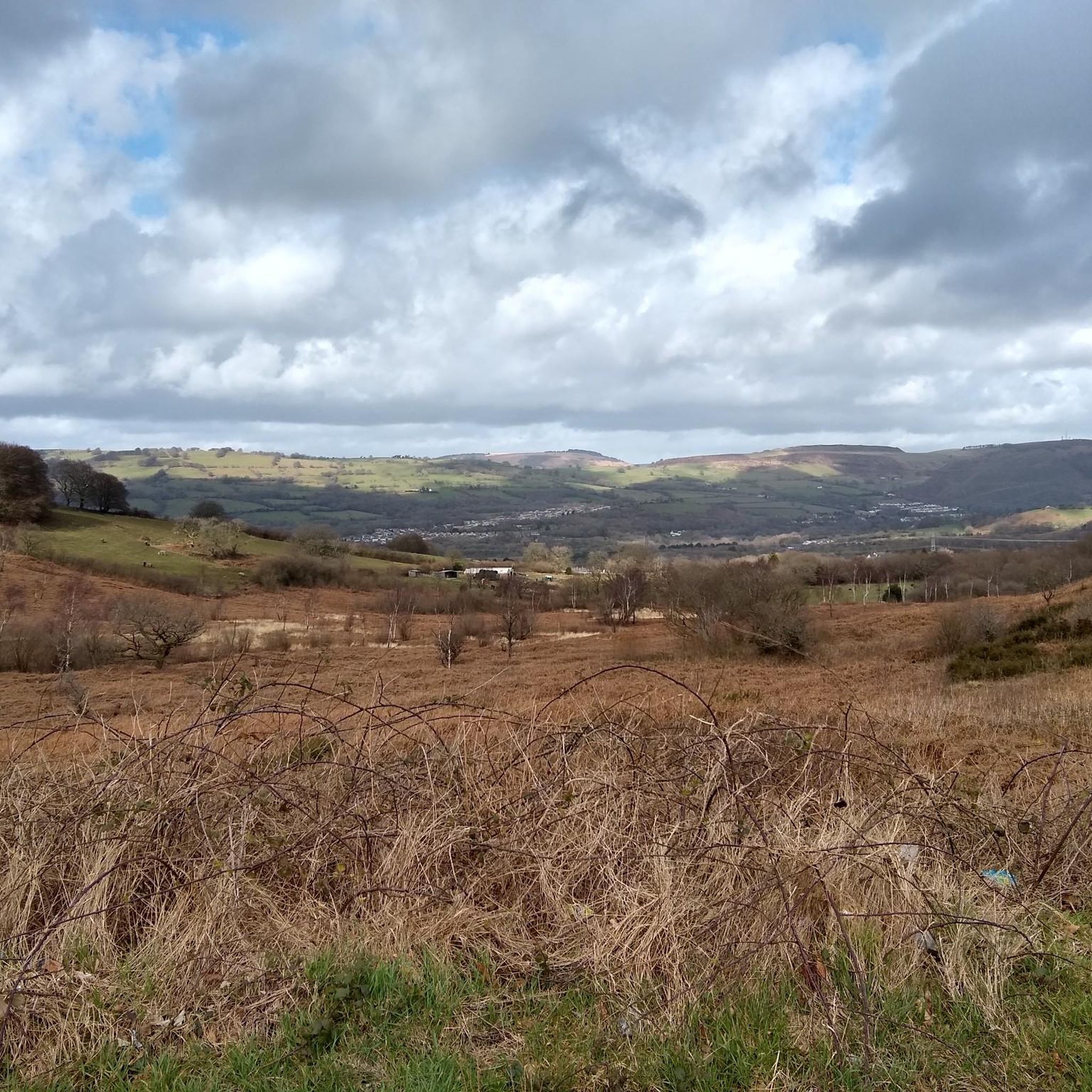
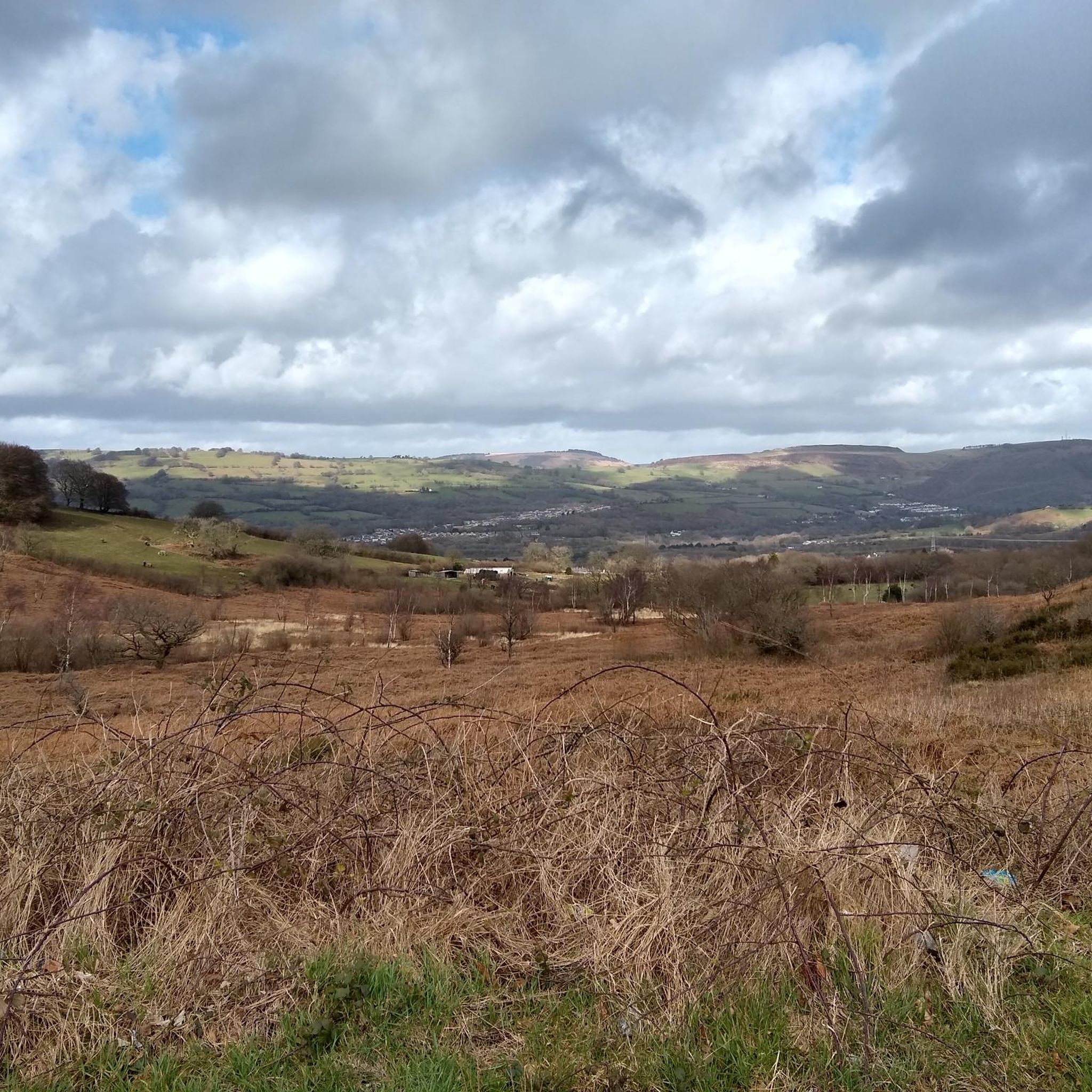
No access to the castle, blocked off by gates, according to local press landowner wants to knock it down and put houses on it.
1
0

Caerphilly Castle has had a £5m investment into conservation and repair of the structure - from late October '22 the scaffold and sheeting that protected the works will be removed. Caerphilly Castle is the biggest castle in Wales, and second biggest in the UK. Wales’s very own Leaning Tower, even wonkier than that of Pisa — courtesy of Civil War gunpowder is probably the castle’s best-loved feature.
2
0

Ruperra Castle was built in 1626 by the Steward to the Earl of Pembroke, Sir Thomas Morgan. It's actually a mock castle – a residence with a castle-like appearance rather than a fortress. Now, the castle lies in ruin and is quite something to behold.
1
0

Castell Coch is a 19th-century castle overlooking the village of Tongwynlais. Whilst there has been a castle on the site since the Norman period, architect William Burges transformed the crumbling medieval ruins into a Gothic masterpiece during the Victorian era, under the request of the third Marquess of Bute. Entry to the castle costs £7.70 for adults, £4.60 for children, £6.10 for seniors, and £21.60 for families. For more information, visit: cadw.gov.wales/visit/places-to-visit/castell-coch.
0
0
Frequently Asked Questions
What are the most historically significant castles in the Van region?
The Van region is rich in history, primarily featuring structures from the ancient Urartian Kingdom and later periods. Key castles include Van Castle, which served as the Urartian capital Tushpa; Hoşap Castle, a striking medieval fortress built by the Kurdish Mahmudi tribe; and Ayanis Castle, an important Urartian site known for its Haldi Temple.
What unique historical features can I find at Van Castle?
Van Castle offers a deep dive into history. You can see the famous Xerxes Inscription, a trilingual carving from the 5th century BC, royal tombs and chambers carved into the rock by the Urartians, and later Ottoman structures like the Süleyman Han Mosque. The Sardur Bastion also features inscriptions by Urartian King Sarduri I.
What makes Hoşap Castle unique among the castles in Van?
Hoşap Castle, located about 50 km from Van city center, stands out with its dramatic setting on a sheer rock crag. Largely constructed in 1643 by Sarı Süleyman Bey of the Kurdish Mahmudi tribe, it features an impressive main gate adorned with reliefs of two black basalt lions and an inscription. The castle also housed the Mahmudi Palace, offering a glimpse into Kurdish tribal history under Ottoman rule.
What is the significance of Ayanis Castle?
Ayanis Castle is a crucial archaeological site for understanding the Urartian civilization. Built by King Rusa II, it is considered the last major castle of the Urartu Kingdom. It's renowned for its Haldi Temple, dedicated to the chief Urartian god of war, and ongoing excavations continue to unearth significant artifacts like 2,700-year-old bronze shields and a helmet.
Are there any family-friendly activities or features at the castles around Van?
While specific children's activities aren't typically offered at these historical sites, exploring the vast grounds of Van Castle, with its panoramic views and ancient ruins, can be an engaging experience for families. Hoşap Castle's dramatic architecture and Ayanis Castle's archaeological discoveries can also spark curiosity in younger visitors interested in history and exploration.
What are the best times of year to visit the castles in the Van region?
The best time to visit the castles around Van is generally during spring (April-May) and autumn (September-October). During these seasons, the weather is mild and pleasant for exploring the outdoor sites. Summer can be hot, and winters can be cold with snow, which might limit accessibility or comfort for some visitors.
What kind of views can I expect from the castles?
Many castles in the Van region offer spectacular views. Van Castle provides panoramic vistas of Lake Van and the surrounding landscape, especially beautiful at sunset. Hoşap Castle, perched on a rock crag, offers picturesque views of the Güzelsu valley, while Ayanis Castle also overlooks Lake Van, providing a scenic backdrop to its ancient ruins.
Are there hiking or running trails near the castles around Van?
Yes, the region around Van offers opportunities for outdoor activities. You can find various running trails, including moderate and difficult options, as well as easy hikes. For more details on routes, you can explore the Running Trails around Van guide or the Easy hikes around Van guide.
What outdoor activities are available for cyclists near the castles?
For cyclists, there are gravel biking routes available around Van. These routes range in difficulty and can take you through diverse landscapes. You can find more information and specific routes in the Gravel biking around Van guide.
How long does it typically take to explore the main castles?
Exploring Van Castle, with its extensive ruins and various historical layers, can easily take 2-3 hours, especially if you want to appreciate the views and read the inscriptions. Hoşap Castle and Ayanis Castle might take 1-2 hours each, depending on your interest in their architectural details and archaeological findings.
What should I wear when visiting the castles, especially in spring?
In spring, the weather in Van can be variable. It's advisable to wear layers that can be adjusted throughout the day. Comfortable walking shoes are essential, as you'll be exploring uneven terrain and climbing stairs at most castle sites. A light jacket or windbreaker is also recommended, especially for higher elevations or lakeside locations where it can be breezy.
Are there any facilities like coffee shops or accommodation near the castles?
While the castles themselves are historical sites, you can find facilities in nearby towns and cities. Van city center, for instance, offers various accommodation options, restaurants, and coffee shops. Smaller villages near Hoşap Castle or Ayanis Castle might have more limited options, so it's best to plan accordingly or bring your own refreshments.
What kind of historical periods do the castles around Van represent?
The castles around Van showcase a remarkable span of history. They primarily represent the ancient Urartian Kingdom (9th-7th centuries BC), with sites like Van Castle and Ayanis Castle. Later periods, including Persian, Arab, Seljuk, and Ottoman influences, are also evident, particularly at Van Castle, and Hoşap Castle is a significant example of Ottoman-era construction by a Kurdish tribe.
Most popular attractions around Van

Get inspired with the komoot mobile app


Explore more
Looking for the best castles somewhere else? Discover other guides around Van:
