Top 20 Castles in the West Midlands Region
Castles in the West Midlands Region offer a rich tapestry of history, showcasing an impressive array of fortifications. This area features well-preserved medieval strongholds, royal palaces, and picturesque ruins, providing a glimpse into Britain's past. The diverse landscape includes rolling countryside, river valleys, and elevated positions, often providing panoramic views. These historical sites are set within a region known for its cultural significance and varied natural beauty.
Best castles in the West Midlands Region
- The most popular castles is Kenilworth Castle, a castle that features an impressive 12th-century Norman keep and was a significant royal palace. It is notable for its association with Elizabeth I and Robert Dudley, and its beautifully recreated Elizabethan Garden.
- Another must-see spot is Broadway Tower, a unique castle-like folly situated at 1,024 feet above sea level. Visitors can expect spectacular views stretching into 16 counties from this 18th-century structure.
- Visitors also love Shrewsbury Castle, a historical site with origins dating back to 1066. It is special for its 12th-century Great Hall, 18th-century remodeling by Thomas Telford, and the Shropshire Regimental Museum.
- West Midlands Region is known for its medieval strongholds, Norman keeps, and ruined castles. From well-preserved fortresses to atmospheric ruins, there is a variety of castles to see and explore, each with distinct architectural styles and historical significance.
- The castles in the West Midlands Region are appreciated by the komoot community, with more than 280 upvotes and over 80 photos shared across the various highlights.
Last updated: October 9, 2026
Herefordshire Beacon (British Camp)
Highlight • Summit
Tip by

Broadway Tower
Highlight • Castle
The ‘Saxon’ tower was the brainchild of Capability Brown and designed by James Wyatt in 1794 in the form of a castle. It was built for Lady Coventry between 1798–99. You can buy tickets to visit the tower.
Tip by

Sign up now to discover places like this
Get recommendations on the best single tracks, peaks, & plenty of other exciting outdoor places.
Kenilworth Castle Ruins
Highlight • Castle
Tip by

Mow Cop Castle
Highlight • Viewpoint
Tip by
Baddesley Clinton Manor House and Gardens
Highlight • Settlement
Tip by
Croome Court
Highlight • Historical Site
nationaltrust.org.uk/croome
Tip by

Tamworth Castle and Gardens
Highlight • Historical Site
Tip by

Clun Castle
Highlight • Viewpoint
This historic building was ruined by the 16th century and today is managed by English Heritage and owned by the Duke of Norfolk. Despite its ruined state, it remains very impressive and is free to enter.
Tip by

Coughton Court
Highlight • Historical Site
The house has a long crenelated façade directly facing the main road, at the centre of which is the Tudor Gatehouse, dating from 1530; this has hexagonal turrets and oriel windows in the English Renaissance style. The gatehouse is the oldest part of the house and is flanked by later wings, in the Strawberry Hill Gothic style, popularised by Horace Walpole.
The Coughton estate has been owned by the Throckmorton family since 1409. The estate was acquired through marriage to the De Spinney family.Coughton was rebuilt by Sir George Throckmorton, the first son of Sir Robert Throckmorton of Coughton Court by Catherine Marrow, daughter of William Marrow of London. The great gatehouse at Coughton was dedicated to King Henry VIII by Throckmorton, a favourite of the King. Throckmorton would become notorious due to his almost fatal involvement in the divorce between King Henry and his first wife Catherine of Aragon.Throckmorton favoured the queen and was against the Reformation. Throckmorton spent most of his life rebuilding Coughton. In 1549, when he was planning the windows in the great hall, he asked his son Nicholas to obtain from the heralds the correct tricking (colour abbreviations) of the arms of his ancestors' wives and his own cousin and niece by marriage Queen Catherine Parr (see gallery drawing). The costly recusancy (refusal to attend Anglican Church services) of Robert Throckmorton and his heirs restricted later rebuilding, so that much of the house still stands largely as he left it.
After Throckmorton's death in 1552, Coughton passed to his eldest son, Robert. Robert Throckmorton and his family were practicing Catholics therefore the house at one time contained a priest hole, a hiding place for priests during the period when Catholics were persecuted by law in England, from the beginning of the reign of Elizabeth I of England. The Hall also holds a place in English history for its roles in both the Throckmorton Plot of 1583 to murder Queen Elizabeth, and the Gunpowder Plot of 1605, although the Throckmorton family were themselves only indirectly implicated in the latter, when some of the Gunpowder conspirators rode directly there after its discovery.
The house has been in the ownership of the National Trust since 1946. The family, however, hold a 300-year lease and previously managed the property on behalf of the Trust. In 2007, however, the house reverted to management by the National Trust. The management of the property is renewed every 10 years. The family tenant until recently was Clare McLaren-Throckmorton, known professionally as Clare Tritton QC, until she died on 31 October 2017.
The house, which is open to the public all year round, is set in extensive grounds including a walled formal garden, a river and a lake.
Tip by
Shrewsbury Castle
Highlight • Viewpoint
Here you'll now find items including uniforms, medals, weapons and photographs stretching back to the 18th century.
You can also get married here, with the beautiful walled gardens a great backdrop for anyone's special day!
Entrance to the castle gardens is free, and well worth a gander if you're passing by.
Find out more including seasonal opening hours here: shrewsburymuseum.org.uk/visit-shrewsbury/shrewsbury-castle
Tip by

Sign up for free to discover even more castles in the West Midlands Region.
Already have an account?
Start today with a free account
Your next adventure awaits.
Popular around West Midlands Region
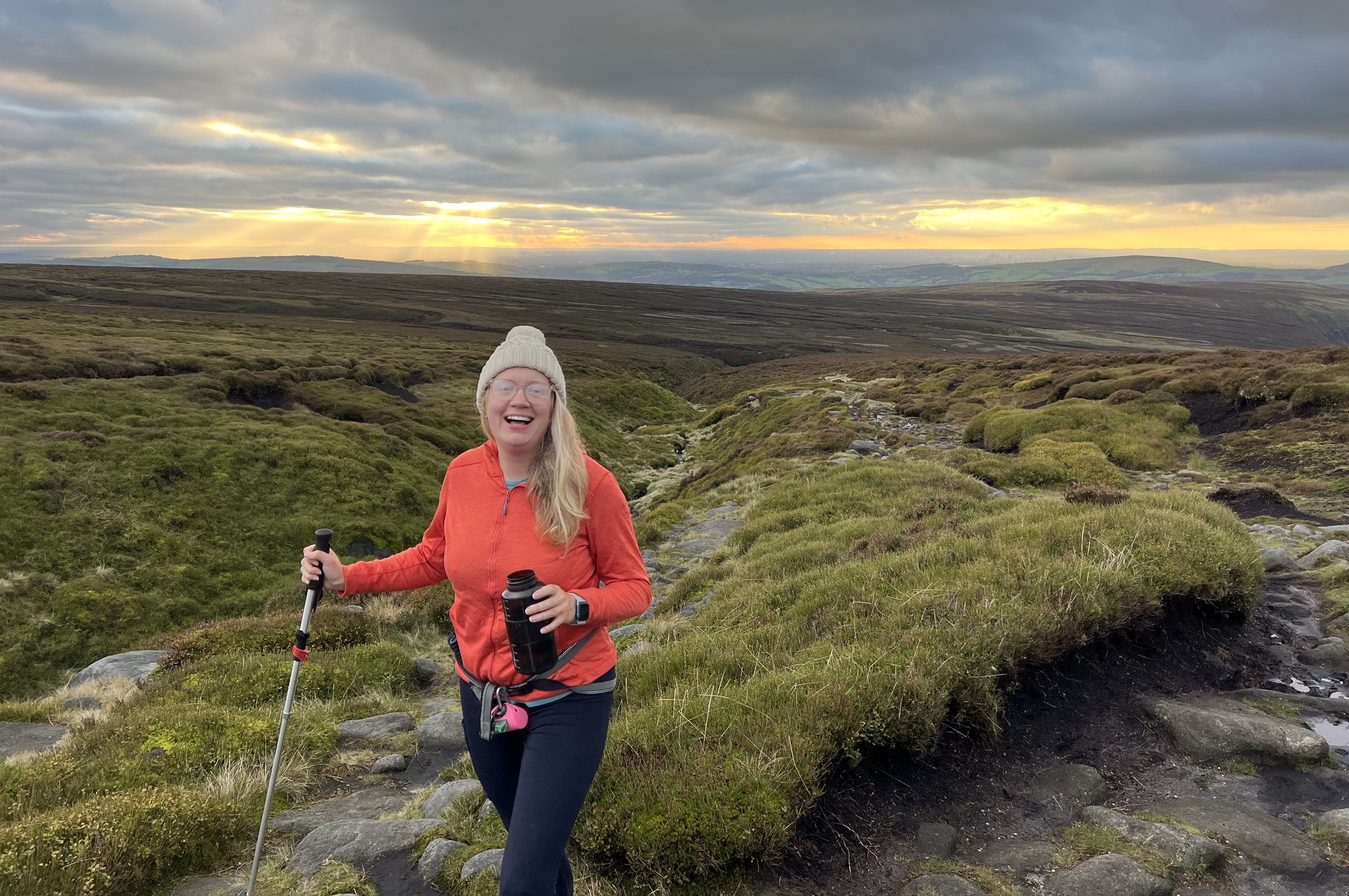
Peak District National Park – A Walk in the Parks
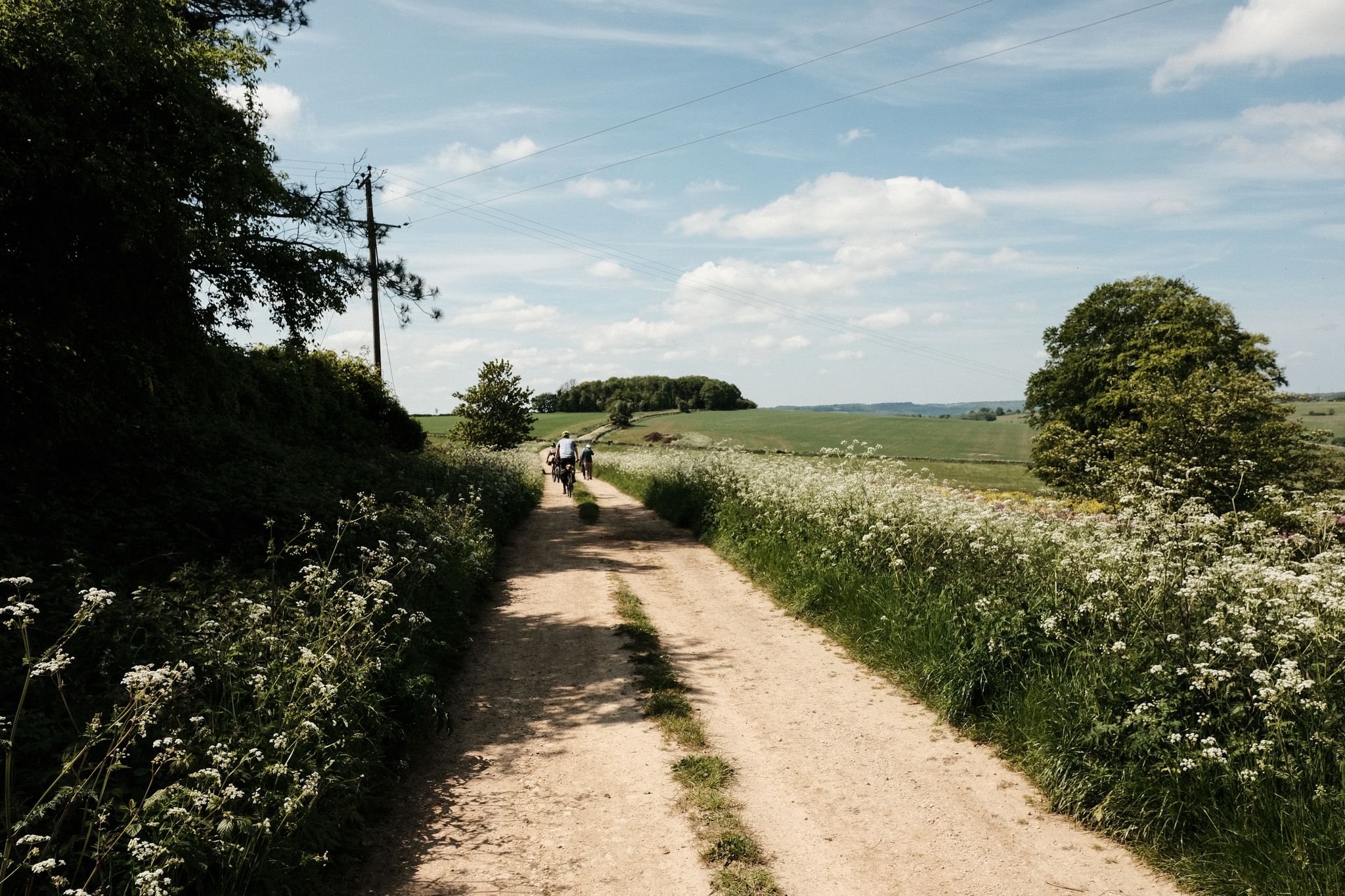
Middle Earth Loop — bikepacking the Wye, Malverns and Cotswolds
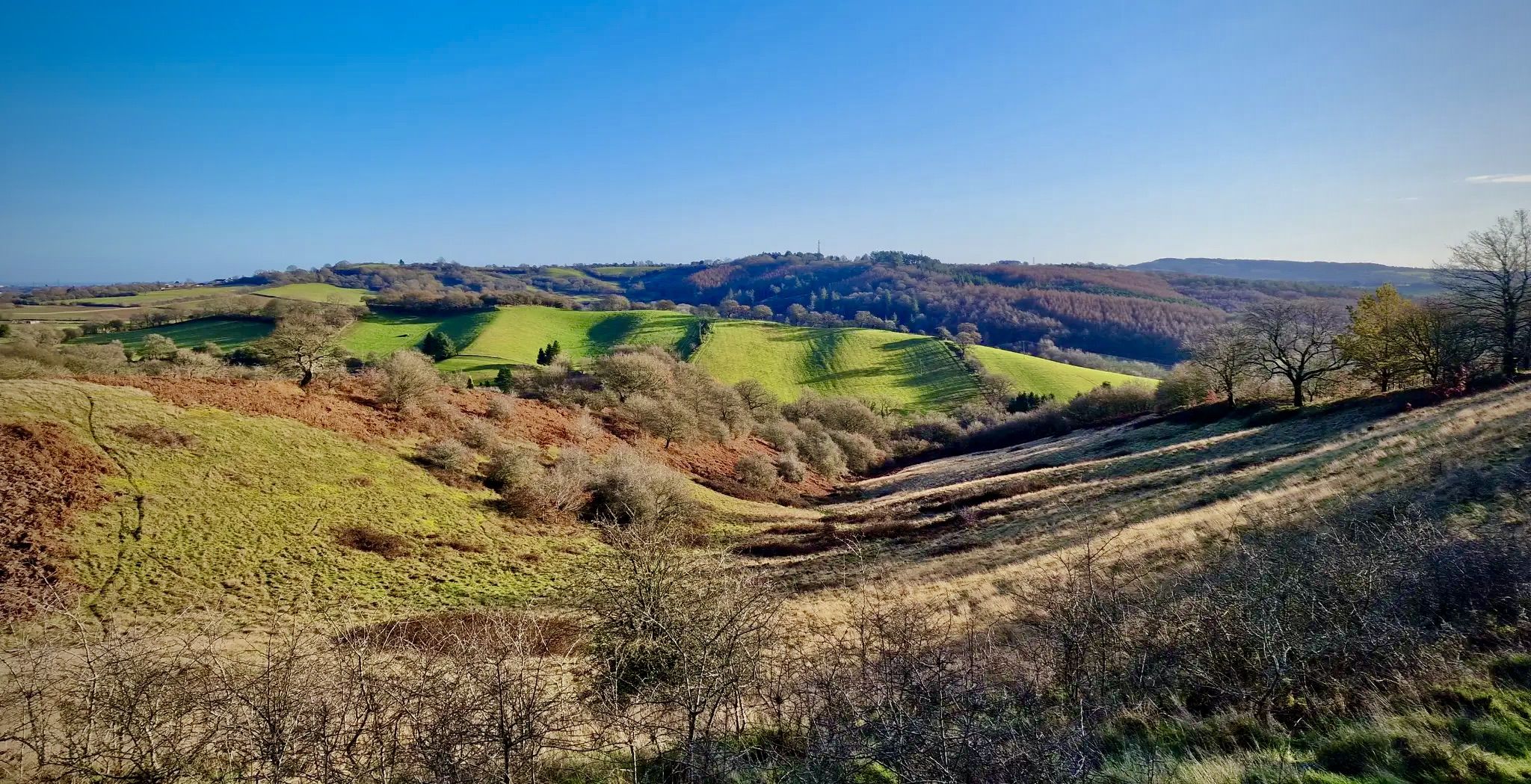
North Worcestershire Path – Explore rolling hills and country parks
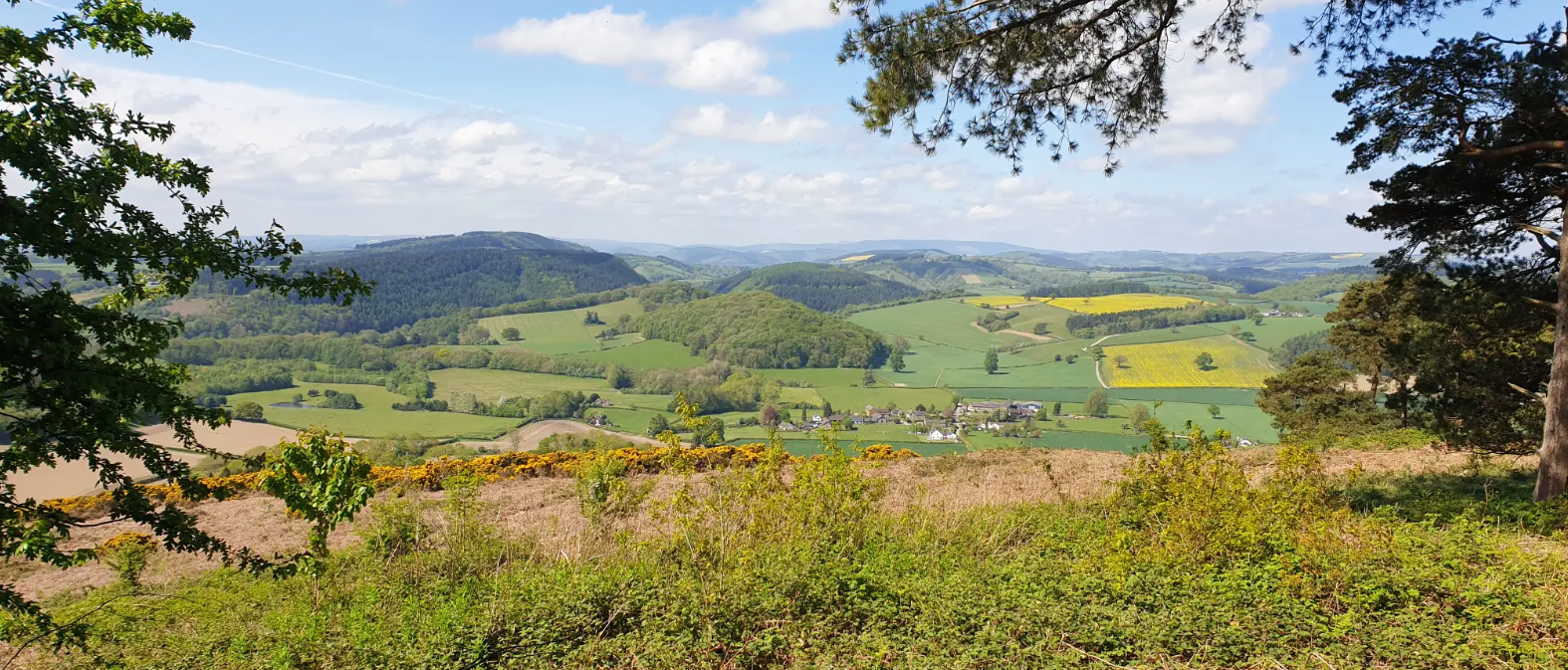
Mortimer Trail — The wonderful woodland ridges of the Marches
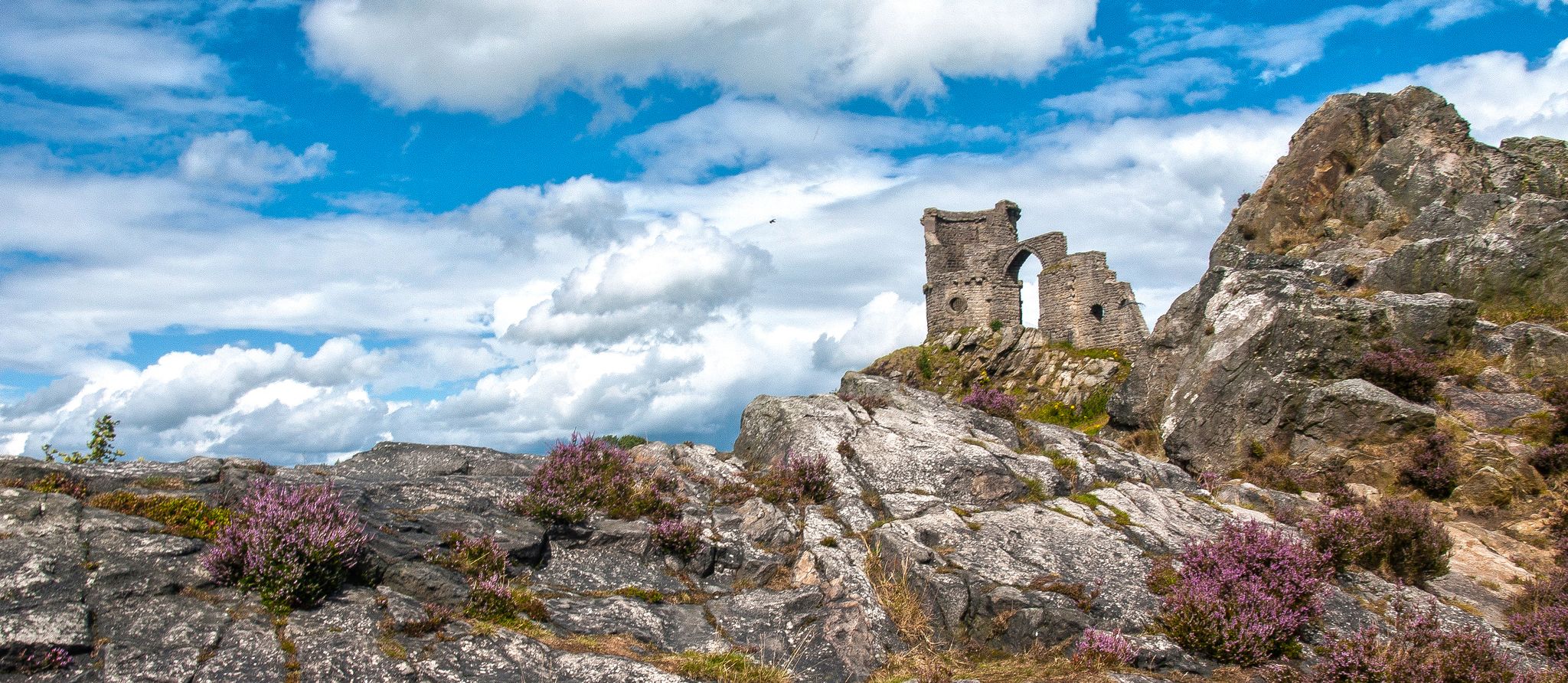
Staffordshire Way — Hike gritstone, woods, heath and scarps
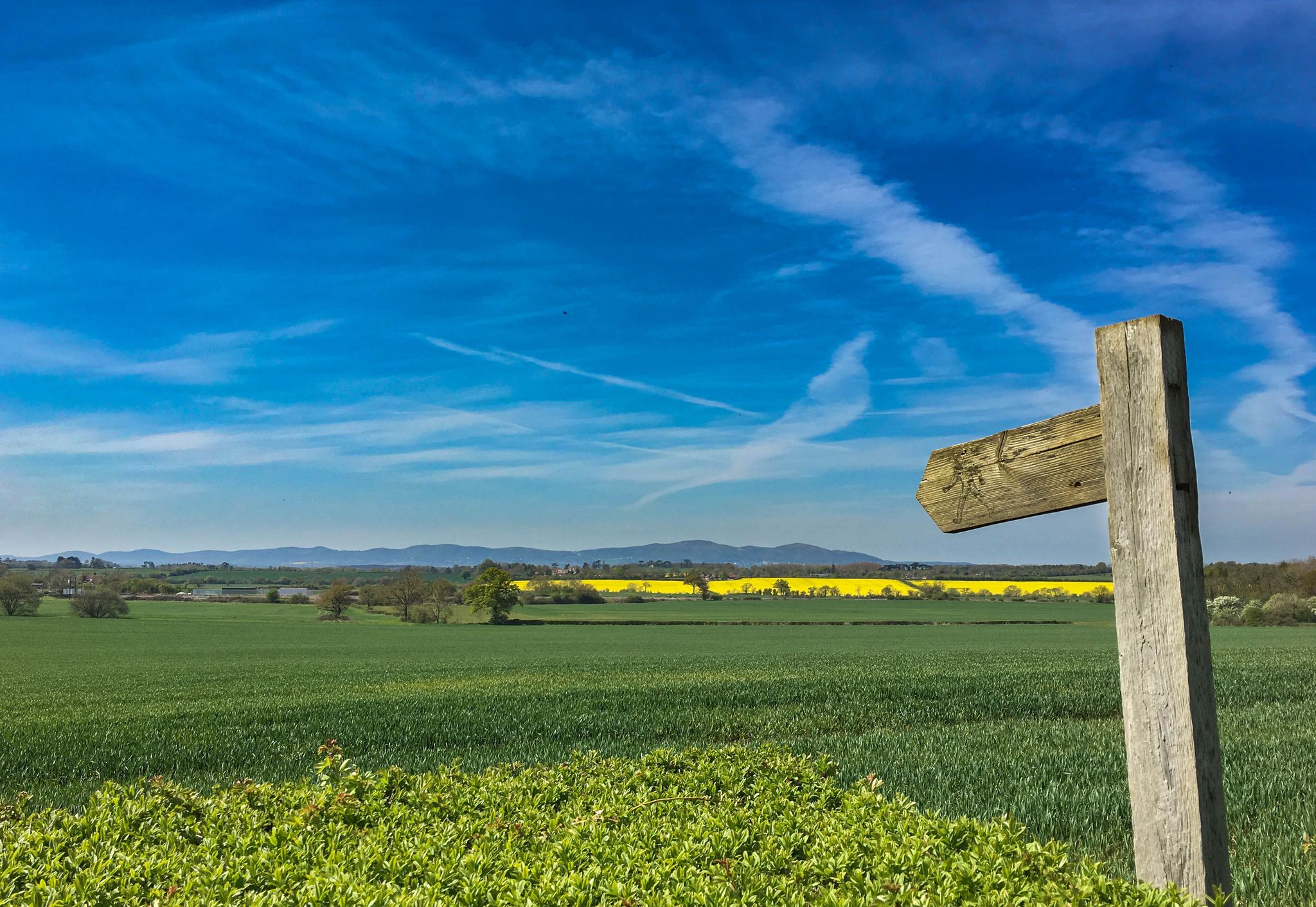
Wychavon Way — Hike rolling Cotswold hills and Worcestershire vales
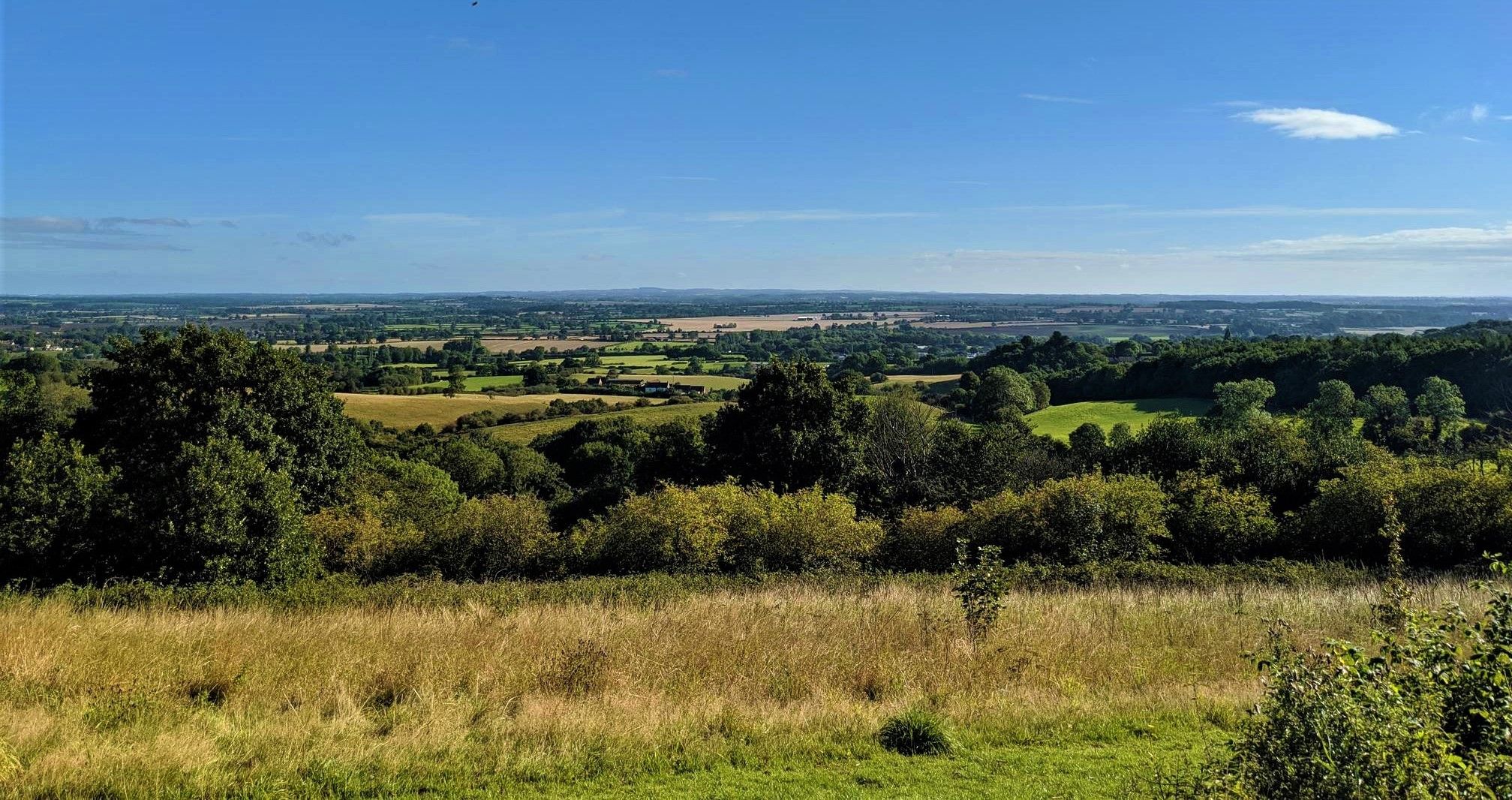
Centenary Way — Hike through a millennium of enchanting history
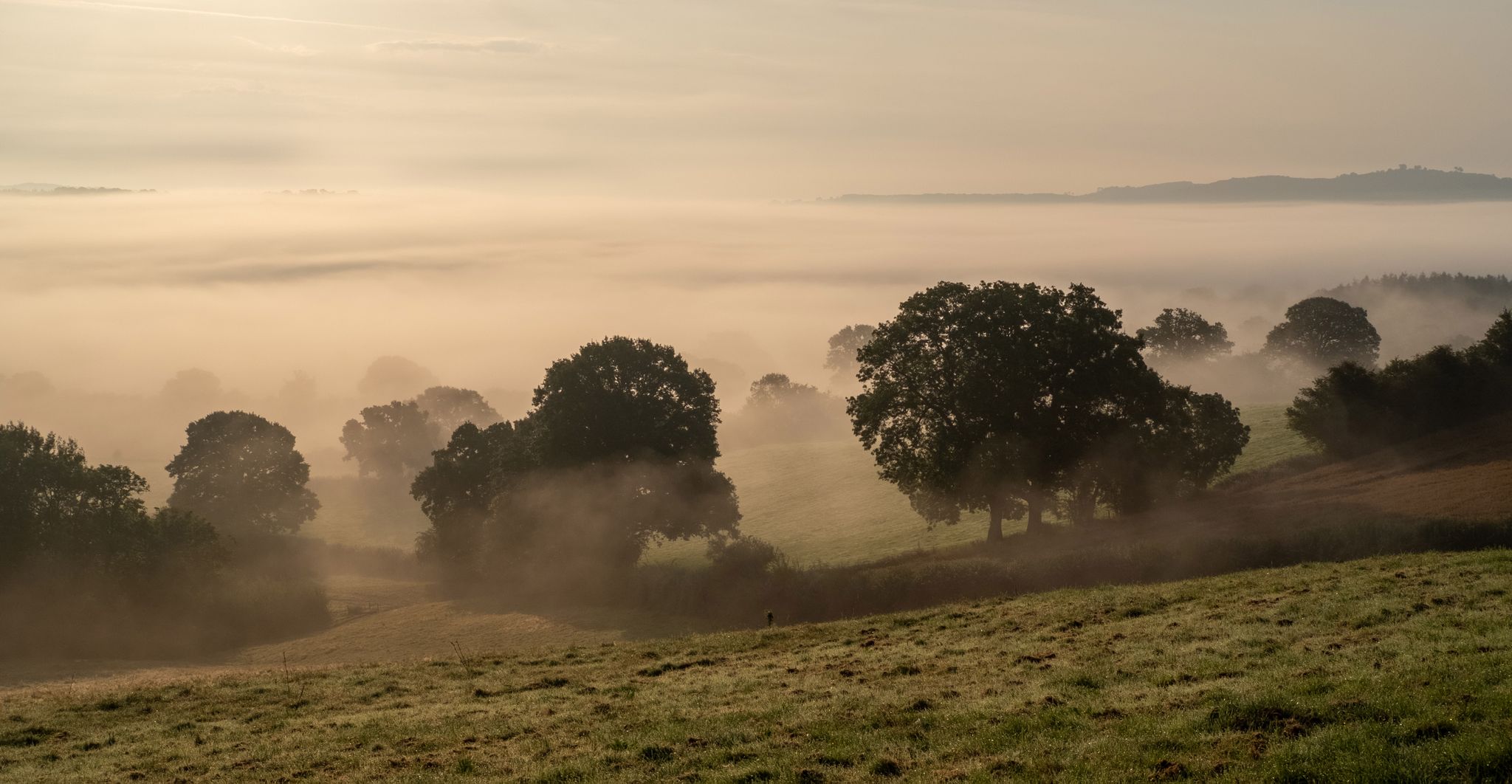
Herefordshire Trail — Hike golden valleys and rolling, emerald pastures
Heart of England Way — A historic hike filled with wildlife and beauty
Severn Way — Hike Britain's longest river from source to sea
Other adventures in the West Midlands Region


Tips from the Community

Wonderful house and gardens, which were designed by Capability Brown. I love this place in the evening when the crowds have gone home.
0
0

Stop off to admire the historic castle, which was originally a Motte and Bailey. It has been added to since. Also see the statue of Ethelfleda, the queen of Mercia, the bandstand, flower beds and the tribute to the Watchmen of the Staffordshire Regiment in the castle grounds... There is parking here to start the course if you prefer. Lots of nice cafes and places to eat. Recommend the castle grounds cafe, Christopher's at the Peel, no 18 coffee House and the Book Nook and Bakery.
0
0

The area surrounding Castle Green offers picturesque views of the castle ruins and a greenery for visitors interested in England's rich history and architecture
0
0

Robert Langham (C16) - "The Castle has the name of Killingwoorth, but if truth grounded upon faithful story, Kenelwoorth [Kenilworth]. It stands in Warwickshire, a 74 mile North-West from London, and as it were in the navel of England, four mile somewhat South from Coventry a proper city, and a like distance from Warwick, a fair Shire town on the North. In air sweet and wholesome, raised on an easy-mounted hill, is set evenly coasted with the front straight into the East, has the tenants and town about it, that pleasantly shifts from dale to hill, sundry wherewith sweet springs burst forth; and is so plentiful and well sorted on every side into arable, meadow, pasture, wood, water, and good air, as it appears to have need of nothing that may pertain to living or pleasure."
1
0

We couldn't find an entrance. Is it accessible?
0
0
Reasonably easy walk and great view from tower that contributes mid journey to being refreshed.
2
0

The Herefordshire Beacon is one of the highest peaks of the Malvern Hills. It is surrounded by a British Iron Age hill fort earthwork known as British Camp. The fort subsequently had a ringwork and bailey castle built inside its boundary and there is evidence of 120 huts in the area. British Camp has been a scheduled monument since 1923. On the eastern slope of Herefordshire Beacon, there is a disused reservoir, British Camp Reservoir, which holds approximately 213,000 cubic metres (7,500,000 cu ft) of water. Herefordshire Beacon represents one of the Malvern Hills, 1,109 feet (338 m) high, and is the second highest summit in the hills. It is within the county of Herefordshire, but is directly adjacent to the border with Worcestershire to the east. Atop Herefordshire Beacon, there is an Iron Age hill fort, known as British Camp, and would have held a settlement between 4th century BCE and 1st century CE. A ringwork and bailey castle was built within the site of the hill fort, and there is evidence of 120 huts having been built within the boundaries of the fort. The hill fort received scheduled monument status on 10 August 1923. Nearby to British Camp, on the eastern slope of Herefordshire Beacon, there is a reservoir called British Camp Reservoir. It has a capacity of 213,000 cubic metres (7,500,000 cu ft), although it has not been used for many years. In 2017, Severn Trent proposed to dismantle the treatment plant associated with the reservoir and drain it, leaving an 8,000 cubic metres (280,000 cu ft) pond. source: Wikipedia
0
0
Frequently Asked Questions
What are some of the most historically significant castles in the West Midlands?
The West Midlands is rich in history. You can explore the medieval stronghold of Warwick Castle, known for its thousand-year history and well-preserved towers. Kenilworth Castle is famously associated with Elizabeth I and Robert Dudley, featuring a massive Norman keep. Ludlow Castle played a key role in turbulent English history, serving as the seat of the Council in the Marches of Wales. For a glimpse into Saxon and Norman eras, visit Tamworth Castle.
Which castles in the West Midlands are best for families?
Many castles in the West Midlands offer family-friendly activities. Warwick Castle provides engaging live shows like jousting and falconry, plus the 'Horrible Histories Maze' and 'Zog Playland'. Tamworth Castle brings history to life with re-enactments and an 'AR Explorer' trail. Dudley Castle, located within Dudley Zoo, combines historical exploration with animal encounters. Kenilworth Castle also hosts cultural events and re-enactments.
Are there opportunities for outdoor activities or walks near these castles?
Yes, the region offers many outdoor activities. You can find numerous trails for hiking, running, and cycling near the castles. For instance, the area around Kenilworth Castle and Warwick Castle offers scenic walks. The grounds of Clun Castle and Hopton Castle are ideal for picnics and strolls. For more extensive outdoor adventures, explore the hiking trails, running routes, and cycling paths throughout the West Midlands region.
Can I find castles with impressive gardens or natural surroundings?
Absolutely. Warwick Castle boasts 64 acres of grounds designed by Lancelot Brown, including the Peacock Garden and the River Avon. Kenilworth Castle features a beautifully recreated Elizabethan Garden. Shrewsbury Castle is set on a hill with immaculately maintained Castle Gardens. Dudley Castle is situated on a limestone hill overlooking Dudley, offering natural beauty alongside its ruins.
Are there any castles in the West Midlands that offer historical re-enactments or live events?
Yes, several castles bring history to life with events. Warwick Castle is famous for its jousting tournaments, falconry displays, and 'Wars of the Roses Live' re-enactments. Kenilworth Castle hosts cultural events and re-enactments. Tamworth Castle regularly stages scenes from the past with interactive characters. Dudley Castle offers living demonstrations and bird-of-prey displays.
What are some lesser-known or 'hidden gem' castles to visit?
While not as widely known as Warwick or Kenilworth, castles like Clun Castle and Hopton Castle offer unique historical insights and picturesque settings. Clun Castle is a dramatic ruined motte-and-bailey castle with exhilarating views, free to enter. Hopton Castle, a partially restored ruin, played a significant role in the English Civil War and offers a quiet spot for exploration with no entrance fee.
How accessible are the castles in the West Midlands for visitors with mobility needs?
Accessibility varies by castle due to their historical nature. While some sites may have challenging terrain, many strive to offer accessible routes or facilities. It's recommended to check the specific castle's website for detailed accessibility information before your visit. For example, English Heritage's Kenilworth Castle page provides visitor information.
What is the best time of year to visit castles in the West Midlands?
The spring and summer months (April to September) are generally ideal for visiting, offering pleasant weather for exploring grounds and attending outdoor events. However, many castles, such as Warwick Castle and Kenilworth Castle, are open year-round, often hosting special seasonal events during autumn and winter. Always check individual castle opening times.
Are there options for food and drink or accommodation near the castles?
Most major castles, like Warwick Castle and Kenilworth Castle, have on-site cafes or facilities. The towns and villages surrounding the castles, such as Warwick, Kenilworth, Tamworth, Dudley, Ludlow, and Shrewsbury, offer a range of pubs, restaurants, and accommodation options. Ludlow Castle even offers renovated modern apartments for stays within its walls.
Which castles offer panoramic views of the surrounding countryside?
Many castles in the West Midlands are strategically located for impressive views. You can climb Guy's Tower and Caesar's Tower at Warwick Castle for panoramic views of the Warwickshire countryside. From the queen's apartments in Leicester's Building at Kenilworth Castle, you get fantastic views. Tamworth Castle offers panoramic views of Tamworth, and Shrewsbury Castle's Laura's Tower provides views over Shrewsbury and the River Severn. Ludlow Castle also offers superb views over the Shropshire countryside.
What kind of architectural styles can I expect to see among the West Midlands castles?
The castles in the West Midlands showcase a diverse range of architectural styles spanning centuries. You'll find impressive Norman keeps (e.g., Kenilworth Castle, Dudley Castle), medieval strongholds with ramparts and towers (e.g., Warwick Castle), and structures with Tudor influences (e.g., Tamworth Castle, Ludlow Castle). Some, like Shrewsbury Castle, even feature 18th-century remodelling.
Are there any castles that played a significant role in specific historical events like the English Civil War?
Yes, several castles in the region were pivotal during historical conflicts. Dudley Castle was a significant Royalist stronghold during the English Civil War. Hopton Castle notably served as a Parliamentarian stronghold and endured a famous siege in 1644. Kenilworth Castle survived one of the longest sieges in medieval English history in 1266.
What are some unique features of the castles in the West Midlands?
The castles here offer many unique aspects. Warwick Castle features medieval glamping and themed lodges. Kenilworth Castle has a meticulously recreated Elizabethan Garden. Tamworth Castle includes a 'Battle & Tribute' exhibition with a replica mead hall. Dudley Castle's unique location within Dudley Zoo allows for a combined historical and wildlife experience. Ludlow Castle has a rare circular chapel inspired by the Church of the Holy Sepulchre.
Most popular routes in the West Midlands Region
Most popular attractions in the West Midlands Region

Get inspired with the komoot mobile app


Didn’t find what you were looking for?
Explore West Midlands Region’s best castles region by region:
Explore more
Looking for the best castles somewhere else? Discover other guides in the West Midlands Region:
