The best walks and hikes around Dąbie
4.6
(649)
7,301
hikers
485
hikes
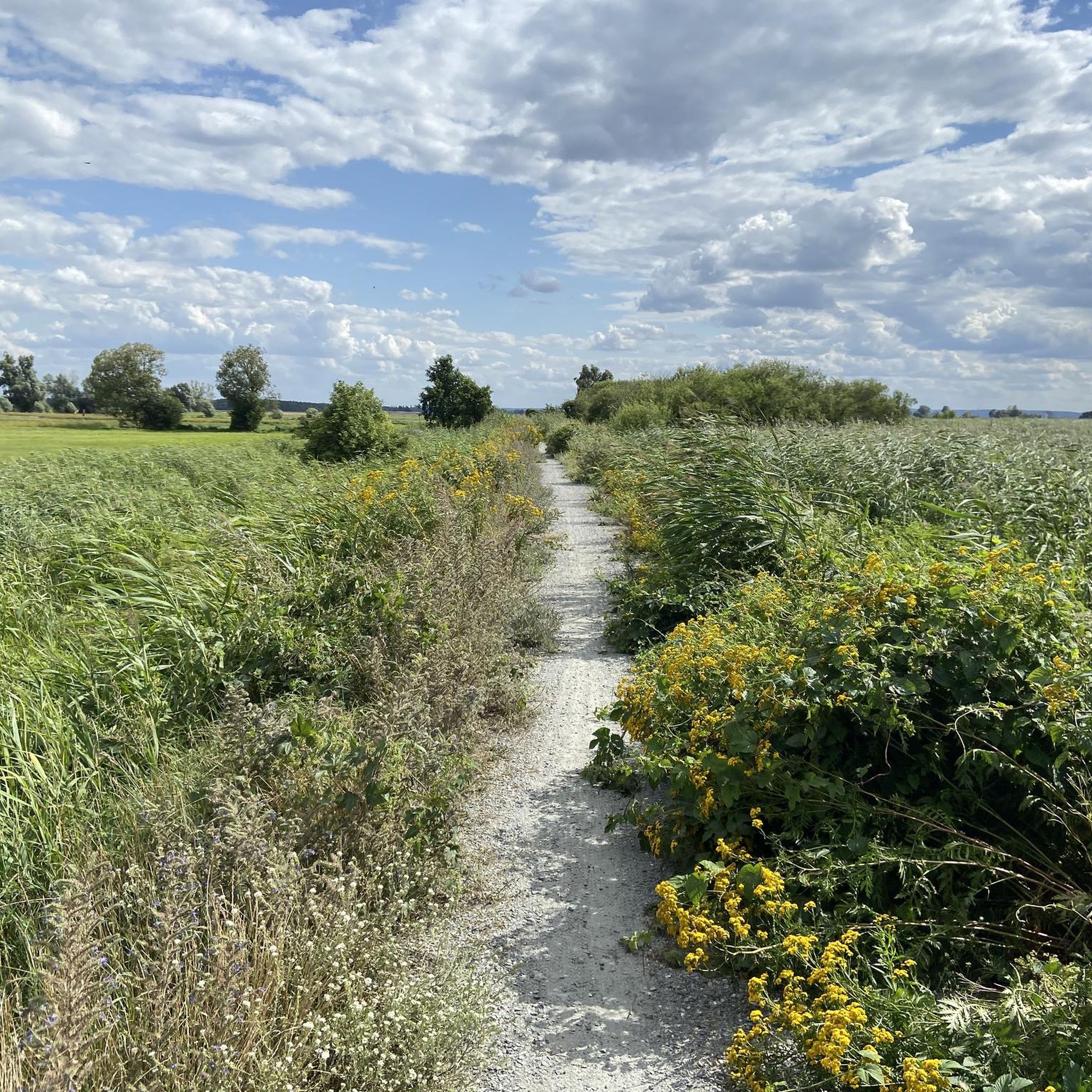
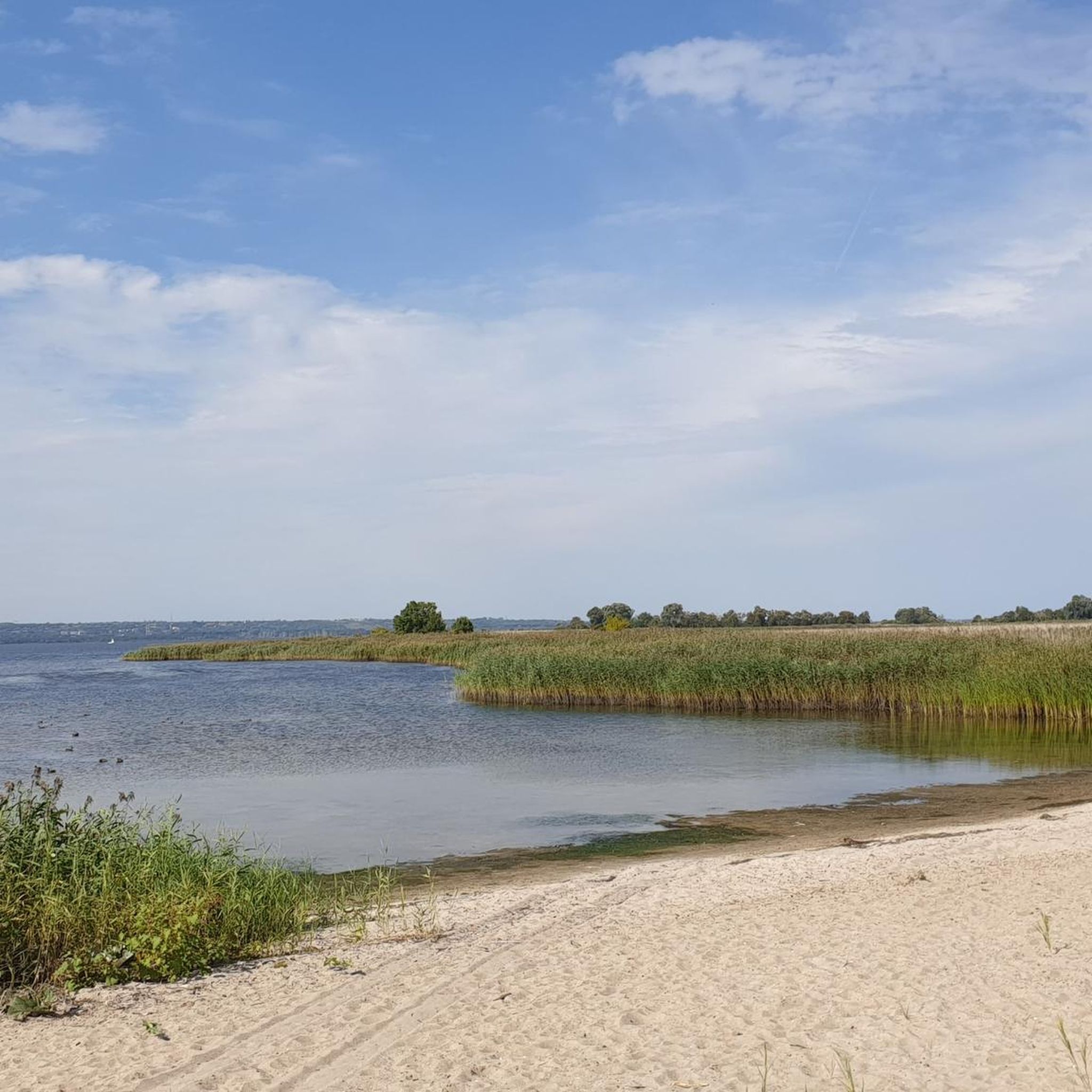
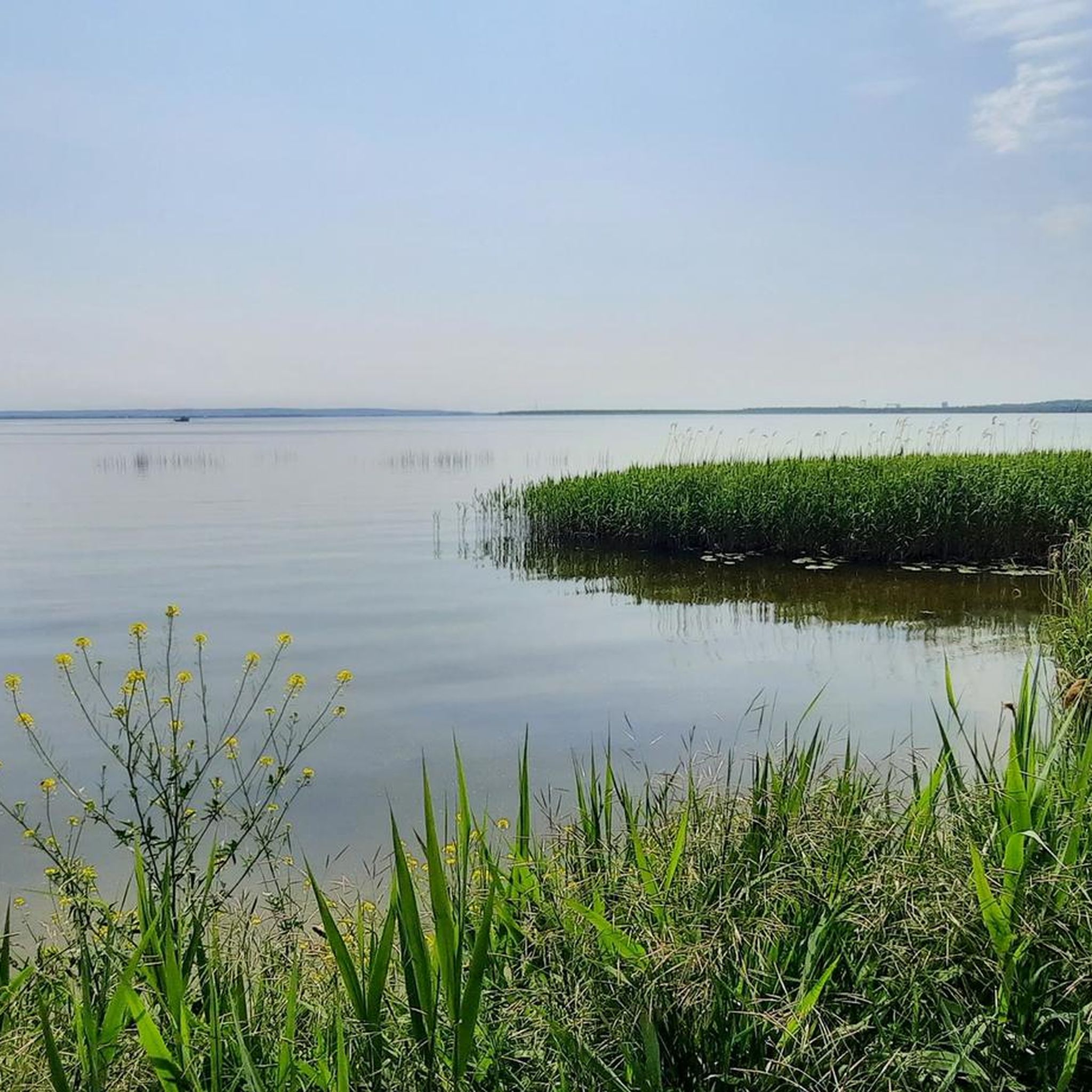
Hiking around Dąbie offers diverse landscapes centered around Jezioro Dąbie, the largest lake in the West Pomeranian Voivodeship. The region features extensive forested areas, including Park Leśny Dąbie, and varied terrain ranging from tranquil lakeside paths to open meadows. Trails provide options for different fitness levels, with minimal elevation gain on easier routes and more challenging sections available.
Best hiking trails around Dąbie
- The most popular hiking route is Chelszcząca kayak slip – Bridge Near the Chełszcząca Mouth loop from…
Last updated: June 27, 2026
4.3
(3)
22
hikers
Moderate hike. Good fitness required. Easily-accessible paths. Suitable for all skill levels.
8
hikers
2.97km
00:50
60m
60m
Easy hike. Great for any fitness level. Easily-accessible paths. Suitable for all skill levels.

Sign up for free
42
hikers
Easy hike. Great for any fitness level. Easily-accessible paths. Suitable for all skill levels.
20
hikers
7.06km
01:53
70m
70m
Easy hike. Great for any fitness level. Easily-accessible paths. Suitable for all skill levels.
5.0
(3)
17
hikers
6.76km
01:47
60m
60m
Easy hike. Great for any fitness level. Easily-accessible paths. Suitable for all skill levels.
Get access to more routes and recommendations from other explorers.
Sign up for free
Already have an account?
Our route recommendations are based on thousands of hikes, rides, and runs completed by other people on komoot.
Start today with a free account
Your next adventure awaits.
Login or Signup

Tips from the Community

In summer, a ride on the Ferris wheel is worthwhile. The current price is 40 PLN for an adult.
0
0

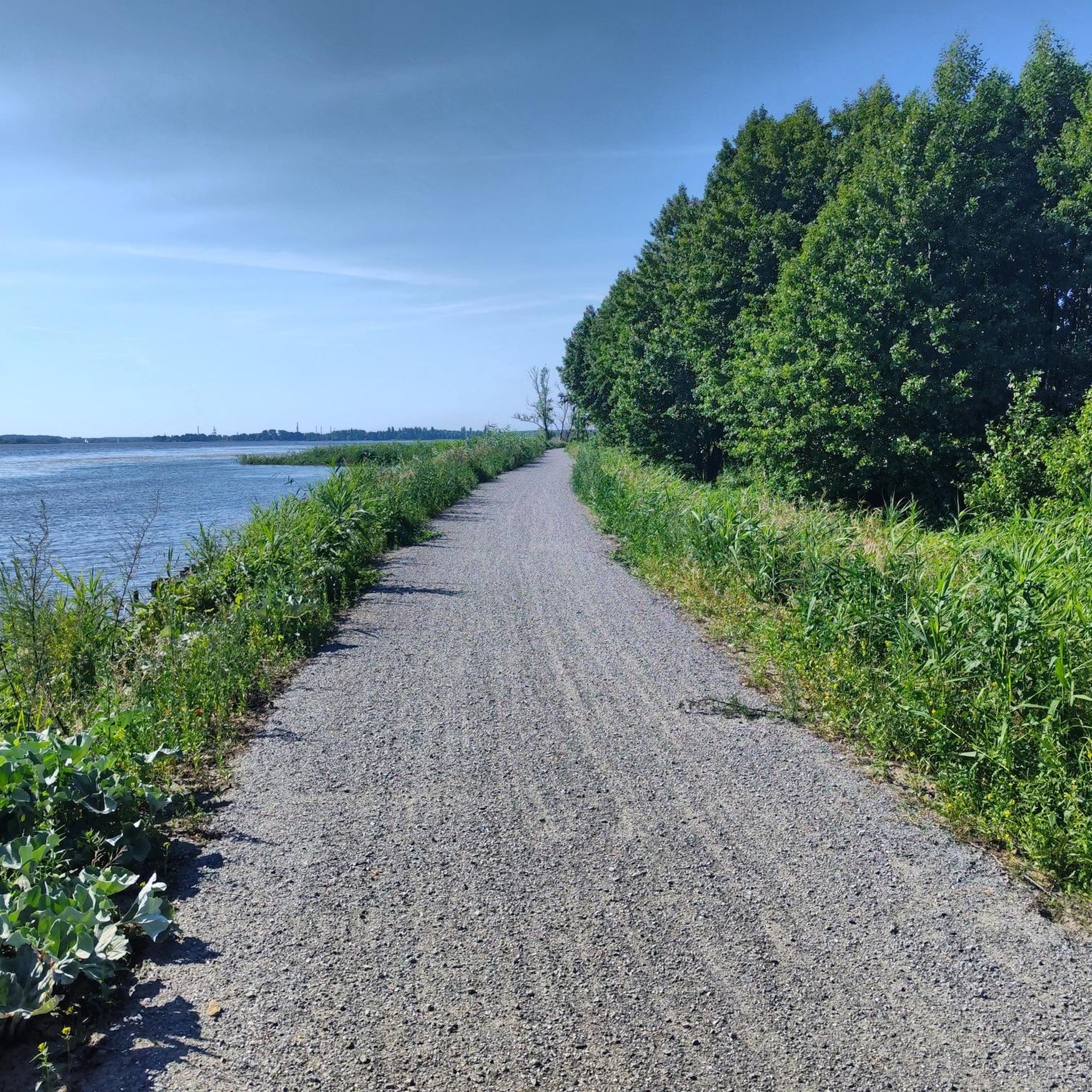
a gravel retreat with a view of the lake
2
0

The facility at Łasztownia in Szczecin is a multimedia scientific and educational facility, the main objective of which is to present physical experiments related to water. The center will be equipped with a permanent exhibition, containing interactive elements of science and technology. A special and unique attraction is the planetarium, which can accommodate an audience of 60 people.
2
1

Great view of the castle and along the Oder.
0
0

The Maritime Science Centre is a unique facility. Located in Szczecin's Łasztownia, the science centre is primarily a permanent exhibition rich in interactive scientific and technical exhibits.
3
0

Super cool murals on the flyover poles!
1
0
a must-see for fans of the cult Polish film Poranek Kojota
0
1
Before the war, it was the residence of the Borchert family. In 1959, it was handed over on perpetual lease to the Polish Scouting Association, which located the Scout Maritime Center there. In the 1980s, the villa was still full of life. Currently, it belongs to the Tian Yu company and is waiting for revitalization.
1
1
Frequently Asked Questions
How many hiking trails are available in Dąbie?
Dąbie offers a comprehensive network of over 430 hiking routes. These trails cater to various preferences, from easy strolls to more demanding treks, ensuring there's something for every hiker.
What kind of landscapes can I expect to see while hiking in Dąbie?
Hiking in Dąbie provides diverse scenery, primarily centered around Jezioro Dąbie, the largest lake in the West Pomeranian Voivodeship. You'll find picturesque lakeside paths, extensive forested areas like Park Leśny Dąbie, and open meadows. Some routes, such as the challenging 15.4 km loop around Lake Dąbie, offer a mix of these natural features.
What is the overall difficulty level of hiking trails in Dąbie?
The trails in Dąbie cater to a wide range of abilities. There are over 280 easy routes, 129 moderate trails, and 17 more difficult options. This variety ensures that both beginners and experienced hikers can find suitable paths.
Are there any circular hiking routes in Dąbie?
Yes, Dąbie features many circular routes. For example, the Chelszcząca kayak slip – Bridge Near the Chełszcząca Mouth loop from Dąbie is a popular 7.4 km trail that follows the waterside. Another option is the Staw Brodowski loop from Szczecin Drzetowo, a moderate 7.7 km path winding through forests.
What do other hikers say about the trails in Dąbie?
The hiking trails in Dąbie are highly regarded by the komoot community, with an average rating of 4.6 stars from over 500 reviews. Hikers often praise the serene environment, the varied terrain, and the beautiful views of Jezioro Dąbie and the surrounding forests.
Are there any family-friendly hiking options in Dąbie?
Absolutely. Many of the easy trails around Dąbie are suitable for families. These paths often have minimal elevation gain and offer a pleasant environment for all ages. The lakeside areas and forested parks provide safe and enjoyable spaces for family outings.
Can I bring my dog on the hiking trails in Dąbie?
Yes, many trails in Dąbie are dog-friendly, allowing you to enjoy the natural scenery with your canine companion. It's always a good idea to keep your dog on a leash, especially in more populated areas or near wildlife, and to check for any specific local regulations on individual routes.
What interesting places or landmarks can I explore near the hiking trails?
Near Dąbie's hiking trails, you can discover several points of interest. Along Lake Dąbie, you might encounter the Catamaran wreck on Lake Dąbie or the Concrete Ship D-62 Wreck on Lake Dąbie. For a historical landmark, consider the Bismarck Tower loop from Szczecin Gocław, which leads through forested paths to the tower.
Are there any good spots for a break or picnic along the trails?
Yes, you can find tranquil resting spots along many routes. For instance, along the trail around Lake Dąbie, there's Zakątek Chełszcząca, which offers a small pier and benches perfect for a quiet break by the water. The Trzebuskie Łęgi Lakeside Shelter is another facility where you can rest.
How long do hikes in Dąbie typically take?
Hike durations vary significantly depending on the route's length and your pace. Shorter trails like the Bismarck Tower loop from Szczecin Gocław can be completed in about 50 minutes. Longer routes, such as the 15.4 km loop around Lake Dąbie, might take around 4 hours and 25 minutes, allowing ample time to enjoy the surroundings.
Is parking available near the trailheads in Dąbie?
While specific parking information varies by trailhead, many popular hiking areas around Dąbie, especially those near urban centers or well-known natural features, offer designated parking facilities. It's advisable to check the starting point of your chosen route for detailed parking options.
Can I access Dąbie's hiking trails using public transport?
Yes, Dąbie is located near Szczecin, which has public transport connections. Some trailheads, particularly those closer to residential areas or within Szczecin's vicinity, may be accessible via local buses or trams. Planning your route in advance and checking local public transport schedules is recommended.
What is the best time of year to go hiking in Dąbie?
Dąbie offers enjoyable hiking experiences throughout much of the year. Spring and autumn provide pleasant temperatures and beautiful scenery, with vibrant foliage in fall. Summer is also popular, especially for lakeside trails, though it can be warmer. Winter hiking is possible, but some paths might be less accessible depending on snow and ice conditions.
Most popular routes around Dąbie
Most popular attractions around Dąbie

Get inspired with the komoot mobile app


Explore more
Browse the best Hikes in other regions.
