Attractions and Places To See around Grajal De Campos - Top 20
Best attractions and places to see around Grajal De Campos include a rich array of historical and cultural sites. Situated in the Tierra de Campos region of León, Spain, the area is characterized by its undulating plains and historical significance along the French Way of Saint James. Visitors can explore a variety of monuments, traditional architecture, and sites connected to the pilgrimage route. The town itself, with its castle and palace, is recognized as a Cultural Interest Site.
Best attractions…
Last updated: October 10, 2026
Geographical Center of the Camino Francés – Ermita de la Virgen del Puente
Highlight • Religious Site
Translated by Google •
Tip by

San Benito Arch and Ruins of the Monastery of San Benito
Highlight • Historical Site
Translated by Google •
Tip by

Sign up now to discover places like this
Get recommendations on the best single tracks, peaks, & plenty of other exciting outdoor places.
Bodegas de Moratinos
Highlight • Structure
Translated by Google •
Tip by
Jacques de Molay Hostel
Highlight • Mountain Hut
Translated by Google •
Tip by
Hermitage of Our Lady of Perales
Highlight • Religious Site
Translated by Google •
Tip by

Sign up for free to discover even more attractions around Grajal De Campos.
Already have an account?
Start today with a free account
Your next adventure awaits.


Tips from the Community

The hostel takes its name from Jacques de Molay, the last Grand Master of the Knights Templar, who was executed in 1314. According to legend, he placed a curse on Pope Clement V and King Philip IV, who died shortly after.
1
0
The Jacques de Molay Hostel, located in Terradillos de los Templarios (Palencia), is a private Superior Tourist category accommodation (three shells), especially designed for pilgrims on the French Way of St. James, although it also welcomes tourists and travelers.
1
0
The Hermitage of the Virgin of the Bridge is a historic gem located about three kilometers east of Sahagún, in the province of León. Built in the 13th century, the hermitage is an example of the Mudejar style, characterized by its blend of Christian and Islamic elements. It's a place steeped in history and tradition, perfect for a visit if you're in the area.
7
0

The Ermita de Nuestra Señora de Perales is a historic chapel located in Bercianos del Real Camino. The chapel was built in the 17th century. It was originally dependent on the Hospital del Cebreiro, which was founded in the 12th century. It is a simple brick building with a gable roof and a single tower. The interior is sober but charming, with a focus on devotion to Our Lady of Perales. Every year on September 8, a romería (pilgrimage) is held in her honor, during which the people of Bercianos del Real Camino visit the chapel and celebrate a party. The chapel is open from June 15 to September 30, from Monday to Sunday, between 11:00 and 13:00 and 18:00 and 20:00.
2
0
The Arco de San Benito is an impressive monument in Sahagún, located in the region of Castilla y León, Spain. It was built around 1662 by the architect Felipe Berrojo to replace the old Romanesque portal of the Monasterio de San Benito. The arch is designed as a triumphal arch, under which the N-120 passes, and is also known as "la puerta de Sahagún" (the gate of Sahagún). The monument is richly decorated with a central shield, inscriptions and sculptures of Saints Facundo and Primitivo. At the top is the royal shield, and there are also sculptures of Alfonso III and Alfonso VI, who were important protectors of the monastery.
8
0

These mounds of earth are often seen. They are often used as storage space.
1
0
Directly on the Way of St. James you can see this earthen cave, which was dug for the storage of wine and food.
2
0
Moratinos is best known for its beautiful landscapes and its role as one of the stages on the Camino de Santiago. It offers a peaceful atmosphere and a number of historical attractions, including the Bodegas de Moratinos, a traditional Spanish restaurant.
2
0
Frequently Asked Questions
What historical and cultural sites can I explore in Grajal de Campos?
Grajal de Campos is rich in history. You can visit the impressive Grajal Castle, considered Spain's first artillery castle, and the elegant Palace of the Counts of Grajal, a prime example of Spanish Renaissance architecture. Don't miss the Church of San Miguel with its unique five-cornered tower. The town is also part of the historic French Way of Saint James pilgrimage route.
Are there any family-friendly attractions around Grajal de Campos?
Yes, several attractions are suitable for families. The San Benito Arch and Ruins of the Monastery of San Benito in Sahagún is a historical site that welcomes families. The Geographical Center of the Camino Francés – Ermita de la Virgen del Puente and the Bodegas de Moratinos, with their fascinating earth caves, are also considered family-friendly. Additionally, the Hermitage of Our Lady of Perales offers a pleasant resting point with picnic tables.
What natural features characterize the area around Grajal de Campos?
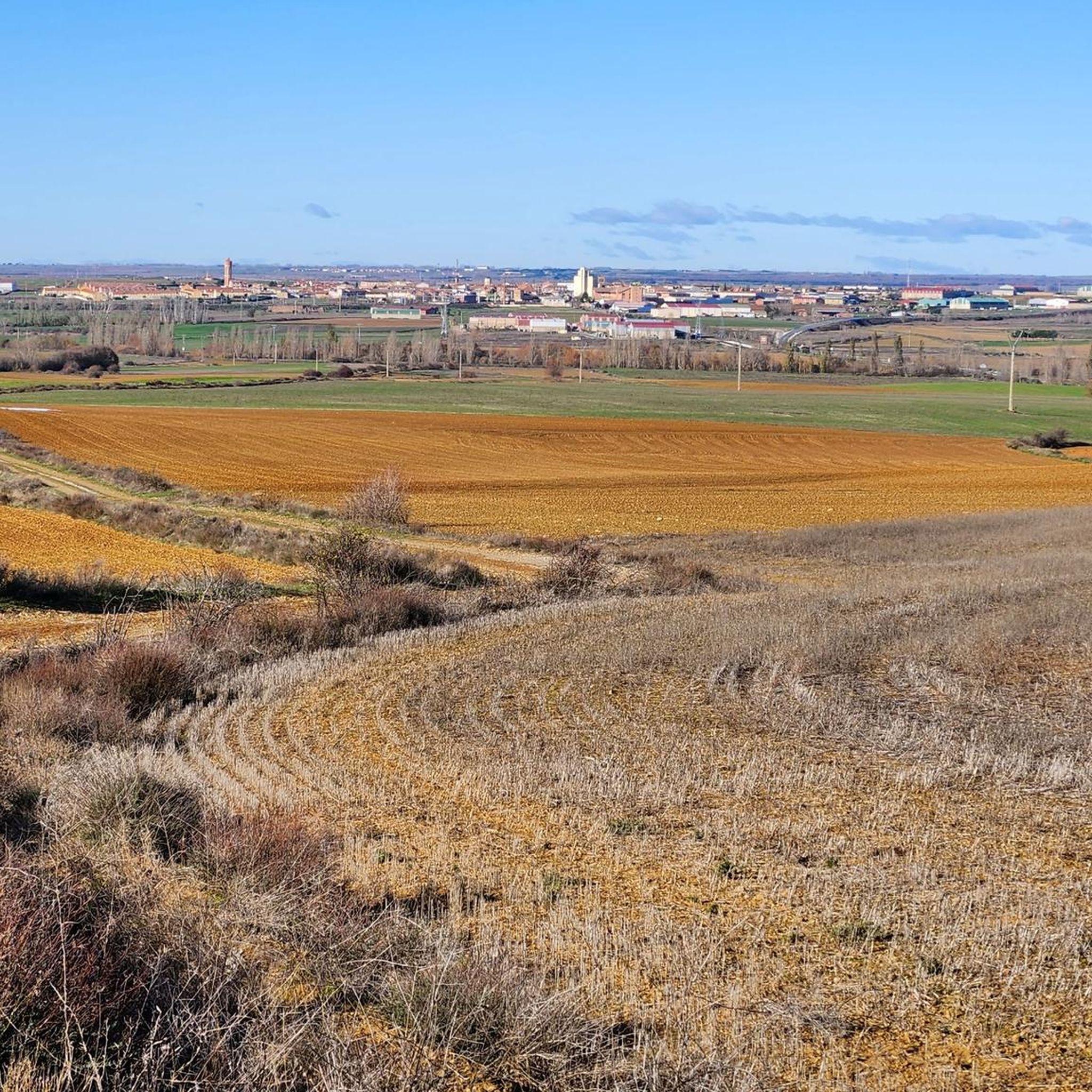
Grajal de Campos is located in the 'Tierra de Campos' region, known for its characteristic landscape of large, undulating plains. The area features golden fields, ochre terrain, and green trees, particularly along the Valderaduey River, which flows near the town. This region was historically significant for cereal growing, earning it the nickname 'granary of Spain'.
What outdoor activities can I do near Grajal de Campos?
The region offers various outdoor activities, especially cycling. You can find numerous routes for road cycling, touring, and mountain biking. For example, explore the 'Ribera del Cea Loop from Sahagún' for touring or the 'Castillo de Grajal de Campos loop from Sahagún' for mountain biking. You can find more details on these and other routes in the Road Cycling Routes around Grajal De Campos, Cycling around Grajal De Campos, and MTB Trails around Grajal De Campos guides.
Are there any wheelchair accessible attractions?
Yes, the San Benito Arch and Ruins of the Monastery of San Benito in Sahagún is noted as wheelchair accessible, allowing more visitors to experience this historical site.
What is the significance of the Camino de Santiago in Grajal de Campos?
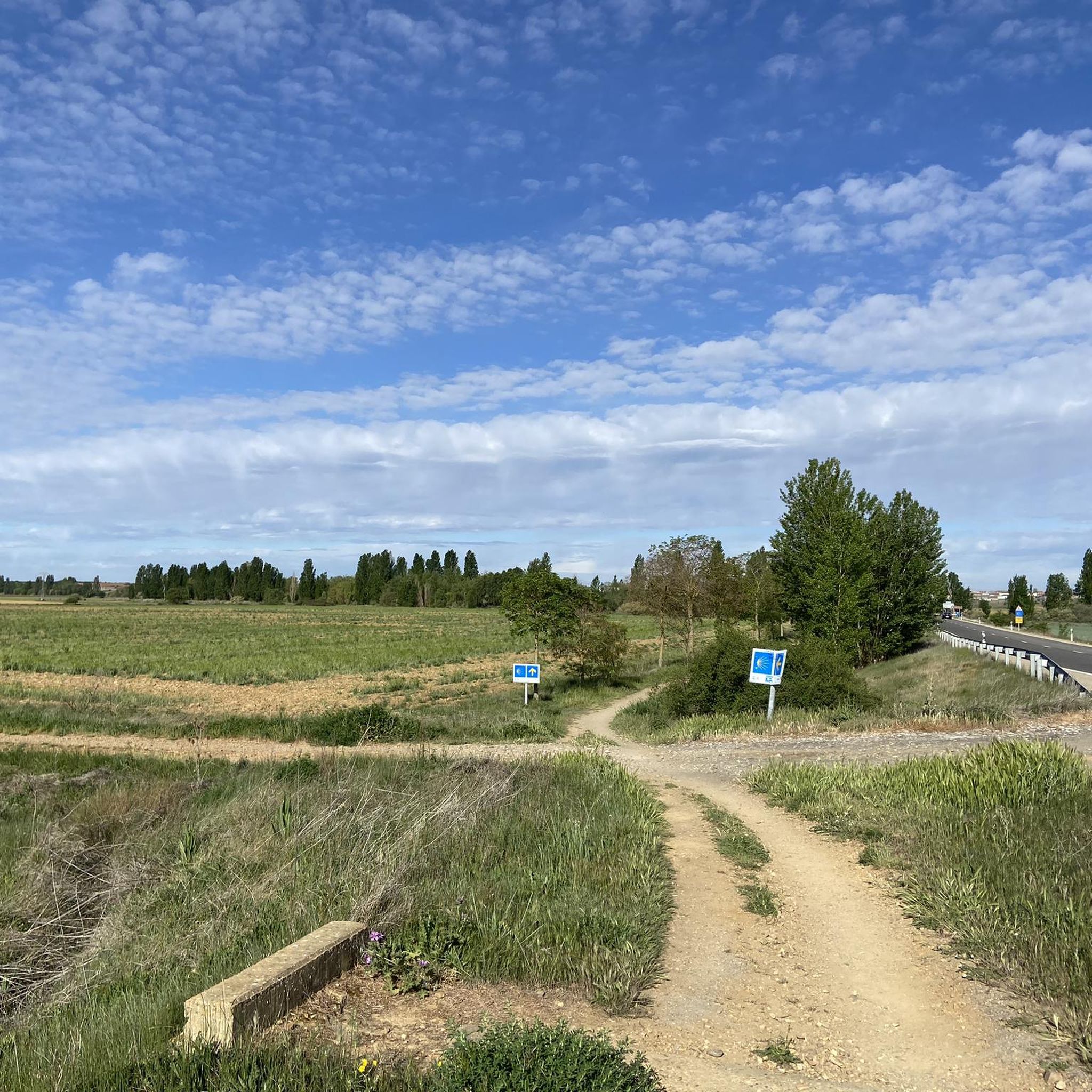
Grajal de Campos is an important stop on the French Way of Saint James pilgrimage route. The town provides a municipal hostel for pilgrims and its historical sites, such as the Geographical Center of the Camino Francés – Ermita de la Virgen del Puente, highlight its deep connection to this ancient path. The Jacques de Molay Hostel in nearby Terradillos de los Templarios also caters specifically to pilgrims.
Can I visit the interior of Grajal Castle?
Visits to the interior of Grajal Castle are typically available during the summer months and are often part of a guided tour. It's advisable to check local information for current opening times and tour availability.
What kind of traditional architecture can be seen in Grajal de Campos?
The urban center of Grajal de Campos showcases homogeneous traditional architecture, primarily built with adobe or brick load-bearing walls. Many houses feature cellars dug into the properties, often covered with brick vaults. This construction style is typical of the Tierra de Campos region and offers significant cultural insight.
Where can I find unique historical cellars near Grajal de Campos?
You can visit the Bodegas de Moratinos. These historical cellars are earth caves dug to provide optimal humidity and temperature for preserving food and making homemade wine, a practice dating back to Roman times along the Camino de Santiago.
What do visitors enjoy most about the attractions around Grajal de Campos?
Visitors appreciate the rich historical heritage and the serene landscapes. The San Benito Arch is noted as an 'impressive monument,' and the Hermitage of the Virgin of the Bridge is described as a 'historic gem.' Many enjoy the blend of Christian and Islamic elements in the Mudejar style architecture and the unique experience of the traditional cellars.
Are there any religious buildings of note in the area?
Absolutely. Besides the prominent Church of San Miguel, you can visit the Chapel of the Virgen de las Puertas, dedicated to the local patron saint, and the historic Convent and Church of Nuestra Señora de La Antigua. The Geographical Center of the Camino Francés – Ermita de la Virgen del Puente and the Hermitage of Our Lady of Perales are also significant religious sites.
What is the best season to visit Grajal de Campos for outdoor activities?
While specific recommendations for Grajal de Campos are not provided, the 'Tierra de Campos' region, with its undulating plains and cereal fields, can be enjoyed in various seasons. Spring and autumn generally offer pleasant temperatures for outdoor activities like cycling and walking. Summer allows for visits to the interior of Grajal Castle, but can be hot for extensive outdoor pursuits.

Get inspired with the komoot mobile app


Explore more
Still not found the Highlight you’re looking for? See guides of the top attractions in other regions:
