Attractions and Places To See around Becerreá - Top 20
Best attractions and places to see around Becerreá include a blend of historical landmarks, cultural sites, and natural features. Located in the province of Lugo, Spain, Becerreá serves as a gateway to the Ancares region, known for its diverse ecosystems and traditional architecture. The area features ancient bridges, significant Camino de Santiago points, and unique natural formations. This region offers a variety of experiences for those exploring its natural and historical heritage.
Best attractions and places to see around Becerreá
…Last updated: August 22, 2026
Ancient Chestnut Tree in Ramil
Highlight • Natural Monument
Translated by Google •
Tip by

Pilgrim Monument in Triacastela
Highlight • Monument
Translated by Google •
Tip by
Sign up now to discover places like this
Get recommendations on the best single tracks, peaks, & plenty of other exciting outdoor places.
Sign up for free
Camino de Santiago — fork at Triacastela
Highlight • Trail
Translated by Google •
Tip by
Arthur Manton Lowe Gallery, Triacastela
Highlight • Structure
Filling in for Arthur Manton Lowe back in England for visas.
Instagram: artmantonlowe
The main reason for our trip to Spain was Arthur and his …
Translated by Google •
Tip by

Camino Francés Fork: San Xil or Amandos Route
Highlight • Trail
Translated by Google •
Tip by

Sign up for free to discover even more attractions around Becerreá.
Sign up for free
Already have an account?
Start today with a free account
Your next adventure awaits.
Login or Signup
Tips from the Community

Located at the entrance to Triacastela, this wooden sculpture depicts a classic pilgrim with a staff, cloak, and hat. It's one of the most photographed spots on the Camino as it passes through this town. A work of local craftsmanship, it pays homage to the thousands of pilgrims who have passed through this historic Galician village, which was one of the first documented stops on the Camino de Santiago route. A good excuse to stop, stretch your legs, and take a symbolic photo before entering the town. From here, decide whether to continue along the San Xil route (shorter and more mountainous) or the Samos route (longer and with a monastery). Both routes are beautiful, but very different.
0
0

Peter and Sue from Australia. Filling in for Arthur Manton Lowe back in England for visas. Instagram: artmantonlowe The main reason for our trip to Spain was Arthur and his exhibition at his gallery on the Camino de Santiago. Arthur had hiked the Camino a few years ago and fell in love with the then-dilapidated building right on the trail, about 130 km from Santiago de Compostela. He decided to buy it and began renovating it. Today, ten years later, it is both his home and an art gallery. The garden is still a work in progress, but the flowers he planted, including 20 to 30 lavender plants, are already attracting numerous butterflies. All pilgrims passing through here (and turning right at the fork in the trail in Triacastela towards San Xil) are welcome to admire his works and his obvious artistic talent. They may even be lucky enough to have an original Arthur Manton-Lowe painting included in their Camino pilgrim's passport.
0
1
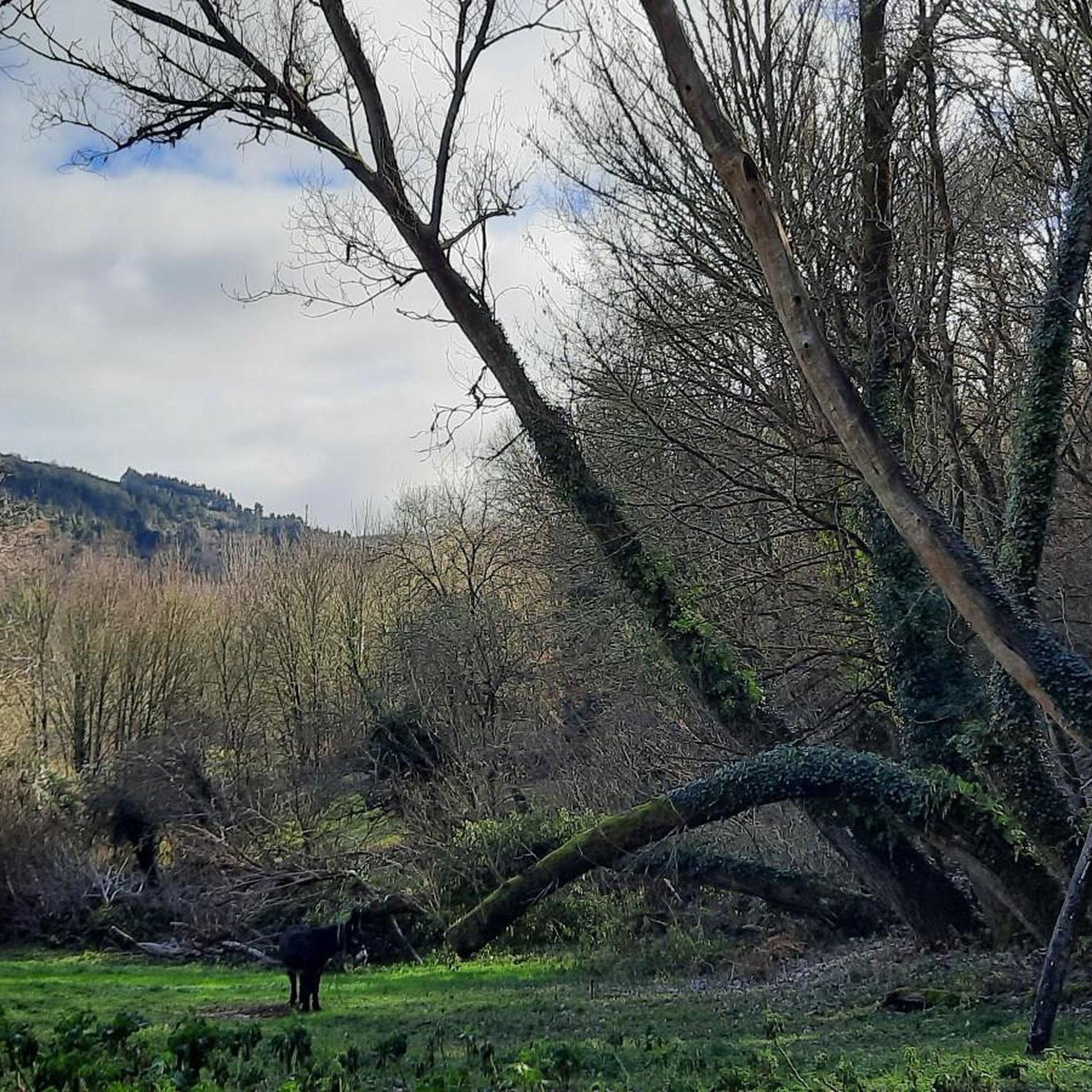
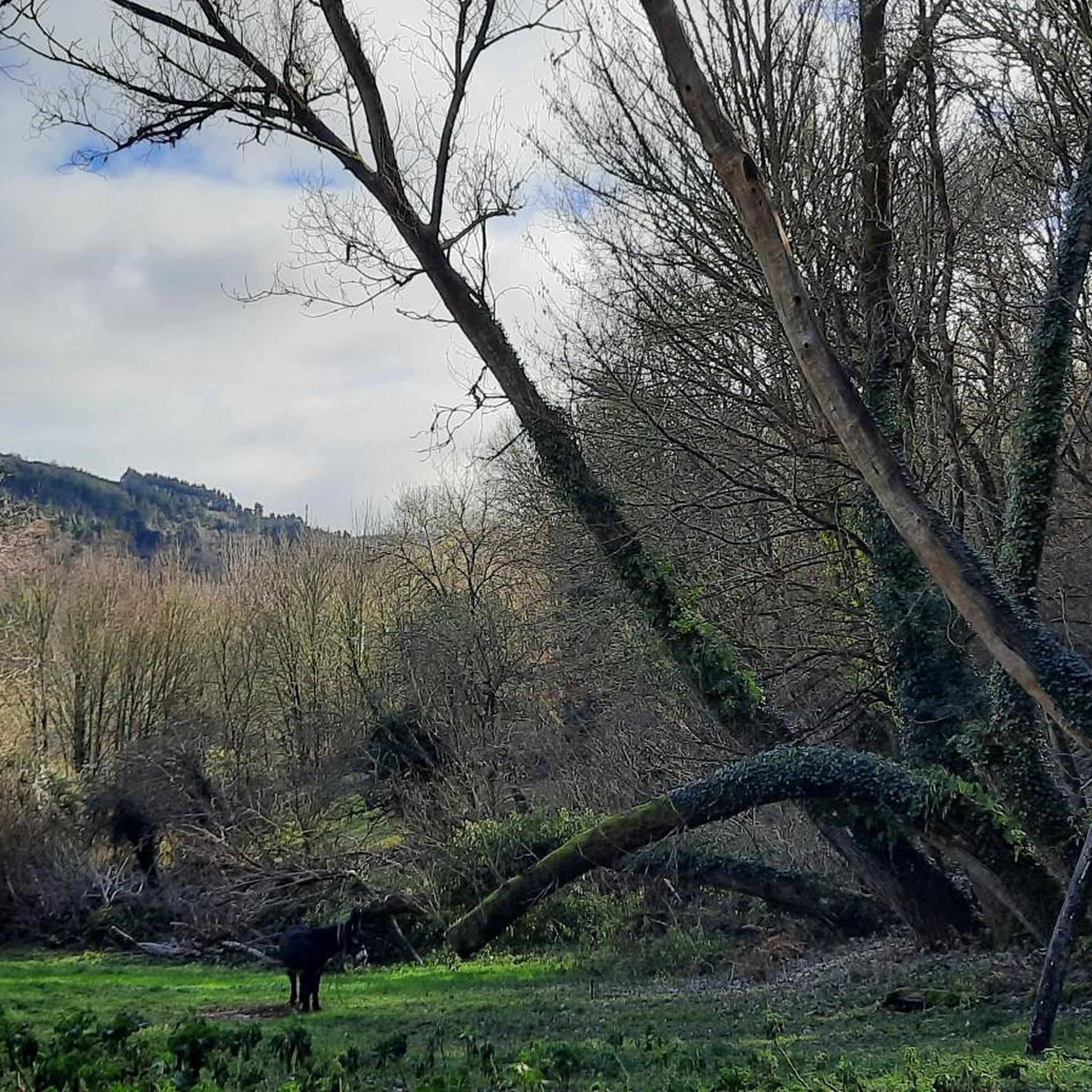
In the small village of Ramil at the foot of the Camino, just before Triacastela, stands one of Galicia's most beautiful century-old chestnut trees. Its trunk spans 8.5 meters and, with its hollow spaces and thick branches that seem to embrace the tree, resembles an X-ray of time.
0
1

Large deciduous tree that is common in the mountains of Galicia. The fruits are covered with a green rind with thorns, the "erize". The season for harvesting chestnuts is November, and in Triacastela and throughout Galicia in general it is celebrated with a festival called "magesto". The main use of the chestnut tree is to obtain its wood and use its fruit as food for the population in general and as food for livestock.
1
0

Walk right to get to Sarria, walk left to add a night in Samos.
2
0

This impressive tree is over 800 years old. A true natural monument.
2
0

Signage on the Camino de Santiago is essential for pilgrims. Yellow arrows: These arrows will guide you throughout the entire route. They indicate the direction to follow, especially at crossroads. The yellow color is due to the contribution of the parish priest Elías Valiña, a key figure in the resurgence of the Camino de Santiago in the 20th century. Cairns or milestones: These concrete blocks include an arrow, a yellow shell on a blue background and the distance in kilometers to Santiago de Compostela. You will find them every 500 meters in Galicia. Scallop shells: In addition to being drawn on the markers, scallop shells are distributed throughout the Camino. They are universal symbols and have been carried by pilgrims for centuries. The open part of the shell indicates the direction towards Santiago. Good way! 🚶♂️🌟
1
0
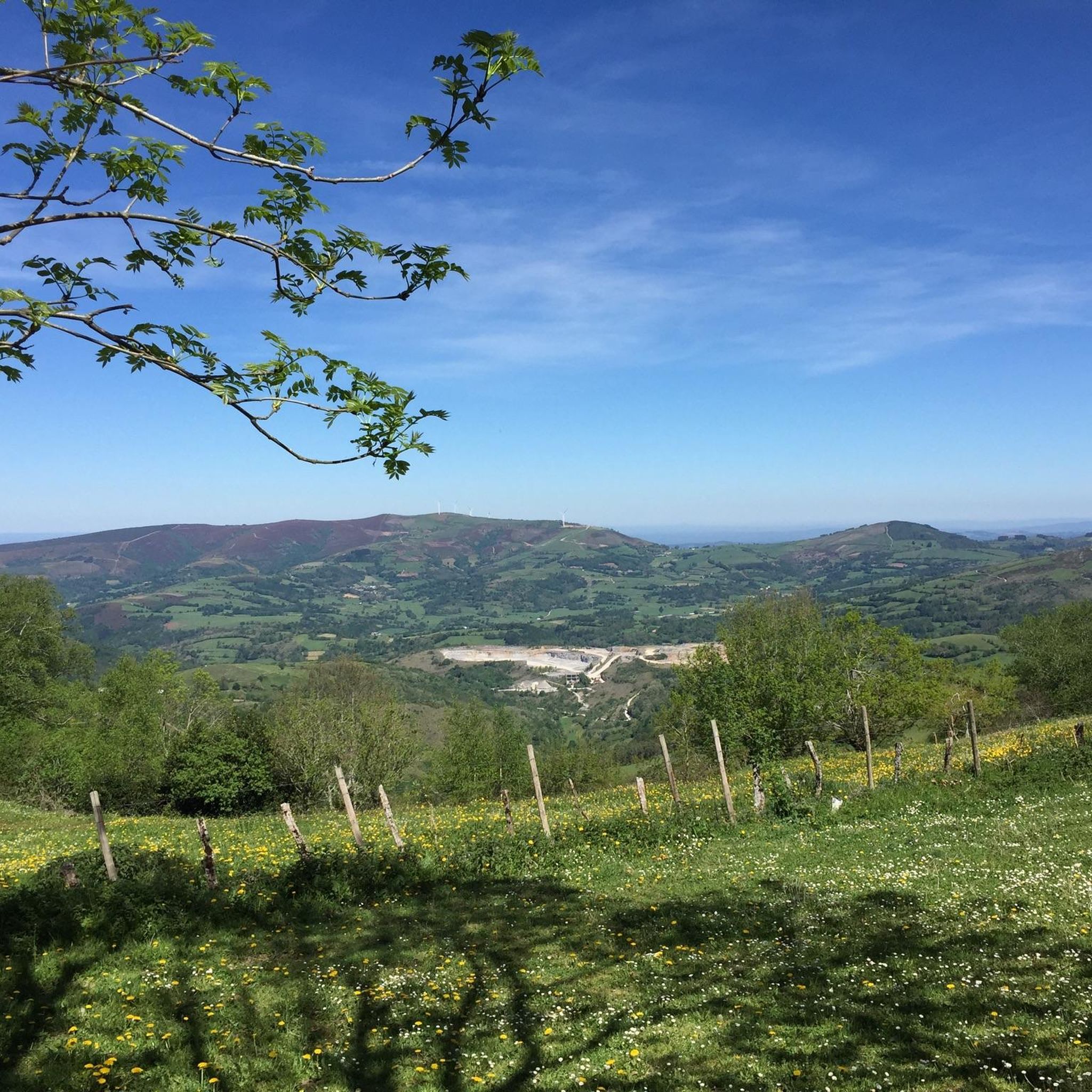
At the end of the Rúa de Peregrino in Triacastela, the Camino de Santiago forks, offering two main routes to reach Sarria: San Xil Route: This is the historic and most direct route, which crosses the San Xil valley, passing through picturesque villages and rural roads. Samos Route: This variant is a little longer and passes through the Benedictine monastery of Samos, one of the oldest in Spain. Both routes have their charm and offer different landscapes and experiences.😎🚶♀️😊
10
0
Frequently Asked Questions
What natural attractions can I explore around Becerreá?
Becerreá is a gateway to the natural beauty of the Ancares region. You can discover the unique karstic landscape of Os Grobos, often called the 'Enchanted City,' with its fascinating rock formations. The wider Os Ancares Lucenses area, a UNESCO Biosphere Reserve, offers rich flora and fauna. Don't miss the ancient Ancient Chestnut Tree in Ramil, an over 800-year-old natural monument.
Are there any significant historical landmarks in the Becerreá area?
Yes, the region boasts several historical landmarks. The neoclassical Puente de Cruzul, an 18th-century bridge, is a notable piece of engineering. The 15th-century Puente de Gatín spans the Navia River, and the ancient Cistercian Monasterio de Santa María de Penamaior features a beautiful Romanesque facade. You can also find old milestones like the Poste miriamétrico de Agüeira.
How does the Camino de Santiago pass through Becerreá?
Becerreá is part of the historic Via Künig, an alternative route of the Camino de Santiago. Nearby Triacastela is a significant point on the French Way, where the Camino forks. Pilgrims can choose between the historic San Xil Route or the longer Samos Route, which passes by the ancient Benedictine monastery of Samos. The Camino de Santiago — fork at Triacastela is a key decision point for many.
What cultural sites can I visit near Becerreá?
The area offers several cultural and religious sites. These include the Church of Santa Maria in Os Ancares, the Romanesque Church of San Pedro de Cadoalla (also known as the Sanctuary of Leomo) with its spectacular tower, and the Church of San Cosme de Ouselle, known for its beautiful portico. In nearby Triacastela, you can visit the Arthur Manton Lowe Gallery.
Are there family-friendly attractions around Becerreá?
Absolutely. Families can enjoy exploring the unique rock formations of Os Grobos. The Ancient Chestnut Tree in Ramil is an impressive natural monument that children often find fascinating. Additionally, the Pilgrim Monument in Triacastela offers a glimpse into the history of the Camino de Santiago, and the Arthur Manton Lowe Gallery can be an interesting stop for art-loving families.
What kind of outdoor activities can I do near these attractions?
The region around Becerreá is ideal for outdoor enthusiasts. Hiking is very popular, with routes through areas like Os Grobos Forest, Sierra de Calamouco, and Souto de Agüeira. You can find various hiking trails, from moderate to difficult, exploring the natural landscapes. For more details on routes, check out the Hiking around Becerreá guide.
Where can I see traditional architecture in the Becerreá region?
To experience traditional architecture, visit the Palloza Museo Casa do Sesto in Piornedo. Pallozas are unique, pre-Roman circular stone constructions with thatched roofs, historically used to house both people and livestock. They are an important part of the cultural heritage of the Los Ancares mountains.
What wildlife can be spotted in the Ancares region near Becerreá?
The Os Ancares Lucenses region, a UNESCO Biosphere Reserve, is rich in wildlife. Keep an eye out for native species such as wolves, foxes, wild boars, and various types of deer. The diverse forests and valleys provide habitats for a wide range of animals, making it a great area for wildlife observation.
What do visitors enjoy most about the attractions around Becerreá?
Visitors particularly enjoy the blend of historical significance and natural beauty. The Ancient Chestnut Tree in Ramil is highly praised for its impressive size and age, often serving as an iconic photo spot for pilgrims. The historical context of the Camino de Santiago, especially the Pilgrim Monument in Triacastela and the fork at Triacastela, also receives significant appreciation for its cultural importance and the choices it offers for onward journeys.
Are there cycling routes available near Becerreá?
Yes, the area around Becerreá offers various cycling opportunities. You can find challenging road cycling routes that take you through scenic landscapes, including loops to Alto da Baqueriza or Cebreiro Pass. For more detailed information on routes and their difficulty, explore the Road Cycling Routes around Becerreá guide or the Cycling around Becerreá guide.
What is the significance of the Pilgrim Monument in Triacastela?
The Pilgrim Monument in Triacastela commemorates a medieval tradition where pilgrims carried limestone from Triacastela to Arzúa. This limestone was then used in the construction of the Cathedral of Santiago. The monument, featuring a large stone monolith and a smaller pilgrim statue, marks a significant point on the French Way of the Camino de Santiago.

Get inspired with the komoot mobile app


Explore more
Still not found the Highlight you’re looking for? See guides of the top attractions in other regions:
