The best walks and hikes around Becerreá
3.7
(20)
141
hikers
11
hikes
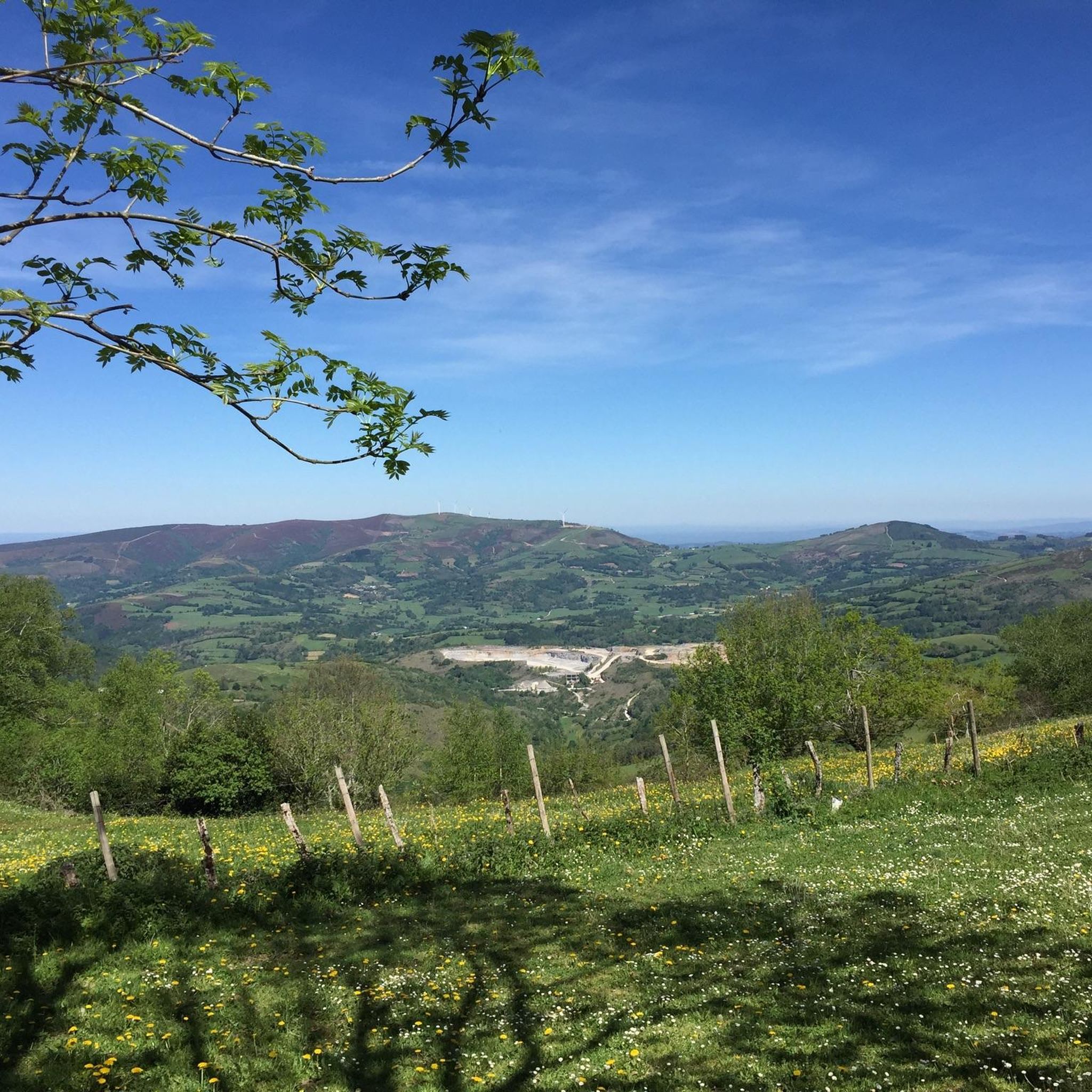
Hiking around Becerreá offers access to the UNESCO Biosphere Reserve of Os Ancares Lucenses y Montes de Navia, Cervantes y Becerreá. The region is characterized by pristine mountain ecosystems, deep valleys, and river systems, including the Navia River and its tributaries. Diverse forests of oaks, birches, and holm oaks contribute to a varied topography with altitudinal contrasts.
Best hiking trails around Becerreá
- The most popular hiking route is Albergue A Reboleira – Church of San Xoán de Hospital loop from…
Last updated: August 25, 2026
4.3
(11)
80
hikers
23.7km
06:38
460m
460m
Hard hike. Very good fitness required. Easily-accessible paths. Suitable for all skill levels.
4.0
(3)
10
hikers
12.2km
03:47
440m
440m
Moderate hike. Good fitness required. Easily-accessible paths. Suitable for all skill levels.

Sign up for free
4.0
(2)
10
hikers
10.8km
03:13
340m
340m
Moderate hike. Good fitness required. Easily-accessible paths. Suitable for all skill levels.
4.0
(1)
14
hikers
13.3km
03:59
400m
400m
Moderate hike. Good fitness required. Easily-accessible paths. Suitable for all skill levels.
1
hikers
9.42km
02:41
210m
210m
Moderate hike. Good fitness required. Easily-accessible paths. Suitable for all skill levels.
Get access to more routes and recommendations from other explorers.
Sign up for free
Already have an account?
Our route recommendations are based on thousands of hikes, rides, and runs completed by other people on komoot.
Start today with a free account
Your next adventure awaits.
Login or Signup
Popular around Becerreá
Tips from the Community

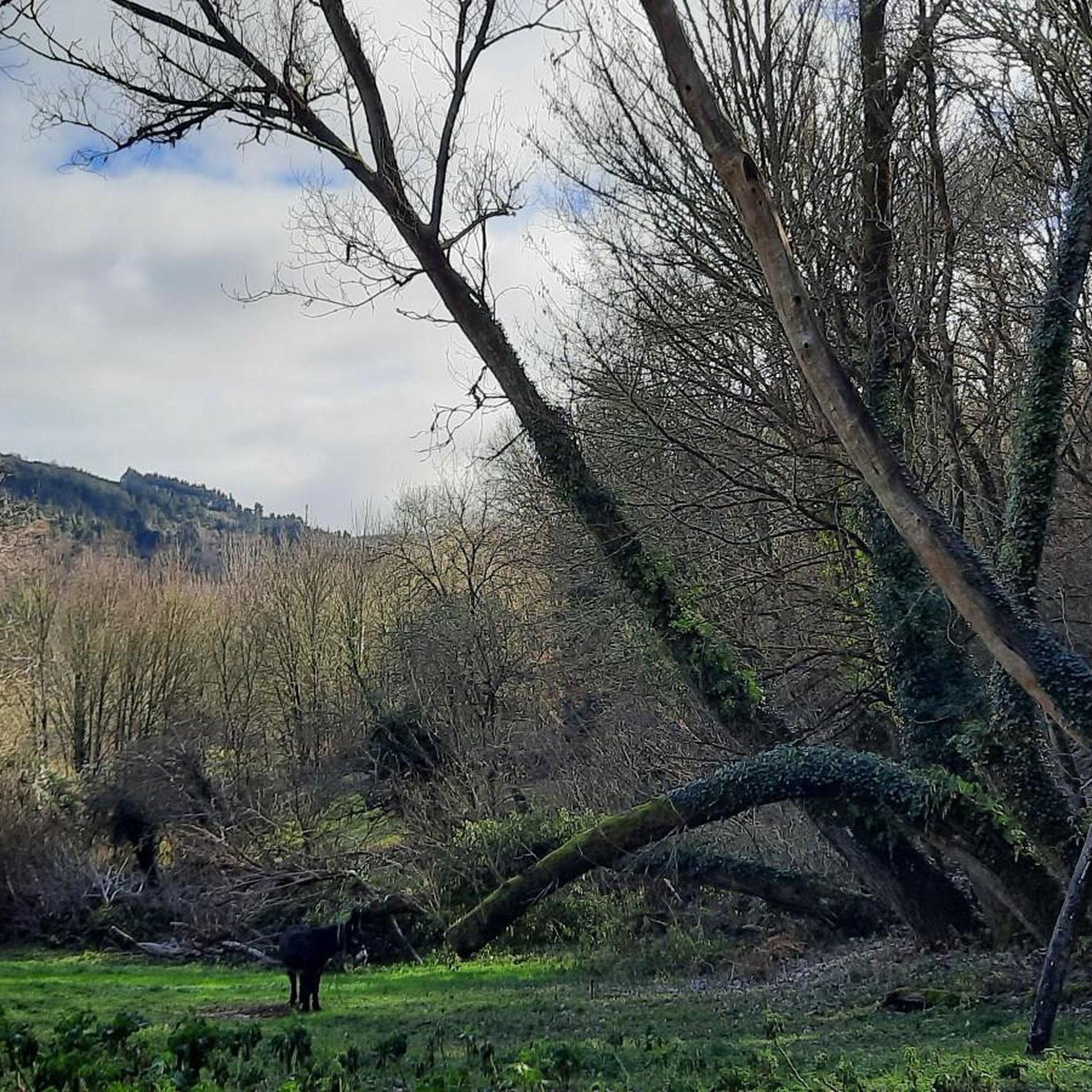
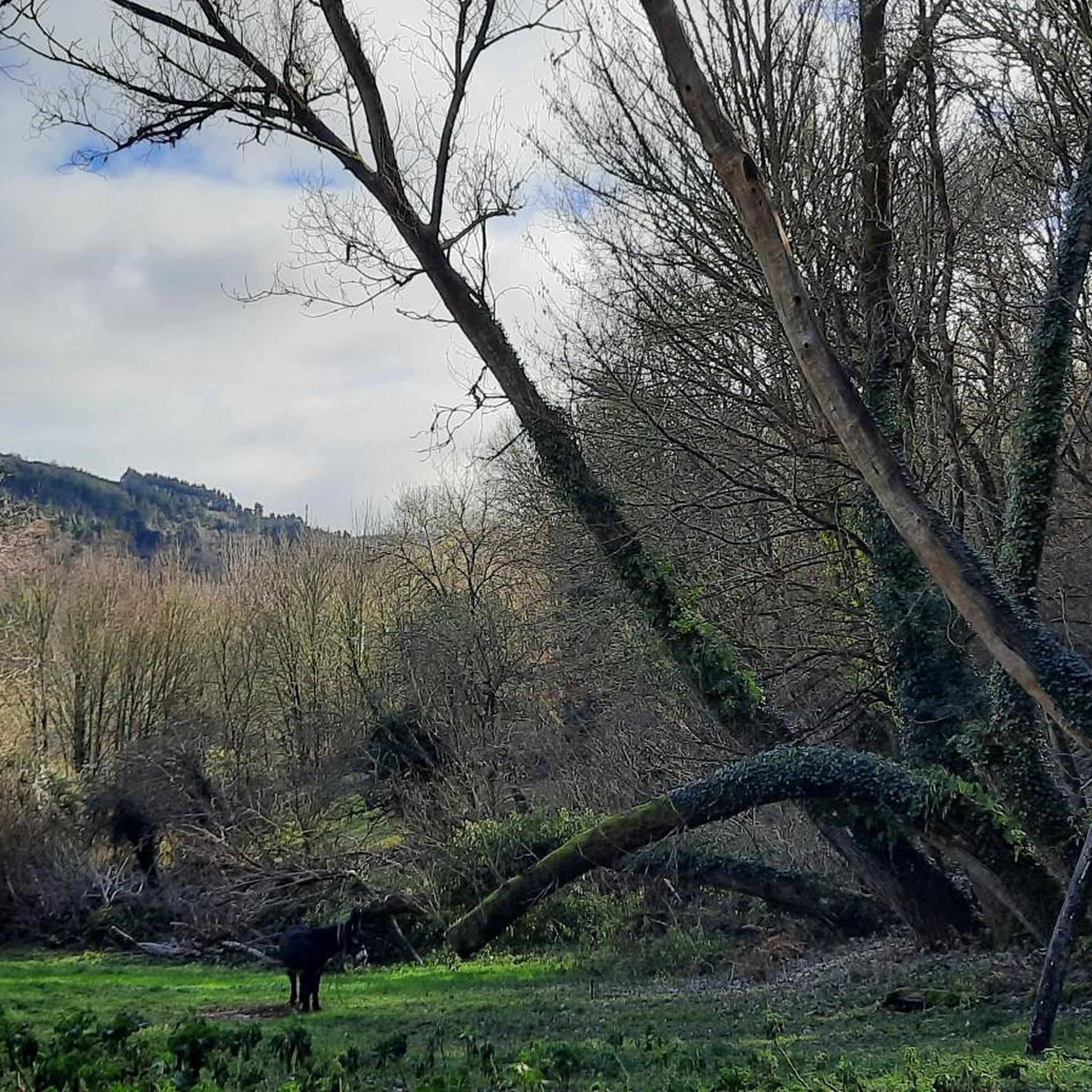
The Os Grobos Forest, located between the municipalities of Becerreá and As Nogais (Lugo), is one of Galicia's most magical and secret corners, ideal for nature and fantasy lovers. It is a karst landscape with limestone rock formations shaped by moisture and the passage of time, covered in moss and surrounded by chestnut trees, oaks, ferns, and ivy.
3
0

What hospitable people there are on the Camino 🤩🥰 Spiritual people have created a pilgrim oasis here and provide pilgrims with everything their hearts desire 🤩👌 And all on a donation basis!
0
1
Peter and Sue from Australia. Filling in for Arthur Manton Lowe back in England for visas. Instagram: artmantonlowe The main reason for our trip to Spain was Arthur and his exhibition at his gallery on the Camino de Santiago. Arthur had hiked the Camino a few years ago and fell in love with the then-dilapidated building right on the trail, about 130 km from Santiago de Compostela. He decided to buy it and began renovating it. Today, ten years later, it is both his home and an art gallery. The garden is still a work in progress, but the flowers he planted, including 20 to 30 lavender plants, are already attracting numerous butterflies. All pilgrims passing through here (and turning right at the fork in the trail in Triacastela towards San Xil) are welcome to admire his works and his obvious artistic talent. They may even be lucky enough to have an original Arthur Manton-Lowe painting included in their Camino pilgrim's passport.
0
1
In the small village of Ramil at the foot of the Camino, just before Triacastela, stands one of Galicia's most beautiful century-old chestnut trees. Its trunk spans 8.5 meters and, with its hollow spaces and thick branches that seem to embrace the tree, resembles an X-ray of time.
0
1

Large deciduous tree that is common in the mountains of Galicia. The fruits are covered with a green rind with thorns, the "erize". The season for harvesting chestnuts is November, and in Triacastela and throughout Galicia in general it is celebrated with a festival called "magesto". The main use of the chestnut tree is to obtain its wood and use its fruit as food for the population in general and as food for livestock.
1
0

Walk right to get to Sarria, walk left to add a night in Samos.
2
0

This impressive tree is over 800 years old. A true natural monument.
2
0

Nice place to reflect
0
1
Frequently Asked Questions
What kind of landscapes can I expect to see while hiking around Becerreá?
Hiking around Becerreá offers a journey through the UNESCO Biosphere Reserve of Os Ancares Lucenses y Montes de Navia, Cervantes y Becerreá. You'll encounter pristine mountain ecosystems, deep valleys, and river systems, including the Navia River. The region is characterized by diverse forests of ancient oaks, birches, holm oaks, and holly, with significant altitudinal contrasts creating a varied and dramatic topography.
Are there any easy hiking trails suitable for beginners or families in Becerreá?
While many trails in the region offer moderate to difficult challenges, there are options for easier walks, particularly around Os Ancares. For example, the Ancient Chestnut Tree in Ramil – Triacastela loop from Triacastela is a moderate 9.4 km route that takes you through picturesque areas, suitable for those looking for a less strenuous experience.
What are some notable natural features or landmarks to look out for on the trails?
The region is rich in natural and historical landmarks. You can visit the ancient Ancient Chestnut Tree in Ramil, which is over 800 years old. The area also features significant forest masses like the Aciñeiral de Cruzul and the Souto de Agüeira, as well as rare beech forests such as A Pintinidoira. The Navia River and its tributaries also create beautiful river systems and valleys.
Are there any circular hiking routes available in Becerreá?
Yes, several circular routes are available. The Os Grobos Forest – Os Grobos Forest loop from As Nogais is a moderate 12.2 km circular path through dense woodlands. Another option is the Os Grobos Forest loop from A Horta, a 11.0 km moderate trail exploring the natural forest landscape.
What is the best time of year to go hiking in Becerreá?
The region's diverse forests and mountain ecosystems make it appealing across seasons. Spring and autumn generally offer pleasant temperatures and vibrant scenery, with autumn showcasing spectacular fall foliage. Summer is also suitable, especially for higher altitude trails, though it can be warmer. Winter hiking is possible but requires appropriate gear and awareness of conditions, particularly in higher elevations.
Can I hike parts of the Camino de Santiago in the Becerreá area?
Yes, the French Way of the Camino de Santiago passes through the broader area. You can experience sections of it, such as the historic San Xil route or the slightly longer Samos route. The Camino de Santiago Marker – Terra de Luz Pilgrim Rest Stop loop from Montán is a moderate 16.4 km route that incorporates elements of the pilgrimage path.
What do other hikers say about the trails in Becerreá?
The hiking routes in Becerreá are highly rated by the komoot community, with an average score of 3.3 stars from over 10 reviews. Hikers often praise the varied mountain terrain, the beauty of the diverse forests, and the opportunity to explore a UNESCO Biosphere Reserve.
Are there any challenging hikes for experienced trekkers?
Yes, for experienced trekkers seeking a challenge, the Albergue A Reboleira – Church of San Xoán de Hospital loop from Fonfría is a difficult 23.7 km trail that explores varied mountain terrain and takes approximately 6 hours and 37 minutes to complete.
What kind of wildlife might I encounter while hiking in the region?
The Becerreá region, being a biodiversity hotspot, hosts a complex array of flora and fauna. It's a crucial habitat for endangered species such as the brown bear. You might also encounter various bird species and other wildlife characteristic of both Euro-Siberian and Mediterranean biogeographic regions.
Where can I find more information about the natural heritage of the area?
For those interested in learning more about the region's natural heritage, the Os Ancares Nature Education Centre in Cervantes serves as a valuable resource. Additionally, the area is part of the UNESCO Biosphere Reserve, which you can learn more about on the UNESCO website.
Are there any historical or cultural points of interest along the trails?
Beyond natural beauty, the region is rich in cultural heritage. You might encounter traditional elements like 'pallozas'—pre-Roman, circular stone constructions with thatched roofs. The Camino de Santiago also brings historical significance, with landmarks like the Pilgrim Monument in Triacastela and the Arthur Manton Lowe Gallery nearby.
Most popular routes around Becerreá
Most popular attractions around Becerreá

Get inspired with the komoot mobile app


Explore more
Browse the best Hikes in other regions.
