Attractions and Places To See around Camporrobles - Top 20
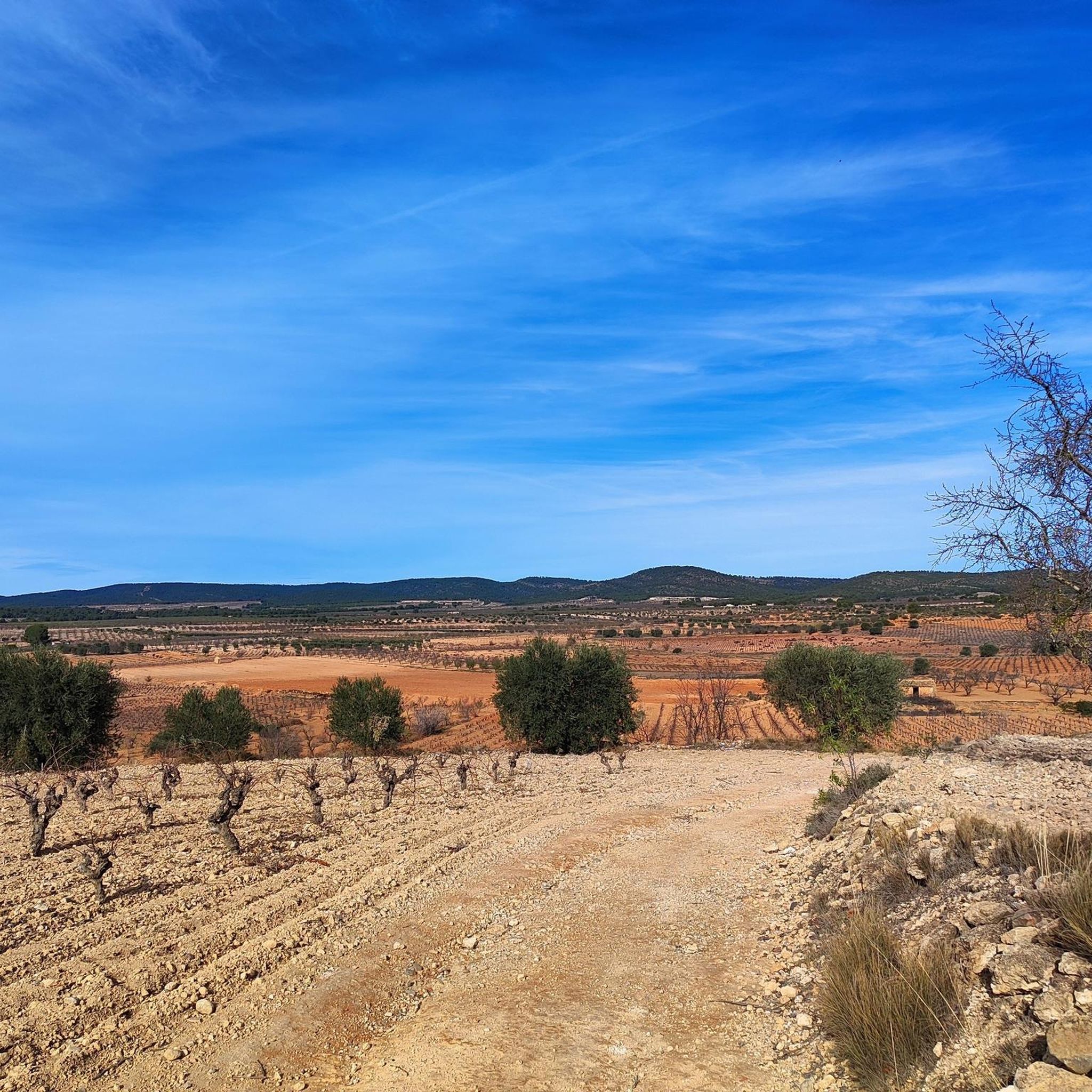
Best attractions and places to see around Camporrobles, a municipality situated at 900 meters above sea level, offers a blend of historical and natural attractions. The area features diverse landscapes, including cereal fields, vineyards, almond groves, and hills with ravines and valleys. It is an ideal destination for those interested in rural tourism, hiking, and exploring ancient historical remains. The region provides natural viewpoints and habitats for local wildlife.
Best attractions and places to see around Camporrobles
- The most popular…
Last updated: June 23, 2026
Contreras Bridge - Cabriel River
Highlight • Bridge
Showing Translation
Tip by

Villargordo del Cabriel
Highlight • Settlement
Showing Translation
Tip by
Sign up now to discover places like this
Get recommendations on the best single tracks, peaks, & plenty of other exciting outdoor places.
Sign up for free
Peñas Blancas Path Trench
Highlight • Historical Site
Translated by Google •
Tip by

Contreras Trench
Highlight (Segment) • Historical Site
Translated by Google •
Tip by

El Moluengo
Highlight • Summit
Translated by Google •
Tip by
Sign up for free to discover even more attractions around Camporrobles.
Sign up for free
Already have an account?
Start today with a free account
Your next adventure awaits.
Login or Signup

Other adventures around Camporrobles

Tips from the Community

7 bow bridge, so beautiful
11
0
Villargordo del Cabriel is a municipality in the Requena-Utiel region, in the province of Valencia. The town is located on the banks of the Cabriel River and is on the border between Castilla-La Mancha and the Valencia region. One of the biggest tourist attractions is the beautiful nature, which is remarkably well preserved.
14
0

It was built in 1972 at the confluence of the Cabriel and Guadazaón rivers. The dam height is 129 metres. Its purpose is, among other things, to supply water to the city of Valencia. The Contreras Bridge was built between 1845 and 1851 by the engineer Lucio del Valle. To descend the ravine, he had to build a zigzag road that formed the port of Contreras.
2
0

It is a mountain peak located in the vicinity of the Valencian municipality of Villargordo del Cabriel, in the enclave of the Hoces del Cabriel Natural Park, a privileged natural environment that serves as a border with the neighboring region of Castilla – La Mancha. This peak has an altitude of around 1040 m and from its summit it is possible to obtain privileged views of the Sierra del Rubial to which this rocky promontory belongs. The panoramic view offered from this point allows you to see all the towns in the Requena-Utiel region in which this Natural Park is included. Likewise, from the Moluengo peak it is possible to see the depression of the Cabriel River and the neighboring plains of Cuenca. It is possible to go up to the Moluengo peak and cross the privileged natural environment that surrounds it thanks to one of the routes that cross the Hoces del Cabriel Natural Park, known as the yellow route, which starts from the town of Villargordo del Cabriel and leads the traveler to the top of Moluengo. Along this itinerary, which has an extension of 16 km, it is possible to visit places such as the town of Moluengo, the Fonseca viewpoint, the Oliva fountain or the Vadocañas bridge, over the waters of the Cabriel river and which constitutes the point at which the route ends.
0
0
Until 2016, it held the record for the bridge with the longest concrete arch span in Spain and stands out for its slenderness and visual beauty. Now, the largest is the Alcántara reservoir viaduct, built in 2019 for the Madrid-Extremadura High Speed line.
2
0

Dam bridge. Spectacular views
3
0

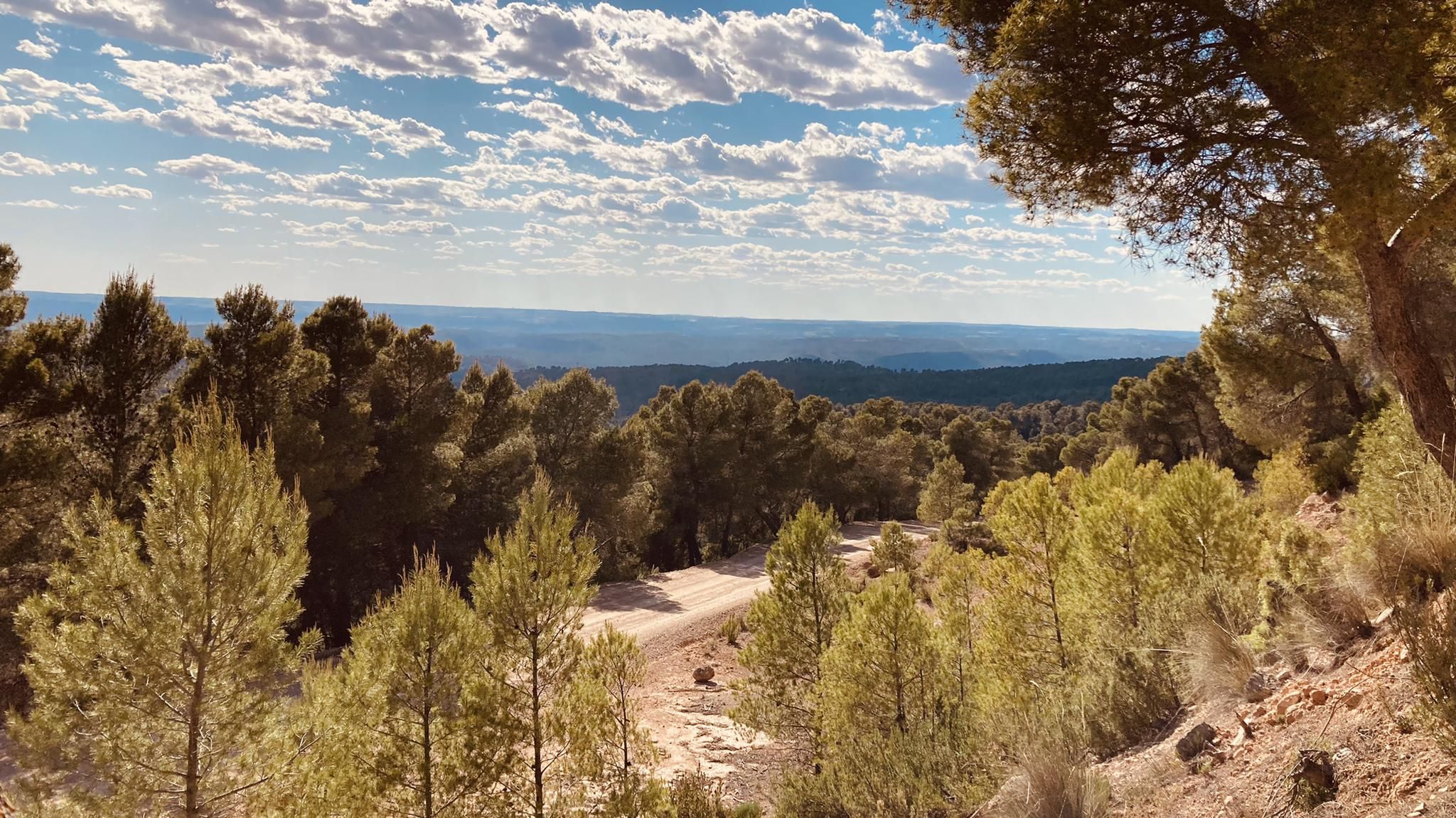
Top of the peak "El Moluengo" at 1023 m above sea level, highest point of the Natural Park of Las Hoces del Cabriel. It allows to appreciate beautiful views to all the valley of the Cabriel, the province of Valencia and the one of Cuenca.
4
0
Trenches that date back to the beginning of the 19th century (1808-1814) and that were used by the Spanish troops for defense during the War of Independence.
1
1
Frequently Asked Questions
What historical sites can I explore in Camporrobles?
Camporrobles is rich in history. You can visit the significant "El Molón" Archaeological Park, an Iberian site with an interpretative center, rock-carved cisterns, and remains from Muslim re-occupation. Other notable historical places include the neoclassical Church of Our Lady of the Assumption, the Former Flour Factory (La Harinera), and the historic Paulete District. Additionally, you can explore the 19th-century trenches at Peñas Blancas Path Trench and Contreras Trench, which were used during the War of Independence.
Are there any natural parks or scenic viewpoints near Camporrobles?
Yes, the area offers beautiful natural landscapes. The "El Molón" Municipal Natural Park provides panoramic views, diverse flora and fauna, and opportunities for walks. You can also find scenic spots like the "El Molón" Spring and "El Castillete" at Contreras Reservoir. For stunning vistas, visit Peña Azul Viewpoint, which offers views of the valley and the Hoces del Cabriel Natural Park.
What museums are available in Camporrobles?
Camporrobles hosts two interesting museums. The Raúl Gómez Museum Collection, located in the Patronato Martínez de la Mata building, features archaeology, malacology, and optokinetic painting. There is also an Ethnographic Museum that provides insights into the local culture and history of the village.
Can I find family-friendly attractions in the Camporrobles area?
Absolutely. Many of the natural areas and viewpoints are suitable for families. For example, Peña Azul Viewpoint is considered family-friendly. The charming town of Villargordo del Cabriel, with its picturesque central square, is also a great starting point for exploring the Hoces del Cabriel Natural Park with family.
What kind of outdoor activities can I do around Camporrobles?
The region around Camporrobles is ideal for outdoor enthusiasts. You can enjoy hiking on trails like the Iberian Route and "Cerro Cardete", or explore the "El Molón" Municipal Natural Park. For more structured routes, there are numerous options for hiking, cycling, and road cycling. You can find detailed routes and guides for hiking, cycling, and road cycling in the area.
Are there any notable bridges or architectural landmarks to see?
Yes, the 19th-century Contreras Bridge - Cabriel River is a significant architectural landmark, originally nicknamed "Centipede" due to its many pillars. Within Camporrobles, the Old Town Hall, an 18th-century ancestral home, and the Former Flour Factory (La Harinera) are also points of interest showcasing local architecture.
Where can I go for a peaceful stroll in nature near Camporrobles?
For a peaceful stroll, consider visiting Pozo Pitos, located near Camporrobles alongside the Fuenterrobles road. This area features traditional agricultural lands dotted with solitary poplars and small farmhouses, offering a unique rural charm. The "El Molón" Municipal Natural Park also provides ample opportunities for tranquil walks amidst nature.
What is the best time of year to visit Camporrobles for sightseeing?
Camporrobles offers diverse landscapes that change with the seasons, including cereal fields, vineyards, and almond groves. Spring and autumn generally provide pleasant temperatures for exploring historical sites and enjoying outdoor activities like hiking. The natural beauty, with its aromatic plants and forests, can be appreciated throughout much of the year.
Are there any unique natural reserves or protected areas?
Yes, the Micro-reserve of the Lengua del Ciervo is a protected area focusing on specific flora. It's part of an excursion that combines nature exploration with historical remains, including a Spanish Civil War observatory and a picnic area, making it a unique spot for nature lovers.
What do visitors enjoy most about the attractions around Camporrobles?
Visitors frequently appreciate the blend of historical and natural attractions. The stunning views from places like Peña Azul Viewpoint and the historical significance of sites like the Peñas Blancas Path Trench are often highlighted. The area's diverse landscapes, from vineyards to forests, and the opportunities for rural tourism and hiking are also highly valued by the komoot community.
Can I find places related to the Spanish Civil War in the area?
Yes, the "El Molón" Archaeological Park served as an airfield observatory during the Spanish Civil War. Additionally, the Micro-reserve of the Lengua del Ciervo includes a Spanish Civil War observatory, offering a glimpse into this period of history.
Most popular attractions around Camporrobles

Get inspired with the komoot mobile app


Explore more
Still not found the Highlight you’re looking for? See guides of the top attractions in other regions:
