Attractions and Places To See around Sant Guim De Freixenet - Top 20
Best attractions and places to see around Sant Guim De Freixenet include a blend of historical landmarks, cultural sites, and natural features within the comarca of la Segarra in Catalonia, Spain. The area is characterized by its elevated terrain and cereal fields, reflecting its agricultural heritage. Visitors can explore various hamlets, each offering vestiges of the past, alongside significant architectural and natural points of interest.
Best attractions and places to see around Sant Guim De Freixenet
- The most popular attractions…
Last updated: July 2, 2026
Cervera
Highlight • Settlement
Translated by Google •
Tip by

Monastery of Sant Ramon Nonat
Highlight • Religious Site
Translated by Google •
Tip by
Sign up now to discover places like this
Get recommendations on the best single tracks, peaks, & plenty of other exciting outdoor places.
Sign up for free
Montfalcó Murallat
Highlight • Historical Site
Translated by Google •
Tip by

Corral del Monjo
Highlight • Historical Site
Translated by Google •
Tip by

Jorba
Highlight • Settlement
Translated by Google •
Tip by

Sign up for free to discover even more attractions around Sant Guim De Freixenet.
Sign up for free
Already have an account?
Start today with a free account
Your next adventure awaits.
Login or Signup
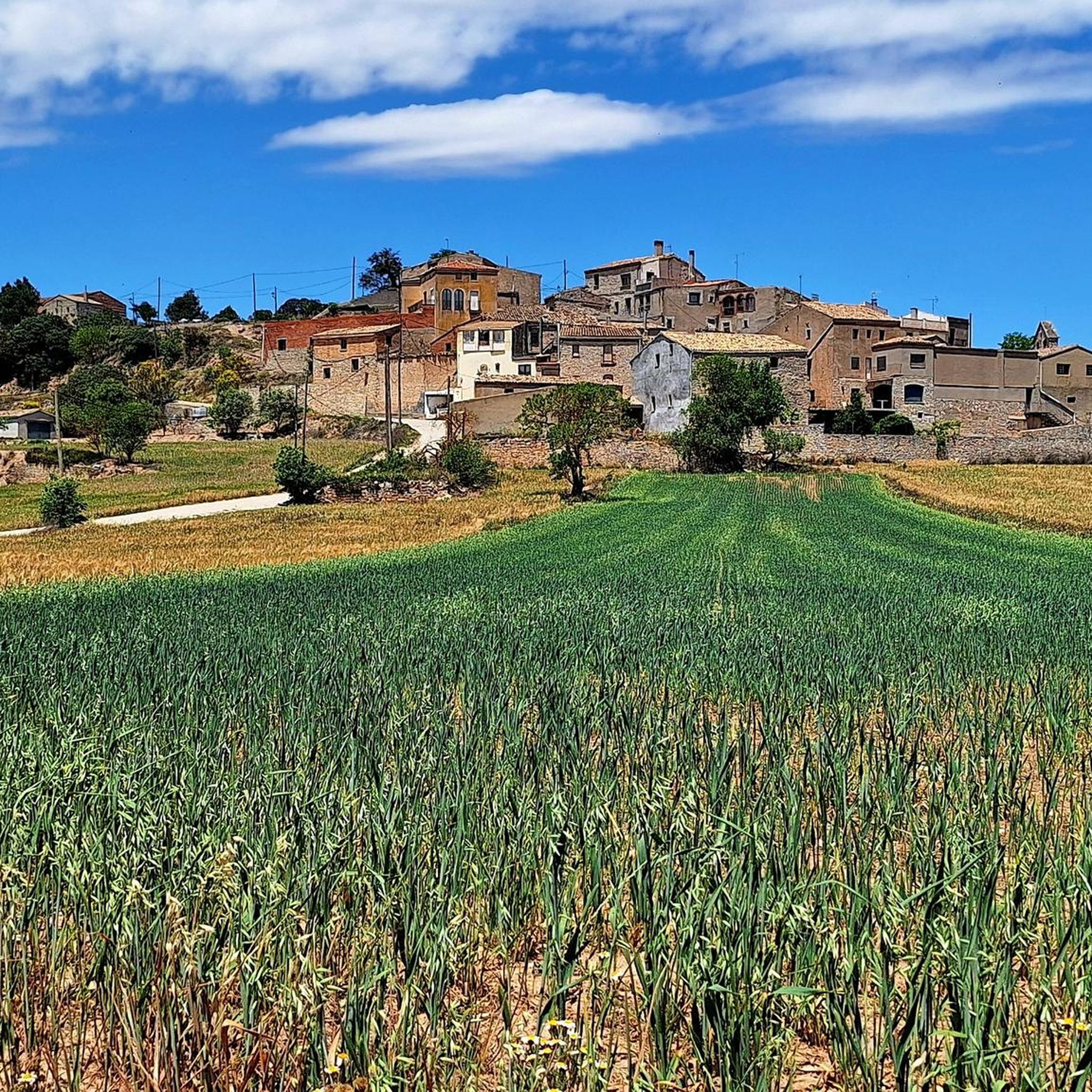
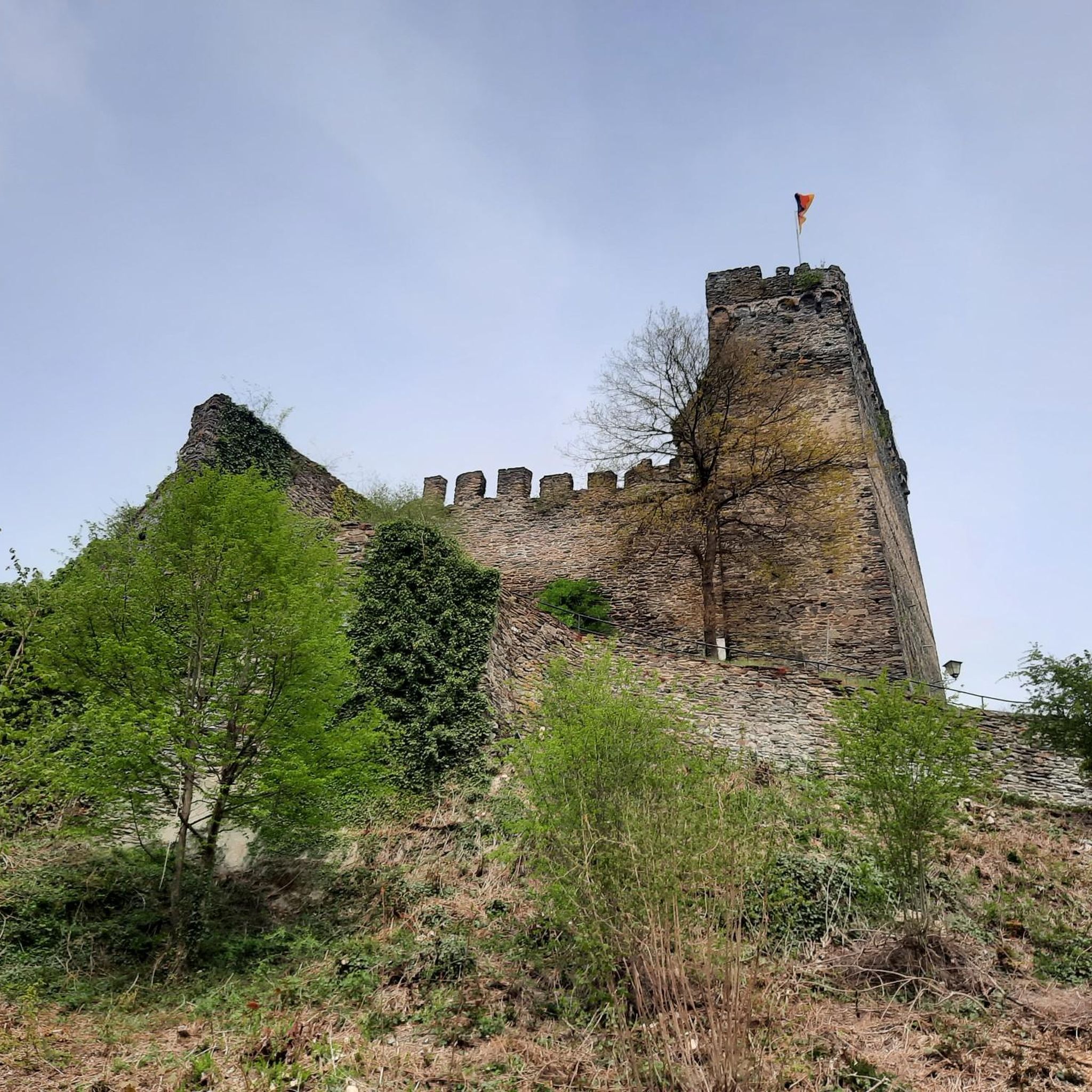
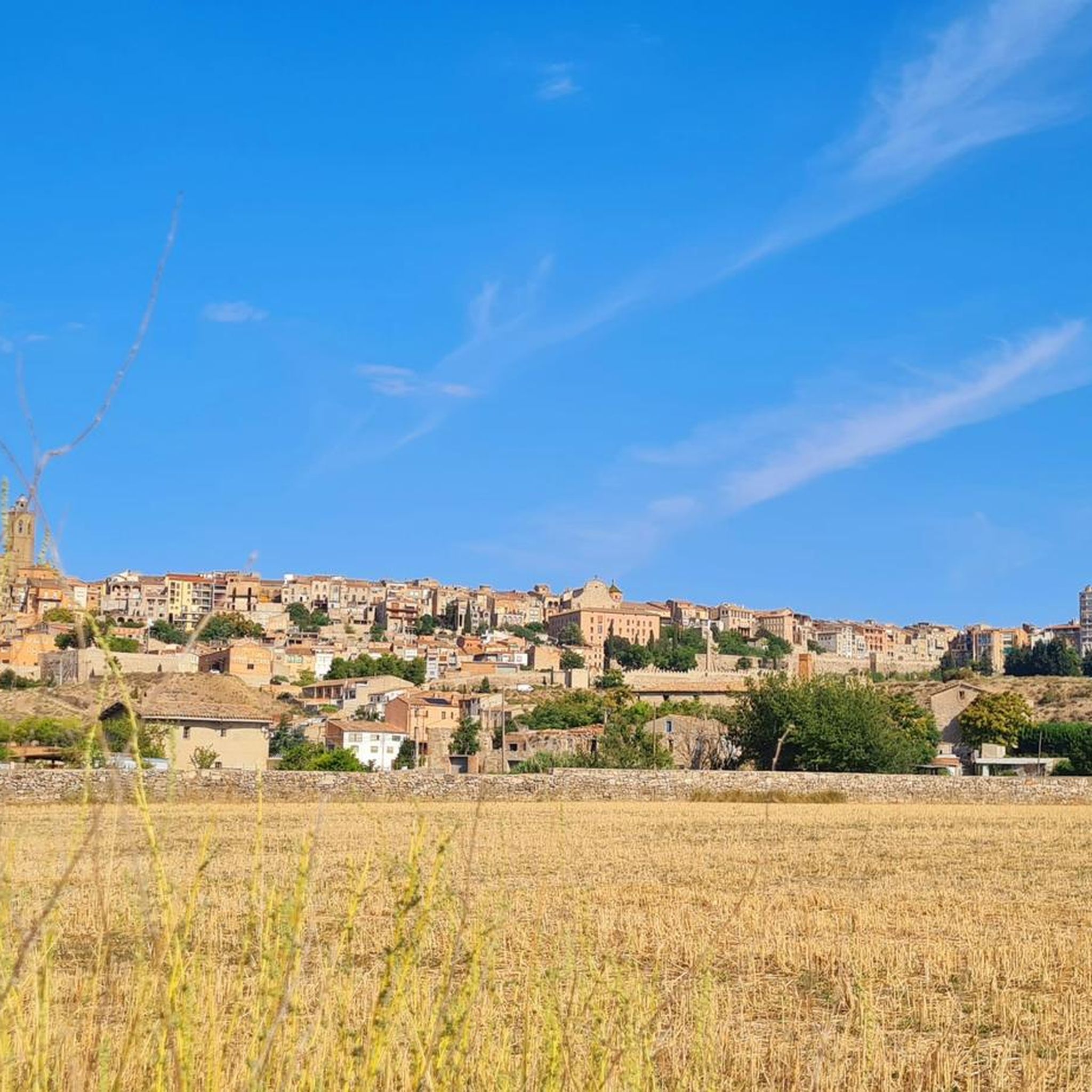
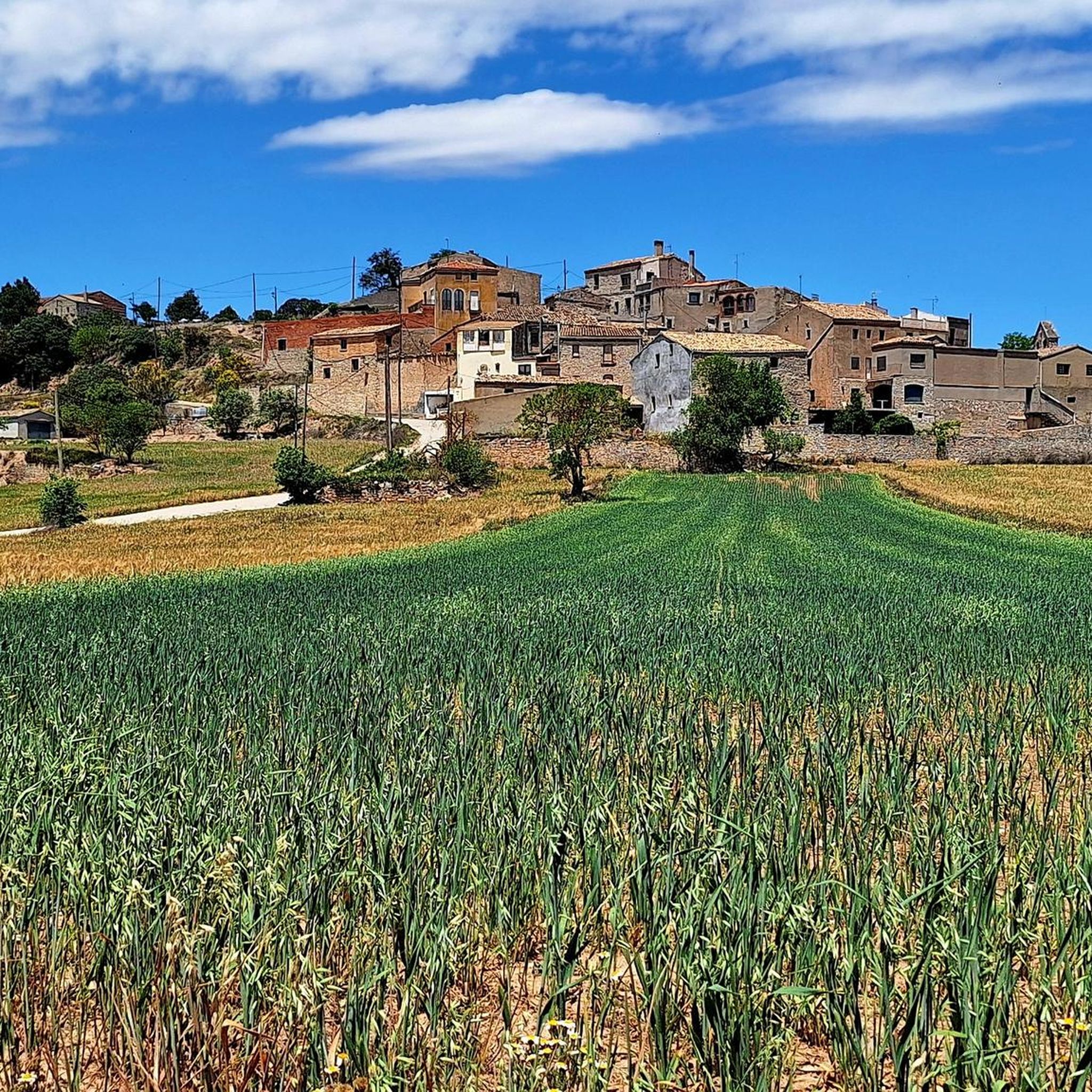

Tips from the Community

It is a must-see for those who want to get to know this area and enjoy its benefits.
0
0
A must-see cultural visit to the region, along with other Romanesque towns and monuments. In my opinion, the best thing about this monastery is its layout and the views from the outside.
0
0
Cervera is the city where the "Marxa dels Murs de Cervera" cycle tour is organized; It is a non-competitive test ideal for enjoying the quiet roads and good landscapes... in addition to its toughness with its 19 levels. Spectacular.
0
0
It is a beautiful town with all kinds of services from which to organize spectacular bicycle routes through the regions of l'Anoia and La Segarra. The center and old town are worth a quiet visit. There are many restaurants where you can eat wonderfully at very reasonable prices. In my opinion, the best season to visit Cervera and its surroundings by bicycle are the months of April and May, in the full splendor of spring, where the green, yellow and red fields so characteristic of central Catalonia combine.
0
0

The monk's corral or monk's hut is a complex that is currently in ruins. The building is very particular, since it has some arches and columns, a watchtower and a small church. It is a magnificent example of the ancestral buildings that are spread along the Camino Real.
0
0

Source of fresh drinking water at the foot of the road and next to the Monastery of Sant Ramón, a frequent place of passage for the brevets of Calaf, Tàrrega and Fuliola.
0
0
The passage through Sant Ramon is a classic between Tàrrega and Calaf, with a gentle ascent. Right in front of the Monastery you will find a fountain, or if you prefer a bar with good sandwiches.
0
0

Jorba is a very rural municipality in the region of Noya, dedicated mainly to agriculture and pig farming. The four streams that form between Jorba and the towns of Calaf and Argensola join here to form the Noya River. It later flows into the Llobregat next to Martorell.
2
0
Frequently Asked Questions
What historical sites can I explore in Sant Guim de Freixenet?
The region is rich in history. You can visit Montfalcó Murallat, an impressive medieval walled town with almost perfectly preserved 13th-century walls. The Monastery of Sant Ramon Nonat offers historical insight, and the ruins of Corral del Monjo provide a glimpse into ancestral buildings along the Camino Real. Don't miss El Sindicat Modernista, an architectural treasure designed by César Martinell, showcasing the area's agricultural past.
Are there any medieval towns to visit in the area?
Yes, Montfalcó Murallat is considered one of Catalonia's most impressive examples of a medieval walled town. Its 8-meter high city walls from the 13th century are almost perfectly preserved, enclosing 15 houses and offering a unique historical experience.
What natural attractions can I see around Sant Guim de Freixenet?
Nature enthusiasts can explore the impressive forest spaces in the southeastern part of the municipality, particularly around Les Obagues de Amorós and La Tallada. You can also find significant trees, such as the large holm oak on the Amorós to La Rubiola trail and the Holm Oak of Cal Pere Vidal. The Font de Branques is an emblematic natural spring surrounded by a small forest, offering a tranquil spot.
What cycling opportunities are available near these attractions?
Sant Guim de Freixenet is a great base for cycling. You can find dedicated routes for mountain biking, including the first permanent mountain biking circuit in Catalonia with three routes of varying lengths. There are also numerous options for gravel biking and general cycling. Explore routes like the 'Golden Wheat Fields – Montfalcó Murallat loop' or the 'University of Cervera – Cervera loop'. For more details, check out the MTB Trails, Gravel Biking, and Cycling guides for the area.
Are there any family-friendly attractions in Sant Guim de Freixenet?
Many attractions in the area are suitable for families. Cervera, Monastery of Sant Ramon Nonat, and Montfalcó Murallat are all noted as family-friendly. The mountain biking circuits also offer varying difficulties, making some accessible for families. Exploring the historic centers of the hamlets like Freixenet de Segarra or La Tallada can also be an engaging activity for all ages.
What is the best time of year to visit Sant Guim de Freixenet?
The months of April and May are particularly recommended for visiting Sant Guim de Freixenet and its surroundings, especially for outdoor activities like cycling. During this time, the fields are in full splendor with vibrant greens, yellows, and reds, characteristic of central Catalonia. The annual Fira de l'Ou (Egg Fair) is held on the second Sunday of June, offering a unique cultural experience.
Can I find viewpoints with scenic vistas in the region?
Yes, the elevated terrain of Sant Guim de Freixenet offers several scenic viewpoints. Cervera, situated on top of a hill, is visible from a distance and provides great views. Similarly, Montfalcó Murallat, located on a hill, offers panoramic views of the surrounding landscape. The general elevated plains between the Sió and Ondara river valleys also contribute to diverse and picturesque vistas.
Are there any unique cultural events in Sant Guim de Freixenet?
Yes, Sant Guim de Freixenet hosts the annual Fira de l'Ou (Egg Fair) on the second Sunday of June. This unique event, held since 1996, celebrates the town's significant egg production and features artisan food products and various activities.
What is the significance of El Sindicat Modernista?
El Sindicat Modernista is an impressive Modernist building designed by César Martinell, a disciple of Antoni Gaudí. Dating back to 1920, it's recognized as a Cultural Asset of National Interest. It showcases the region's agricultural past with its large parabolic brick arches and three-nave structure, making it a significant architectural and historical landmark.
Is the Monastery of Sant Ramon Nonat accessible?
The Monastery of Sant Ramon Nonat is noted as being wheelchair accessible. It is a significant religious building with historical importance, housing a reliquary where the remains of Saint Ramon Nonat are venerated.
What kind of historical architecture can be found in the hamlets of Sant Guim de Freixenet?
The various hamlets within the municipality, such as Freixenet de Segarra, La Tallada, Sant Domí, Sant Guim Vell, and El Castell de Santa Maria, feature interesting vestiges of the past. You can find examples of Romanesque architecture in churches like Santa María de Freixenet and Santa María del Castell. Sant Guim Vell also boasts a 17th-century Jesuit convent and a large Baroque church.
Most popular routes around Sant Guim De Freixenet
Most popular attractions around Sant Guim De Freixenet

Get inspired with the komoot mobile app


Explore more
Still not found the Highlight you’re looking for? See guides of the top attractions in other regions:
