The best gravel rides around Sant Guim De Freixenet
5.0
(1)
87
riders
25
rides
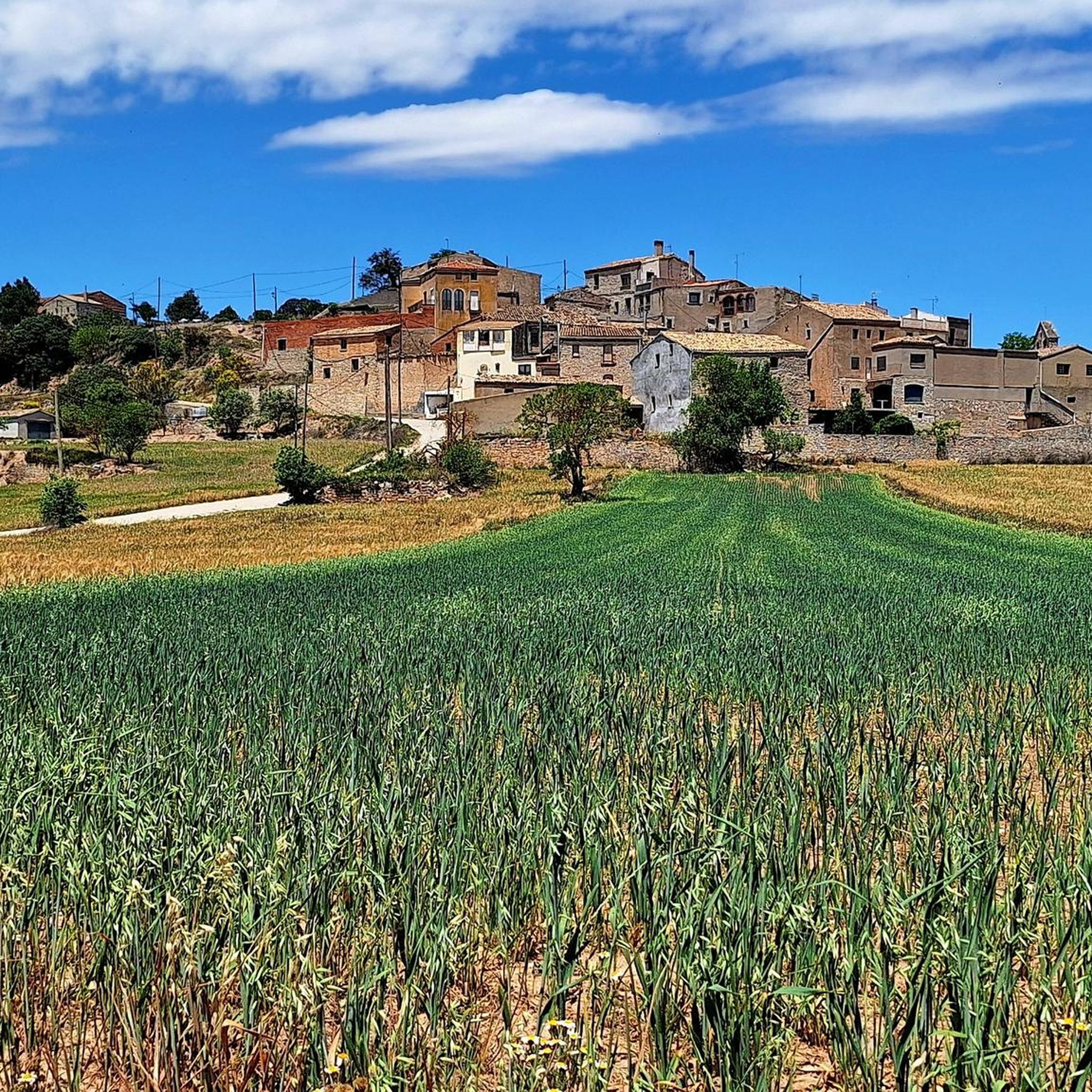
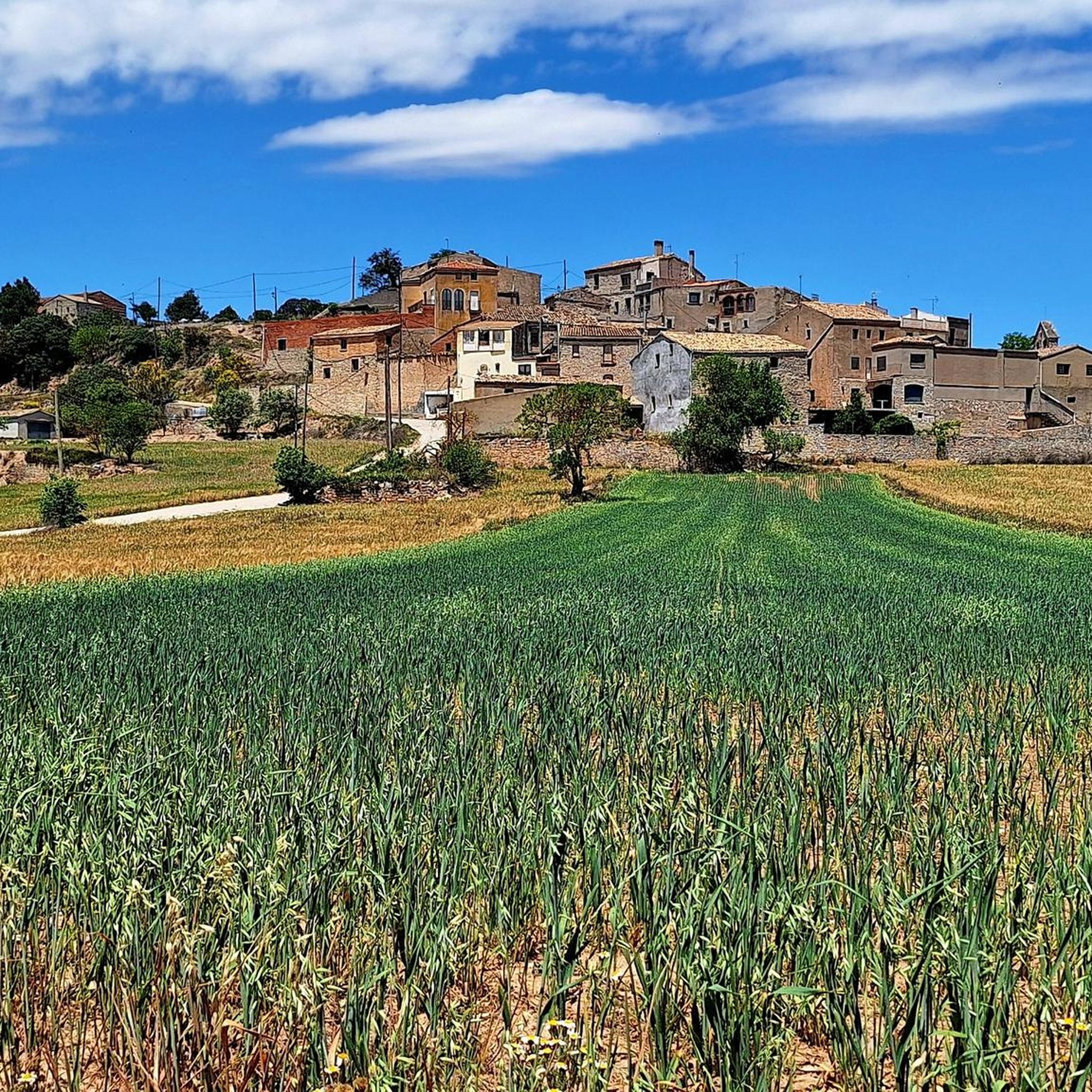
Gravel biking around Sant Guim de Freixenet offers diverse landscapes across the Segarra region of Catalonia. The area features elevated terrain with gentle ascents and descents, characterized by a network of white roads, gravel paths, dirt roads, and small paved sections. Riders will encounter rolling agricultural plains, primarily cereal fields, interspersed with pine and ancient oak forests. The municipality also includes natural springs and streams, providing varied topography for gravel exploration.
Best gravel bike trails around Sant Guim de Freixenet
…Last updated: July 8, 2026
37
riders
64.6km
04:49
1,020m
1,020m
Hard gravel ride. Very good fitness required. Mostly paved surfaces. Suitable for all skill levels.
4
riders
Moderate gravel ride. Good fitness required. Mostly paved surfaces. Suitable for all skill levels.

Sign up for free
8
riders
117km
09:07
1,410m
1,410m
Hard gravel ride. Very good fitness required. Mostly paved surfaces. Suitable for all skill levels.
4
riders
Moderate gravel ride. Good fitness required. Mostly paved surfaces. Suitable for all skill levels.
5
riders
Hard gravel ride. Very good fitness required. Mostly paved surfaces. Suitable for all skill levels.
Get access to more routes and recommendations from other explorers.
Sign up for free
Already have an account?
Our route recommendations are based on thousands of hikes, rides, and runs completed by other people on komoot.
Start today with a free account
Your next adventure awaits.
Login or Signup
Tips from the Community

Fanshop of the Marquez brothers ! Worth the visit for all motoGP fans
0
0

A little difficult to find the entrance from the south, quite closed paths and crossing a pass with the bike on.
0
0

Cervera is the city where the "Marxa dels Murs de Cervera" cycle tour is organized; It is a non-competitive test ideal for enjoying the quiet roads and good landscapes... in addition to its toughness with its 19 levels. Spectacular.
0
0
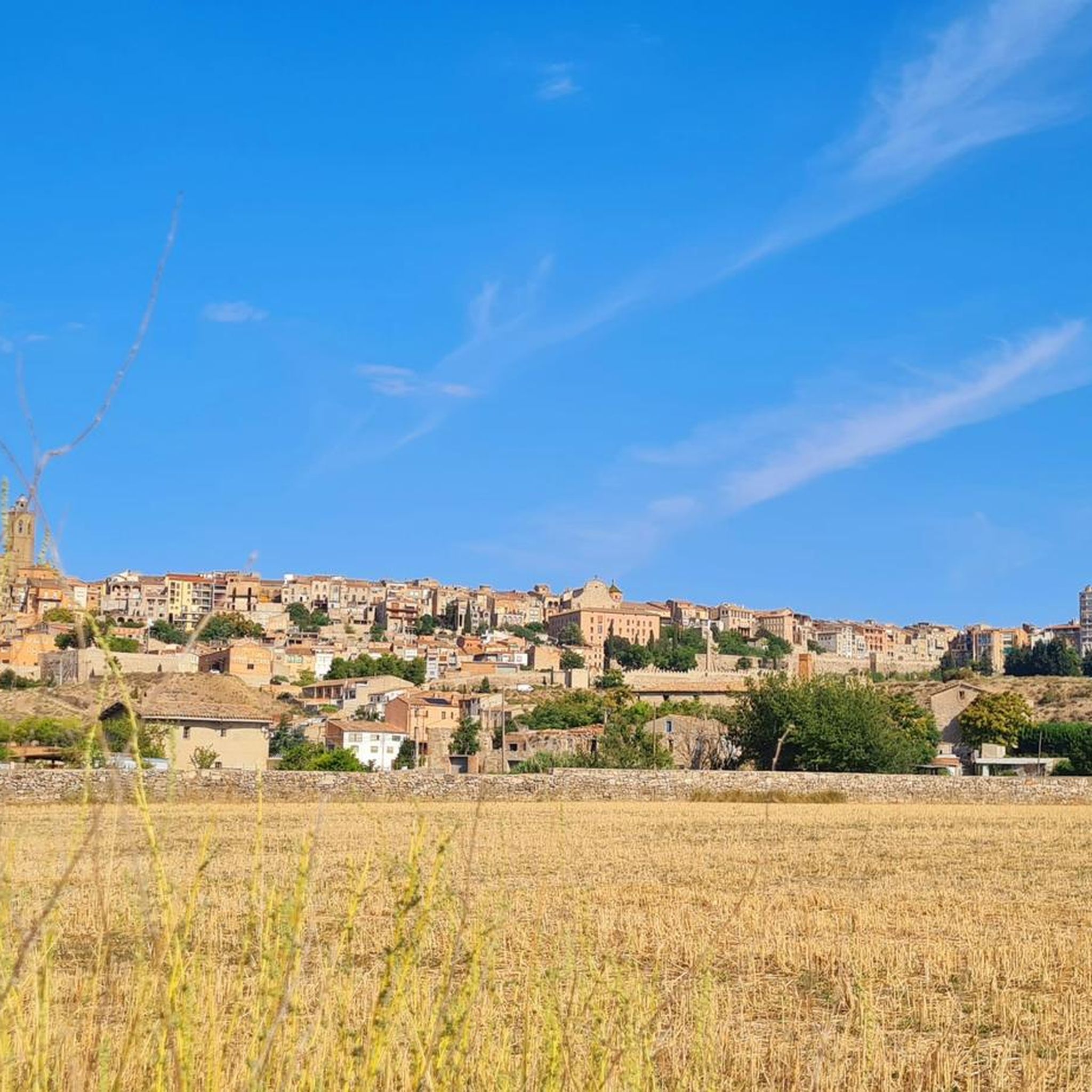
It is a beautiful town with all kinds of services from which to organize spectacular bicycle routes through the regions of l'Anoia and La Segarra. The center and old town are worth a quiet visit. There are many restaurants where you can eat wonderfully at very reasonable prices. In my opinion, the best season to visit Cervera and its surroundings by bicycle are the months of April and May, in the full splendor of spring, where the green, yellow and red fields so characteristic of central Catalonia combine.
0
0

It is a beautiful hermitage from the 11th century that probably belonged to a farmhouse. It is Romanesque in style and has a beautiful arched doorway.
0
0

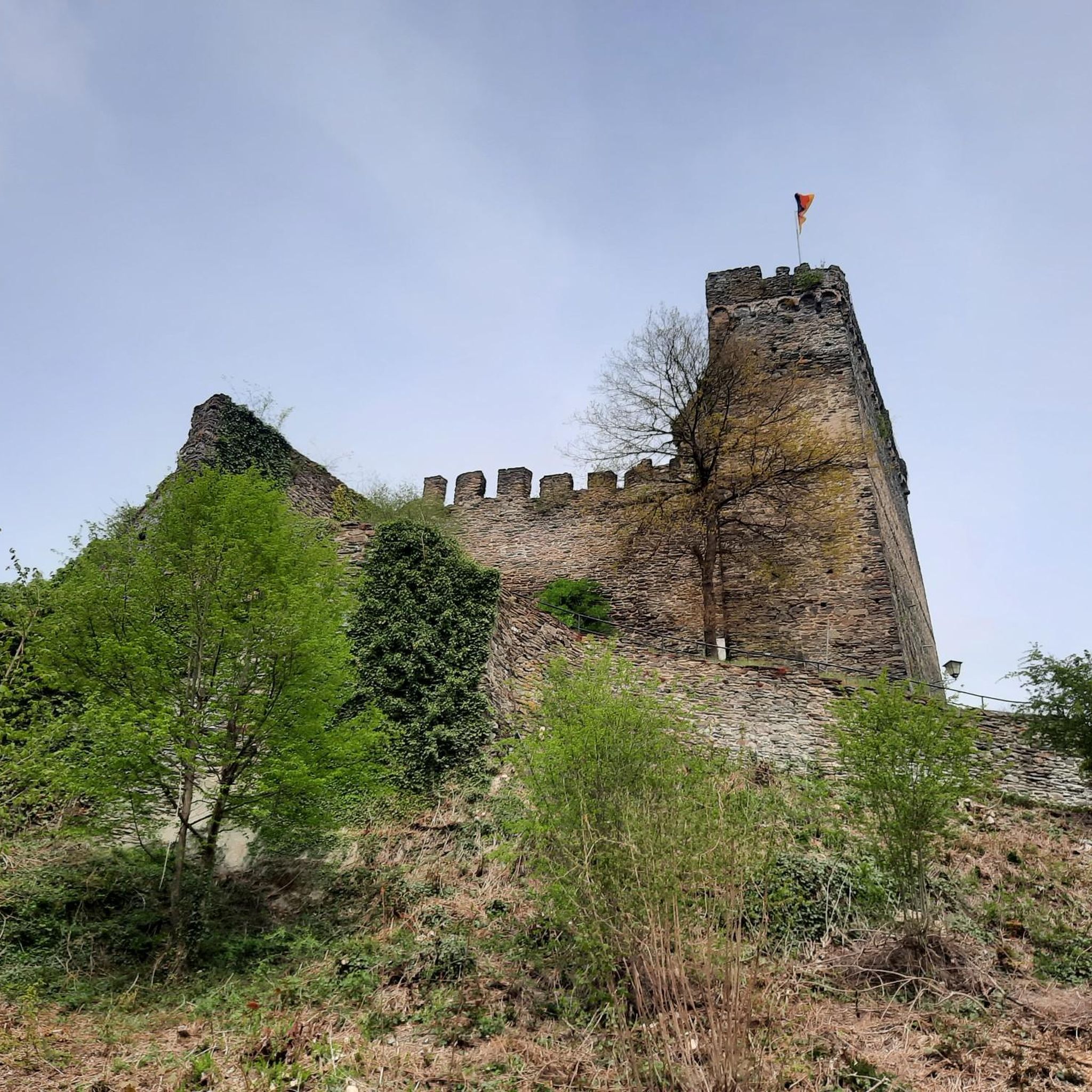
Cervera is the capital of the Segarra region. The city is home to a rich cultural heritage, especially from the Middle Ages, which includes a castle and its walled complex, as well as the Romanesque church of Sant Pere. Cervera also has beautiful civil buildings such as the town hall or the university.
0
0
Along this stretch of the Camino Real you can get an idea of what the landscape was like centuries ago. Cultivated fields, fortified farmhouses, mills and castle ruins.
0
0
Tàrrega is the capital of the Urgel region and has historically been a point of great interest since the construction of its castle and medieval Arab walls. In its old town, the church of Santa María de l'Alba, from the 17th century, and other buildings of heritage interest stand out. Its proximity to numerous communication routes makes it an ideal service center for travelers.
0
0
Frequently Asked Questions
How many gravel bike routes are available in Sant Guim de Freixenet?
Sant Guim de Freixenet offers a good selection of gravel biking opportunities, with 24 routes available. These routes cater to various skill levels, including 10 moderate and 14 difficult options.
What kind of landscapes will I encounter on a gravel bike ride around Sant Guim de Freixenet?
You'll experience diverse landscapes, from rolling agricultural plains dominated by cereal fields and almond groves to pockets of pine and ancient oak forests. The routes often follow 'white roads,' gravel paths, dirt tracks, and small paved sections, providing a varied and picturesque ride through the Segarra region.
Are there any easy or family-friendly gravel bike routes in Sant Guim de Freixenet?
While the guide primarily features moderate and difficult routes, the region's cycling-friendly infrastructure includes a permanent mountain bike circuit with shorter options (7.5 km, 11 km) that connect villages. These well-maintained trails can be suitable for families or beginners looking for a less challenging gravel experience. For specific routes, you can explore options like the Molí de la Roda – Sant Pere de Montfalcó Church loop from Sant Martí de Sesgueioles, which is a moderate 25.4 km ride.
What historical or cultural points of interest can I visit along the gravel trails?
The area is rich in history. You can cycle to the remarkably preserved 13th-century walled village of Montfalcó Murallat, or pass by the significant Monastery of Sant Ramon Nonat. Other notable spots include the ruins of Corral del Monjo and traditional rural structures like 'cabanes de volta' (dry stone huts) and historical fountains.
Are there options for more challenging gravel bike rides in the area?
Yes, Sant Guim de Freixenet offers 14 difficult gravel routes for experienced riders. A challenging option is the Molí de la Roda – View of Castellfollit del Boix loop from Sant Martí de Sesgueioles, a 65.2 km trail with significant elevation gain, typically taking nearly 5 hours to complete.
What is the best time of year for gravel biking in Sant Guim de Freixenet?
While not explicitly stated, the region's agricultural plains and forests suggest that spring and autumn would offer pleasant temperatures and beautiful scenery, with changing colors and active farming. Summers can be hot, and winters might be cooler, so checking the local weather forecast is always recommended.
Can I find circular gravel bike routes in Sant Guim de Freixenet?
Yes, many of the gravel routes in the area are designed as loops, allowing you to start and finish in the same location. Examples include the Montfalcó Murallat loop from Sant Guim de Freixenet and the Anoia River Crossing – Molí de la Roda loop from Sant Martí de Sesgueioles.
What do other cyclists say about gravel biking in Sant Guim de Freixenet?
The gravel biking routes in Sant Guim de Freixenet are highly rated by the komoot community, with an average score of 4.5 stars. Over 100 gravel bikers have explored the area, often praising the varied terrain, picturesque agricultural plains, and the blend of natural beauty with traditional rural elements.
Are there natural features like streams or springs to discover along the routes?
Yes, the municipality is home to several streams, including the Freixenet stream, and natural springs like the Font de Branques. These spots are often nestled within small woodlands, providing refreshing rest points and a natural contrast to the open fields.
Where can I park my car when starting a gravel bike tour in Sant Guim de Freixenet?
Sant Guim de Freixenet and its surrounding villages, such as Sant Martí de Sesgueioles, typically offer public parking options. When planning your route, check the starting point for available parking facilities, often found near town centers or trailheads.
Are there any charming villages or hamlets worth exploring by gravel bike?
Absolutely. The municipality is dotted with picturesque villages like La Rabassa, Freixenet de Segarra, and Sant Domí. Sant Guim de la Rabassa, for instance, features remnants of a 12th-century castle and a 17th-century Jesuit convent, offering panoramic views and a glimpse into traditional Catalan rural life.
Can I find places to eat or get refreshments along the gravel routes?
While specific cafes or restaurants directly on the trails are not detailed, the villages and hamlets within the municipality, including Sant Guim de Freixenet itself, will have options for refreshments. The Monastery of Sant Ramon Nonat also has a public fountain for refilling water bottles.
Is public transport available to reach the gravel biking trails in Sant Guim de Freixenet?
Information on specific public transport links directly to trailheads is limited. It is advisable to check local bus or train schedules to Sant Guim de Freixenet or nearby larger towns like Cervera, and then plan your route from there, potentially cycling to the starting points of the gravel trails.
Most popular routes around Sant Guim De Freixenet
Most popular attractions around Sant Guim De Freixenet

Get inspired with the komoot mobile app


Explore more
Browse the best Gravel rides in other regions.
