The best cycling routes around El Madroño
4.5
(5)
126
riders
26
rides
Touring cycling routes around El Madroño traverse the diverse Andalusian landscapes, characterized by rolling hills, extensive olive groves, and significant mountain passes. The region offers varied terrain, from scenic countryside paths to challenging ascents like the Puerto del Madroño and Venta El Madroño. Cyclists can explore areas near the Río Tinto basin, experiencing both natural beauty and historical mining landscapes. This area provides a range of routes suitable for different fitness levels, with many featuring notable elevation gains.
Best touring…
Last updated: October 13, 2026
3.0
(1)
13
riders
39.7km
03:33
610m
610m
Hard bike ride. Very good fitness required. Mostly paved surfaces. Suitable for all skill levels.
1
riders
52.7km
04:00
920m
920m
This difficult 32.8-mile touring cycling route explores the unique mining landscapes and vibrant Río Tinto in the Berrocal from Nerva area.

66.8km
04:32
1,180m
1,180m
This difficult 41.5-mile (66.8 km) touring cycling route from Nerva explores the unique "lunar landscape" of Riotinto Mining Park.
1
riders
34.6km
02:34
680m
690m
Hard bike ride. Very good fitness required. Mostly paved surfaces. Suitable for all skill levels.
9
riders
49.9km
04:20
800m
800m
Hard bike ride. Very good fitness required. Mostly paved surfaces. Suitable for all skill levels.
Get access to more routes and recommendations from other explorers.
Already have an account?
Our route recommendations are based on thousands of hikes, rides, and runs completed by other people on komoot.
Start today with a free account
Your next adventure awaits.
Tips from the Community

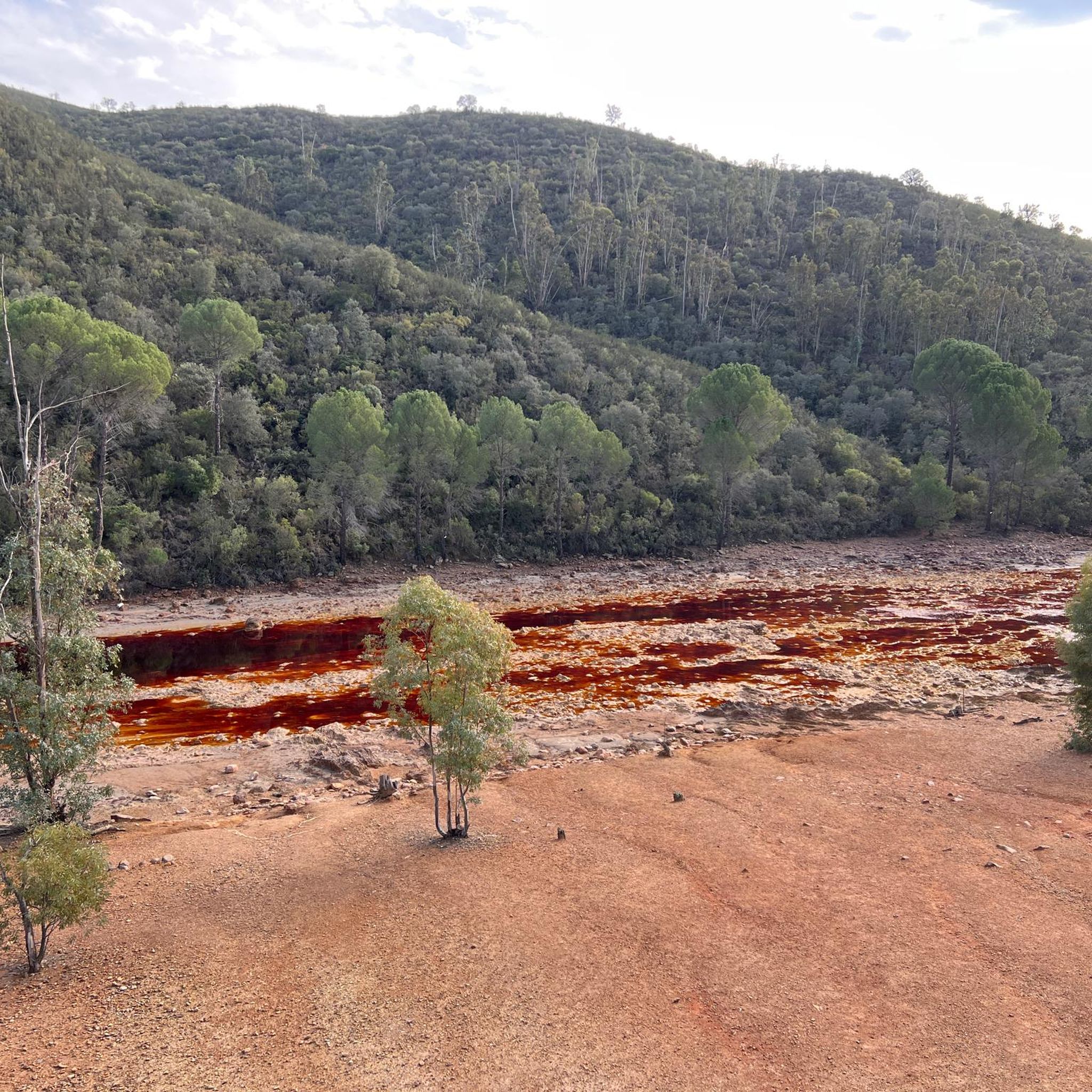
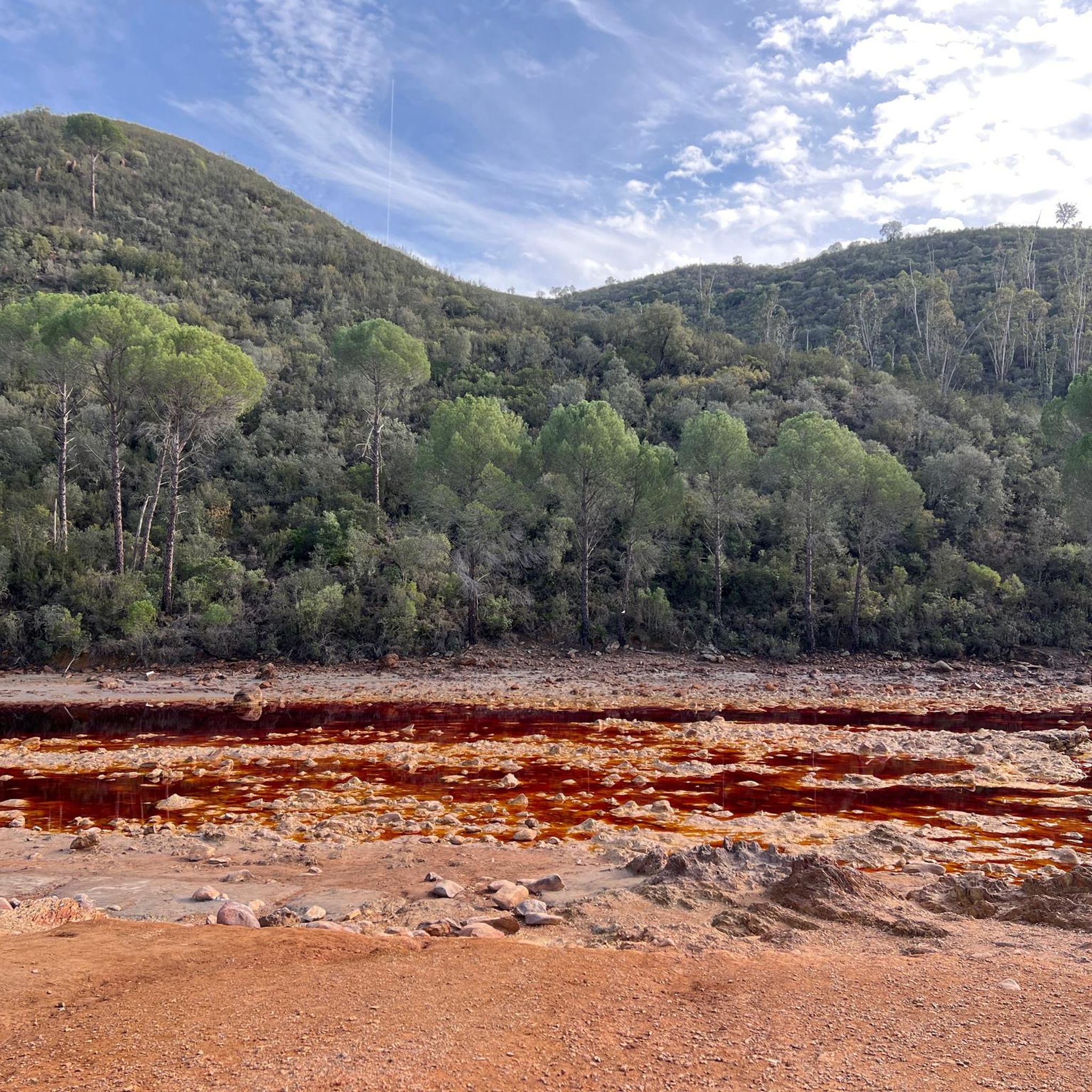
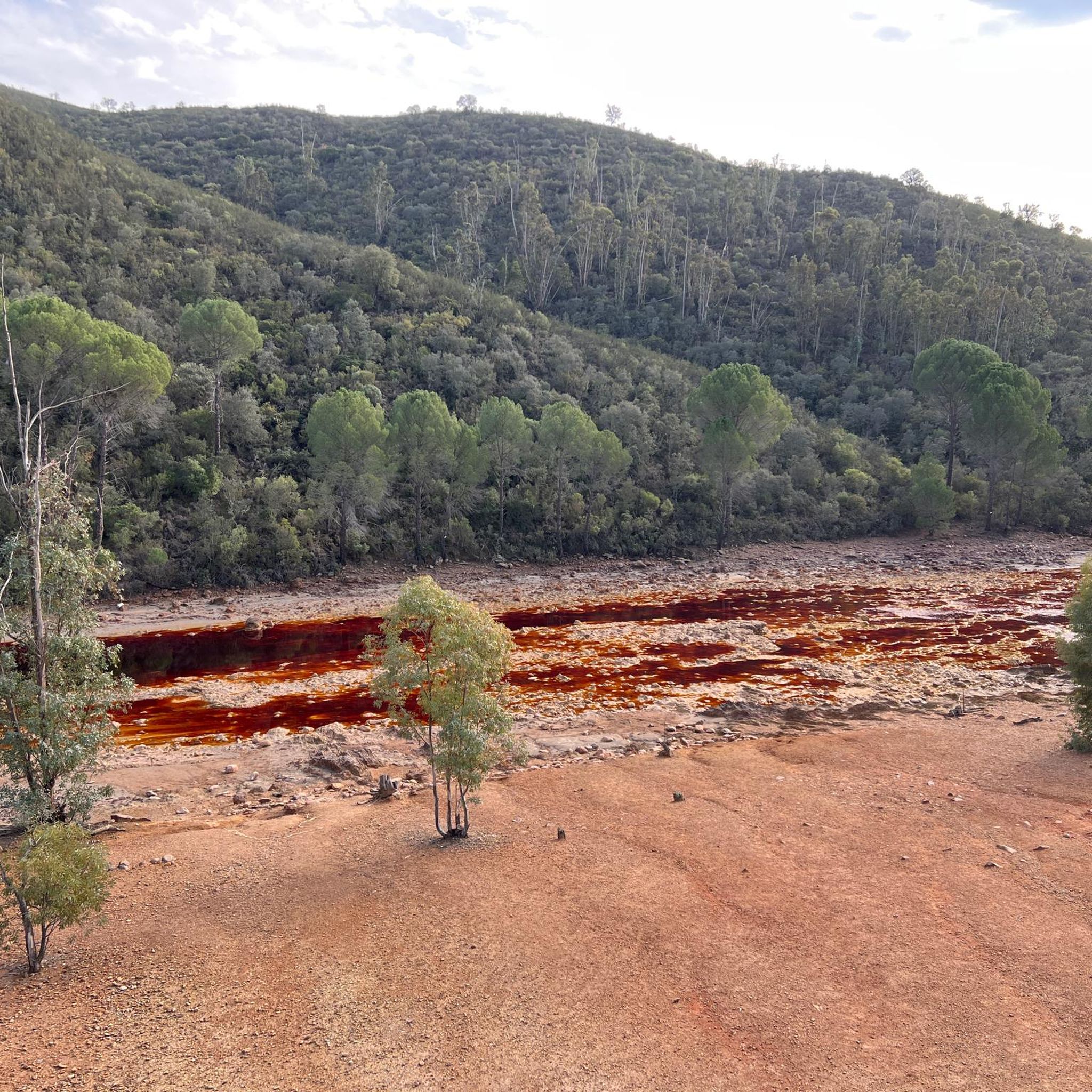
The source of the Tinto River is located in the municipality of Nerva, in the province of Huelva, Andalusia, and is one of the most unique landscapes in Europe due to its reddish color and its scientific and geological value.
1
0

To get to the viewpoint, paid access is required. The hiking trail ends here at a fence. Nevertheless, a somewhat limited view of the opencast mine is possible
2
0

Cerro Colorao Mine Viewpoint, a viewpoint located above the road with privileged views of this large open pit mine. The landscape is impressive and seeing the trucks that look like toys, you can feel truly small in front of this work. It is the only mine currently active. The site has shade and has an explanatory sign.
1
0
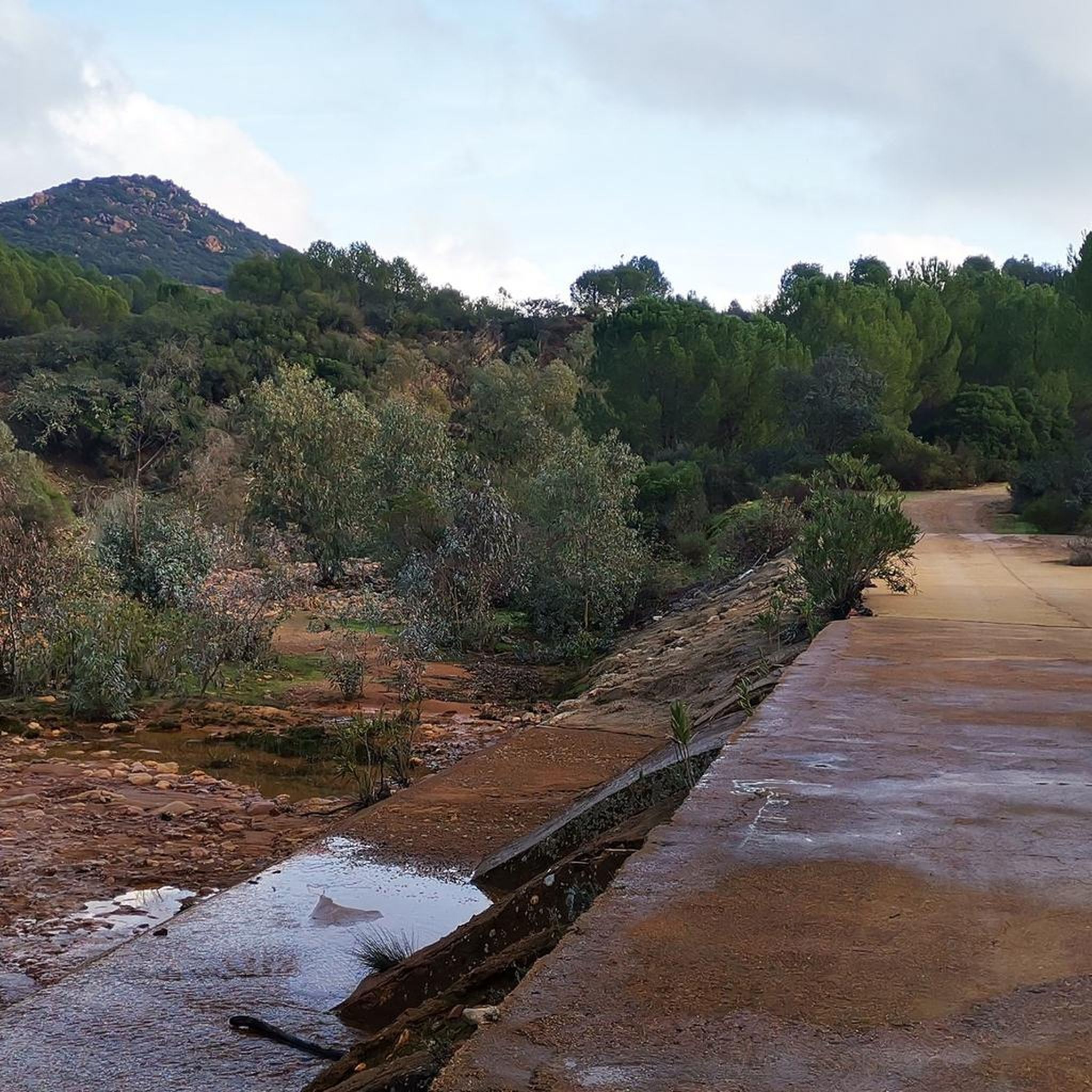
Road that crosses the Gossán reservoir allows you to enjoy this almost Martian landscape. The reddish color of the water is due to the iron content, due to the proximity of old mineral mines. You can even taste iron in the air. Truly futuristic landscapes.
1
0

Obligatory stopping point if you take the road. There are incredible views even of the Rio Tinto mining railway.
0
0
Corta Atalaya was the largest open pit (mainly copper) mine in Europe and at one time the largest in the world. It has a roughly elliptical shape, 1,200 meters long, 900 meters wide and 350 meters deep.
1
0
A museum dedicated to mining activity in the area and its history. It has an important museographic collection that ranges from archaeological pieces to mining extraction machinery and railway locomotives. The Museum building is the former mining hospital of the Rio Tinto Company Limited.
1
0
Museum represents the 5000 years of mining history. The former hospital building of the Rio Tinto Company Ltd. has been restored and turned into a very interesting museum on the mining history of the region. The ticket to visit the Mining Museum, House 21, Mining Railway, Peña de Hierro Mine and Corta Atalaya costs 24 eur (adult).
0
0
Frequently Asked Questions
How many touring cycling routes are available around El Madroño?
El Madroño offers a diverse selection of over 20 touring cycling routes. These range from easier rides to more challenging ascents, catering to various fitness levels.
What kind of terrain can I expect on touring cycling routes in El Madroño?
You'll encounter varied terrain across the Andalusian landscapes. Routes often feature rolling hills, extensive olive groves, and significant mountain passes like the Puerto del Madroño. Some paths combine tar, gravel, and earth sections, especially in the scenic countryside and near the Río Tinto basin.
Are there any easy touring cycling routes suitable for beginners?
Yes, there is at least one easy touring cycling route available around El Madroño. While many routes involve significant elevation, options exist for those new to touring cycling or seeking a more relaxed ride.
What are the typical distances and elevations for touring cycling routes in this region?
Routes vary significantly. For example, the Nerva, Campofrío, and La Granada de Río-Tinto Loop covers about 66.8 km with over 1,170 meters of ascent. Another route, Source of the Río Tinto loop from Hotel Fort West Barranco, is around 49.9 km with over 800 meters of climbing. You can expect a range from moderate distances with notable climbs to longer, more challenging tours.
Are there any circular touring cycling routes around El Madroño?
Yes, many routes are designed as circular tours, allowing you to start and end at the same point. Examples include the Minas y Nacimiento del Río Tinto — circular desde Nerva and the Embalse de Gossán y Minas de Riotinto — circular desde Nerva, both offering loops through the unique mining landscapes.
What natural features and landmarks can I see along the touring cycling routes?
You can explore unique natural and historical sites. Highlights include the Source of the Río Tinto, the striking Corta Atalaya Mine, and the Peña del Hierro. You might also pass by the Gossán Reservoir and the historic Minas de Riotinto.
What do other touring cyclists enjoy most about cycling in El Madroño?
The komoot community rates touring cycling in El Madroño highly, with an average score of 3.0 stars. Cyclists often appreciate the diverse Andalusian landscapes, the challenging mountain passes, and the unique experience of riding through the Río Tinto basin with its distinct red-hued terrain.
Are there any specific routes that offer extensive views of the historic mining region?
Yes, the Riotinto Mining Basin Loop is particularly known for offering extensive views of the historic mining region and its distinct red-hued terrain, providing a unique backdrop for your ride.
What is the best time of year for touring cycling in El Madroño?
While specific recommendations vary, the Andalusian climate generally makes spring and autumn ideal for cycling. Temperatures are milder, and the landscapes are often at their most vibrant, avoiding the intense heat of summer.
Are there any routes that connect to nearby towns or points of interest?
Many routes in the El Madroño area allow for connections to other towns. For instance, routes often link to Nerva, Minas de Riotinto, Zalamea La Real, and El Berrocal, offering opportunities for longer touring experiences and exploring local culture.
What kind of historical or cultural connections can I find along the routes?
The region has rich historical connections, particularly with mining. Routes often pass through areas like the Minas de Riotinto, offering glimpses into the area's industrial heritage. You might also encounter traditional Andalusian villages and countryside, reflecting local culture.
Are there challenging routes for experienced touring cyclists?
Absolutely. The region is known for its challenging routes, with 16 out of 23 routes classified as difficult. These often feature significant elevation gains, such as the 58.5 km route near Nerva with 1,140 meters of ascent, or the Venta El Madroño climb, which gains 932 meters over 18.92 km.
Most popular attractions around El Madroño

Get inspired with the komoot mobile app


Explore more
Browse the best Cycling routes in other regions.
