The 4 Most Amazing Peaks around Les Masies De Roda
Mountain peaks around Les Masies De Roda are characterized by a landscape of rolling reliefs and elevated areas, situated between the Plana de Vic and more pronounced massifs. The region features impressive natural formations and extends into significant mountainous areas. Its geography includes dramatic cliffs, dense forests, and elevated sites offering panoramic views. The area provides diverse opportunities for outdoor activities within its natural setting.
Best mountain peaks around Les Masies De Roda
- The most popular mountain peaks is Osca…
Last updated: July 1, 2026
Osca de Cabrera Rocky Ridge
Highlight • Viewpoint
Translated by Google •
Tip by

Santa Llúcia Hermitage, Sobremunt
Highlight • Religious Site
Translated by Google •
Tip by

Sign up now to discover places like this
Get recommendations on the best single tracks, peaks, & plenty of other exciting outdoor places.
Sign up for free
Ermita de Sant Sebastià
Highlight • Religious Site
Translated by Google •
Tip by

Gurb Cross
Highlight • Monument
Translated by Google •
Tip by

Puig de la Força
Highlight • Summit
Translated by Google •
Tip by

Sign up for free to discover even more peaks around Les Masies De Roda.
Sign up for free
Already have an account?
Start today with a free account
Your next adventure awaits.
Login or Signup
Popular around Les Masies De Roda
The water trail – Ruta del Ter (GR 210)
In the footsteps of the Catalan Romanesque – El Camino Oliba
Road Cycling Routes around Les Masies De Roda
MTB Trails around Les Masies De Roda
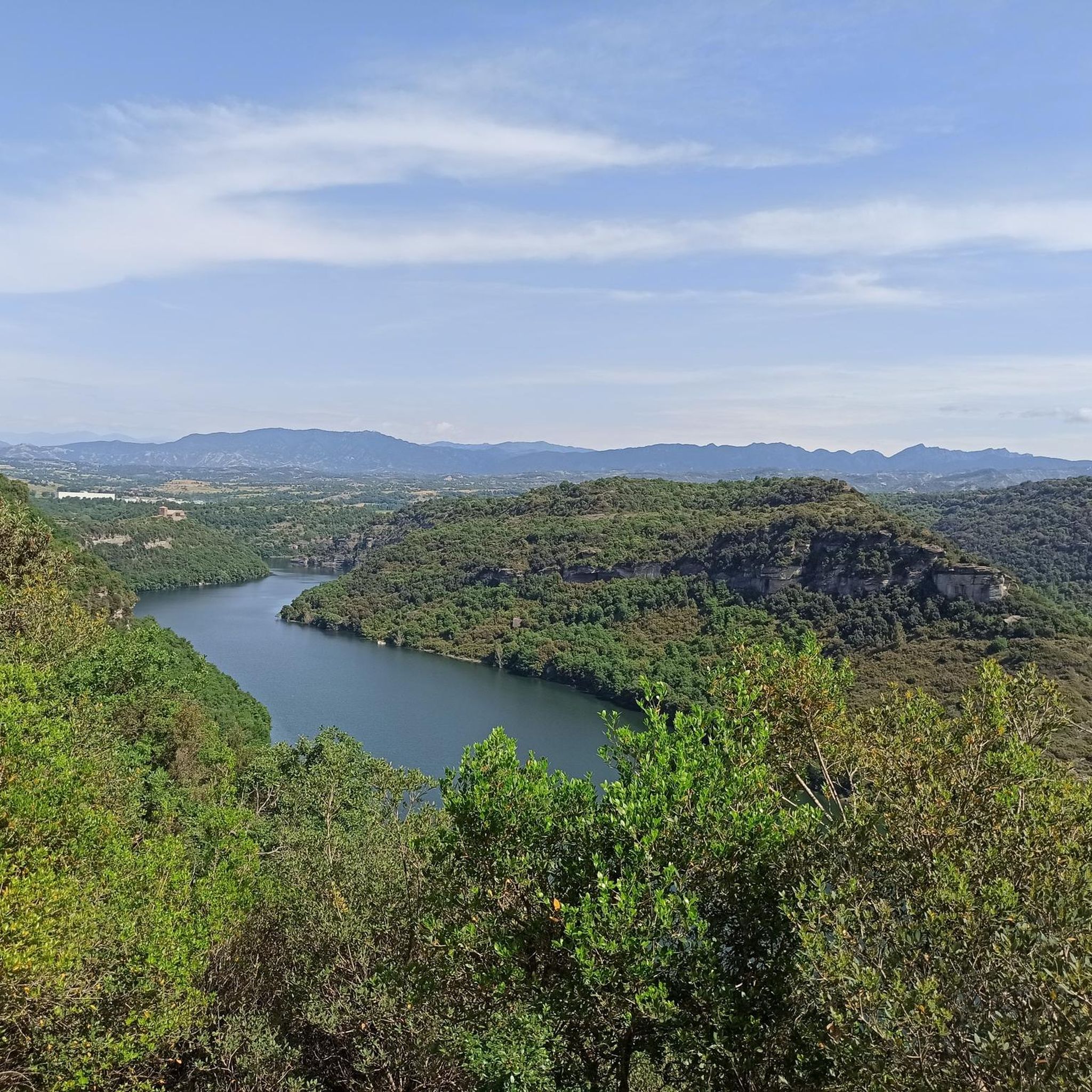
Cycling around Les Masies De Roda
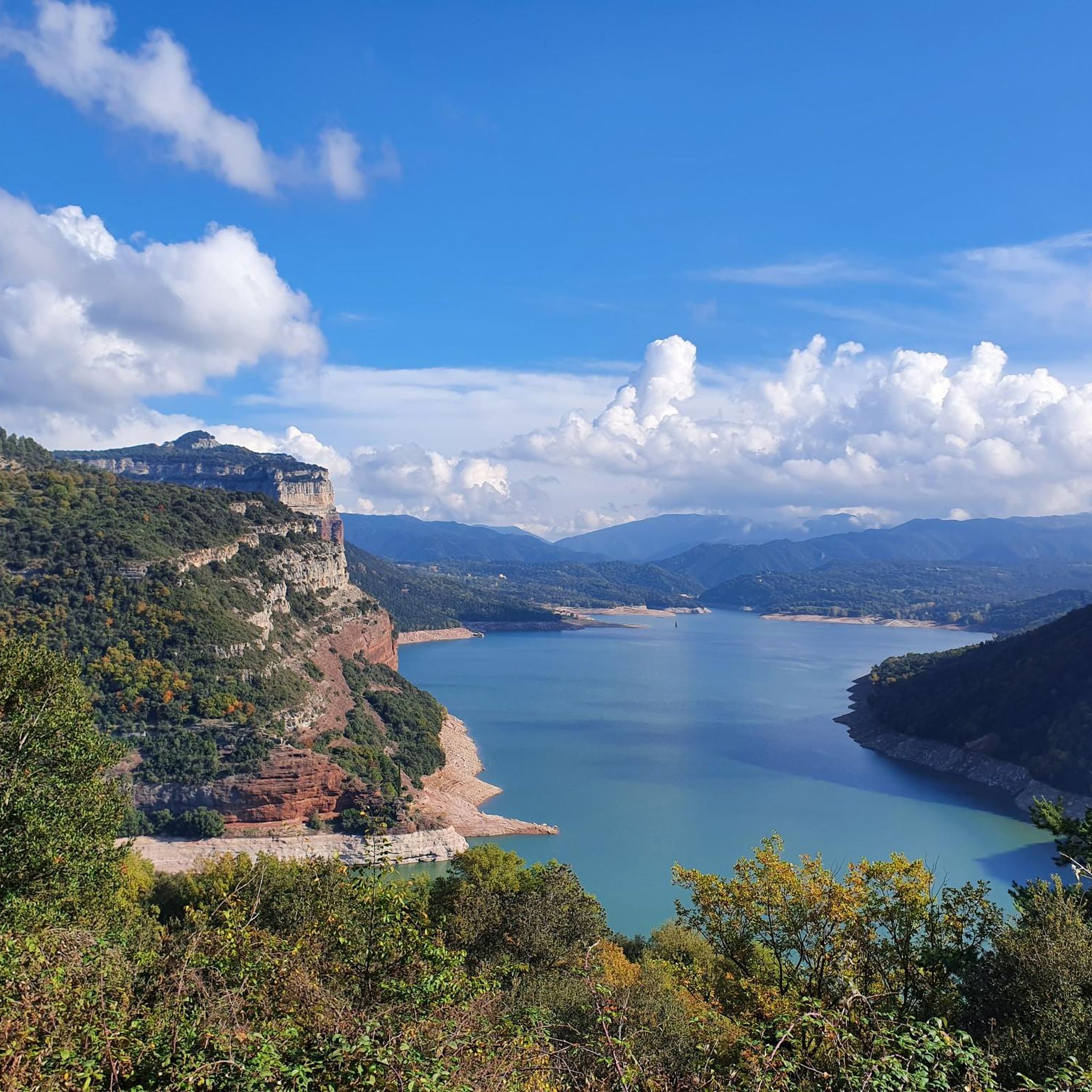
Running Trails around Les Masies De Roda
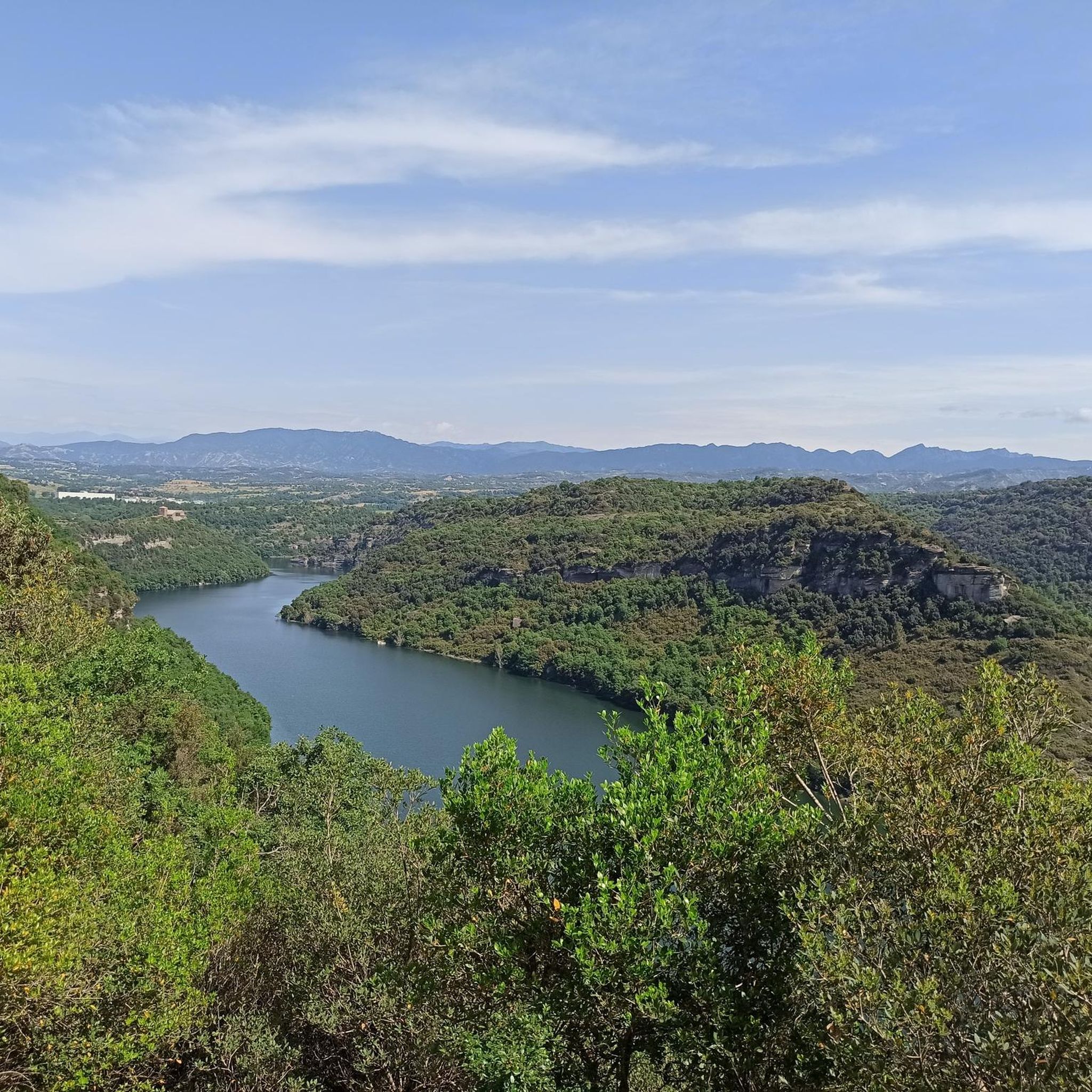
Hiking around Les Masies De Roda
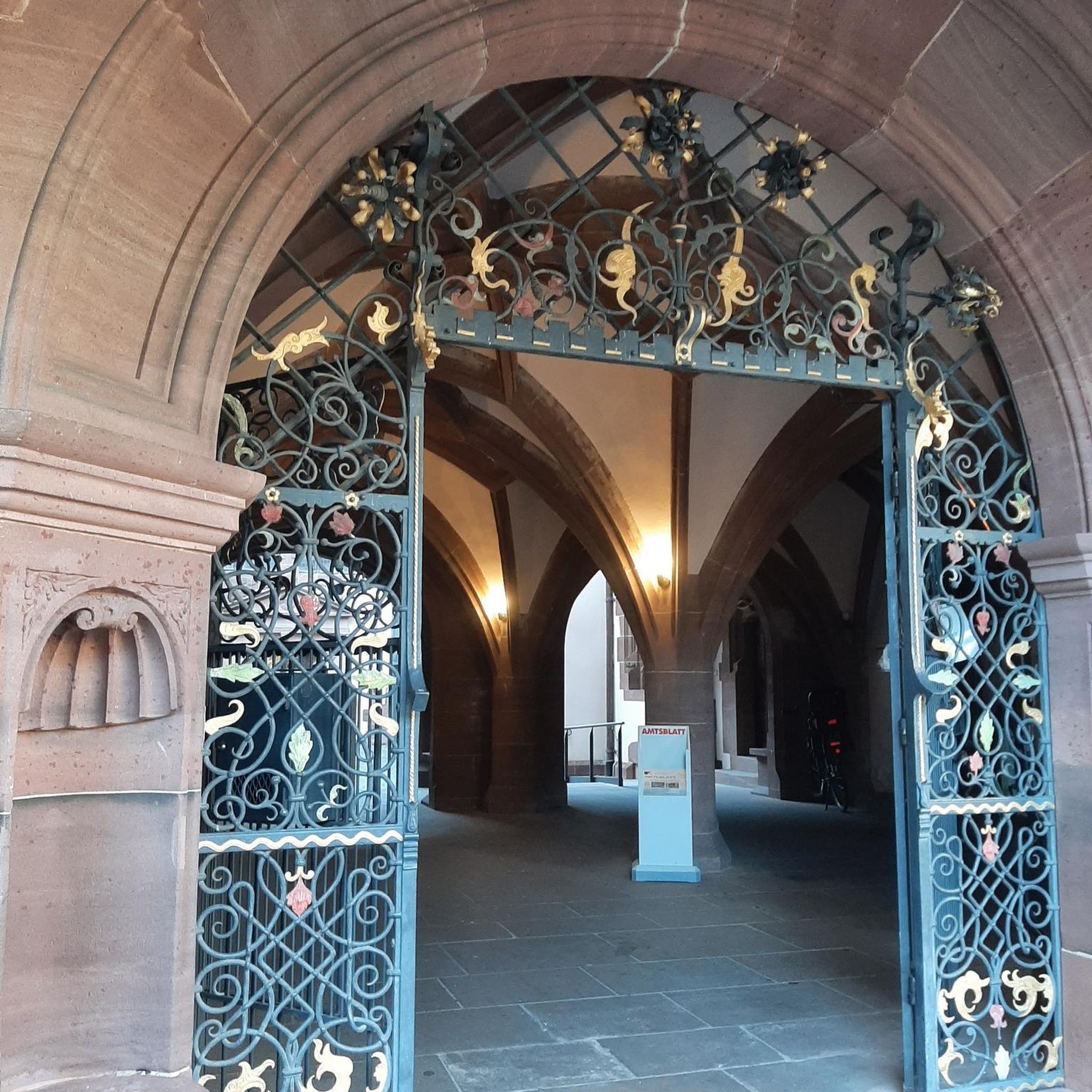
Gravel biking around Les Masies De Roda
Other adventures around Les Masies De Roda

Tips from the Community

We arrived at a beautiful spot, but from there it was impossible to find the rest of the route... It felt like a wall going down. Perhaps with climbing gear?
0
0

Religious building facing west and located at the highest point of the Sobremunt mountain range (957 meters above sea level). It was erected in 1407, under the patronage of Saint Lucia and St. Quiteria.[1] It is surrounded by a stone wall and is accessed through a porch with a rounded vault. Above the portal, there is a stone engraving and the date 1720, the year in which it was completely renovated.[1] The Bell Tower is a tower with a hipped roof and the bell is preserved. The chapel is completely renovated and a large millstone forms the altar. In the left corner there is a body formed by three successive extensions. On the lintel of the portal it reads: SANTA LLUCIA ORA PRO NOBIS YEAR 1718
0
0

Cozy little medieval church, located on a nice spot with views
1
0

Awesome view. You can spend the night in the restaurant.
1
0

Rocky corridor about 4 meters wide and about 20 meters long with cliffs on both sides.
0
0

The cross is from the year 1900. There are great views from here over the Plana de Vic and its surroundings. Gurb preserves an agricultural and livestock tradition with a significant number of farmhouses and farms.
2
1

Recommended in addition to its history for its views across the plain of Vic
1
0
Santa Llúcia de Sobremunt is located at the north-eastern end of the municipal district, dominating a wide panorama of the Plana de Vic and the Pyrenees. The church, documented in the 14th century, preserves Romanesque remains at the base of the temple. The current church (18th century) has a rectangular floor plan; it consists of a single nave, separated from the presbytery by a grate, and simply decorated in Baroque style. It has a bell tower with a gabled roof, and the west façade consists of a terraced atrium with two large semicircular arch openings (west and south). The access portal is interesting, framed with jambs and a molded stone lintel and has the date 1720, with an ashlar where a cross is inscribed. Above the cross is a rather damaged Gothic ashlar with a scene of the crucifixion, sculpted in bas-relief, in which four characters are distinguished and the crucified Christ, quite mutilated. The hermitage of Santa Llúcia, initially dedicated to Santa Llúcia and Santa Quitèria, was not documented until 1370; the Romanesque remains at the base of the temple, but indicate that either the chapel existed long before or there may have been a military watchtower in this place. The devotion to Santa Quiteria disappeared in modern times, leaving Santa Llúcia, the lawyer of the sight, as the only patron saint. It was formerly known as Santa Llúcia de Dalt in contrast to Santa Llúcia de Baix, located in Taradell, which was the focus of devotion in the southern sector of the Plana de Vic. we; in 1720 it was already done. In 1748 the house of the hermits was extended, attached to the temple. https://turisme.llucanes.cat/visiteu/esglesia-santa-llucia-sobremunt/
1
0
Frequently Asked Questions
What kind of natural features define the elevated areas around Les Masies de Roda?
The elevated areas around Les Masies de Roda are characterized by a landscape of rolling reliefs, dramatic cliffs, and dense forests. Notable features include the Cliffs of Savassona and Sau, which offer abrupt and picturesque scenery, and the broader Les Guilleries Massif, known for its extensive forest-covered landscapes and ancient geology.
Where can I find the most spectacular panoramic views near Les Masies de Roda?
For breathtaking panoramic views, consider visiting Osca de Cabrera Rocky Ridge, which provides a 360-degree vista. Other excellent viewpoints include Ermita de Sant Sebastià and Gurb Cross, both offering extensive views over the Plana de Vic. The Monastery of Sant Pere de Casserres, though not a peak itself, is also situated in an elevated position with exceptional views of the Ter River and Sau reservoir.
Are there any significant historical or cultural sites on elevated points around Les Masies de Roda?
Yes, several elevated sites combine natural beauty with historical significance. The Monastery of Sant Pere de Casserres is an 11th-century Benedictine monastery offering insights into monastic life and stunning views. Ermita de Sant Sebastià is a beautiful hermitage with historical ties to events in 1715, while Santa Llúcia Hermitage, Sobremunt, features Romanesque remains and a rich history dating back to the 14th century.
What kind of outdoor activities can I do near these elevated areas?
The region offers diverse outdoor activities. You can explore an extensive network of trails for hiking, mountain biking, and road cycling within the Les Guilleries Massif. The Ter River, with its dams like Sau and Susqueda, also provides opportunities for water sports. For specific routes, you can find options for cycling, running, and MTB around Les Masies de Roda.
Are there family-friendly elevated spots or trails around Les Masies de Roda?
Yes, some elevated spots are considered family-friendly. Ermita de Sant Sebastià is noted as family-friendly, with an easy route to reach it. Many trails within the Espai Natural de les Guilleries-Savassona, which encompasses the Cliffs of Savassona and Sau, offer varying difficulties, including options suitable for families.
What is the best time of year to visit the elevated areas around Les Masies de Roda?
The region offers varied scenery throughout the seasons. Spring and autumn are generally ideal for hiking and outdoor activities, with pleasant temperatures and vibrant natural colors. The tips for Ermita de Sant Sebastià suggest it's a good visit at any time, indicating year-round accessibility for some spots.
Are there any challenging routes for experienced hikers or climbers?
Yes, for experienced hikers, the area around Osca de Cabrera Rocky Ridge, the highest peak in the Sierra de Cabrer, offers challenging terrain. The Cliffs of Savassona and Sau also present opportunities for more demanding hikes with significant elevation changes and dramatic landscapes.
Can I bring my dog on trails in the elevated areas?
While specific dog-friendly designations for every trail are not always available, many natural areas in Catalonia, including the Les Guilleries Massif and the Espai Natural de les Guilleries-Savassona, generally permit dogs on trails, especially if kept on a leash. It's always advisable to check local regulations for specific routes or protected areas.
What are some lesser-known or 'hidden gem' elevated spots to explore?
Beyond the most popular spots, exploring the extensive network of trails within the Les Guilleries Massif can lead to hidden springs, old farmhouses, and quiet viewpoints away from the main crowds. The less-trafficked paths around the Cliffs of Savassona and Sau also offer serene experiences and unique perspectives of the landscape.
Are there any cafes or amenities near the mountain trails?
While specific cafes directly on every mountain trail are rare, you can typically find amenities in nearby villages and towns such as Les Masies de Roda, Roda de Ter, or Manlleu. These towns serve as good starting points for routes and offer places to eat and rest before or after your outdoor adventures.
What is the highest elevated point in the immediate vicinity of Les Masies de Roda?
The highest peak mentioned in the immediate vicinity is Osca de Cabrera Rocky Ridge, which is a mountain of 1,308 meters and the highest peak in the Sierra de Cabrer.
Do I need permits for hiking in the Osona Catalonia region?
Generally, permits are not required for hiking on established trails in the Osona region of Catalonia for recreational purposes. However, if you plan to engage in specific activities like climbing in certain protected areas or accessing private land, it's always best to check with local tourism offices or park authorities for any specific regulations.
Most popular routes around Les Masies De Roda
Most popular attractions around Les Masies De Roda

Get inspired with the komoot mobile app


Explore more
See even more amazing summits around Les Masies De Roda with these guides:
