Attractions and Places To See around Les Masies De Roda - Top 20
Best attractions and places to see around Les Masies De Roda are situated between the landscapes of Collsacabra and the plains of Vic. The Ter River defines the municipality's geography, offering a blend of historical, cultural, and natural points of interest. This area features significant archaeological sites, ancient monasteries, and diverse natural features for exploration. Visitors can explore a variety of sites, from submerged historical structures to well-preserved medieval settlements.
Best attractions and places to see around Les Masies De…
Last updated: July 6, 2026
Rupit Village
Highlight • Settlement
Tip by

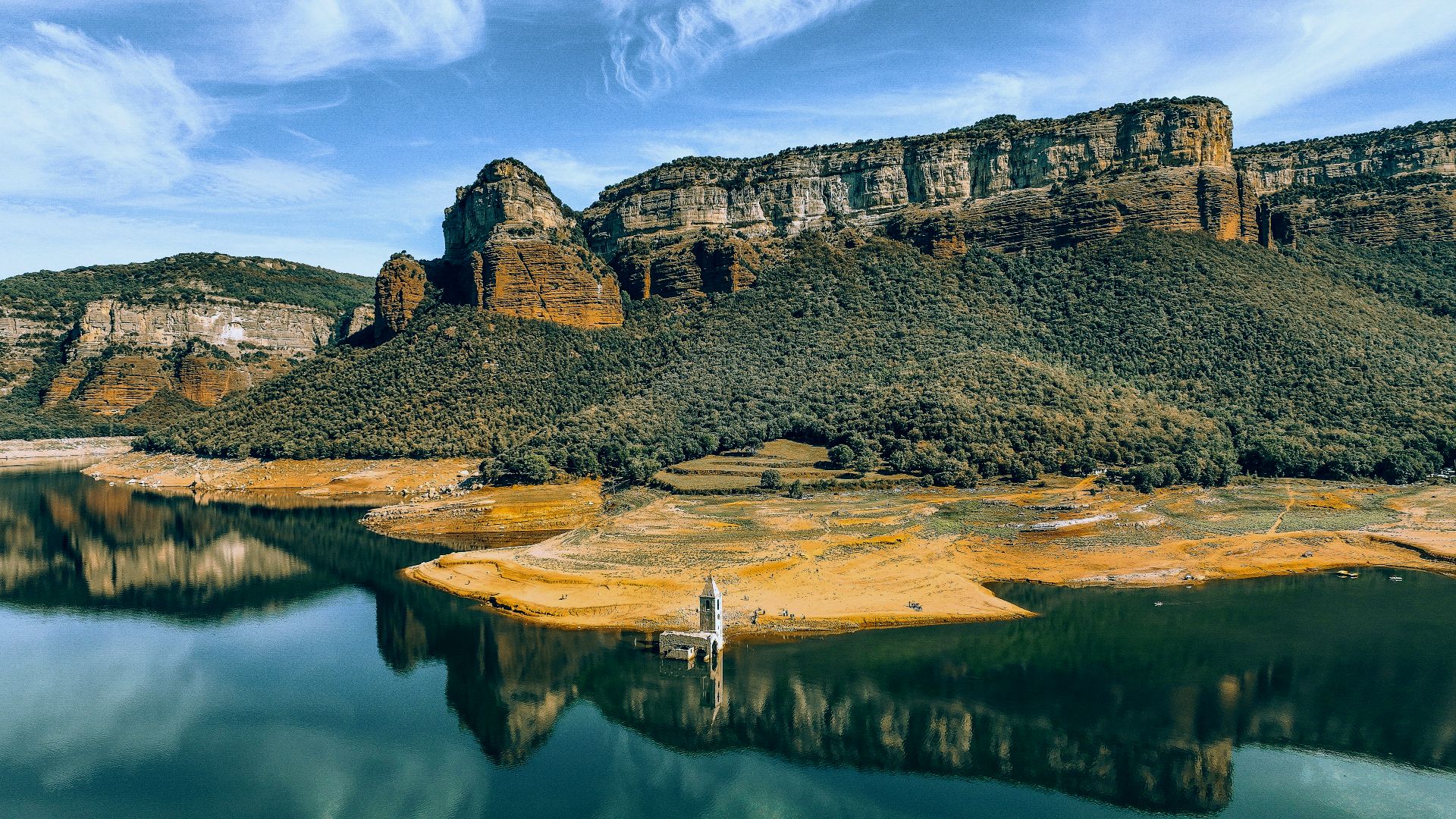
Church of Sant Romà de Sau (Submerged Bell Tower)
Highlight • Religious Site
Translated by Google •
Tip by

Sign up now to discover places like this
Get recommendations on the best single tracks, peaks, & plenty of other exciting outdoor places.
Sign up for free
Santuario de Puig-agut
Highlight • Religious Site
Translated by Google •
Tip by

Tavertet village
Highlight • Settlement
Translated by Google •
Tip by

Cabrera Sanctuary
Highlight • Religious Site
Translated by Google •
Tip by

Sign up for free to discover even more attractions around Les Masies De Roda.
Sign up for free
Already have an account?
Start today with a free account
Your next adventure awaits.
Login or Signup
Popular around Les Masies De Roda
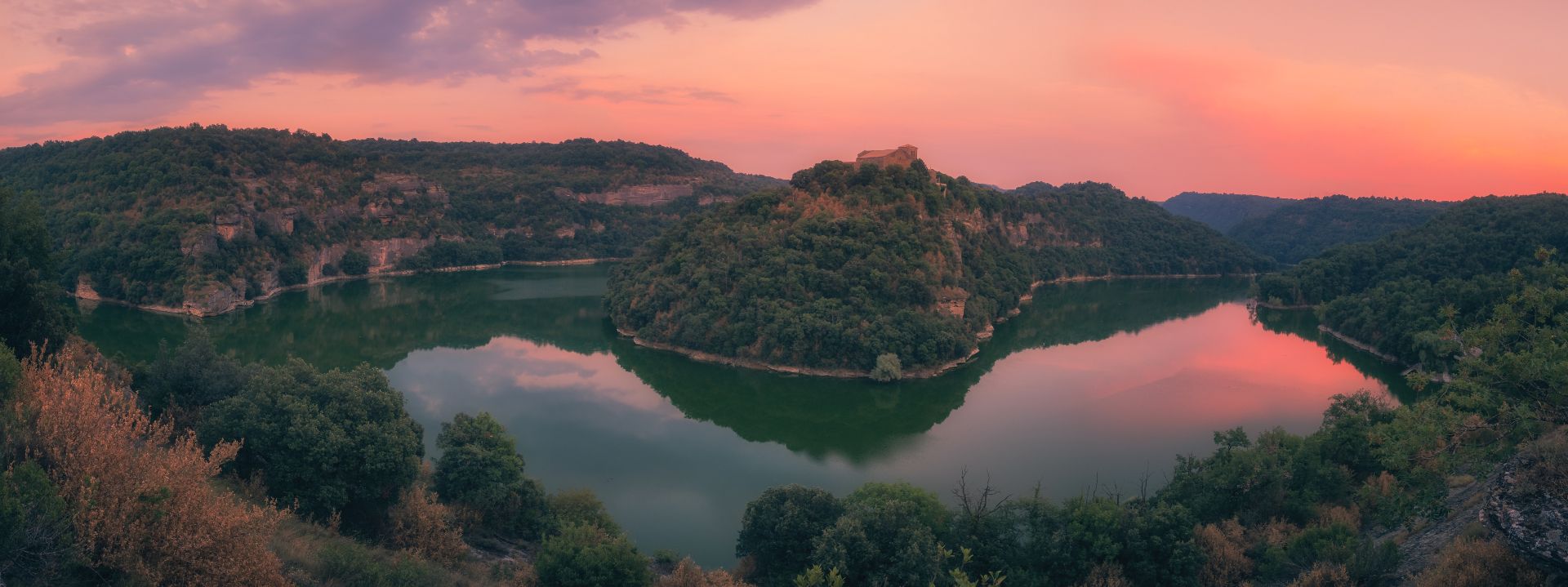
The water trail – Ruta del Ter (GR 210)
In the footsteps of the Catalan Romanesque – El Camino Oliba
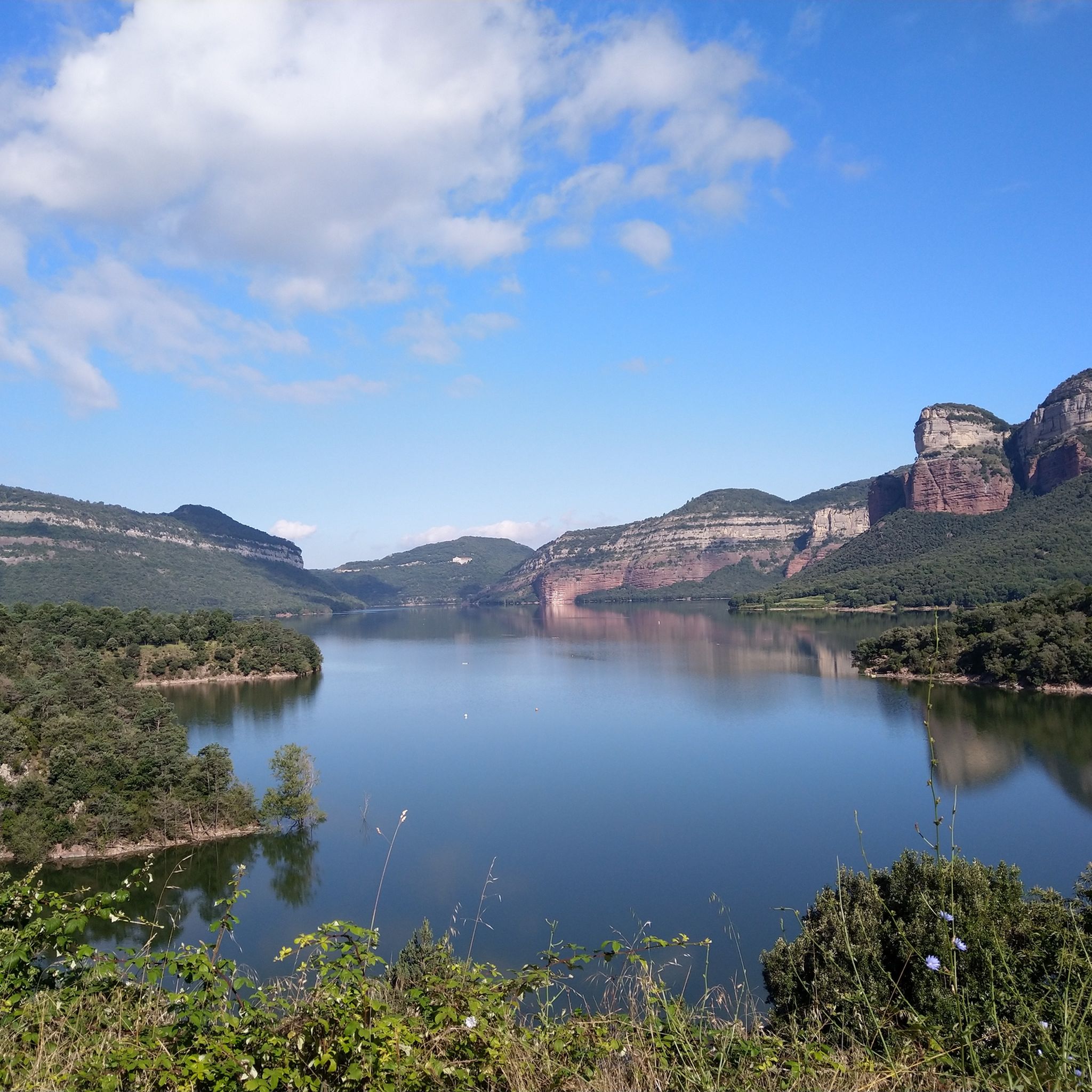
Road Cycling Routes around Les Masies De Roda
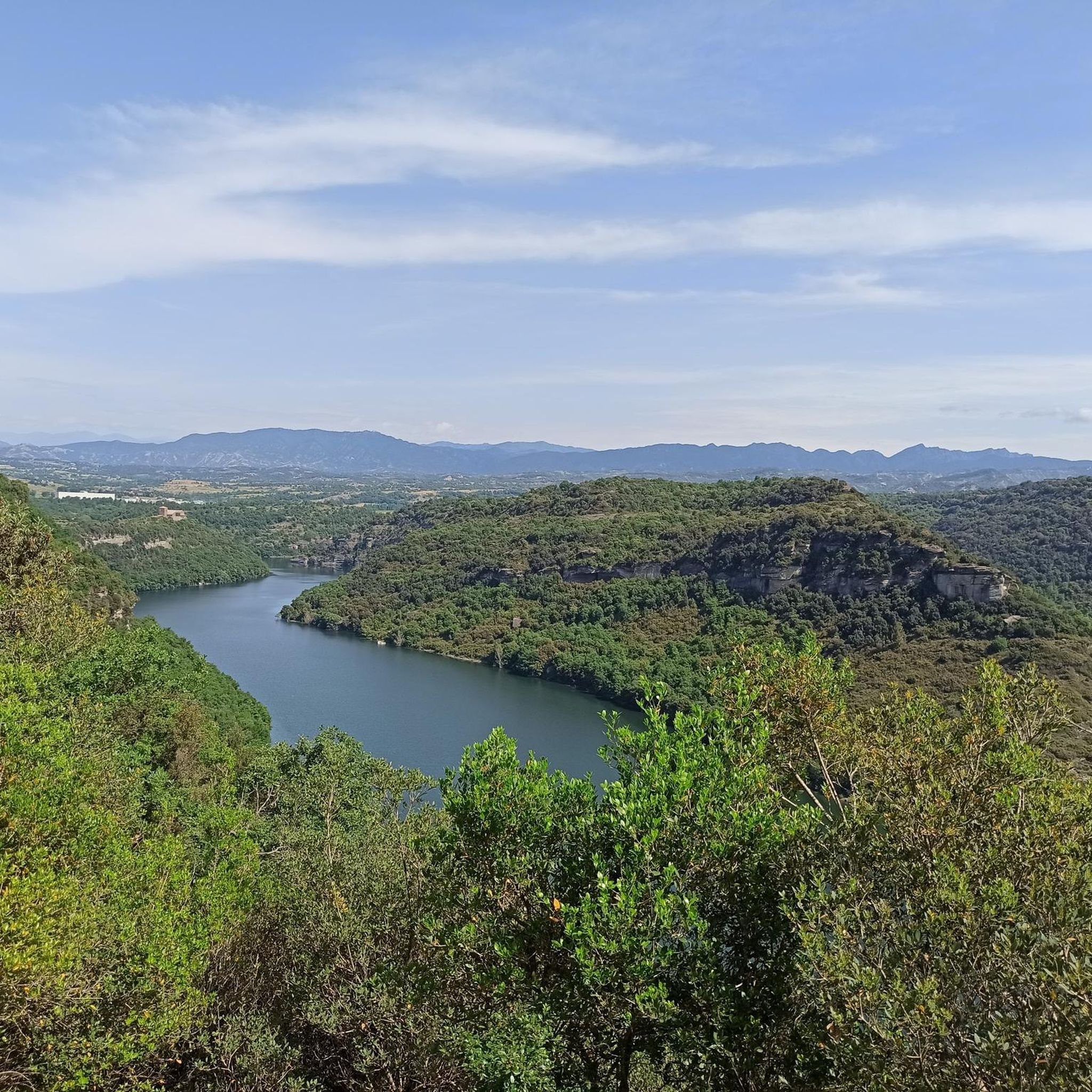
MTB Trails around Les Masies De Roda
Cycling around Les Masies De Roda
Running Trails around Les Masies De Roda
Hiking around Les Masies De Roda
Gravel biking around Les Masies De Roda
Other adventures around Les Masies De Roda

Tips from the Community

A must-visit is the small medieval village of Rupit, dating back to the 15th century! Every little alley, every side path is worth exploring... some of the steps were even naturally formed by lava. I've never seen anything so impressive before. The entire village is a listed monument.
1
0

The Mother of God depicted and venerated here is the Virgin Mary of Lourdes. This well-known Marian pilgrimage site is located in the French Pyrenees and is visited annually by large numbers of people, including many sick people hoping for healing. The devotional image of the Mother of God has become widespread – not only in France – with believers building Lourdes chapels and grottos everywhere. The church feast day of "Our Lady of Lourdes" is February 11th, the anniversary of the Marian apparition (1858), when the Mother of God appeared to 14-year-old Bernadette Soubirous in a rock grotto very close to Lourdes. Bernadette later became a nun and died at the age of just 35. On December 8th (the Feast of the Immaculate Conception of Mary), 1933, she was canonized by Pope Pius XI. The commemoration of the Madonna of Lourdes is also World Day of the Sick.
0
0

The town of Tavertet is a jewel of the Catalan pre-Pyrenees. A perfectly preserved town, with all its stone houses (or casiplones) perfectly maintained and decorated. From Tavertet, it is well worth visiting the ravines (cingles, in Catalan) of the Sau reservoir. Tavertet has several bars and restaurants where you can have a snack and enjoy the tranquility of a car-free town. No one is disappointed!
1
0

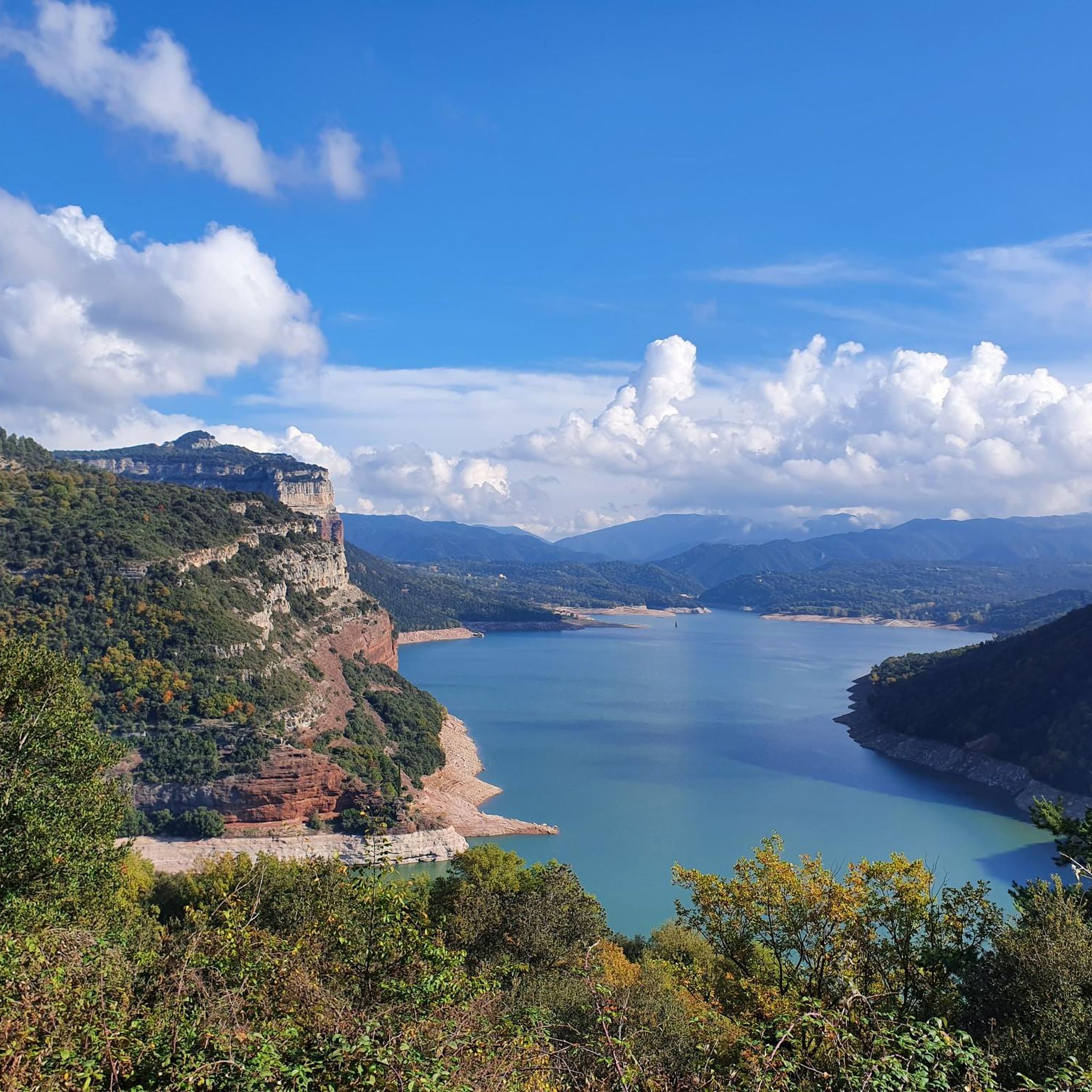
A great place even if the reason why this village reappears after 60 years is more than sad. Water shortage in Catalonia.
2
0

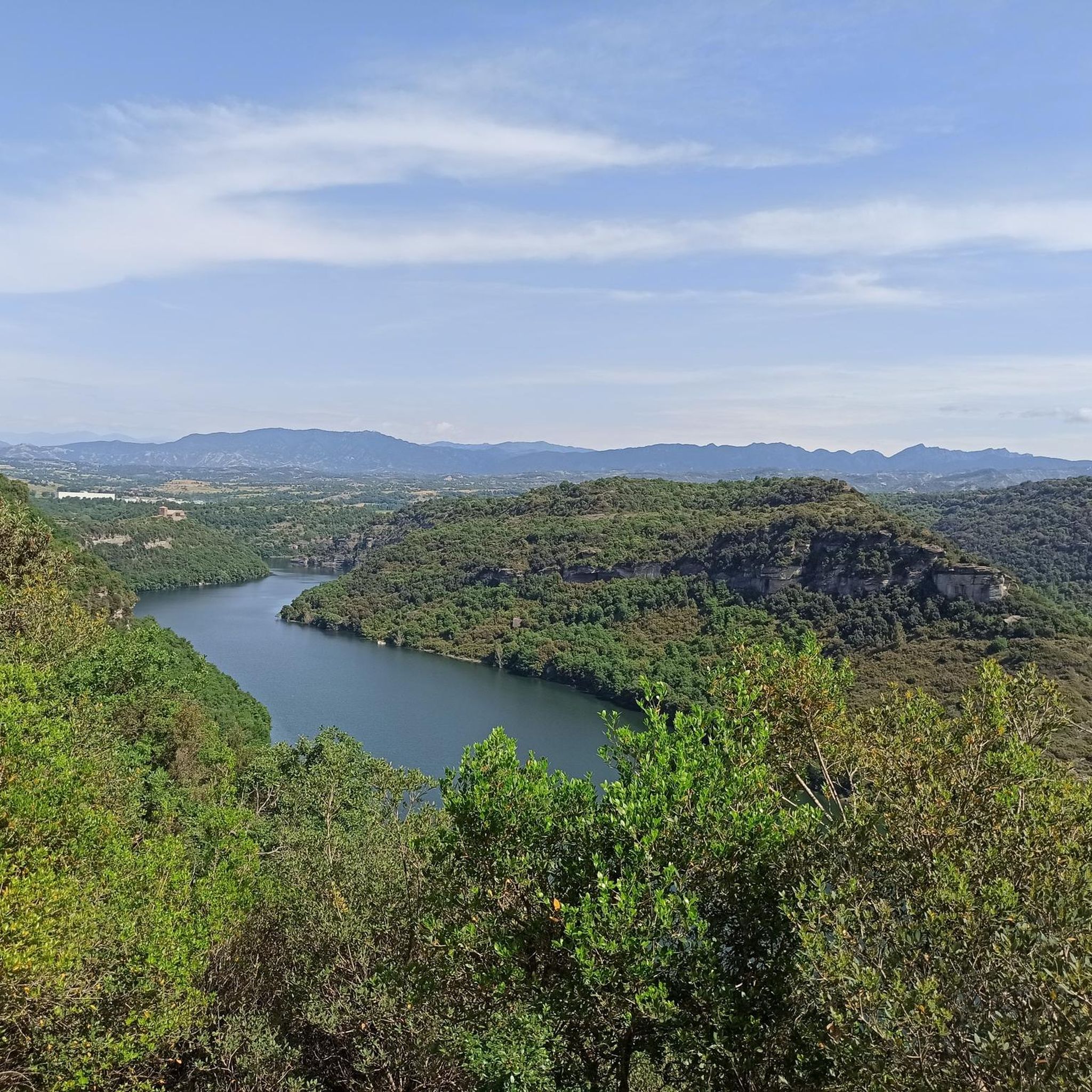
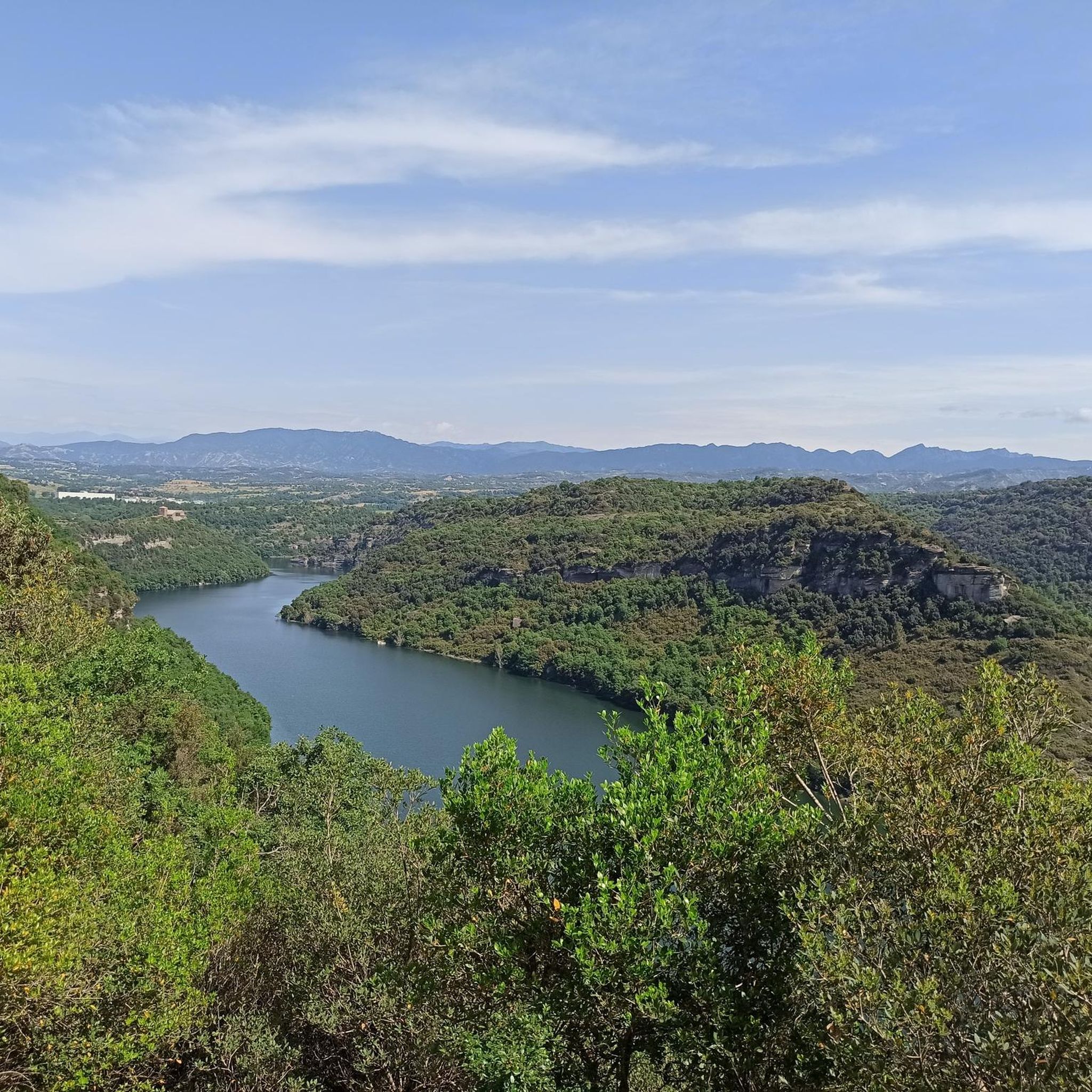
Amazing views of the Del Ter ravine
3
0

Small village with fantastic views of the surrounding hills
1
0

The access is not cycleable, you have to push for a while, but if we have reached the foot of the sanctuary, it is worth the climb. If we find the restaurant open, inside there is a well from which we can draw water with a curious hand pump.
0
0

The Puig-agut Sanctuary is a beautiful hermitage with a lot of history. The architecture and landscape are different from most of what you can see in Catalunya. Very interesting.
3
0
Frequently Asked Questions
What historical and cultural sites can I visit in Les Masies de Roda?
Les Masies de Roda is rich in history. You can explore the 11th-century Church of Sant Romà de Sau (Submerged Bell Tower), which becomes visible when the Sau reservoir's water level is low. Another significant site is the Rupit Village, known for its medieval architecture. Don't miss the Monastery of Sant Pere de Casserres, an 11th-century Benedictine monastery and a Cultural Asset of National Interest, or the Archaeological Site of l'Esquerda, an Iberian and medieval settlement on a Ter River meander.
Are there any family-friendly activities or attractions in the area?
Yes, several attractions cater to families. Rupit Village and Tavertet village are both listed as family-friendly. The Archaeological Museum of l'Esquerda offers engaging activities like "Fabulous stories in l'Esquerda, told by Floduc the jester," and the Monastery of Sant Pere de Casserres provides activities such as "The builder profession in the Middle Ages."
What natural features define the landscape around Les Masies de Roda?
The Ter River is a central natural feature, shaping the landscape with its meanders and offering scenic views, especially around l'Esquerda. The area also lies at the geographical limit between the Plana de Vic and the rugged Guilleries massif, providing diverse natural landscapes. You can also find the unique Piedra de las Brujas (Witches' Stone), a large natural stone with numerous medieval engravings.
Where can I find panoramic views of the region?
For stunning views, visit Santuario de Puig-agut, a hermitage offering vistas over the plain of Vic and the Pyrenees. The Cabrera Sanctuary also provides magnificent views from its elevated position. Additionally, Tavertet village, perched on a rock, offers a viewpoint over the Sau and Susqueda reservoirs and the Montseny mountains.
What outdoor activities, like hiking or cycling, are available near these attractions?
The banks of the Ter River are ideal for walking or cycling. You can find various routes, including sections of GR 210 Camí Vora Ter and GR-151 Camí Oliba. For specific hiking trails, explore options like the 'View towards the Monastery – Views of the Ter and Monastery loop from Pantà de Sau' or the 'View of the Sau Reservoir – Playa de la Rovira loop from Pantà de Sau'. More hiking routes can be found in the Hiking around Les Masies De Roda guide. For cycling, consider the Gravel biking around Les Masies De Roda guide or the MTB Trails around Les Masies De Roda guide.
Are there any unique historical structures beyond monasteries and villages?
Yes, you can visit the Ice Well of Salou (Pou de Glaç), an 18th-century circular structure used for ice storage. There are also the ruins of Castell de s'Avellana, a former castle-fortress with preserved sections of its walls and a tower base, offering a glimpse into the region's defensive past.
What do visitors enjoy most about the attractions in Les Masies de Roda?
Visitors frequently praise the beautiful medieval architecture of places like Rupit Village and the stunning natural surroundings. The historical significance of sites like the Church of Sant Romà de Sau (Submerged Bell Tower) and the panoramic views from hermitages such as Santuario de Puig-agut are also highly appreciated.
Can I find places to eat or stay near the attractions?
While specific cafes and accommodation are not detailed for every attraction, the Cabrera Sanctuary offers restaurant service and hospitality on weekends and holidays. Tavertet village also has a bar where you can enjoy a coffee and a snack.
What is the significance of the Monastery of Sant Pere de Casserres?
The Monastery of Sant Pere de Casserres is an 11th-century Benedictine monastery considered one of Catalonia's most exceptional architectural monuments. It's declared a Historic-Artistic Monument and a Cultural Asset of National Interest, featuring a church, a rectangular cloister, and an isolated building that served as a hospital or guest hall. Its location on a peninsula surrounded by the Ter River makes it a prominent example of Catalan Romanesque architecture.
Are there any specific events or festivals in Les Masies de Roda?
The municipality hosts several local celebrations. These include a neighborhood festival in Les Cases Noves on the first weekend of May, the Aplec de Sant Salvador (featuring sardanas and a popular lunch) and a popular BTT cycling event on the second Sunday of May, and the main town festival on September 29th (Sant Miquel).
What is the Archaeological Site of l'Esquerda?
L'Esquerda is an Iberian and medieval archaeological site, also declared a Cultural Asset of National Interest. Situated on a meander of the Ter River, it was an Iberian settlement that evolved into a medieval village. Visitors can explore the ruins, including the remains of the church of Sant Pere de Roda. Guided and theatrical visits are available to delve into its rich history and ongoing archaeological work.
Are there any religious buildings with unique stories or features?
Beyond the prominent monasteries, the Santuario de Puig-agut is a beautiful hermitage with a connection to the Virgin Mary of Lourdes, making it a significant pilgrimage site. The Church of Sant Romà de Sau (Submerged Bell Tower) is also unique as the oldest church in the world preserved standing in water, with its bell tower visible when the Sau reservoir's water level is low.
Most popular routes around Les Masies De Roda
Most popular attractions around Les Masies De Roda

Get inspired with the komoot mobile app


Explore more
Still not found the Highlight you’re looking for? See guides of the top attractions in other regions:
