The 11 Most Amazing Peaks around El Escorial
Best mountain peaks around El Escorial are found within the Sierra de Guadarrama, offering diverse landscapes and hiking opportunities. This region features prominent summits and natural viewpoints that complement the historic Royal Monastery of San Lorenzo de El Escorial. The area is characterized by its granite formations, dense pine forests, and ancient oak groves. It provides a blend of natural beauty and historical significance for outdoor enthusiasts.
Best mountain peaks around El Escorial
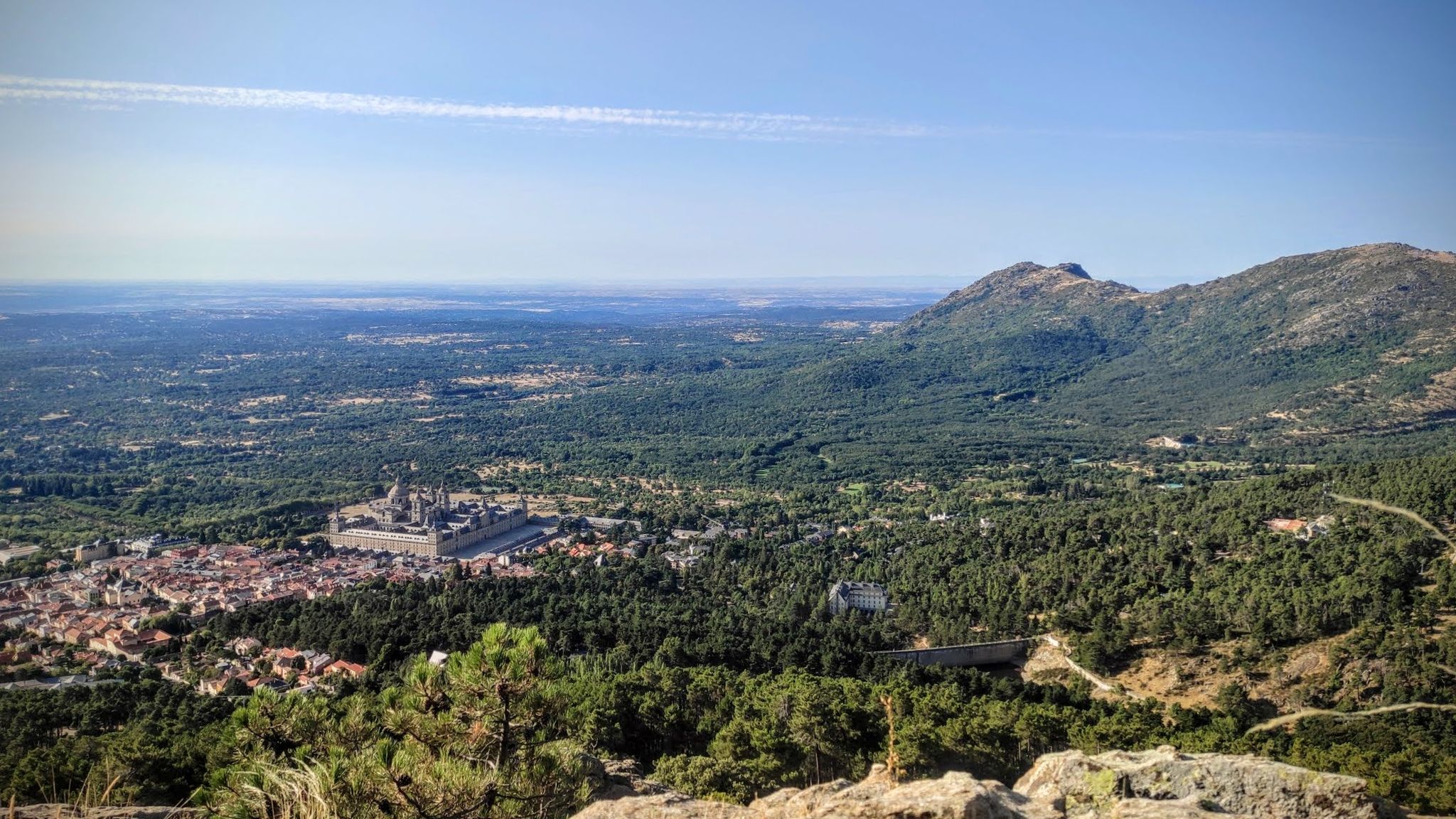
- The most popular mountain peaks is Mount Abantos, a summit that is one of the classic peaks of the Guadarrama mountain range. It offers an easy ascent along the GR-10 and good views from the summit.
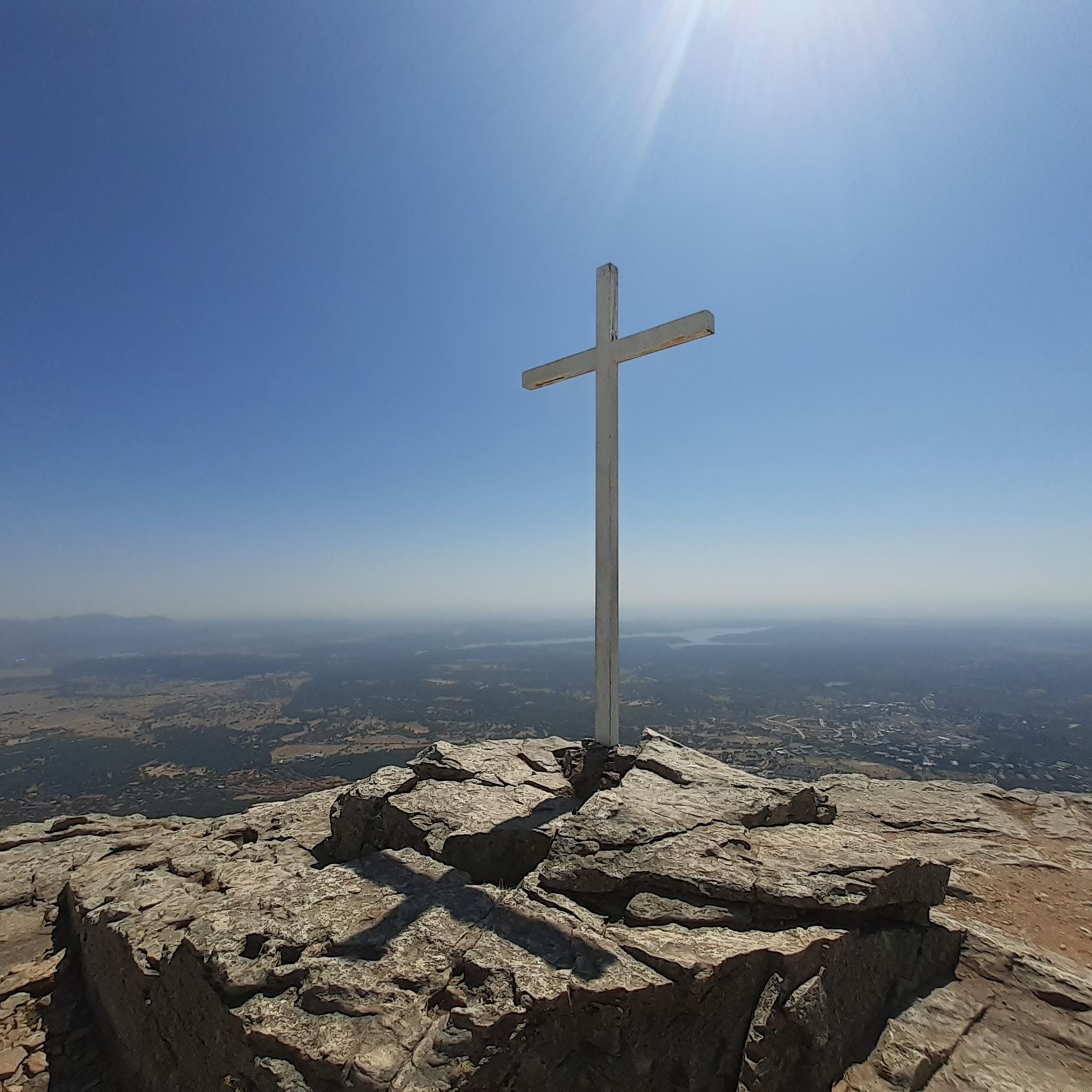
- Another must-see spot is Cabeza Líjar Summit, a summit known for its panoramic views. Its high point of 1,822 meters provides views across three provinces.
- Visitors also love The Lower Machota, a 1,410 meter high summit, part of the Las Machotas group. It offers views and is notable for its plutonic extrusion origin.
- El Escorial is known for summits, mountain passes, and natural monuments. These offer a variety of experiences, from challenging climbs to scenic viewpoints.
- The mountain peaks around El Escorial are appreciated by the komoot community, with more than 120 upvotes and 50 photos shared.
Last updated: June 23, 2026
Mount Abantos
Highlight • Summit
Translated by Google •
Tip by

Puerto de Malagón
Highlight • Mountain Pass
Translated by Google •
Tip by
Sign up now to discover places like this
Get recommendations on the best single tracks, peaks, & plenty of other exciting outdoor places.
Sign up for free
Bear Cave
Highlight • Natural Monument
Translated by Google •
Tip by
Cabeza Líjar Summit
Highlight • Summit
Translated by Google •
Tip by
Dehesa de Arriba Viewpoint
Highlight • Viewpoint
Translated by Google •
Tip by

Sign up for free to discover even more peaks around El Escorial.
Sign up for free
Already have an account?
Start today with a free account
Your next adventure awaits.
Login or Signup

Other adventures around El Escorial

Tips from the Community

The Bear Cave in San Lorenzo de El Escorial is not a real, deep cave in the geological sense, but rather a peculiar rock formation in the Bosque de la Herrería. It is a natural cavity formed by the arrangement of large granite boulders that create a kind of shelter or "cave." It is located in the Bosque de la Herrería, a protected natural area declared a UNESCO World Heritage Site. It is on a very popular hiking trail, relatively close to the Chair of Philip II and the Fuente de los Hermanitos. Its name comes from the fact that its shape and size might evoke the idea of a bear's den, although no real bear ever lived there. Rather, it is a visual attraction, especially for children. Beyond being a "real" cave, it is a point of interest on the hiking trails in the Bosque de la Herrería.
0
0

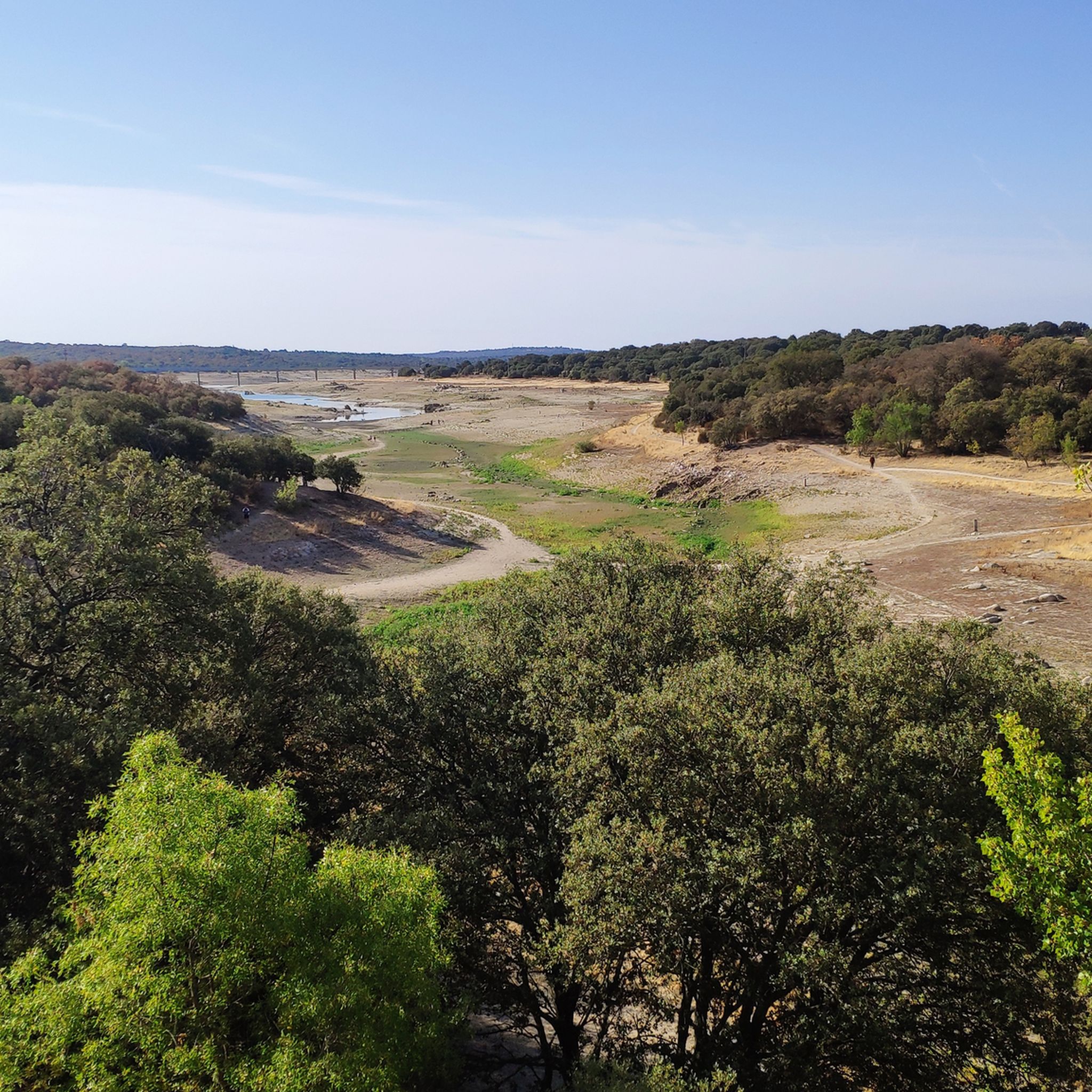
Nice Viewpoint that is located on the mountain that is located next to Moralzarzal.
0
0

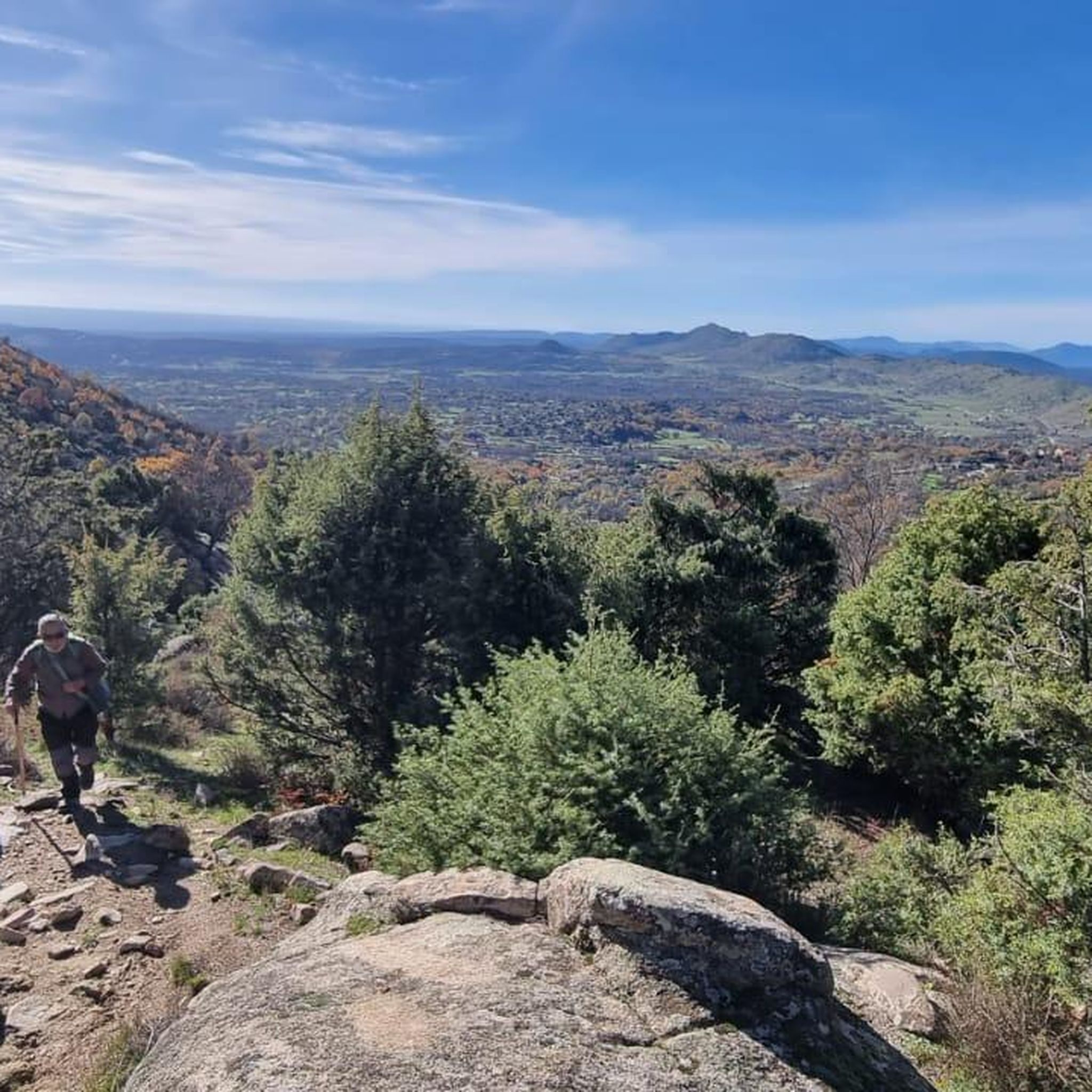
From this elevated point the views of the Guadarrama mountain range, in general, and particularly of Cuerda Larga and La Pedriza, are spectacular.
0
0
The port of Malagón, also known as Alto de Abantos or Puerto de San Juan de Malagón, is a mountain pass located in the southwest area of the Sierra de Guadarrama. It has an altitude of 1590 meters and separates the Spanish provinces of Madrid and Ávila.
0
0

Legendary peak that not only has magnificent views but also plays a great role in the history of sports in Spain.
0
0

The port of Malagón, also known as Alto de Abantos or Puerto de San Juan de Malagón, is a mountain pass located in the southwest area of the Sierra de Guadarrama (mountain belonging to the Central System). It has an altitude of 1590 meters and separates the Spanish provinces of Madrid and Ávila. The regional road that crosses it connects the municipalities of San Lorenzo de El Escorial (Madrid) and Peguerinos (Ávila). To the west of the port extends the Malagón mountain range, which gives it its name. The mountain pass is located on the southern slope of Mount Abantos, which is why it constitutes the starting point of a path that leads to the top of said mountain.
0
0

Located on the forest track that connects Peguerinos with San Lorenzo de El Escorial, it has been crowned on several occasions by the Cycling Tour of Spain, this border port between Madrid and Ávila rewards us for the effort of the climb with amazing views of the community of Madrid. The ideal place to take a souvenir photo and enjoy the summit.
0
0

An incredible viewpoint from the top of the summit of Cabeza Líjar, right next to the geodesic vertex. On a clear day we can easily recognize the La Jarosa reservoir.
1
1
Frequently Asked Questions
What are the most popular mountain peaks and viewpoints around El Escorial?
The region around El Escorial offers several highly-rated peaks and viewpoints. Among the most popular are Mount Abantos, a classic peak in the Sierra de Guadarrama known for its easy ascent and expansive views. Another must-see is Cabeza Líjar Summit, which provides panoramic views across three provinces from its 1,822-meter high point. Additionally, The Lower Machota, part of the Las Machotas group, is appreciated for its unique geological origin and views.
Are there family-friendly hiking options in the mountains near El Escorial?
Yes, there are family-friendly options available. For instance, the area around the Bear Cave, a peculiar rock formation in the Bosque de la Herrería, is considered family-friendly and is part of a popular hiking trail. While not a deep cave, it's an interesting point of interest for children and offers a pleasant walk.
What kind of natural features can I expect to see when exploring the peaks around El Escorial?
You'll encounter diverse natural features. Mount Abantos is covered in dense pine forests, offering a lush environment. The Las Machotas peaks are notable for their ancient forests of oaks, Montpellier maples, ash trees, and centuries-old chestnut trees. The entire region is characterized by its granite formations, which were historically quarried for the construction of the El Escorial Monastery.
What historical sites or unique landmarks can be found on these mountain peaks?
Beyond the natural beauty, the peaks offer historical intrigue. Cabeza Líjar Summit features a viewpoint constructed on an old bunker from the Spanish Civil War, adding a historical layer to the panoramic views. While not a peak, the Silla de Felipe II (Philip II's Chair) is a significant granite rock formation with carved platforms, traditionally believed to be where King Philip II observed the Monastery's construction, and possibly an ancient Vetton sacrificial altar.
What outdoor activities can I do near the mountain peaks around El Escorial?
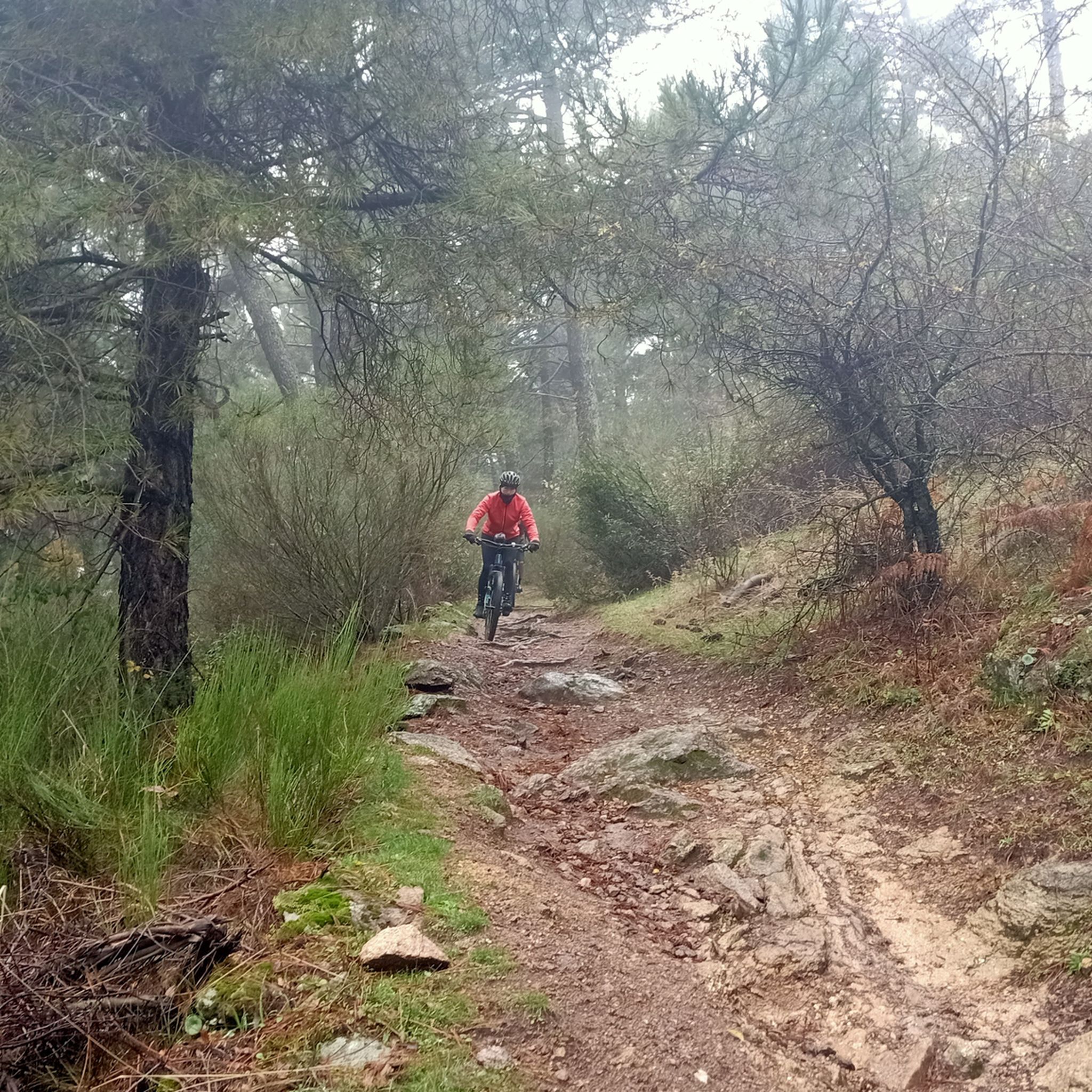
The area around El Escorial's peaks is excellent for various outdoor activities. You can find numerous routes for gravel biking, mountain biking, and running. For gravel biking, consider routes like the 'Valmayor Reservoir – The Seven Gates loop' or the 'Puerto de Malagón – Abantos Summit Sign loop'. Mountain biking enthusiasts can explore trails such as the 'Mount Abantos - San Lorenzo de El Escorial Loop'. If you prefer running, options include the 'Mount Abantos – House of the Renegade loop'. You can find more details on these activities and specific routes in the Gravel biking around El Escorial, MTB Trails around El Escorial, and Running Trails around El Escorial guides.
Are there specific trails for hiking near these mountain peaks?
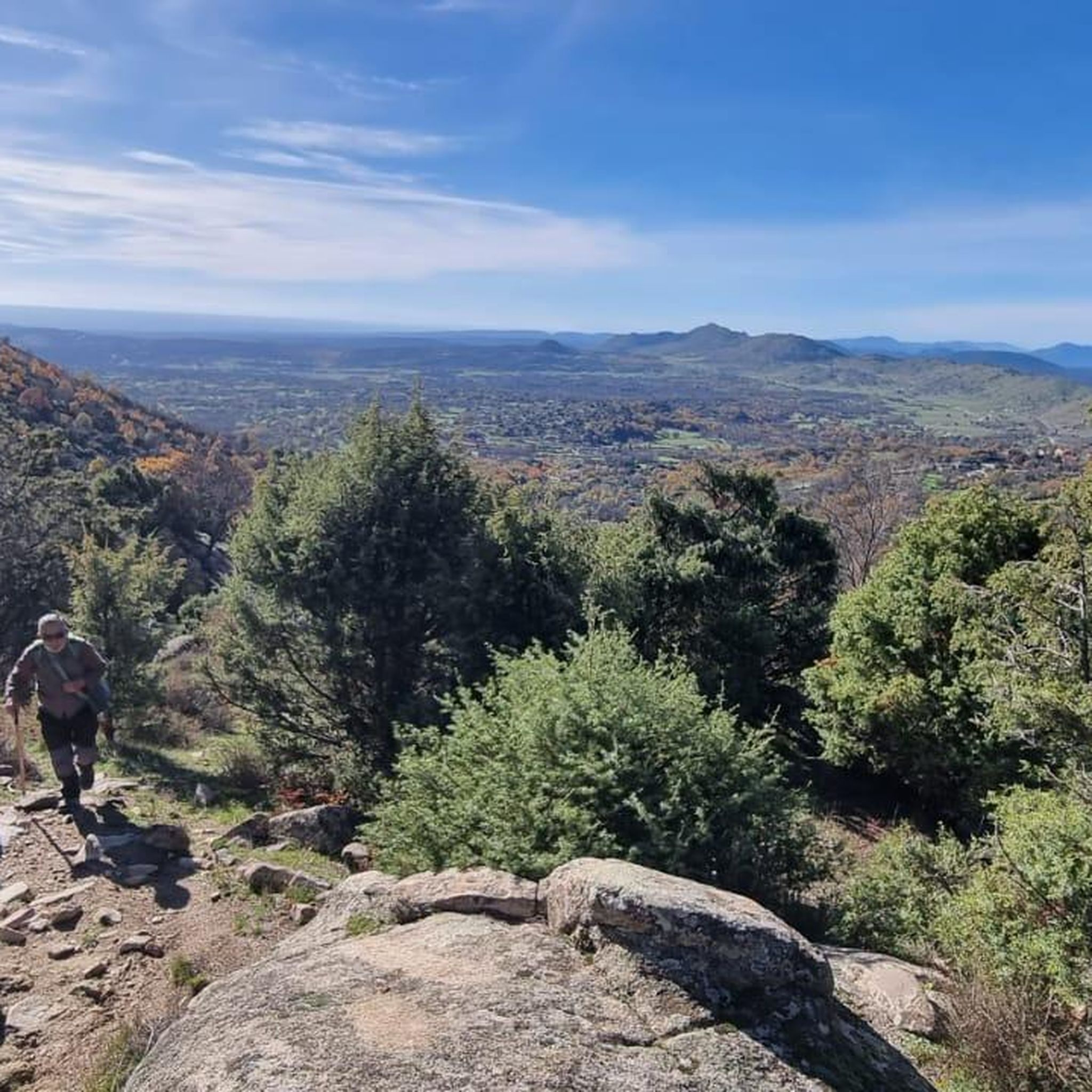
Yes, there are many hiking trails. Mount Abantos offers an easy ascent via routes like the GR-10. The area around Las Machotas provides trails that combine natural beauty with historical significance, featuring unique geological formations and ancient forests. The path to the Silla de Felipe II is also a popular and accessible spot for a short hike. Many of the routes mentioned for running and biking can also be adapted for hiking.
What makes Las Machotas unique among the peaks in the El Escorial area?
Las Machotas, comprising Machota Alta and Machota Baja, are considered 'island mountains' due to their somewhat separated position from the main Guadarrama range. Their granite was historically quarried for the El Escorial Monastery. They are also home to exceptional forests of oaks, Montpellier maples, ash trees, and ancient chestnut trees, some of which are centuries old and cataloged as singular trees of the Community of Madrid. Machota Alta features a distinctive granite crag called Risco del Fraile.
What are the views like from the peaks around El Escorial?
The views are a major draw. From Mount Abantos, you can enjoy expansive views of San Lorenzo de El Escorial, the Royal Monastery, and the entire Sierra de Guadarrama. Cabeza Líjar Summit is renowned for its panoramic vistas across three provinces: Madrid, Ávila, and Segovia. Even the more modest Las Machotas offer broad views of the surrounding Guadarrama mountains and, on clear days, the distant Sierra de Gredos.
Is there a significant mountain pass in the area for cyclists?
Absolutely. The Puerto de Malagón is a mountain pass of great importance in the Spanish cycling scene. It has been featured in numerous editions of the Tour of Spain, often serving as a stage finish. This border pass between Madrid and Ávila rewards cyclists with magnificent views of the Community of Madrid after the climb.
What do visitors enjoy most about the mountain peaks around El Escorial?
Visitors particularly appreciate the blend of natural beauty, historical significance, and diverse outdoor activities. The panoramic views from peaks like Mount Abantos and Cabeza Líjar Summit are frequently highlighted. The unique geological formations, ancient forests, and the historical context, such as the old bunker on Cabeza Líjar or the granite quarries of Las Machotas, also add to the appeal. The accessibility of many trails for various skill levels is also a key factor.
What is the Silla de Felipe II and why is it worth visiting?
The Silla de Felipe II (Philip II's Chair) is a highly significant granite rock formation with carved stepped platforms, located at the foot of Las Machotas within the Pinar de Abantos and La Herrería natural area. While not a mountain peak, it offers breathtaking panoramic views of the Royal Monastery of San Lorenzo de El Escorial and Mount Abantos. It's traditionally believed that King Philip II observed the construction of the Monastery from this spot, and archaeological theories suggest it might have been an ancient Vetton sacrificial altar. It's an easily accessible location perfect for photography and enjoying the natural surroundings.
Most popular routes around El Escorial
Most popular attractions around El Escorial

Get inspired with the komoot mobile app


Explore more
See even more amazing summits around El Escorial with these guides:
