The best cycling routes around El Escorial
4.9
(14)
1,045
riders
42
rides
Touring cycling routes around El Escorial are characterized by their proximity to the Sierra de Guadarrama mountain range, offering varied terrain from challenging mountain passes to scenic forest trails. The region features dense pine forests, rocky peaks, and valleys, with granite formations common throughout the landscape. Cyclists can find routes that incorporate significant elevation gains as well as paths through natural havens like La Herrería Forest. The area provides a diverse environment for touring cyclists seeking both demanding climbs and…
Last updated: August 15, 2026
5.0
(3)
103
riders
Hard bike ride. Very good fitness required. Mostly paved surfaces. Suitable for all skill levels.
48
riders
51.7km
04:36
1,220m
1,220m
Hard bike ride. Very good fitness required. Mostly paved surfaces. Suitable for all skill levels.

Sign up for free
4.3
(3)
20
riders
120km
08:24
2,270m
2,270m
Hard bike ride. Very good fitness required. Mostly paved surfaces. Suitable for all skill levels.
29
riders
30.8km
02:40
810m
810m
Hard bike ride. Very good fitness required. Mostly paved surfaces. Suitable for all skill levels.
25
riders
Hard bike ride. Very good fitness required. Mostly paved surfaces. Suitable for all skill levels.
Get access to more routes and recommendations from other explorers.
Sign up for free
Already have an account?
Our route recommendations are based on thousands of hikes, rides, and runs completed by other people on komoot.
Start today with a free account
Your next adventure awaits.
Login or Signup

Other adventures around El Escorial

Tips from the Community

Last effort before reaching the port of Malagón
0
0
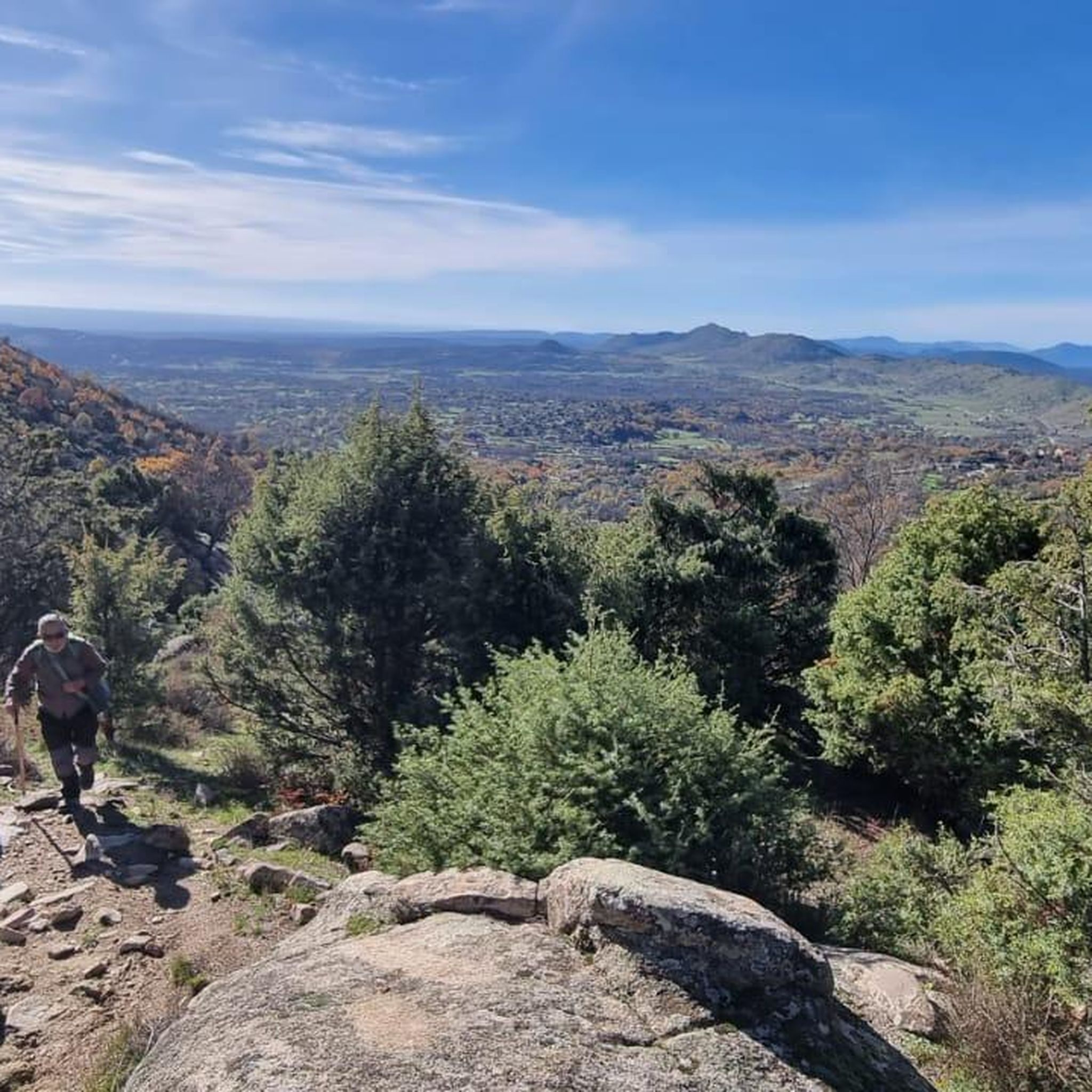
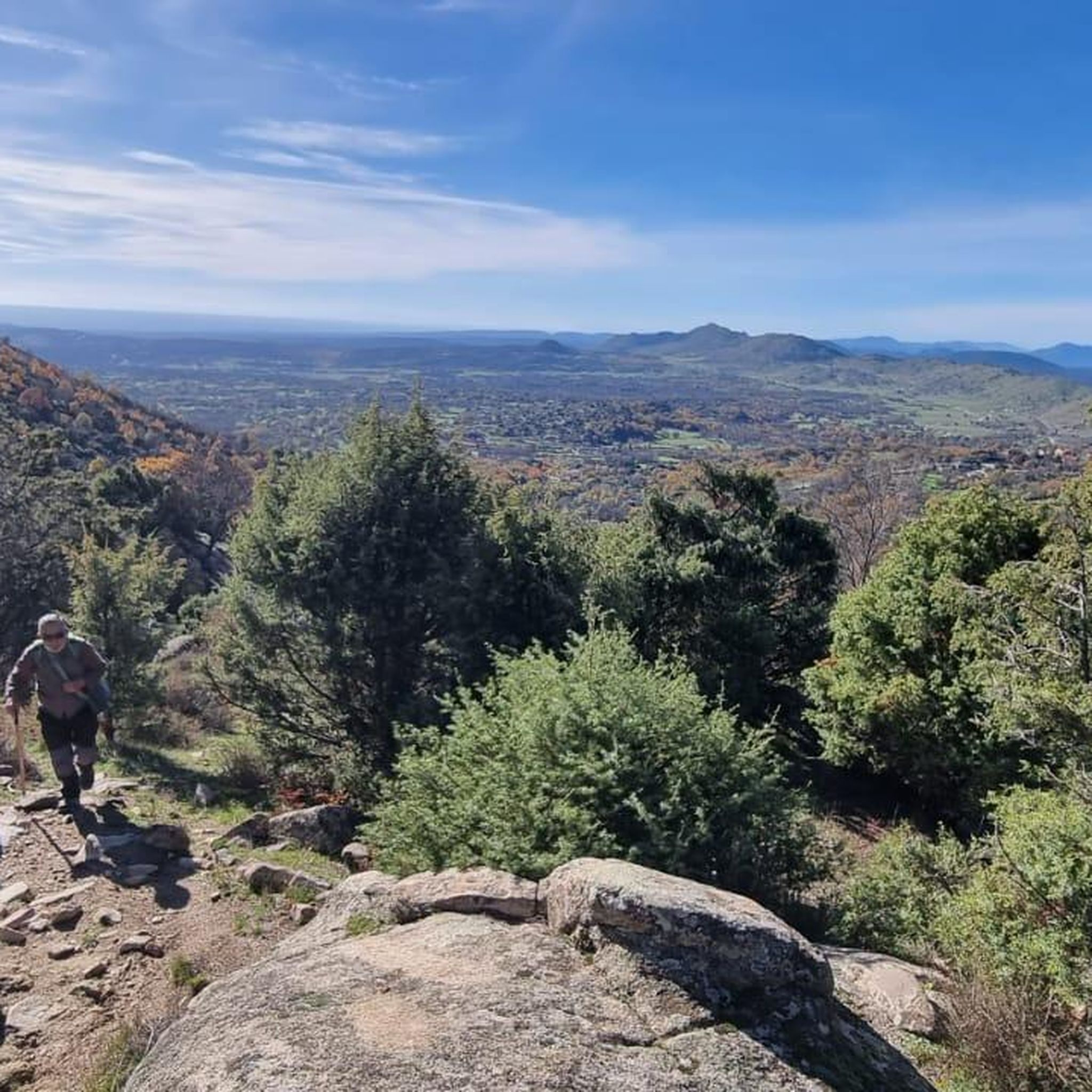
Beautiful viewpoint with views
0
0
Good place with a fountain to get fresh water.
0
0

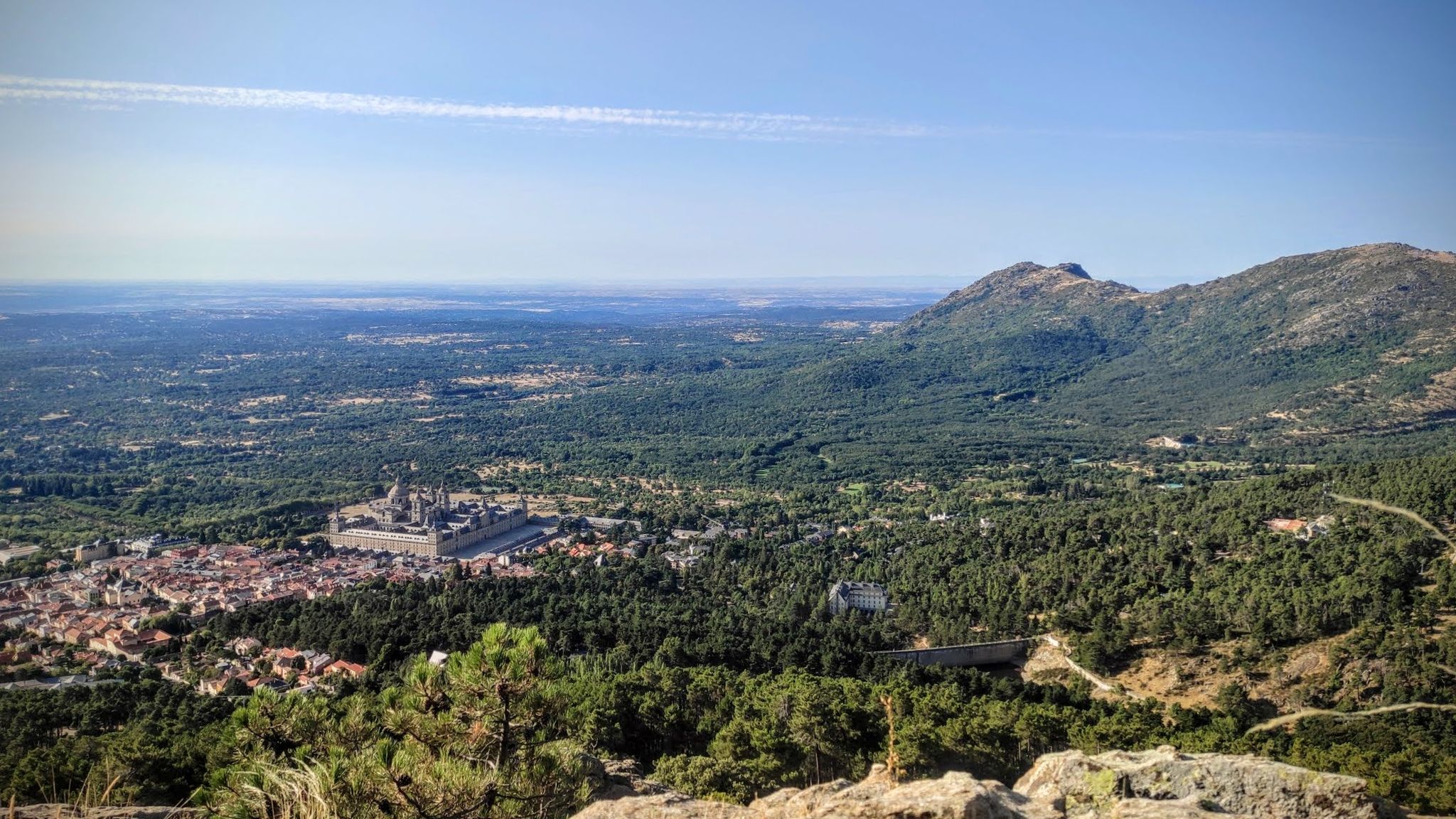
Beautiful views, with the monastery at your feet.
0
0
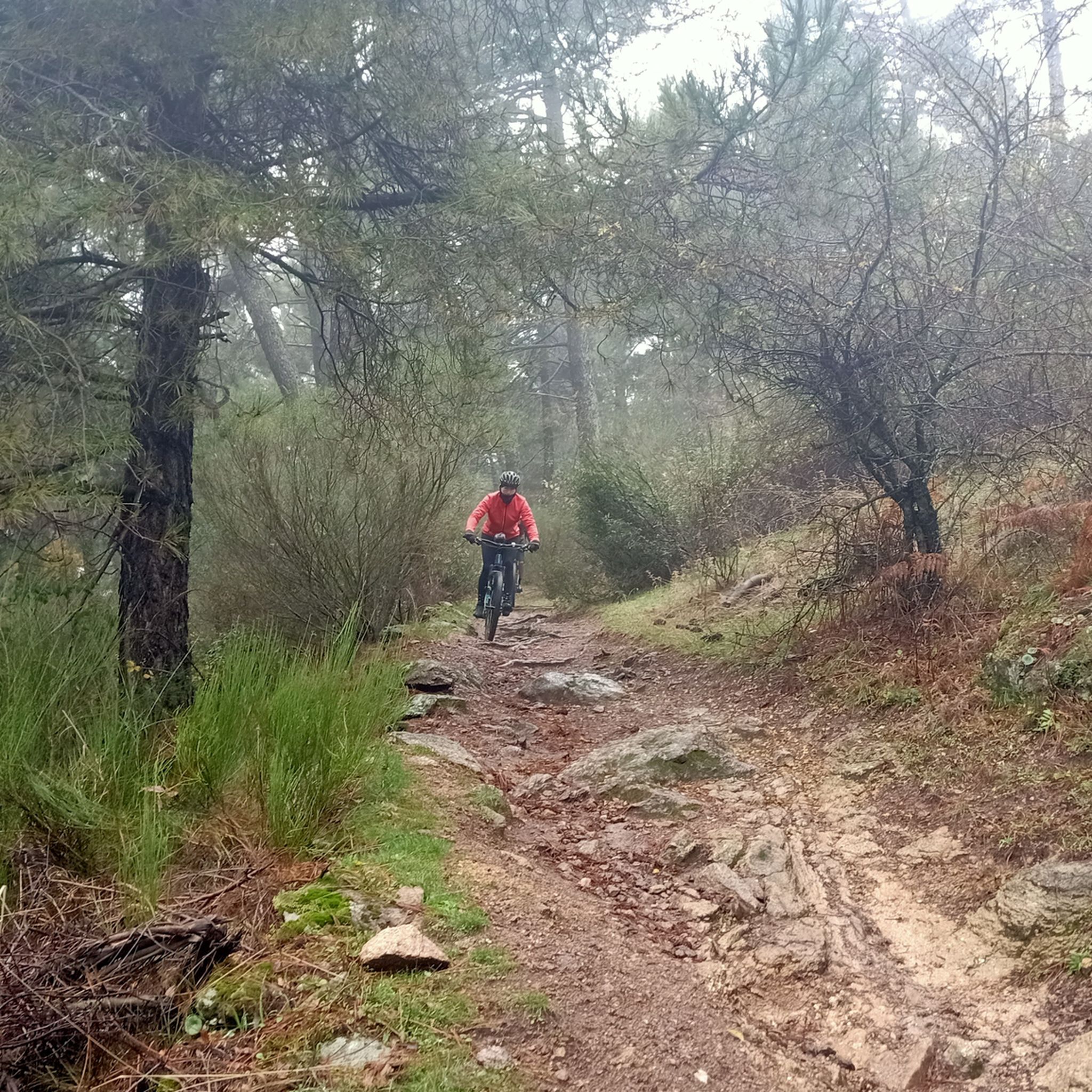
One of the best MTB ports in Madrid
0
0

Paths and cattle trails very suitable for bike rides.
0
0

The Monastery of El Escorial was built by King Philip II in the 16th century to commemorate a military victory and serve as a royal pantheon for the Habsburg dynasty. Designed by architects Juan Bautista de Toledo and Juan de Herrera, it is characterized by its sober, Renaissance style. Today it is a UNESCO World Heritage Site.
5
0
The Monastery of El Escorial was built by King Philip II in the 16th century to commemorate a military victory and serve as a royal pantheon for the Habsburg dynasty. Designed by architects Juan Bautista de Toledo and Juan de Herrera, it is characterized by its sober, Renaissance style. Today it is a UNESCO World Heritage Site.
5
0
Frequently Asked Questions
What kind of terrain can I expect on touring cycling routes around El Escorial?
Touring cycling around El Escorial offers a diverse landscape, primarily influenced by the Sierra de Guadarrama mountain range. You'll encounter varied terrain, from challenging mountain passes with significant elevation gains to scenic forest trails. The region features dense pine forests, rocky peaks, and valleys, with granite formations common throughout. Routes can include long, constant climbs and fast, technical descents, providing a mix of experiences for cyclists.
Are there touring cycling routes suitable for different skill levels in El Escorial?
Yes, El Escorial offers a range of touring cycling routes, though most tend towards moderate to difficult. Out of 30 available routes, 10 are classified as moderate and 20 as difficult. While there are no routes specifically labeled 'easy', the moderate options provide a good balance for those seeking a less intense ride. For example, routes through Monte Abantos or Valmayor Reservoir can offer varied experiences.
What natural attractions can I explore while touring cycling in El Escorial?
The region boasts several natural attractions ideal for integrating into your cycling tours. You can cycle through the lush La Herrería Forest, a Picturesque Landscape and Natura 2000 Network site, or enjoy circular routes around the Valmayor Reservoir. The majestic Monte Abantos also offers incredible views, though some parts of its ascent can have poor road surfaces. You might also encounter granite formations and shady valleys throughout your rides.
Are there any historical landmarks or cultural sites accessible by touring bike?
Absolutely. The iconic Royal Monastery of San Lorenzo de El Escorial, a UNESCO World Heritage Site, often serves as a focal point for tours. You can also cycle to the Silla de Felipe II (Felipe II's Chair) for panoramic views, often incorporated into routes through La Herrería Forest. Some itineraries may even pass by the visually spectacular Valle de los Caídos in the Guadarrama Mountains.
What is the best time of year for touring cycling in El Escorial?
El Escorial is particularly favored by cyclists during January and September. These months often provide suitable weather conditions for exploring the region's diverse landscapes. While cycling is possible year-round, these periods tend to offer a good balance of pleasant temperatures and fewer crowds, allowing for an optimal touring experience.
How many touring cycling routes are available around El Escorial?
There are over 30 touring cycling routes available around El Escorial. These routes cater to various preferences, ranging from moderate to difficult, and offer diverse experiences through mountain passes, forests, and scenic reservoirs.
What do other touring cyclists enjoy most about cycling in El Escorial?
The touring cycling routes in El Escorial are highly rated by the komoot community, with an average score of 4.4 stars from 9 reviews. Cyclists often praise the varied terrain, the stunning views of the Sierra de Guadarrama, and the opportunity to combine challenging climbs with picturesque rides through natural havens like La Herrería Forest. The presence of quiet, traffic-free roads is also a significant draw.
Are there any circular touring cycling routes in El Escorial?
Yes, many touring cycling routes in El Escorial are designed as loops, allowing you to start and end in the same location. Examples include the Puerto de Malagón – Fuente de la Concha loop from Las Zorreras-Navalquejigo, or the Abantos Spring – Monastery and gardens loop from El Escorial. These circular routes are excellent for exploring the region without needing to retrace your path.
Can I reach El Escorial and its cycling routes using public transport?
El Escorial is generally well-connected by public transport, making it accessible for cyclists. Many routes can be started directly from the town, which has train and bus links to Madrid and surrounding areas. It's advisable to check specific public transport options and bike carriage policies with local operators before planning your trip.
Where can I find parking for touring cycling routes in El Escorial?
Parking is generally available in and around El Escorial, especially near the town center and popular starting points for routes. Many touring cyclists park in designated areas within the town or at trailheads. For routes starting further afield, look for parking facilities in smaller villages or near major attractions like the Royal Monastery, which often have visitor parking.
Are there any long-distance touring cycling routes that pass through El Escorial?
El Escorial serves as a significant reference point for several stages of larger cycling initiatives like CiclaMadrid, which highlights the region's commitment to cycling tourism. While specific long-distance routes are not detailed here, the area's extensive network and connection to such initiatives suggest opportunities for longer tours, potentially linking to other regions of Madrid or beyond. An example of a longer route is the Aqueduct of Segovia – Segovia Cathedral loop from El Escorial, which covers over 117 km.
What are some challenging touring cycling routes for experienced riders?
Experienced touring cyclists seeking a challenge will find plenty of difficult routes in El Escorial, with 20 out of 30 routes classified as such. These often feature significant elevation gains and demanding climbs through mountainous terrain. Routes like the Puerto de Malagón – Fuente de la Concha loop from El Escorial, with over 1200 meters of ascent, offer extensive ascents and descents, providing panoramic views and a rigorous workout.
Most popular attractions around El Escorial

Get inspired with the komoot mobile app


Explore more
Browse the best Cycling routes in other regions.
