The best cycling routes around Triacastela
4.8
(118)
963
riders
14
rides
Touring cycling routes around Triacastela are situated in the verdant landscapes of Galicia, Spain, characterized by rolling hills, lush forests, and mountainous terrain. The region lies within the foothills of the eastern Galician mountains, with the Sierra de Oribio and the Oribio River valley contributing to its diverse topography. This area is a key point on the Camino de Santiago, offering routes that traverse varied elevations and natural features.
Best touring cycling routes around Triacastela
- The most popular touring cycling…
Last updated: July 1, 2026
4.7
(12)
139
riders
111km
07:53
2,210m
2,210m
Hard bike ride. Very good fitness required. Mostly paved surfaces. Suitable for all skill levels.
4.8
(27)
173
riders
70.4km
05:13
1,580m
1,580m
Hard bike ride. Very good fitness required. Mostly paved surfaces. Suitable for all skill levels.

Sign up for free
4.2
(15)
98
riders
95.0km
07:08
2,310m
2,310m
Hard bike ride. Very good fitness required. Mostly paved surfaces. Suitable for all skill levels.
4.8
(10)
95
riders
35.8km
02:36
740m
730m
Hard bike ride. Very good fitness required. Mostly paved surfaces. Suitable for all skill levels.
4.8
(12)
84
riders
46.6km
03:31
1,070m
1,070m
Hard bike ride. Very good fitness required. Mostly paved surfaces. Suitable for all skill levels.
Get access to more routes and recommendations from other explorers.
Sign up for free
Already have an account?
Our route recommendations are based on thousands of hikes, rides, and runs completed by other people on komoot.
Start today with a free account
Your next adventure awaits.
Login or Signup
Popular around Triacastela
Tips from the Community

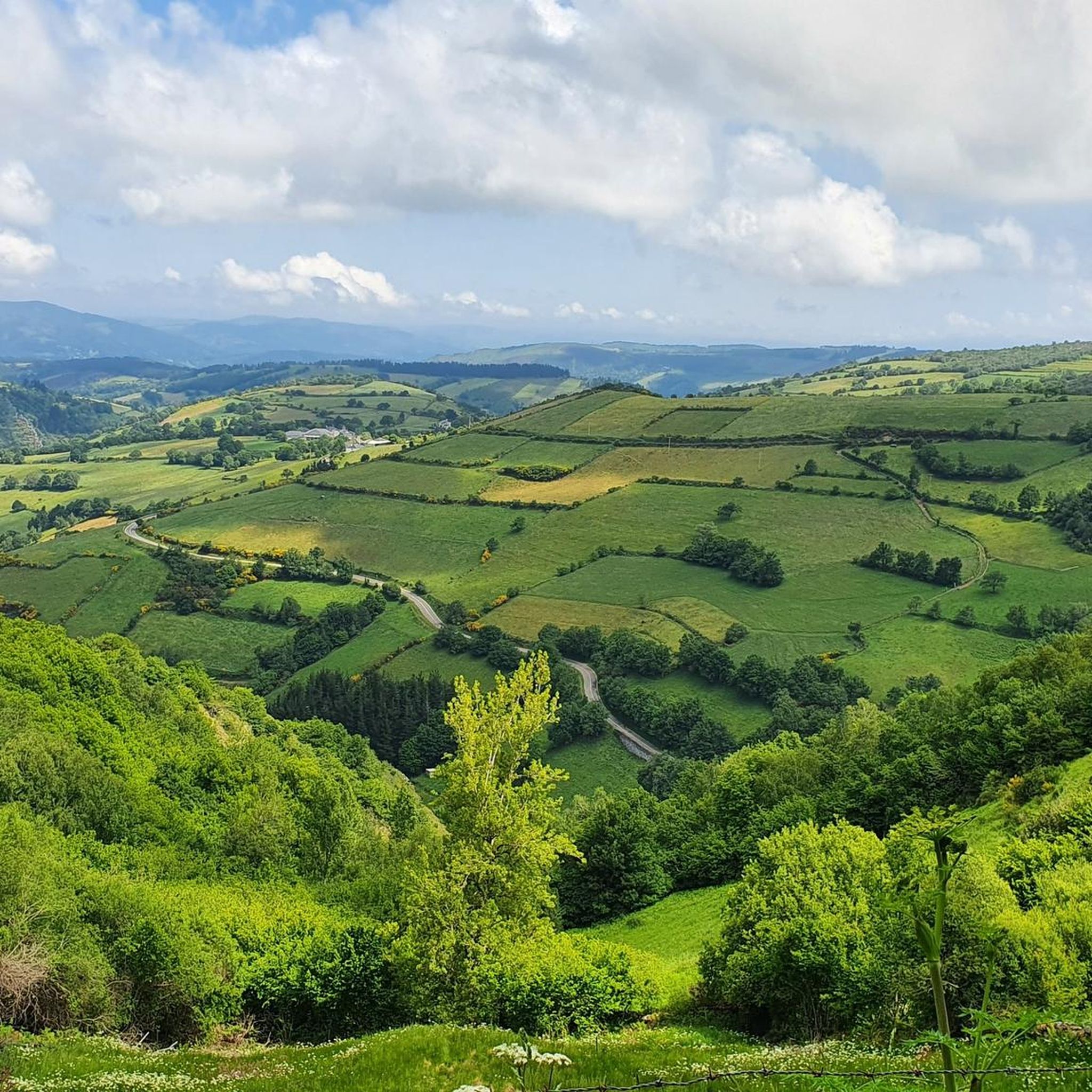
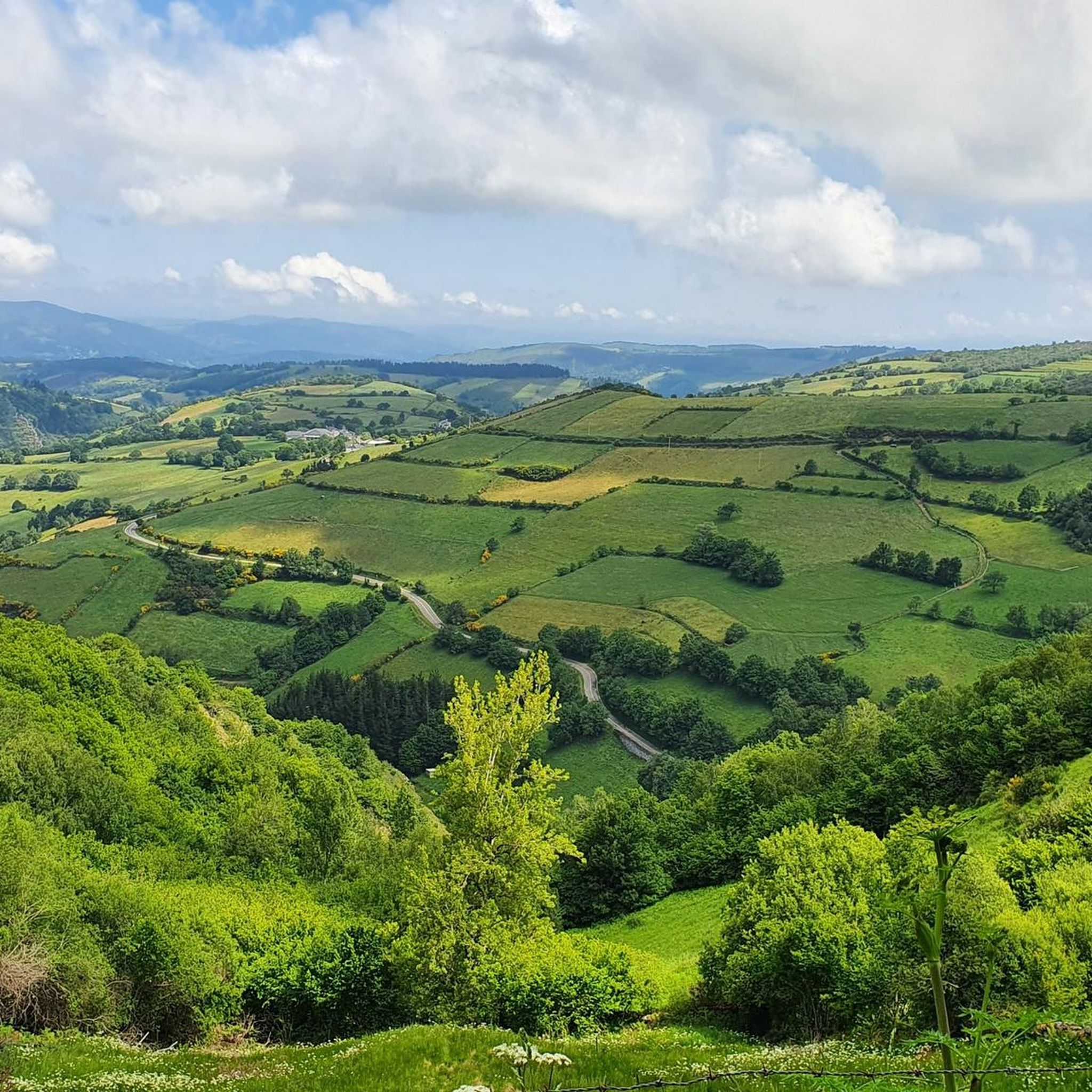
A beautiful climb, steady and challenging, surrounded by greenery. Beautiful views.
0
0

One of the highest points on the French Way of the Camino de Santiago, located between Triacastela and Fonfría, already in the province of Lugo. At 1,335 meters above sea level, this peak offers a natural viewpoint overlooking the Galician mountains. The area is often exposed to wind and changeable weather, even in summer, but the views and the feeling of having reached a milestone more than compensate. There's a hostel/bar right at the summit, useful as a stopping point for pilgrims and cyclists. Dress warmly before reaching the top: the temperature here can drop suddenly, even on sunny days. If you're on a mountain bike or e-bike, make sure you have good traction on descents and that your brakes are checked: the descent towards Fonfría is fast and winding. It's a good place to rest and refill your water or coffee before continuing.
1
0
One of the oldest monasteries in the West, dating back to the 6th century and the heart of the Ribeira Sacra region of Lugo. Its large cloister is the largest in Spain, and the complex is impressive both for its size and its history linked to the Camino de Santiago. Arriving via the detour from the French Way is a gift: a peaceful stretch, with a river and picture-perfect vegetation. However, once you leave, you have to climb back… and your legs remember.
1
0
Small and peaceful, it's famous for its cold springs, which have given the area its name and provided relief to pilgrims for centuries. Stone and slate houses and Galician tranquility. Cyclist tip: the climb is noticeable, but drinking from the spring here is heavenly.
0
0


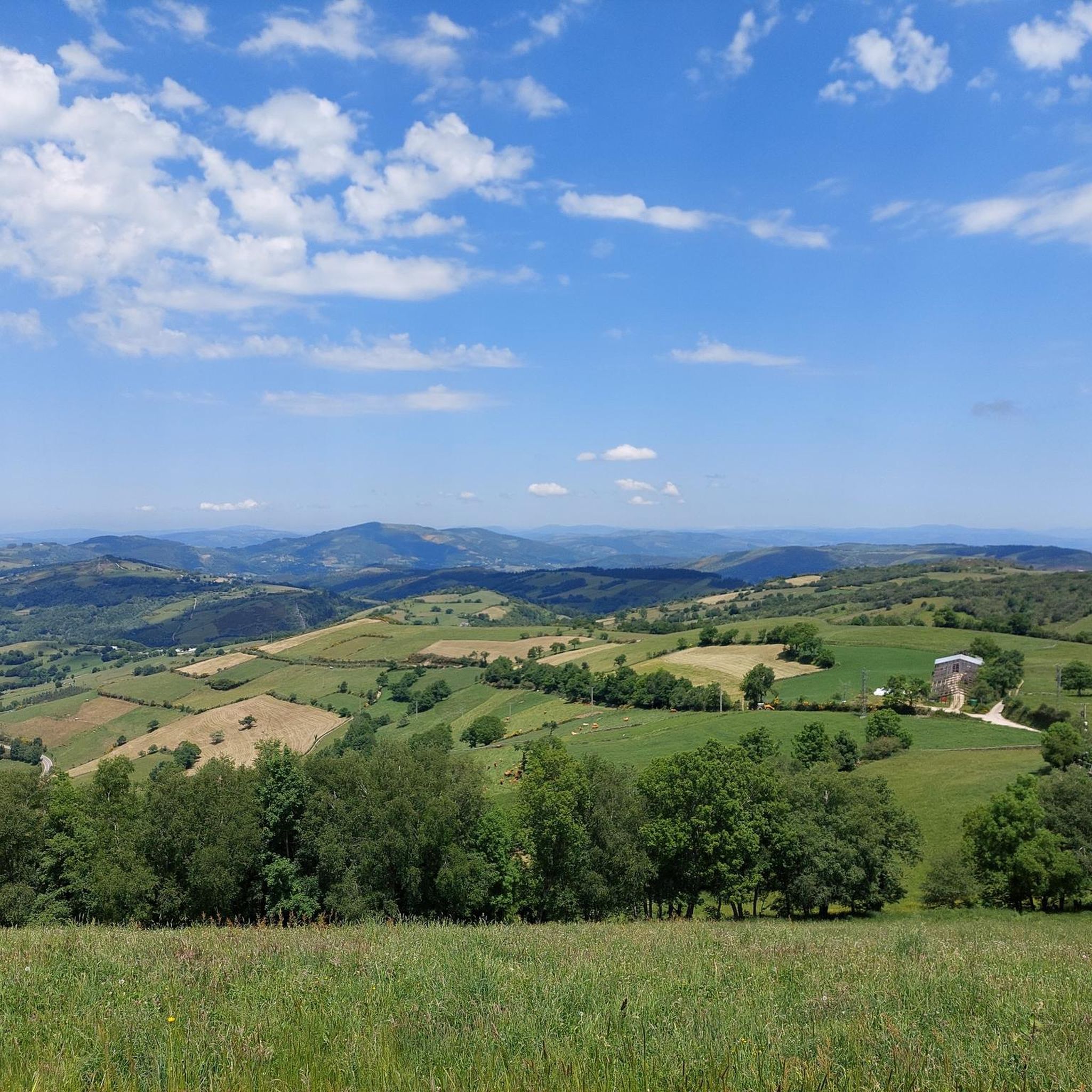
Strenuous, but the scenery is really beautiful.
1
0
Frequently Asked Questions
What kind of terrain can I expect on touring cycling routes around Triacastela?
The touring cycling routes in Triacastela are characterized by mountainous terrain, rolling hills, and lush forests. You'll encounter significant elevation gains, challenging climbs, and descents, particularly in the foothills of the eastern Galician mountains and the Sierra de Oribio. Many routes also follow sections of the historic Camino de Santiago, offering diverse landscapes from river valleys to ancient chestnut groves.
How many touring cycling routes are available in the Triacastela area?
There are 14 touring cycling routes around Triacastela listed on komoot. The majority of these, 12 routes, are rated as difficult, with 2 routes considered moderate. This indicates a focus on more challenging cycling experiences in the region.
Are there any family-friendly touring cycling routes in Triacastela?
Given the challenging nature of the terrain, with most routes rated as difficult and significant elevation gains, Triacastela's touring cycling routes are generally not considered family-friendly for casual cyclists. There are no easy routes listed, and only two are rated as moderate, suggesting they are better suited for experienced riders.
What are some notable landmarks or attractions I can see along the touring cycling routes?
The region is rich in natural and historical attractions. You can encounter the ancient Ancient Chestnut Tree in Ramil, significant pilgrim monuments like the Pilgrim Statue at Alto de San Roque and the Pilgrim Monument in Triacastela. The historic Monastery of Saint Julian of Samos is also accessible via one of the Camino variants.
What do other touring cyclists enjoy most about cycling in Triacastela?
The area is highly rated by the komoot community, with an average score of 4.8 stars from over 90 reviews. Touring cyclists often praise the challenging yet rewarding routes, the stunning natural beauty of the Galician landscapes, and the unique experience of cycling along sections of the Camino de Santiago.
Are there any circular touring cycling routes around Triacastela?
Yes, many of the touring cycling routes in the Triacastela area are designed as loops. Examples include the Traditional house – Alto do Poio loop from Toldaos, the Traditional house – Alto do Poio loop from Hospital, and the Traditional house – Alto do Poio loop from Triacastela, which allow you to start and finish in the same location.
What is the typical elevation gain on touring cycling routes in Triacastela?
Touring cycling routes in Triacastela feature significant elevation gains due to the mountainous terrain. For instance, the Traditional house – Alto do Poio loop from Toldaos involves over 2,300 meters of ascent, while the Ascent to O Cebreiro – Alto do Poio loop from Padornelo includes over 1,300 meters of climbing. Cyclists should be prepared for challenging ascents.
Can I cycle parts of the Camino de Santiago on a touring bike in Triacastela?
Yes, Triacastela is a pivotal stop on the French Way of the Camino de Santiago, and many touring cycling routes in the area incorporate sections of this historic pilgrimage path. You can choose between variants like the shorter, more mountainous path via San Xil, or a longer route through Samos, which includes the historic Monastery of San Xulián.
What natural features are prominent along the cycling routes?
The region boasts a rich natural environment. You'll cycle through lush forests, verdant river valleys, and past ancient chestnut trees. The area is part of a Biosphere Reserve, recognized for its natural beauty, and offers panoramic views from high points like the Alto de San Roque.
Are there any less crowded touring cycling routes in the Triacastela region?
While many routes follow popular sections of the Camino de Santiago, exploring the various loops and variants can offer a more secluded experience. Routes like the Santiago 130 km Milestone – Ancient Chestnut Tree in Ramil loop from Samos might offer a different perspective away from the most frequented pilgrim paths, allowing you to enjoy the natural beauty in greater tranquility.
What is the best season for touring cycling in Triacastela?
While specific data on the best season isn't provided, the region's 'verdant landscapes' suggest that spring, summer, and early autumn would be ideal for touring cycling. These seasons typically offer pleasant weather for enjoying the lush forests and mountainous terrain, though cyclists should be prepared for varying conditions in a mountainous area.
Most popular routes around Triacastela
Most popular attractions around Triacastela

Get inspired with the komoot mobile app


Explore more
Browse the best Cycling routes in other regions.
