The best MTB trails around Triacastela
4.8
(15)
273
riders
10
rides
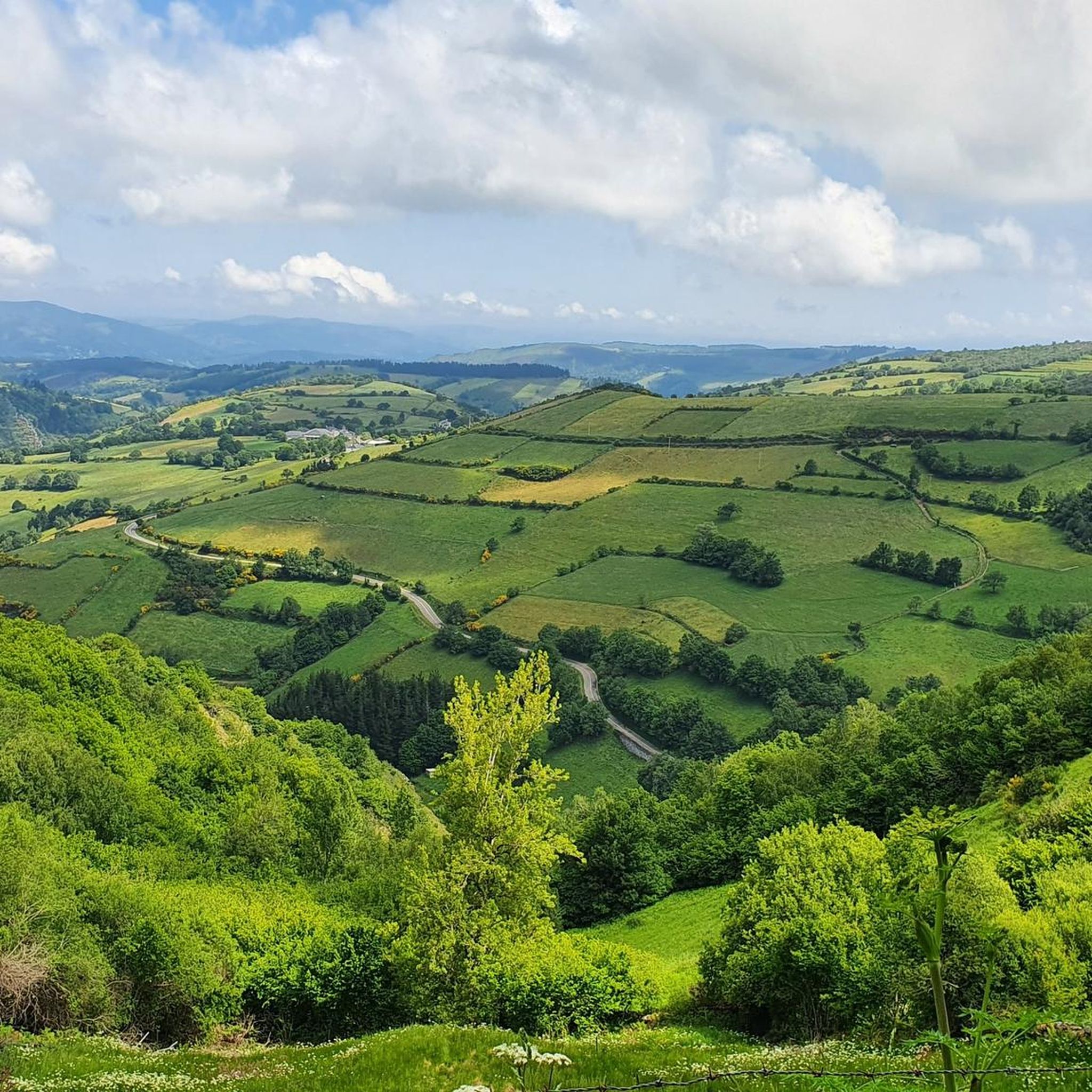
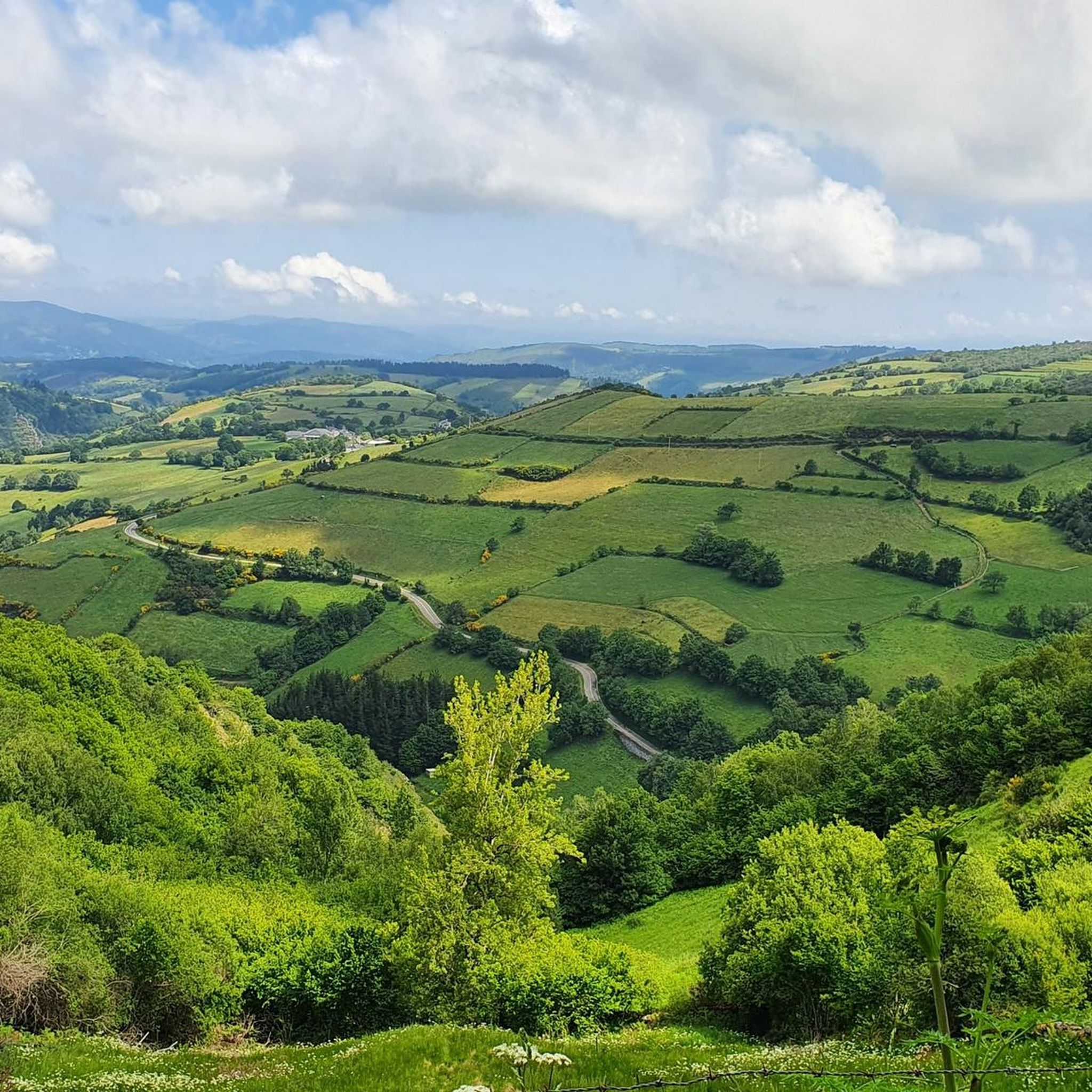
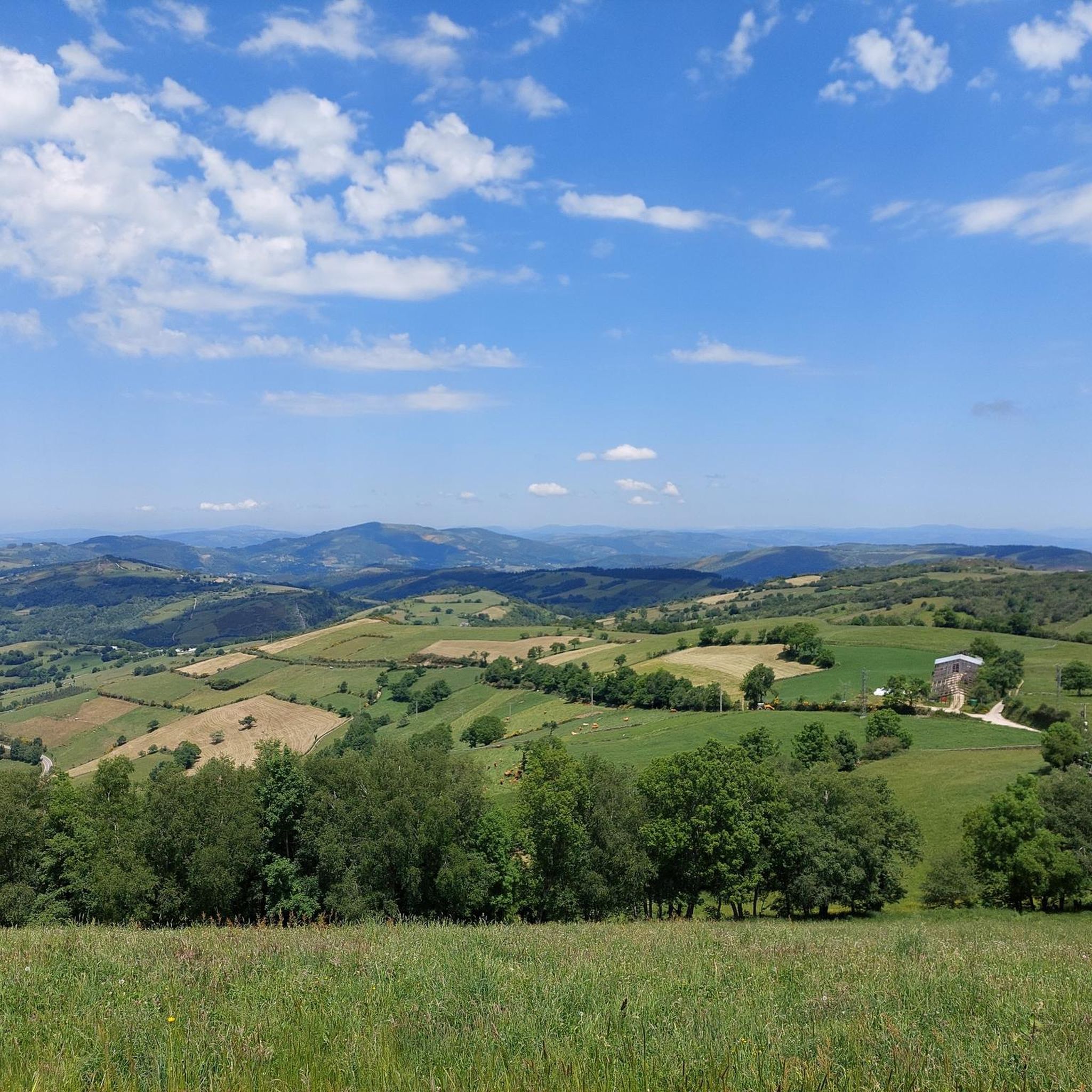
Mountain bike trails around Triacastela traverse a landscape characterized by rolling hills, lush forests, and picturesque river valleys. The region is situated in a mountainous area, surrounded by the eastern Galician mountains, including the Sierra do Oribio. This topography provides diverse terrain for mountain biking, from challenging ascents to scenic descents. Triacastela is also part of the Ribeira Sacra, Serras do Oribio and Courel Biosphere Reserve, highlighting its natural beauty and ecological significance.
Best mountain bike trails around Triacastela
- The…
Last updated: June 28, 2026
Hard mountain bike ride. Very good fitness required. Suitable for all skill levels.
29.4km
02:47
980m
980m
Hard mountain bike ride. Very good fitness required. Suitable for all skill levels.

Sign up for free
Moderate mountain bike ride. Good fitness required. Suitable for all skill levels.
47.2km
04:31
1,530m
1,530m
Hard mountain bike ride. Very good fitness required. Advanced riding skills necessary.
4.8
(8)
160
riders
114km
09:11
2,610m
2,610m
Hard mountain bike ride. Very good fitness required. Suitable for all skill levels.
Get access to more routes and recommendations from other explorers.
Sign up for free
Already have an account?
Our route recommendations are based on thousands of hikes, rides, and runs completed by other people on komoot.
Start today with a free account
Your next adventure awaits.
Login or Signup
Popular around Triacastela
Tips from the Community

Located at the entrance to Triacastela, this wooden sculpture depicts a classic pilgrim with a staff, cloak, and hat. It's one of the most photographed spots on the Camino as it passes through this town. A work of local craftsmanship, it pays homage to the thousands of pilgrims who have passed through this historic Galician village, which was one of the first documented stops on the Camino de Santiago route. A good excuse to stop, stretch your legs, and take a symbolic photo before entering the town. From here, decide whether to continue along the San Xil route (shorter and more mountainous) or the Samos route (longer and with a monastery). Both routes are beautiful, but very different.
0
0
One of the highest points on the French Way of the Camino de Santiago, located between Triacastela and Fonfría, already in the province of Lugo. At 1,335 meters above sea level, this peak offers a natural viewpoint overlooking the Galician mountains. The area is often exposed to wind and changeable weather, even in summer, but the views and the feeling of having reached a milestone more than compensate. There's a hostel/bar right at the summit, useful as a stopping point for pilgrims and cyclists. Dress warmly before reaching the top: the temperature here can drop suddenly, even on sunny days. If you're on a mountain bike or e-bike, make sure you have good traction on descents and that your brakes are checked: the descent towards Fonfría is fast and winding. It's a good place to rest and refill your water or coffee before continuing.
1
0
This 12th-century Romanesque church is located in Ruitelán, a small village in the El Bierzo region of León, on the French Way of the Camino de Santiago. It's a simple yet characterful stone church with a north portal facing the pilgrims' route. This point marks the true beginning of the climb to O Cebreiro, one of the most demanding sections of the route for both hikers and cyclists. If you're on a mountain bike or e-bike, this is a good opportunity to take a short break before starting the ascent. The village offers shade, tranquility, and some basic amenities. From here, the incline becomes noticeable. If you're riding an e-bike, check the battery level before continuing. From Ruitelán to the summit, it's about 7 km with consistent inclines. The terrain alternates between asphalt and dirt tracks, so it's advisable to have tires with good grip, especially if it has rained. On clear days, the view from the village towards the valley is magnificent.
0
0
One of the oldest monasteries in the West, dating back to the 6th century and the heart of the Ribeira Sacra region of Lugo. Its large cloister is the largest in Spain, and the complex is impressive both for its size and its history linked to the Camino de Santiago. Arriving via the detour from the French Way is a gift: a peaceful stretch, with a river and picture-perfect vegetation. However, once you leave, you have to climb back… and your legs remember.
1
0
Remains of a 14th-century fortress that once stood watch over the Neira Valley. Although in ruins, it still retains the legendary air of the old Galician lineages. Cyclist's tip: the climb is demanding, but arriving and finding this solitary tower makes the journey seem twice as worthwhile.
0
0
Small and peaceful, it's famous for its cold springs, which have given the area its name and provided relief to pilgrims for centuries. Stone and slate houses and Galician tranquility. Cyclist tip: the climb is noticeable, but drinking from the spring here is heavenly.
0
0


Frequently Asked Questions
What kind of terrain can I expect on mountain bike trails around Triacastela?
Mountain bike trails around Triacastela are characterized by a diverse topography, including rolling hills, lush forests, and picturesque river valleys. The region is situated in a mountainous area, surrounded by the eastern Galician mountains like the Sierra do Oribio, offering a mix of challenging ascents and scenic descents.
Are there mountain bike trails suitable for beginners in Triacastela?
While many routes in the Triacastela area are rated as difficult, there are also moderate options available. For example, the As Nogais - circular route along the Navia River - Cruzul-Agüeira Ecological Conservation Area is a moderate 8.9-mile trail that takes about 1 hour 21 minutes to complete, offering a less strenuous experience.
Can I mountain bike on the Camino de Santiago routes near Triacastela?
Yes, Triacastela is a significant stop on the French Way of the Camino de Santiago, and sections of the Camino are popular for cycling. From Triacastela, you can choose between two distinct routes: the shorter and more mountainous San Xil route, or the longer Samos route, which passes by the historic Monastery of Saint Julian of Samos. These routes offer both natural beauty and historical significance for mountain bikers.
What are some notable natural features or landmarks I can see while mountain biking in the area?
The region is part of the Ribeira Sacra, Serras do Oribio and Courel Biosphere Reserve, offering pristine natural beauty. Along your rides, you might encounter ancient trees, such as the more than 800-year-old Ancient Chestnut Tree in Ramil. High points like the Alto de San Roque, often marked by a Pilgrim Statue, offer unique panoramic views of the surrounding mountains.
What do other mountain bikers say about the trails in Triacastela?
The mountain bike routes in Triacastela are highly rated by the komoot community, with an average score of 4.8 stars from more than 5 reviews. Over 60 mountain bikers have used komoot to explore the varied terrain, often praising the challenging climbs, scenic descents, and the natural beauty of the region's forests and river valleys.
Are there any challenging mountain bike routes for experienced riders?
Absolutely. The Triacastela area is known for its challenging routes with significant elevation gains. Trails like Fonfría desde As Nogais — circular por el Torre de Doncos, a difficult 29.3-mile route with over 1500 meters of elevation gain, provide a true test for advanced riders. Another demanding option is Mosteiro de Santa María de Penamaior from Becerreá — circular, an 18.2-mile difficult path.
What is the best time of year for mountain biking in Triacastela?
Galicia generally experiences a mild climate. While specific data for Triacastela isn't provided, the region's lush forests and river valleys suggest that spring and autumn offer pleasant temperatures and vibrant scenery, ideal for mountain biking. Summers can be warm, and winters might bring cooler, wetter conditions, especially in the mountainous areas.
Are there any circular mountain bike routes in the Triacastela area?
Yes, several circular routes are available. For instance, the Hiking from Teso da Lama Figueiro y Becerreá to As Nogais - circular route through the Special Conservation Area Cruzul-Agüeira is a popular difficult loop covering 22.8 miles. Another option is the moderate As Nogais - circular route along the Navia River - Cruzul-Agüeira Ecological Conservation Area.
Is Triacastela a good destination for a multi-day mountain biking trip?
Given its location on the Camino de Santiago and the variety of trails, including challenging long-distance options like the 48.6-mile difficult Alto do Poio – La Faba loop from O Biduedo, Triacastela serves as an excellent base for multi-day mountain biking adventures. The presence of the Camino also means there are likely accommodations and services catering to travelers.
Are mountain bike trails in Triacastela generally dog-friendly?
While specific regulations for dogs on mountain bike trails in Triacastela are not provided, it's generally advisable to keep dogs on a leash, especially in protected areas like the Biosphere Reserve, to protect wildlife and ensure the safety of other trail users. Always carry water for your dog and clean up after them.
What are the options for parking when mountain biking in Triacastela?
As a village on the Camino de Santiago, Triacastela typically has parking available for visitors. For specific trailheads, it's common to find designated parking areas, especially near popular starting points or villages like Becerreá and As Nogais, where many of the routes begin. Always check local signage for any restrictions.
Can I reach mountain bike trails in Triacastela using public transport?
Triacastela, being a key point on the Camino de Santiago, is generally accessible by public transport, primarily buses connecting it to larger towns in Galicia. However, public transport options for carrying bicycles can vary. It's recommended to check with local bus operators in advance regarding their policies for transporting bikes to ensure a smooth journey to your chosen trailhead.
Most popular routes around Triacastela
Most popular attractions around Triacastela

Get inspired with the komoot mobile app


Explore more
Browse the best MTB trails in other regions.
