Attractions and Places To See around La Horra - Top 15
Best attractions and places to see around La Horra include historical landmarks, cultural sites, and natural features. Located in the province of Burgos within Spain's Ribera del Duero wine region, La Horra offers a blend of viticultural heritage and scenic landscapes. The area features mountains, streams, and a variety of architectural points of interest. Visitors can explore both the town's history and its surrounding natural environment.
Best attractions and places to see around La Horra
- The most popular attractions is…
Last updated: October 19, 2026
Fuentecén
Highlight • Settlement
Translated by Google •
Tip by

Villovela de Esgueva (Church of San Miguel)
Highlight • Religious Site
Translated by Google •
Tip by

Sign up now to discover places like this
Get recommendations on the best single tracks, peaks, & plenty of other exciting outdoor places.
Sotillo de la Ribera
Highlight • Settlement
Translated by Google •
Tip by
Cabañes de Esgueva
Highlight • Settlement
Translated by Google •
Tip by
Gumiel del Mercado Village and Hilltop Castle
Highlight • Castle
Tip by

Sign up for free to discover even more attractions around La Horra.
Already have an account?
Start today with a free account
Your next adventure awaits.

Tips from the Community

Sotillo has 4 bars, 6 wine makers & sausage factory, which can be bought at shop on crossroad. But best meals are at El Viso bar restaurant in Gumiel De Mercado, 30 mins walk along farm tracks through vineyards
0
0

beautiful riverside town
0
0

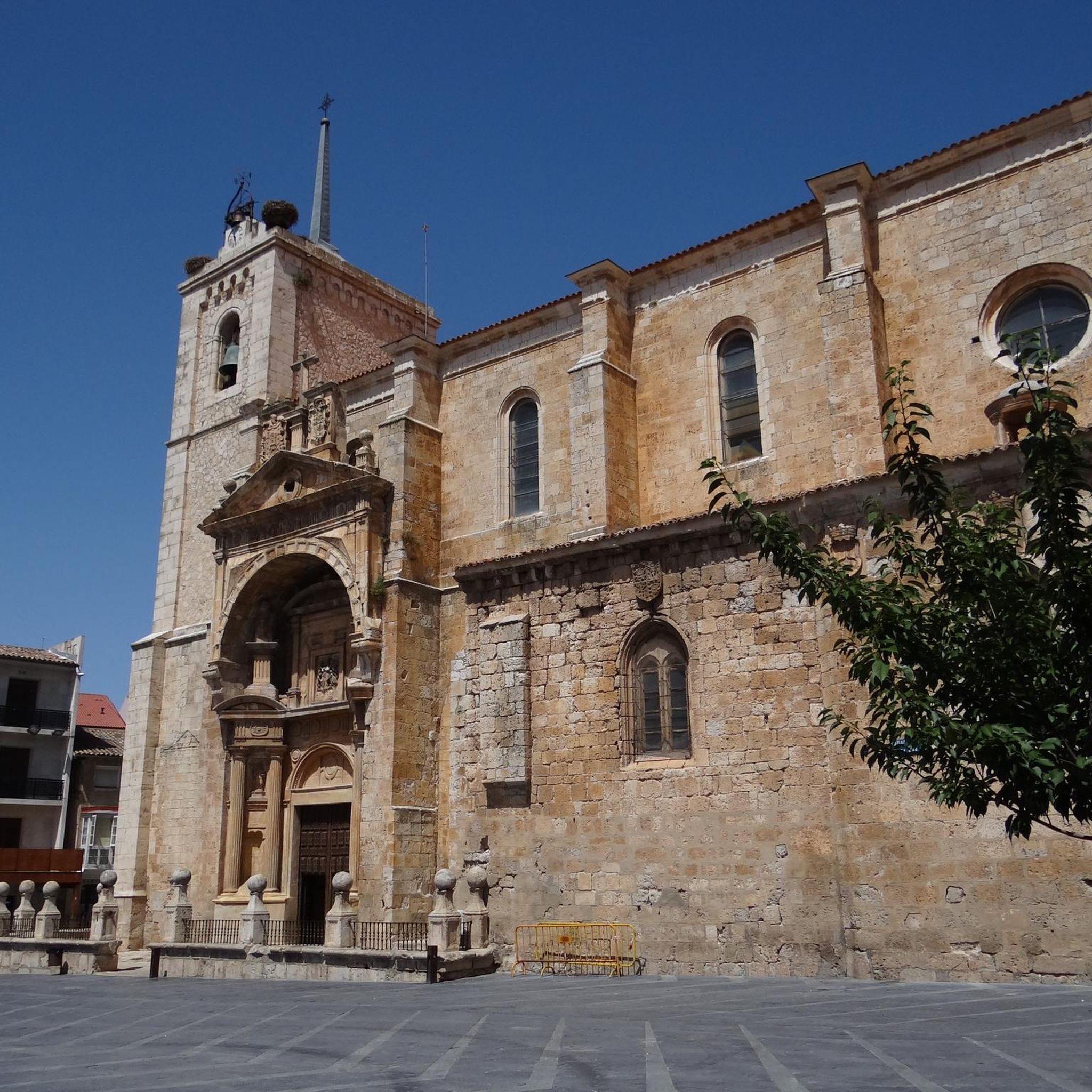
Town located in the Ribera de Duero. The most important point is the square where the Church of San Mamés Mártir is located. In Fuentecén there is also one of the 111 unique trees in the province of Burgos, called "Pino Redondo" for its perfect dome that it had until a few decades ago.
1
0
Town located in the valley of the Esgueva river. It has a beautiful church located on a hill and visible from afar, and a Roman bridge.
1
0

One of the most beautiful towns in the south of the province of Burgos, as there is a spectacular church called Iglesia de Santa Águeda. Along with its bell tower, there is a watchtower, narrow in an ecclesiastical construction.
0
0
This Villovela church preserves almost in its entirety the old Romanesque building and the new late-Gothic factory facing south.
1
0
Frequently Asked Questions
What historical and cultural sites can I explore in La Horra?
La Horra offers several historical and cultural sites. You can visit the impressive Church of the Assumption of Our Lady, known for its grand arch and neoclassical altarpiece. The Town Hall, housed in the former palace of the Counts of Siruela, also reflects the town's rich past. Additionally, the Wine Museum provides insights into the local viticultural heritage, and you can see unique Underground Cellars.
Are there any notable natural attractions around La Horra?
Yes, the area around La Horra boasts natural beauty. The Mountains of La Horra and Villalobón are primarily covered with pine trees, offering scenic views. You can also find the impressive "Doncel de Mataperras" Pine Tree, a stone pine over four meters in circumference, along the Sendero Paseos por el Monte. The Madre and Prado Streams also contribute to the local landscape.
What kind of outdoor activities are available near La Horra?
You can enjoy various outdoor activities. The Sendero Paseos por el Monte is a 12 km walking and cycling trail starting in the village. For more structured routes, you can find numerous options for road cycling, general cycling, and running. For example, explore the "Ribera del Duero Castles Loop" for road cycling, or the "Water Trail" for running. You can find more details on these and other routes in the Road Cycling Routes around La Horra, Cycling around La Horra, and Running Trails around La Horra guides.
Can I experience the local wine culture in La Horra?
Absolutely. La Horra is located in the renowned Ribera del Duero wine region. You can visit the Wine Museum to learn about the history of winemaking. For a hands-on experience, consider a tour of Bodegas LA HORRA, which often includes vineyard strolls, winery exploration, and wine tasting. The distinctive Underground Cellars (Cogollos) also highlight the area's rich viticultural heritage.
Are there family-friendly places to visit around La Horra?
Yes, several settlements nearby offer family-friendly experiences. Cabañes de Esgueva, with its church on a hill and a Roman bridge, is considered family-friendly. Sotillo de la Ribera and Berlangas de Roa are also noted as family-friendly settlements with historical significance.
What unique architectural features should I look out for in the area?
Beyond the main church in La Horra, you'll find unique architectural elements in nearby towns. Fuentecén Church is distinctive for the angel at the top of its bell tower. In Sotillo de la Ribera, the Iglesia de Santa Águeda features a watchtower alongside its bell tower, which is an unusual ecclesiastical construction.
Where can I find good cycling routes near La Horra?
La Horra is a great base for cycling. You can find various routes, including the "Ribera del Duero and Esgueva Valley Loop" for road cycling or the "Aranda Bridge – Path alongside the Duero loop" for touring. Explore the full range of options in the Road Cycling Routes around La Horra and Cycling around La Horra guides.
Are there opportunities for running or walking trails?
Yes, there are several trails suitable for running and walking. The Sendero Paseos por el Monte is a 12 km trail starting in La Horra. For dedicated running routes, you can explore options like the "Water Trail" or the "Haza y Valle del Rio Riaza — circular desde Fuentecen." More running trails are detailed in the Running Trails around La Horra guide.
What is special about the settlements surrounding La Horra?
The settlements around La Horra each have their own charm. Cabañes de Esgueva is nestled in the Esgueva river valley with a prominent church and a Roman bridge. Sotillo de la Ribera is known for its spectacular Iglesia de Santa Águeda. Roa de Duero is a significant town along the Duero River, and Berlangas de Roa is noted for its historical origins between the Duero and Riaza plains.
What is the best time of year to visit La Horra for outdoor activities?
While specific data isn't provided, the Ribera del Duero region generally experiences pleasant weather for outdoor activities during spring (April-June) and autumn (September-October). These seasons offer milder temperatures, ideal for exploring trails, vineyards, and historical sites without the intense heat of summer or the chill of winter.
Are there any specific viewpoints or scenic spots in the area?
While not explicitly listed as dedicated viewpoints, the mountains of La Horra and Villalobón offer natural beauty. Additionally, the church in Cabañes de Esgueva is situated on a hill, making it visible from afar and likely offering good views of the Esgueva valley. Roa de Duero is also categorized as having a viewpoint.
What do visitors appreciate most about the attractions around La Horra?
Visitors appreciate the blend of historical landmarks, cultural sites, and natural features. The komoot community has upvoted attractions and shared photos, highlighting the appeal of religious buildings like Fuentecén Church, charming settlements such as Cabañes de Esgueva, and the overall character of towns like Sotillo de la Ribera. The region's viticultural heritage and scenic landscapes are also highly valued.

Get inspired with the komoot mobile app


Explore more
Still not found the Highlight you’re looking for? See guides of the top attractions in other regions:
