The best cycling routes around La Horra
4.5
(3)
20
riders
4
rides
Touring cycling around La Horra is characterized by its location within the Ribera del Duero wine region, featuring altitudes between 800 and 870 meters. The landscape is dominated by gentle slopes covered in vineyards, primarily growing the Tinta Fina grape variety, alongside surrounding hills and forests. The Duero River longitudinally divides the northern sub-plateau, contributing to a continental climate. Soils in the area consist of deep layers of sand, calcareous strata, and clay.
Best touring cycling routes around La Horra
…Last updated: May 16, 2026
6
riders
71.7km
05:59
430m
430m
Hard bike ride. Very good fitness required. You may need to push your bike for some segments of this route.
4
riders
43.8km
03:43
350m
350m
Hard bike ride. Good fitness required. You may need to push your bike for some segments of this route.

Sign up for free
3
riders
43.8km
02:38
320m
320m
Moderate bike ride. Good fitness required. Mostly paved surfaces. Suitable for all skill levels.
3
riders
61.5km
05:06
280m
280m
Hard bike ride. Very good fitness required. You may need to push your bike for some segments of this route.
5.0
(2)
2
riders
31.9km
02:49
200m
200m
Hard bike ride. Good fitness required. You may need to push your bike for some segments of this route.
Our route recommendations are based on thousands of hikes, rides, and runs completed by other people on komoot.
Start today with a free account
Your next adventure awaits.
Login or Signup

Tips from the Community

Built of stone and with several semicircular arches, it is a good example of medieval civil engineering and has withstood the test of time thanks to its solidity, although it has been restored at different times. At one time it was key for the transit of workers and goods between neighborhoods, contributing to the economic growth of Aranda. Today it is preserved as a heritage element and is a pleasant place to walk, forming part of the city's historic complex and allowing visitors to learn about its industrial and medieval past along the river.
2
0
The medieval Puente de las Tenerías, located in Aranda de Duero over the Bañuelos river, is one of the most interesting historical corners of the city, although less known than the Duero bridge. It is a construction of medieval origin, linked to the urban and industrial development of the town, as it takes its name from the old tanneries (leather tanning workshops) that were in the area and that needed abundant water for their activity.
2
0
The bridge is built of stone and is characterized by its semicircular arches; it originally had four, although today it retains three due to later renovations. Over the centuries it has undergone numerous restorations, especially due to the floods of the Duero, one of the most important being the expansion and widening in the 19th century. In addition to its architectural value, it has been a strategic point for the passage of people, goods and herds, and today it is a symbol of the city and a very pleasant place to walk and enjoy the views of the river and Aranda de Duero. [iglesiaslocales.com], [edadesdelh...ogspot.com]
2
0
The Aranda de Duero Bridge, also known as Puente Mayor, is one of the city's most important historical elements, as it crosses the Duero River and has been key to its development. Although often called "Roman", it is actually a bridge of medieval origin, with references from the 12th-14th centuries, when it served as a fundamental crossing point on trade routes and the old Royal Road that connected the center and north of Spain.
2
0

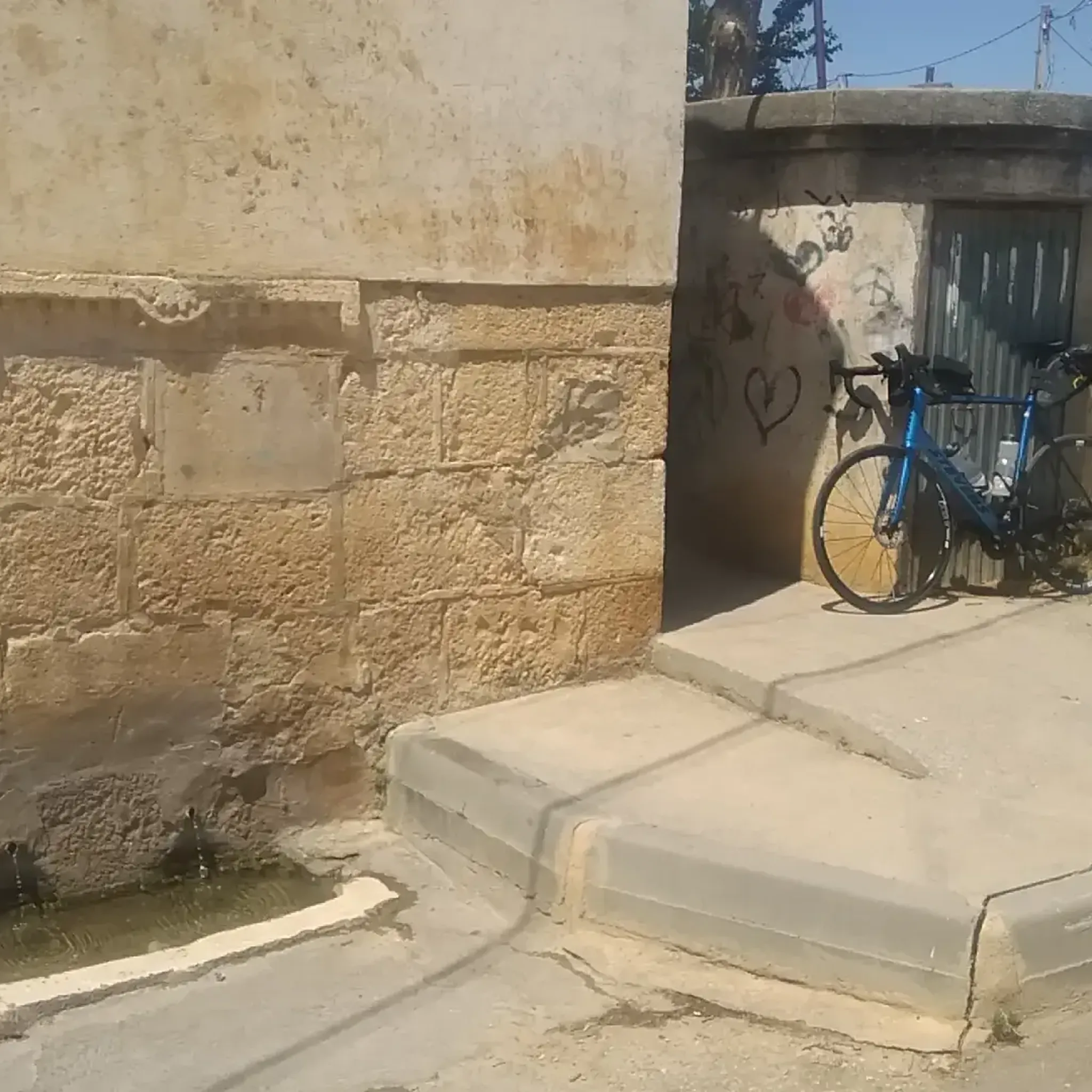
At the convent there is a drinking fountain & picnic tables. The nuns sell handmade chocolates & cakes from a little shop beside the San Pedro church
0
0

The Aranda de Duero Bridge, also known as the Puente Mayor, is a medieval stone bridge over the Duero River. It is a symbol of the city and its heritage, connecting the old town with the modern areas. Although it has been renovated over time, it retains its historic essence.
4
1
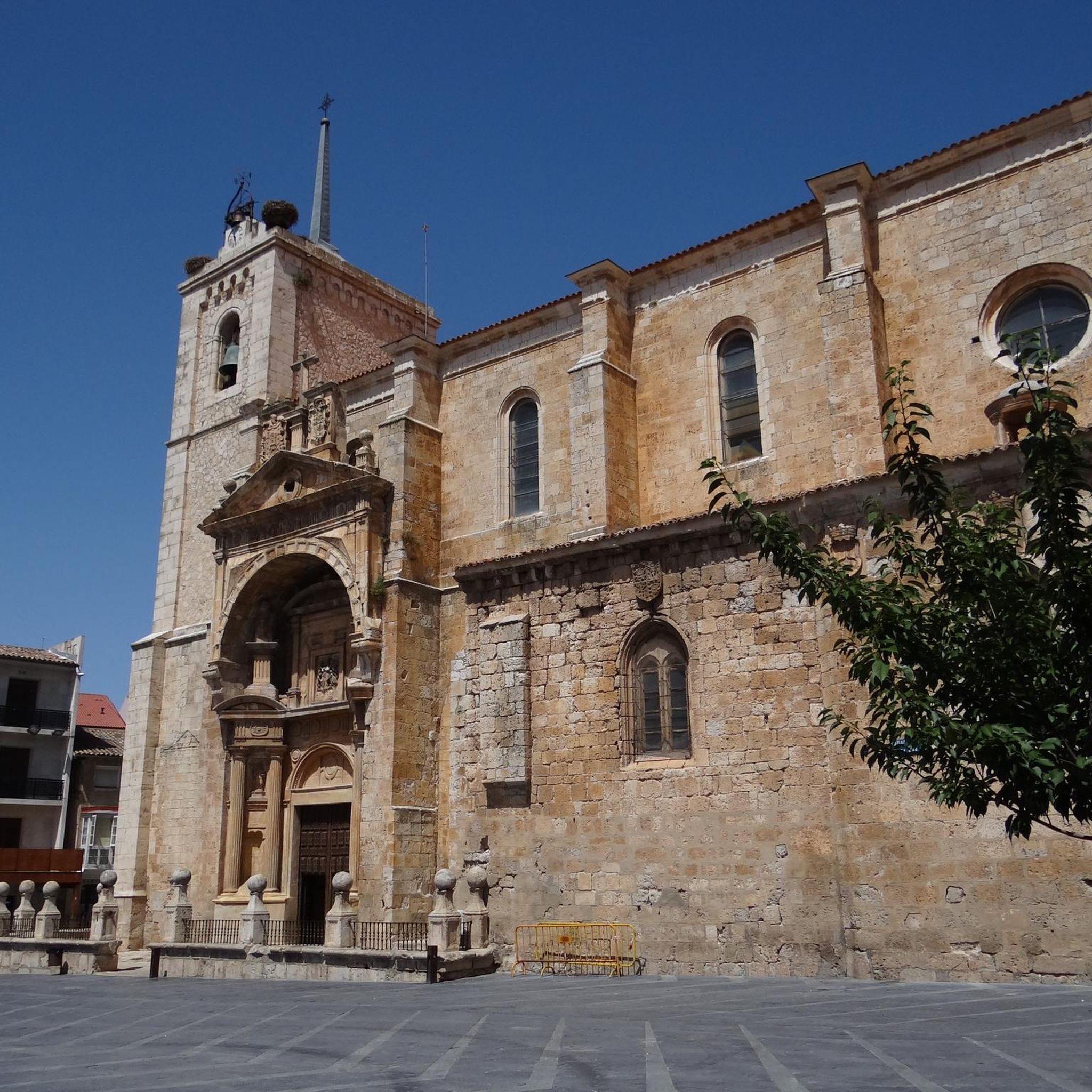
The Church of Santa María la Real is a prominent Gothic monument in Aranda de Duero, Spain. Its most notable feature is its main façade, a masterpiece of the 15th-century Isabelline Gothic style, richly decorated with detailed sculptures. It is a cultural and architectural landmark in the city.
4
0

Interior of the most famous church in the area.
0
0
Frequently Asked Questions
How many touring cycling routes are available around La Horra?
There are 4 touring cycling routes available around La Horra, offering a variety of experiences through the Ribera del Duero wine region. These routes cater to different skill levels, primarily featuring moderate to difficult terrain.
What kind of terrain can I expect when touring cycling in La Horra?
The terrain around La Horra is characterized by gentle slopes covered in extensive vineyards, primarily growing the Tinta Fina grape variety. You'll also encounter hills and forests, with the Duero River longitudinally dividing the northern sub-plateau. The routes often feature varied surfaces, including paths alongside the river and through agricultural areas.
Are there any circular touring cycling routes in the area?
Yes, many of the touring cycling routes around La Horra are circular. For example, the Aranda Bridge – Path alongside the Duero loop from Aranda de Duero is a popular option, covering 44.5 miles (71.6 km) with varied terrain along the Duero River.
What is the best time of year for touring cycling in La Horra?
La Horra experiences a continental climate with cold winters and relatively milder summers. The spring and autumn months are generally ideal for touring cycling, offering pleasant temperatures for exploring the vineyards and river landscapes. While summers are milder than other parts of the Duero riverbank, they can still be warm, so early mornings or late afternoons are recommended during peak summer.
Are there any challenging touring cycling routes for experienced riders?
Yes, several routes around La Horra are rated as difficult. The Bridge Over the Duero – Aranda Bridge loop from Aranda de Duero is a challenging 38.2 miles (61.5 km) path that offers extensive views of the river landscape and surrounding vineyards, perfect for experienced touring cyclists.
Can I find any moderate touring cycling routes suitable for a more relaxed ride?
Absolutely. The Aranda Bridge – Sotillo de la Ribera loop from Aranda de Duero is a moderate 27.3 miles (44.0 km) trail that leads through vineyard-covered hills, offering a less strenuous yet equally scenic experience.
What can I see or visit along the touring cycling routes near La Horra?
The region is rich in viticultural and cultural attractions. As you cycle, you'll pass through extensive vineyards and charming settlements. Notable places to explore include Roa de Duero and Sotillo de la Ribera. Many wineries, such as Bodegas La Horra, are integrated into the landscape and offer tours and tastings, providing excellent points of interest during your ride.
Are there any options for parking near the touring cycling routes?
While specific parking areas for cyclists are not detailed, many routes start or pass through towns like Aranda de Duero or Gumiel de Mercado, where public parking facilities are generally available. It's advisable to check local parking options in these towns before your ride.
What do other touring cyclists enjoy most about cycling in La Horra?
The komoot community rates touring cycling in La Horra highly, with an average score of 4.5 stars. Reviewers often praise the picturesque scenery of the vineyards, the varied terrain along the Duero River, and the opportunity to experience the unique 'Ribera Burgos terroir' firsthand.
Are there any longer touring cycling routes for multi-day trips?
For those seeking a longer adventure, the Path alongside the Duero – Aranda Bridge loop from Gumiel de Mercado offers a substantial 27.2 miles (43.8 km) route. While not explicitly multi-day, its length and challenging nature make it suitable for a full day's ride, allowing for exploration of the wider Ribera del Duero region.
Are there any touring cycling routes that offer scenic viewpoints?
Many routes in the La Horra region provide excellent scenic viewpoints, especially those that traverse the higher elevations and follow the Duero River. The extensive vineyards and rolling hills naturally create panoramic vistas. The Iglesia de Torresandino – Villafruela loop from La Calzada, for instance, offers diverse landscapes that include open views of the countryside.
Most popular attractions around La Horra

Get inspired with the komoot mobile app


Explore more
Browse the best Cycling routes in other regions.
