Attractions and Places To See around Medina Del Campo - Top 20
Best attractions and places to see around Medina Del Campo offers a diverse landscape in the Valladolid province of Spain. The region is characterized by its historical significance, including medieval architecture and ancient river crossings. Visitors can explore a mix of cultural landmarks and natural riverine environments. There are 20 unique places waiting to be discovered.
Best attractions and places to see around Medina Del Campo
- The most popular attractions is Weir and Riverside Path at San Miguel del Pino…
Last updated: October 18, 2026
Collegiate Church of San Antolín
Highlight • Religious Site
The collegiate church is, along with the La Mota Castle, one of …
Translated by Google •
Tip by

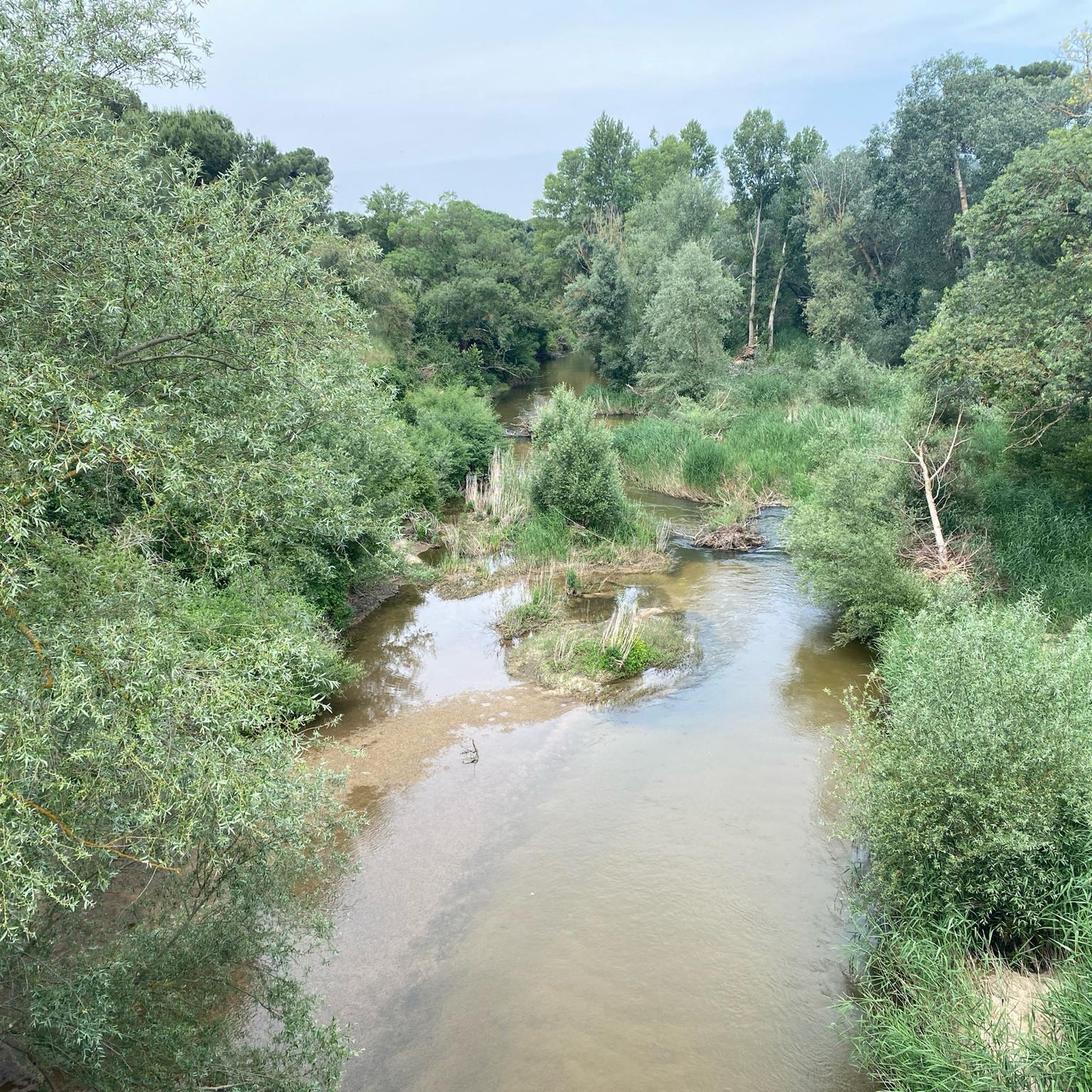
Roman Bridge over the Adaja River
Highlight • Bridge
Translated by Google •
Tip by

Sign up now to discover places like this
Get recommendations on the best single tracks, peaks, & plenty of other exciting outdoor places.
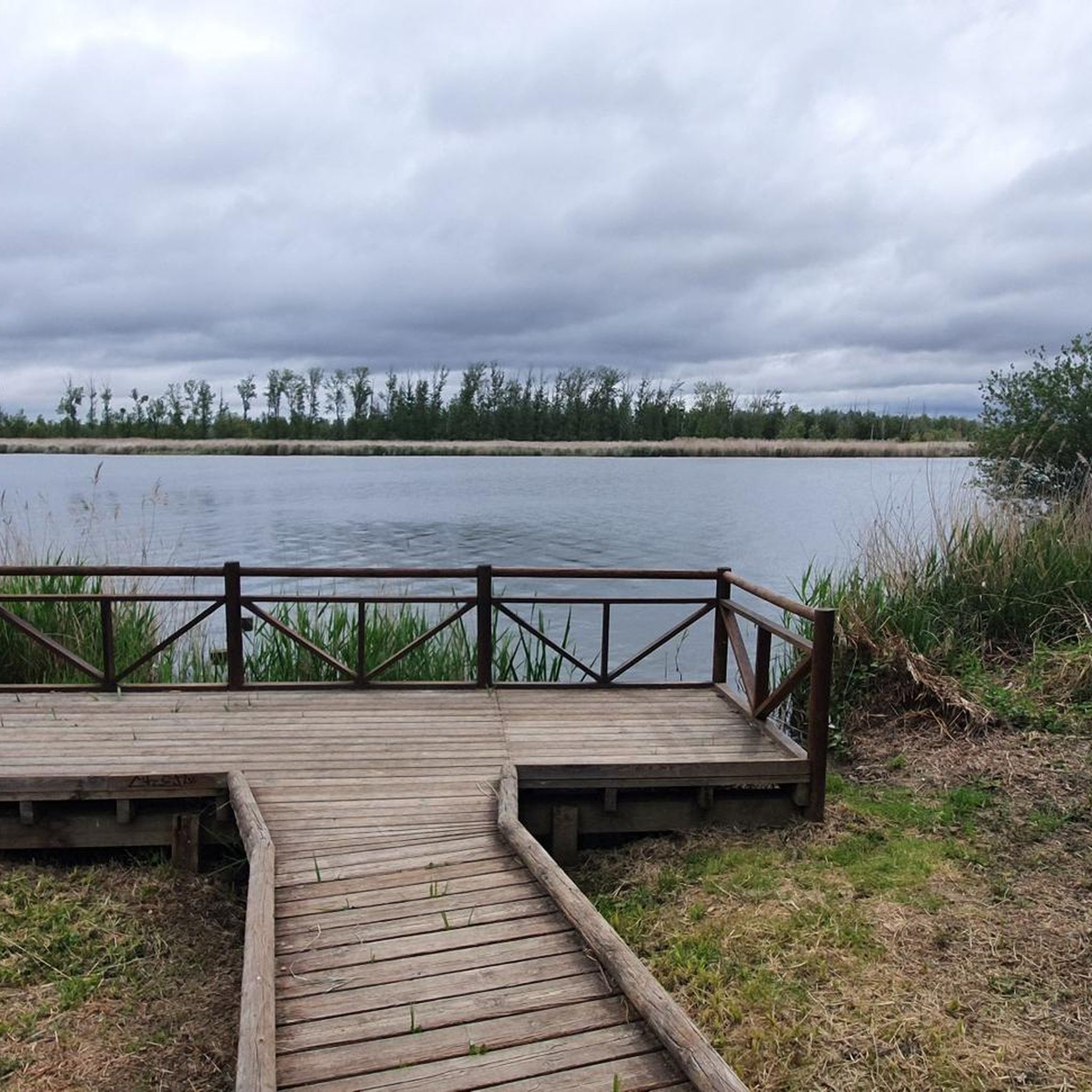
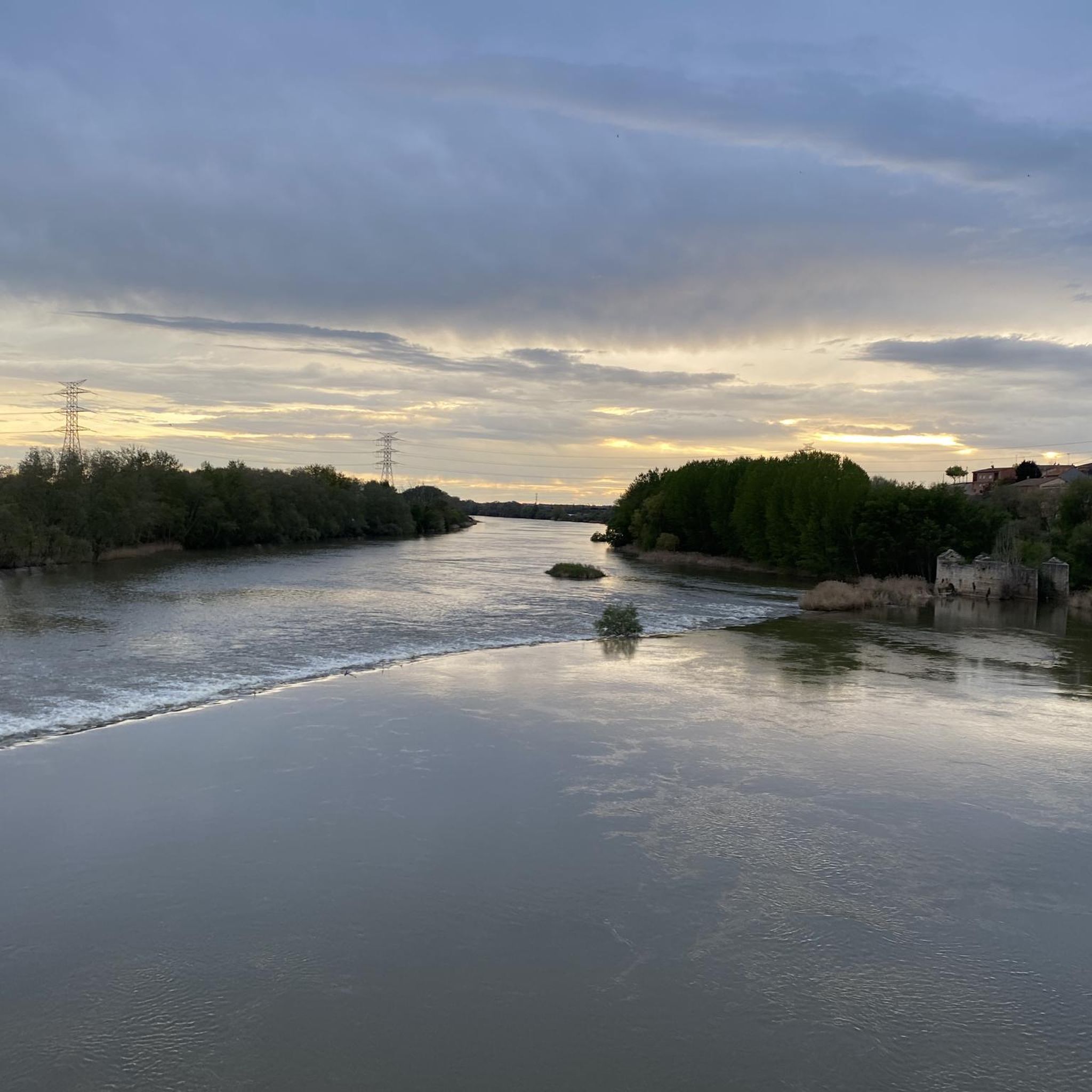
Weir and Riverside Path at San Miguel del Pino (Duero Route)
Highlight (Segment) • River
Translated by Google •
Tip by

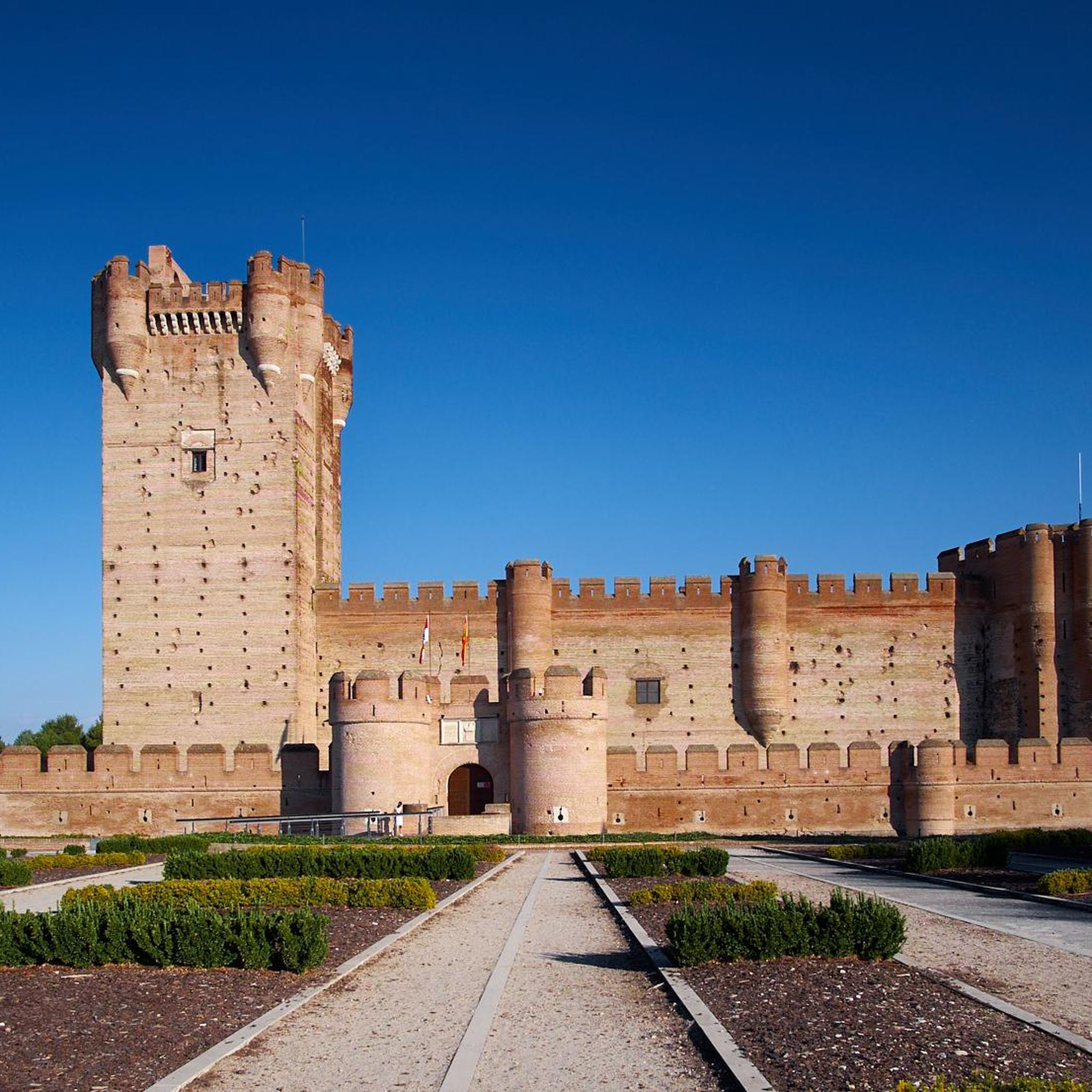
Castle of La Mota
Highlight • Castle
Translated by Google •
Tip by
Medieval bridge
Highlight • Bridge
Translated by Google •
Tip by
Sign up for free to discover even more attractions around Medina Del Campo.
Already have an account?
Start today with a free account
Your next adventure awaits.
Other adventures around Medina Del Campo

Tips from the Community

The bridge spans the Zapardiel River, on the old road that connected the now-abandoned village of Zofraga with Rueda, in the province of Valladolid. It played an important role in connecting Zofraga (abandoned after an epidemic) with Rueda, allowing the abandoned inhabitants to reach the town and carry out their agricultural work.
2
0
Also known as the Main Parish Church of San Antolín. The original parish dates back to 1177, founded by settlers from the north (Palencia) and dedicated to Saint Antolín. In 1480, the Catholic Monarchs obtained a papal bull from Pope Sixtus IV elevating its status to a collegiate church with a free abbey. Construction of the current church began in 1502 and continued into the 18th century, with prominent architects such as Juan Gil de Hontañón, Rodrigo Gil, and the Gutiérrez brothers. It lost its collegiate church status in 1851, becoming simply the main parish church.
9
0

This Gothic-style building began construction in 1503, although, as is often the case with such complex structures, it wasn't completed until almost two centuries later. It is a relatively large church, notable for the balcony of the Virgin of the People and the clock tower. The main entrance dates from the 18th century, while the side entrance is from the 16th.
11
0

It is a historic building that stands out as one of the most emblematic cultural treasures of the city. The collegiate church is, together with the Castle of La Mota, one of the most important historical buildings in Medina del Campo. Although its main part shows characteristics of the late Gothic style, its construction is complex and covers styles from the beginning of the 16th century to the 18th century.
9
0
La Mota Castle is an impressive medieval fortress located in Medina del Campo. Built in the 14th and 15th centuries, this castle is located on a hill known as a “mota”, which allows it to dominate the town and its surroundings. The castle is famous for its reddish brick architecture, typical of the region, and has been restored to become an important tourist and educational centre. In addition to its historical value, the castle offers guided tours, underground galleries and cultural activities.
6
0
The Castillo de la Mota, also known as Castillo de La Mota, is a medieval fortress located in the town of Medina del Campo, in the province of Valladolid, Spain. Its name comes from its location on a high hill, a mote, from where it overlooks the city and its surroundings.
9
0
It is a historic building that stands as one of the most emblematic cultural treasures of the city. The collegiate church is, along with the La Mota Castle, one of the most important historical buildings in Medina del Campo. Although its main part shows characteristics of the late Gothic, its construction is complex and covers styles from the beginning of the 16th century to the 18th century.
12
0
Frequently Asked Questions
Are there family-friendly attractions around Medina Del Campo?
Yes, several attractions are suitable for families. The Roman Bridge over the Adaja River offers access to a nearby river beach for recreation, perfect for cooling off. The Weir and Riverside Path at San Miguel del Pino (Duero Route) is a quiet trail with nice river views. Additionally, the impressive medieval Castle of La Mota provides guided tours and cultural activities that can engage children.
What historical sites can I visit in Medina Del Campo?
Medina Del Campo is rich in history. You can explore the magnificent Collegiate Church of San Antolín, a Gothic-style building dating back to 1503, which is a significant cultural treasure. The Castle of La Mota, a 14th-15th century medieval fortress, is another must-see, known for its reddish brick architecture and historical importance. Don't miss the ancient Roman Bridge over the Adaja River and the Medieval bridge spanning the Zapardiel River, both offering glimpses into the region's past.
What outdoor activities can I do near these attractions?
The area around Medina Del Campo offers various outdoor activities. You can find numerous running trails, such as the 'Castle of La Mota Loop' or 'Running loop from Balneario de Las Salinas'. For hiking, consider the 'Between the Vineyards Trail' or a 'City tour through Medina del Campo'. Road cycling enthusiasts can enjoy routes like 'Attack from Castillo de La Mota' or 'Route of the Castles: Medina del Campo, Íscar, and Olmedo'. For more details on these routes, visit the respective guides: Running Trails around Medina Del Campo, Hiking around Medina Del Campo, and Road Cycling Routes around Medina Del Campo.
Are there any natural features or riverine environments to explore?
Yes, the region is characterized by its natural riverine environments. The Weir and Riverside Path at San Miguel del Pino (Duero Route) offers scenic views along the Duero River. You can also visit the Roman Bridge over the Adaja River, which is near a pleasant river beach, ideal for relaxing or swimming.
What do visitors enjoy most about the attractions in Medina Del Campo?
Visitors appreciate the quiet atmosphere and scenic views along the Weir and Riverside Path at San Miguel del Pino (Duero Route). The historical significance and architectural beauty of sites like the Collegiate Church of San Antolín and the Castle of La Mota are also highly valued. Many enjoy the opportunity to combine historical exploration with natural relaxation, such as at the river beach near the Roman Bridge over the Adaja River.
Are there any circular walks available near Medina Del Campo?
Yes, there are several circular walks. For running, you can try the 'Castle of La Mota Loop' or the 'Collegiate Church of San Antolín loop from Medina del Campo'. Hiking options include the 'City tour through Medina del Campo' which is a circular route, and the 'Balneario Palacio de las Salinas — circular por las lagunas de Medina del Campo'. Cyclists can enjoy routes like 'Attack from Castillo de La Mota – circular by Las Salinas and Medina del Campo'. More details can be found in the respective komoot guides for running, hiking, and road cycling.
Can I find any hidden gems or less-known spots?
While not widely publicized, the Medieval bridge spanning the Zapardiel River, on the old road to the abandoned village of Zofraga, offers a glimpse into the region's past and a quieter, more reflective experience away from the main tourist paths. It played an important role in connecting Zofraga with Rueda historically.
What is the best time to visit Medina Del Campo attractions?
The region generally enjoys a continental Mediterranean climate. Spring (April-May) and Autumn (September-October) typically offer pleasant temperatures, making them ideal for exploring historical sites and enjoying outdoor activities without the intense heat of summer. Summer can be hot, but riverine areas like the Roman Bridge over the Adaja River with its nearby beach offer opportunities to cool off.
Are there any unique day trips I can take from Medina Del Campo?
From Medina Del Campo, you can embark on day trips that combine history and nature. Consider a trip to explore the various castles in the region, such as those mentioned in the 'Route of the Castles' cycling guide. Another unique option is to follow sections of the Ruta del Duero, like the Weir and Riverside Path at San Miguel del Pino, to experience the tranquil river landscapes and charming villages along the way.
What kind of architecture can I expect to see?
Medina Del Campo showcases a rich variety of architectural styles, primarily historical. The Collegiate Church of San Antolín is a prime example of late Gothic architecture, with elements from the 16th to 18th centuries. The Castle of La Mota is a striking medieval fortress, notable for its distinctive reddish brick construction typical of the region. You'll also encounter ancient Roman and medieval bridge structures, like the Roman Bridge over the Adaja River and the Medieval bridge over the Zapardiel River.
Is it possible to go swimming near any of the attractions?
Yes, near the Roman Bridge over the Adaja River, located close to Valdestillas, there is a very nice river beach where you can rest and cool off with a swim, especially during warmer months.
Most popular routes around Medina Del Campo

Get inspired with the komoot mobile app


Explore more
Still not found the Highlight you’re looking for? See guides of the top attractions in other regions:
