The best MTB trails around Medina Del Campo
4.3
(12)
160
riders
32
rides
Mountain biking around Medina Del Campo offers accessible terrain within the heart of Castile and León, Spain. The region is characterized by a farming landscape, situated in the central Douro basin along the Zapardiel River. While generally flat, gentle inclines and the "mota" elevation of the Castillo de La Mota provide varied topography. This landscape supports a range of mountain bike trails suitable for different skill levels, often passing historical sites.
Best mountain bike trails around Medina Del Campo
- The…
Last updated: May 16, 2026
35
riders
Hard mountain bike ride. Very good fitness required. Suitable for all skill levels.
5.0
(2)
13
riders
58.8km
04:26
280m
280m
Moderate mountain bike ride. Good fitness required. Advanced riding skills necessary.

Sign up for free
6
riders
Moderate mountain bike ride. Good fitness required. Suitable for all skill levels.
4.5
(2)
5
riders
Moderate mountain bike ride. Good fitness required. Suitable for all skill levels.
8
riders
70.5km
05:43
420m
420m
Hard mountain bike ride. Very good fitness required. Suitable for all skill levels.
Get access to more routes and recommendations from other explorers.
Sign up for free
Already have an account?
Our route recommendations are based on thousands of hikes, rides, and runs completed by other people on komoot.
Start today with a free account
Your next adventure awaits.
Login or Signup
Other adventures around Medina Del Campo

Tips from the Community

Built in the 16th century by Diego Beltrán, a nobleman and member of the Royal Council of the Indies, around 1528–1533, on a site previously used on Santiago Street. Its design is attributed to the royal architect Luis de Vega. From 1602 to 1604, it housed the Royal Chancery; later, it served as the residence of the Marquis of Ensenada during his exile. In 1916, it was acquired by the Marquises of Argüeso; in 1950, it passed into the hands of the State and was used as a vocational institute, currently functioning as an educational center.
5
0
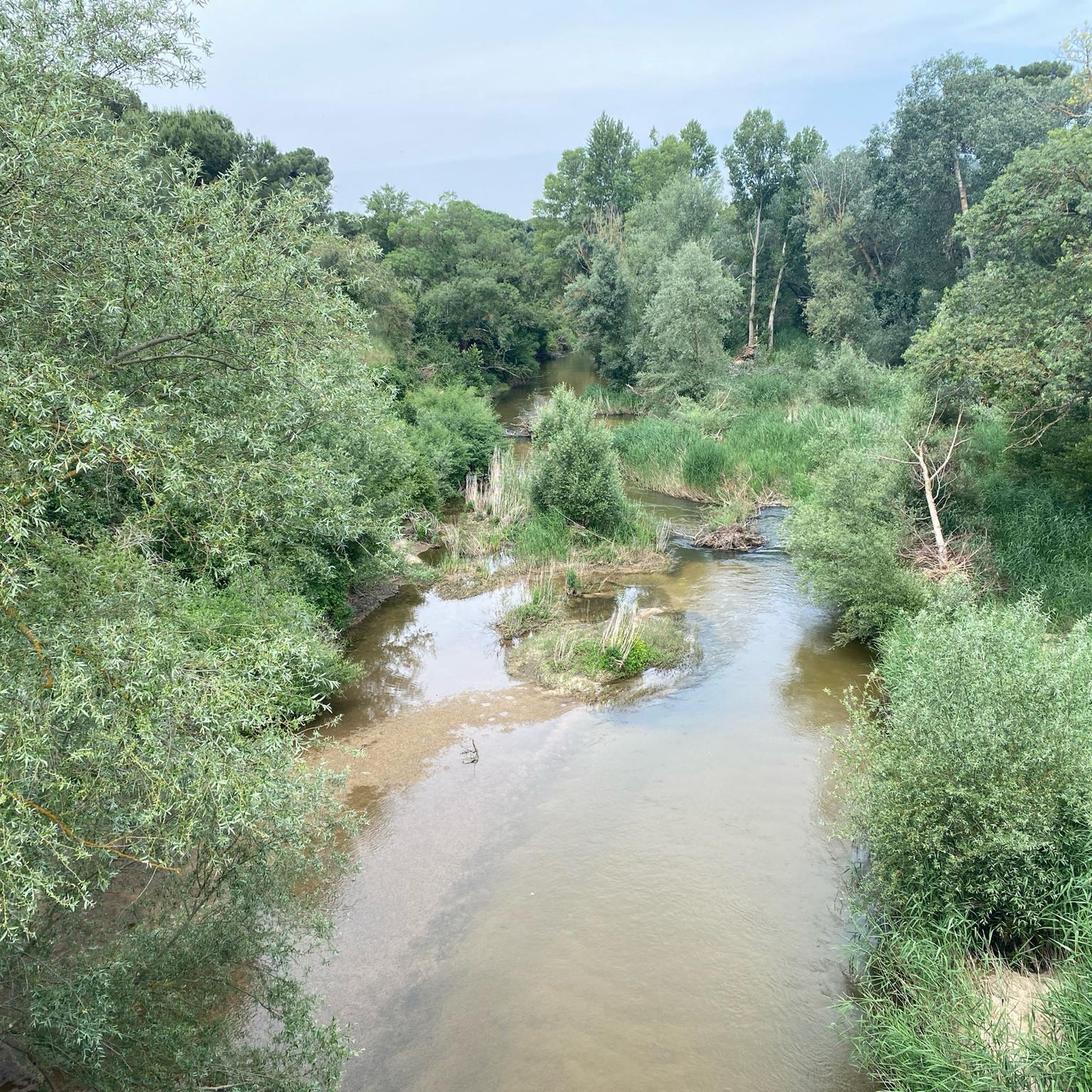
The bridge spans the Zapardiel River, on the old road that connected the now-abandoned village of Zofraga with Rueda, in the province of Valladolid. It played an important role in connecting Zofraga (abandoned after an epidemic) with Rueda, allowing the abandoned inhabitants to reach the town and carry out their agricultural work.
2
0
The Church of Our Lady of the Assumption in Rueda (Valladolid) is a prominent 18th-century Baroque church that, together with its Renaissance tower, shines in the heart of the town. It was designed by the architect Manuel Serrano and built in the mid-18th century; the main portal and altarpiece are attributed to Pedro de Sierra. The five-tiered tower dates from the earlier Renaissance construction and was preserved in the new structure. Declared a Site of Cultural Interest (monument) on October 17, 2013.
2
0
Also known as the Main Parish Church of San Antolín. The original parish dates back to 1177, founded by settlers from the north (Palencia) and dedicated to Saint Antolín. In 1480, the Catholic Monarchs obtained a papal bull from Pope Sixtus IV elevating its status to a collegiate church with a free abbey. Construction of the current church began in 1502 and continued into the 18th century, with prominent architects such as Juan Gil de Hontañón, Rodrigo Gil, and the Gutiérrez brothers. It lost its collegiate church status in 1851, becoming simply the main parish church.
9
0
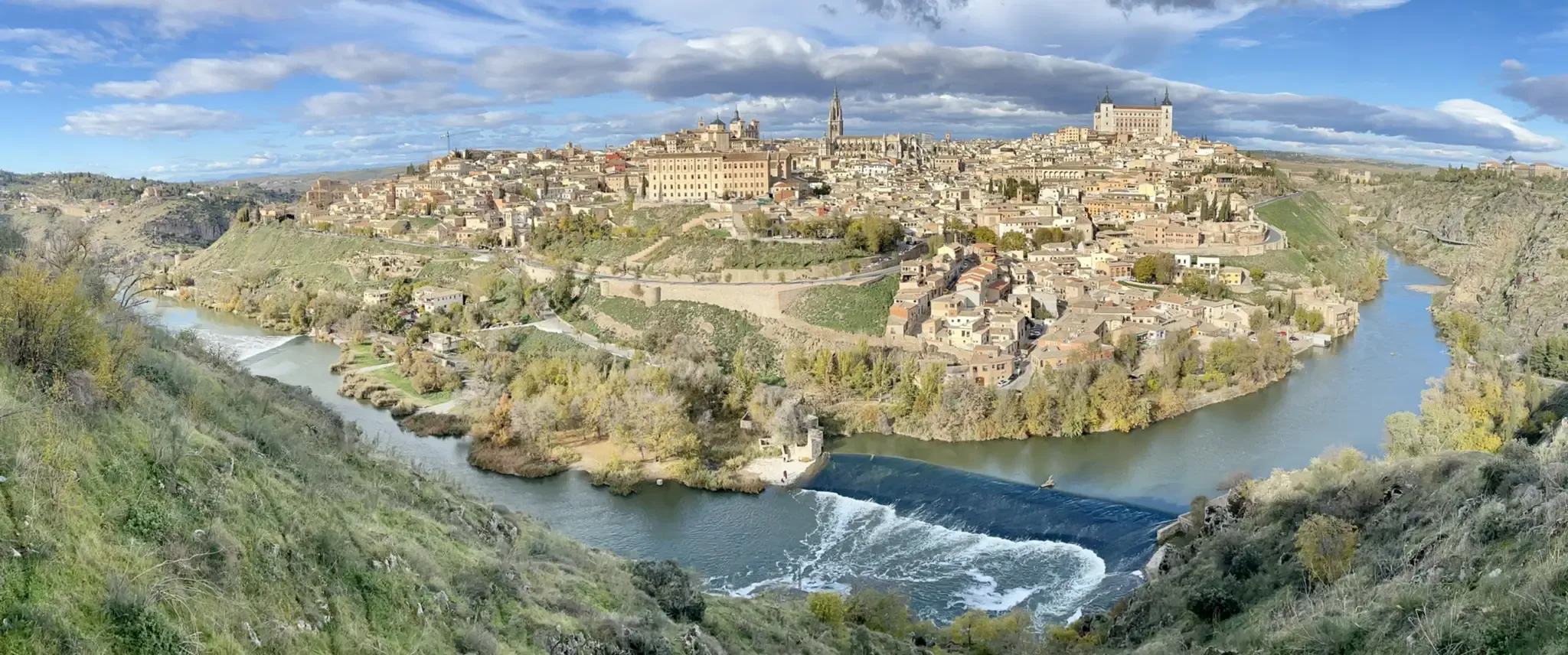
The medieval bridge over the Duero River, with its perfectly aligned arches, connects the historic center to the opposite bank. The monumental skyline of Tordesillas, highlighting the Plaza Mayor, the Casas del Tratado (Houses of the Treaty), and the Monastery of Santa Clara, all framed by reddish rooftops and the silhouette of the Church of San Antolín. The Duero River winds beneath the bridge, its reflections shifting with the changing light, creating a highly photogenic scene. Natural surroundings: riverside vegetation and, in autumn, golden hues that enhance the scenery.
6
0
The view of the Stone Bridge and Tordesillas from the viewpoint on Avenida de Portugal is considered one of the most beautiful panoramas of the town.
6
0

This is a Renaissance building constructed in the 16th century. It was designed by Luis de Vega, who was the architect of Charles V. Importantly, the Marquis of Ensenada lived in exile and died in this building in December 1781.
11
0
This Gothic-style building began construction in 1503, although, as is often the case with such complex structures, it wasn't completed until almost two centuries later. It is a relatively large church, notable for the balcony of the Virgin of the People and the clock tower. The main entrance dates from the 18th century, while the side entrance is from the 16th.
11
0
Frequently Asked Questions
How many mountain bike trails are available around Medina Del Campo?
There are over 35 mountain bike trails in the Medina Del Campo region. These routes cater to various skill levels, including 2 easy, 29 moderate, and 4 difficult options.
What kind of terrain can I expect on mountain bike trails in Medina Del Campo?
The terrain around Medina Del Campo is generally accessible, characterized by a farming landscape within the central Douro basin. While largely flat, you'll encounter gentle inclines and varied topography, particularly around the 'mota' elevation of the Castillo de La Mota and along riverine paths of the Zapardiel River. Many trails feature unpaved segments suitable for mountain biking.
Are there any circular mountain bike routes in Medina Del Campo?
Yes, many of the mountain bike routes in Medina Del Campo are circular. For example, the Castle of La Mota – Medieval bridge loop from Estación de Medina del Campo is a challenging 61.2 km circular route, and the Castle of La Mota – Valdegalindo Cork Oak Forest loop from Medina del Campo offers a moderate 50.6 km circular ride.
What historical landmarks or points of interest can I see along the mountain bike trails?
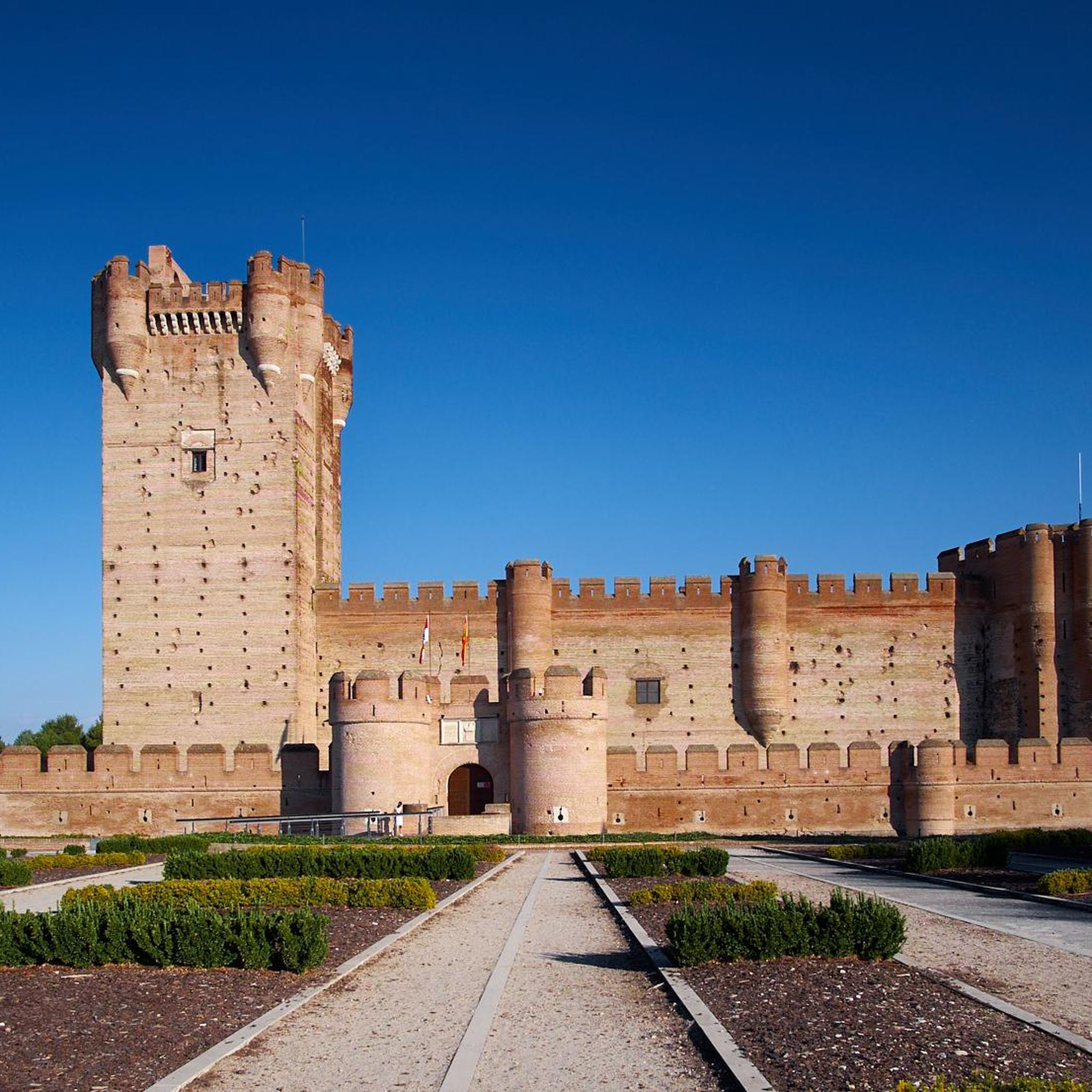
Many trails pass by significant historical sites. You can explore the imposing Castle of La Mota, a 15th-century fortress, or the Collegiate Church of San Antolín. Some routes also feature a Medieval bridge or the Roman Bridge over the Adaja River, offering scenic spots for a break.
Are there any family-friendly mountain bike trails in the area?
While most routes are moderate to difficult, there are 2 easy mountain bike trails available. The region's generally flat and wide paths, especially those described as suitable for both cycling and walking, can be good options for families. Always check the specific route details for distance and elevation to ensure it matches your family's skill level.
What is the best time of year for mountain biking in Medina Del Campo?
Medina Del Campo is located in Castile and León, which generally experiences hot, dry summers and cold winters. Spring and autumn typically offer the most pleasant weather for mountain biking, with milder temperatures and less extreme conditions. Always check local weather forecasts before heading out.
What do other mountain bikers say about the trails in Medina Del Campo?
The mountain bike trails in Medina Del Campo are highly rated by the komoot community, with an average score of 4.4 stars from over 10 reviews. Users often appreciate the varied terrain that combines historical sites with natural landscapes, offering a good mix for exploration.
Are there any trails that go through natural features like forests?
Yes, some routes venture into natural areas. For instance, the Castle of La Mota – Valdegalindo Cork Oak Forest loop from Medina del Campo takes you through the Valdegalindo Cork Oak Forest, providing a different scenic experience.
Is there parking available near the mountain bike trails?
Medina del Campo is an accessible town, and parking facilities are generally available. Many routes start from central points or near train stations like Estación de Medina del Campo, where parking options can be found. It's advisable to check specific starting points for detailed parking information.
Can I reach the mountain bike trails using public transport?
Medina del Campo has a train station (Estación de Medina del Campo), which serves as a starting point for several routes, such as the Castle of La Mota – Medieval bridge loop. This suggests that public transport can be a viable option for accessing some of the trails. Check local train and bus schedules for routes that accommodate bicycles.
Are there any moderate-difficulty routes that explore the countryside?
Absolutely. The Tordillas Center – Tordesillas loop from Medina del Campo is a moderate 58.8 km path that offers a journey through the surrounding countryside towards Tordesillas, providing a good balance of challenge and scenic views.
What is the longest mountain bike trail available in Medina Del Campo?
The longest mountain bike trail listed is the Castle of La Mota – Medieval bridge loop from Estación de Medina del Campo, which spans 61.2 km and is classified as difficult. It typically takes around 5 hours to complete.
Most popular attractions around Medina Del Campo

Get inspired with the komoot mobile app


Explore more
Browse the best MTB trails in other regions.
