Top 9 Castles around Palau-Solità I Plegamans
Best castles around Palau-Solità I Plegamans offer insights into the region's historical architecture and strategic importance. The area features rolling hills and plains, providing elevated positions for historical fortifications. These sites often blend Romanesque and Gothic architectural styles, reflecting centuries of development. Structures once served as defensive strongholds and noble residences, now contributing to the local cultural landscape.
Best castles around Palau-Solità I Plegamans
- The most popular castles is Sant Miquel Castle, a castle that offers impressive views from…
Last updated: July 12, 2026
Sentmenat Castle
Highlight • Castle
The castle is in a strategic place. The façade, oriented to the …
Translated by Google •
Tip by

Guanta Castle
Highlight • Castle
Translated by Google •
Tip by

Sign up now to discover places like this
Get recommendations on the best single tracks, peaks, & plenty of other exciting outdoor places.
Sign up for free
Montbui Castle
Highlight • Castle
Translated by Google •
Tip by
Sant Miquel Castle
Highlight • Castle
Translated by Google •
Tip by

Castell de Clasquerí
Highlight • Castle
Translated by Google •
Tip by

Sign up for free to discover even more castles around Palau-Solità I Plegamans.
Sign up for free
Already have an account?
Start today with a free account
Your next adventure awaits.
Login or Signup
Popular around Palau-Solità I Plegamans
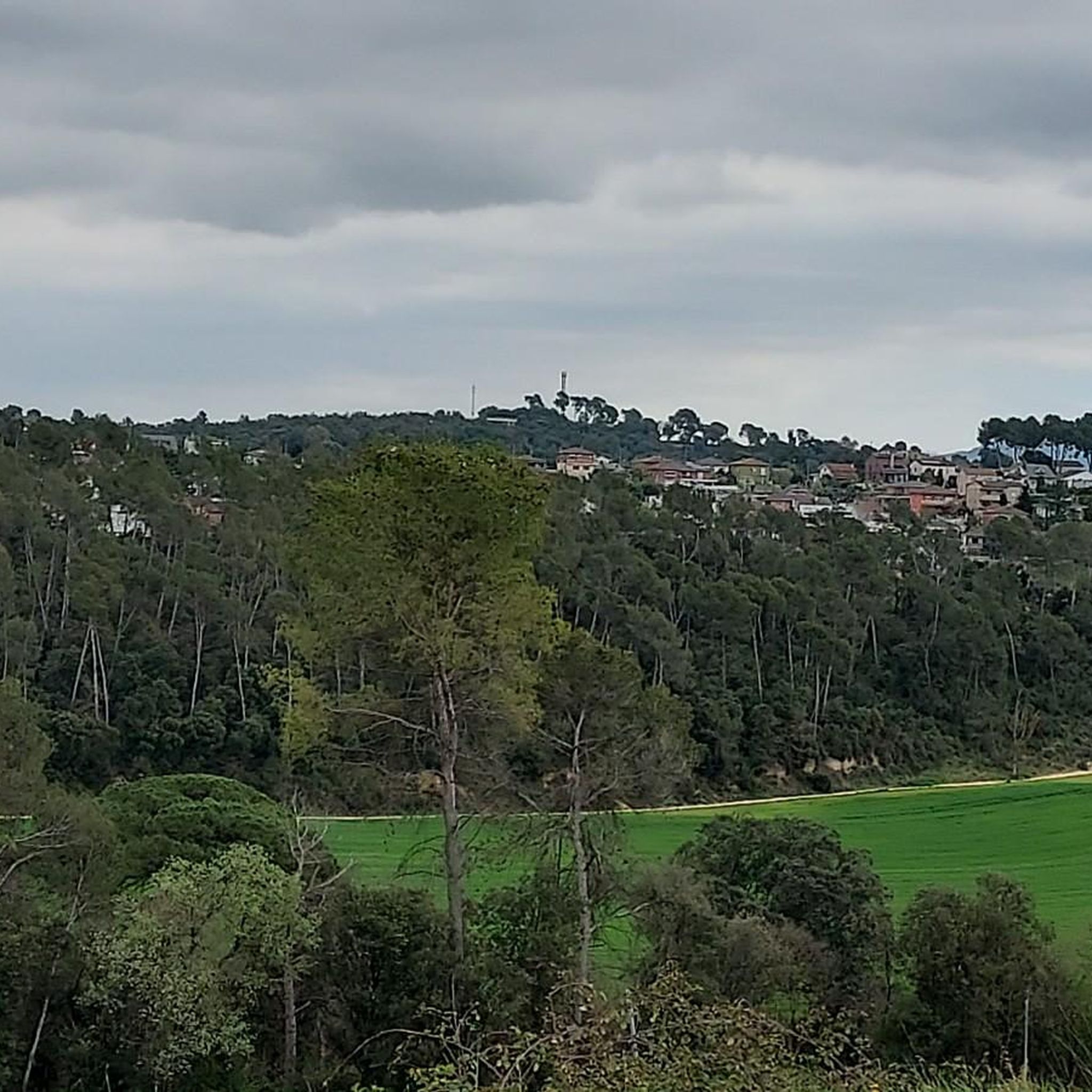
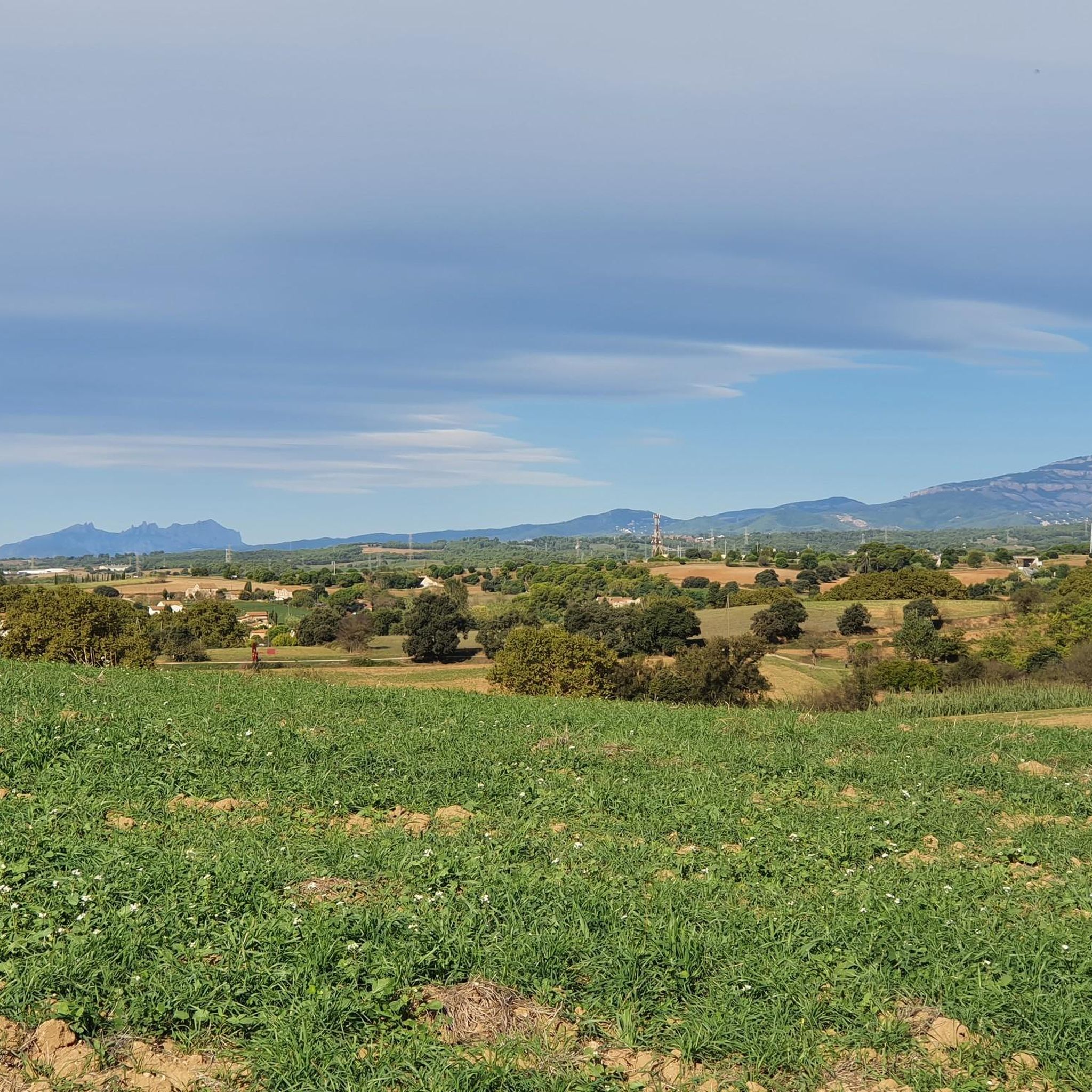
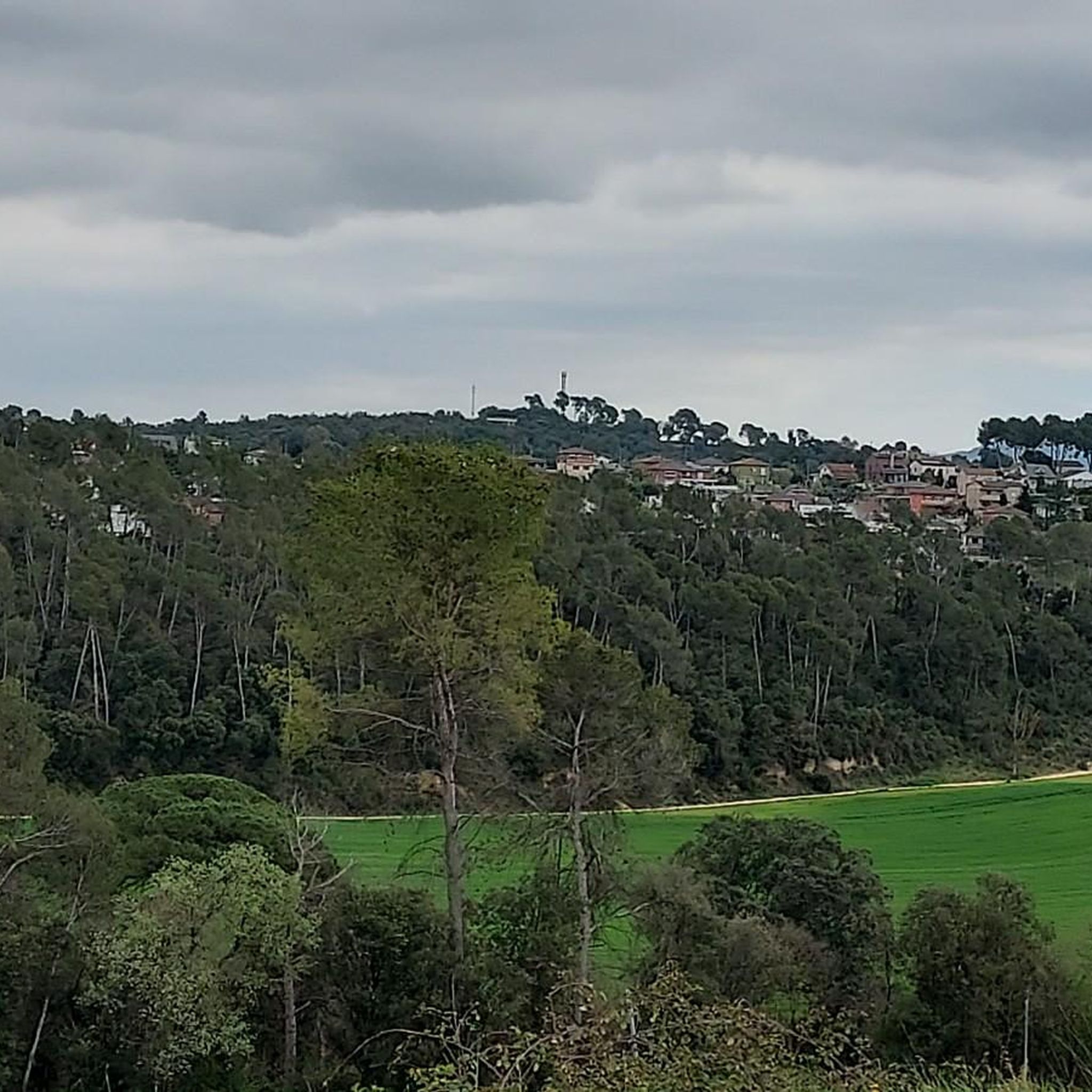
Tips from the Community

Tough route, very steep ramps that make the rear wheel skid on the loose dirt of the trail. It also has considerable difficulty due to the state of the trail, eroded and with many ruts and stones.
0
0


Casa de Guanta, a restaurant better known as Castell de Guanta, is a place to have a good breakfast or lunch, in a very quiet and hidden area, on the cliff that forms the Sentmenat stream.
0
0
O Casa de Guanta, is a restaurant that is halfway up the forest track in the Guanta area. The real Castle, its remains, are at Roca del Corb, near the house and can be reached by following the Puig Rodó path. Continuing on, you can connect with the Farell road. In the house there is a restaurant called Castell de Guanta where Teresa prepares delicious dishes and breakfasts.
1
0

Also known as the Clasquerí Castle, it is located on the right bank of the Ripoll on a hill surrounded everywhere by ravines that make it difficult to access. With a trapezoidal plan, probably because of the ravine that is in the south-west part it must have forced it, it has a central courtyard. In this there is a well and the stairs that give access to the first floor, and it is closed by two added wings and by an exempted tower in the corner. It consists of a ground floor and two floors. The first documentary reference is from 912 in a donation act. But what is mentioned is the castrum kastellare, and we do not know if it refers to the castle itself, or to the territorial unit that would end up being Castellar. In the 11th and 12th centuries, the castle under the count's power was owned by the Montcada family. However, this family sells the castle, to recover it again a century later. In 1310 Gastó de Montcada ceded the castle to Pere de Clasquerí, and finally his great-grandson, Guerau de Clasquerí, bought it. From the 15th century, the Clasquerí became the territorial and jurisdictional lords of the lands, properties, farms and houses belonging to the castle. The current owner, Carles Fontcuberta, is a descendant of the Clasquerí family and the families that have been related to them: the Meca in the 16th-17th centuries and the Sentmenat in the 17th-19th centuries. The current appearance of the castle preserves very few remains of its early medieval origin. It is, for example, the entrance arch of half a point. The appearance of the castle changed thanks to the reforms made by Guerau de Clasquerí in 1335. And also by those made at the end of the 19th century and the beginning of the 20th. Over time the state of the castle deteriorated, despite the fact that since 1994 consolidation and restoration works were carried out throughout the building. One of the essential elements of the castle, as well as the most beautiful, is the chapel of Santa Bárbara, in Gothic style and with a single nave, where masses and ceremonies were held by the noble family, while they lived in the castle . (Source: https://www.castellarvalles.cat/14374/equipament/386/d/ )
3
0

El Castillo de Guanta is a medieval castle in the municipality of Sentmenat declared a cultural asset of national interest. It is a fortress documented in 1113 in a document issued by the Montcada family. Currently the castle is in ruins. There is a good restaurant and the exterior is very nice with a children's area.
2
0
be careful that cars go up and down
1
0

In 1949 it was declared a Historic-Artistic Monument, in a decree that declared all the castles in Spain a national historical heritage.
1
0
Frequently Asked Questions
What are some notable castles in or directly near Palau-Solità i Plegamans?
The most significant castle directly within the municipality is the Castell de Plegamans, known for its Romanesque and Gothic architecture and its role as a cultural center. Other notable castles in the surrounding area include Sant Miquel Castle, which offers impressive views, Guanta Castle, a medieval ruin with a pleasant exterior, and Sentmenat Castle, a large Gothic building with thick walls.
Are there family-friendly castles to visit in the area?
Yes, Guanta Castle is considered family-friendly, featuring a restaurant and a children's area. The Mogoda neighborhood and Mogoda Castle also offer a historical site that is suitable for families to explore.
What kind of historical significance do the castles in Palau-Solità i Plegamans hold?
The castles in this region, such as the Castell de Plegamans, reflect centuries of development, blending Romanesque and Gothic architectural styles. They served as defensive strongholds and noble residences, with origins dating back to the 11th and 12th centuries. They offer insights into the region's historical architecture and strategic importance, often passing through various noble families over time.
Can I find hiking or cycling routes near these castles?
Yes, many castles are situated along or near trails suitable for hiking and cycling. For instance, Sant Miquel Castle is accessible via a technical path, popular with hikers and trail runners. You can find various routes for cycling and mountain biking around the area. Explore options in the Cycling around Palau-Solità I Plegamans and MTB Trails around Palau-Solità I Plegamans guides.
What is the Castell de Plegamans, and what makes it worth visiting?
The Castell de Plegamans is a significant historical site in Palau-Solità i Plegamans, dating back to the 11th century with Gothic modifications. It's worth visiting for its blend of Romanesque and Gothic architecture, its history of noble families, and its impressive restoration. Today, it serves as a vibrant cultural center, housing the Fundació Folch i Torres Museum and a Municipal Music School. It's located on the highest hill, offering commanding views and is surrounded by gardens.
Are there any castles with impressive views?
Absolutely. Sant Miquel Castle is known for its impressive views from its elevated position. Similarly, Montbui Castle offers majestic views of the Vallés Oriental and Vallés Occidental regions from its location.
What are the architectural styles of the castles in this region?
The castles in the Palau-Solità i Plegamans area primarily showcase a blend of Romanesque and Gothic architectural styles. The Castell de Plegamans, for example, features Romanesque origins with significant Gothic modifications from the 14th and 15th centuries, including distinctive mullioned windows. Sentmenat Castle is also described as a large Gothic building rebuilt on older foundations.
Are there any castles that are currently in ruins but still worth seeing?
Yes, Guanta Castle is a medieval fortress that is currently in ruins. Despite its ruined state, its exterior is noted as very nice, and it holds historical significance, being documented from 1113. It's a cultural asset of national interest.
What is the best season to visit the castles around Palau-Solità i Plegamans?
While specific seasonal recommendations are not provided, the region's climate generally makes spring and autumn ideal for exploring historical sites and outdoor activities. These seasons offer pleasant temperatures for walking and enjoying the views without the intense heat of summer or the chill of winter. However, some castles may be open year-round.
What kind of outdoor activities can I do near the castles?
Beyond exploring the castles themselves, the surrounding area offers various outdoor activities. You can find numerous trails for hiking, cycling, and mountain biking. For example, there are routes like the 'Torre Marimon – Sentmenat Castle loop' for mountain biking. Check out the Cycling around Palau-Solità I Plegamans, MTB Trails around Palau-Solità I Plegamans, and Gravel biking around Palau-Solità I Plegamans guides for detailed route information.
Are there options for mountain biking near the castles?
Yes, the area around Palau-Solità i Plegamans offers several mountain biking trails. You can find routes that pass near or lead to some of the castles. For instance, the 'Torre Marimon – Sentmenat Castle loop' is an easy MTB route. More options are available in the MTB Trails around Palau-Solità I Plegamans guide.
What facilities or amenities can I expect at the castles?
Amenities vary by castle. The Castell de Plegamans functions as a cultural center with a museum and music school. Guanta Castle, though in ruins, has a good restaurant and a children's area nearby. Other castles like Sentmenat Castle and Sant Miquel Castle are primarily historical structures, with their main appeal being their architecture and views.
Most popular routes around Palau-Solità I Plegamans
Most popular attractions around Palau-Solità I Plegamans

Get inspired with the komoot mobile app


Explore more
Looking for the best castles somewhere else? Discover other guides around Palau-Solità I Plegamans:
