The best running trails around Albalat De La Ribera
4.8
(24)
2,499
runners
199
runs
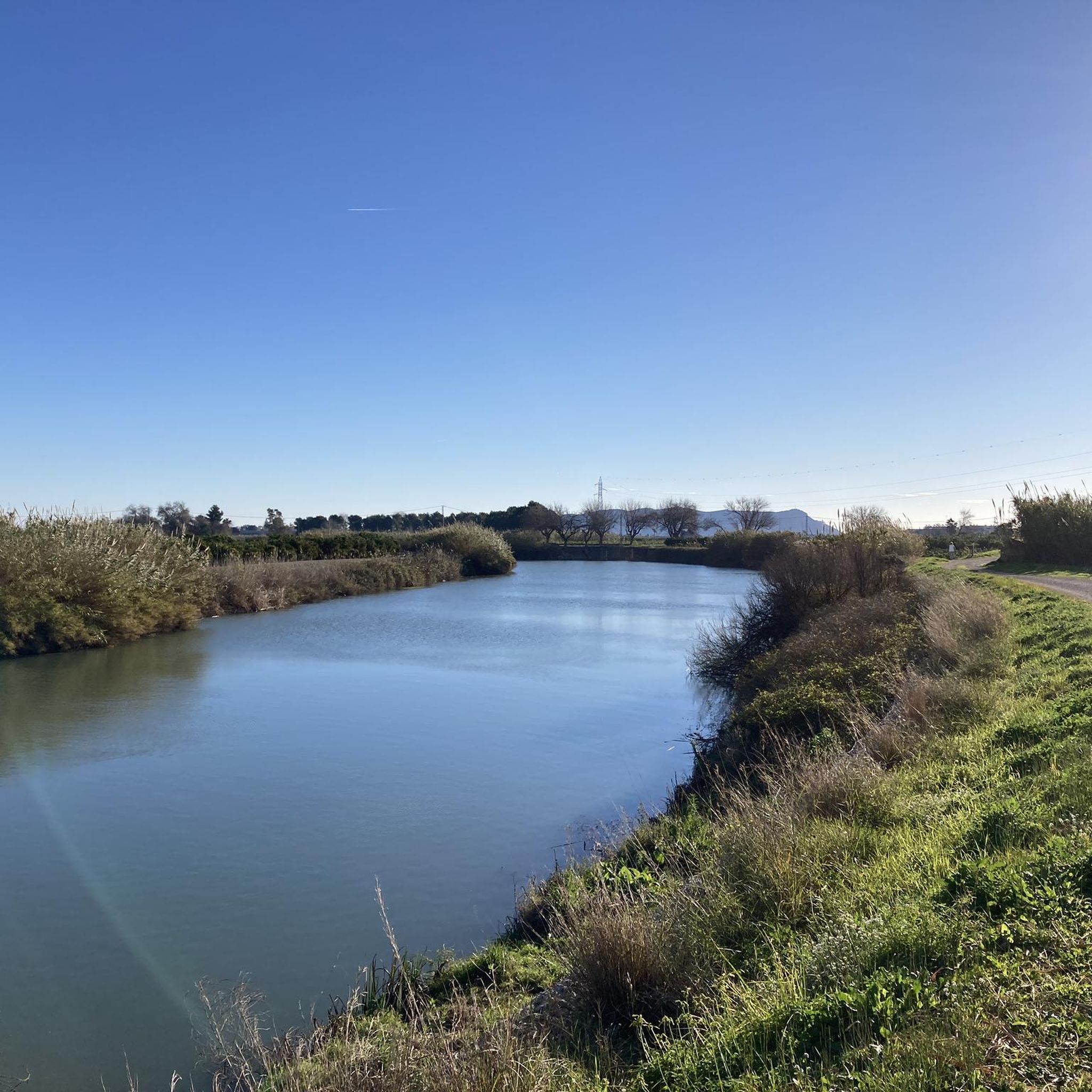
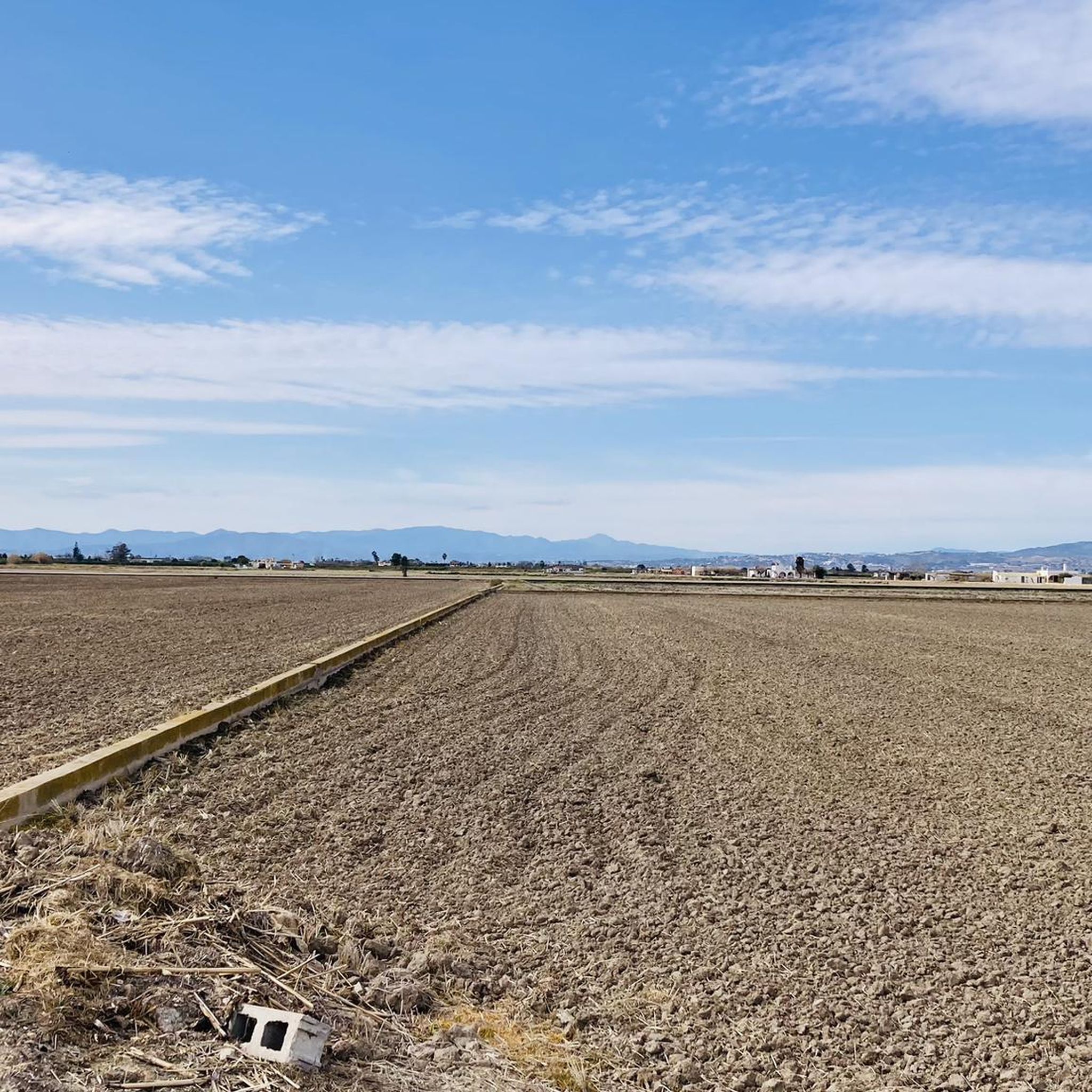
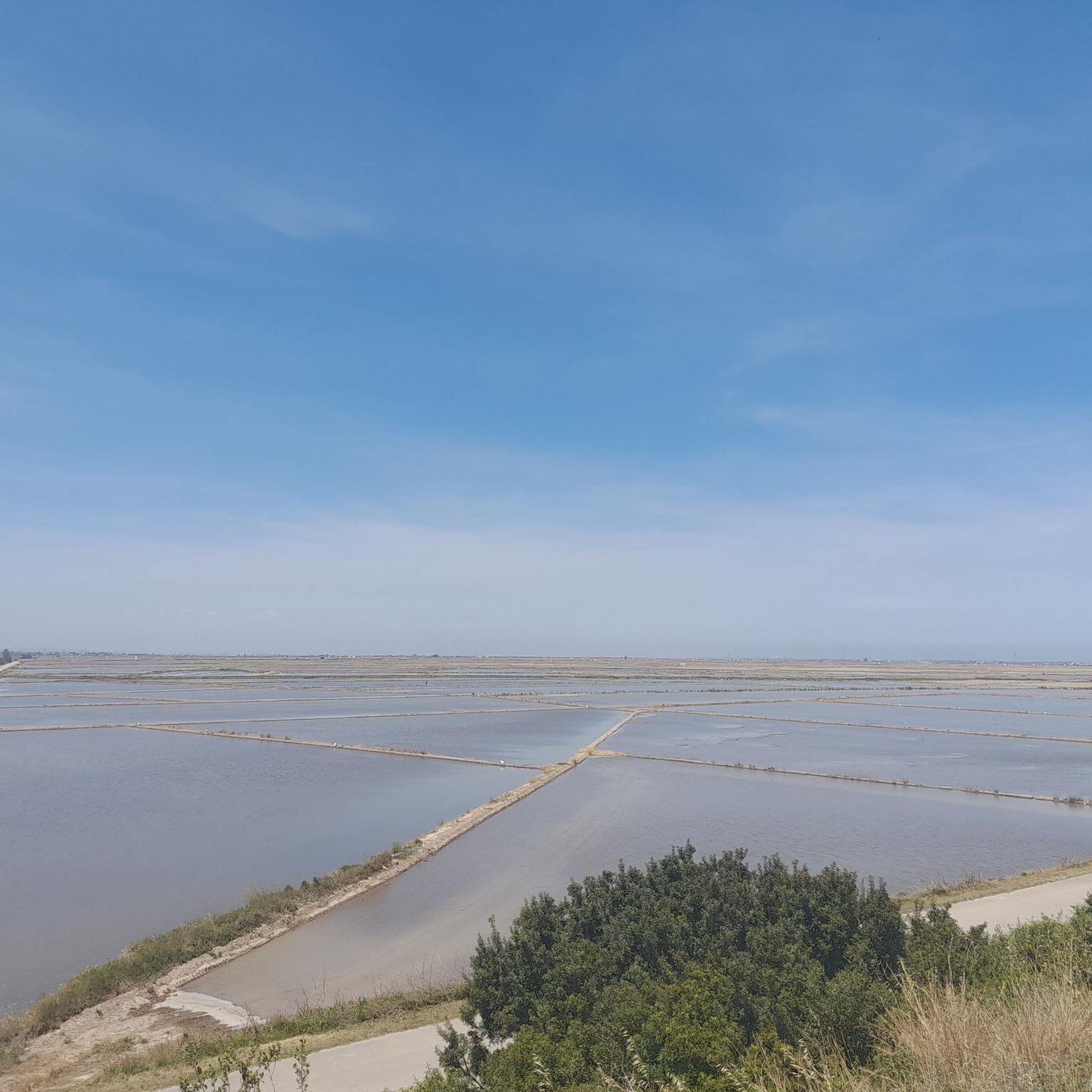
Jogging around Albalat De La Ribera offers routes through a predominantly flat landscape, characterized by riverine paths and agricultural areas. The region's low elevation gain makes it suitable for accessible running. Many routes are circular, providing convenient starting and ending points. These running routes in Albalat De La Ribera allow for exploration of the local environment at a steady pace.
Best jogging routes around Albalat De La Ribera
- The most popular jogging route is Running loop from Algemesí, a…
Last updated: July 8, 2026
31
runners
9.70km
01:00
10m
10m
Moderate run. Good fitness required. Mostly paved surfaces. Suitable for all skill levels.
28
runners
5.03km
00:31
10m
10m
Moderate run. Good fitness required. Mostly paved surfaces. Suitable for all skill levels.

Sign up for free
20
runners
Moderate run. Good fitness required. Mostly paved surfaces. Suitable for all skill levels.
11
runners
9.82km
01:01
20m
20m
Moderate run. Good fitness required. Mostly paved surfaces. Suitable for all skill levels.
9
runners
Moderate run. Good fitness required. Mostly paved surfaces. Suitable for all skill levels.
Get access to more routes and recommendations from other explorers.
Sign up for free
Already have an account?
Our route recommendations are based on thousands of hikes, rides, and runs completed by other people on komoot.
Start today with a free account
Your next adventure awaits.
Login or Signup
Tips from the Community

I recommend enjoying the muixerangues in this square. The Minor Basilica of Sant Jaume is a cultural asset. It is located in the center of the town and occupies one of the sides of the Plaza Mayor. Its architecture is in the Renaissance style. It was built between 1550 and 1582 by Domingo Gamieta and had the collaboration of Juan d'Alacant and Juan Matalí. The Minor Basilica of Sant Jaume and its surroundings were proposed and cataloged as an asset of cultural interest, due to its great historical and architectural richness in 1980. It is where one of the most significant moments of the procession of the Virgin of Health is experienced, when the different dances that characterize this festival, declared intangible heritage of humanity, converge at its entrance. The muixerangues (human towers) that accompany the entrance of the Virgin Mary into the basilica are especially emotional, with their characteristic music of dolzaina and tabal.
1
0
It is essential to contemplate the muixerangues in this square. The Minor Basilica of Sant Jaume is a cultural interest property. It is located in the center of the town and occupies one of the sides of the Plaza Mayor. Its architecture is in the Renaissance style. It was built between 1550 and 1582 by Domingo Gamieta and had the collaboration of Juan d'Alacant and Juan Matalí. The Minor Basilica of Sant Jaume and its surroundings were proposed and cataloged as a cultural interest property, due to its great historical and architectural richness in the year 1980. It is where one of the most significant moments of the procession of the Mare de Déu de la Salut is experienced, when the different dances that characterize this festival, declared intangible heritage of humanity, converge at its entrance. The muixerangues (human towers) that accompany the entrance of the Virgin Mary into the basilica are especially emotional, with their characteristic music of dolzaina and tabal.
1
0
Pedestrian walkway that connects the town of Algemesí with the Marist College.
1
0

The church is located in the center of the town, in the main square of Algemesí, and was built in the 16th century. At its feet is the Chapel of the Communion, a primitive church that communicates with the current church through three arches. Its Renaissance façade with the coat of arms of the town and the bell tower on top stand out. The church of San Jaime Apóstol is one of the key points of the Mare de Déu d'Algemesí festival, recognized by UNESCO as an Intangible Cultural Heritage of Humanity.
4
0
Nothing to add, cool tip! 👌 Recommended!
2
0
The Minor Basilica of Sant Jaume is of cultural interest. It is located in the center of the town and occupies one side of the Plaça Major. Its architecture is Renaissance style. It was built between 1550 and 1582 by Domingo Gamieta and had the collaboration of Juan d'Alacant and Juan Matalí. The Minor Basilica of Sant Jaume and its surroundings were proposed and cataloged as assets of cultural interest, due to their great historical and architectural wealth, in 1980. One of the most significant moments of the procession of the Mother of God of Health, when the different dances that characterize this festival, declared an intangible heritage of humanity, converge at its entrance. The muixerangues (human towers) that accompany the entry of the Virgin into the basilica are particularly emotional, with their characteristic dolçaina and tabal music.
2
0
It connects the town of Algemesí with the Marist school.
2
0
La Xopera is the most emblematic natural space in the municipality of Algemesí due to its double importance: an ecological one (the only riparian forest that currently exists in the region) and a social one (one of the only places where everyone can contact the nature, such as fishing or canoeing or simply enjoying it as a place to relax). It is located right at the point where the Magre River and the Júcar meet. The tree and scrub species we find are black poplars or poplars, poplars, elms, plantains, eucalyptus, linden trees, lindens, oleanders, carob trees, ashes, willows, walnuts or mulberries, and a fence of cypress trees that separates them from the place. where vehicles are parked. In the bed of the two rivers are apart from the microscopic algae, the alga Spirogura as the predominant one. The floating aquatic community is made up of the water lentil (Lemna gibba), as well as an exotic plant, the Ludwigia uruguayensis, which invades the waters of the river displacing the species of native flora and is characterized by having somewhat fleshy leaves. the yellow flowers. The Fauna that is present in the Xopera is of great importance for its diversity. The recreational area currently has ample leisure and recreation areas, picnic area, services and paellers, in the natural shade of the trees, to enjoy a day outdoors In addition, everyone can get to know the riparian forest in situ, the different types of trees in the area, the orography, the flora and fauna most characteristic of this natural place and the river forests.
1
0
Frequently Asked Questions
How many running routes are available in Albalat De La Ribera?
There are over 200 running routes in Albalat De La Ribera, catering to various fitness levels. You'll find a good mix of easy, moderate, and difficult trails to explore.
Are there easy jogging routes suitable for beginners in Albalat De La Ribera?
Yes, Albalat De La Ribera offers several easy jogging routes. The region's predominantly flat landscape and low elevation gain make it ideal for accessible running, perfect for beginners or those seeking a relaxed pace. There are 19 easy routes available.
Can I find circular running trails in this area?
Absolutely. Many of the running routes in Albalat De La Ribera are circular, providing convenient starting and ending points. This allows for easy planning and exploration of the local environment.
What are some scenic running trails in Albalat De La Ribera?
For scenic runs, consider routes that pass by local water features or through agricultural areas. The Ullal de Polinyà de Xúquer loop from Benicull de Xúquer offers views of the Ullal de Polinyà de Xúquer. You can also explore areas near the Albufera Natural Park or the Marshland between Silla and El Romaní for picturesque natural settings.
Are there any long-distance running options in Albalat De La Ribera?
Yes, for those looking for longer runs, there are routes available. For example, the Ullal de Polinyà de Xúquer loop from Polinyà de Xúquer is a challenging 10.5-mile (16.9 km) trail, offering a more extensive workout.
What kind of terrain can I expect on the running routes?
The running routes in Albalat De La Ribera are characterized by flat river paths, agricultural fields, and small water bodies. The terrain is generally easy to navigate with minimal elevation changes, making it suitable for a consistent pace.
What do other runners say about jogging in Albalat De La Ribera?
The running routes in Albalat De La Ribera are highly rated by the komoot community, with an average score of 4.7 stars from over 20 reviews. Runners often praise the accessible, flat paths and the opportunity to explore the local countryside.
Are there any points of interest or landmarks along the running trails?
Yes, several routes offer glimpses of local attractions. You might encounter areas near the Albufera Natural Park, the Palmar Road, or the Tancat de Milia. These highlights provide interesting sights during your run.
Is Albalat De La Ribera suitable for family-friendly running or walking?
Given the predominantly flat landscape and low elevation gain, many routes in Albalat De La Ribera are well-suited for family-friendly running or walking. The accessible nature of the trails makes them enjoyable for all ages.
What is the best time of year to go running in Albalat De La Ribera?
The region's mild Mediterranean climate generally makes it pleasant for running year-round. However, spring and autumn offer particularly comfortable temperatures. During summer, it's advisable to run early in the morning or late in the afternoon to avoid the midday heat.
Are there any routes that offer opportunities for wildlife spotting?
Yes, routes that pass through or near the Albufera Natural Park or the Marshland between Silla and El Romaní are excellent for wildlife spotting. These wetland areas are home to various bird species and other local fauna.
Are there any moderate difficulty running routes for those looking for a bit more challenge?
Certainly. The majority of routes in Albalat De La Ribera are classified as moderate, with 148 such trails. These routes, like the Running loop from Albalat de la Ribera (7.1 miles / 11.5 km), offer a good balance of distance and consistent pace without significant climbs.
Most popular routes around Albalat De La Ribera
Most popular attractions around Albalat De La Ribera

Get inspired with the komoot mobile app


Explore more
Browse the best Running Trails & Routes in other regions.
