The best MTB trails around Albalat De La Ribera
4.3
(732)
2,603
riders
197
rides
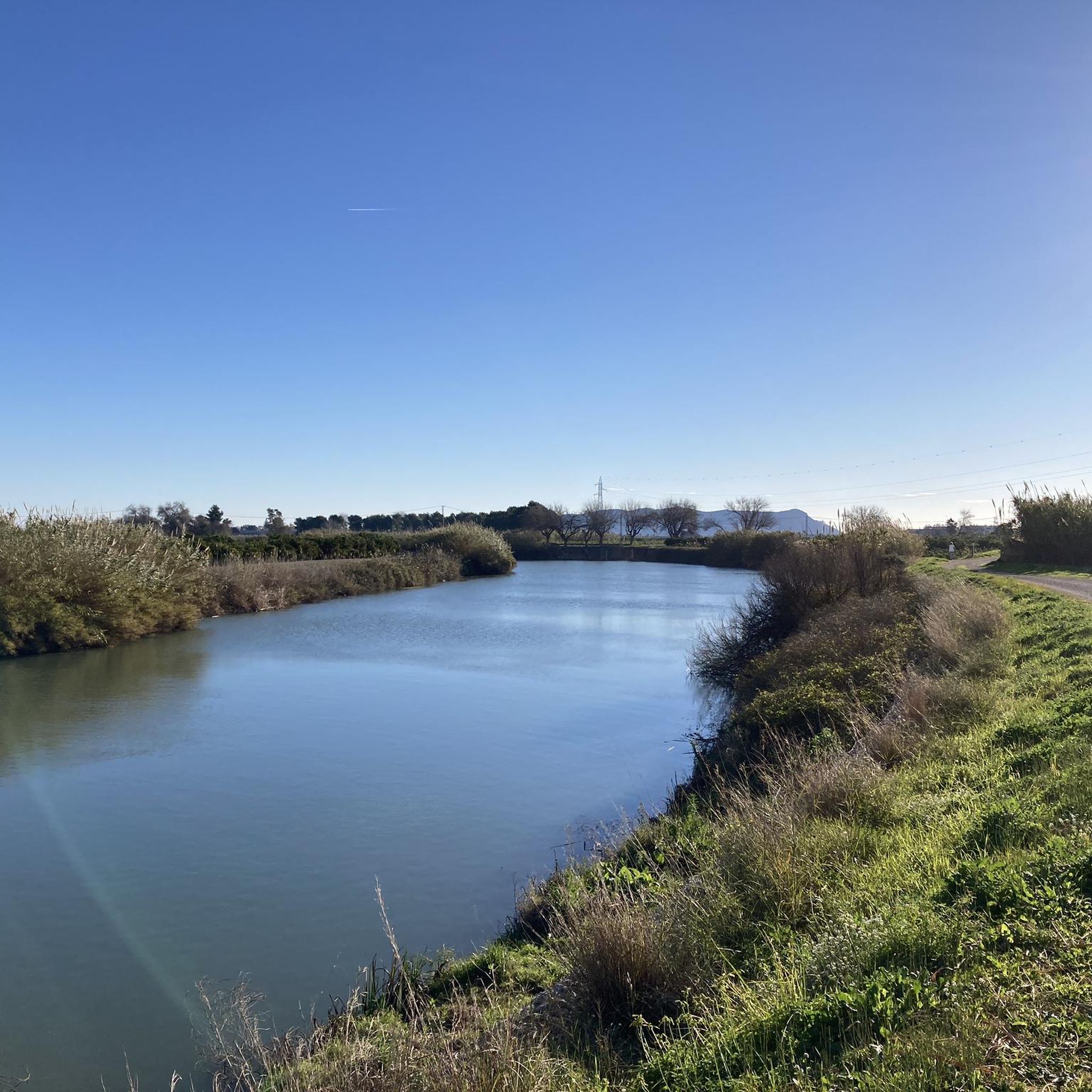
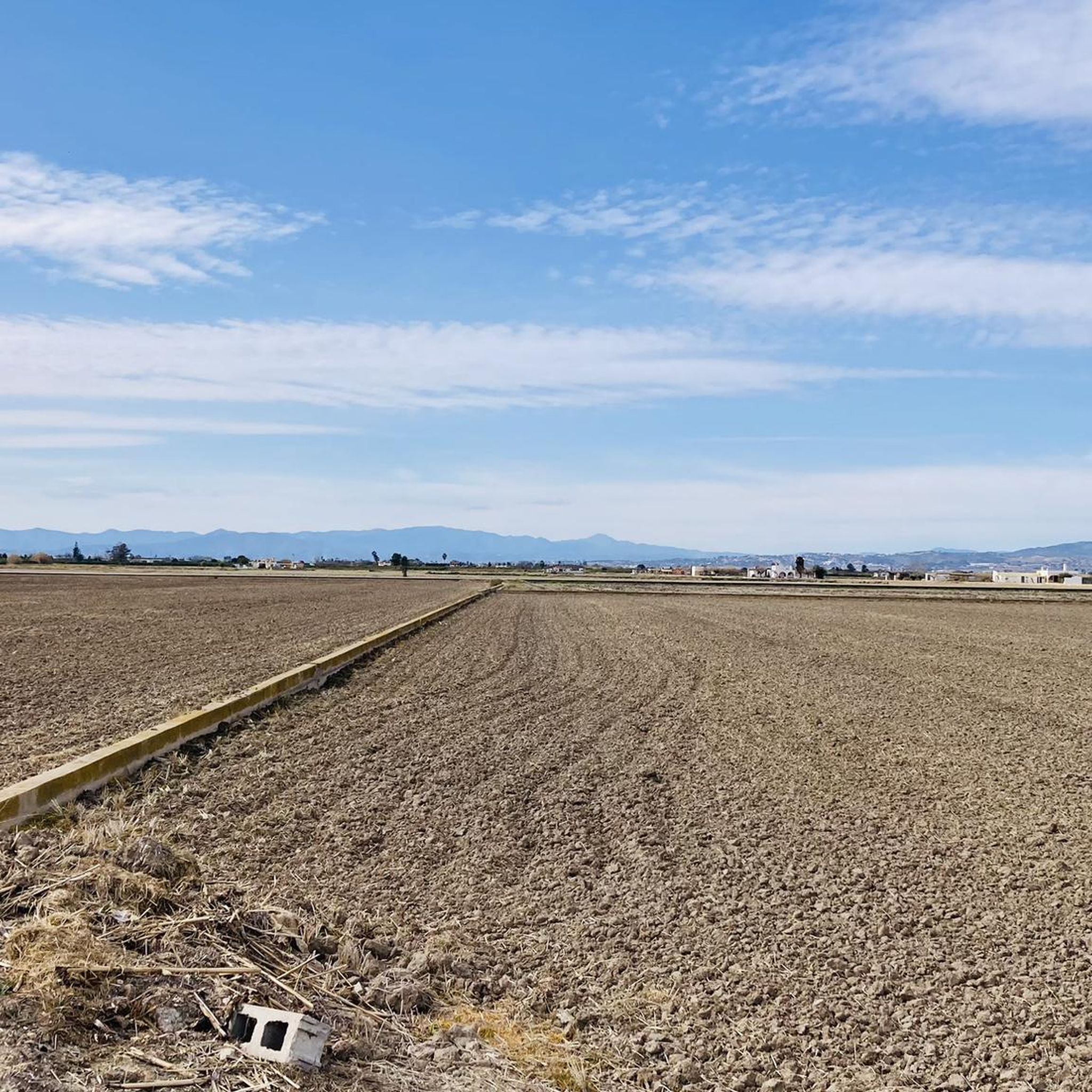
Mountain biking around Albalat De La Ribera is defined by its location within the Júcar River basin, offering a landscape of agricultural plains and riverside environments. The region features a network of trails with generally gentle gradients, though some routes include moderate elevation changes. These paths often traverse open fields and connect to natural riverine areas, providing varied terrain for mountain bikers. The area's physical features support a range of mountain biking experiences, from leisurely rides to more challenging excursions.
…Last updated: October 12, 2026
4.0
(11)
52
riders
Hard mountain bike ride. Good fitness required. Advanced riding skills necessary. Some portions of the route may require you to push your bike.
4.8
(5)
26
riders
34.5km
02:21
410m
410m
Hard mountain bike ride. Good fitness required. Advanced riding skills necessary. Some portions of the route may require you to push your bike.

4.7
(6)
20
riders
23.8km
01:21
150m
150m
Easy mountain bike ride. Great for any fitness level. Suitable for all skill levels.
5.0
(1)
16
riders
38.7km
02:28
380m
380m
Hard mountain bike ride. Good fitness required. Advanced riding skills necessary. Some portions of the route may require you to push your bike.
4.3
(3)
17
riders
33.6km
02:16
310m
310m
Moderate mountain bike ride. Good fitness required. Suitable for all skill levels.
Get access to more routes and recommendations from other explorers.
Already have an account?
Our route recommendations are based on thousands of hikes, rides, and runs completed by other people on komoot.
Start today with a free account
Your next adventure awaits.

Tips from the Community

El convent d'Aigües Vives, també anomenat Reial Monestir de Santa Maria d'Aigües Vives, és un antic monestir amb orígens que es remunten al segle XIII. L'edifici actual es va construir durant els segles XVI i XVII, amb els corresponents estils, renaixentista i barroc, si bé l'ala nord es va acabar en el segle XVIII. El monestir va pertànyer a l'orde dels agustins, orde que custodiava la imatge de la Mare de Déu d'Aigües Vives, patrona de la ciutat de La Barraca d'Aigües Vives. A mitjan segle XIX, a conseqüència de la desamortització de Mendizábal, els monjos hagueren d'abandonar el cenobi. Aquest va passar a mans dels barons de Casanova, que el destinaren com a habitatge rural. L'any 1977 el monestir fou adquirit i reformat per a destinar-lo a hotel residència per Antonio Vidal Bellver (fotògraf i empresari de Carcaixent). Actualment és propietat d'un empresari hoteler de Gandia. El 2024, la Generalitat Valenciana va instar els nous propietaris a fer obres per a mantenir aquesta obra major que ha patit un deteriorament progressiu com a conseqüència de robatoris, vandalisme i abandonament.
1
0

A tough climb, initially on a paved road, but the final section is unpaved. There's a chain blocking motor vehicles, but you can easily cross by bike or on foot.
0
0
Views of the Les Fontanelles National Park from the rural road that connects Alzira and Corbera.
1
0

I recommend enjoying the muixerangues in this square. The Minor Basilica of Sant Jaume is a cultural asset. It is located in the center of the town and occupies one of the sides of the Plaza Mayor. Its architecture is in the Renaissance style. It was built between 1550 and 1582 by Domingo Gamieta and had the collaboration of Juan d'Alacant and Juan Matalí. The Minor Basilica of Sant Jaume and its surroundings were proposed and cataloged as an asset of cultural interest, due to its great historical and architectural richness in 1980. It is where one of the most significant moments of the procession of the Virgin of Health is experienced, when the different dances that characterize this festival, declared intangible heritage of humanity, converge at its entrance. The muixerangues (human towers) that accompany the entrance of the Virgin Mary into the basilica are especially emotional, with their characteristic music of dolzaina and tabal.
1
0
It is essential to contemplate the muixerangues in this square. The Minor Basilica of Sant Jaume is a cultural interest property. It is located in the center of the town and occupies one of the sides of the Plaza Mayor. Its architecture is in the Renaissance style. It was built between 1550 and 1582 by Domingo Gamieta and had the collaboration of Juan d'Alacant and Juan Matalí. The Minor Basilica of Sant Jaume and its surroundings were proposed and cataloged as a cultural interest property, due to its great historical and architectural richness in the year 1980. It is where one of the most significant moments of the procession of the Mare de Déu de la Salut is experienced, when the different dances that characterize this festival, declared intangible heritage of humanity, converge at its entrance. The muixerangues (human towers) that accompany the entrance of the Virgin Mary into the basilica are especially emotional, with their characteristic music of dolzaina and tabal.
1
0
Pedestrian walkway that connects the town of Algemesí with the Marist College.
1
0

The bridge over the CV-50 between Carcaixent and Tabernes is finally operational, and you can now travel along the entire greenway without entering the CV-50, which was a danger.
1
0
Frequently Asked Questions
How many mountain bike trails are available around Albalat De La Ribera?
There are nearly 200 mountain bike trails to explore around Albalat De La Ribera, offering a wide variety of options for different skill levels and preferences.
What types of terrain can I expect on mountain bike trails in Albalat De La Ribera?
The trails primarily traverse agricultural plains and follow riverside environments within the Júcar River basin. You'll find generally gentle gradients, but some routes include moderate elevation changes, providing a mix of flat sections and more undulating terrain.
Are there any easy mountain bike trails suitable for beginners in Albalat De La Ribera?
Yes, Albalat De La Ribera offers a good selection of easier routes. There are 49 trails rated as easy, perfect for beginners or those looking for a relaxed ride through the scenic riverside and agricultural landscapes.
What are some challenging mountain bike trails for advanced riders?
For advanced riders seeking a challenge, routes like the Path Under the Highway – La Murta loop from Algemesí offer more significant climbs and descents. Another difficult option is the Five Climbs – View of Montserrat and El Real loop from Sollana, which features substantial elevation gain over its 54.5 km distance.
Are there any circular mountain bike routes in the area?
Many of the mountain bike trails around Albalat De La Ribera are designed as loops. For example, the Riola (Rio Júcar) – La Raconada Iron Bridge loop from Albalat de la Ribera is a popular moderate circular route that combines riverside sections with agricultural paths.
What can I see along the mountain bike trails around Albalat De La Ribera?
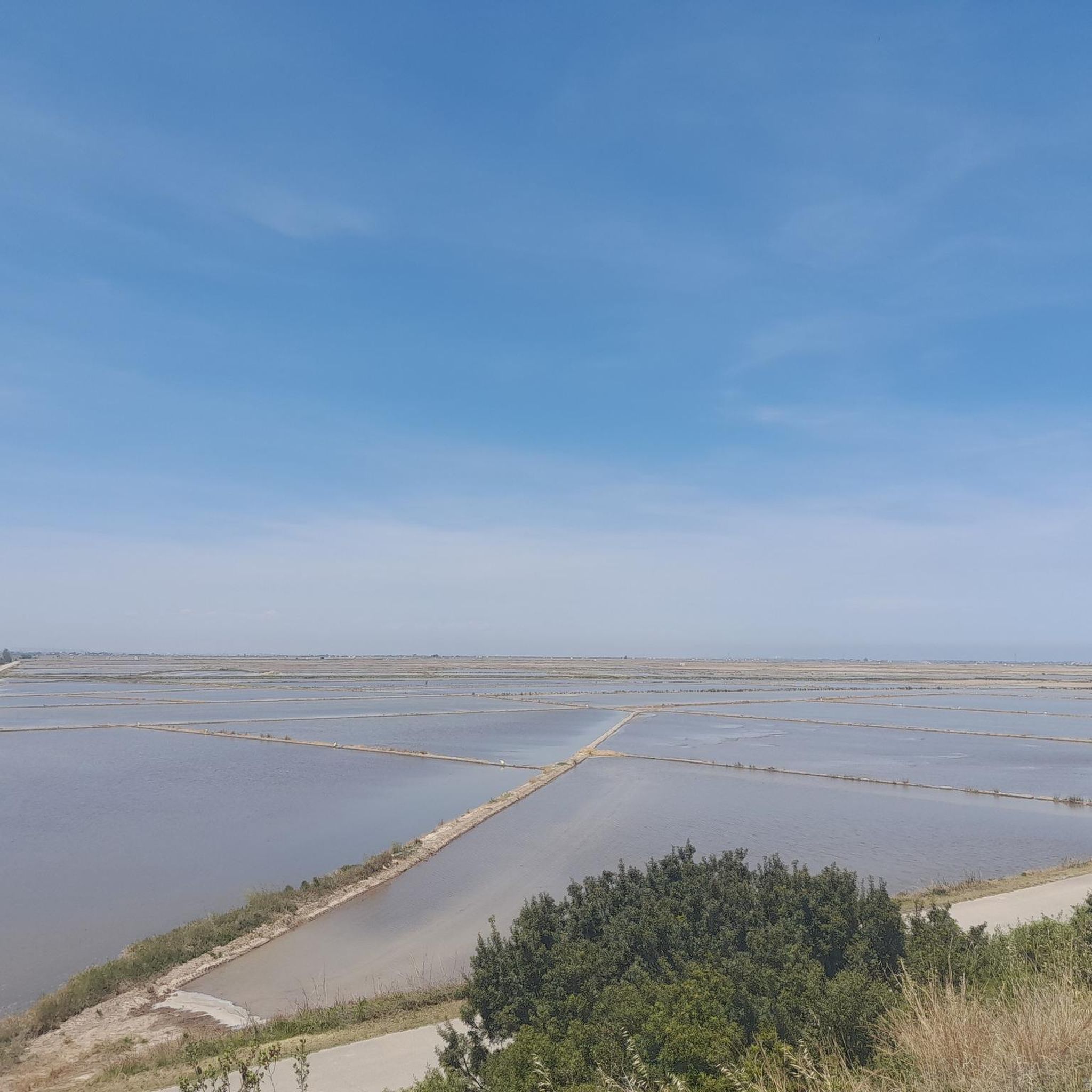
While riding, you can explore natural highlights such as the expansive Albufera Natural Park, a significant wetland area. Other points of interest include the La Murta Municipal Natural Park and the Tancat de Milia, offering diverse natural scenery.
What do other mountain bikers enjoy most about the trails in Albalat De La Ribera?
The mountain bike trails in Albalat De La Ribera are highly rated by the komoot community, with an average score of 4.3 stars from over 360 reviews. Riders often praise the varied terrain, which includes pleasant riverine paths and agricultural landscapes, as well as the options available for different ability levels.
What is the best time of year for mountain biking in Albalat De La Ribera?
Given the region's Mediterranean climate, spring (March to May) and autumn (September to November) are generally the most pleasant times for mountain biking. Temperatures are milder, making for more comfortable rides compared to the hotter summer months.
Are there any family-friendly mountain bike trails in Albalat De La Ribera?
Yes, the region's generally gentle gradients and numerous easy trails make it suitable for family outings. Look for routes marked as 'easy' to ensure a comfortable and enjoyable experience for all family members.
Where can I find cafes or places to stop near the mountain bike trails?
As the trails often pass through or near towns and villages like Albalat de la Ribera, Sueca, and Algemesí, you'll find various cafes and local eateries. These provide convenient spots to refuel and rest during your ride.
What is the typical duration for mountain bike rides in this area?
Ride durations vary significantly depending on the trail's length and difficulty. For example, a moderate route like the Riola (Rio Júcar) – La Raconada Iron Bridge loop from Sueca, which is 47.6 km, typically takes around 3 hours to complete. Shorter, easier trails will naturally take less time.
Most popular routes around Albalat De La Ribera
Most popular attractions around Albalat De La Ribera

Get inspired with the komoot mobile app


Explore more
Browse the best MTB trails in other regions.
