Attractions and Places To See around Villalba De Perejil - Top 16
Attractions and places to see around Villalba De Perejil offer a blend of historical landmarks, distinctive natural features, and cultural insights within the Perejiles river valley in Zaragoza, Spain. The town's architecture, characterized by plaster stone houses, contributes to its charm. Situated at the foothills of the Sierra de Atea and facing the Sierra Vicor, the area provides opportunities for excursions and walks through marked trails. Visitors can explore a variety of natural features and historical sites.
Best attractions and…
Last updated: July 12, 2026
Calatayud
Highlight • Settlement
Translated by Google •
Tip by

Maluenda
Highlight • Castle
Translated by Google •
Tip by

Sign up now to discover places like this
Get recommendations on the best single tracks, peaks, & plenty of other exciting outdoor places.
Sign up for free
Pico del Rayo
Highlight • Summit
Translated by Google •
Tip by

Viver de Vicort
Highlight • Settlement
Translated by Google •
Tip by

Refugio de Inogés
Highlight • Mountain Hut
Translated by Google •
Tip by

Sign up for free to discover even more attractions around Villalba De Perejil.
Sign up for free
Already have an account?
Start today with a free account
Your next adventure awaits.
Login or Signup
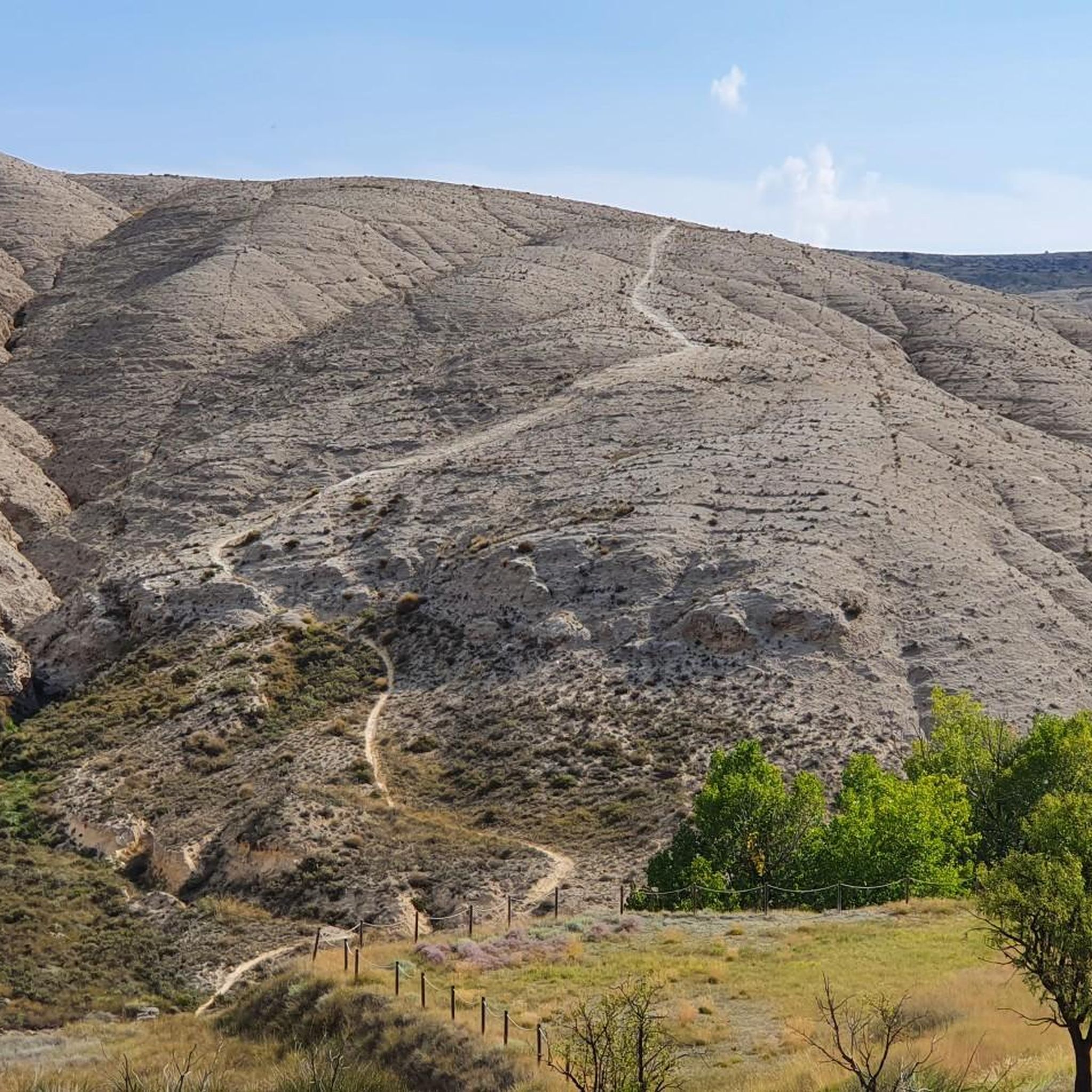
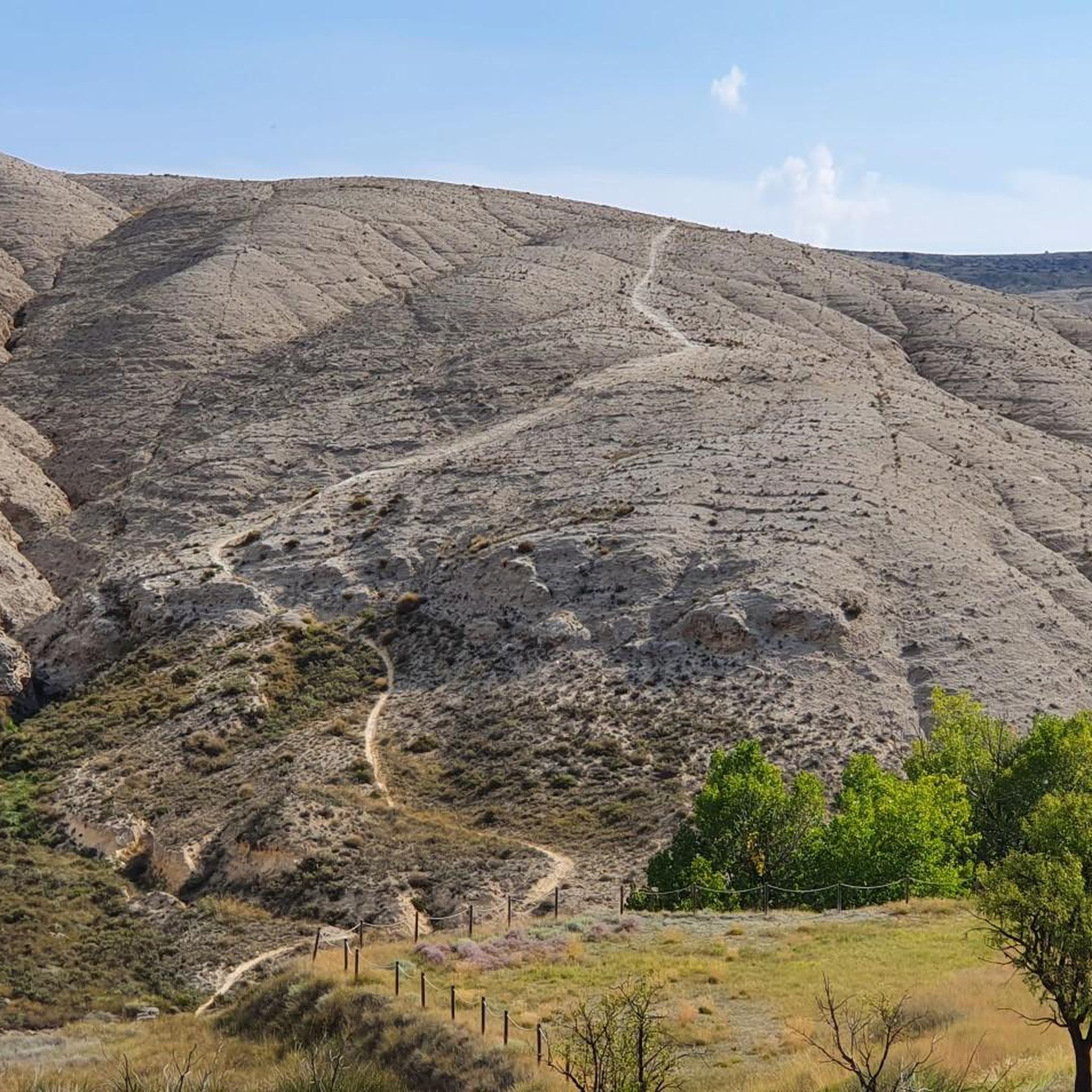
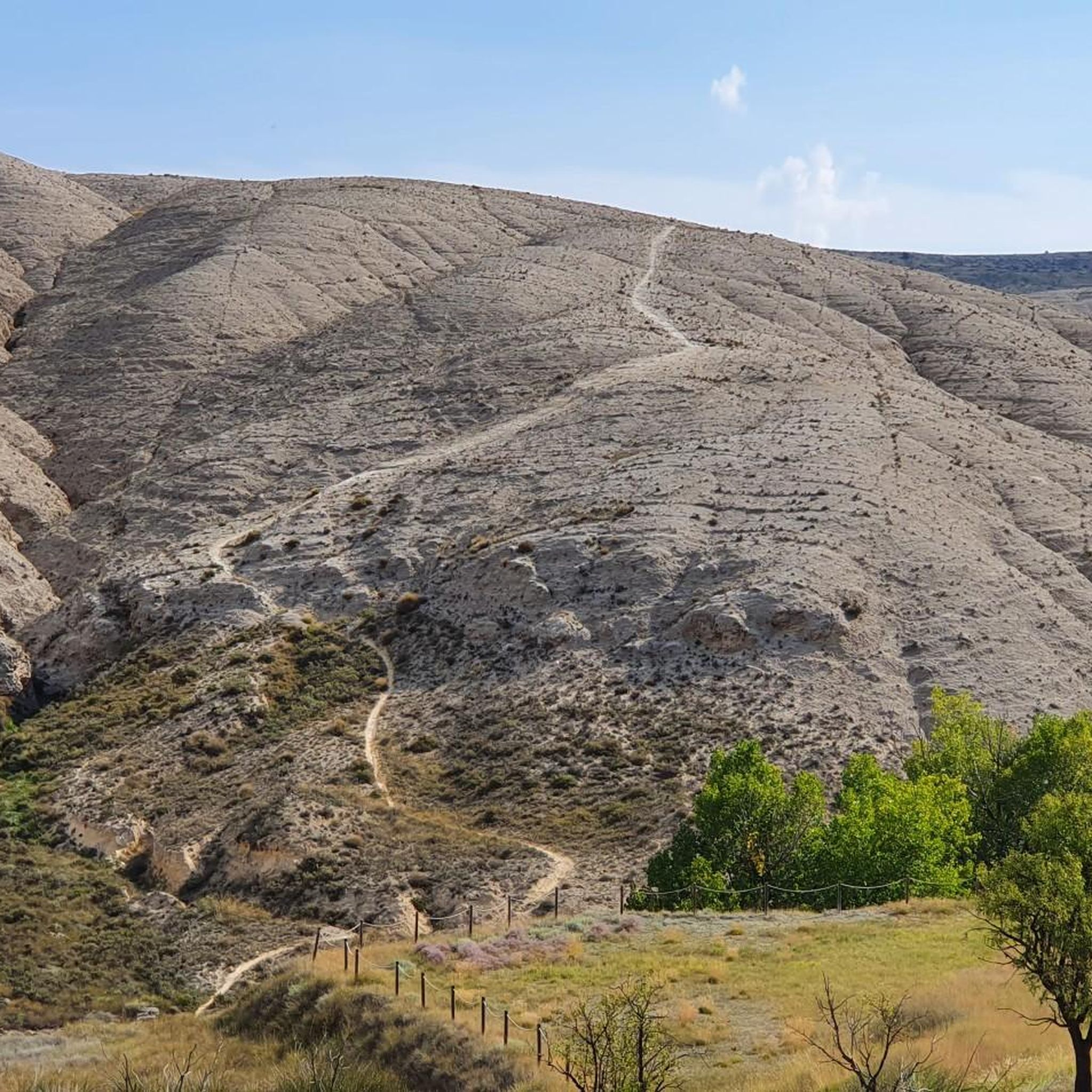
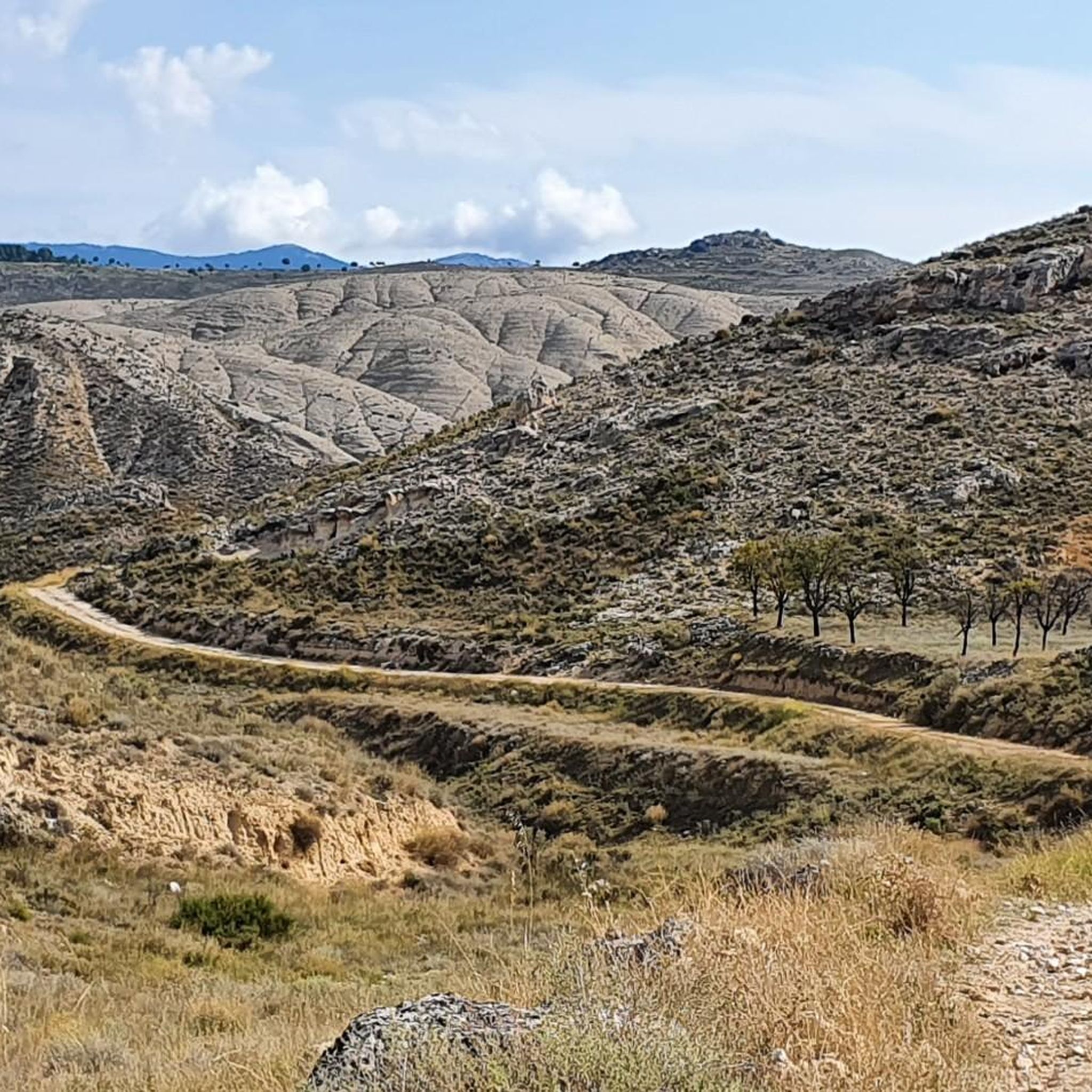


Tips from the Community

There is also a fountain, but we found it without water. We had to continue down to the village.
0
0

It is the highest point for many kilometers in the surrounding area (next to Pico de la Nevera, which cannot be accessed because it is a military installation). In summer there are fire surveillance personnel because it is a place with impressive views.
0
0
Viver de Vicort is the access to many of the most important points of the Sierra de Vicort both to explore its northern and southern slopes. You can access Pico del Rayo by tracks that leave from this district. It is also the hill that you can pass through to make a route between the Grío valley and the Perejiles valley.
0
0


Or refuge of Inogés, it is a free refuge in quite good conditions. We must take them into account in case we had to take shelter there from a good storm
1
0
We are at the Pico del Rayo, the highest peak of the Sierra de Victor at 1427 masl with magnificent views of the Iberian System and Moncayo.
0
0

Maluenda is a small town in the province of Zaragoza on the banks of the Jiloca River. The ruins of an Arab fortress from the 9th century stand out, as well as the Mudejar tower of the church of Santa María and the Albarrana tower. The town also has a couple of bars where you can taste local products.
2
0

Just above the refuge, in the picnic area, we find the path to climb to the peak of the lightning
0
0
Frequently Asked Questions
What historical sites can I explore in Villalba de Perejil?
Villalba de Perejil is rich in history. You can visit the Church of San Cristóbal, a baroque temple built on the foundations of an ancient 10th-century mosque, with remnants of horseshoe arches still visible. Nearby, explore the ruins of two hermitages, Santa Ana La Vieja and Santa Ana la Nueva. The town of Calatayud, a short distance away, features Mudejar architectural style buildings, including the landmark towers of Santa María la Mayor and San Andrés, which are a World Heritage Site. Another historical highlight is Maluenda, known for its 9th-century Arab fortress ruins and the Mudejar tower of Santa María church.
Where can I find the best panoramic views around Villalba de Perejil?
For breathtaking panoramic views, head to Pico del Rayo. At 1,427 meters, it's the highest point of the Sierra Vicor and offers magnificent vistas of the Iberian System and Moncayo. The surrounding Sierras de Atea and Vicort also provide numerous elevated spots for scenic outlooks.
What natural landscapes define the area around Villalba de Perejil?
The area is characterized by the serene Perejiles River Valley, where the town is nestled. It lies at the foothills of the Sierra de Atea and faces the Sierra Vicor mountain range, offering a rugged and picturesque backdrop. You can also discover unique features like the partially ruined dovecotes (palomares) on the hilltops, and the Peña de La Macaria along the Barranco del Pueblo (Town Ravine).
What hiking opportunities are available near Villalba de Perejil?
The region is ideal for hiking, with various trails offering different levels of difficulty. Popular routes include the 'Ascent to Pico del Rayo Trail' and the 'Pico del Rayo - Sierra de Vicor Loop', which offer moderate to difficult treks with significant elevation gains. You can find more detailed hiking routes and information on the Hiking around Villalba De Perejil guide.
Can I go cycling around Villalba de Perejil?
Yes, the area offers excellent opportunities for cycling. You can explore road cycling routes like the 'Pietas Fountain and Picnic Area – Santa Cruz de Grío loop' or 'Castillo de Doña Martina – Maluenda loop from Calatayud'. For touring bicycles, routes such as 'Calatayud – ⭐️ Puerta de Terrer loop' are available. Detailed routes and guides can be found on the Road Cycling Routes around Villalba De Perejil guide and the Cycling around Villalba De Perejil guide.
Are there family-friendly attractions or activities in the area?
Families can enjoy exploring the historical town of Calatayud, which is listed as family-friendly and offers a blend of history and culture. Within Villalba de Perejil itself, the charming old fountain and well-preserved public washhouse (lavadero) provide a glimpse into traditional life. The Cueva del Barranco, though partially submerged, was a traditional childhood playground and can be an interesting spot to visit along the Barranco del Pueblo.
What are some unique cultural or traditional aspects of Villalba de Perejil?
Villalba de Perejil retains much of its traditional charm. The town's architecture features characteristic plaster stone houses, especially visible in the upper part of the village alongside old haystacks and plaster kilns. You can also see the rebuilt milestone, El Peirón de San Antón, at the village entrance, and the old fountain and lavadero which are still in use. The town celebrates traditional festivities like Santa Águeda on February 5th with a bonfire, and San Cristóbal in early July with car blessings.
What is the best time of year to visit Villalba de Perejil?
The best time to visit Villalba de Perejil largely depends on your interests. For outdoor activities like hiking and cycling, spring (April-May) and autumn (September-October) offer pleasant temperatures. If you're interested in local culture, consider visiting during traditional festivities such as Santa Águeda on February 5th or San Cristóbal in early July, which include unique local celebrations.
Are there any gorges or ravines to explore near Villalba de Perejil?
Yes, you can explore the Descent of the Barranco de San Blas de Miedes, a notable gorge offering an intermediate trail experience. Within Villalba de Perejil, the Barranco del Pueblo (Town Ravine) leads to interesting natural features like Peña de La Macaria and the Cueva del Barranco.
What is Viver de Vicort and why is it significant?
Viver de Vicort is a significant settlement that acts as a key access point to many important locations within the Sierra de Vicort. From here, tracks lead to Pico del Rayo, and it serves as a pass connecting the Grío and Perejiles valleys, making it a strategic starting point for exploring the region.
Most popular routes around Villalba De Perejil

Get inspired with the komoot mobile app


Explore more
Still not found the Highlight you’re looking for? See guides of the top attractions in other regions:
