The best walks and hikes around Parco Naturale Regionale del Beigua
4.5
(4057)
17,654
hikers
80
hikes
Hiking trails around Parco Naturale Regionale del Beigua traverse a diverse landscape characterized by varied elevations, from coastal hills to higher peaks. The region features Mediterranean scrub, dense woodlands, and open grasslands, offering a range of environments for exploration. Geological formations are also present, contributing to the park's unique terrain.
Best hiking trails around Parco Naturale Regionale del Beigua
- The most popular hiking route is Val Gargassa Loop, a 3.6 miles (5.8 km) trail that takes 1 hour 58…
Last updated: July 7, 2026
4.8
(61)
194
hikers
5.79km
01:59
180m
160m
Hike the moderate 3.6-mile Canyon della Val Gargassa loop in Parco del Beigua, featuring unique rock formations and canyon views.
4.9
(65)
210
hikers
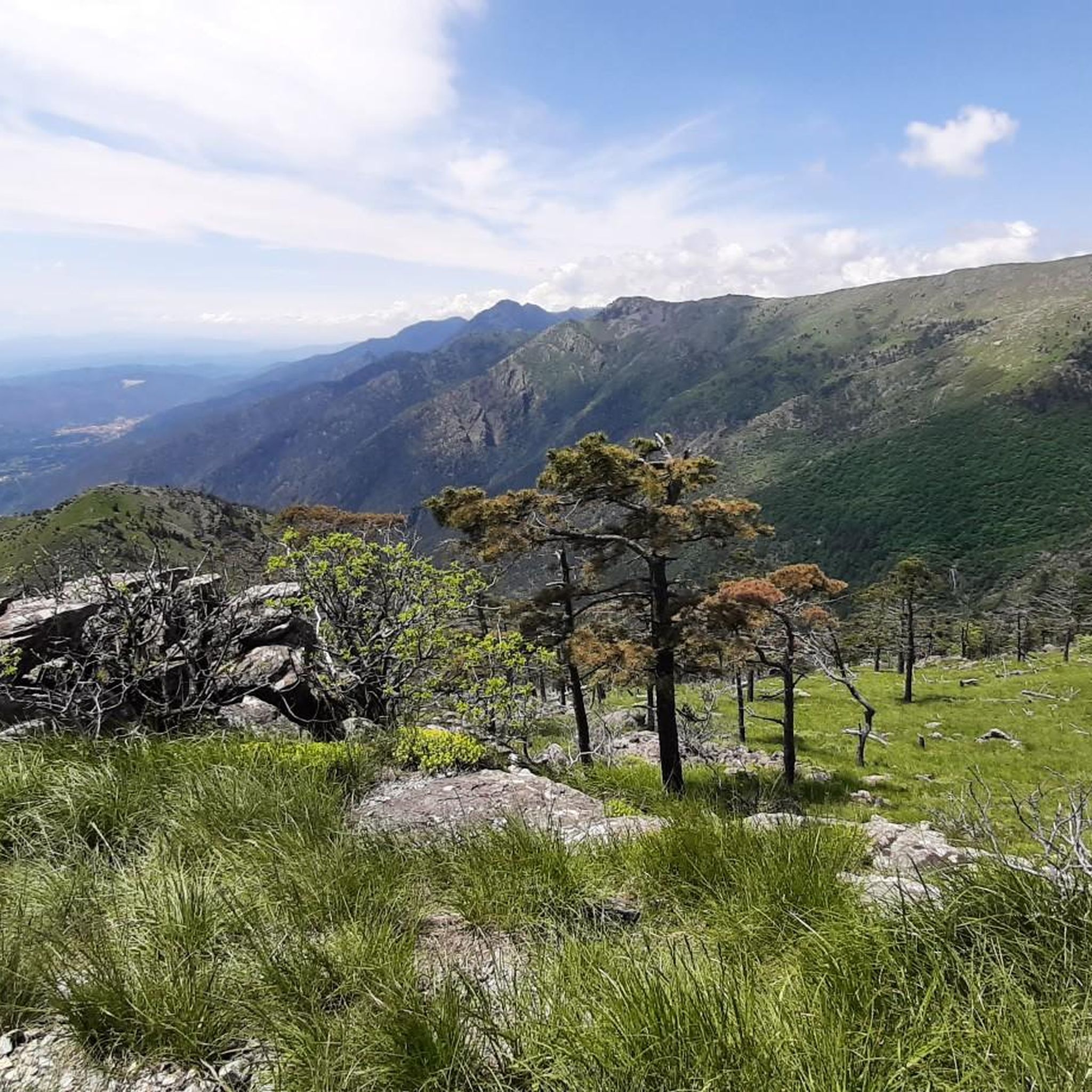
Mountain ridge walk where golden meadows meet Mediterranean views and rare wildflowers bloom.

Sign up for free
4.5
(52)
125
hikers
6.94km
02:02
170m
170m
Moderate hike. Good fitness required. Mostly accessible paths. Sure-footedness required.
4.7
(30)
80
hikers
8.78km
02:45
270m
260m
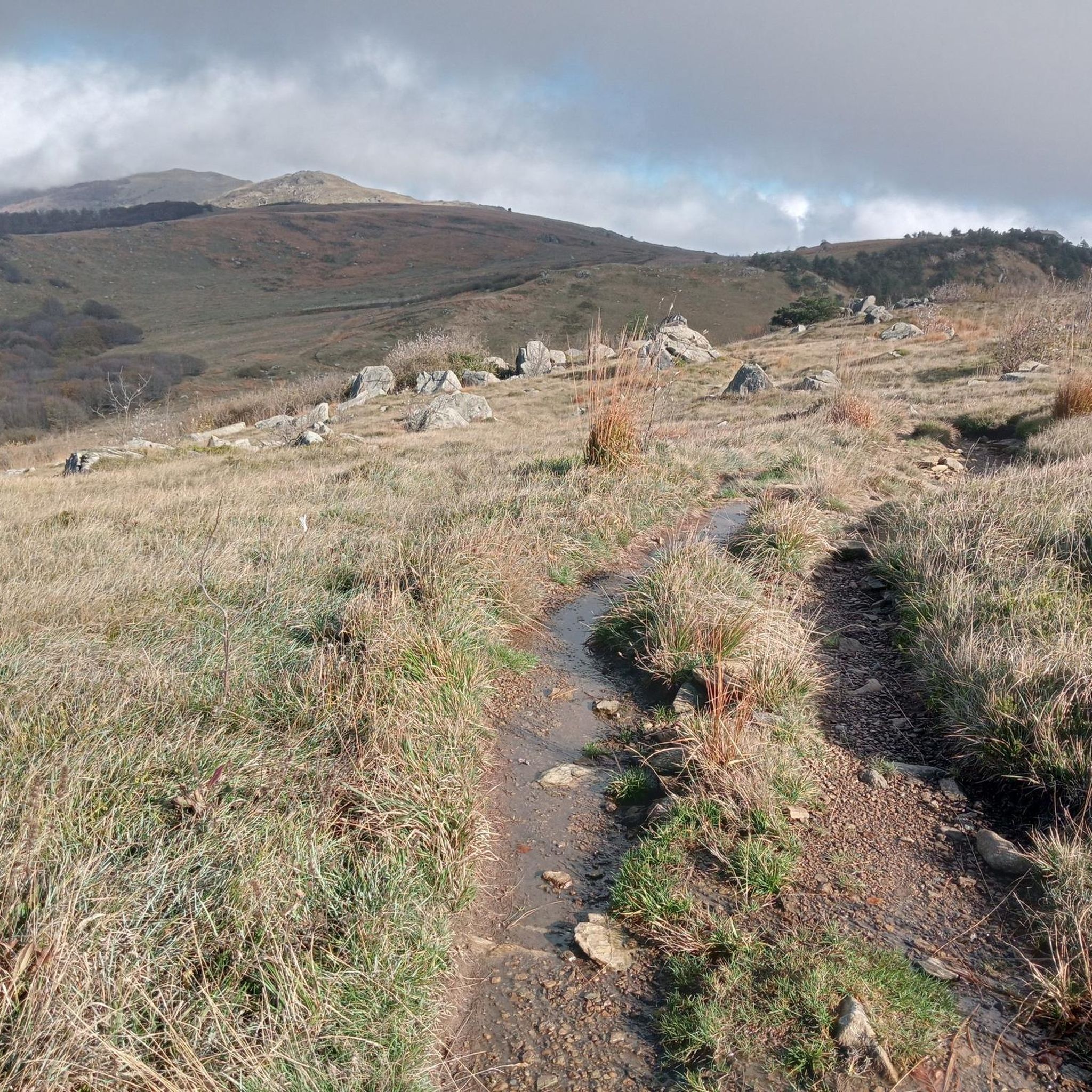
Nature loop through ancient peat bogs and mysterious stone fields in UNESCO Beigua Geopark.
4.3
(11)
33
hikers
6.87km
03:08
440m
440m
Moderate hike. Good fitness required. Mostly accessible paths. Sure-footedness required.
Get access to more routes and recommendations from other explorers.
Sign up for free
Already have an account?
Our route recommendations are based on thousands of hikes, rides, and runs completed by other people on komoot.
Start today with a free account
Your next adventure awaits.
Login or Signup
Popular around Parco Naturale Regionale del Beigua

Tips from the Community

With a short detour from the Appennino bike tour route, you can reach this Cistercian abbey located in a very evocative place.
2
0

Very nice and well-maintained rest area.
3
1

The weather is not the best but the place is very beautiful
0
0
Despite the bad weather the place had a special charm
0
0
Very interesting view of Genoa
1
0


Easy to reach, with benches and tables to rest and admire the exceptional view!
0
0

very kind, fantastic place to dine and stay
0
0
Frequently Asked Questions
How many hiking trails are available in Parco Naturale Regionale del Beigua?
Parco Naturale Regionale del Beigua offers a wide variety of hiking experiences, with nearly 80 distinct trails recorded on komoot. These routes cater to different skill levels, from easy walks to more challenging ascents.
Are there easy hiking trails suitable for beginners in Parco Naturale Regionale del Beigua?
Yes, the park features several easy trails perfect for beginners or those seeking a relaxed walk. There are 3 easy routes available, alongside 61 moderate options. For example, the Val Gargassa Loop is a moderate trail that explores a scenic valley with varied terrain, suitable for most hikers.
What are some family-friendly hiking options in Parco Naturale Regionale del Beigua?
For families, trails with moderate difficulty and shorter distances are often ideal. While specific 'family-friendly' designations aren't always explicit, routes like the Anello della Badia di Tiglieto, which is 4.3 miles (6.9 km) and leads through forested areas and historical sites, can be a good choice. Look for trails with less elevation gain and well-maintained paths.
Are there any circular hiking routes in Parco Naturale Regionale del Beigua?
Yes, many trails in Parco Naturale Regionale del Beigua are designed as circular routes, allowing you to start and end at the same point. Examples include the popular Val Gargassa Loop and the Anello della Badia di Tiglieto. The Laione Peat Bog Nature Loop also offers a unique circular experience through a natural wetland.
What kind of views or natural landmarks can I expect to see while hiking?
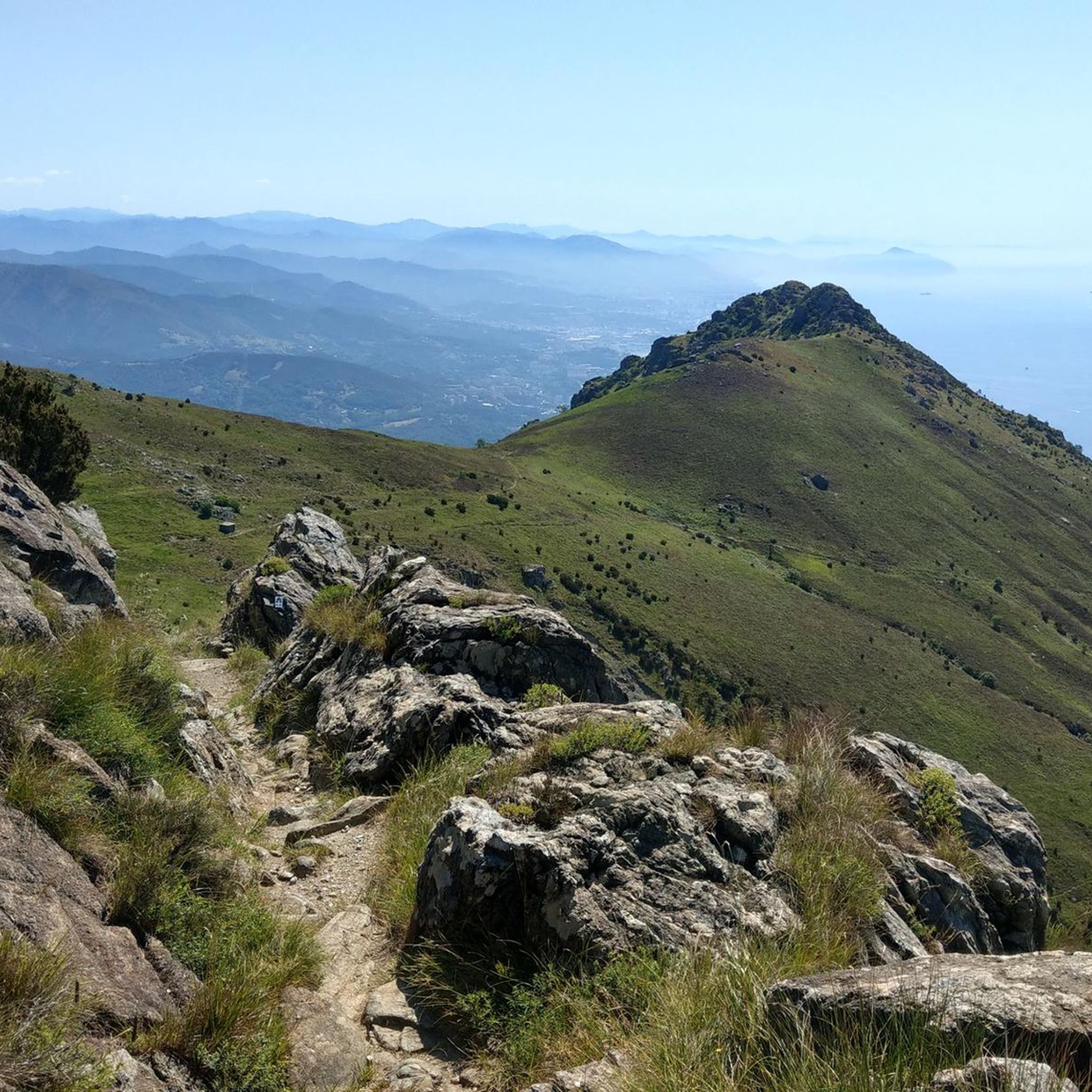
The park offers diverse landscapes, from coastal hills to higher peaks. You can expect panoramic views of the Ligurian Sea and the Apennines. Notable natural landmarks include summits like Monte Reixa, Rocca Vaccaria, and the iconic Monte Beigua itself. You might also encounter historical bridges such as the Medieval Bridge and Monumental Oak Tree, Tiglieto.
Can I hike to Monte Beigua?
Yes, hiking to Monte Beigua is a popular objective for many visitors. The summit offers expansive views and is a significant landmark within the park. There are various routes that lead to or pass by Monte Beigua, catering to different fitness levels. One challenging option is the Monte Reixa e Passo della Gava – loop tour, which includes significant elevation.
Are there any huts or places to stop for refreshments along the trails?
Yes, there are several huts and shelters within or near Parco Naturale Regionale del Beigua that can serve as rest stops or places for refreshments. These include Argentea Hut, Rifugio Pratorotondo, and Sambugo Mountain Hut. These can be excellent points to break up a longer hike.
What is the best time of year to go hiking in Parco Naturale Regionale del Beigua?
The best time for hiking in Parco Naturale Regionale del Beigua is generally from spring to autumn (April to October). During these months, the weather is typically mild and pleasant, with blooming wildflowers in spring and vibrant foliage in autumn. Summer offers warmer temperatures, ideal for higher elevations, but can be hot at lower altitudes. Always check local weather forecasts before heading out.
Is winter hiking possible in Parco Naturale Regionale del Beigua?
Winter hiking is possible in Parco Naturale Regionale del Beigua, especially at lower elevations. However, higher areas, particularly around Monte Beigua, can experience snow and ice, requiring appropriate gear like snowshoes or microspikes. Conditions can change rapidly, so it's crucial to check weather forecasts and trail conditions before attempting winter hikes and to be prepared for colder temperatures and shorter daylight hours.
What do other hikers say about their experience in Parco Naturale Regionale del Beigua?
The hiking trails in Parco Naturale Regionale del Beigua are highly rated by the komoot community, with an average score of 4.5 stars from over 1,300 reviews. Hikers often praise the diverse landscapes, from Mediterranean scrub to dense woodlands, and the well-maintained paths that offer options for various ability levels. Many appreciate the expansive views and the sense of tranquility found within the park.
Can I bring my dog on the hiking trails in Parco Naturale Regionale del Beigua?
Generally, dogs are allowed on trails in Parco Naturale Regionale del Beigua, provided they are kept on a leash. This is important for the safety of your pet, other hikers, and the local wildlife. Always ensure you clean up after your dog to preserve the natural environment. Specific restrictions might apply in certain protected areas or during particular seasons, so it's always good to check local signage.
What wildlife might I encounter in Parco Naturale Regionale del Beigua?
Parco Naturale Regionale del Beigua is a UNESCO Global Geopark, rich in biodiversity. Hikers might spot various bird species, including birds of prey like the short-toed eagle. Mammals such as wild boars, roe deer, and even wolves are present, though they are often shy and elusive. Keep an eye out for reptiles and amphibians, especially near water sources, and enjoy the diverse insect life.
What should I wear for hiking in Parco Naturale Regionale del Beigua?
Given the varied terrain and elevations, layering is key. Wear moisture-wicking base layers, insulating mid-layers, and a waterproof/windproof outer shell. Sturdy hiking boots with good ankle support are essential. Don't forget sun protection (hat, sunglasses, sunscreen), a backpack with water, snacks, a map, and a first-aid kit. In cooler months, gloves and a warm hat are advisable.
Most popular routes around Parco Naturale Regionale del Beigua
Most popular attractions around Parco Naturale Regionale del Beigua

Get inspired with the komoot mobile app


Explore more
Browse the best Hikes in other regions.
