The best walks and hikes around Pulianas
4.6
(1371)
8,546
hikers
403
hikes
Hiking around Pulianas offers access to a diverse landscape, characterized by smooth hilly terrain to the north and northwest, contrasting with a vast flat area to the south and southwest. This municipality, located near Granada city, serves as a starting point for exploring the varied natural parks and hiking opportunities of the wider Granada province. The local terrain includes gentle slopes and open plains, with the Juncaril stream providing a natural division.
Best hiking trails around Pulianas
- The most popular hiking route is Carrera del Darro – Plaza Nueva, Granada loop from Maracena, a 7.1 miles (11.5 km) trail that takes 3 hours 5 minutes to complete, offering urban exploration through historic Granada.
- Another top favourite among local hikers is Plaza de la Trinidad 🌳 Granada – Granada Cathedral loop from Argentinita, an easy 4.4 miles (7.1 km) path, showcasing city landmarks and cultural sites.
- Local hikers also love the Carrera del Darro – Bazar Calle Calderería Nueva loop from Comarca de la Vega de Granada, a 5.3 miles (8.5 km) trail leading through historic areas of Granada, often completed in about 2 hours 19 minutes.
- Hiking around Pulianas is defined by its proximity to both urban walks and the diverse landscapes of the Granada province, including the foothills of the Sierra Nevada and the Sierra de Huétor Natural Park. The network offers options for different ability levels, from easy strolls to more demanding mountain trails.
- The routes in Pulianas are highly rated by the komoot community with an average score of 4.5 stars from more than 1400 reviews. More than 9000 hikers have used komoot to explore Pulianas's varied terrain.
Last updated: July 4, 2026
5.0
(1)
29
hikers
Easy hike. Great for any fitness level. Easily-accessible paths. Suitable for all skill levels.
9
hikers
9.96km
02:42
150m
150m
Moderate hike. Good fitness required. Easily-accessible paths. Suitable for all skill levels.

Sign up for free
5.0
(2)
9
hikers
8.41km
02:11
50m
50m
Moderate hike. Good fitness required. Easily-accessible paths. Suitable for all skill levels.
3.0
(1)
8
hikers
10.2km
02:39
60m
60m
Moderate hike. Good fitness required. Easily-accessible paths. Suitable for all skill levels.
10
hikers
8.34km
02:15
100m
100m
Moderate hike. Good fitness required. Easily-accessible paths. Suitable for all skill levels.
Get access to more routes and recommendations from other explorers.
Sign up for free
Already have an account?
Our route recommendations are based on thousands of hikes, rides, and runs completed by other people on komoot.
Start today with a free account
Your next adventure awaits.
Login or Signup
Tips from the Community


I can only agree with Cathrin, very nice small narrow alley with many vendors presenting their goods but not being pushy.
1
0

The Royal Chapel is located in the heart of the historic center, next to the Cathedral, on Calle Oficios. It is the mausoleum of the Catholic Monarchs, Isabella I of Castile and Ferdinand II of Aragon, as well as their daughter Joanna I and her husband Philip the Handsome. Infante Miguel de la Paz is also buried here.
12
1
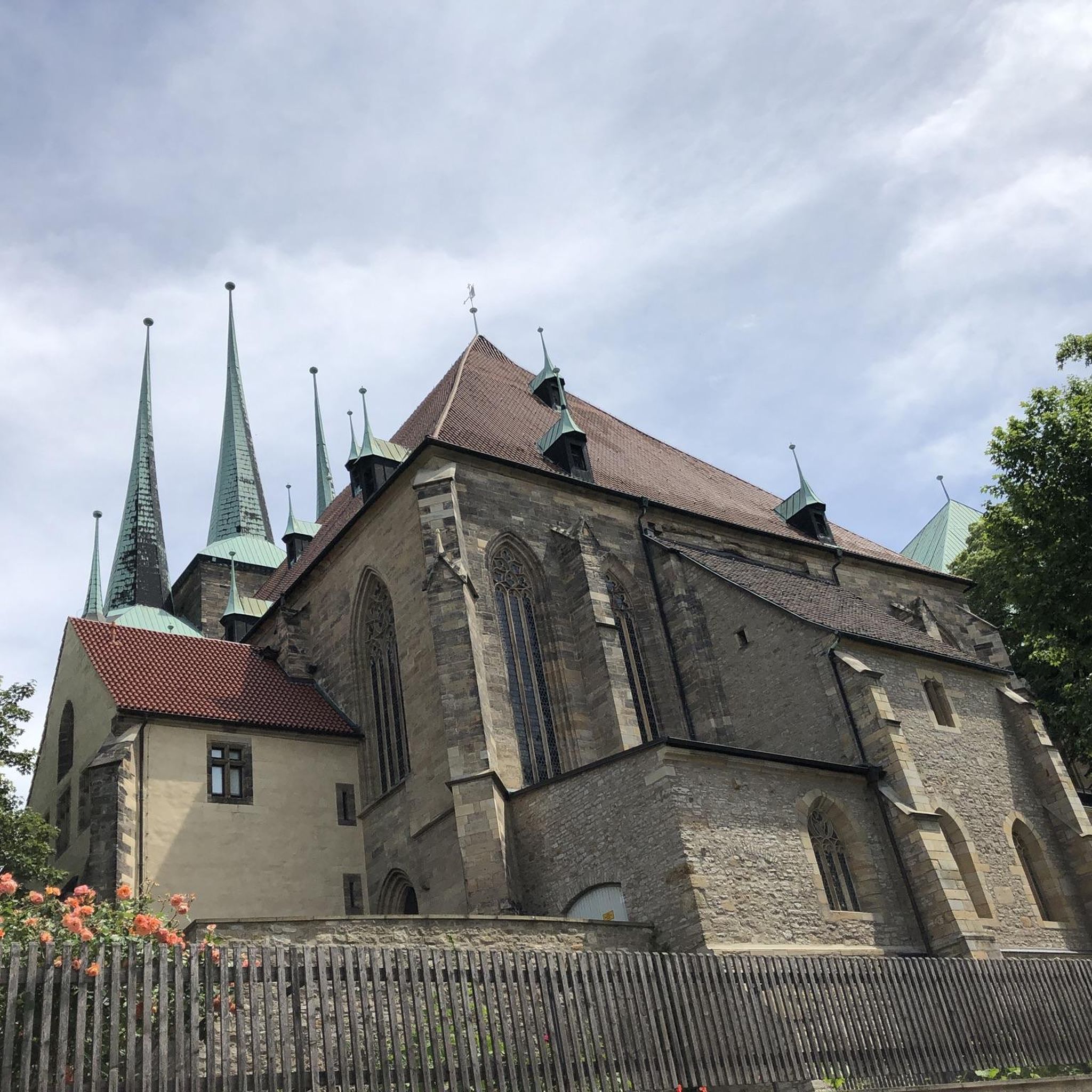
Construction of the Cathedral began in 1523 under an initial Gothic design led by Enrique Egas. In 1528, Diego de Siloé took over and transformed the project into a grand Renaissance masterpiece, making it one of the most important cathedrals of the Spanish Renaissance. Construction continued into the 18th century, and its Baroque façade was designed by Alonso Cano in 1667. It is the first great Renaissance cathedral in Spain and a masterpiece of Spanish art.
12
1
Walking to the end of Mesones and Alhóndiga streets in the city of Granada, we find ourselves at Plaza de la Trinidad, a small square full of trees and with a large fountain in the center.
2
0

The Royal Chapel of Granada was commissioned by the Catholic Monarchs in the early 16th century and chosen as their personal pantheon. Beneath its vaults rest Isabella and Ferdinand, along with Joanna the Mad and Philip the Handsome. Above are the tombs of Isabella and Ferdinand, carved in Carrara marble. Below, you can descend to the crypt to see their coffins. Tickets can be purchased for entry to the Royal Chapel only or a combined ticket that also includes admission to the cathedral: https://ticketsgranadacristiana.com/?utm_source=chatgpt.com
2
1
Granada Cathedral is considered a jewel of the Spanish Renaissance and a must-see in the city. Unique architecture: a fusion of Gothic and Renaissance styles, with contributions from Diego de Siloé and Alonso Cano. Highlights include the Porte del Perdón (Forgiveness Portal), the Main Chapel, and the Plateresque choir stalls.
12
1

Frequently Asked Questions
How many hiking trails are available around Pulianas, and what are their difficulty levels?
Pulianas offers a wide variety of hiking trails, with over 370 routes available. These cater to different fitness levels, including approximately 140 easy trails, 185 moderate routes, and 49 more challenging hikes. This diversity allows for exploration of both the local hilly terrain and the broader Granada province.
Are there any family-friendly hiking options near Pulianas?
Yes, there are several family-friendly options. For an easy urban stroll that showcases city landmarks, consider the Plaza de la Trinidad 🌳 Granada – Granada Cathedral loop from Argentinita, which is 4.4 miles (7.1 km) long. The local terrain around Pulianas also features gentle slopes and flat areas suitable for families with younger children.
What kind of natural landscapes can I expect to see while hiking around Pulianas?
Hiking around Pulianas offers access to a diverse range of natural landscapes. Locally, you'll find smooth, hilly terrain to the north and northwest, contrasting with vast flat areas to the south and southwest, divided by the Juncaril stream. Further afield, Pulianas serves as a gateway to the rugged peaks of the Sierra Nevada, the picturesque 'White Towns' of the Alpujarra region, and the lush greenery of the Sierra de Baza Natural Park. You can also find unique 'badlands' landscapes with eroded clay formations east of Pulianas, part of a UNESCO Global Geopark.
Are there any circular hiking routes available from Pulianas?
Yes, many routes around Pulianas are designed as loops. For example, the Carrera del Darro – Plaza Nueva, Granada loop from Maracena is a popular 7.1-mile (11.5 km) trail offering urban exploration through historic Granada. Another option is the Carrera del Darro – Bazar Calle Calderería Nueva loop from Comarca de la Vega de Granada, a 5.3-mile (8.5 km) route through historic areas.
What are some interesting landmarks or points of interest to explore near Pulianas?
Beyond the trails, the region around Pulianas is rich in cultural and natural landmarks. You can explore historical sites in Granada, or venture to natural monuments. Notable peaks include Cerro del Sol Summit and Cruz de Víznar. The area also features fascinating caves, such as the Sacromonte Caves Museum and the Cave of the Marbles, offering a glimpse into the region's unique geology and history.
What do other hikers enjoy most about hiking in Pulianas?
The hiking trails around Pulianas are highly rated by the komoot community, with an average score of 4.5 stars from over 1400 reviews. Hikers often praise the diverse terrain, which ranges from gentle urban paths to more challenging mountain trails, and the convenient access to both the historic city of Granada and the stunning natural parks of the wider province.
Are there any dog-friendly hiking trails in the Pulianas area?
While specific dog-friendly designations for local Pulianas trails are not always explicit, many natural paths and rural routes in the broader Granada province are suitable for dogs, provided they are kept under control. When hiking in natural parks or protected areas like the Sierra Nevada, always check local regulations regarding dogs, especially concerning wildlife protection.
What is the best time of year to go hiking around Pulianas?
Andalusia generally offers pleasant year-round temperatures, making hiking enjoyable throughout most of the year. Spring (March-May) and autumn (September-November) are particularly ideal, with mild weather and vibrant landscapes. Even in winter, the lower-altitude trails are often accessible, while higher Sierra Nevada routes might require specific gear like snowshoes. Summers can be hot, so early morning or late afternoon hikes are recommended during this season.
Are there hiking trails near Pulianas that offer good viewpoints?
Yes, the diverse topography around Pulianas and its proximity to mountainous regions provide numerous opportunities for scenic viewpoints. The hilly northern sections of Pulianas itself offer elevated perspectives. Further afield, areas like Peña de Castril provide exceptional views, and the 'badlands' east of Pulianas offer panoramic vistas towards the Sierra Nevada. For a classic view, the View of the Alhambra and Granada from the Albayzín Cave Dwellings is a must-see.
Are there any permits required for hiking in the natural parks near Pulianas, such as the Sierra Nevada?
For general hiking on marked trails in natural parks like the Sierra Nevada, permits are typically not required. However, for specific activities such as climbing, guided snowshoeing tours, or accessing certain restricted areas, permits or prior registration might be necessary. It's always advisable to check the official websites of the specific natural park you plan to visit for the most up-to-date regulations before your trip.
Can I find cafes or restaurants near the hiking trails in Pulianas?
Pulianas itself is a charming municipality with local amenities, so you can find cafes and restaurants within the town. For trails that venture into Granada city, such as the Plaza Nueva, Granada – Carrera del Darro loop from Maracena, you'll have abundant options for refreshments and meals along the route or in the city center.
Most popular attractions around Pulianas

Get inspired with the komoot mobile app


Explore more
Browse the best Hikes in other regions.
