The best cycling routes around Paratge Natural d'Interès Nacional de l'Albera
4.4
(1982)
19,713
riders
537
rides
Touring cycling around Paratge Natural d'Interès Nacional de l'Albera offers diverse landscapes, transitioning between Pyrenean and Mediterranean ecosystems. The western area features central European vegetation with beech and oak forests, while the eastern zone presents Mediterranean cork oaks and scrubland. The region includes mountain peaks, such as Puig Neulós at 1257 meters, providing varied terrain for cyclists. This natural park forms a border between France and Spain, characterized by varied inclines and diverse environments.
Best touring cycling routes around Paratge…
Last updated: July 12, 2026
4.0
(4)
21
riders
28.9km
02:04
580m
580m
Hard bike ride. Very good fitness required. Mostly paved surfaces. Suitable for all skill levels.
4.0
(6)
20
riders
18.1km
01:23
460m
460m
This difficult 11.2-mile touring cycling route around Collioure offers sea and mountain views, with 1495 feet of elevation gain.

Sign up for free
5.0
(2)
6
riders
58.4km
03:56
540m
540m
This difficult 36.3-mile touring cycling route near Paralada offers challenging terrain, river views, and historic sites like Sant Quirze de
4.8
(11)
143
riders
53.6km
03:36
830m
830m
Hard bike ride. Very good fitness required. Mostly paved surfaces. Suitable for all skill levels.
4.8
(10)
131
riders
47.0km
03:21
900m
900m
Hard bike ride. Very good fitness required. Mostly paved surfaces. Suitable for all skill levels.
Get access to more routes and recommendations from other explorers.
Sign up for free
Already have an account?
Our route recommendations are based on thousands of hikes, rides, and runs completed by other people on komoot.
Start today with a free account
Your next adventure awaits.
Login or Signup
Popular around Paratge Natural d'Interès Nacional de l'Albera
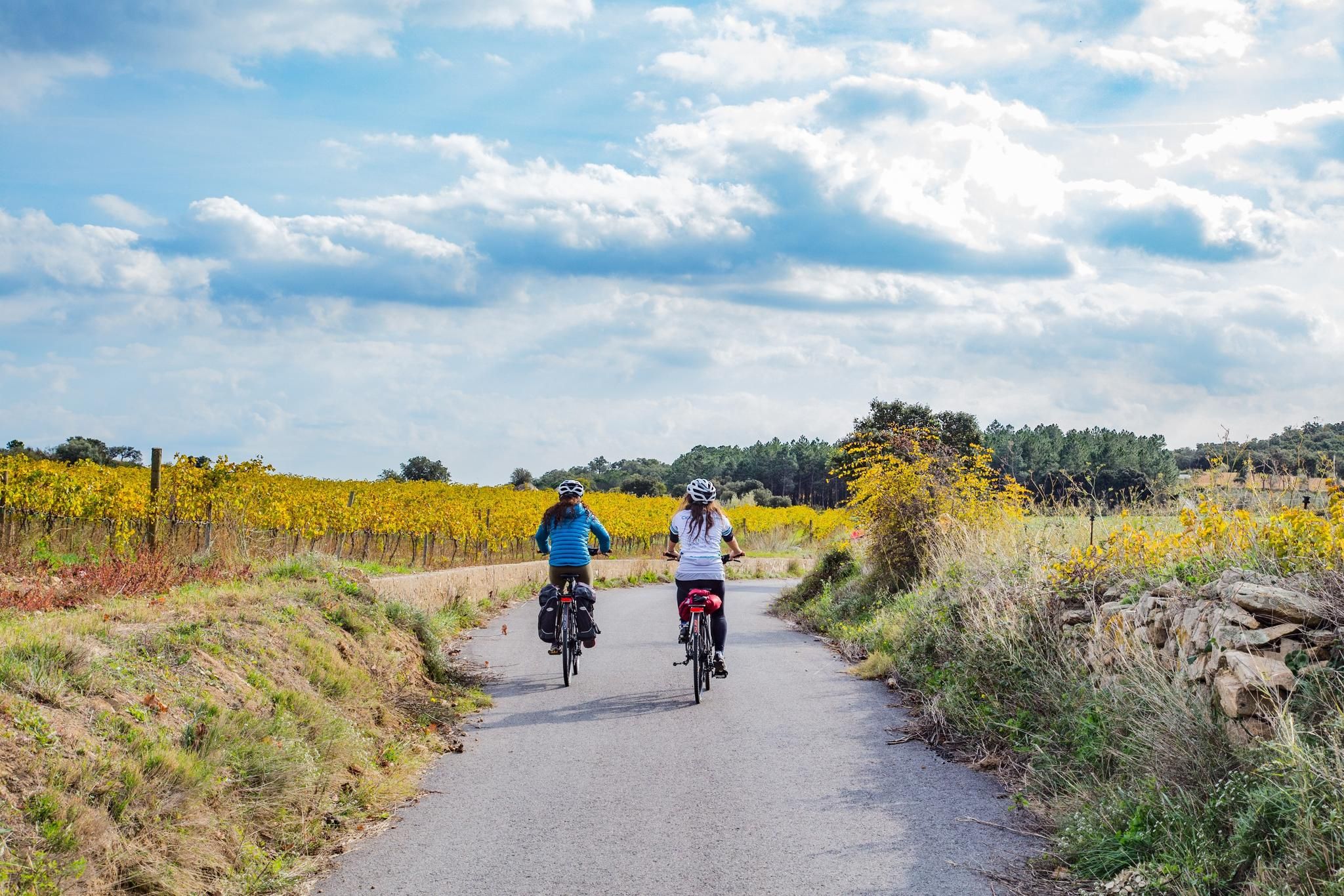
A journey from the Pyrenees to the Costa Brava – Pirinexus Route
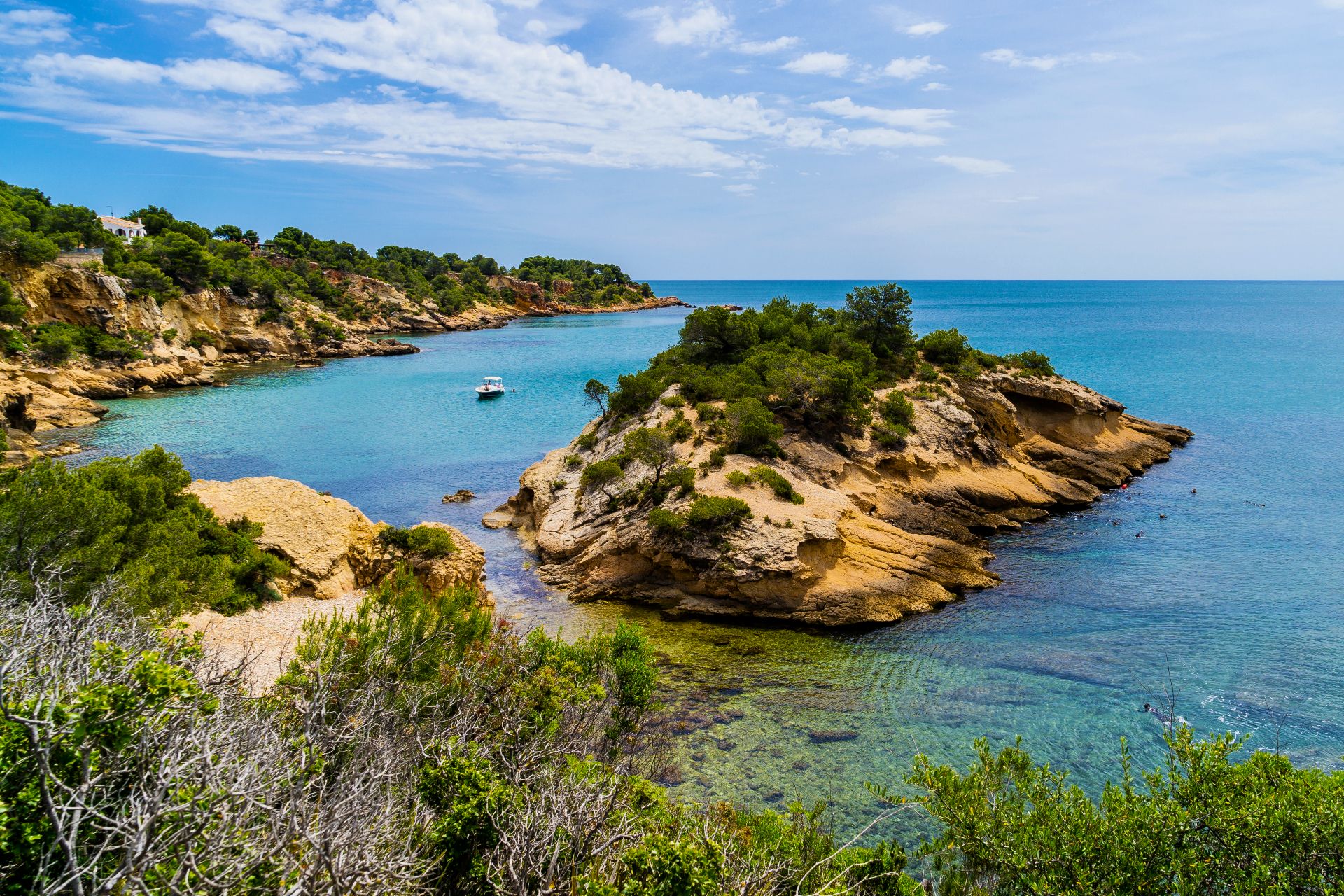
The Catalan coast on foot – Mediterranean Path (GR 92)
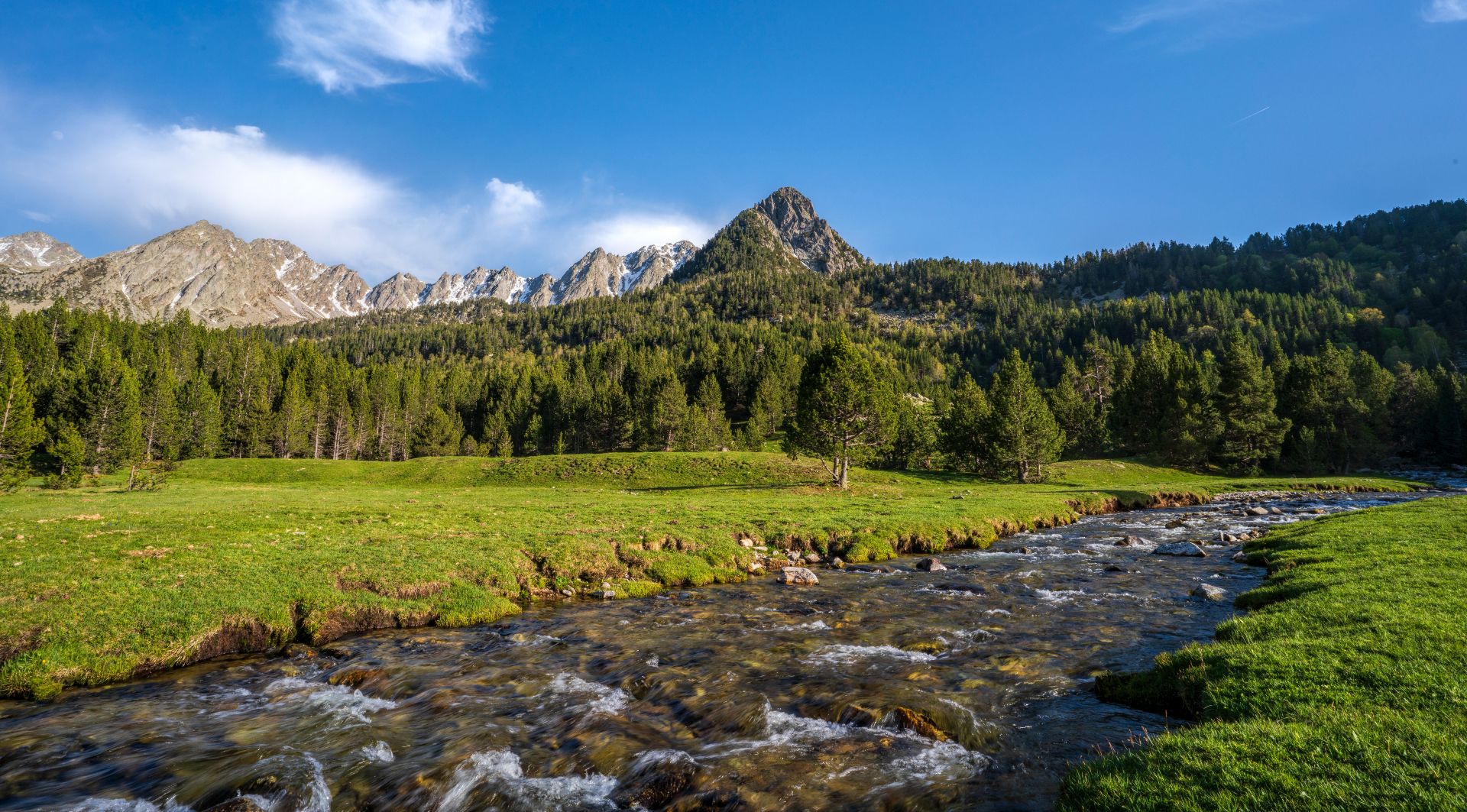
Catalonia and Andorra on the Pyrenean Trail – GR 11
Road Cycling Routes around Paratge Natural d'Interès Nacional de l'Albera
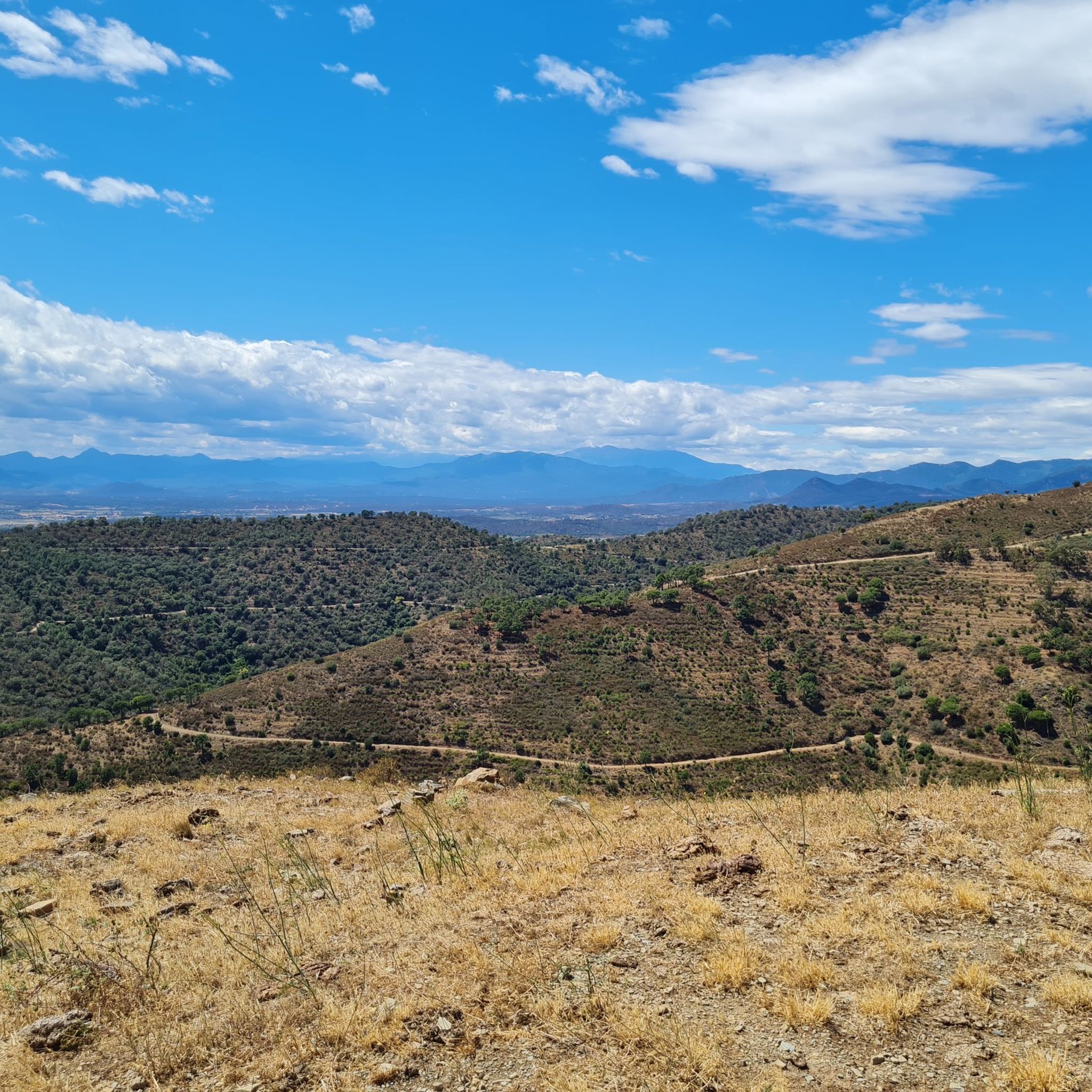
MTB Trails around Paratge Natural d'Interès Nacional de l'Albera
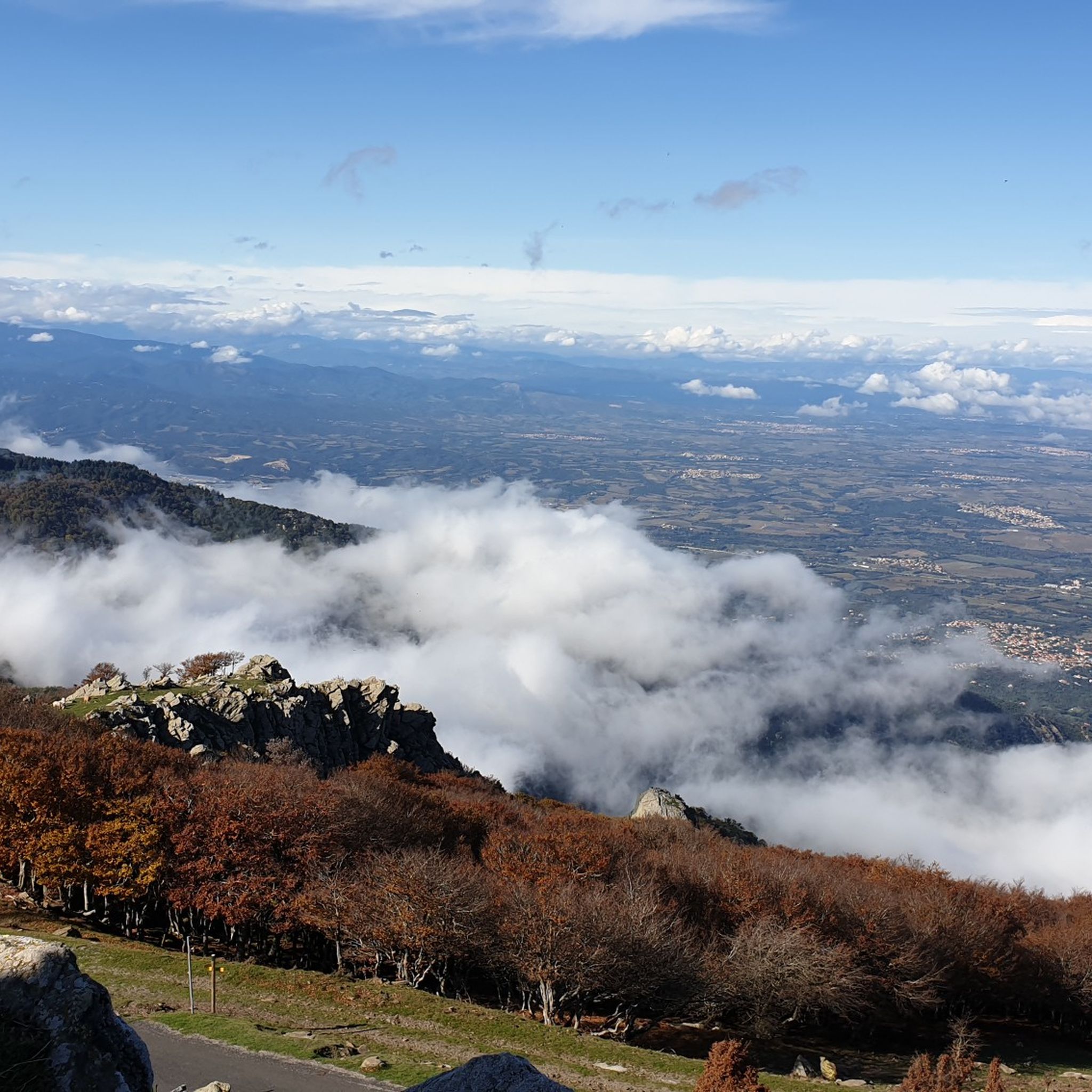
Hiking around Paratge Natural d'Interès Nacional de l'Albera
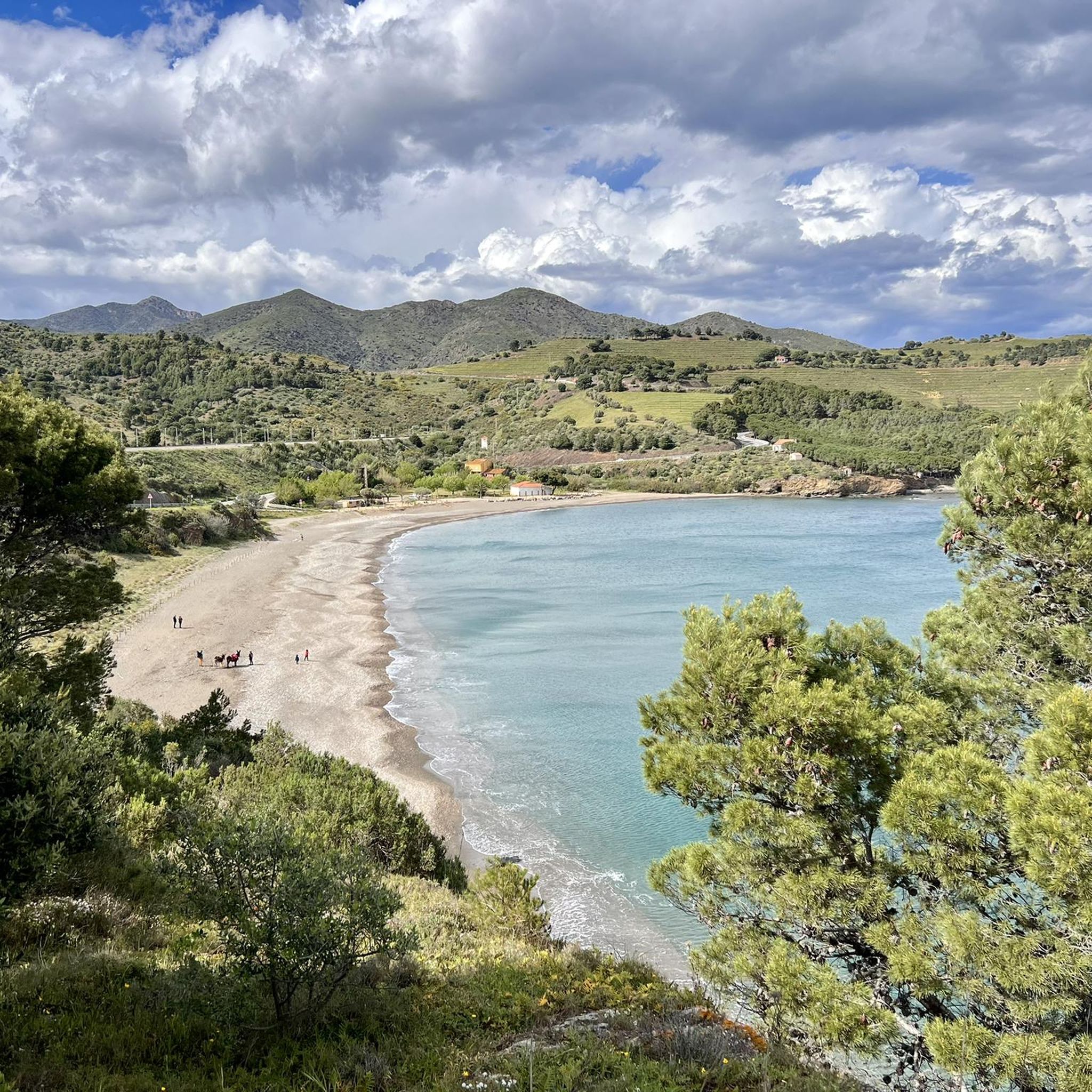
Running Trails around Paratge Natural d'Interès Nacional de l'Albera
Gravel biking around Paratge Natural d'Interès Nacional de l'Albera

Mountain Hikes around Paratge Natural d'Interès Nacional de l'Albera
Other adventures around Paratge Natural d'Interès Nacional de l'Albera


Tips from the Community

Always a wonderful experience 👍
0
0

small bathing bay
0
0

Beautiful views of the rustic landscape of the Costa Brava away from the beaches
0
0
Nice, not too difficult climb, but the road is very busy on weekends
0
0

Beautiful views of the Mar d'Amunt with views of Llançà, Port de la Selva and Cap de Creus.
1
0

Beautiful climb to Spain
0
0
Short stop to contemplate the bay
0
0

A look back, so to speak, reveals the most important sites in Portbou, the cemetery, and the Walter Benjamin memorial. Between 1934 and 1944, the Spanish town of Portbou on the Costa Brava was a gathering point for German and French emigrants. The German philosopher and literary critic Walter Benjamin also fled across the Pyrenees to the border town on September 25 and 26, 1940, accompanied by Lisa and Hans Fittko. Between 1934 and 1944, the Spanish town of Portbou on the Costa Brava was a gathering point for German and French emigrants. The German philosopher and literary critic Walter Benjamin also fled across the Pyrenees to the border town on September 25 and 26, 1940, accompanied by Lisa and Hans Fittko. From there, Benjamin, who had a visa for the USA, wanted to travel on to Lisbon. Due to a heart condition, he could only make the journey very slowly. The refugees were denied entry to Portbou in accordance with a newly issued Spanish government decree. The Spanish authorities therefore denied him entry and wanted to send him back to France, where he faced arrest by the Gestapo. On the night before his deportation, September 26-27, Benjamin committed suicide by overdosing on morphine at the Hotel "Francia de Portbou." His body was buried in the local cemetery. In 1989, at the suggestion of Federal President Richard von Weizsäcker, the Federal Foreign Office and the Federal Ministry of the Interior commissioned the Association of Independent Cultural Institutes (AsKI) to plan, organize, and realize a memorial site for Walter Benjamin.
0
0
Frequently Asked Questions
What kind of terrain can I expect when touring cycling in Paratge Natural d'Interès Nacional de l'Albera?
The region offers a diverse range of terrain. You'll find a transition from Pyrenean to Mediterranean ecosystems, with the western area featuring lush beech and oak forests, while the eastern zone presents Mediterranean cork oaks and scrubland. Routes often include varied inclines, from challenging mountainous sections with significant elevation gain to more moderate paths, and can feature quiet inland tracks, picturesque groves, and agricultural areas. Some segments might be unpaved, adding to the adventure.
Are there any circular touring cycling routes in Paratge Natural d'Interès Nacional de l'Albera?
Yes, there are several circular routes available. A notable option is the Albera Massif Loop, which is 36.3 miles (58.4 km) long and takes you through diverse forests and mountainous terrain.
What are some interesting landmarks or natural features to see along the touring cycling routes?
The area is rich in natural and historical attractions. You can encounter significant mountain peaks like Puig Neulós, which offers expansive panoramic views. Other points of interest include the historic Banyuls Pass, and the scenic Garbet Beach. The region also boasts the highest density of megalithic monuments in Catalonia, such as dolmens and menhirs, and significant Romanesque art, including the 8th-century Benedictine monastery of Sant Quirze de Colera.
What is the best time of year for touring cycling in Paratge Natural d'Interès Nacional de l'Albera?
The region's climate, transitioning between Pyrenean and Mediterranean, generally offers pleasant conditions for cycling. Spring and autumn are often ideal, providing milder temperatures and beautiful scenery as the vegetation changes. Summers can be warm, especially in the Mediterranean zones, while winters might be cooler, particularly at higher elevations.
Are there any touring cycling routes suitable for families or beginners?
While many routes feature varied inclines and challenging sections, there are also easier options. Out of over 580 touring cycling routes in the area, approximately 136 are rated as easy, providing more gentle paths suitable for families or those new to touring cycling. These routes often explore agricultural areas or less strenuous inland tracks.
How many touring cycling routes are available in Paratge Natural d'Interès Nacional de l'Albera?
There are over 580 touring cycling routes available in Paratge Natural d'Interès Nacional de l'Albera, catering to various fitness levels and preferences.
What do other touring cyclists enjoy most about cycling in Paratge Natural d'Interès Nacional de l'Albera?
The area is highly rated by the komoot community, with an average score of 4.5 stars from over 1600 reviews. Cyclists often praise the diverse landscapes, from lush forests to Mediterranean scrubland, the stunning coastal views on routes like Cerbère to Collioure, and the variety of terrain that offers both challenging climbs and scenic, moderate paths.
Are there routes that offer coastal views?
Yes, several routes provide spectacular coastal views. For example, the Côte Vermeille Coastal Road: Banyuls-sur-Mer to Cerbère offers scenic coastal views and challenging sections along the Mediterranean. Another option is Cerbère to Collioure, which also features coastal vistas along the Côte Vermeille.
Can I find challenging touring cycling routes with significant elevation gain?
Absolutely. The region is known for its mountainous terrain, especially in the western area. Routes like Former French Border Post – View of the Bay at Cap Ras loop from Cerbère, with over 900 meters of elevation gain, offer demanding climbs and descents. The presence of peaks like Puig Neulós ensures plenty of opportunities for significant elevation changes.
Are there any historical sites accessible by touring bike?
Yes, the region is rich in historical sites. You can cycle to locations near the 12th-century Castell de Requesens, an imposing castle nestled amidst dense oak and beech forests. The 8th-century Benedictine monastery of Sant Quirze de Colera, a jewel of Catalan Romanesque art, is also within reach on some routes, such as the Monastery of Sant Pere de Rodes – El Port de la Selva loop from Colera.
What kind of natural environments will I experience on a touring bike in this park?
You'll experience a fascinating blend of natural environments. The western part, Requesens-Baussitges, features central European vegetation with lush beech and oak forests. As you move east towards Sant Quirze de Colera-Balmeta, the landscape transitions to a more Mediterranean character, dominated by cork oaks and scrubland. This ecological variety provides stunning and changing scenery throughout your ride.
Most popular routes around Paratge Natural d'Interès Nacional de l'Albera
Most popular attractions around Paratge Natural d'Interès Nacional de l'Albera

Get inspired with the komoot mobile app


Explore more
Browse the best Cycling routes in other regions.
