The best cycling routes around Palmera
4.5
(1017)
9,114
riders
234
rides
Touring cycling routes around Palmera offer a diverse landscape, ranging from flat coastal roads to agricultural lands, wetlands, and mountainous terrains. The region features a mix of paved and unpaved segments, providing varied cycling experiences. Notable areas include the historic Palmeral de Elche with its extensive palm groves and the routes around Gandia, which lead through river valleys and towards hills. This geographical variety supports a range of touring cycling routes suitable for different skill levels.
Best touring cycling routes…
Last updated: August 19, 2026
5.0
(2)
45
riders
66.0km
04:43
850m
850m
Hard bike ride. Very good fitness required. Mostly paved surfaces. Suitable for all skill levels.
5.0
(1)
25
riders
45.0km
03:17
790m
790m
Hard bike ride. Very good fitness required. Mostly paved surfaces. Suitable for all skill levels.

Sign up for free
21
riders
Easy bike ride. Great for any fitness level. Mostly paved surfaces. Suitable for all skill levels.
4.4
(7)
32
riders
40.7km
02:24
180m
180m
Moderate bike ride. Good fitness required. Mostly paved surfaces. Suitable for all skill levels.
17
riders
64.9km
04:42
1,030m
1,030m
Hard bike ride. Very good fitness required. Mostly paved surfaces. Suitable for all skill levels.
Get access to more routes and recommendations from other explorers.
Sign up for free
Already have an account?
Our route recommendations are based on thousands of hikes, rides, and runs completed by other people on komoot.
Start today with a free account
Your next adventure awaits.
Login or Signup
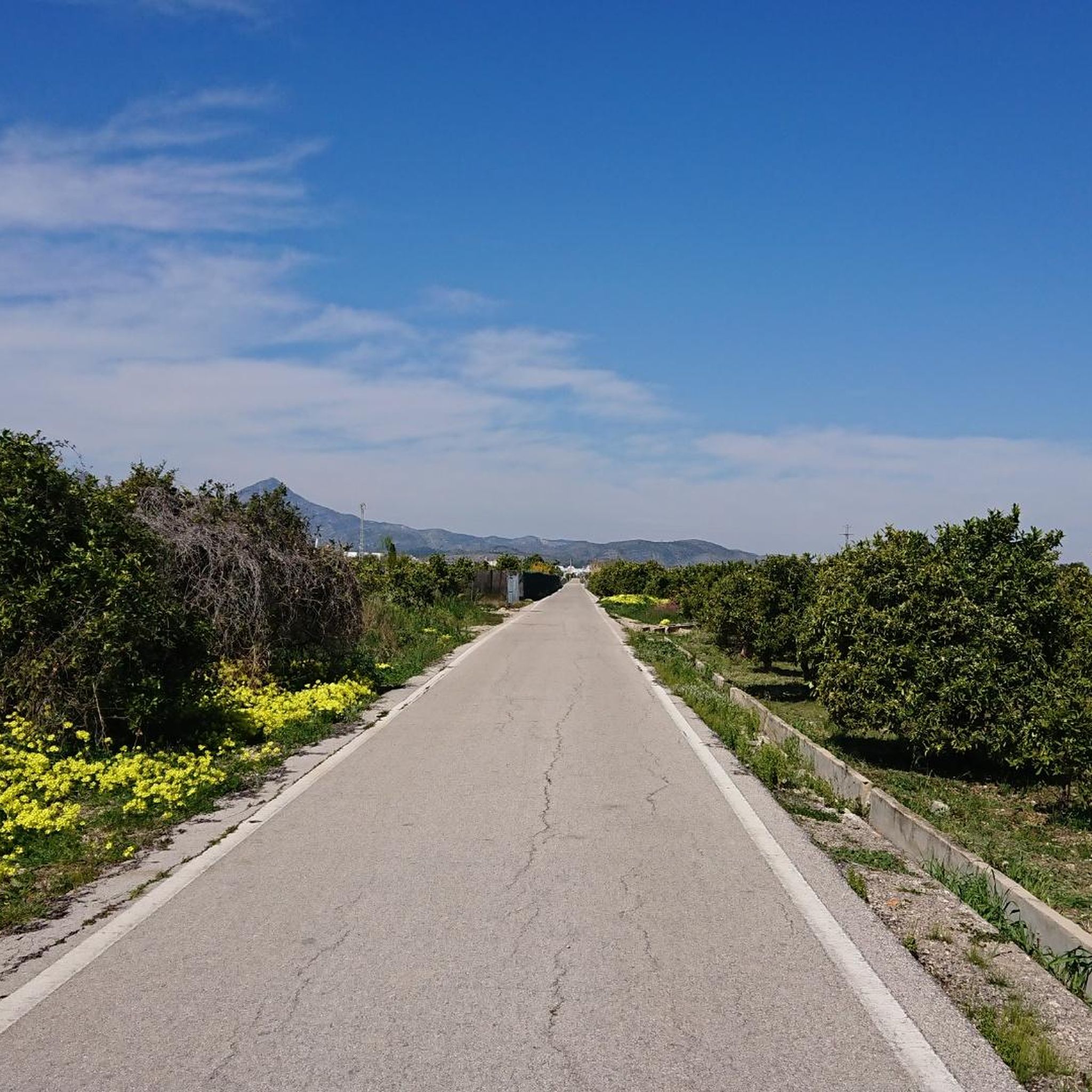
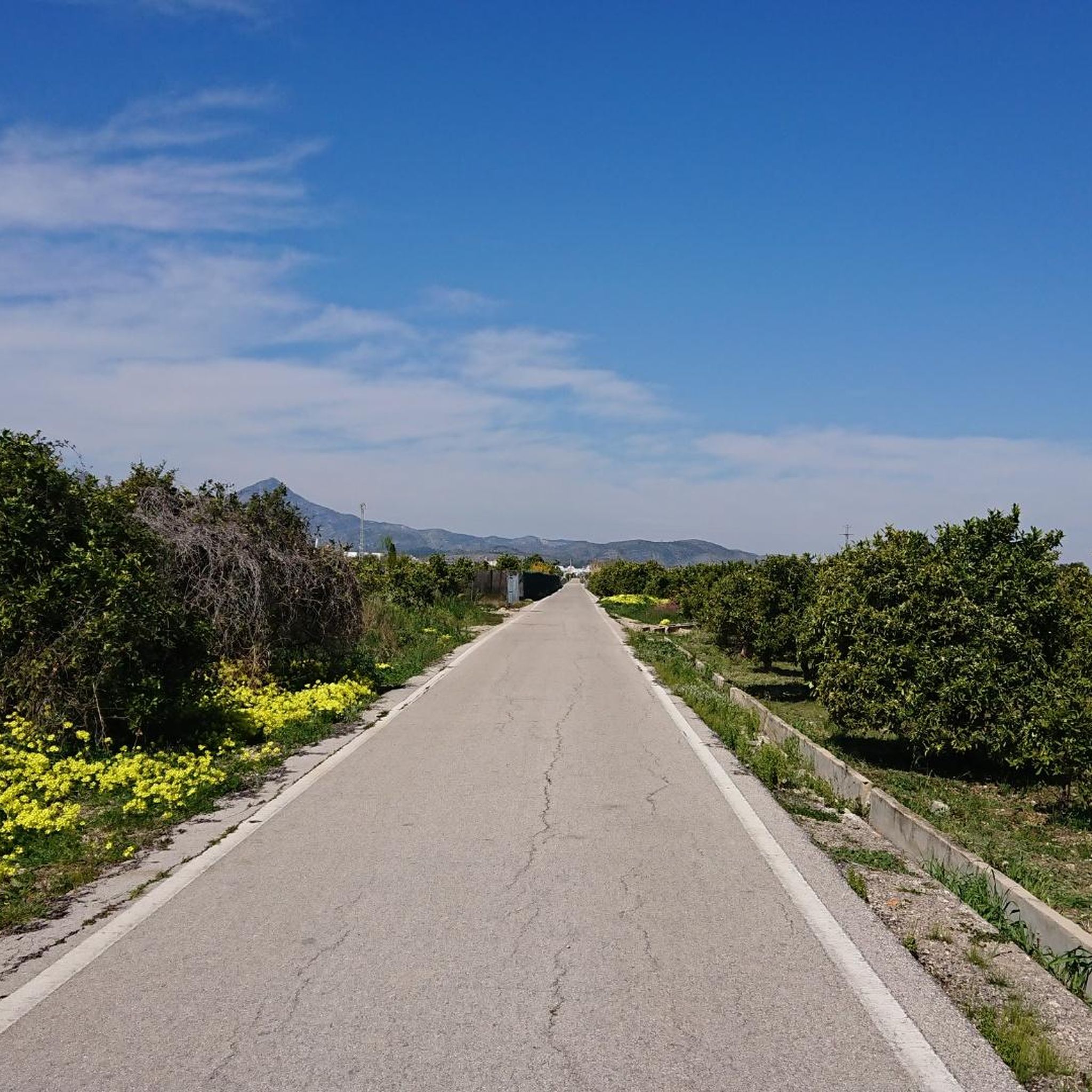
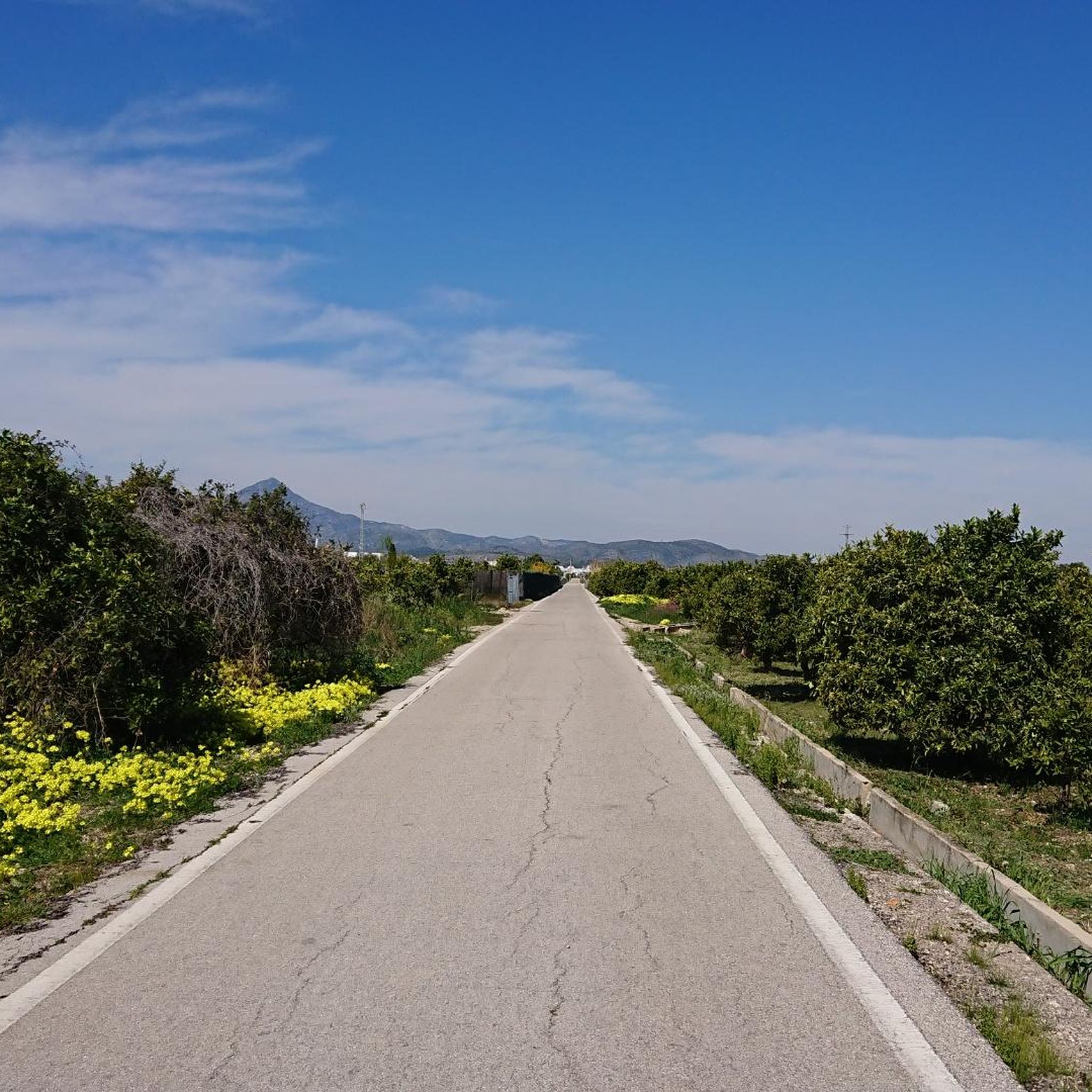

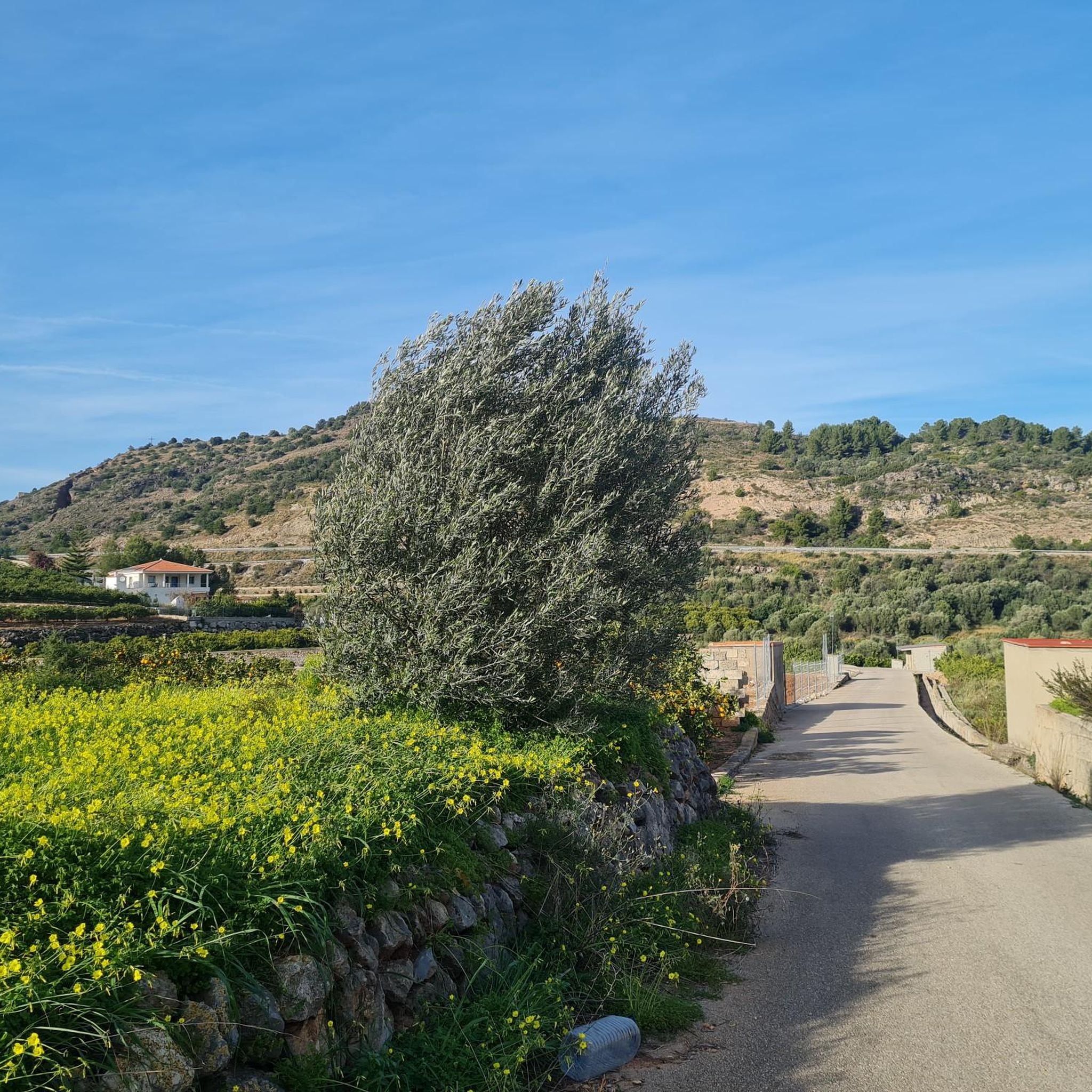
Tips from the Community

The Forna Castle is a feudal palace-fortress, built in the first half of the 15th century, which is part of the Valencian civil Gothic style. It is a quadrangular building with four towers at each corner and a two-level central courtyard, which provides access to all the castle's rooms. On the lower floor of Tower 2, one of the best sets of graffiti from the period can be seen, depicting scenes of chivalry and the sea. It is a monument of very high heritage value, protected by the Decree-Law of April 22, 1949, on the protection and inventory of all castles and military architecture, and therefore included as a Bien de Interés Cultural (Asset of Cultural Interest) in the Spanish Historical Heritage Law 16/85 in the second section of the additional provisions and Law 4/1998, of June 11, of the Generalitat Valenciana, of Valencian Heritage.
0
0
The Castillo de Forna is a feudal palace-fortress, built in the first half of the 15th century, which is part of the Valencian civil Gothic style. It is a quadrangular building with four towers at each corner and a central courtyard on two levels, which provides access to all the castle's dependencies. On the lower floor of Tower 2, one of the best collections of graffiti from the period can be seen, depicting scenes of chivalry and the sea. It is a monument of very high heritage value, protected by the Decree-Law of April 22, 1949, on the protection and inventory of all castles and military architecture, and therefore included as a Bien de Interés Cultural (Asset of Cultural Interest) in the Spanish Historical Heritage Law 16/85 in the second section of the additional provisions and the Law 4/1998, of June 11, of the Generalitat Valenciana on Valencian Heritage.
0
0

The L’Enginy Sugar Warehouse is one of Oliva's most unique historic buildings and a prominent example of Valencian industrial architecture from the 15th and 16th centuries. It was formerly part of the complex dedicated to the processing, purification, and storage of sugar cane, an activity that boosted the economic prosperity of the La Safor region during the Renaissance. Thanks to an innovative hydraulic system, considered a pioneer in the Iberian Peninsula, L’Enginy turned Oliva into an important sugar production center. Today, this restored building allows visitors to learn about the city's industrial past and is an essential visit to discover its historical heritage.
15
0
The Plaça de l’Ajuntament de Oliva is the heart of the historic center of Oliva and one of the city's most representative spaces. Surrounded by buildings of architectural interest and presided over by the statue of the admiral and mathematician Gabriel Ciscar, this square is a meeting point for locals and visitors, as well as the setting for markets, celebrations, and numerous cultural events. Its tranquil atmosphere and historical value make it an ideal place to stroll and discover the essence of Oliva.
15
0
The Church of Santa María la Mayor is one of the most emblematic monuments in Oliva and a magnificent example of Valencian architecture from the 17th and 18th centuries. Built on top of an old Gothic church, it combines Baroque and Neoclassical elements, highlighting its three naves, the bell tower, the Capilla del Rosario, and a spacious crypt located beneath the temple. Its interior, characterized by great sobriety and elegance, houses valuable pieces of goldsmithing and religious art, making it an essential visit for those who wish to discover the city's historical and cultural heritage.
14
0


Forna is a small, very quiet village in the municipality of L’Atzúbia, in the hinterland of the Costa Blanca. It lies nestled in a hilly, Mediterranean landscape characterized by orange groves and unspoiled valleys. With fewer than one hundred inhabitants, the village has an almost familial atmosphere and has retained its traditional, rural character: narrow streets, whitewashed houses, and flowers adorning doorways. Above the village rises the impressive Castillo de Forna, a fortified palace dating from the late Middle Ages. Its towers and walls define the village's appearance and are a reminder of the region's Moorish past. Later, the castle served as a lord's residence and remains a central landmark of Forna. The village's history stretches far back, as the area was already settled during the Islamic period. Even after the resettlement of new inhabitants in the 17th century, Forna remained a small, agricultural village that has preserved its historical structure. Visitors to Forna will experience a tranquil and charming place. The tranquility, the surrounding nature and the immediate proximity to the mountains make it an ideal destination for anyone seeking an authentic atmosphere and historical architecture away from mass tourism.
1
0
The Plaça de l'Ajuntament in Oliva is a worthwhile stop on a bike tour through the old town. The square is framed by elegant buildings, and at its center, the statue of Admiral Gabriel Ciscar y Ciscar, a prominent mathematician and co-creator of the metric system, commemorates one of the city's most famous sons. Thus, the square combines architectural beauty with historical depth—an ideal place to briefly hop off your bike and soak up the atmosphere.
7
1
Frequently Asked Questions
How many touring cycling routes are available in Palmera?
Palmera offers a wide variety of touring cycling routes, with over 240 options available. These routes cater to different skill levels, including more than 100 easy routes, 70 moderate routes, and 75 difficult routes for experienced cyclists.
What is the best time of year for touring cycling in Palmera?
The region benefits from an ideal climate for cycling year-round, with over 300 days of sunshine. However, the period from October to May is generally considered the best, offering pleasant temperatures for touring.
Are there easy touring cycling routes suitable for beginners or families in Palmera?
Yes, Palmera has over 100 easy touring cycling routes perfect for beginners and families. An excellent option is the Oliva Arch and Fountain Roundabout – Greenway of Safor loop from Miramar, an easy 13.2-mile (21.3 km) path that offers a gentle ride through the local landscape.
Are there challenging touring cycling routes for experienced cyclists in Palmera?
Absolutely. For experienced cyclists seeking a challenge, Palmera offers 75 difficult routes. A notable option is the Cyclist footbridge – Port of Gandia loop from Miramar, a 36.5-mile (58.7 km) trail with significant elevation gain, typically taking around 3 hours and 40 minutes to complete.
Can I find circular touring cycling routes in Palmera?
Yes, many touring cycling routes in Palmera are circular, allowing you to start and end at the same point. For example, the L'Atzúbia – Forna Castle loop from Miramar is a moderate 37.9 km route that offers a scenic circular tour.
What kind of terrain can I expect on touring cycling routes in Palmera?
Touring cycling routes in Palmera offer a diverse range of terrains. You can expect flat coastal roads, agricultural lands, wetlands, and challenging mountainous tracks. The region features a mix of paved and unpaved segments, providing varied cycling experiences.
What natural attractions can I explore along the touring cycling routes in Palmera?
Many routes pass through beautiful natural areas. You can cycle along the Greenway of Safor, explore the ecologically valuable wetlands of Marjal de Gandia, or discover natural monuments like The Salty Spring and the Natural area of the "Font Salà".
Are there cultural or historical landmarks to see while cycling in Palmera?
Yes, the region offers rich cultural exploration. You can cycle through the historic Palmeral de Elche, a UNESCO World Heritage site with over 200,000 palm trees. In Gandia, routes can lead you past landmarks like the Ducal Palace and the Collegiate Church of Santa María, or to Simat de la Valldigna to visit the Monastery of Santa María de la Valldigna.
Are there any routes that pass through unique natural areas like wetlands?
Yes, the region is known for its wetlands. The Marjal Route, for instance, winds through the ecologically valuable wetlands of Marjal de Gandia, providing opportunities to observe diverse flora and fauna. You can also find routes near the Marjal de la Safor Nature Reserve.
What do other touring cyclists say about the routes in Palmera?
The touring cycling routes in Palmera are highly rated by the komoot community, with an average score of 4.5 stars from over 950 reviews. More than 8,200 touring cyclists have used komoot to explore the area, often praising the diverse terrain and scenic coastal paths.
Are there any routes that offer coastal views?
Yes, Palmera features several routes along the coast. The Cyclist footbridge – Gandia Beach loop from Miramar is a popular 23.9-mile (38.5 km) trail leading through coastal areas, often completed in about 2 hours 27 minutes. The Paseo Marítimo Neptuno also offers a relaxed ride along Gandia Beach with Mediterranean Sea views.
Where can I find more information about cycling in the Gandia region?
For additional information about cycling opportunities and resources in the Gandia region, you can visit the official tourism website: visitgandia.com.
Most popular attractions around Palmera

Get inspired with the komoot mobile app


Explore more
Browse the best Cycling routes in other regions.
