National Park Sierra de Huétor
National Park Sierra de Huétor
The best road cycling routes around National Park Sierra de Huétor
4.3
(635)
21,509
riders
134
rides
Road cycling around National Park Sierra de Huétor offers diverse landscapes and varied terrain, characterized by undulating, forest-clad hills and rewarding ascents. The region features rugged terrain with elevations ranging from 900 to nearly 2,000 meters above sea level, including rocky outcrops, lush forests, and rolling meadows. Cyclists can find routes with significant elevation gain on well-paved surfaces, alongside sections of state roads and designated cycleways.
Best road cycling routes around National Park Sierra de Huétor
- The most popular road…
Last updated: October 17, 2026
67
riders
22.2km
01:21
550m
550m
Moderate road ride. Good fitness required. Mostly well-paved surfaces and easy to ride.
8
riders
38.8km
02:17
970m
970m
Hard road ride. Very good fitness required. Mostly well-paved surfaces and easy to ride.

14
riders
55.9km
02:24
410m
410m
Moderate road ride. Good fitness required. Mostly well-paved surfaces and easy to ride.
4
riders
70.9km
03:19
840m
830m
Moderate road ride. Good fitness required. Mostly well-paved surfaces and easy to ride.
11
riders
26.7km
01:35
680m
680m
Moderate road ride. Good fitness required. Mostly well-paved surfaces and easy to ride.
Get access to more routes and recommendations from other explorers.
Already have an account?
Our route recommendations are based on thousands of hikes, rides, and runs completed by other people on komoot.
Start today with a free account
Your next adventure awaits.
Popular around National Park Sierra de Huétor
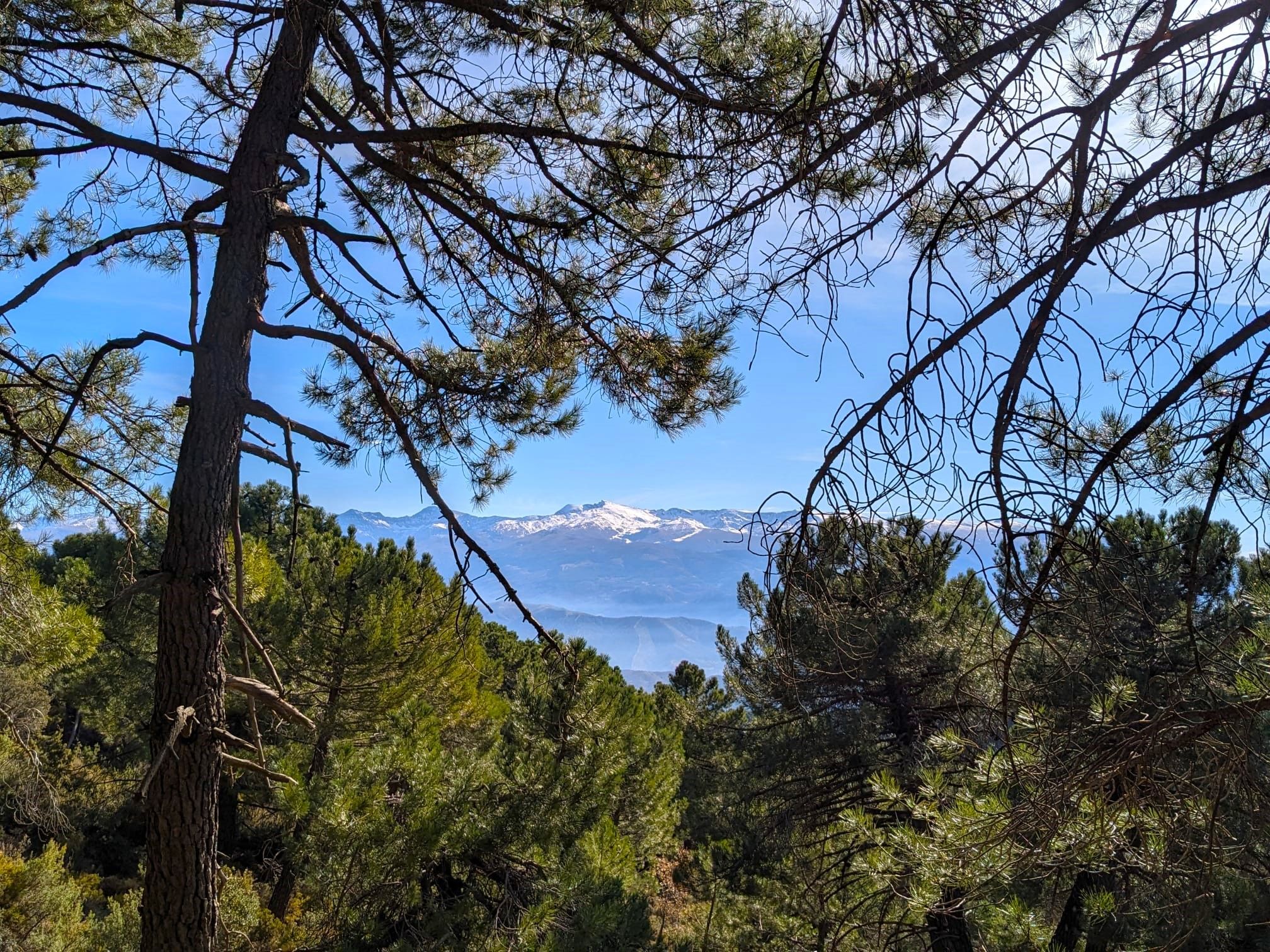
La Vega de Granada – walks a stone's throw from the city
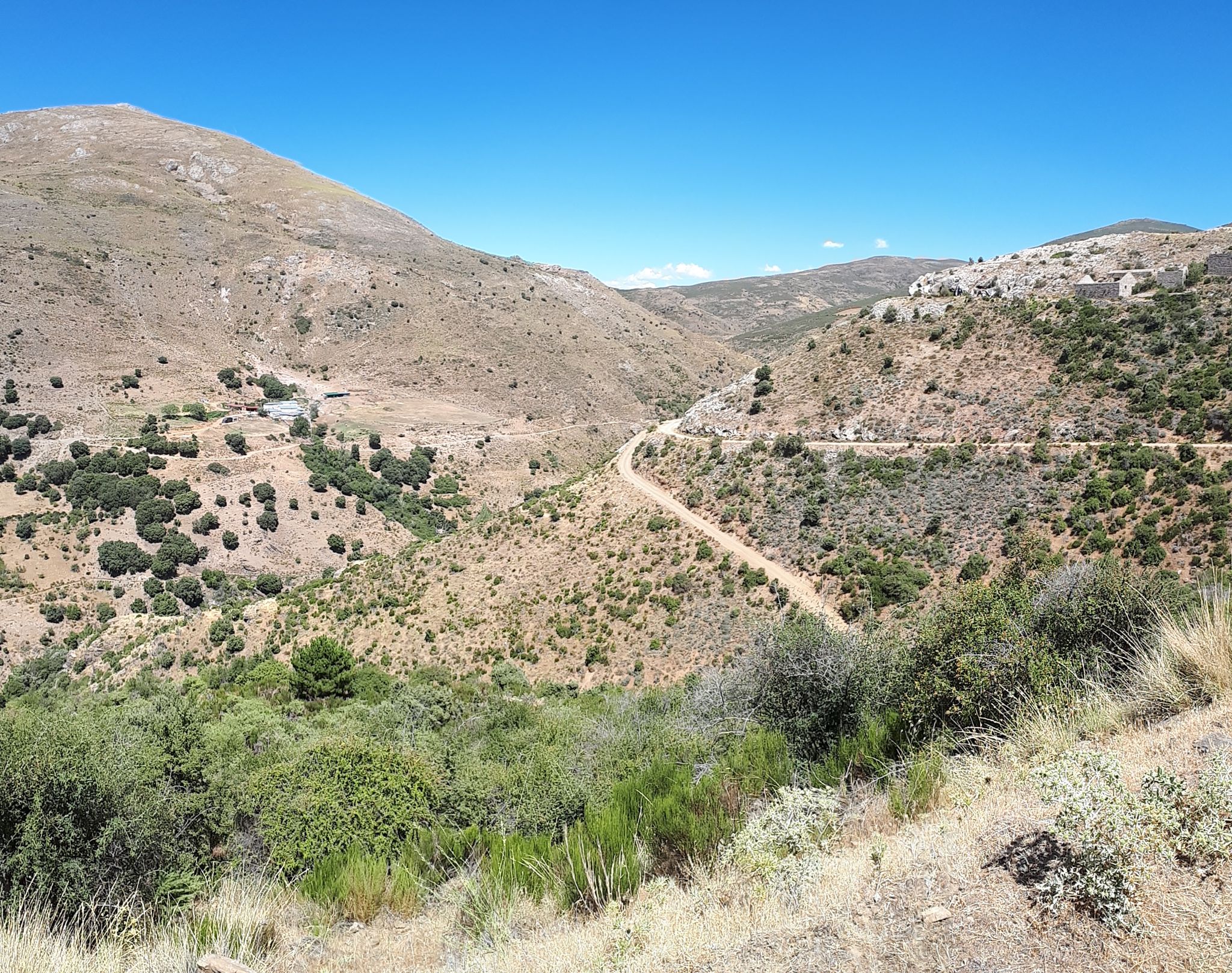
Nature and singletrack – bikepacking in Spain’s Sierra de Huétor
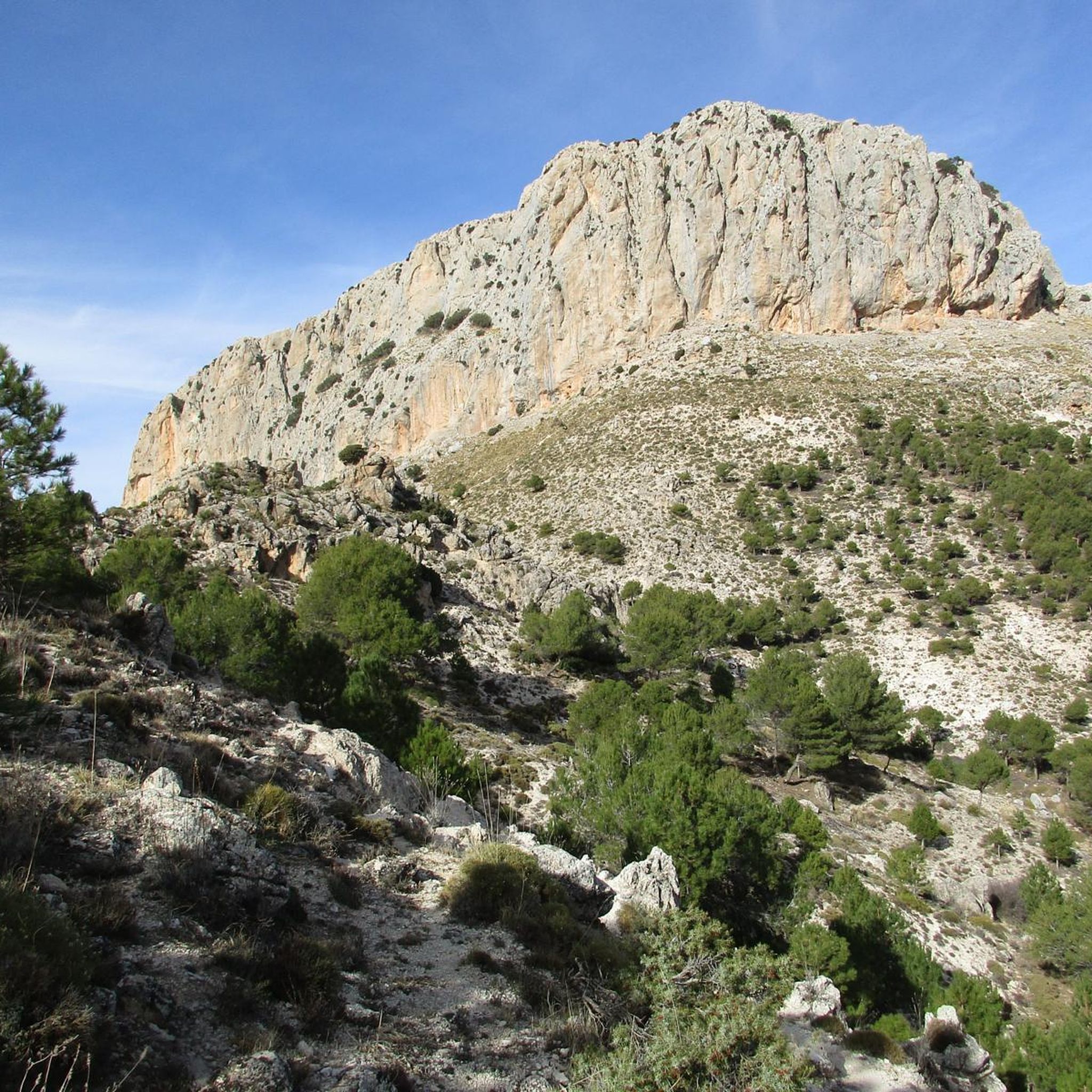
Hiking around National Park Sierra de Huétor
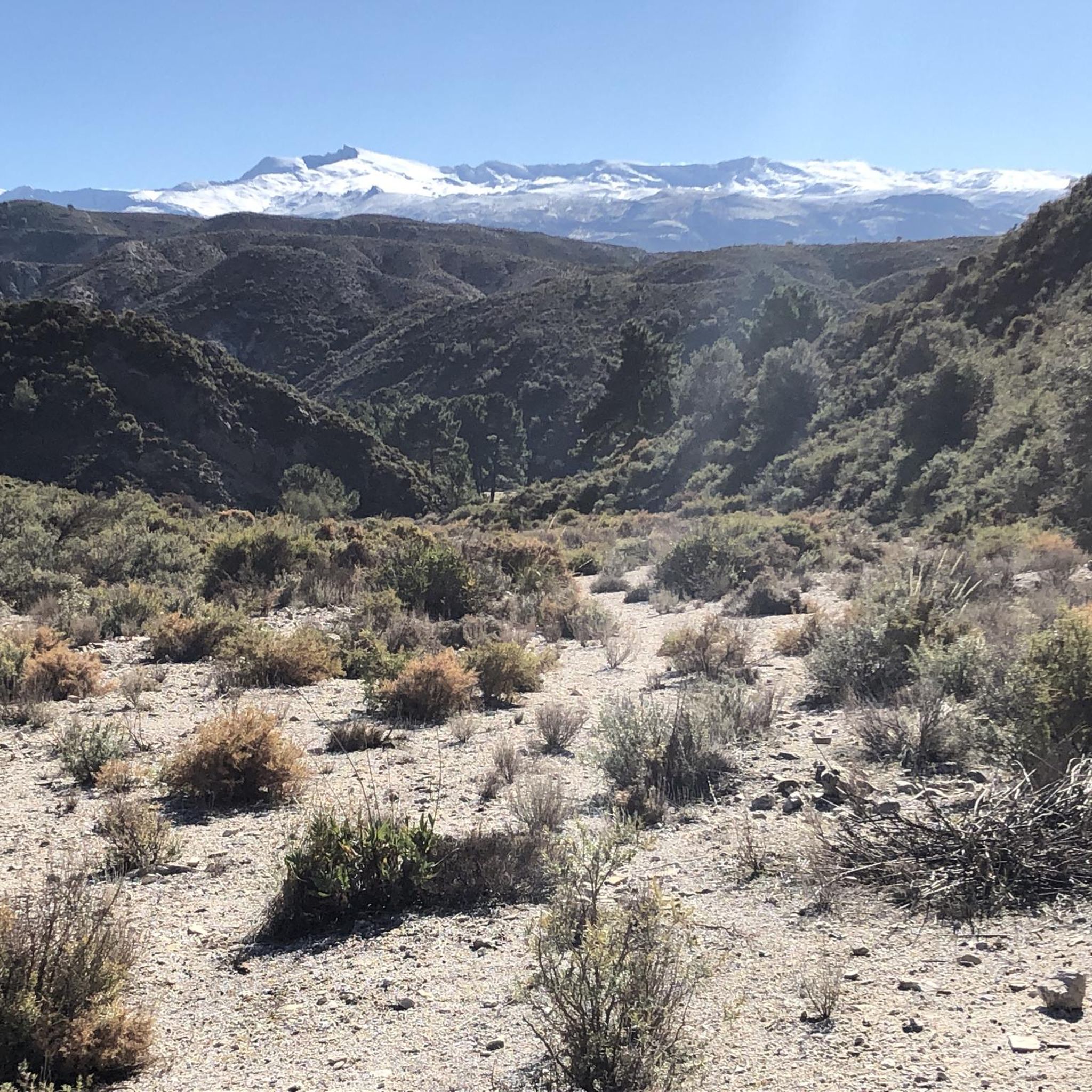
Running Trails around National Park Sierra de Huétor
MTB Trails around National Park Sierra de Huétor
Cycling around National Park Sierra de Huétor

Gravel biking around National Park Sierra de Huétor
Other adventures around National Park Sierra de Huétor


Tips from the Community

Core connecting the outskirts and the urban center. Invites to cycle, walk or run parallel to it.
0
0

The Chartreuse of Granada (Spanish: Cartuja de Granada) is a Carthusian monastery in Granada, Spain. It is considered one of the finest examples of Spanish Baroque architecture. The monastery was founded in 1506; construction began ten years later and continued for three centuries. While the exterior is relatively restrained, the interior is a lavish explosion of ornamentation. Its complex geometric forms make it a masterpiece of the Churrigueresque style. Notable features include the tabernacle, designed by Francisco Hurtado Izquierdo, the church, and the famous sacristy, built between 1727 and 1764 by Luis de Arévalo and F. Manuel Vásquez. The monastery also boasts an extensive collection of paintings, the highlights being the works of Fray Juan Sánchez Cotán.
2
1

The road is in perfect condition, with a gradient of between 7% and 11%. Beautiful forest surrounding the road with information points for those interested in nature and history.
1
0
The panoramic view of the city of Granada from this point leaves no one indifferent.
0
0

Santa Fe is a municipality in the province of Granada, in the autonomous community of Andalusia. Located in the Vega de Granada and crossed by the Genil River from east to west, the municipal area is almost completely flat and has no mountainous heights.
3
0
The Monasterio de La Cartuja, also known as the Real Monasterio de Nuestra Señora de la Asunción de la Cartuja, is a beautiful monastery in Granada. It was founded in 1516 by the Carthusian monks of the Monastery of Santa María de El Paular. The monastery is a masterpiece of Spanish Baroque architecture and is known for its richly decorated interiors, including the impressive dome of the sagrario, painted by Antonio Palomino. Other highlights include the sacristy, the church and the small cloister. The monastery is also home to an important collection of paintings, including works by the Carthusian monk Juan Sánchez Cotán. It is a peaceful place that is well worth a visit for anyone interested in art, history and architecture.
8
0

Founded in the 16th century, this Cartuja is considered a masterpiece of Spanish Baroque architecture and boasts an impressive collection of religious art and elaborate decorations. Among the highlights of the Charterhouse are the impressive entrance staircase, the cloisters and the church with its magnificent high altar and impressive frescoed dome. La Cartuja also houses a large library with a collection of ancient manuscripts. A visit to the Cartuja is an opportunity to immerse yourself in the rich history and culture of Granada, as well as admire the beauty and splendor of Baroque architecture and art.
3
0
The birthplace of Federico García Lorca is a historical and cultural place in the city of Fuente Vaqueros, Spain. It was in this house that the poet and playwright was born in 1898 and spent a large part of his childhood. The house has been restored and turned into a museum that shows the life and work of García Lorca. Inside you can find personal belongings of the writer, photographs, manuscripts and editions of his works. García Lorca's birthplace is a place of pilgrimage for lovers of literature and the arts, and a testament to the cultural legacy of one of the most important poets of the 20th century.
1
0
Frequently Asked Questions
What kind of terrain can I expect when road cycling in National Park Sierra de Huétor?
The National Park Sierra de Huétor offers diverse and varied terrain for road cycling. You'll encounter undulating, forest-clad hills and rewarding ascents, with elevations ranging from 900 to nearly 2,000 meters above sea level. The landscape features rocky outcrops, lush forests, and rolling meadows, often on well-paved surfaces, alongside sections of state roads and designated cycleways.
How many road cycling routes are available in National Park Sierra de Huétor?
There are over 140 road cycling routes available in National Park Sierra de Huétor, catering to various skill levels. This includes 18 easy routes, 76 moderate routes, and 48 difficult routes, ensuring options for every cyclist.
Are there any challenging road cycling routes with significant elevation gain?
Yes, the park is known for routes with significant elevation gain. For a challenging ride, consider the View of Víznar – Alfaguara Climb loop from Alfacar, which covers 20.1 miles (32.4 km) with nearly 800 meters of ascent. Another option is the Granada – View of Víznar loop from Víznar, offering over 560 meters of elevation gain over 14 miles (22.5 km).
What natural features and landmarks can I see along the road cycling routes?
The park is rich in natural features and landmarks. You can explore the captivating Cave of the Marbles, or visit the La Teja Spring. Many routes also offer breathtaking panoramic views of the Sierra Nevada mountains, including Pico Veleta, from various viewpoints like the Los Pozos Viewpoint or Cruz de Víznar.
Are there any circular road cycling routes in the area?
Yes, many routes in National Park Sierra de Huétor are circular. For example, the Cubillas Reservoir – Güevéjar loop from Güevéjar is a moderate 28.8-mile (46.3 km) circular route. Another option is the Güevéjar – Santa Fe loop from Güevéjar, a longer 34.3-mile (55.2 km) loop.
What is the best time of year for road cycling in National Park Sierra de Huétor?
The best time for road cycling in National Park Sierra de Huétor is generally during spring and autumn when temperatures are milder and the landscapes are vibrant. Summer can be quite hot, especially at lower elevations, while winter may bring colder temperatures and occasional snow at higher altitudes, though some routes remain accessible.
Are there any family-friendly road cycling routes?
While many routes involve significant elevation, there are options suitable for families. Look for routes categorized as 'easy' in the komoot guide. These routes typically have less elevation gain and shorter distances, making them more accessible for a family outing.
What do other road cyclists enjoy most about cycling in National Park Sierra de Huétor?
The area is highly rated by the komoot community, with an average score of 4.6 stars from over 370 reviews. Cyclists often praise the diverse landscapes, the rewarding ascents with stunning panoramic views of the Sierra Nevada, and the well-paved surfaces through forest-clad hills.
Is there parking available for cyclists in National Park Sierra de Huétor?
Yes, parking is generally available at various access points and villages surrounding the National Park Sierra de Huétor. Popular starting points like Víznar, Alfacar, or Güevéjar often have designated parking areas suitable for cyclists. The Puerto Lobo visitor center also serves as a hub and starting point for many trails, likely offering parking facilities.
Are there any specific permits required for road cycling within the National Park?
Generally, no specific permits are required for road cycling on public roads and designated cycleways within National Park Sierra de Huétor. However, it's always advisable to check local regulations, especially if you plan to venture off marked paths or into more restricted areas.
Can I find cafes or accommodation near the road cycling routes?
Yes, charming traditional Andalusian villages like Huétor Santillán and Víznar are located within or near the park. These villages often provide amenities such as cafes, restaurants, and accommodation options, making them convenient stops for cyclists to refuel or stay overnight.
Are there any routes that offer views of the Sierra Nevada mountains?
Absolutely. Many road cycling routes in Sierra de Huétor provide stunning panoramic views of the Sierra Nevada mountains. The rugged terrain and numerous viewpoints throughout the park, such as Cruz de Víznar, are specifically known for offering expansive vistas of the surrounding countryside and the high peaks, including Pico Veleta.
Most popular routes around National Park Sierra de Huétor
Most popular attractions around National Park Sierra de Huétor

Get inspired with the komoot mobile app


Explore more
Browse the best Road cycling routes in other regions.
