Attractions and Places To See around Villanueva De Gómez - Top 7
Attractions and places to see around Villanueva De Gómez offer a glimpse into the cultural and historical landscape of the Ávila province in Castilla y León. This region is characterized by its rural setting, with settlements often situated near rivers like the Adaja and Arevalillo. Visitors can explore historical religious buildings and traditional villages that reflect the area's heritage. The diverse points of interest provide opportunities for discovering hidden gems Villanueva De Gómez outdoor.
Best attractions and places to see…
Last updated: July 2, 2026
El Bohodón
Highlight • Settlement
Translated by Google •
Tip by

Church of San Pedro Apóstol
Highlight • Religious Site
Translated by Google •
Tip by

Sign up now to discover places like this
Get recommendations on the best single tracks, peaks, & plenty of other exciting outdoor places.
Sign up for free
Church of San Pedro Apóstol and the Verraco Vettón (Stone Bear)
Highlight • Religious Site
Translated by Google •
Tip by
Church of San Miguel Arcángel of Gotarrendura
Highlight • Religious Site
Regarding its artistic style, it connects very well with the Mudejar style typical of its area, although its baroque part stands out more.
Translated by Google •
Tip by
Vega de Santa Maria
Highlight • Settlement
Translated by Google •
Tip by

Sign up for free to discover even more attractions around Villanueva De Gómez.
Sign up for free
Already have an account?
Start today with a free account
Your next adventure awaits.
Login or Signup
Tips from the Community

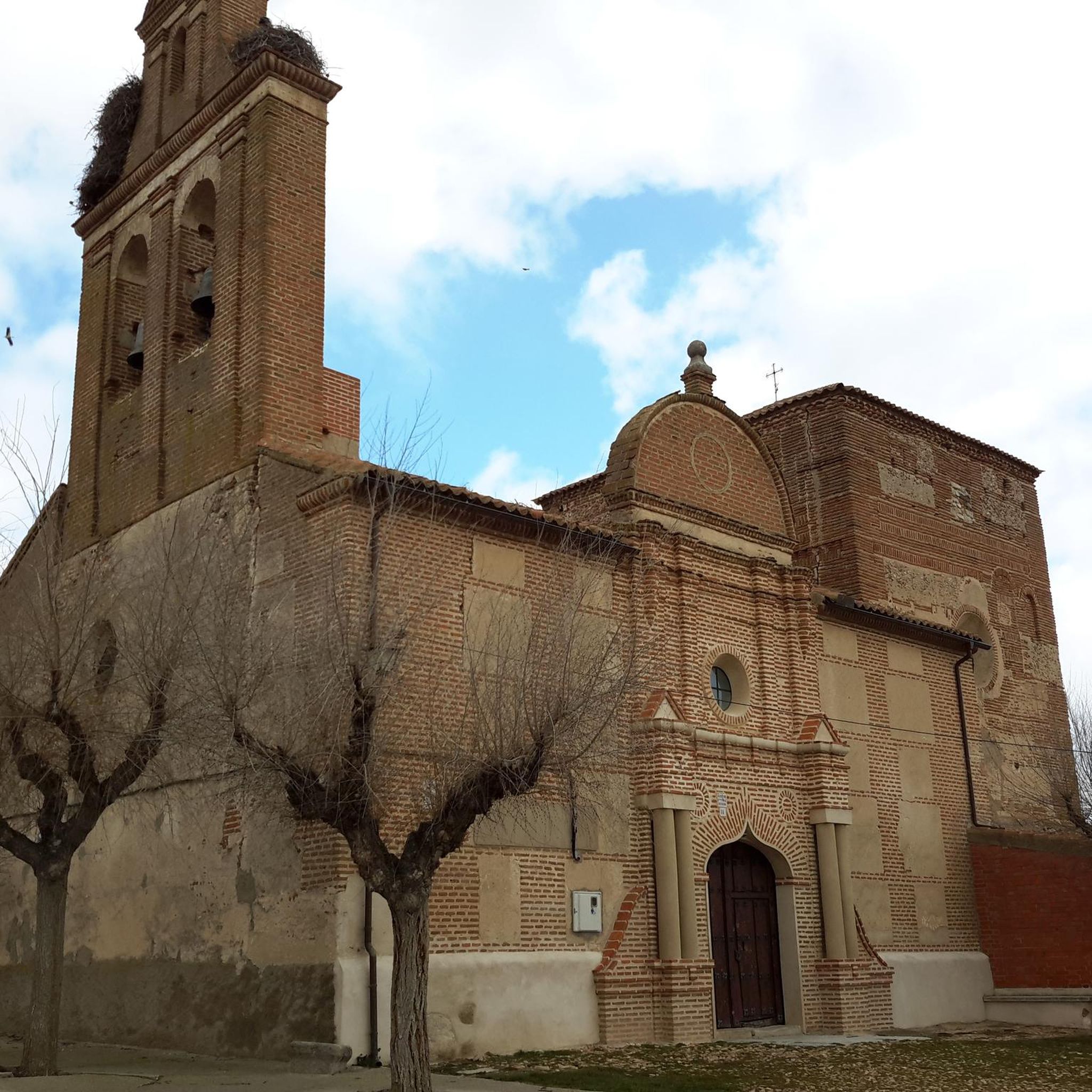
The Church of San Pedro Apóstol in El Oso, Ávila, is a parish church dating back to the 16th century. It stands out for its stone architecture, with three naves separated by large semicircular arches and a 17th-century Baroque main altarpiece. ⛪😎 In front of the church, there is the Stone Bear, also known as Verraco Vettón. This stone sculpture is part of the town's Open Air Museum and has great historical and cultural importance.🐻
4
0
El Bohodón is a municipality in Spain belonging to the province of Ávila, in the autonomous community of Castilla y León. It is located in the La Moraña region, in the north of the province. It is located 35 kilometers from the capital and 17 kilometers from Arévalo.
5
0

It is the parish church of Gotarrendura and its construction dates from the s. XVII. Regarding its artistic style, it connects very well with the Mudejar style typical of its area, although its baroque part stands out more.
1
0
It is the church of the locality, with origin of the s. XVI. In front of it, you can see another of the stops of the Open Air Museum: the stone bear or Verraco Vettón, around which there is a whole local mythology.
2
1
This church constitutes the most outstanding and relevant monument of the town. Romanesque in style, it is approximately eight centuries old. Its most outstanding characteristic is the Mudejar head, which presents a unique archway that originates from a brick plinth, accompanied by a curb course that culminates with corners and several superimposed curbs. Likewise, the altarpiece located in the main chapel, which dates from the 16th century, deserves to be highlighted. This altarpiece is organized into three streets divided by inter-streets, and has four bodies that house various images of Saints and Biblical scenes. In total, it is made up of 18 paintings of great artistic value.
2
0

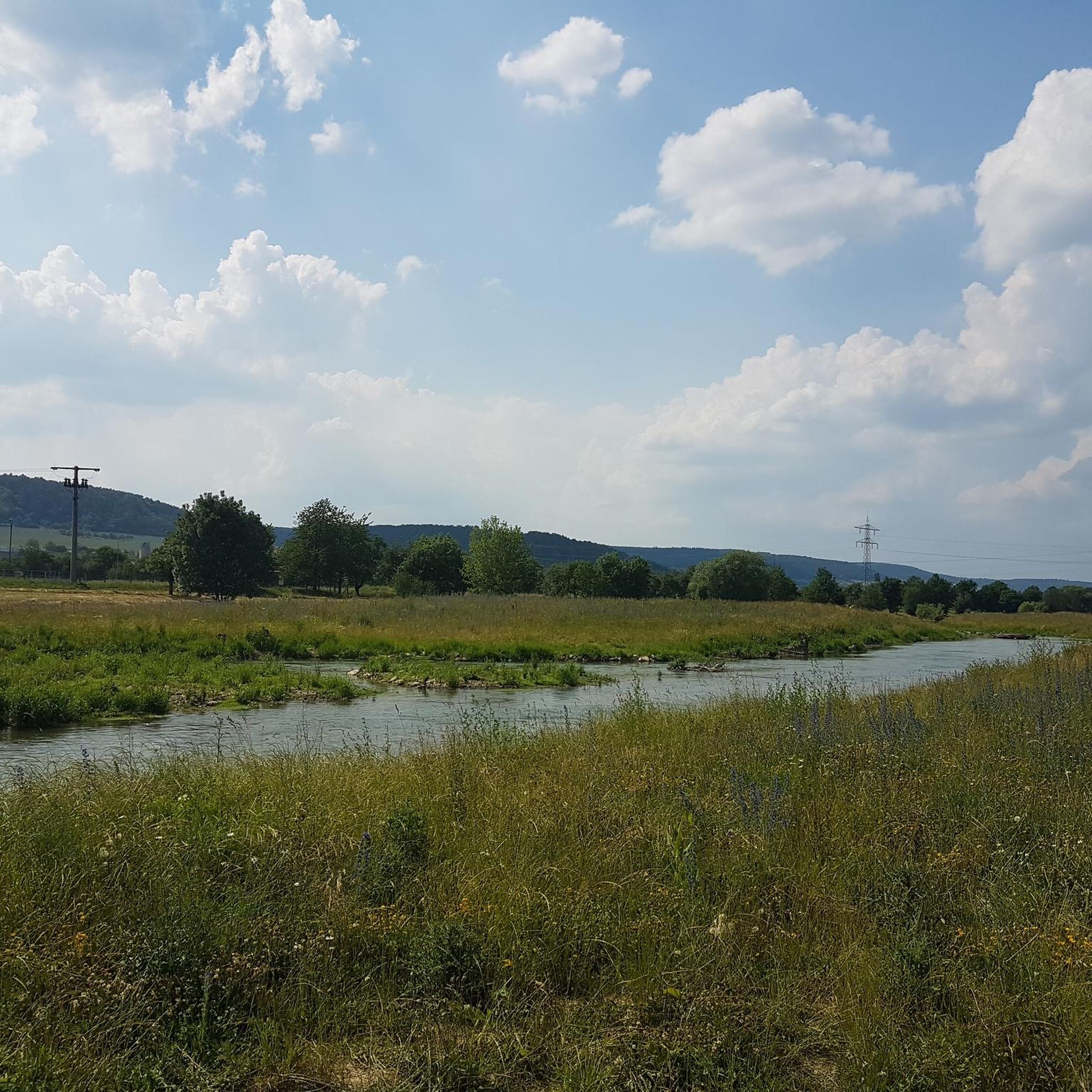
Small population where two rivers bathe the lands of the municipality, to the east the Adaja river and to the west the Arevalillo river, a tributary of the previous one.
1
0
Small town located north of the city of Ávila and that offers views of the plains of Avila in the area. At the beginning of the town is the Iglesia de Nuestra Señora de la Asunció, a little away from the center.
0
0
Frequently Asked Questions
What historical religious buildings can I visit around Villanueva De Gómez?
The region is rich in historical religious architecture. You can explore the Church of San Pedro Apóstol, an eight-century-old Romanesque church known for its Mudejar head and 16th-century altarpiece. Another significant site is the Church of San Pedro Apóstol and the Verraco Vettón (Stone Bear) in El Oso, a 16th-century church with a Baroque altarpiece, featuring an ancient stone sculpture nearby. Also, consider visiting the Church of San Miguel Arcángel of Gotarrendura, a 17th-century church with Mudejar and Baroque elements.
Are there any traditional settlements or villages to explore in the area?
Yes, the area features several traditional settlements. El Bohodón is a notable municipality located in the La Moraña region, characterized by its rural setting between the Adaja and Arevalillo rivers. Another charming spot is Vega de Santa Maria, a small town north of Ávila city, offering views of the plains and home to the Iglesia de Nuestra Señora de la Asunción.
What outdoor activities can I do near Villanueva De Gómez?
The area around Villanueva De Gómez offers various outdoor activities, particularly cycling and hiking. You can find numerous routes for road cycling, including moderate and easy loops like the 'Muñopedro Straights – Bridge loop from Sanchidrián'. For hiking, options range from the 'Laguna de El Oso Loop' to longer routes like 'Gotarrendura and El Oso Loop'. There are also touring bicycle routes, such as the 'Adaja River (dam) loop from Santo Domingo de las Posadas'.
Are there easy hiking trails suitable for beginners around Villanueva De Gómez?
Yes, there are hiking options that cater to different difficulty levels. For an easier experience, consider routes like 'From Tiñosillos to El Bohodón — circular by the Camino de El Chorrillo', which is a moderate 6.7 km loop. The 'El Bohodón loop from Villanueva de Gómez' is also a moderate 9.7 km trail. You can find more details and other routes in the Hiking around Villanueva De Gómez guide.
What is the best time of year to visit Villanueva De Gómez for outdoor activities?
The region of Castilla y León generally experiences hot, dry summers and cold winters. For outdoor activities like hiking and cycling, the spring (April to June) and autumn (September to October) months are typically ideal, offering milder temperatures and pleasant conditions for exploration. Summers can be very warm, while winters can be chilly, potentially limiting some outdoor pursuits.
Are there any family-friendly attractions or activities in the area?
While specific 'family_friendly' activities are not extensively detailed for every highlight, exploring the traditional settlements like Vega de Santa Maria can be a pleasant experience for families. The historical sites, such as the churches and the Verraco Vettón (Stone Bear), offer educational opportunities. Gentle walks or easy cycling routes, as found in the hiking and cycling guides, can also be suitable for families.
Can I find circular walking routes near Villanueva De Gómez?
Yes, there are several circular walking routes available. For instance, the 'Laguna de El Oso Loop' is a moderate 8.9 km circular trail. Another option is the 'El Bohodón loop from Villanueva de Gómez', which is a moderate 9.7 km circular route. You can discover more circular options and detailed maps in the Hiking around Villanueva De Gómez guide.
What are some unique historical features to look out for in the churches?
When visiting the churches, pay attention to their distinctive architectural elements. The Church of San Pedro Apóstol is notable for its Mudejar head, featuring a unique archway and a 16th-century altarpiece with 18 paintings. The Church of San Miguel Arcángel of Gotarrendura also showcases Mudejar style, alongside prominent Baroque features. In El Oso, the Church of San Pedro Apóstol has a 17th-century Baroque main altarpiece, and outside, the ancient Verraco Vettón (Stone Bear) adds a layer of local mythology.
Are there any hidden gems or lesser-known outdoor spots to discover?
The region itself, with its rural character and traditional villages, offers many opportunities for discovering hidden gems. While specific 'hidden' outdoor spots are not explicitly listed, exploring the areas around the Adaja and Arevalillo rivers near El Bohodón can lead to tranquil natural settings. The intro mentions the area provides opportunities for discovering hidden gems, suggesting that venturing off the main path in these rural landscapes can be rewarding.
What kind of views can I expect from the settlements in the region?
From settlements like Vega de Santa Maria, located north of Ávila city, you can enjoy expansive views of the plains of Ávila. The rural setting of the entire region, characterized by its position within the province of Ávila and near rivers like the Adaja and Arevalillo, offers picturesque landscapes of agricultural fields and traditional Spanish countryside.
What are the options for cycling around Villanueva De Gómez?
Beyond road cycling, you can also find routes specifically for touring bicycles. These routes include options like the 'Bike loop from Santo Domingo de las Posadas' (32.5 km, moderate) and the 'Adaja River (dam) loop from Santo Domingo de las Posadas' (27 km, moderate). For more challenging rides, consider the 'Bridge – Laguna Rodrigo loop from Sanchidrián' (62.9 km, difficult).

Get inspired with the komoot mobile app


Explore more
Still not found the Highlight you’re looking for? See guides of the top attractions in other regions:
