The best road cycling routes around Villanueva De Gómez
44
riders
7
rides
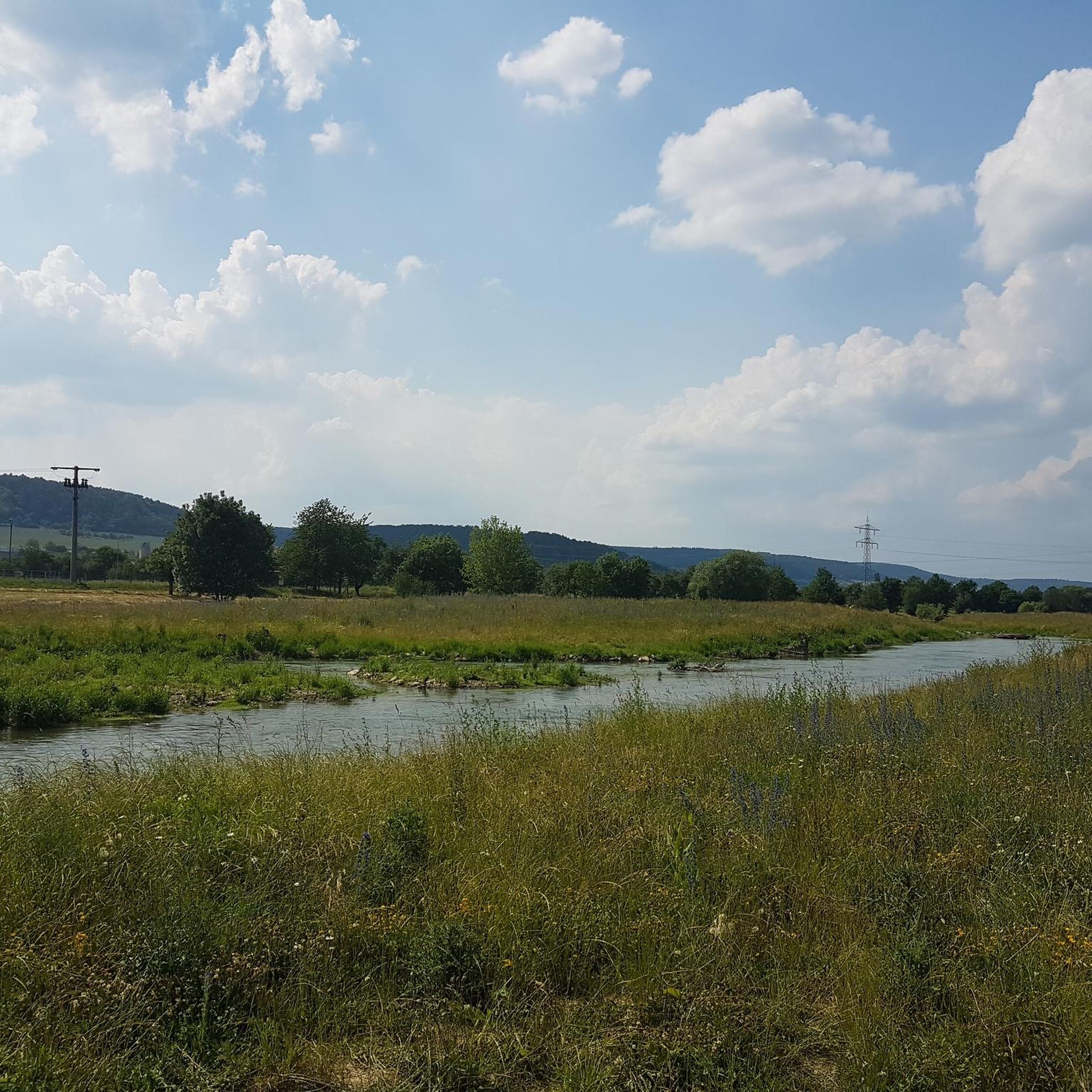
Road cycling routes around Villanueva De Gómez are characterized by the relatively flat terrain of the La Moraña region, situated at an altitude of 882 meters. This environment provides generally less strenuous routes, suitable for road cycling. The area features fresh fluvial landscapes along the Adaja River and extensive pine forests to the north, offering varied scenery for cyclists. The region's consistent elevation and open spaces make it conducive to enjoyable road cycling experiences.
Best road cycling routes around Villanueva De Gómez
- The most popular road cycling route is Muñopedro, Maello y Hernansancho — circular desde Sanchidrián, a 40.3 miles (64.8 km) trail that takes 2 hours 50 minutes to complete. This moderate route offers a circular journey through the rural landscapes of the region.
- Another top favourite among local road cyclists is Pueblos de la Morana y Castillo del Duque de Montellano — circular desde Arévalo, a moderate 60.8 miles (97.9 km) path. This route explores villages within La Moraña and passes by a historic castle.
- Local road cyclists also love the Moñibas Bridge loop from Estación de Sanchidrián, a 40.2 miles (64.6 km) trail leading through varied terrain, often completed in about 3 hours 1 minute.
- Road cycling around Villanueva De Gómez is defined by flat terrain, riverside paths along the Adaja, and extensive pine forests. The network offers options for easy and moderate ability levels.
- The guide includes highly-rated routes that showcase the best of the region's landscape. More than 20 road cyclists have used komoot to explore Villanueva De Gómez's varied terrain.
Last updated: July 11, 2026
6
riders
64.8km
02:50
620m
620m
Moderate road ride. Good fitness required. Mostly well-paved surfaces and easy to ride.
Moderate road ride. Good fitness required. Mostly well-paved surfaces and easy to ride.

Sign up for free
14
riders
66.3km
03:03
670m
670m
Moderate road ride. Good fitness required. Mostly well-paved surfaces and easy to ride.
10
riders
60.9km
02:37
410m
410m
Moderate road ride. Good fitness required. Mostly well-paved surfaces and easy to ride.
6
riders
27.9km
01:19
280m
280m
Easy road ride. Great for any fitness level. Mostly well-paved surfaces and easy to ride.
Get access to more routes and recommendations from other explorers.
Sign up for free
Already have an account?
Our route recommendations are based on thousands of hikes, rides, and runs completed by other people on komoot.
Start today with a free account
Your next adventure awaits.
Login or Signup
Popular around Villanueva De Gómez
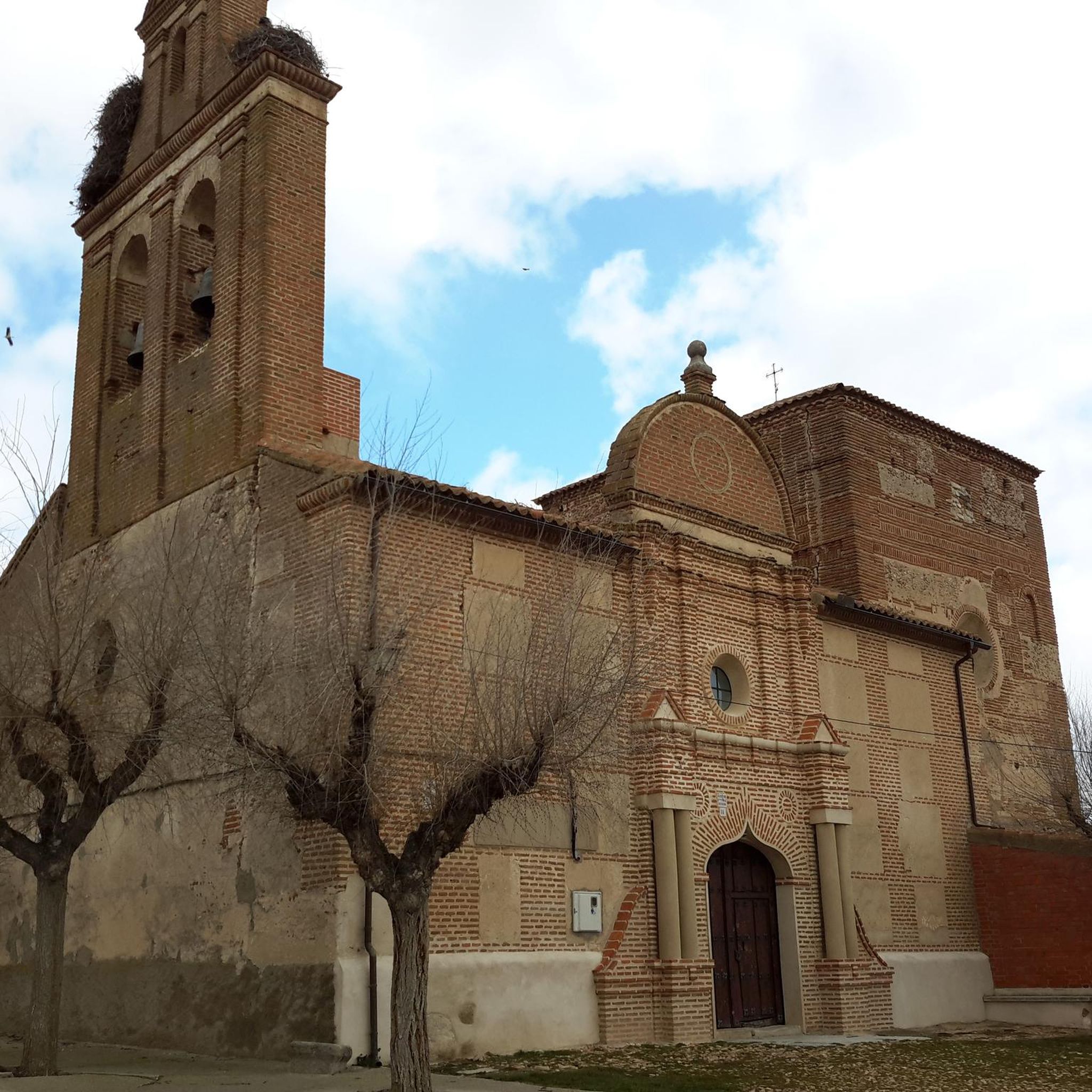
Tips from the Community

The bridge located in Moñibas (Segovia) is a small stone bridge, very characteristic of traditional Castilian rural architecture.
4
0
Narros de Saldueña Castle, also known as the Castle of the Duke of Montellano, is one of the best-preserved fortresses in the province of Ávila. It is located in the town of Narros de Saldueña, within the town limits. Construction: Late 15th century, attributed to Rodrigo de Valderrábanos, Lord of the Saldueña Estate. Expansions: It was renovated and enlarged at the beginning of the 16th century by his successors.
4
0
Arévalo Castle, located in the town of Arévalo (province of Ávila, Castile and León), is one of the most representative examples of Castilian Mudéjar architecture. Its origins date back to the 14th century, although it was built upon earlier fortifications. It was expanded between the 15th and 16th centuries, especially during the reign of the Catholic Monarchs. It played an important role as a noble and military castle, but also as an administrative building. In the 20th century, it fell into near ruin until its restoration, beginning in 1952, by the Ministry of Agriculture, which uses it as the headquarters of a research center.
5
0
Arévalo Castle, located in the town of Arévalo (province of Ávila, Castile and León), is one of the most representative examples of Castilian Mudéjar architecture. Its origins date back to the 14th century, although it was built upon earlier fortifications. It was expanded between the 15th and 16th centuries, especially during the reign of the Catholic Monarchs. It played an important role as a noble and military castle, but also as an administrative building. In the 20th century, it fell into near ruin until it was restored starting in 1952 by the Ministry of Agriculture, which uses it as the headquarters of a research center.
5
0
The Chapel of Mosén Rubí, located in Ávila, is a beautiful example of architecture that combines late Gothic and Renaissance styles. It was built in the 16th century and is dedicated to Mosén Rubí de Bracamonte, lord of Fuentesol.
3
0
The Walls of Ávila are an impressive medieval fortification that surrounds the old town of Ávila, in Castile and León. These walls, built in the 11th century, are one of the best-preserved walled enclosures in Spain and were declared a UNESCO World Heritage Site in 1985.
11
0

The truth is that it is a wonderful viewpoint of Ávila.
1
0
One of the most visited areas of the walls.
4
0
Frequently Asked Questions
What kind of terrain can I expect on road cycling routes around Villanueva de Gómez?
The region around Villanueva de Gómez, part of La Moraña, is characterized by its relatively flat terrain, situated at an altitude of 882 meters. You'll find routes that are generally not overly strenuous, offering enjoyable rides through open spaces, alongside the Adaja River with its fresh fluvial landscapes, and through extensive pine forests to the north.
Are there road cycling routes suitable for beginners or those looking for an easier ride?
Yes, the area offers routes suitable for various ability levels. For an easier option, consider the Muñopedro Straights – Bridge loop from Sanchidrián, which is an easy 27.9 km trail.
What are some of the longer road cycling routes available?
For longer rides, you can explore routes like Pueblos de la Morana y Castillo del Duque de Montellano — circular desde Arévalo, a moderate 97.9 km path that takes you through villages in La Moraña and past a historic castle. Another substantial option is Muñopedro, Maello y Hernansancho — circular desde Sanchidrián, a 64.8 km route.
Are there any circular road cycling routes in the area?
Absolutely. Many routes in the region are designed as loops, providing a varied experience without retracing your steps. Examples include Muñopedro, Maello y Hernansancho — circular desde Sanchidrián and Pueblos de la Morana y Castillo del Duque de Montellano — circular desde Arévalo.
What historical or natural landmarks can I see while cycling around Villanueva de Gómez?
While cycling, you can encounter various points of interest. The town itself features traditional houses, some with esgrafiados, and the impressive remains of the Santa María la Mayor church. The wider area includes settlements like El Bohodón and Vega de Santa Maria, and churches such as the Church of San Pedro Apóstol, showcasing Romanesque and Mudéjar architecture.
What is the best season for road cycling in Villanueva de Gómez?
Given the region's altitude and generally flat terrain, spring and autumn typically offer the most pleasant conditions for road cycling, with milder temperatures. Summer can be warm, but the extensive pine forests provide shaded paths, which can be a welcome relief.
Are there any specific starting points for road cycling routes in the area?
Many routes conveniently start from nearby towns or villages. For instance, you can find routes originating from Sanchidrián, such as the Moñibas Bridge loop from Estación de Sanchidrián, or from Arévalo for routes exploring the wider La Moraña region.
What do other road cyclists enjoy most about the routes in Villanueva de Gómez?
Road cyclists often appreciate the serene and picturesque environment, characterized by the flat to gently rolling terrain, scenic riverside paths along the Adaja River, and tranquil pine forests. The consistent elevation and open spaces make for enjoyable and accessible rides.
Can I find routes that pass through villages or offer cultural insights?
Yes, several routes are designed to explore the local culture and history. For example, the Pueblos de la Morana y Castillo del Duque de Montellano — circular desde Arévalo route specifically visits villages within La Moraña and passes by a historic castle, offering a blend of cycling and cultural exploration.
How many road cycling routes are available around Villanueva de Gómez?
There are at least 5 distinct road cycling routes detailed in this guide, offering a variety of distances and experiences for cyclists exploring Villanueva de Gómez and its surroundings.
Are there any routes that offer a mix of natural beauty and historical elements?
Many routes in the area naturally combine both. The presence of the Adaja River and extensive pine forests provides natural beauty, while the passage of the Camino de Santiago del Sudeste through Villanueva de Gómez, along with historical structures like the Santa María la Mayor church and the Neo-Mudéjar town hall, ensures a rich historical context for your ride.
Most popular routes around Villanueva De Gómez
Most popular attractions around Villanueva De Gómez

Get inspired with the komoot mobile app


Explore more
Browse the best Road cycling routes in other regions.
