Attractions and Places To See around Gavarda - Top 20
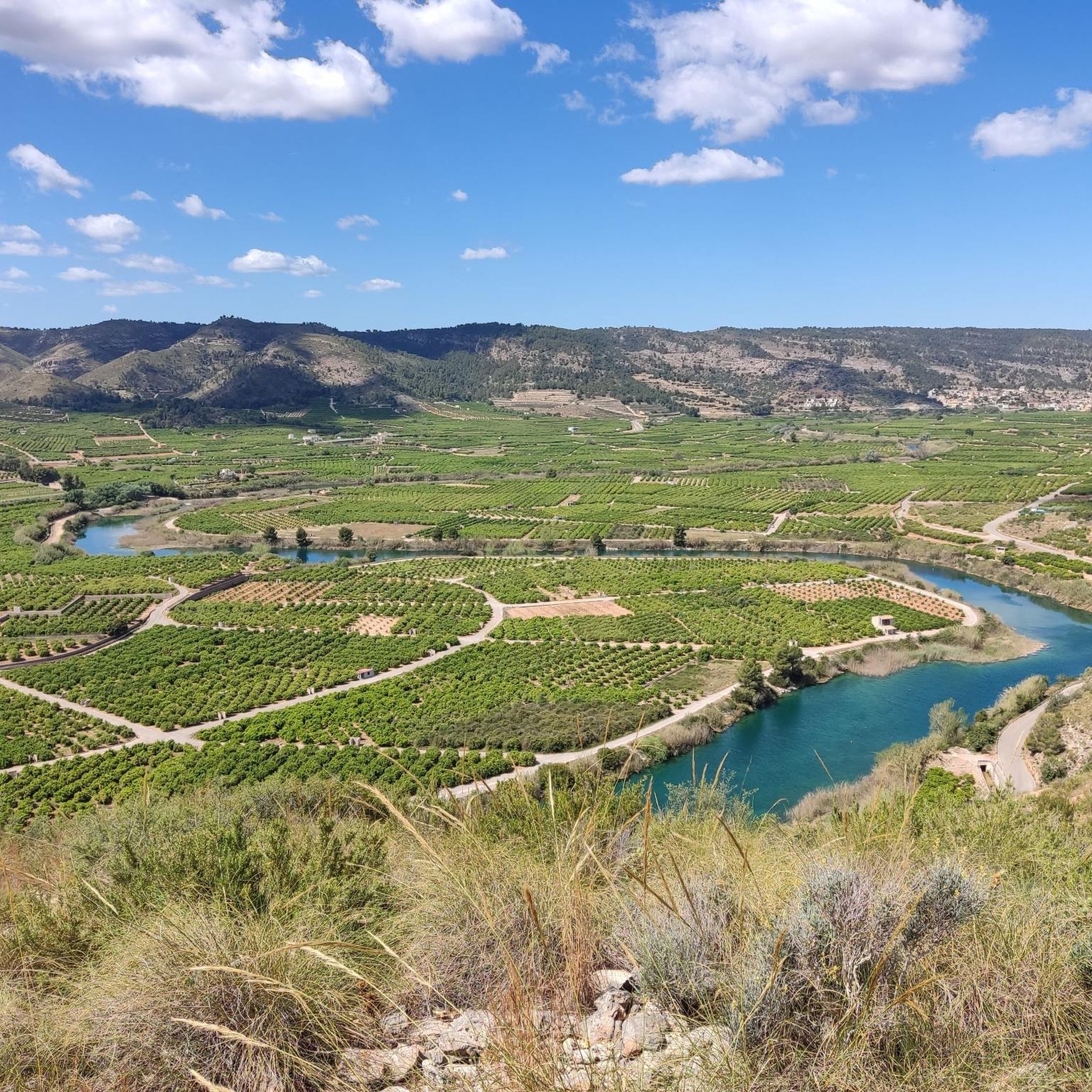
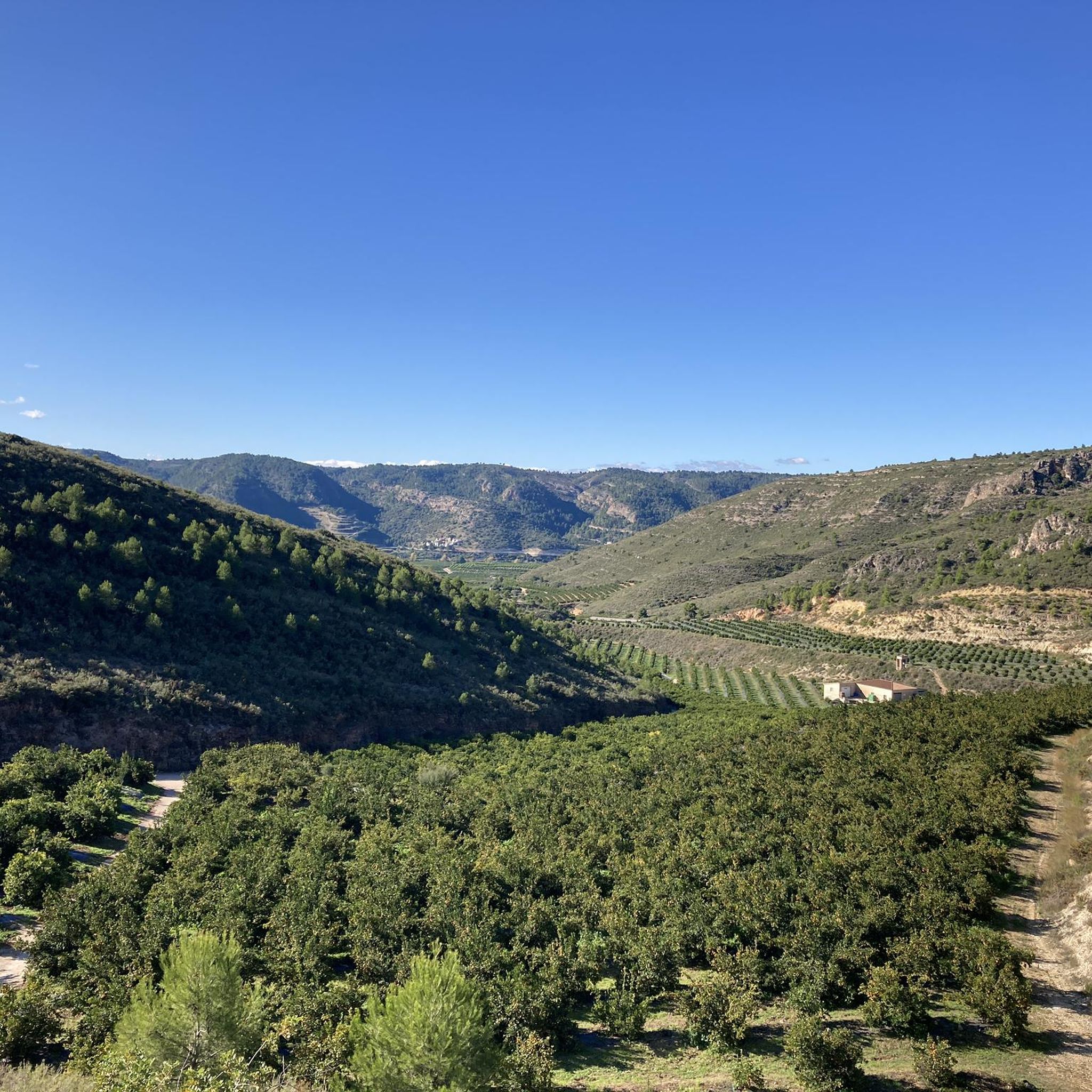
Best attractions and places to see around Gavarda include a blend of historical sites, natural beauty, and cultural points of interest. This small village is situated on the banks of the River Júcar in the Ribera Alta region of Valencia, Spain. The area offers diverse scenery, from riverbanks to flat terrain with mountainous areas. Visitors can explore local landmarks and natural features.
Best attractions and places to see around Gavarda
- The most popular attractions is Vikings' Waterfall, a waterfall…
Last updated: October 10, 2026
Gaspar Waterfall and Pool
Highlight • Waterfall
It is known for being the first stop on the famous "Three Waterfalls Route" …
Translated by Google •
Tip by

Collegiate Basilica of Santa María (La Seu), Xàtiva
Highlight • Religious Site
Translated by Google •
Tip by

Sign up now to discover places like this
Get recommendations on the best single tracks, peaks, & plenty of other exciting outdoor places.
Natural Trail of the Old Little Train
Highlight (Segment) • Cycleway
Translated by Google •
Tip by
Fountain of the 25 Spouts
Highlight • Monument
Translated by Google •
Tip by

Bolbaite natural pool
Highlight • Natural Monument
Translated by Google •
Tip by
Sign up for free to discover even more attractions around Gavarda.
Already have an account?
Start today with a free account
Your next adventure awaits.

Tips from the Community

El Gorgo Gaspar is the first stop on Anna's 3 Waterfalls Route and one of the easiest to reach from the start of the trail. It is a small but very striking waterfall, with a conditioned environment and perfect for enjoying the sound of the river and the landscape.
1
0

Gorgo Gaspar in Anna is a small waterfall and natural area located next to the town. It is known for being the first stop on the famous "Three Waterfalls Route" of Anna. It was formerly used to power a textile factory.
6
0

nice town
1
0

The Bolbaite bathing area is beautiful. The water is clean, cool, crystal-clear, so to speak. The bridge is beautiful, and a backdrop of caves and waterfalls. It looks like something out of a movie. The Sellent River is responsible for so much wonder. It's also the river that divides the village of Bolbaite into two (El Lugar and La Peña), connected by two bridges.
0
0

Nice to look at, very interesting object. The Fountain of the Twenty-Five Fountains (in Valencian Font dels vint-i-cinc "xorros") is a fountain from the late 18th century in the town of Játiva, right near the church of San Pedro. The fountain has twenty-five spouts, which give it its name. The central spout depicts the face of a bearded person with water flowing from his mouth, while the remaining spouts are in the shape of a snake.
5
0
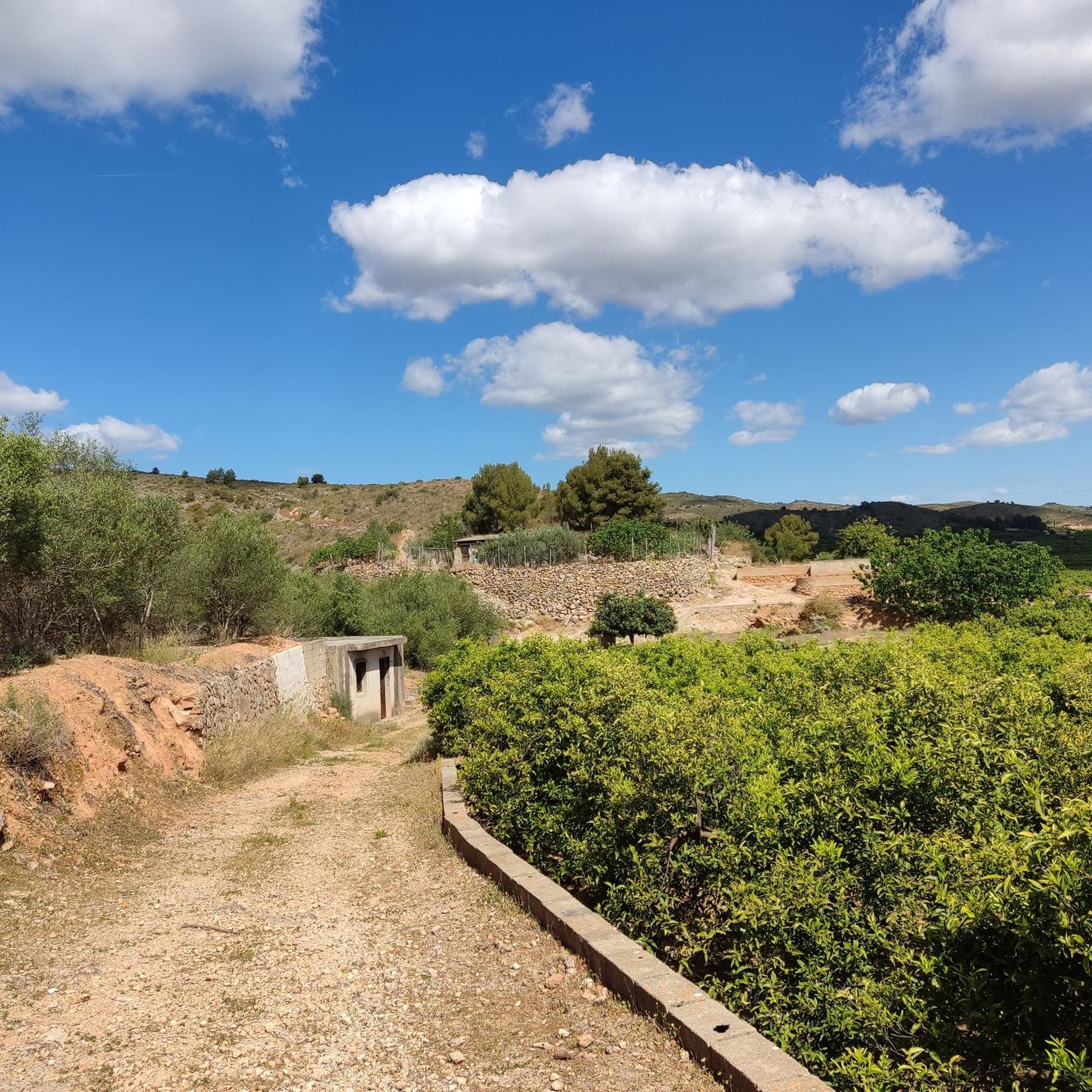
Nice route through a beautiful landscape. The route runs on agricultural, paved paths and occasionally asphalt. Nice section.
1
0


The Fountain of the Twenty-Five Dolls or Royal Font of the Twenty-Five Canelles is a late 18th century fountain fed by the Bellús spring. The fountain has twenty-five jets that give it its name, representing the central spout a face of a bearded person in stone from which water comes out of his mouth, while the rest of the spouts, made of bronze, have the shape of a snake. It was built between 1788 and 1804 in neoclassical style. For its construction, the material from the old Portal de Cocentaina or Portal dels Banys was used, and its original function was to replace the trough, an old Islamic sink from the 11th century that can now be seen exposed in the Almodí Museum. In 2008 it was restored using the sandblasting technique. There is a known concession by King James the Conqueror in 1264 of the use of the Arab baths, which were already in ruins, and of a fountain in the location where the fountain of the twenty-five jets is currently located. In it a plate says: "Quench the thirst of the thirsty labrador. With my crystals Sétabis blooms. Trade grows, agriculture grows. Population and harvests increase”.
2
0
Frequently Asked Questions
What natural attractions can I explore around Gavarda?
Gavarda is surrounded by the River Júcar, offering opportunities for fishing along its banks, particularly in an area known as "El Chorro." You can also visit Vikings' Waterfall, a beautiful vertical waterfall near Anna, or the stunning El Salto de Chella Viewpoint, which offers incredible views of a 25-meter-high waterfall.
Are there historical sites to visit in Gavarda and the surrounding area?
Yes, Gavarda boasts several historical sites. You can explore the remnants of an old fortification at La Batería, which played a defensive role during the Peninsular War and offers expansive views of the Cárcer valley. The 18th-century Puente del Rey (King's Bridge) is also a notable historical landmark. Nearby, in Xàtiva, you can visit the Collegiate Basilica of Santa María (La Seu), a significant 16th-century church with ties to the Borgia family.
What kind of outdoor activities, like hiking or cycling, are available near Gavarda?
The area around Gavarda is excellent for outdoor activities. You can find various hiking trails offering views over the River Júcar and traditional agricultural lands. For cycling, the Natural Trail of the Old Little Train follows an old railway line, providing a scenic route. For more specific routes, you can explore hiking trails around Gavarda, running trails, or MTB trails.
Are there family-friendly attractions or activities in Gavarda?
Many attractions around Gavarda are suitable for families. The El Salto de Chella Viewpoint and the path down to the waterfall are family-friendly. The Natural Trail of the Old Little Train is also an easy and scenic route for family cycling or walking. Historical sites like the Collegiate Basilica of Santa María (La Seu) are also considered family-friendly.
What do visitors particularly enjoy about the attractions near Gavarda?
Visitors frequently praise the natural beauty and historical significance of the area. The Vikings' Waterfall is loved for its vertical beauty and lush surroundings, while the El Salto de Chella Viewpoint offers spectacular views. The Natural Trail of the Old Little Train is appreciated for its beautiful landscape and ease of access. The historical sites, such as the Collegiate Basilica of Santa María, are valued for their rich history and architectural grandeur.
Can I find easy walking trails suitable for beginners around Gavarda?
Yes, the flat terrain around Gavarda, particularly along the River Júcar and the Royal River Júcar Irrigation Canal, offers easy walking opportunities. The Natural Trail of the Old Little Train is also a path without technical difficulty, ideal for easy walks or cycling. You can find more options for beginner-friendly routes in the hiking guide for Gavarda.
What are some unique or less-known places to discover in Gavarda itself?
Beyond the main landmarks, Gavarda has some charming local spots. You can visit "La Terreta" Cave (La Cova de la Terreta), historically used for storing a type of earth for cleaning. The Old Public Washhouse in the older parts of the village also retains its ancient charm, offering a glimpse into local history.
What is the best time of year to visit Gavarda for sightseeing and outdoor activities?
Gavarda enjoys a Mediterranean climate. Spring (April-May) and autumn (September-October) generally offer pleasant temperatures, making them ideal for exploring historical sites and engaging in outdoor activities like hiking and cycling. Summers can be hot, but the presence of the River Júcar and nearby waterfalls like Vikings' Waterfall can provide refreshing natural escapes.
Are there any religious landmarks worth visiting in Gavarda?
In Gavarda, the Parish Church (Iglesia Parroquial), constructed in 1870 and dedicated to Saint John the Baptist and Saint Anthony the Abbott, serves as a significant religious and architectural landmark. Further afield, in Xàtiva, the Collegiate Basilica of Santa María (La Seu) is a prominent 16th-century church with a rich history.
Where can I find historical bridges in Gavarda?
Gavarda is home to two notable historical bridges. The 18th-century Puente del Rey (King's Bridge) is an appealing spot for photography and those interested in historical architecture. Additionally, the Puente de Hierro (Iron Bridge), dating from the 20th century, crosses the Júcar River, connecting Gavarda with Beneixida.
Are there any viewpoints offering scenic panoramas near Gavarda?
Yes, for panoramic views, you can visit La Batería, located in the upper part of Gavarda, which offers expansive views of the entire Cárcer valley. Another excellent option is the El Salto de Chella Viewpoint, which provides incredible vistas of the 25-meter-high Salto de Chella waterfall.
Can I find places for wild swimming near Gavarda?
While the River Júcar flows through Gavarda, specific designated wild swimming spots are not explicitly mentioned within the village. However, the El Salto de Chella Viewpoint area, with its 25-meter waterfall and pool on the River Sellent, is noted as an ideal place for a refreshing swim during summer.
Most popular routes around Gavarda
Most popular attractions around Gavarda

Get inspired with the komoot mobile app


Explore more
Still not found the Highlight you’re looking for? See guides of the top attractions in other regions:
