Attractions and Places To See around Torreblascopedro - Top 20
Best attractions and places to see around Torreblascopedro include a blend of historical sites, cultural experiences, and natural surroundings. Located in the province of Jaén, Andalusia, the town offers a glimpse into traditional Andalusian life. The area is strategically positioned near the confluence of the Guadalquivir and Guadalimar rivers, and is known for its olive groves and proximity to significant archaeological treasures like Cástulo.
Best attractions and places to see around Torreblascopedro
- The most popular attractions is Sanctuary of the…
Last updated: June 29, 2026
Sanctuary of the Virgin of Linarejos
Highlight • Religious Site
Translated by Google •
Tip by

Doña Luci Gardens
Highlight • Structure
Translated by Google •
Tip by
Sign up now to discover places like this
Get recommendations on the best single tracks, peaks, & plenty of other exciting outdoor places.
Sign up for free
Linares
Highlight • Settlement
Translated by Google •
Tip by
Constitution Fountain
Highlight • Monument
Translated by Google •
Tip by
Monument to Andrés Segovia
Highlight • Monument
Translated by Google •
Tip by
Sign up for free to discover even more attractions around Torreblascopedro.
Sign up for free
Already have an account?
Start today with a free account
Your next adventure awaits.
Login or Signup

Tips from the Community

The Doña Luci Gardens in Linares are a green area beloved by locals, located near the Hermitage of the Virgin of Linarejos, near the Paseo de Linarejos. They are known for offering large, shaded areas thanks to their abundant vegetation. They have benches and spaces for resting, making them an ideal place for strolling or relaxing. They are surrounded by residential areas and are part of the urban complex that includes the sanctuary and the monumental promenade.
3
0
The Sanctuary of the Virgin of Linarejos is the main center of Marian devotion in Linares (Jaén), dedicated to its patron saint, the Virgin of Linarejos, honorary and perpetual mayor of the city. Tradition tells us that the Virgin appeared to the shepherd Juan Jiménez in 1227, although more recent research places the event in 1236.
4
0
The Constitution Fountain, also popularly known as the Dove Fountain, is one of Linares' most symbolic monuments, located at the beginning of Paseo Virgen de Linarejos, next to Constitution Square. It was inaugurated in 1981 as a tribute to the Spanish Constitution of 1978.
3
0
Linares has Iberian roots, with the city of Cástulo as its original center, capital of Oretania. It was first mentioned as such in 1155, during the reign of Alfonso VII. In the 19th century, it experienced its greatest boom thanks to lead mining, becoming a key industrial center in Spain. In 1875, Alfonso XII granted it the title of city. In the 20th century, the automotive industry took center stage with Santana Motor, which manufactured the famous Land Rover Santana.
3
0
The Andrés Segovia Monument in Linares is a tribute to the famous classical guitarist born in this city in 1893, considered one of the most influential of the 20th century. It is sometimes called "zapatones" (big shoes) because of the exaggerated size of the feet in the sculpture, a detail the artist used to emphasize the maestro's presence.
4
0

Being the most populated city in the north of the province, Linares hosts various services of the General State Administration and the Junta de Andalucía, both for the population it houses and for that of a large number of neighboring municipalities, as well as a center dependent university of the University of Jaén located in a modern scientific-technological campus. The city is characterized by a clear vocation to the service sector, after the disappearance of the entire mining industry at the end of the 20th century. However, actions are being taken to increase the economic impact of the secondary sector in the municipality, taking advantage of its advantageous logistical position as a gateway to Andalusia, as well as the presence of the scientific-technological campus.
16
0
The municipality is located in the central zone of the province of Jaén, between the eastern sector of the Sierra Morena and the upper part of the Guadalquivir river depression, for which reason two well-differentiated sectors can be seen: the mountains and the countryside. Linares enjoys a privileged geographical situation due to its condition as a crossroads and its agricultural, livestock and mining wealth. The municipality of Linares is located in the Sierra Morena region, of which it is the capital, occupies 14% of its surface and represents 58% of its total population. The city is 49 km from Jaén, 119 km from Córdoba, 136 km from Granada, 247 km from Málaga, 251 km from Seville and 293 km from Madrid.
20
0
Linares is a Spanish city and municipality belonging to the province of Jaén, in the autonomous community of Andalusia. It is the second most populous municipality in the province, since it has 56,525 inhabitants according to the INE municipal register of 2021. The Linares municipal area covers an area of 197.5 km² and both the city of Linares and the local autonomous entity of the Linares-Baeza Station.
17
0
Frequently Asked Questions
What historical and cultural sites can I explore in Torreblascopedro?
Torreblascopedro offers several historical and cultural sites. You can visit the Iglesia Parroquial de San José, known for its neo-Baroque altarpiece, or the Iglesia de San Isidro in Campillo del Río, an example of post-Spanish Civil War colonial architecture. The town also features señorial houses from the 18th century with Baroque influences and heraldic shields. For contemporary art, explore the Centro de Arte Contemporáneo Francisco Fernández.
Are there any significant archaeological sites near Torreblascopedro?
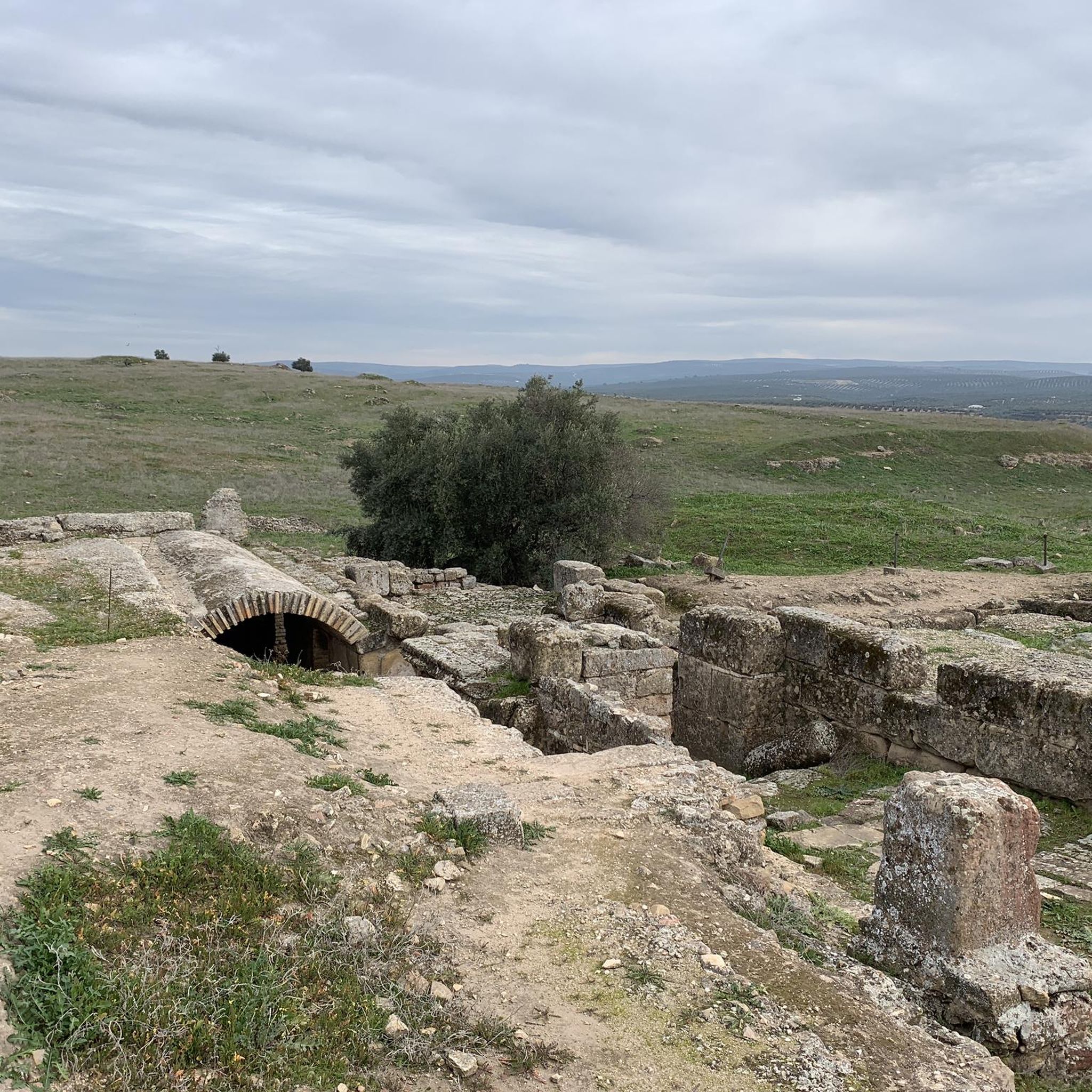
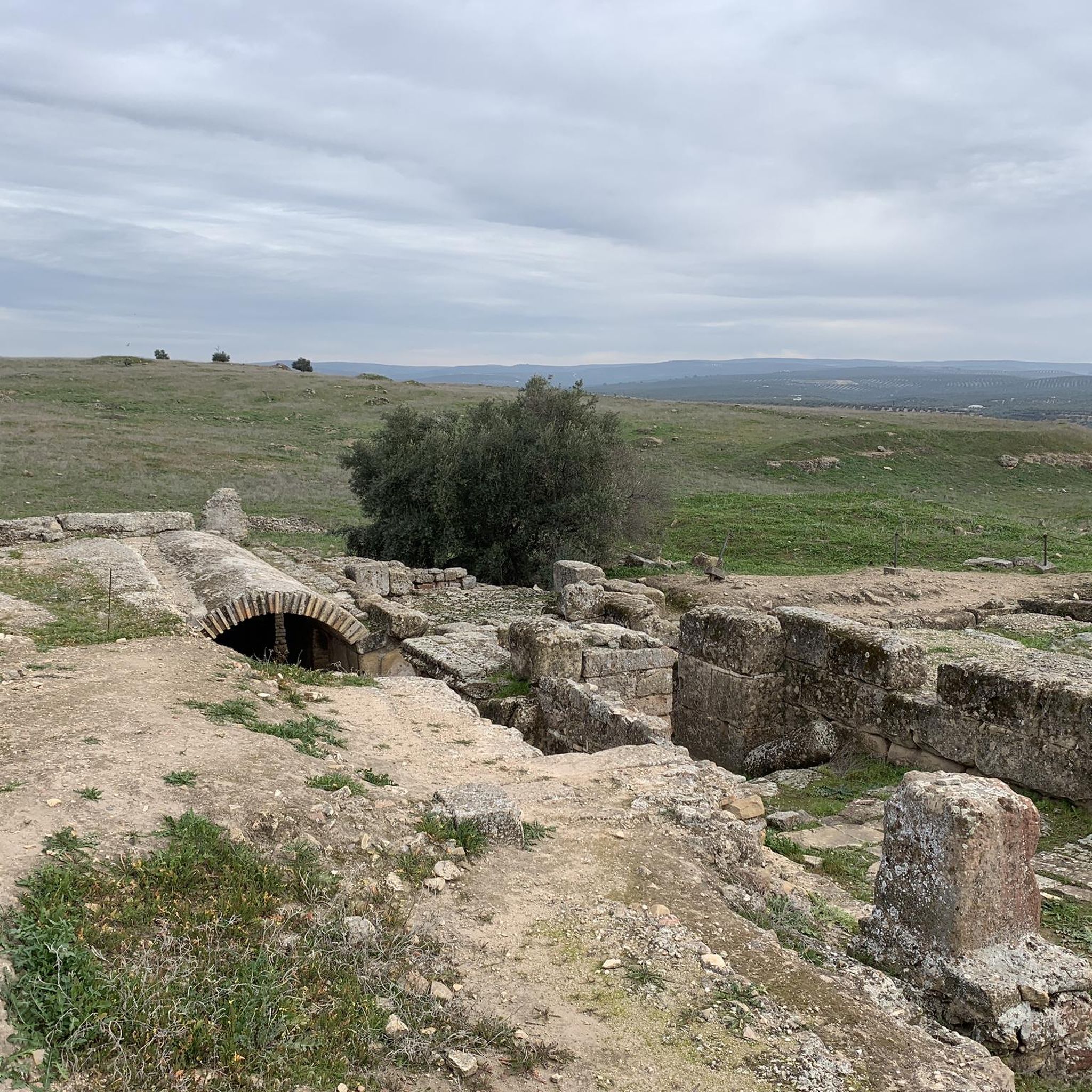
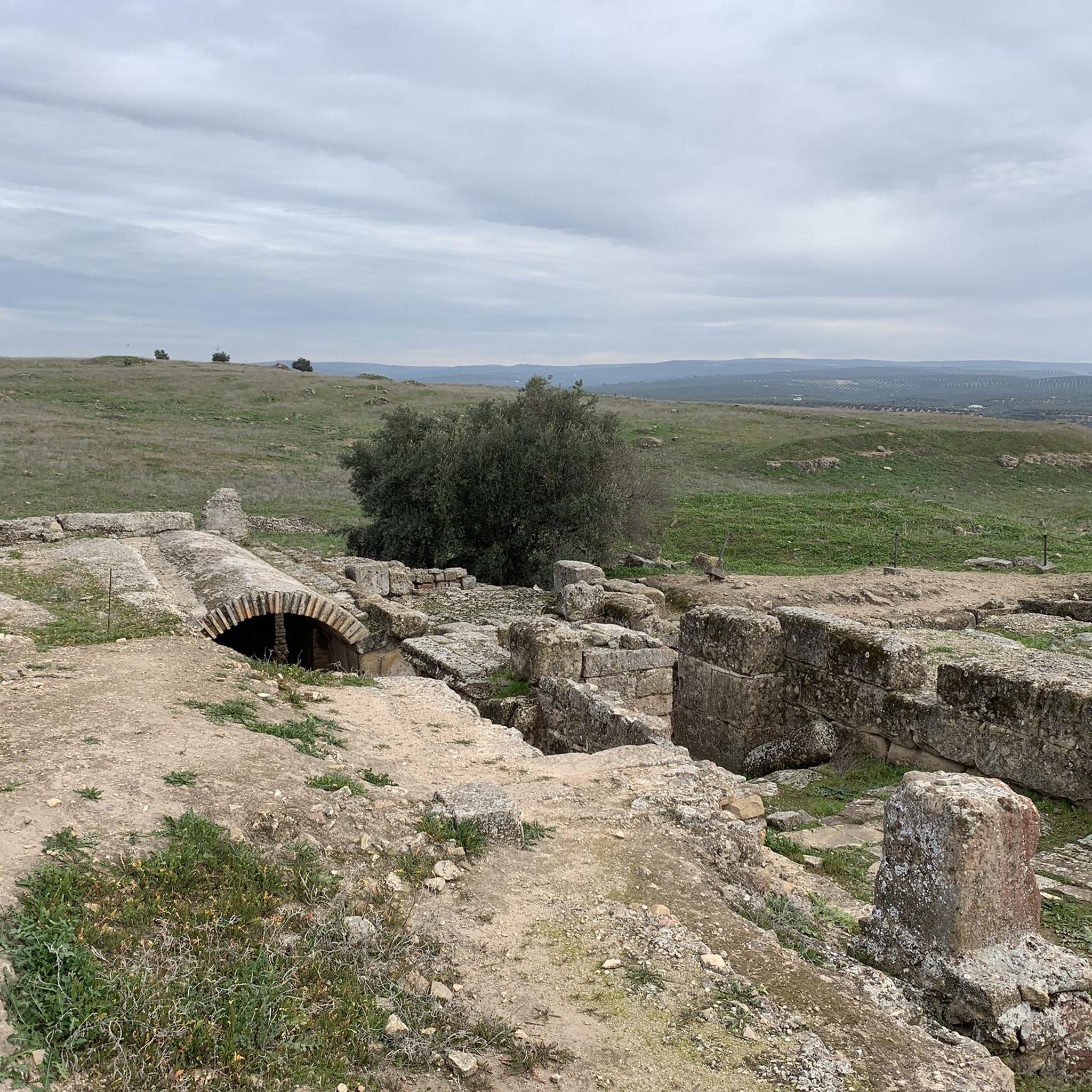
Yes, the region is rich in archaeological history. A major point of interest is the ancient city of Cástulo, an important Iberian, Roman, and Visigothic settlement. Here you can find ruins of a Necropolis, a hydraulic complex, sections of the city wall, and the urban house 'El Olivar'. Many artifacts from Cástulo are displayed at the Archaeological Museum of Linares. Additionally, ancient settlements have been found along the Guadalimar River near Torreblascopedro.
What are some family-friendly attractions around Torreblascopedro?
Families can enjoy the serene atmosphere of the Doña Luci Gardens, a beloved green area with large, shaded spaces perfect for strolling or relaxing. The Sanctuary of the Virgin of Linarejos is also a significant cultural site that can be visited by families.
What outdoor activities are available near Torreblascopedro?
The area around Torreblascopedro is great for outdoor enthusiasts. You can find various cycling routes, including challenging road cycling tours like the 'Torre de Mengíbar – Cástulo Archaeological Site loop'. For those who prefer running, there are moderate trails such as the 'Silk Road loop' or the 'Lago Cantarranas loop'. Explore more options on the Cycling around Torreblascopedro, Running Trails around Torreblascopedro, and Road Cycling Routes around Torreblascopedro guide pages.
Where can I find green spaces or natural points of interest?
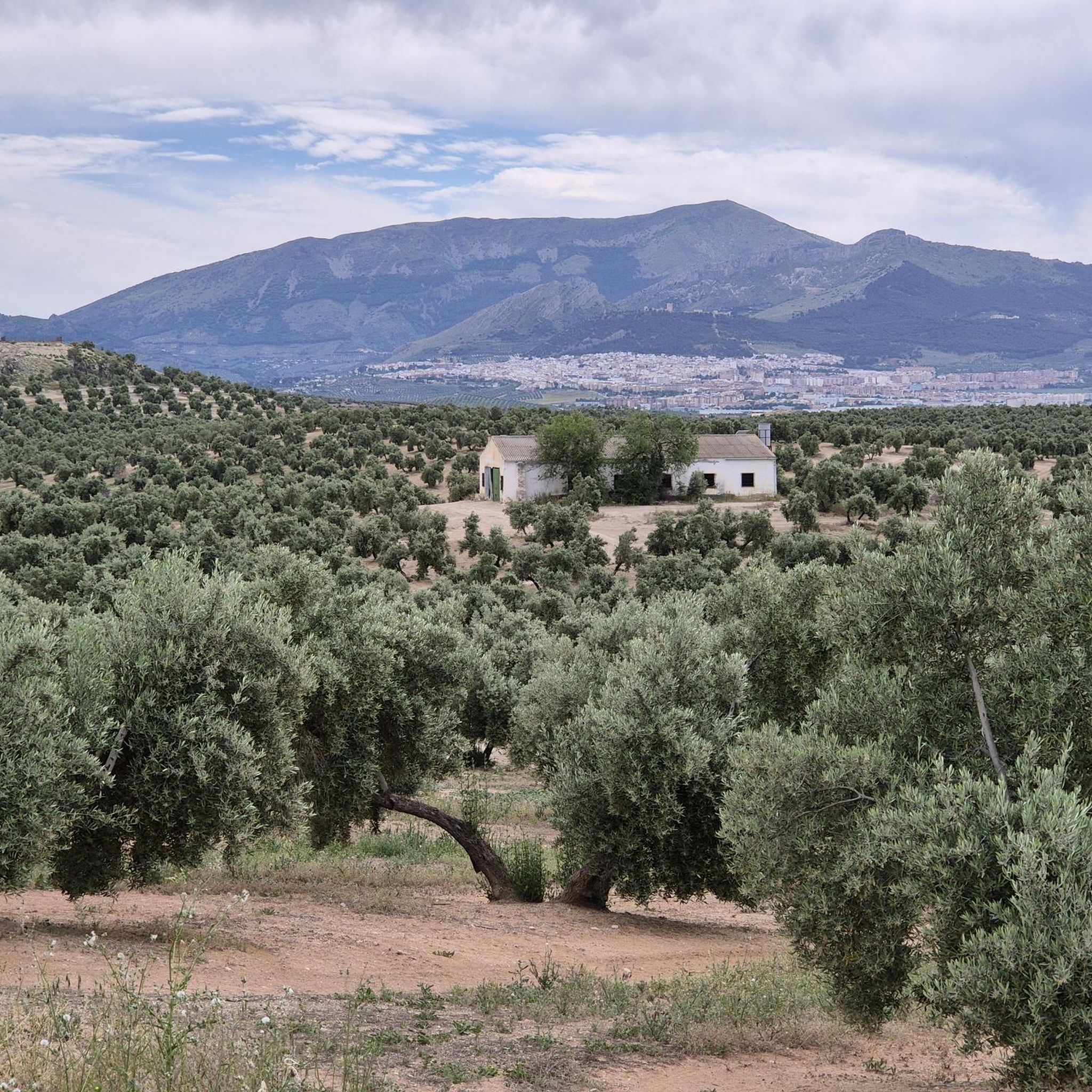
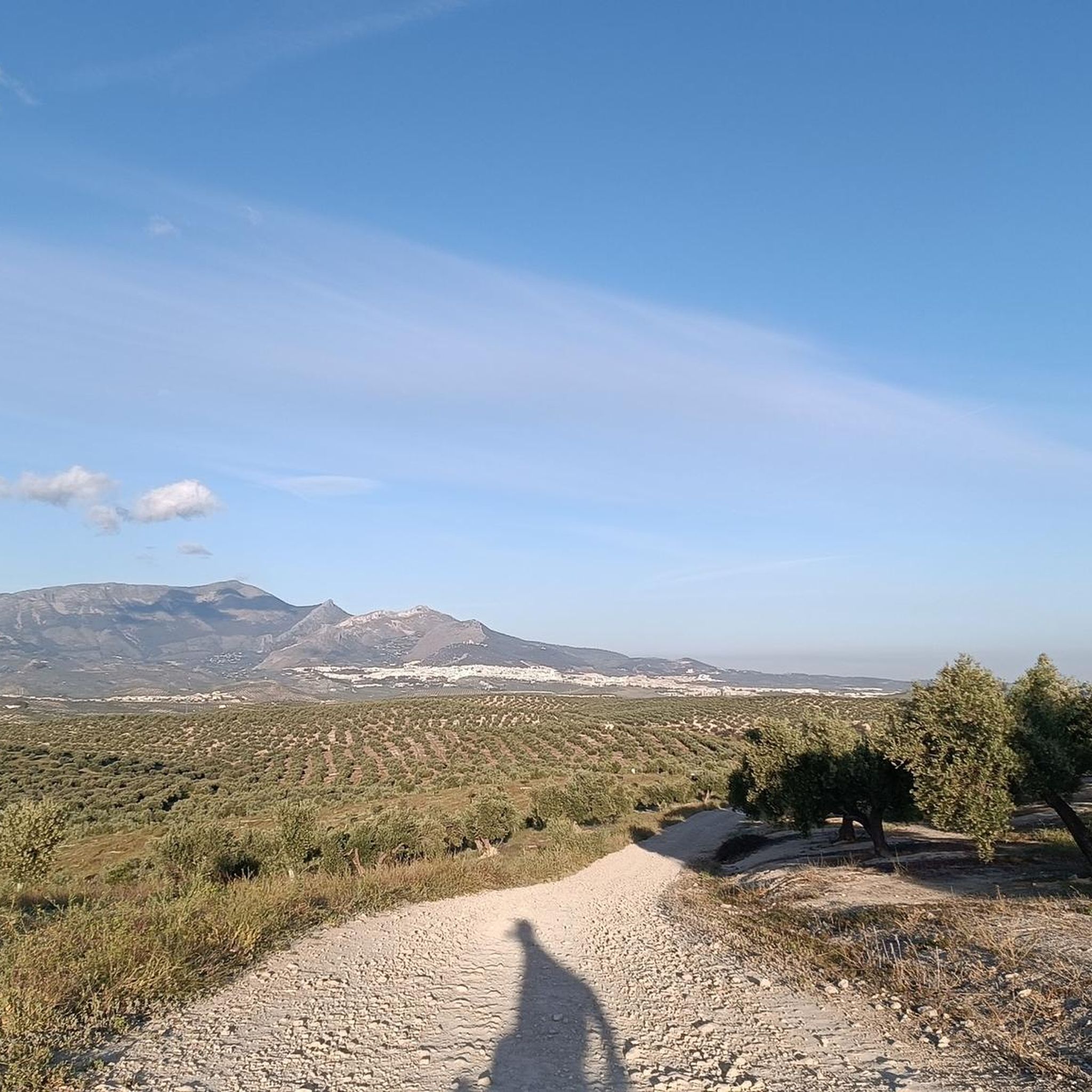
Beyond the Doña Luci Gardens, the region is characterized by its agricultural landscape, particularly vast olive groves, which offer scenic beauty. The strategic location near the confluence of the Guadalquivir and Guadalimar rivers also provides natural points of interest and opportunities for walks along the riverbanks.
What is the significance of Linares in relation to Torreblascopedro?
Linares is a larger nearby city that serves as a regional hub. It hosts several attractions mentioned in this guide, such as the Sanctuary of the Virgin of Linarejos, Doña Luci Gardens, the Monument to Andrés Segovia, and the Constitution Fountain. It's also where you can find the Archaeological Museum displaying artifacts from Cástulo.
Can I find monuments honoring local figures or historical events?
Yes, in the nearby city of Linares, you can visit the Monument to Andrés Segovia, a bronze sculpture honoring the influential classical guitarist. Additionally, the Constitution Fountain, also known as the Dove Fountain, is a symbolic monument dedicated to the Spanish Constitution of 1978.
What kind of local cuisine can I expect in Torreblascopedro?
The local gastronomy offers traditional Andalusian dishes. You can savor specialties like albóndigas de bacalao (cod meatballs), patatas con pimentón (smoked paprika potatoes), and remojón (orange, cod, and olive salad). For sweet treats, look for bizcocho cuajado (almond cake), mostachones (sponge cakes), and flores (fried honey pastries).
Are there any notable religious buildings to visit?
Absolutely. The Sanctuary of the Virgin of Linarejos is a significant religious building with origins dating back to an apparition in 1227, and it's the main center of Marian devotion in Linares. Within Torreblascopedro itself, the Iglesia Parroquial de San José and the Iglesia de San Isidro are also important local churches.
What is the urban character of Torreblascopedro?
Torreblascopedro's urban landscape is characterized by wide streets or boulevards. The boulevard passing the Town Hall is notable for its family homes with broad façades, some featuring Baroque shields from the 17th century, offering a glimpse into the town's historical architecture.
What agricultural aspects are prominent in the region?
The municipality has a strong tradition of olive growing, with vast olive groves contributing to the scenic beauty. The Campillo del Río district, in particular, is a significant producer of asparagus in Jaén province, showcasing the area's rich agricultural heritage.
Most popular routes around Torreblascopedro

Get inspired with the komoot mobile app


Explore more
Still not found the Highlight you’re looking for? See guides of the top attractions in other regions:
