Attractions and Places To See around La Masó - Top 20
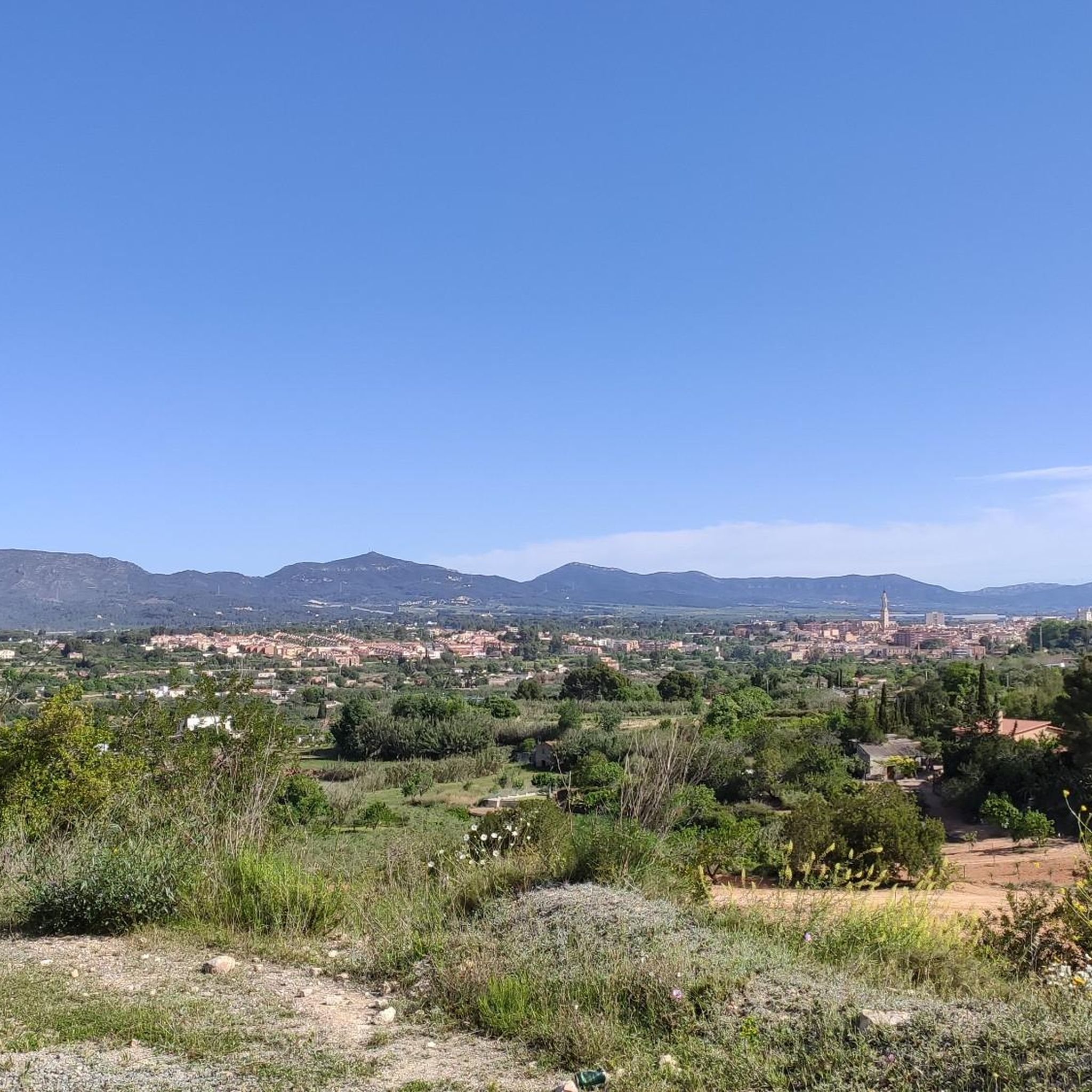
Best attractions and places to see around La Masó, a municipality in the Alt Camp region of Tarragona, Catalonia, offers a blend of historical sites and natural landscapes. Situated in the scenic Francolí river valley, the area features an agricultural heritage with fields of hazelnuts and calçots. Its historical roots trace back to the 12th century, with connections to the Knights Templar.
Best attractions and places to see around La Masó
- The most popular attractions is Les Ferreres Aqueduct (Devil's…
Last updated: July 7, 2026
Les Ferreres Aqueduct (Devil's Bridge)
Highlight • Bridge
Translated by Google •
Tip by

Puig d'en Cama (717 m)
Highlight • Summit
Translated by Google •
Tip by

Sign up now to discover places like this
Get recommendations on the best single tracks, peaks, & plenty of other exciting outdoor places.
Sign up for free
Hermitage of Sant Pere del Puig
Highlight • Religious Site
Translated by Google •
Tip by
Castillo del Paborde
Highlight • Castle
Translated by Google •
Tip by
Les Ferreres Aqueduct
Highlight • Monument
Translated by Google •
Tip by

Sign up for free to discover even more attractions around La Masó.
Sign up for free
Already have an account?
Start today with a free account
Your next adventure awaits.
Login or Signup

Tips from the Community

In the 1st century A.D., two long aqueducts were built to supply the city with water. The first, known as Aqua Augusta, was fed by the Gaià river and was approximately 50 km long. The second was fed by the Francolí river and was some 15 km long. The most spectacular surviving stretch belongs to the second aqueduct and consists of a 217-metre segment that stands 26 metres tall at its highest point and bridges a ravine. It was built from large ashlars stacked without mortar to form two tiers of arches. It is popularly known as the Pont del Diable (Devil’s Bridge) or the “Les Ferreres” Aqueduct.
0
0

It is worth stopping to see it and walk around and over it.
0
0

The aqueduct can be easily visited from a motorway parking lot
3
0

Good ramps with good pavement. It climbs well and is worth it.
0
0

Great building, very well preserved. You can cross it at the top. It's definitely worth a visit 🤩
2
1
Super beautiful building. Very well preserved. Definitely worth a visit 🤩
2
0

The Selva Castle was for centuries the stately residence of the prefects of Tarragona and the archbishops of the metropolis. It belonged to the Papordia of the archbishop of Tarragona, and was probably built at the end of the 12th century. It was a residence very frequented by the paborde, but it mainly served as a storehouse for nuts and tithes. In 1411 Pope Benedict XIII decreed the abolition of the pabordia and the Castle was administered directly by the Archbishop of Tarragona and in the s. In the 16th century, the building was expanded with residential buildings and an upper floor accessed by a staircase. The action of the Constituent Courts during the Biennium of 1822 ended, in fact, with the lordships. This work was complemented by the confiscation laws of the middle of the 19th century, and thus the Selva Castle would become the property or usufruct of the Town Council. Passing through various users after the ecclesiastical confiscation, the Castle, the town's largest heritage building had become a ruin that the Selvatans have lived with for decades. Finally, in a municipal economic boom, the City Council, entering the new millennium, decided to carry out an ambitious project such as that of restoring the monument and giving it a function of public use in accordance with its identity , a first-rate cultural facility.
0
0
The hermitage of Sant Pere has been redone on several occasions due to its poor state of preservation. The original hermitage dates from the middle of the 13th century, it was of Romanesque style and of larger dimensions. In addition, it was accompanied by an annexed house where the hermits and the donated lived, who were responsible for the maintenance of the cult and the lands attached to the hermitage. One of the most important reforms was that of 1588, under the supervision of Pere Blai (1553-1620) and which, according to some authors, would follow the Renaissance traces typical of the time. Finally, the last intervention took place throughout the 19th century and ended in the 1870s. The privileged position of the hermitage as a viewpoint of the Camp and first bastion of the mountains of the Sierra de la Mussara has been a determining factor for some military campaigns. During the French War (1808-1814), the Napoleons occupied the hermitage and adapted it to wartime needs. They had loopholes and parapets built there in order to defend themselves from attacks. However, the French were not the only ones to occupy the chapel militarily. During the First Carline War (1833-1840), clashes continued to occur between the supporters of Isabel II (1830-1904) and Charles V (1788-1855)
0
0
Frequently Asked Questions
What historical sites can I explore in La Masó and its surroundings?
La Masó boasts a rich history, with several notable sites. You can visit the impressive Neoromanesque Church of Santa Magdalena, unique for its Byzantine dome and separate bell tower. The Castillo del Paborde, a 12th-century castle in La Selva del Camp, also offers a glimpse into the region's medieval past. Additionally, the Hermitage of Sant Pere del Puig, originally Romanesque, has a long history of reforms and military occupation, offering a fascinating historical perspective.
Are there natural attractions or scenic viewpoints near La Masó?
Yes, the region offers beautiful natural spots. The Gaià Reservoir provides a scenic natural environment between the municipalities of Catllar, Vespella de Gaià, and Renau. For panoramic views, consider a climb to Puig d'en Cama (717 m), a summit offering spectacular 360-degree vistas. The Francolí River valley itself, where La Masó is situated, also offers areas of significant natural value for excursions along its banks.
What outdoor activities, like hiking, can I do around La Masó?
The area around La Masó is excellent for outdoor activities. You can find numerous hiking trails, including those around the Les Ferreres Aqueduct (Devil's Bridge), which is popular for its idyllic paths and picnic spots. For more extensive options, explore the MTB Trails around La Masó guide, which also includes routes suitable for hiking.
Are there cycling or mountain biking routes available near La Masó?
Absolutely. For cycling enthusiasts, there are various routes, from easy to difficult. You can explore options in the Cycling around La Masó guide. If you prefer mountain biking, the MTB Trails around La Masó guide offers challenging routes like the 'Torre de la Mixarda' loop or the 'Pont dels Moros' loop from Vilallonga del Camp.
What is the agricultural significance of La Masó?
La Masó is deeply connected to agriculture, with vast fields of hazelnuts and calçots (a type of green onion) being prominent crops. It is one of the main producers of the PGI Calçot de Valls, offering insight into the local economy and providing a picturesque setting with its agricultural landscape.
Are there any family-friendly attractions or activities in the area?
Yes, several attractions are suitable for families. The Les Ferreres Aqueduct (Devil's Bridge) offers many paths to explore on foot, perfect for a family outing and picnic. The Hermitage of Sant Pere del Puig is also considered family-friendly, with good ramps and pavement for access.
What is the best time of year to visit La Masó for outdoor activities?
While specific data on the best time to visit isn't provided, the region's Mediterranean climate generally makes spring and autumn ideal for outdoor activities like hiking and cycling. Temperatures are milder, and the natural landscape is vibrant. Summers can be hot, and winters are generally mild.
What do visitors particularly enjoy about the attractions around La Masó?
Visitors frequently praise the spectacular views from summits like Puig d'en Cama, noting the well-marked trails. The Les Ferreres Aqueduct is loved for its historical significance and the surrounding idyllic hiking trails and picnic spots. The natural beauty of the Gaià Reservoir is also highly appreciated.
Can I find any unique historical structures related to the Knights Templar in La Masó?
Yes, La Masó has historical ties to the Knights Templar. The Old Mill of La Selva (Molí de la Selva), located about 500 meters from the town, once belonged to the Knights Templar. Although partly in ruins, it still preserves its medieval cellars, offering a tangible connection to this fascinating period.
Are there any ancient Roman structures to see near La Masó?
Indeed. The most prominent ancient Roman structure is the Les Ferreres Aqueduct (Devil's Bridge). This impressive aqueduct, dating from the 1st century, is over 200 meters long and was part of the water supply system for the city of Tarragona. It's a significant historical landmark and a popular spot for visitors.
What kind of terrain can I expect on hiking trails around La Masó?
The terrain around La Masó varies. Trails can range from easy paths suitable for families, such as those around the Les Ferreres Aqueduct, to more challenging and steep climbs leading to summits like Puig d'en Cama. You'll find a mix of forest areas, riverbanks along the Francolí, and agricultural landscapes.
Most popular routes around La Masó
Most popular attractions around La Masó

Get inspired with the komoot mobile app


Explore more
Still not found the Highlight you’re looking for? See guides of the top attractions in other regions:
