The best cycling routes around Torrevelilla
4.3
(4)
93
riders
22
rides
Touring cycling routes around Torrevelilla traverse a landscape characterized by historical towns, river valleys, and varied terrain. The region features a mix of agricultural areas and natural spaces, with routes often incorporating former railway lines and cultural landmarks. Elevations vary, providing options for different cycling experiences.
Best touring cycling routes around Torrevelilla
- The most popular touring cycling route is Old Town of Ráfales – Access to Pla Sensal loop from Pozo Canellas, a 22.9 miles (36.9 km) trail that…
Last updated: July 1, 2026
5.0
(2)
21
riders
36.9km
02:34
660m
670m
Hard bike ride. Very good fitness required. Mostly paved surfaces. Suitable for all skill levels.
16
riders
37.6km
02:39
580m
580m
Hard bike ride. Very good fitness required. Mostly paved surfaces. Suitable for all skill levels.

Sign up for free
9
riders
31.3km
02:34
390m
390m
Moderate bike ride. Good fitness required. Mostly paved surfaces. Suitable for all skill levels.
7
riders
28.2km
02:28
380m
380m
Moderate bike ride. Good fitness required. Mostly paved surfaces. Suitable for all skill levels.
6
riders
42.7km
02:48
540m
540m
Hard bike ride. Very good fitness required. Mostly paved surfaces. Suitable for all skill levels.
Get access to more routes and recommendations from other explorers.
Sign up for free
Already have an account?
Our route recommendations are based on thousands of hikes, rides, and runs completed by other people on komoot.
Start today with a free account
Your next adventure awaits.
Login or Signup

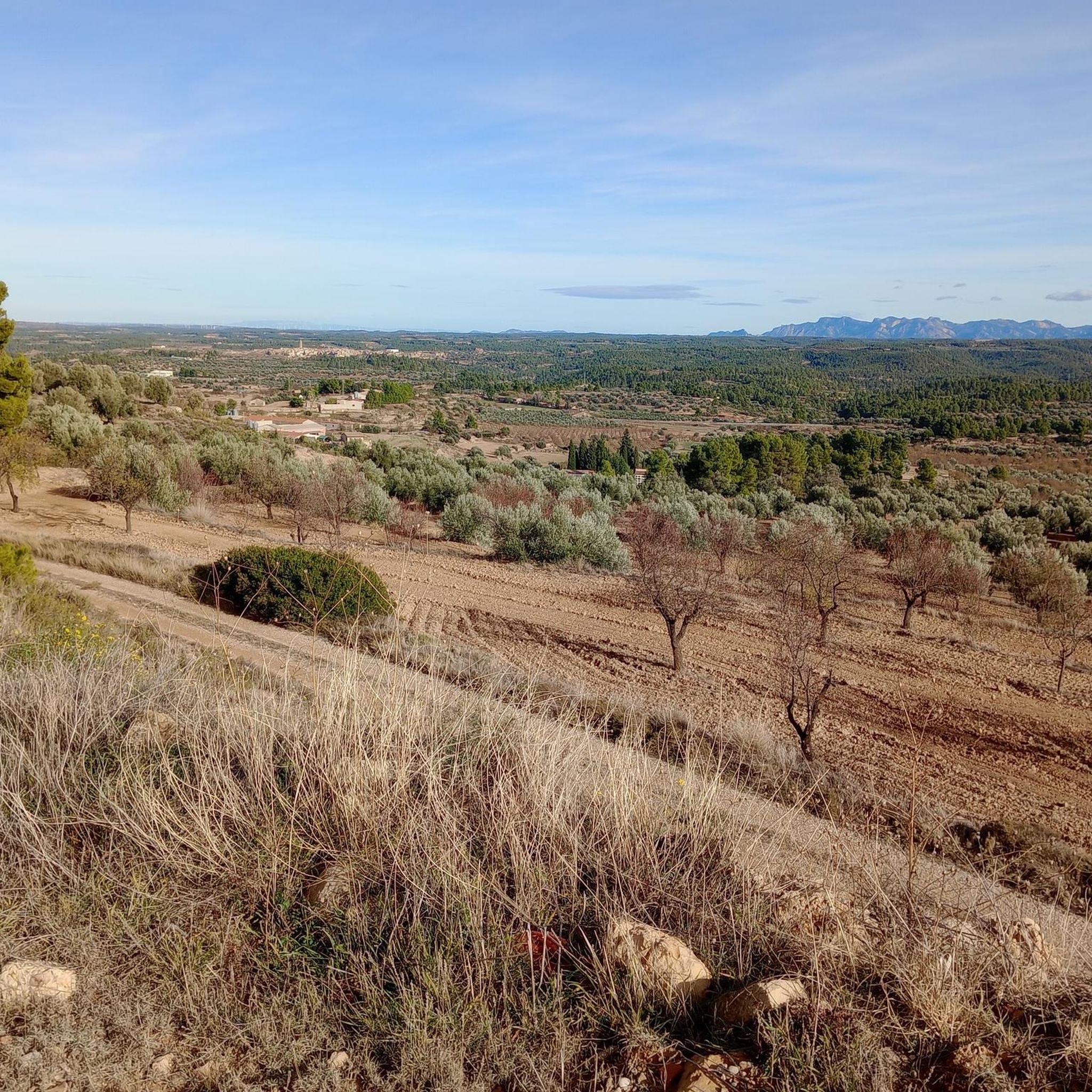
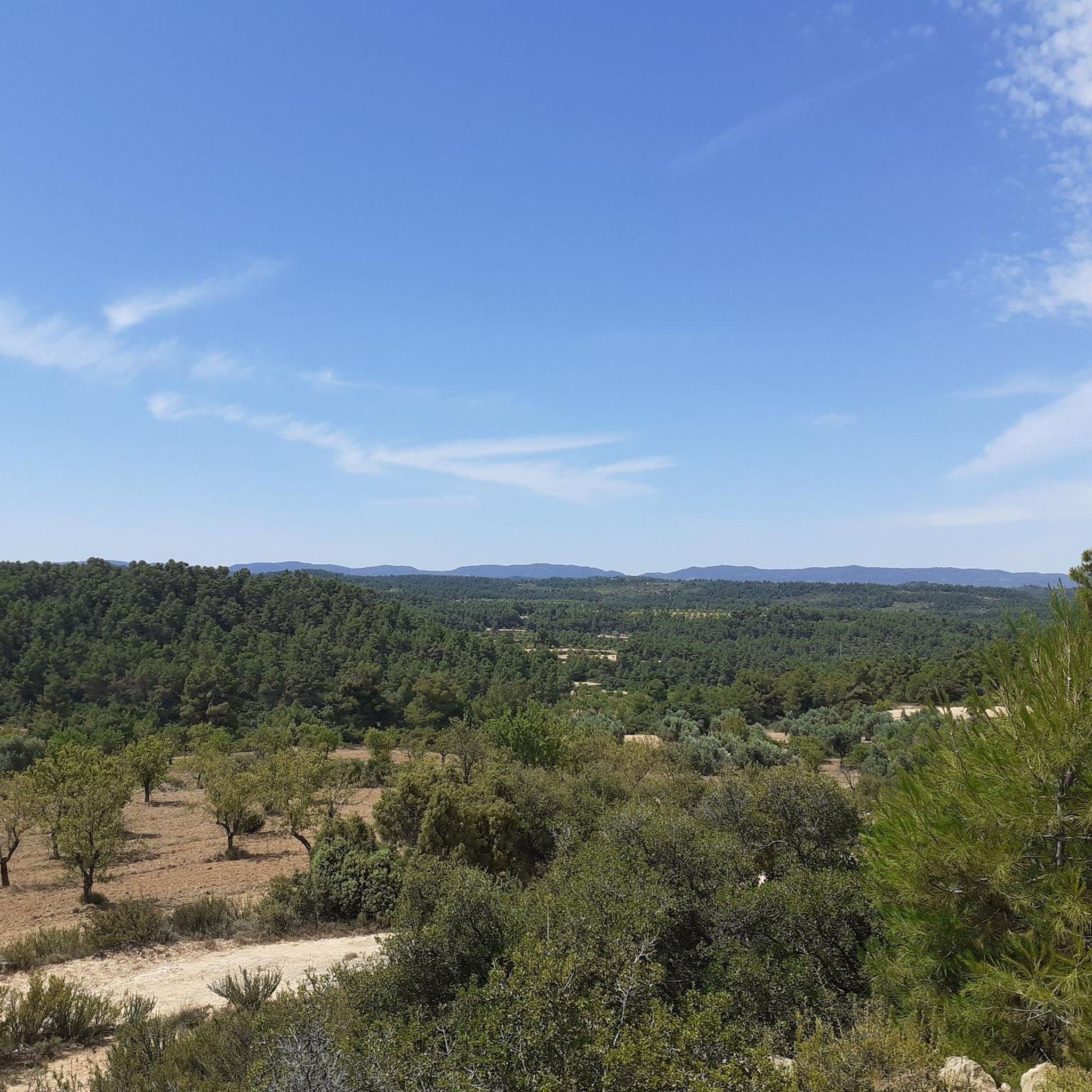

Tips from the Community

Here you can get a delicious baguette for €1.10, 24/7. It tastes great!
0
0

The Church of Our Lady of Hope in Calanda (Teruel) is a prominent Baroque church with a rich history dating back to the 13th century. The original building was a small church constructed in the late 13th century. In 1462, Pedro Vacca, Lord of Calanda, rebuilt and expanded it, linking it to the Order of Calatrava.
2
0

Bridge over the Guadalope River in Castelserás.
1
0
Good views of Alcañiz.
0
0

Village with only about 100 inhabitants, located in a beautiful landscape.
2
0

Stage 4. Horta de Sant Joan/Valdealgorfa 40.2 kilometers. 320 positive meters. The end of the bikepacking trip has a magnificent closure. The route leaves the Horta de Sant Joan station, passes through one of the last tunnels on the way and the Algars River Viaduct appears, impressive, 170 meters long and four large arches 20 meters high. At the bridge you cross the Matarraña-Algars Natural Trail. The path advances through a landscape of crops, vines and scrubland until the Cretas station. The town leaves the mountains on the right and the route runs along the highest section of the old railway route, at the old Valderrobres station. The descent through the Canaleta valley is fantastic, the bikes launch at full speed towards the plain of the Matarraña river. On some hills to the left, the silhouette of the Torre del Compte houses appears attached to the crest of a lookout hill, like most of the towns in the region. The path passes through the old station, converted into a rural hotel, and crosses the Matarraña viaduct, 275 meters long, one of the great works of the railway. The meadow is a beautiful agricultural area of impeccable crops, adapted to the soil and relief of the valley. The Matarraña River marks the end of the mountain landscapes. The road passes through a new curved tunnel and immediately the Valdeltorno station appears, where the detour to the Matarraña Natural Path that we used three days before in the first stage towards Fayón departs. Now the route continues straight on through familiar terrain, it crosses the straight that goes up to the attractive Valjunquera station and shortly after the decisive moment of the stage arrives. On the first day of the trip we leave the Equinox Tunnel for the return and it is time to face the experience. The milestones of the Natural Trail indicate the route outside the tunnel for safety, since it is not conditioned or maintained, landslides and waterlogged sections may appear, the ground is stony and it is easy to suffer incidents, it is a 2.4 kilometer journey of darkness and It is the responsibility of each person to make the decision to travel through the old railway tunnel. In our case we asked in the town and at that time it was in acceptable condition. And we chose the direction from east to west so that it was downhill because there is a 60 meter difference in altitude. The surface has sections with quite a few stones and you have to hone in on the gravel to avoid skidding, it is a matter of patience, good light and skill. The exit hole grows little by little and finally the fence installed at the mouth of the tunnel appears to control the passage and a few meters later the Valdealgorfa station, the end of a new and intense bikepacking adventure.
0
0

Torre Compte is located very close to the route of the Vía Verde del Val de Zafán. Its traditional historical complex is very beautiful, with stone houses, narrow streets, arches and doors. If you feel like making a stop, this place is ideal.
2
0
The Calatravos castle is today a national tourist stop. Its oldest part dates back to the 13th century, although the cloister and palace date from the 14th century. The outer wall was renovated in the 19th century.
0
0
Frequently Asked Questions
How many touring cycling routes are available around Torrevelilla?
There are over 15 touring cycling routes available around Torrevelilla, offering a variety of experiences through historical towns, river valleys, and varied terrain.
What is the general difficulty level of touring cycling routes in the Torrevelilla area?
The routes around Torrevelilla are generally categorized as moderate to difficult. You'll find 8 moderate routes and 10 difficult routes, providing options for cyclists with different fitness levels and preferences for challenging terrain.
What do other cyclists say about touring cycling in Torrevelilla?
The touring cycling routes in Torrevelilla are highly rated by the komoot community, with an average score of 4.5 stars from over 8 reviews. Cyclists often praise the region's blend of historical towns and natural landscapes, as well as the varied elevations that make for engaging rides.
Are there any notable landmarks or points of interest to see along the cycling routes near Torrevelilla?
Yes, the region offers several interesting landmarks. You can cycle past the unique Equinox Tunnel, explore the charming settlements of Valdealgorfa and Castelserás, or visit the historic town of Calanda.
Can I visit historical sites like the Desert Convent of Calanda while cycling?
Absolutely. The Desert Convent of Calanda is a significant historical site in the area and can be incorporated into your cycling plans. Routes often pass near or through such cultural landmarks, allowing for enriching stops.
Are there any circular touring cycling routes around Torrevelilla?
Many of the touring cycling routes in the area are designed as loops, making them convenient for starting and ending in the same location. For example, the Old Town of Ráfales – Access to Pla Sensal loop from Pozo Canellas is a popular circular option.
What kind of terrain can I expect on touring cycling routes in this region?
The terrain around Torrevelilla is varied, featuring a mix of agricultural areas, river valleys, and natural spaces. You'll encounter routes that incorporate former railway lines, offering flatter sections, alongside more challenging paths with notable elevation changes, especially on the difficult routes.
Are there any routes that incorporate unique features like old railway lines?
Yes, some routes utilize former railway lines, providing a unique cycling experience. The Railway Tunnel – Torre del Compte loop from Antigua Estación de Valdeagorfa is a prime example, featuring a railway tunnel and connecting historical points.
Is it possible to find family-friendly touring cycling routes near Torrevelilla?
While there are no routes explicitly marked as 'easy' in the data, some of the moderate routes, particularly those that follow former railway lines or have less significant elevation gain, could be suitable for families with some cycling experience. Always check the route details for distance and elevation before setting out.
What is the best time of year to go touring cycling in the Bajo Aragón region?
The best time to cycle in the Bajo Aragón region, including Torrevelilla, is typically during spring (April to June) and autumn (September to October). During these seasons, the weather is generally milder and more pleasant for cycling, avoiding the intense heat of summer and the colder temperatures of winter.
Are there any routes that pass by the Castle of the Calatravos?
Yes, you can cycle past the impressive Castle of the Calatravos. The Alcañiz – Castle of the Calatravos loop from Torrecilla de Alcañiz is a popular route that leads through historical towns and directly past this significant landmark.
Are there any routes that start directly from Torrevelilla?
While many routes are accessible from various points in the surrounding area, the guide focuses on routes that explore the broader region around Torrevelilla. You can easily connect to these routes from the village, or use Torrevelilla as a base for your cycling adventures.
Where can I find parking for cycling routes near Torrevelilla?
Parking is generally available in the towns and villages that serve as starting points for many routes. For example, routes often begin from locations like Pozo Canellas or Antigua Estación de Valdeagorfa, where you can typically find suitable parking for your vehicle.
Are there any routes that feature aqueducts?
Yes, the region's historical infrastructure includes impressive aqueducts. The Los Arcos Aqueduct – Castelserás loop from Calanda is a route that allows you to see the notable Los Arcos Aqueduct.
Most popular attractions around Torrevelilla

Get inspired with the komoot mobile app


Explore more
Browse the best Cycling routes in other regions.
