The best MTB trails around Humilladero
4.4
(34)
161
riders
56
rides
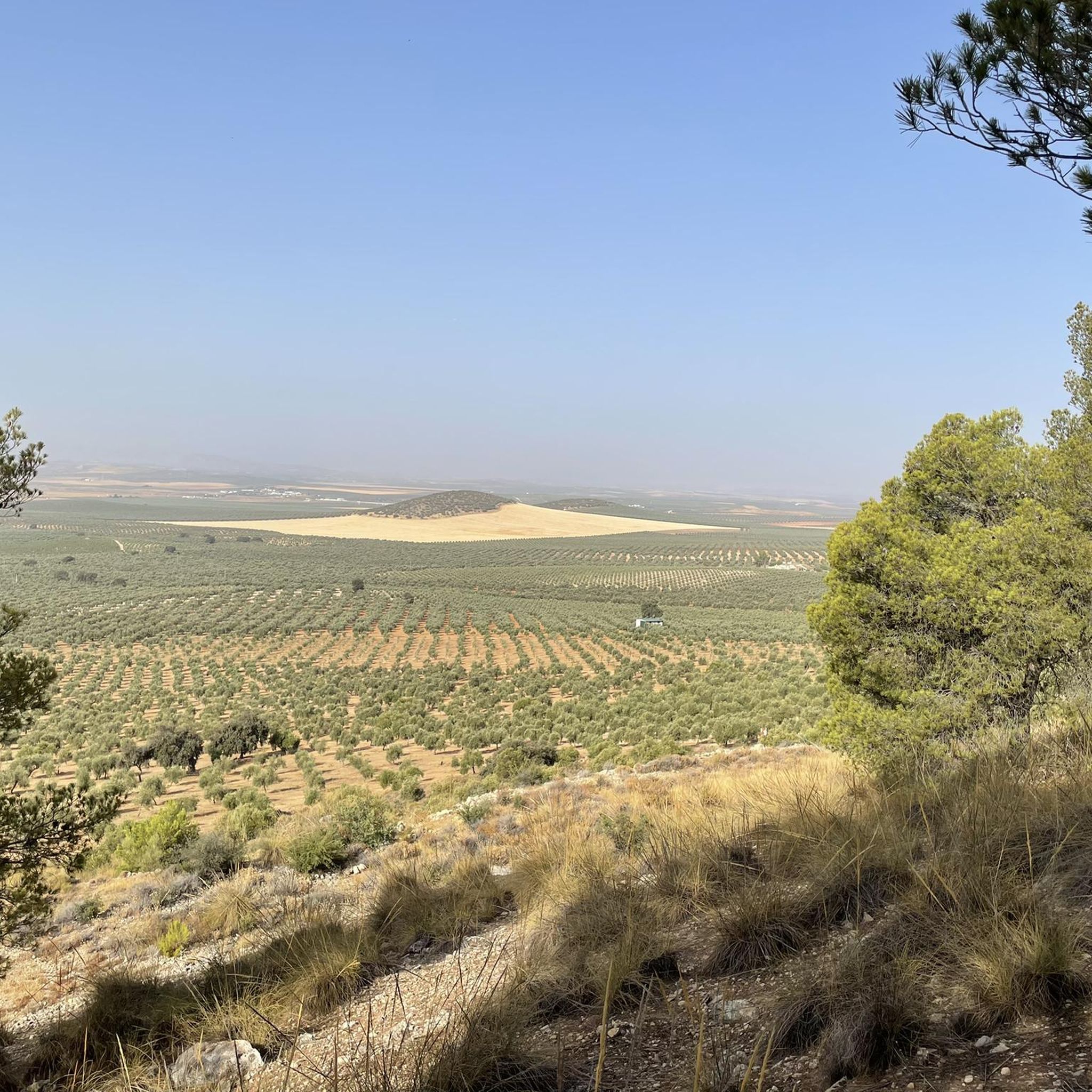
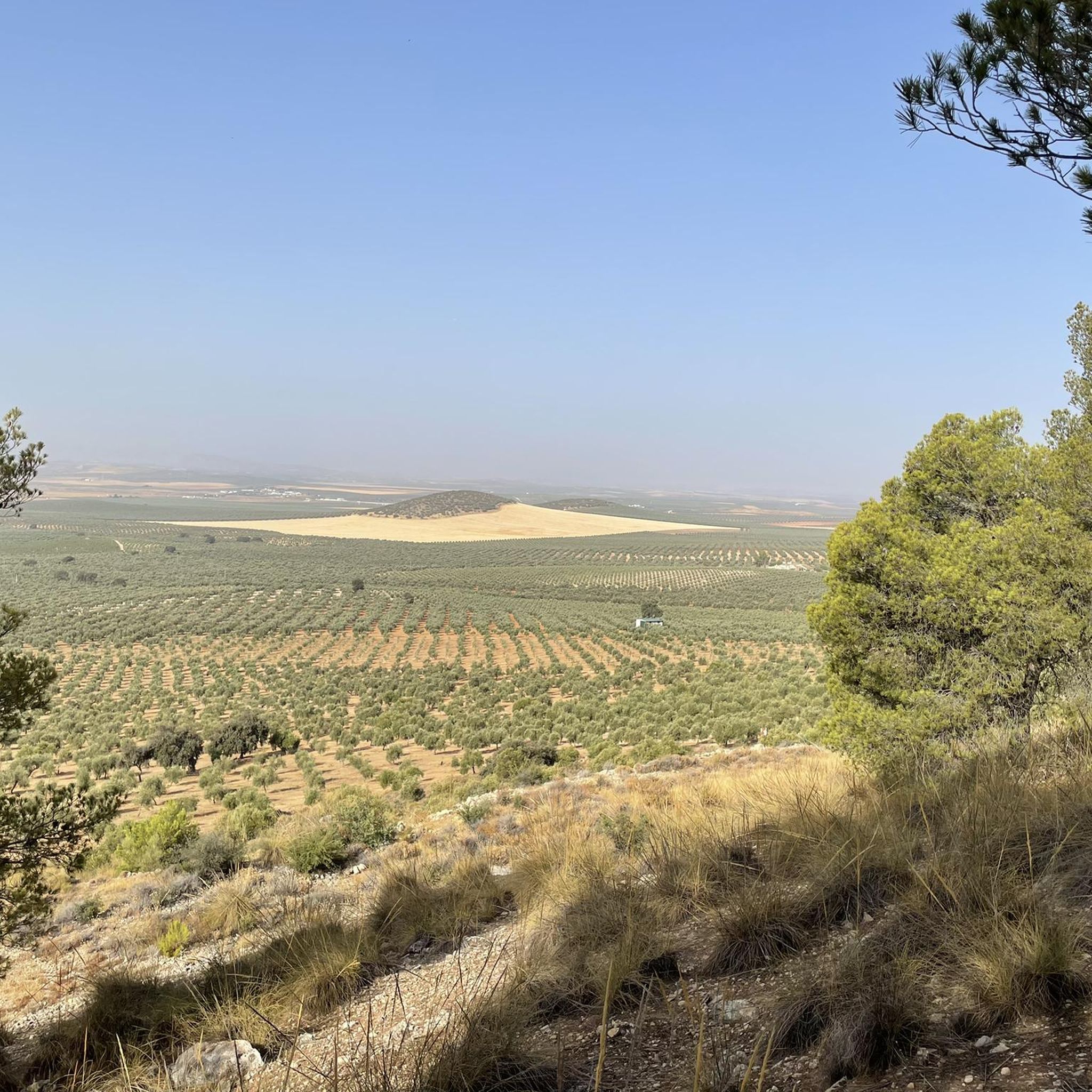
Mountain biking around Humilladero offers a diverse landscape characterized by rolling hills, open agricultural plains, and natural areas like the Sierra de Mollina. The region features a network of trails that traverse varied terrain, from established paths through olive groves to more rugged tracks in the hills. These routes provide opportunities to explore the Andalusian countryside, connecting small towns and natural landmarks.
Best mountain bike trails around Humilladero
- The most popular mountain bike trail is Estepa Gate – Antequera Bullring…
Last updated: July 4, 2026
6
riders
44.4km
03:28
400m
400m
Moderate mountain bike ride. Good fitness required. Suitable for all skill levels.
4.0
(1)
7
riders
44.3km
02:56
390m
390m
Moderate mountain bike ride. Good fitness required. Suitable for all skill levels.

Sign up for free
4
riders
43.7km
02:46
210m
210m
Moderate mountain bike ride. Good fitness required. Suitable for all skill levels.
4
riders
59.6km
03:26
400m
400m
Moderate mountain bike ride. Good fitness required. Suitable for all skill levels.
4.0
(2)
4
riders
41.1km
03:00
330m
330m
Moderate mountain bike ride. Good fitness required. Suitable for all skill levels.
Get access to more routes and recommendations from other explorers.
Sign up for free
Already have an account?
Our route recommendations are based on thousands of hikes, rides, and runs completed by other people on komoot.
Start today with a free account
Your next adventure awaits.
Login or Signup

Tips from the Community

Laguna de Fuente de Piedra is home to large flamingo colonies and is considered one of the most important breeding grounds for this bird species in Europe, where they can be observed particularly well in the warmer months.
3
0
The Conjunto Arqueológico Dólmenes de Antequera (Antequera Dolmens Archaeological Site) is one of the most important prehistoric sites in Europe and is located on the outskirts of Antequera in Andalusia, directly on the Carretera de Málaga (Málaga Highway). The site comprises three large megalithic tombs – the Dolmen de Menga, the Dolmen de Viera, and the Tholos de El Romeral – as well as the two natural monuments Peña de los Enamorados and El Torcal de Antequera. Together, they have formed a UNESCO World Heritage Site since 2016, uniquely demonstrating the connection between humankind, architecture, and landscape. The Dolmen de Menga is the largest structure in the site and is among the most impressive megalithic tombs in Europe. It was built between approximately 3800 and 3600 BC and consists of enormous stone blocks assembled to form a long burial chamber. Particularly noteworthy is its alignment with the rock Peña de los Enamorados, suggesting a symbolic or ritual significance. Human remains and grave goods were found inside. Just a few meters away is the Dolmen de Viera, which is somewhat smaller and more classically constructed. It was built between approximately 3500 and 3000 BC and is oriented precisely to the east, so that sunlight falls directly into the burial chamber at the equinox. The third structure, the Tholos de El Romeral, lies about four kilometers away and dates from the Copper Age, around 2500 BC. Its circular shape and corbelled vault distinguish it from the older dolmens and represent a further development of the architectural techniques of that time.
0
0
In the heart of Alameda stands the monument to José María Hinojosa Cobacho, better known as "El Tempranillo," one of the most famous Andalusian bandits of the 19th century. The bronze statue depicts him in a typical rebel and folk hero pose and is located on Calle Álamos, not far from the town center. El Tempranillo was born in 1805 in Jauja, near Lucena, and joined a band of highwaymen at a young age. Over time, he became a legendary figure, both feared and revered by the local population—a symbol of resistance against social injustice. After being mortally wounded in a raid in 1833, his body was brought to Alameda, where he died and was buried in the Church of the Immaculate Conception. The monument and his grave are now part of the "Ruta del Tempranillo," a cultural route that traces the life of the bandit. They are reminiscent of a time when outlaws and folk heroes often lived close together, making Alameda an important place in Andalusian history and legendary culture.
1
0
Alameda is a picturesque village that captivates visitors with its tranquil atmosphere and historically rich surroundings. Encircled by expansive fields and rolling hills, it offers ideal conditions for cycling tours through the Andalusian hinterland. The whitewashed houses, narrow streets, and shady squares lend the village its typical Andalusian charm. At its heart lie the Church of the Immaculate Conception and the Placeta Fountain, reminders of the village's Roman roots. Alameda is particularly famous for the legend of the bandit José María "El Tempranillo," whose monument and tomb are now popular destinations for visitors. The surrounding area is easily explored by bicycle – passing olive groves, old farmhouses, and quiet paths that offer a glimpse into rural Andalusia. Alameda uniquely combines history, culture, and nature, making it an ideal starting point for peaceful, enriching tours away from the crowds.
0
0
Fuente de Piedra is a charming village whose name derives from an ancient spring believed to possess healing powers. The area was already settled in Roman times, and the spring was then referred to as "Fons Divinus." In the Middle Ages, a small settlement grew up around the spring, which later acquired its present name. During the 18th and 19th centuries, Fuente de Piedra was a renowned spa town thanks to its mineral waters, until the spring dried up. Today, the village's name evokes this past, while its history remains closely intertwined with the use and veneration of the water.
1
0
The Parish Church of Our Lady of the Immaculate Conception (Iglesia Parroquial de Nuestra Señora de la Inmaculada Concepción) is the main church of Alameda and is located in the town center. Built in 1633, it has been expanded several times over the centuries, including the 18th century with the addition of side aisles and a Baroque chapel. The church displays typical elements of Andalusian Baroque architecture, with a simple stone and brick facade and a striking round-arched portal. Inside, the high nave, flanked by two lower side aisles, and a barrel-vaulted ceiling create a harmonious atmosphere. The church is particularly famous as the burial place of the legendary bandit El Tempranillo, who died in Alameda in 1833. It also houses an elaborate image of the Virgen de los Dolores (Virgin of Sorrows), created in 1940 by the sculptor Castillo Lastrucci. The church is now a listed building and is considered one of the most important historical buildings in the town, combining both religious and cultural history.
2
0
Designated trails run around the lagoon, leading directly to observation points and birdwatching towers. From there, flamingos and numerous other bird species can be observed undisturbed.
1
0
The historic fountain is located in the center of Fuente de Piedra. Its origins date back to a natural spring known since ancient times. This spring was venerated by the Romans as Fons Divinus – "Divine Spring" – because its water was believed to have healing powers, particularly against gallstones. The name of the place, "Fuente de Piedra" ("Stone Spring"), derives directly from this spring. Over the centuries, it has remained a central landmark in the community. In the 1990s, the spring was uncovered and restored in the area of today's Plaza de la Constitución, so that today it serves as a historic landmark commemorating the town's Roman origins and long tradition.
0
0
Frequently Asked Questions
How many mountain bike trails are available around Humilladero?
There are over 50 mountain bike trails around Humilladero, offering a variety of routes through rolling hills, agricultural plains, and natural areas. These trails cater to different skill levels, from moderate loops to more challenging routes.
Are there any easy mountain bike trails for beginners in Humilladero?
Yes, Humilladero offers a few easy mountain bike trails, with 4 routes specifically categorized as easy. While many trails are moderate, these easier options provide a good starting point for those new to mountain biking or looking for a more relaxed ride.
What is the best time of year to go mountain biking in Humilladero?
The best time for mountain biking in Humilladero is typically during the spring (March to May) and autumn (September to November). During these seasons, the weather is generally milder and more pleasant, avoiding the intense heat of summer and the cooler, potentially wetter conditions of winter. This allows for comfortable riding through the region's diverse landscapes.
Are there any family-friendly mountain bike routes in Humilladero?
While many routes around Humilladero are classified as moderate, some shorter and less challenging sections can be suitable for families with older children or those with some biking experience. Look for trails with lower elevation gain and smoother terrain. Always check the route details for distance and difficulty to ensure it matches your family's capabilities.
Are there mountain bike trails that feature scenic views or natural landmarks?
Absolutely. Many trails in Humilladero offer scenic views of the Andalusian countryside, including olive groves and natural areas. For example, the Sierra de Mollina Trail – La Ratosa Lagoon loop from Humilladero explores the natural beauty of the Sierra de Mollina and includes the picturesque La Ratosa Lagoon. Another option is the Fuente de Piedra – Divine source loop from Mollina, which passes near the renowned Fuente de Piedra Lagoon, famous for its flamingos.
Are there loop mountain bike trails available around Humilladero?
Yes, many mountain bike trails in Humilladero are designed as loops, offering convenient starting and ending points. For instance, the Sierra de Mollina Trail loop from Humilladero is a popular 27.5-mile (44.3 km) loop that takes you through the hills of Sierra de Mollina.
What kind of elevation gain can I expect on mountain bike trails in Humilladero?
The elevation gain on mountain bike trails around Humilladero varies, reflecting the region's rolling hills. Moderate trails typically feature elevation gains ranging from around 200 meters to nearly 600 meters. For example, the Estepa Gate – Antequera Bullring loop from Restaurante El Canal has an elevation gain of approximately 593 meters over 29.5 miles (47.5 km).
Are there any specific attractions or points of interest along the mountain bike routes?
Yes, several routes pass by interesting attractions. The Dolmens of Antequera – Medina Antaqira loop from Mollina offers a chance to explore historical sites. Additionally, the region is home to natural highlights such as the Bird Observation Tower at Laguna de Fuente de Piedra Nature Reserve and the Arroyo del Pontón gorge.
What do other mountain bikers say about the trails in Humilladero?
The mountain bike trails around Humilladero are highly regarded by the komoot community, holding an average rating of 4.6 stars from over 26 reviews. Many riders appreciate the diverse landscape, which combines open agricultural plains with more rugged tracks in the hills, offering varied terrain to explore.
Is parking readily available near the trailheads in Humilladero?
Parking availability can vary depending on the specific trailhead. In and around Humilladero, you can generally find parking in town centers or designated areas near popular starting points for routes. It's advisable to check the route details on komoot for specific parking recommendations or common starting locations.
Are dogs allowed on the mountain bike trails in Humilladero?
Generally, dogs are permitted on many outdoor trails in the Humilladero region, especially in natural areas. However, regulations can vary, particularly in protected natural reserves or private lands. It's always best to keep dogs on a leash and ensure you clean up after them. Check local signage or specific route information for any restrictions.
Most popular attractions around Humilladero

Get inspired with the komoot mobile app


Explore more
Browse the best MTB trails in other regions.
