Attractions and Places To See around Ojacastro - Top 20
Best attractions and places to see around Ojacastro include historical landmarks, cultural sites, and natural features. This municipality is situated in the Oja Valley, offering access to the scenic Sierra de la Demanda. The area provides opportunities to explore religious architecture, traditional villages, and diverse natural landscapes.
Best attractions and places to see around Ojacastro
- The most popular attractions is Santo Domingo de la Calzada Cathedral, a religious building known for being a church-fortress. It houses a live rooster…
Last updated: August 30, 2026
Santo Domingo de la Calzada Cathedral
Highlight • Religious Site
Translated by Google •
Tip by

Santo Domingo de la Calzada Bridge
Highlight • Bridge
At the entrance, on the banks of Santo Domingo de la Calzada, there …
Translated by Google •
Tip by
Sign up now to discover places like this
Get recommendations on the best single tracks, peaks, & plenty of other exciting outdoor places.
Sign up for free
Parish Hostel San Juan Bautista de Grañón
Highlight • Rest Area
Translated by Google •
Tip by

San Millán de la Cogolla Monastery
Highlight • Religious Site
Translated by Google •
Tip by

Bicigrino Statue
Highlight • Monument
Translated by Google •
Tip by

Sign up for free to discover even more attractions around Ojacastro.
Sign up for free
Already have an account?
Start today with a free account
Your next adventure awaits.
Login or Signup
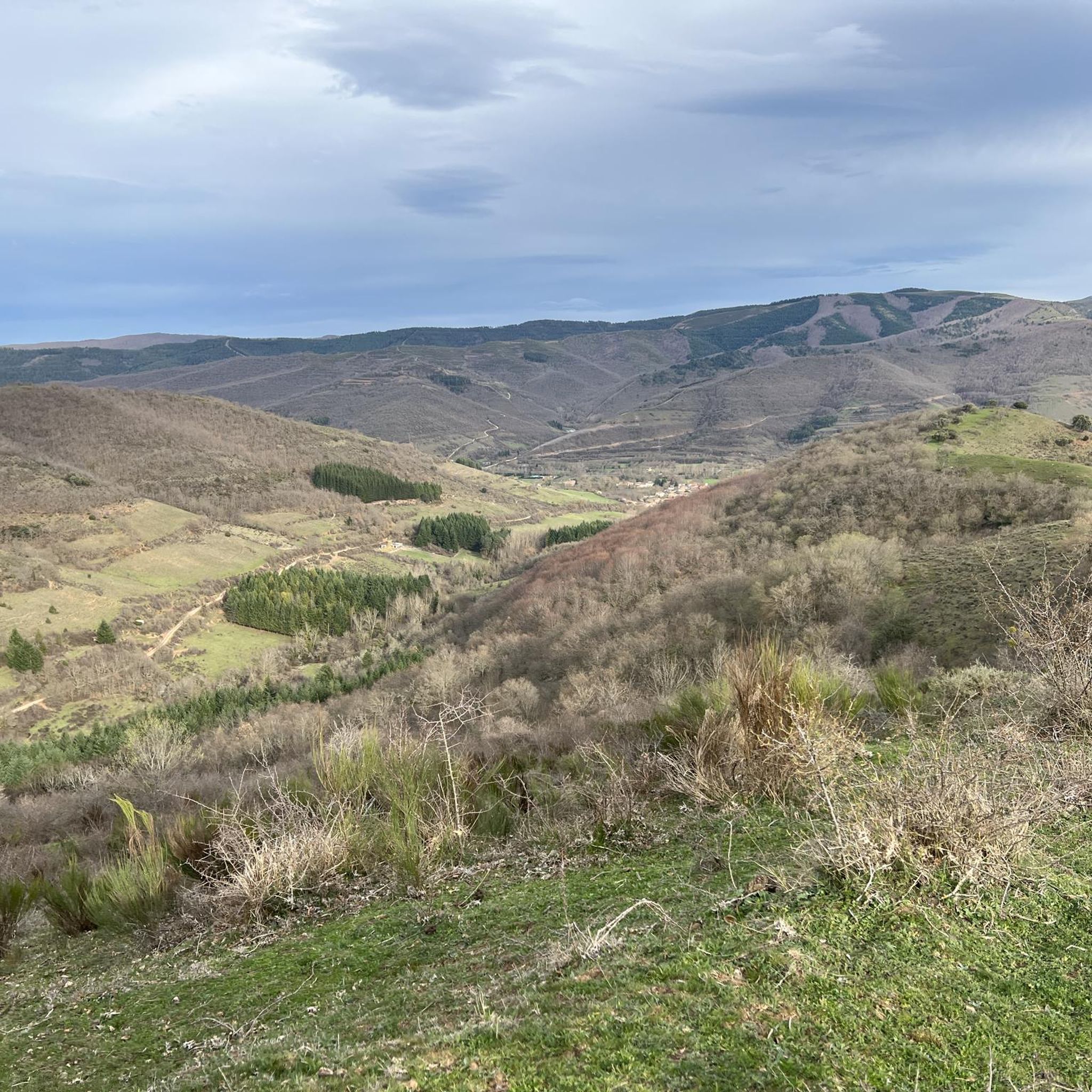
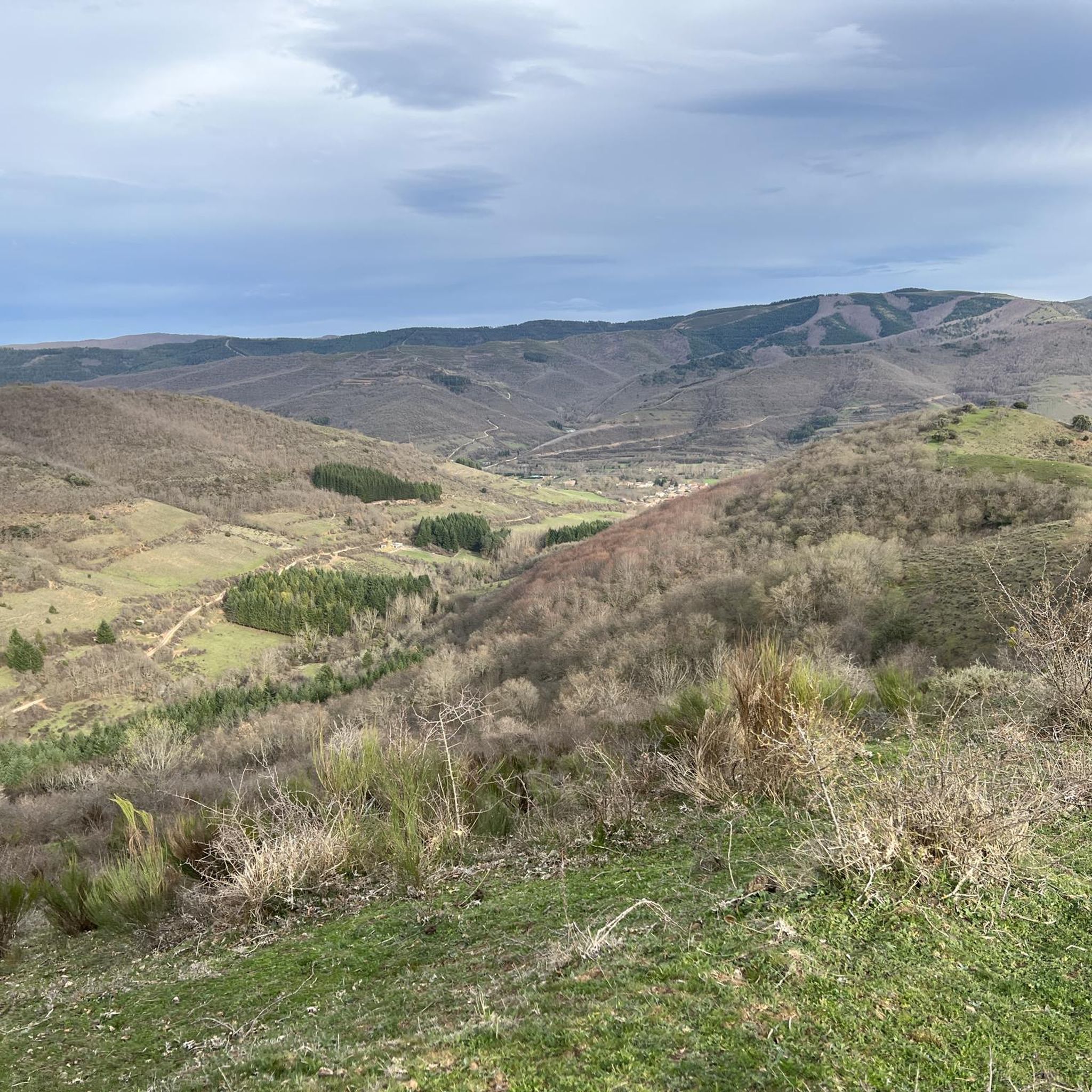
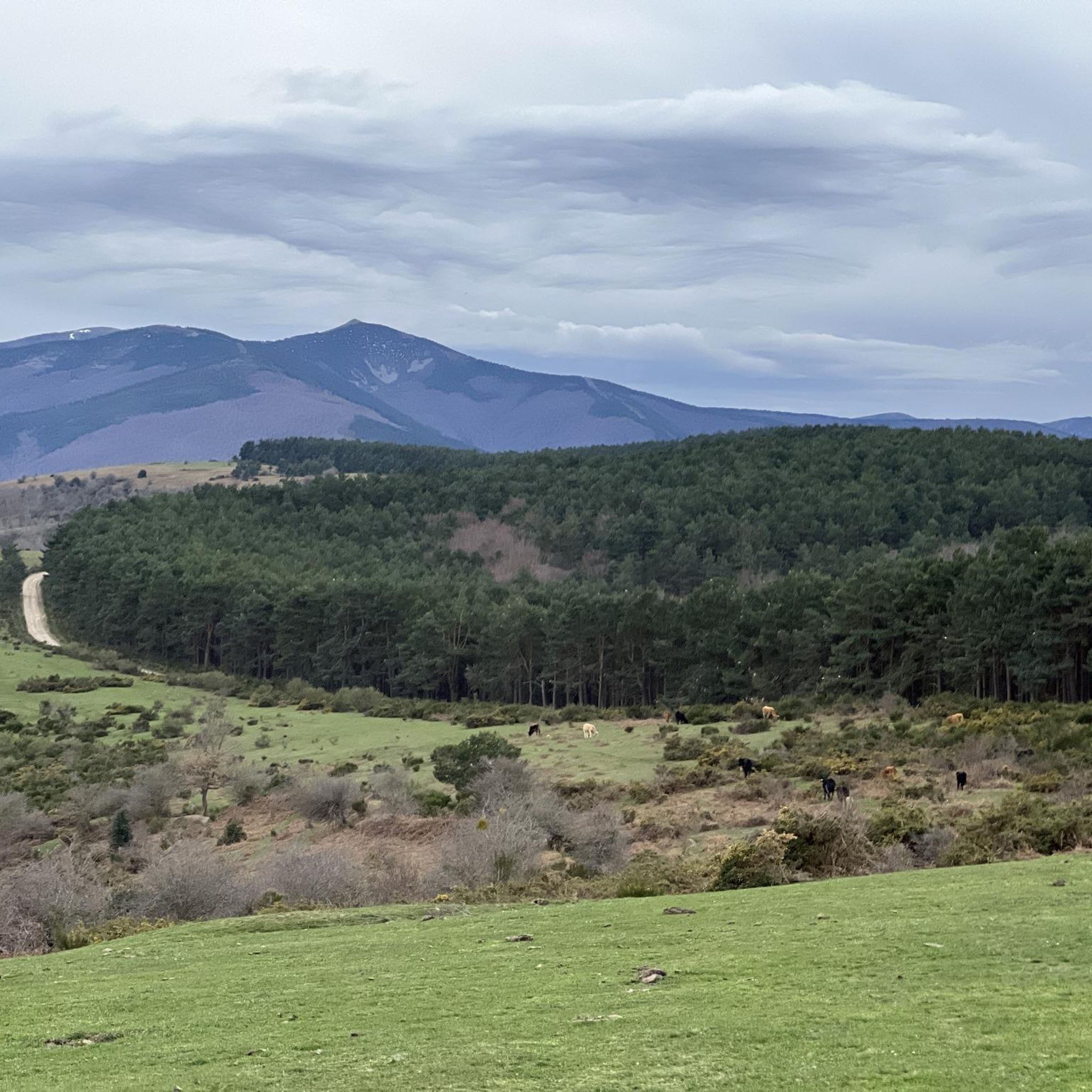
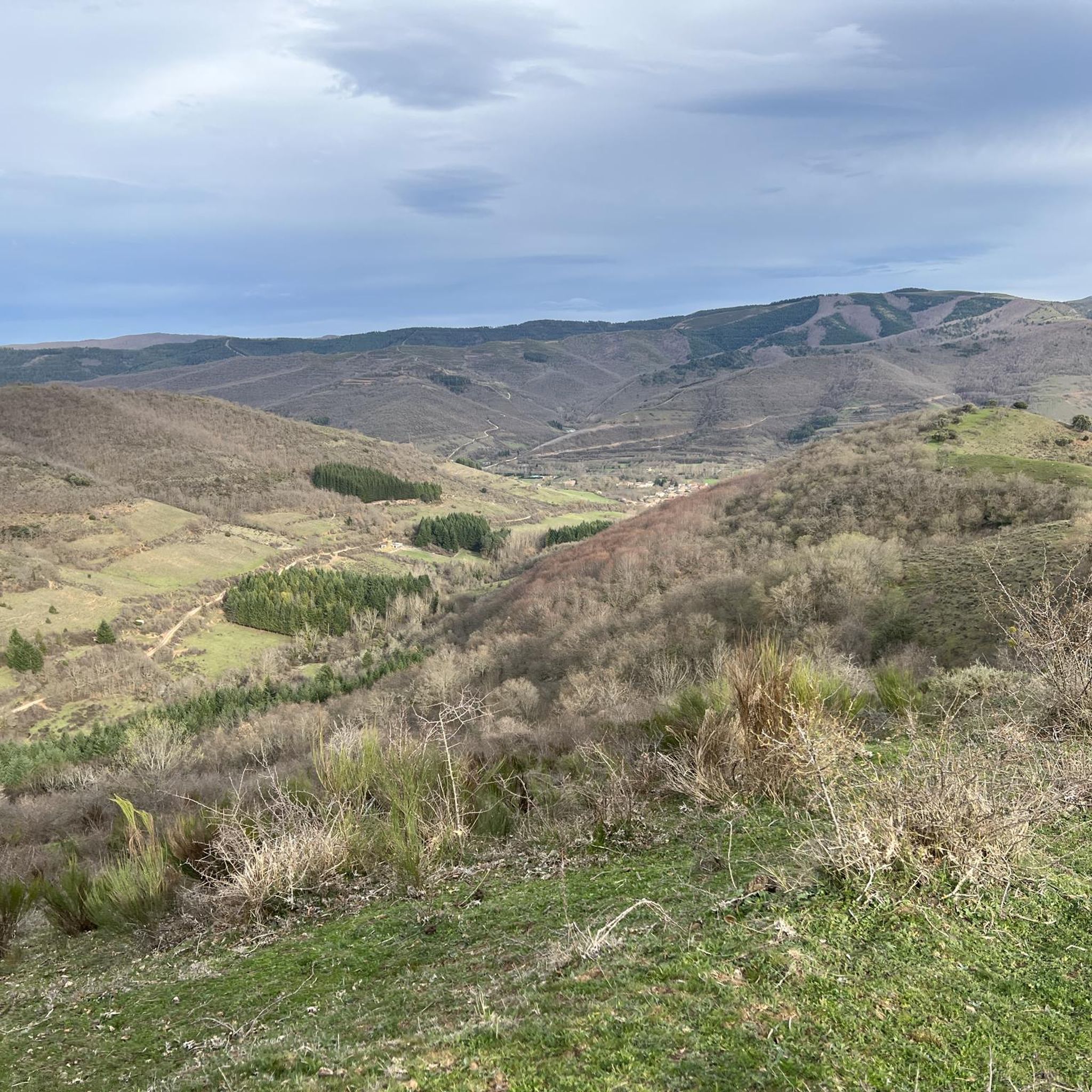

Tips from the Community

The pilgrimage route repeatedly involves crossing valleys and rivers like the Rio Oja – as here at Santo Domingo de la Calzada. The bridges are sometimes relatively modern, sometimes medieval, and sometimes even older.
1
0

It crosses the Oja River, connecting different parts of the city. Built in the 12th century by Saint Dominic de la Calzada to facilitate the passage of pilgrims on the Camino de Santiago. The stone bridge features several arches, a fine example of medieval engineering.
2
0
The Cathedral of Santo Domingo de la Calzada, also known as the Cathedral of El Salvador, is an impressive monument located in the town of Santo Domingo de la Calzada. The cathedral was built between the 12th and 13th centuries, combining Romanesque and Gothic styles. A unique feature is its free-standing tower, separated from the main body of the cathedral.
8
0

“Bicigrino” is a term used on the Camino de Santiago and is a combination of the Spanish words “bici”, meaning bicycle, and “peregrino”, meaning pilgrim1. A Bicigrino is therefore a pilgrim who covers the Camino de Santiago by bicycle21. To receive a Compostela certificate, a Bicigrino must complete at least the last 200 km of a Camino route, ending in Santiago de Compostela. It is a trend that has developed in recent years, with more and more pilgrims choosing to do the Camino de Santiago by bicycle. It's a great way to experience the beautiful landscapes and historic sites along the Camino. 😊
6
0
Saint John the Baptist (San JUAN BAUTISTA) is - like Saint Joseph - a man on the threshold of the Old and New Testaments. His parents are Zacharias and Elizabeth. After the announcement of the Incarnation of God through them, the Mother of God visits her relative Elizabeth, who will give birth to a son in her old age, namely John the Baptist. He is half a year older than Jesus and is considered his forerunner/pioneer. He lives in the desert, preaches repentance from sins to the Jewish population and baptizes them in the Jordan. Jesus also comes there to be baptized, and is filled with the Holy Spirit who descends upon him from heaven. The memorial day of San Juan Bautista in the calendar of saints is June 24th, exactly half a year before 'Christmas Eve'.
2
1
Again and again on the pilgrimage route - as here at Santo Domingo de la Calzada - valleys have to be crossed and rivers like the Rio Oja have to be crossed. The bridges are sometimes relatively modern, sometimes medieval and sometimes even older.
7
0
The typical features of almost every pilgrim figure: backpack, hat, walking stick and of course the clearly visible scallop shell; here, another object has been added, namely the bicycle.
8
0

Anyone who passes by here by bike along the Via de Compostela must stop for a photo.
8
0
Frequently Asked Questions
What historical and cultural sites can I explore around Ojacastro?
Ojacastro and its surroundings are rich in history. You can visit the impressive 16th-century Parish Church of San Julián and Santa Basilisa in Ojacastro itself, or the significant Santo Domingo de la Calzada Cathedral, known for its unique legend of the live rooster and hen. Another notable site is the San Millán de la Cogolla Monastery, a UNESCO World Heritage site where the first words in Castilian Spanish were written. Don't miss the 11th-century Santo Domingo de la Calzada Bridge, a historical crossing for pilgrims.
Are there opportunities for hiking and nature walks in the Ojacastro area?
Yes, the Oja Valley and the Sierra de la Demanda offer numerous opportunities for hiking and nature walks. You can explore ancient forests and a nature trail along the River Oja, which showcases the area's biodiversity with various tree species. The region is ideal for outdoor activities, with routes for all levels.
What kind of outdoor activities can I do near Ojacastro's attractions?
Beyond exploring the attractions, the area around Ojacastro is excellent for various outdoor activities. You can find numerous routes for cycling, mountain biking, and road cycling. For example, there are challenging cycling routes like 'Sierra de la Demanda – circular from Ezcaray por Valdezcaray' or more moderate MTB trails such as 'Fuente La Teja – Bonicaparra Shelter loop from Ezcaray'. You can find more details on these and other routes in the cycling guide, MTB guide, and road cycling guide for Ojacastro.
Are there any family-friendly attractions or activities around Ojacastro?
Several attractions around Ojacastro are suitable for families. The Santo Domingo de la Calzada Cathedral with its live rooster and hen is often a hit with children due to its unique legend. The San Millán de la Cogolla Monastery offers an educational experience. Additionally, the Bonicaparra Shelter provides an open hut with a fireplace, tables, and a fountain, serving as a recreational area perfect for a family stop during a walk or bike ride.
What is the Oja Valley known for?
The Oja Valley, where Ojacastro is situated, is known for its picturesque natural surroundings and opportunities for outdoor activities. It's characterized by ancient forests and the Oja River, which flows through a beautiful landscape. The valley offers numerous trails for hiking and cycling, allowing visitors to discover its diverse flora and natural heritage.
Can I find viewpoints or scenic spots in the Ojacastro area?
Yes, the region around Ojacastro, particularly within the Oja Valley and bordering the Sierra de la Demanda, offers several scenic viewpoints. The natural landscapes themselves provide many opportunities for beautiful vistas during hikes or bike rides. The Bonicaparra Shelter, for instance, is located in an area known for its views and forest setting.
What is the significance of the San Millán de la Cogolla Monasteries?
The Monasteries of San Millán de la Cogolla (Suso and Yuso), located near Ojacastro, are a UNESCO World Heritage site. They are significant not only for their impressive architectural heritage, including a Gothic cloister and royal sarcophagi, but also for their cultural importance. These monasteries housed the codex where the first words in Castilian Spanish were written, making them a foundational site for the Spanish language.
Is there an Ethnographic Museum in Ojacastro?
Yes, Ojacastro hosts an Ethnographic Museum. This museum provides valuable insight into the local history, traditions, and way of life of the Ojacastro region, offering a deeper understanding of the area's cultural heritage.
What kind of architecture can I expect to see in Ojacastro?
Ojacastro is characterized by its beautiful rural architecture. You'll find charming streets with cobbled paths, old houses with stone walls, and some well-preserved mansions spread across its three districts. Many balconies are traditionally adorned with peppers, adding to the village's unique atmosphere.
What is the 'Bicigrino Statue' and where can I find it?
The Bicigrino Statue is a man-made monument dedicated to pilgrims who travel the Camino de Santiago by bicycle. 'Bicigrino' combines the Spanish words for bicycle ('bici') and pilgrim ('peregrino'). It's a popular spot for cyclists on the Way of St. James to stop for a photo, symbolizing the growing trend of experiencing the Camino by bike.
Are there any accessible attractions for visitors with mobility needs?
The Santo Domingo de la Calzada Bridge is noted for being wheelchair accessible, allowing visitors with mobility needs to experience this historical landmark. While specific accessible paths within Ojacastro's natural areas may vary, this bridge offers a good option for inclusive sightseeing.
Most popular routes around Ojacastro
Most popular attractions around Ojacastro

Get inspired with the komoot mobile app


Explore more
Still not found the Highlight you’re looking for? See guides of the top attractions in other regions:
