Attractions and Places To See around Santa Comba - Top 20
Attractions and places to see around Santa Comba include a mix of historical sites and natural landscapes in the region of Galicia, Spain. The area is characterized by its connection to the Camino de Fisterra, offering insights into local heritage and traditional Galician life. Visitors can explore ancient settlements, religious buildings, and scenic routes that showcase the region's character.
Best attractions and places to see around Santa Comba
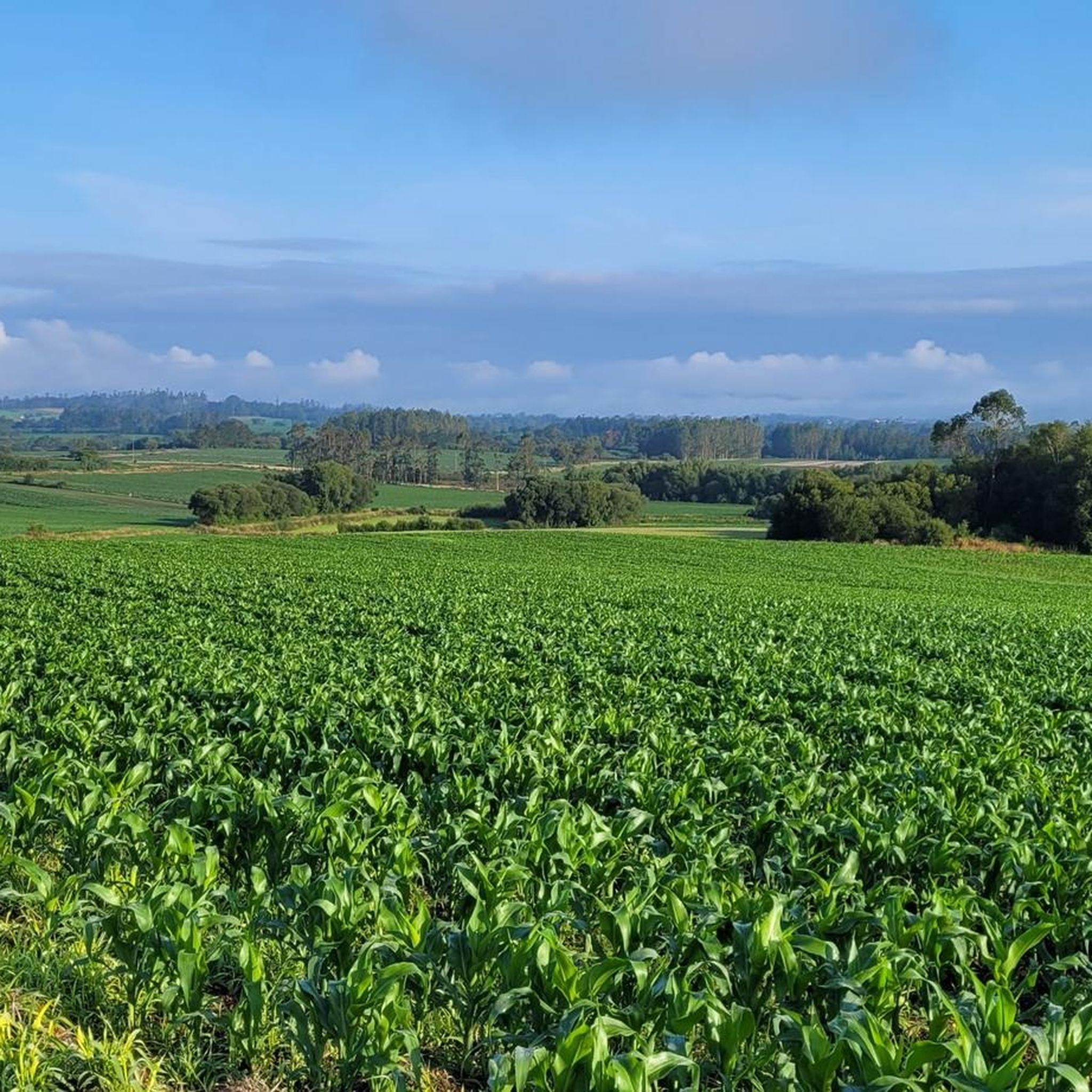
- The most popular attractions is Camino de Fisterra, a trail considered by many pilgrims as the continuation of the Camino de Santiago to the "end of the world." This route features well-marked paths and scenic landscapes.
- Another must-see spot is Parish Church of Santa Mariña de Maroñas, a religious building with a rectangular nave and a chapel. Visitors can observe its architectural details, including a barrel vault in the chapel.
- Visitors also love Negreira — Historic Town, a settlement located on the way to Fisterra. This town offers amenities like bars and hostels, and is known for its scenic environment.
- Santa Comba is known for its historical sites, religious buildings, and trails. The region offers a variety of attractions to see and explore, from ancient paths to local architecture.
- The attractions around Santa Comba are appreciated by the komoot community, with more than 200 upvotes and 12 photos shared by visitors.
Last updated: October 10, 2026
Camino de Fisterra
Highlight • Trail
'Buen Camino!'
Tip by

Negreira — Historic Town
Highlight • Settlement
Translated by Google •
Tip by

Sign up now to discover places like this
Get recommendations on the best single tracks, peaks, & plenty of other exciting outdoor places.
Negreira
Highlight • Settlement
The first settlements in the Negreira area were located at the strategically important ford over the Río Tambre, as well as on the main road to the coast (from Grandimirun, now Brandomil, to Aquis Celenis, now Caldas de Reis), and on the other hand, the riverside road along the Tambre, which connects the interior with the coastal region around Noia.
Pre-Roman activities can be traced throughout the A Barcala area. The settlement of Nicraria Tamara is mentioned in Roman times, during which time silver mines were also exploited here.
In 876, Negreira passed into the possession of the Compostelaan bishop Sisando by royal decree. In 979, Normans raided the Galician coast, and the town was wiped out. After the threat from the Normans and Moors was overcome, the town was rebuilt in 1113.
The Catholic Monarchs granted the town a royal privilege known as the Fuero Real, which secured Negreira's independence from the Compostelaan archbishop. Charles V renewed the privilege in 1520.
Translated by Google •
Tip by
Ferreiro Square Negreira
Highlight • Historical Site
On September 13, 1866, he acquired the Pazo do Cotón for 14,000 escudos from Mr. Nicanor Manso de Zúñiga Ezpeleta, VII Count of Hervías, the last member of the nobility who had inherited it from his aunt in the fifth degree, Mrs. Francisca de Paula de Luaces e Saavedra who did not have children from her marriage to D. José Mariño de Lobeira.
With the Revolution of 1868 that caused the resignation of Queen Isabel II and marked the first attempt at a democratic regime, D. Roque Ferreiro presided over the Negreira Revolutionary Assembly to name the new corporation that replaced the conservative government, in which he held the position of Trustee, whose function was to guarantee the functioning of the institution and defend the rights of the administered. The recovery of the Judicial Party of Negreira was then promoted, suppressed in 1867 due to the indifference of the previous residents, the Ames City Council becoming dependent on the court of Santiago, and an assembly was convened with representatives of the other municipalities to request the replacement given the damage it caused to the economy of the Region and to the legal rights of the residents.
He led political life during the second half of the 19th century and upon his death in 1888 his son Ramón Ferreiro Varela inherited the Manor, who married his cousin Teresa Caamaño Ferreiro who married the local doctor Victoriano Fabeiro García. Her daughter Teresa Fabeiro Caamaño has a street dedicated to her in Nicrari.
The Praza de Ferreiro has undergone various modifications over time, in 1951 it was paved, closed and endowed with the current fountain and in 1988 it was remodeled and landscaped with the appearance it presents today. In the oldest house, the name that refers to the famous Roque Ferreiro y Hermida, Knight of the Order of Carlos III and owner of the Pazo do Cotón, is still blurred. plazadocoton.blogspot.com/2021/03/praza-de-ferreiro.html
Translated by Google •
Tip by
Parish Church of Santa Mariña de Maroñas
Highlight • Religious Site
Translated by Google •
Tip by

Sign up for free to discover even more attractions around Santa Comba.
Already have an account?
Start today with a free account
Your next adventure awaits.
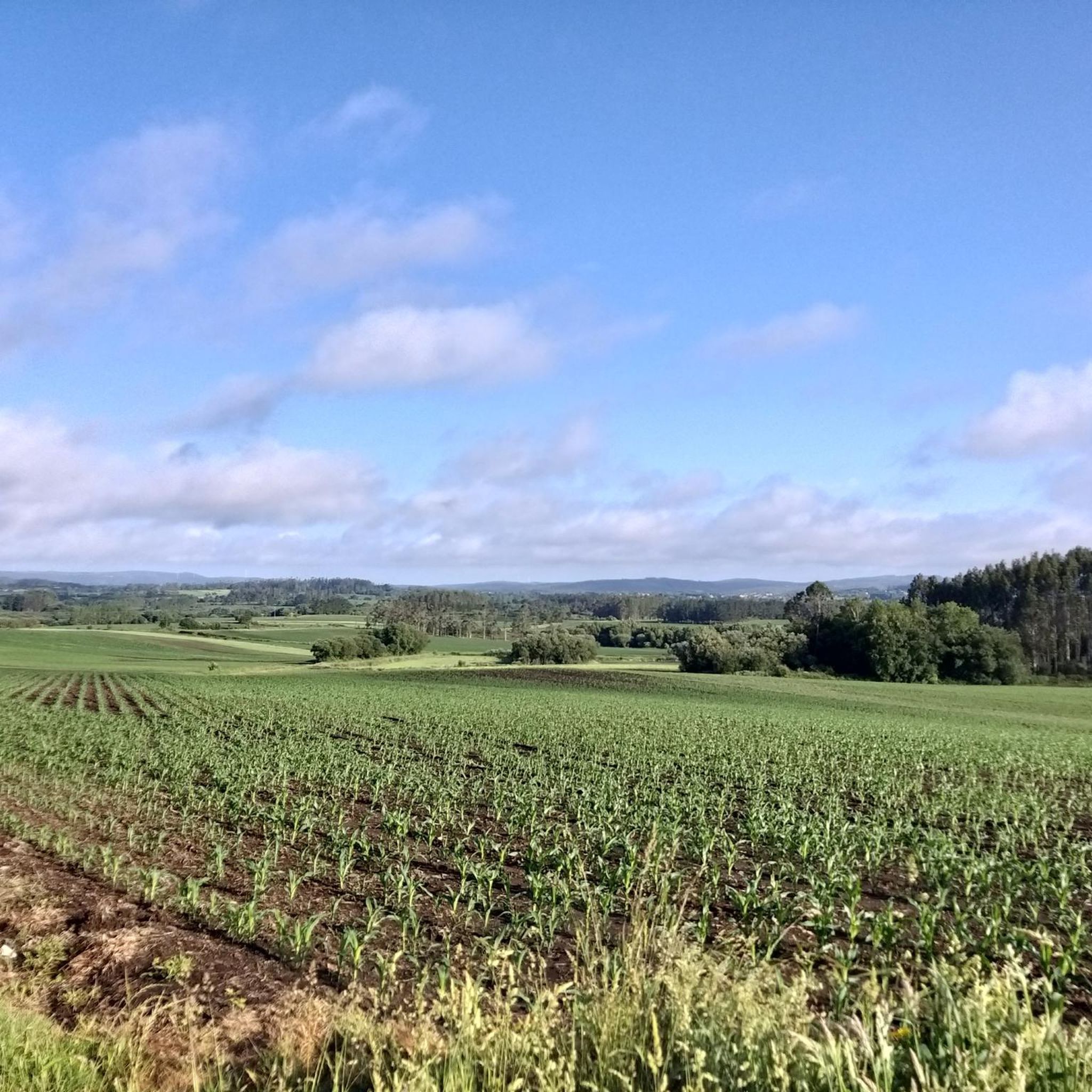
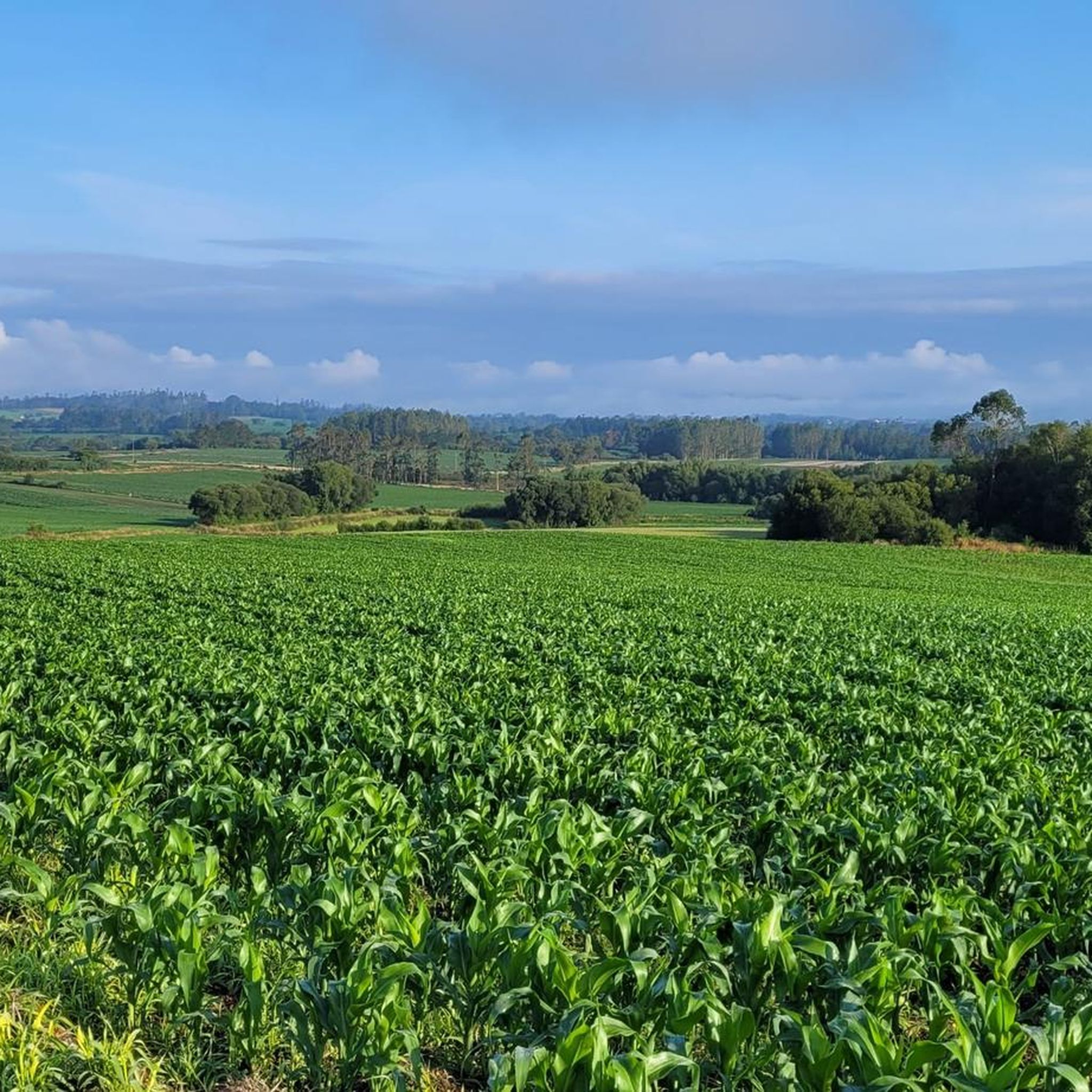
Tips from the Community

Scenically beautiful Negreira is the main town of the municipality of the same name (Concello) in the province of A Coruña, in the autonomous community of Galicia. 🤙
1
0

Along with the Pazo da Albariña manor house, the Pazo do Cotón stands out in the townscape. It is located on the Camino Real (Real Road) to Fisterra and was built between the 17th and 18th centuries. At the Porta da Capela, it spans the road with three arcades, and the upper wall is crenellated. The first settlements in the Negreira area were located at the strategically important ford over the Río Tambre, as well as on the main road to the coast (from Grandimirun, now Brandomil, to Aquis Celenis, now Caldas de Reis), and on the other hand, the riverside road along the Tambre, which connects the interior with the coastal region around Noia. Pre-Roman activities can be traced throughout the A Barcala area. The settlement of Nicraria Tamara is mentioned in Roman times, during which time silver mines were also exploited here. In 876, Negreira passed into the possession of the Compostelaan bishop Sisando by royal decree. In 979, Normans raided the Galician coast, and the town was wiped out. After the threat from the Normans and Moors was overcome, the town was rebuilt in 1113. The Catholic Monarchs granted the town a royal privilege known as the Fuero Real, which secured Negreira's independence from the Compostelaan archbishop. Charles V renewed the privilege in 1520.
1
0

If you have some days left after your arrival in Santiago and your feet feel like there is still a need for walking in them, then there is no way around doing the Camiño Fisterra y Muxia. The Walk leads through a lot of great nature and the Infrastructure is as good as at any other way. The Lighthouse in Finisterre alone, with the Zero Kilometre Stone is worth the almost hundred extra Kilometers, the real finish... The way is never overcrowded and the pilgrims you'll meet are usually a bit different than most of the people you've met on the way to Santiago. Don't miss your End of the World Party at the Faro Fisterra at sundown, some hundreds meters above the ocean! Feel free to also walk to or just visit Muxia, it's also worth it. Getting back to Santiago is no problem at all, several buses are scheduled every day from Finisterre or Muxia. For further information just ask, especially about accomodations.
2
0
The Camiño Fisterra y Muxia was and is certainly not overcrowded, but it is incorrect to say that only a few people walk it. Especially in 2022 (but also since then), i.e. in the "Covid Camino" year, there were a surprising number of Peregrinas & Peregrinos on the way between Santiago and Finisterre and the traditional evening closing celebrations at sunset at the lighthouse were terrific, very international and full of wine; finally feeling free again was the motto. I did two ;). The infrastructure is in no way inferior to the other paths and the nature around it is even more so.
2
0

Very nice urn graves. 😍
2
0
Small, dreamy town. Nice bars to hang out in.
3
0
There is a calmness on these paths. There are not many pilgrims here.
2
0
Frequently Asked Questions
What are some of the main historical and cultural attractions in the Santa Comba region?
The Santa Comba region in Galicia, Spain, is rich in history and culture. A significant highlight is the Camino de Fisterra, a historical trail considered by many pilgrims as a continuation of the Camino de Santiago. You can also explore the historic town of Negreira, known for its scenic environment and structures like the Pazo do Cotón. Additionally, the area features numerous parish churches, such as San Andrés de A Pereira and San Pedro de Santa Comba, and historical sites like the Hermitage of San Bartolomé and the Mills of Castriz.
What natural features can I explore around Santa Comba?
While the guide focuses more on historical sites, the region of Santa Comba in Galicia offers beautiful natural scenery. The nearby Playa de Santa Comba is known for its picturesque views. You can also find various fountains, some attributed with curative properties, like the Fuente de Santa Margarita. The area's landscape is characterized by its connection to the Camino de Fisterra, offering scenic routes through traditional Galician countryside.
Are there any family-friendly activities or places to visit in Santa Comba?
Yes, the historic town of Negreira is considered family-friendly and offers a pleasant environment to explore. The Ferreiro Square in Negreira is another historical site that families can visit, featuring a fountain and landscaped areas. Exploring parts of the Camino de Fisterra can also be a rewarding family activity, offering well-marked paths and scenic landscapes.
What kind of outdoor activities can I do near Santa Comba?
The Santa Comba region is excellent for various outdoor activities. You can find numerous cycling routes, including challenging road cycling tours like the 'Muxia - Carnota - Santa Comba Costa de Morte loop' or touring bicycle routes such as the 'Ponte de Brandomil – Encoro da Fervenza loop'. For those who enjoy running, there are trails like the 'Waterfall on the Rio Barcala loop from Casais'. You can find more details and routes in the dedicated guides for Road Cycling, Cycling, and Running Trails around Santa Comba.
What do visitors particularly enjoy about the attractions around Santa Comba?
Visitors appreciate the blend of historical significance and natural beauty. The Camino de Fisterra is highly valued for its scenic landscapes and the unique experience of continuing the pilgrimage to the 'end of the world'. The historic town of Negreira is praised for its charming environment and amenities. The area's religious buildings, like the Parish Church of Santa Mariña de Maroñas, are also noted for their architectural details and historical context.
Can you tell me more about the Camino de Fisterra near Santa Comba?
The Camino de Fisterra is a significant trail near Santa Comba, often seen as an extension of the Camino de Santiago. It's well-marked with mile/kilometer stones and the iconic shell symbol, guiding pilgrims to what was once considered the westernmost point of mainland Europe. The path offers beautiful scenery and is generally easy to walk, with plenty of accommodation and pilgrim-friendly meal options available along the way.
What is there to see in Negreira, a historic town near Santa Comba?
Negreira is a historic town located on the way to Fisterra, offering a scenic environment with bars and hostels. Key attractions include the Pazo do Cotón, a manor house built between the 17th and 18th centuries, and the Ferreiro Square, which has undergone various modifications over time and features a fountain. The town has a rich history, with pre-Roman activities and Roman-era silver mines, and played a role in the Camino Real to Fisterra.
Are there any notable religious buildings in the Santa Comba area?
Yes, the region has several notable religious buildings. The Parish Church of Santa Mariña de Maroñas is a significant example, featuring a rectangular nave, a chapel with a barrel vault, and a sacristy. Other parish churches throughout the area include San Andrés de A Pereira, San Vicente de Arantón, San Pedro de Santa Comba, Santa María de Alón, and San Pedro de Xallas de Castriz, each contributing to the local heritage.
Where can I find ancient settlements or archaeological sites in Santa Comba, Galicia?
The Santa Comba region has a history stretching back to ancient times. You can find sites like Castro Boaña, an oval-shaped hillfort located at 380 meters of altitude, surrounded by a wall. Pre-Roman activities have been traced throughout the A Barcala area, and the settlement of Nicraria Tamara is mentioned from Roman times, when silver mines were exploited here. These sites offer insights into the region's early inhabitants and their way of life.
Are there any specific historical monuments or unique buildings to visit in Santa Comba, Galicia?
Beyond the churches, Santa Comba in Galicia features several unique historical monuments. These include the Hermitage of San Bartolomé, the historic Mills of Castriz, and the Pazo de Santiso / Casa do Pozo. The Pazo do Cotón in Negreira is another prominent example, an impressive manor house spanning the road with three arcades. These sites showcase the architectural and historical evolution of the area.
Are there any easy hiking trails near Santa Comba suitable for beginners?
While specific 'easy' hiking trails are not detailed in the guide data, the Camino de Fisterra is described as a path that is 'easy to walk' in many sections, making it suitable for those looking for a less strenuous experience. For more structured routes, you can explore the Running Trails around Santa Comba guide, which includes moderate options like the 'Running loop from Mazaricos' and 'Running loop from Zas' that might be suitable for beginner hikers.
What are some of the most popular cycling routes around Santa Comba?
For cyclists, Santa Comba offers a variety of popular routes. Road cyclists can tackle challenging options like the 'Muxia - Carnota - Santa Comba Costa de Morte loop'. For touring cyclists, the 'Gravel on the Camino de Santiago – Camino de Fisterra Marker loop from Casais' and the 'Ponte de Brandomil – Encoro da Fervenza loop from Área Recreativa de Brandomil' are well-regarded. More details can be found in the Road Cycling Routes and Cycling around Santa Comba guides.
Are there any specific viewpoints or scenic spots in the Santa Comba area?
While the guide doesn't list specific viewpoints by name for Santa Comba, Galicia, the region's natural landscape along the Camino de Fisterra offers many scenic spots. The Camino de Fisterra itself is categorized as having viewpoints, providing picturesque vistas as you traverse the historic route. The Playa de Santa Comba is also noted for its beautiful scenery, offering coastal views.
Most popular routes around Santa Comba

Get inspired with the komoot mobile app


Explore more
Still not found the Highlight you’re looking for? See guides of the top attractions in other regions:
