The best cycling routes around Santa Comba
4.3
(71)
407
riders
17
rides
Touring cycling routes around Santa Comba traverse a landscape characterized by rolling hills, river valleys, and agricultural areas. The region features a mix of paved roads and gravel paths, offering diverse terrain for cyclists. Routes often follow historical paths, providing views of rural Galician scenery. The area's elevation changes contribute to varied cycling experiences.
Best touring cycling routes around Santa Comba
- The most popular touring cycling route is Santa Comba Return, a 23.3 miles (37.5 km) trail that takes 2 hours 29 minutes to complete. This moderate route offers a comprehensive loop around the local area.
- Another top favourite among local touring cyclists is Ponte de Brandomil – Encoro da Fervenza loop from Área Recreativa de Brandomil, a moderate 19.3 miles (31.1 km) path. This route winds through varied terrain, passing by the Brandomil bridge and the Fervenza reservoir.
- Local touring cyclists also love the Museo Terra do Xallas loop from Santa Comba, a 29.2 miles (47.0 km) trail leading through the Xallas region, often completed in about 4 hours 5 minutes.
- Touring cycling around Santa Comba is defined by rolling hills, river valleys, and rural landscapes. The network offers options for different ability levels, from moderate loops to more challenging long-distance routes.
- The routes in Santa Comba are highly rated by the komoot community with an average score of 4.4 stars from over 75 reviews. More than 390 touring cyclists have used komoot to explore Santa Comba's varied terrain.
Last updated: June 19, 2026
37.5km
02:29
370m
370m
Moderate bike ride. Good fitness required. Mostly paved surfaces. Suitable for all skill levels.
4.5
(6)
48
riders
87.4km
06:09
1,570m
1,570m
Hard bike ride. Very good fitness required. Mostly paved surfaces. Suitable for all skill levels.

Sign up for free
5.0
(1)
23
riders
121km
08:29
1,890m
1,890m
Hard bike ride. Very good fitness required. You may need to push your bike for some segments of this route.
3.7
(3)
11
riders
Moderate bike ride. Good fitness required. Mostly paved surfaces. Suitable for all skill levels.
14
riders
47.0km
04:05
770m
770m
Hard bike ride. Very good fitness required. Mostly paved surfaces. Suitable for all skill levels.
Get access to more routes and recommendations from other explorers.
Sign up for free
Already have an account?
Our route recommendations are based on thousands of hikes, rides, and runs completed by other people on komoot.
Start today with a free account
Your next adventure awaits.
Login or Signup
Tips from the Community

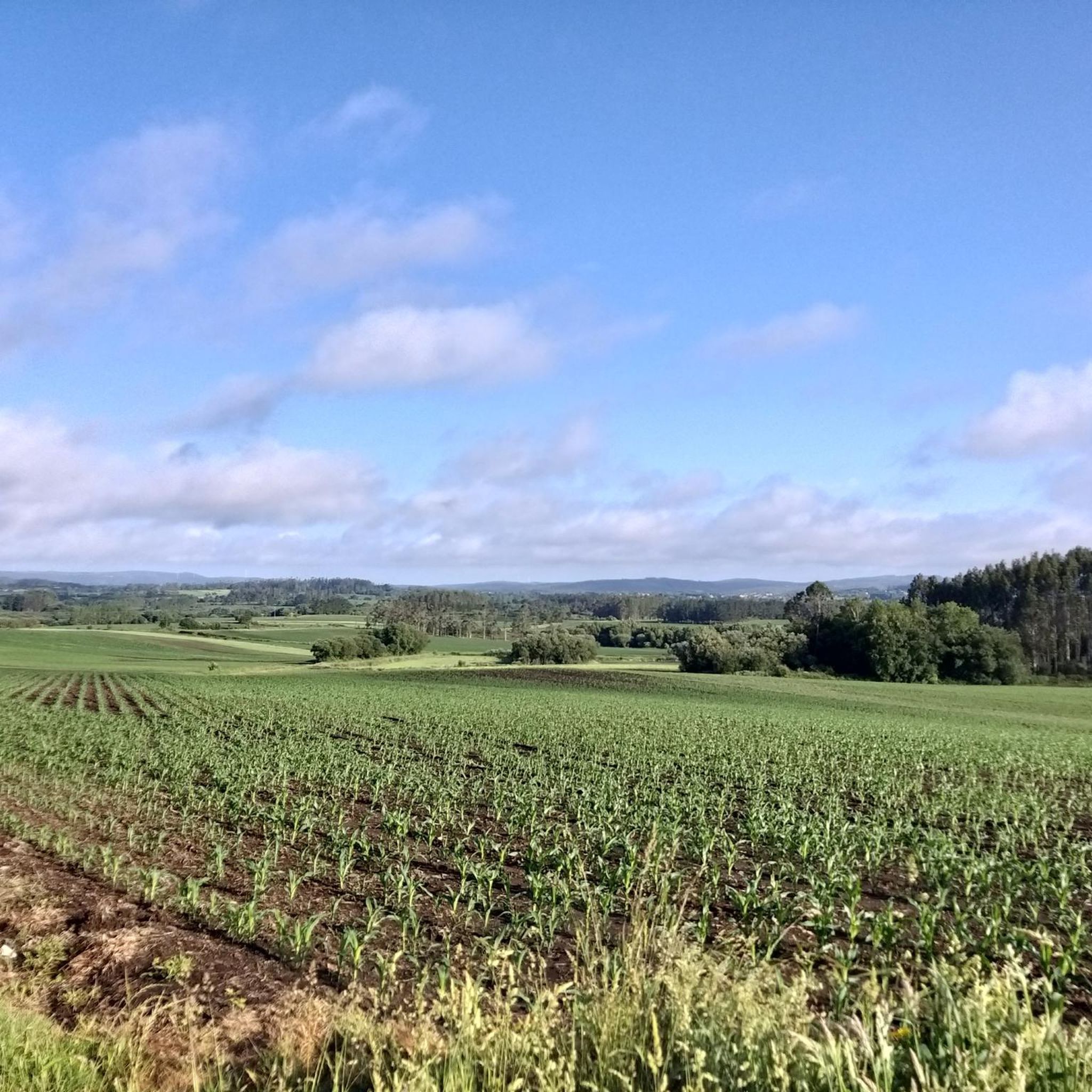
A transit area on one of my long routes.
0
0


Along with the Pazo da Albariña manor house, the Pazo do Cotón stands out in the townscape. It is located on the Camino Real (Real Road) to Fisterra and was built between the 17th and 18th centuries. At the Porta da Capela, it spans the road with three arcades, and the upper wall is crenellated. The first settlements in the Negreira area were located at the strategically important ford over the Río Tambre, as well as on the main road to the coast (from Grandimirun, now Brandomil, to Aquis Celenis, now Caldas de Reis), and on the other hand, the riverside road along the Tambre, which connects the interior with the coastal region around Noia. Pre-Roman activities can be traced throughout the A Barcala area. The settlement of Nicraria Tamara is mentioned in Roman times, during which time silver mines were also exploited here. In 876, Negreira passed into the possession of the Compostelaan bishop Sisando by royal decree. In 979, Normans raided the Galician coast, and the town was wiped out. After the threat from the Normans and Moors was overcome, the town was rebuilt in 1113. The Catholic Monarchs granted the town a royal privilege known as the Fuero Real, which secured Negreira's independence from the Compostelaan archbishop. Charles V renewed the privilege in 1520.
1
0

Very beautiful bridge that still stands today - like the Roman Bridge in Trier.
2
2


The key feature of these granaries—which were always deliberately built on stilts—is the flat, plate- or lid-shaped top at the top of the supporting pillars. This special construction feature for the "horreos" was vitally important in ancient times: these elements represented an insurmountable obstacle for voracious rodents such as rats and mice, thus protecting the harvest from these unwelcome guests.
4
0

They are built in such a way as to prevent animals, such as mice, from climbing into the barn.
5
1
They are built in such a way as to prevent animals, such as mice, from climbing into the barn.
5
0
Frequently Asked Questions
How many touring cycling routes are available around Santa Comba?
There are nearly 20 touring cycling routes around Santa Comba, offering a variety of experiences for cyclists. These routes are highly rated by the komoot community, with an average score of 4.4 stars from over 75 reviews.
What kind of terrain can I expect on touring cycling routes in Santa Comba?
The touring cycling routes around Santa Comba feature a diverse landscape of rolling hills, river valleys, and agricultural areas. You'll encounter a mix of paved roads and gravel paths, with elevation changes contributing to varied cycling experiences. The region's routes often follow historical paths, providing views of rural Galician scenery.
Are there any easy touring cycling routes for beginners in Santa Comba?
While most routes in Santa Comba are rated moderate to difficult, there are options suitable for those looking for a less strenuous ride. For example, the Santa Comba Return is a moderate 37.5 km loop that offers a comprehensive tour of the local area without extreme challenges. Another moderate option is the Ponte de Brandomil – Encoro da Fervenza loop from Área Recreativa de Brandomil, which winds through varied terrain over 31.1 km.
What are some longer, more challenging touring cycling routes in the area?
For experienced touring cyclists seeking a challenge, Santa Comba offers several difficult routes. The Camino de Fisterra Marker – Gravel on the Camino de Santiago loop from A Pereiriña is a demanding 121.5 km route with significant elevation changes. Another option is the Gravel on the Camino de Santiago – Camino de Fisterra Marker loop from O Cornado, covering 86.8 km through challenging terrain.
Are there any circular touring cycling routes around Santa Comba?
Yes, many of the touring cycling routes in Santa Comba are designed as loops. Popular circular routes include the Santa Comba Return, a 37.5 km loop, and the Museo Terra do Xallas loop from Santa Comba, which is a 47.0 km trail through the Xallas region.
What attractions or landmarks can I see along the touring cycling routes?
Many routes offer glimpses of the region's cultural and historical heritage. You might encounter charming towns and villages, and historical sites. Notable attractions in the broader area include the historic town of Negreira, Ferreiro Square Negreira, and the Parish Church of Santa Mariña de Maroñas. Some routes also intersect with sections of the famous Camino de Fisterra.
What do other touring cyclists enjoy most about cycling in Santa Comba?
The area is highly rated by the komoot community, with an average score of 4.4 stars. Cyclists often praise the varied terrain, which includes rolling hills and river valleys, and the opportunity to explore rural Galician scenery. The mix of paved roads and gravel paths also provides diverse experiences for different preferences.
Are there any routes that follow rivers or offer waterside views?
Yes, the region is characterized by routes that follow important rivers. For instance, the Ponte de Brandomil – Encoro da Fervenza loop from Área Recreativa de Brandomil winds through varied terrain, passing by the Brandomil bridge and the Fervenza reservoir, offering scenic waterside views.
Can I find routes that are suitable for gravel bikes?
Absolutely. The presence of gravel paths and routes like the Gravel on the Camino de Santiago – Camino de Fisterra Marker loop from O Cornado indicate that Santa Comba is well-suited for gravel touring. These routes often combine paved sections with unpaved tracks, providing an adventurous experience.
What is the best time of year for touring cycling in Santa Comba?
While specific seasonal data isn't provided, regions with rolling hills and river valleys like Santa Comba generally offer pleasant cycling conditions during spring and autumn. These seasons typically avoid the peak heat of summer and the colder, potentially wetter conditions of winter, providing comfortable temperatures and beautiful scenery.
Are there any routes that pass through villages or offer opportunities for refreshments?
Many routes in Santa Comba traverse rural areas and pass through charming villages. While specific cafes are not listed, cycling through settlements like Negreira or other local villages often provides opportunities to stop for refreshments and experience local culture. Planning your route with komoot allows you to identify potential stops along the way.
Most popular attractions around Santa Comba

Get inspired with the komoot mobile app


Explore more
Browse the best Cycling routes in other regions.
